

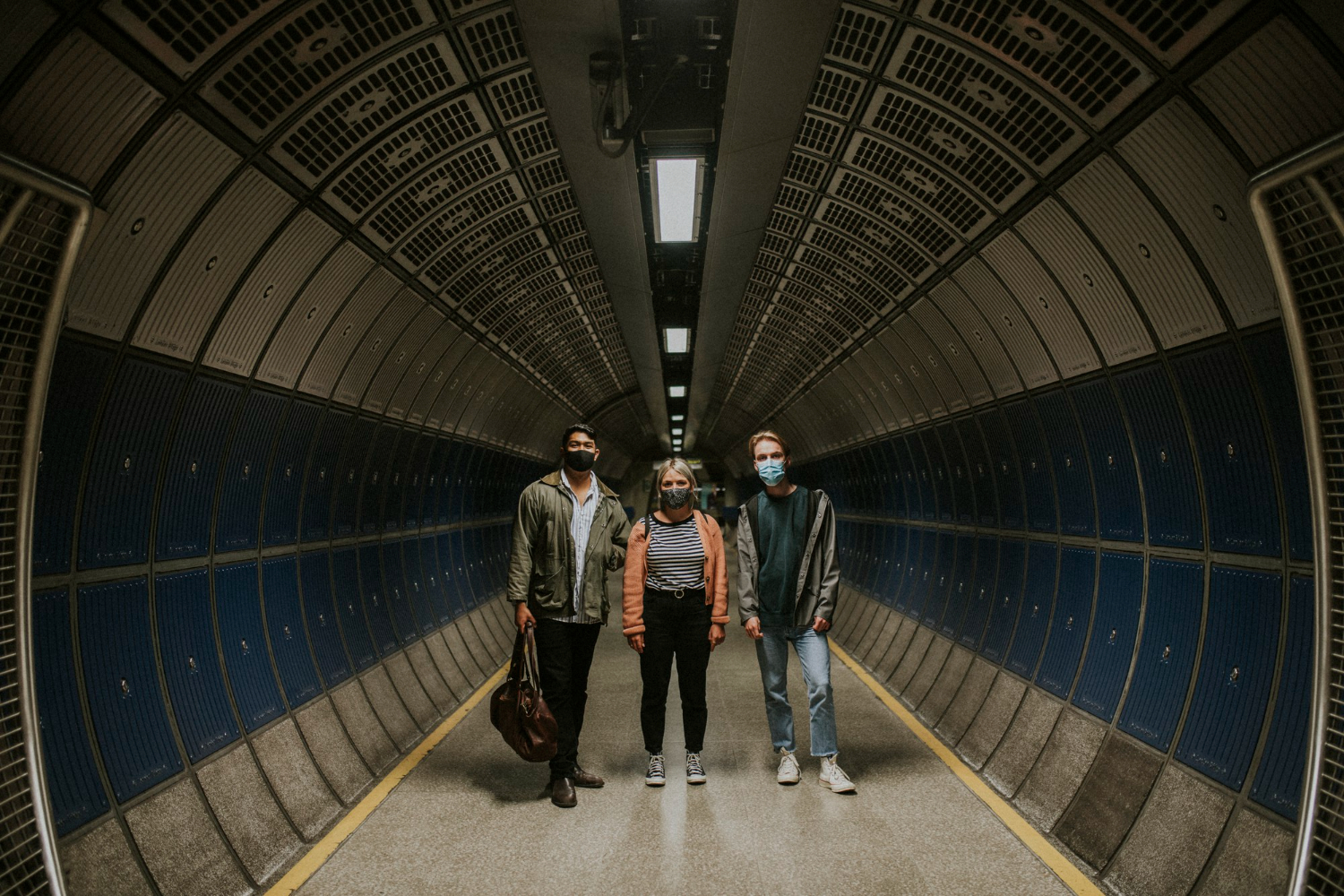
Beneath downtown Houston, a 7-mile climate-controlled tunnel system connects approximately 95 city blocks, serves an estimated 150,000 workers per business day, and contains over 200 retail businesses, restaurants, hotels, and services — and most Americans have never heard of it. The Houston Downtown Tunnel System is one of five major American underground networks that operate substantially out of public view, used primarily by office workers in the surrounding business districts and largely invisible to visitors or to the broader public. The American underground city is not a single famous place. It is a network of climate-controlled, weather-protected, and in some cases entirely artificial subterranean environments built in specific cities for specific reasons — to escape Houston’s heat, to escape Minneapolis’s cold, to recover Atlanta’s flooded historic district, to navigate Chicago’s loop in winter. Here are the five major American underground networks, with the specific scale, history, and current operations of each.
The American underground network is a specific architectural typology that emerged in the mid-20th century in response to specific climate and urban-design challenges. Each of the five systems below has its own origin, scale, and current operating model. None of them are particularly famous outside their host cities. All of them are accessible to visitors, free to enter, and operate during business hours. The cumulative scale is substantial — across the five systems, an estimated 350,000 to 500,000 Americans use underground or weather-protected urban networks during a typical business day. The networks function as parallel cities operating beneath the conventional street-level cities most visitors actually see.
1. The Houston Downtown Tunnel System
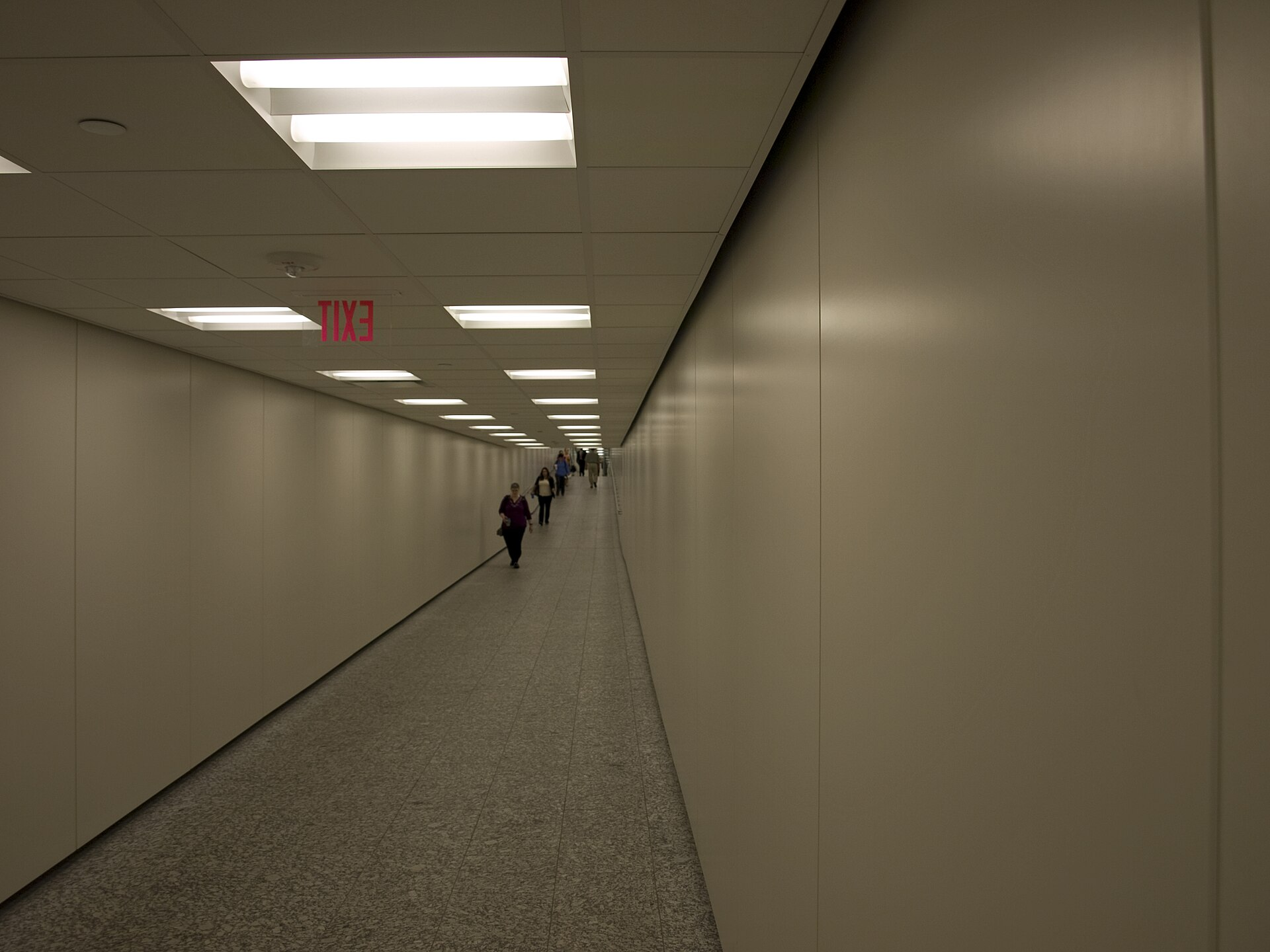
The Houston Downtown Tunnel System is the largest underground urban network in the United States. The tunnels were originally constructed in the 1930s to connect the Bankers Mortgage Building, the Mellie Esperson Building, and the Loews Theatre, and have expanded continuously over the past ninety years. The current system runs approximately 7 miles, connecting 95 city blocks of downtown Houston. The tunnels operate during business hours — typically 6 a.m. to 6 p.m. weekdays — and contain over 200 retail businesses including restaurants, dry cleaners, banks, fitness centers, pharmacies, and salons. The system is 20 feet below street level on average and is privately owned by the buildings that connect to it. The tunnels were built specifically to allow downtown workers to navigate between offices, lunch destinations, and services without exposure to Houston’s extreme summer heat, which routinely exceeds 100 degrees Fahrenheit. Approximately 150,000 workers use the system on a typical weekday.
2. The Chicago Pedway System
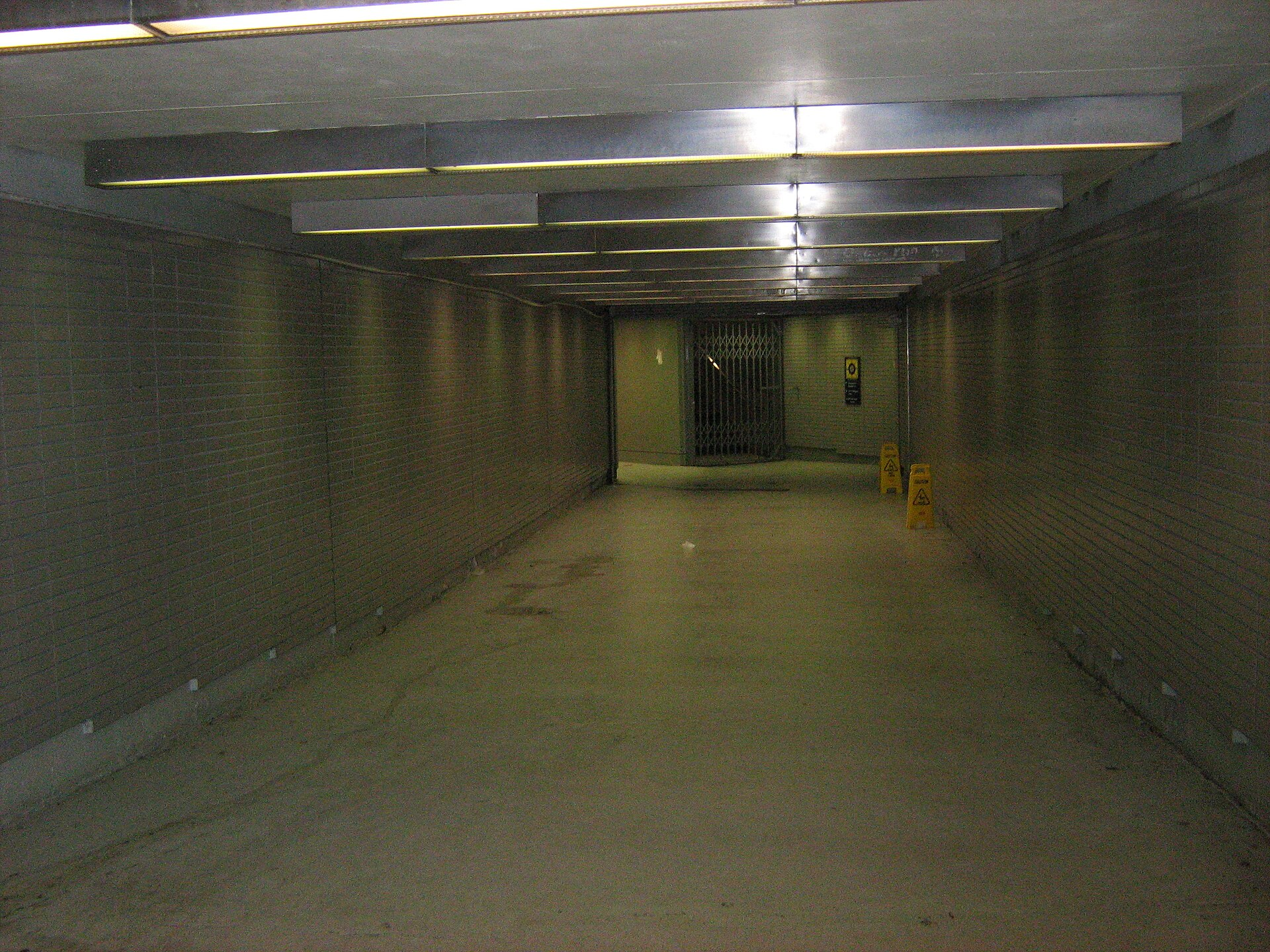
The Chicago Pedway is a network of underground tunnels, ground-level concourses, and elevated overhead bridges connecting more than 50 buildings in the downtown Loop and Near North Side. The system covers approximately 5 miles and connects major buildings including Macy’s, the Chicago Cultural Center, City Hall, the Daley Center, multiple CTA rail stations, and dozens of office towers. The Pedway operates 24 hours in most sections, though specific building connections are closed during off-hours. The system was originally developed in the 1950s to allow downtown workers to navigate Chicago’s winters without exposure to the brutal lakefront cold. The Pedway is free to use, signed (though navigation remains famously challenging for first-time users), and accessible via approximately 40 entrance points throughout the downtown area.
3. The Underground Atlanta
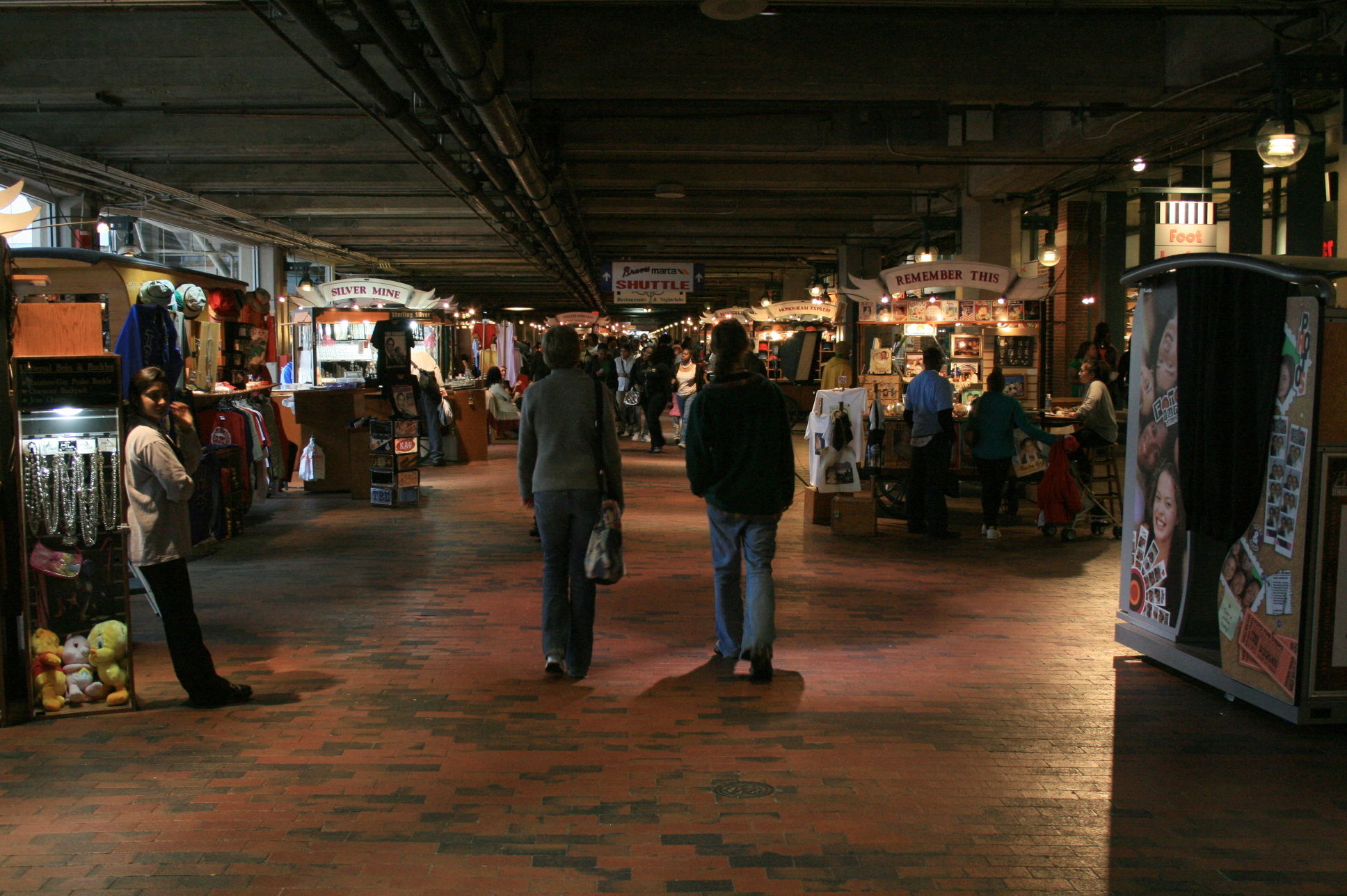
Underground Atlanta is a different kind of underground network — five city blocks of preserved 19th-century streets that were buried beneath an elevated street system constructed between 1928 and 1969. The original streets, storefronts, and infrastructure remained intact below the new surface streets. The site was converted to a tourist attraction and shopping district in 1969, closed in 1980, reopened in 1989, struggled commercially through the 2000s and 2010s, and has experienced multiple ownership changes and redevelopment attempts since. The current Underground Atlanta operates a smaller commercial footprint with some original 1800s structures preserved as a historic destination. The site is unique among American underground networks because the underground portions were originally street-level — the city literally built over its own historic downtown rather than digging tunnels.
4. The Crystal City Underground (Arlington, Virginia)
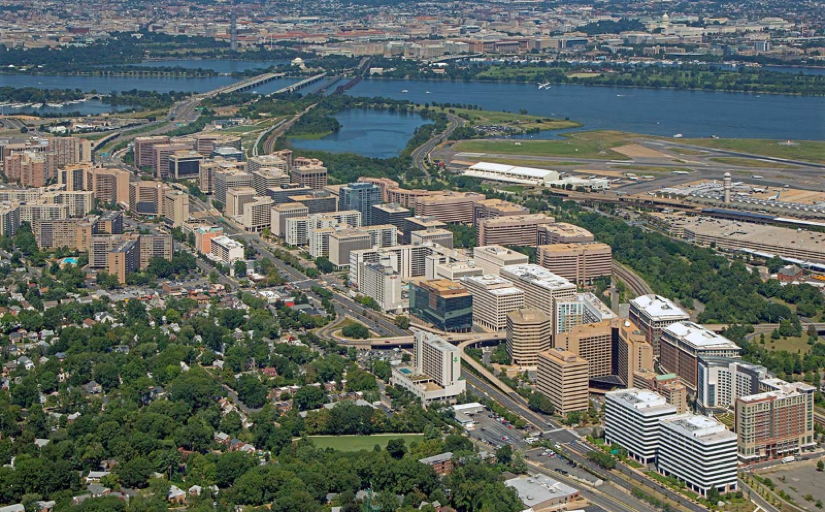
The Crystal City Underground is a 2-mile network of climate-controlled underground concourses connecting the Crystal City Metro station, office buildings, residential complexes, hotels, restaurants, and retail across the Crystal City neighborhood of Arlington, Virginia (immediately south of Washington National Airport). The system was built in the 1960s and 1970s as part of the original Crystal City development. The Underground includes approximately 130 businesses — restaurants, dry cleaners, banks, fitness centers — and serves a daily workforce of approximately 60,000. Amazon’s HQ2 development in the broader Crystal City area, opening in phases starting 2023, has been linked into the Underground network. The system operates roughly during business hours and is free to enter.
5. The Las Vegas Pedestrian Tunnels and Climate-Controlled Networks
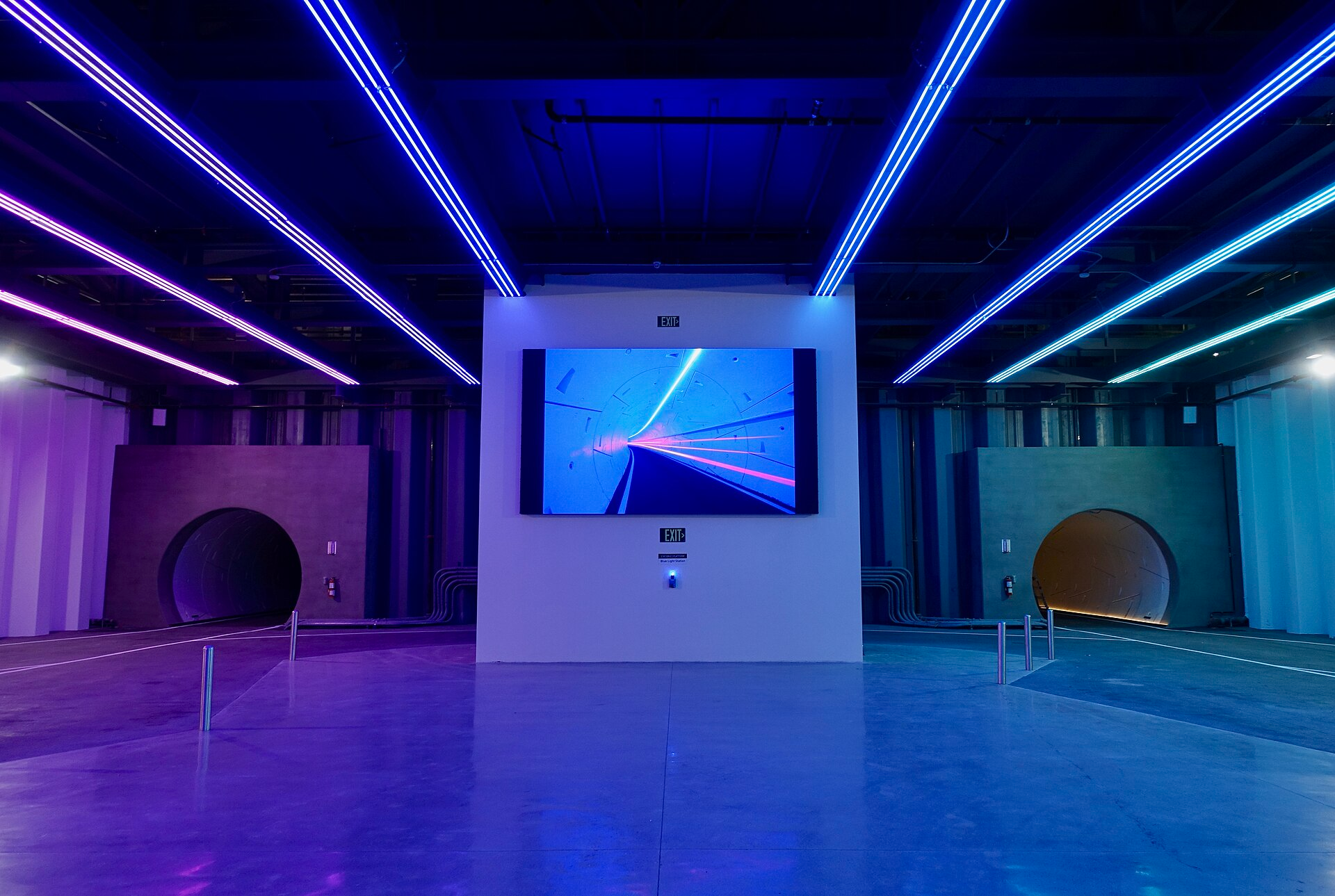
The Las Vegas Strip has a substantial network of climate-controlled pedestrian connections that, while not officially designated an “underground city,” function similarly. The Cosmopolitan, the Aria, Bellagio, Caesars Palace, Paris, Bally’s, and Planet Hollywood are interconnected by a combination of pedestrian bridges, tunnels, and through-property walkways that allow visitors to move between casinos without exposure to Las Vegas’s extreme summer heat (where afternoon temperatures regularly exceed 110 degrees Fahrenheit). The system was developed organically rather than through master planning, with each casino owner adding connections to neighboring properties. The cumulative network covers approximately 4 miles of weather-protected pedestrian routes and serves an estimated 200,000+ tourists per peak day during summer months.
What Makes These Networks Different
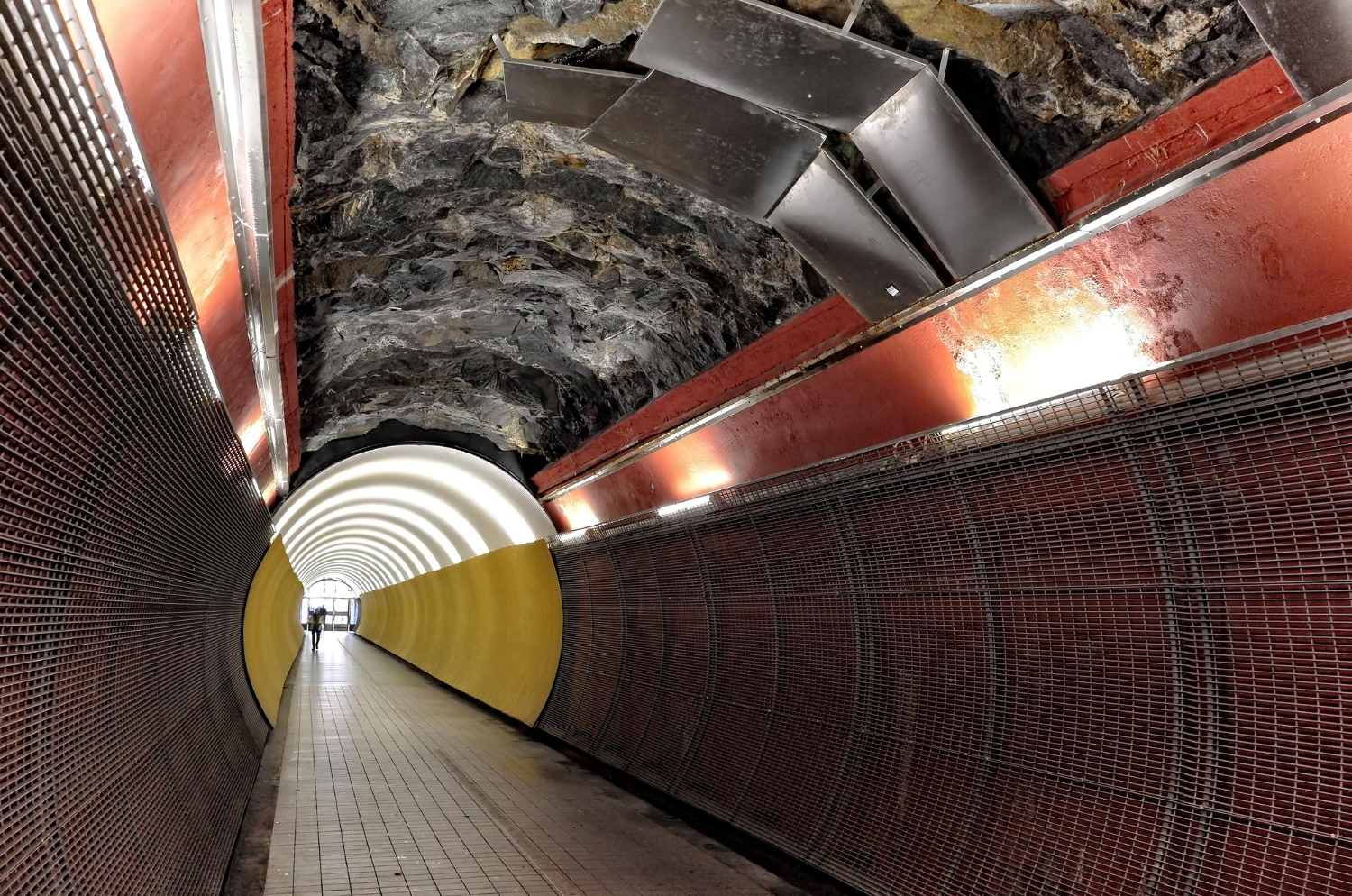
The five American underground networks share specific characteristics. Each emerged in response to a specific climate or urban-design challenge — Houston’s heat, Chicago’s winter, Atlanta’s reconstruction, Crystal City’s master-planned development, Las Vegas’s tourist economy. Each operates as a parallel infrastructure layer that most casual visitors never see. Each is free to access. Each contains substantial commercial activity that depends on the workforce or visitor base that uses the network rather than the street-level walking traffic above. The networks are not subway systems (though they often connect to rail), not basement-level shopping centers (though they contain similar retail), and not the famous European covered-arcade systems (though they share some functional similarities). They are a uniquely American urban form.
The Practical Visitor Information
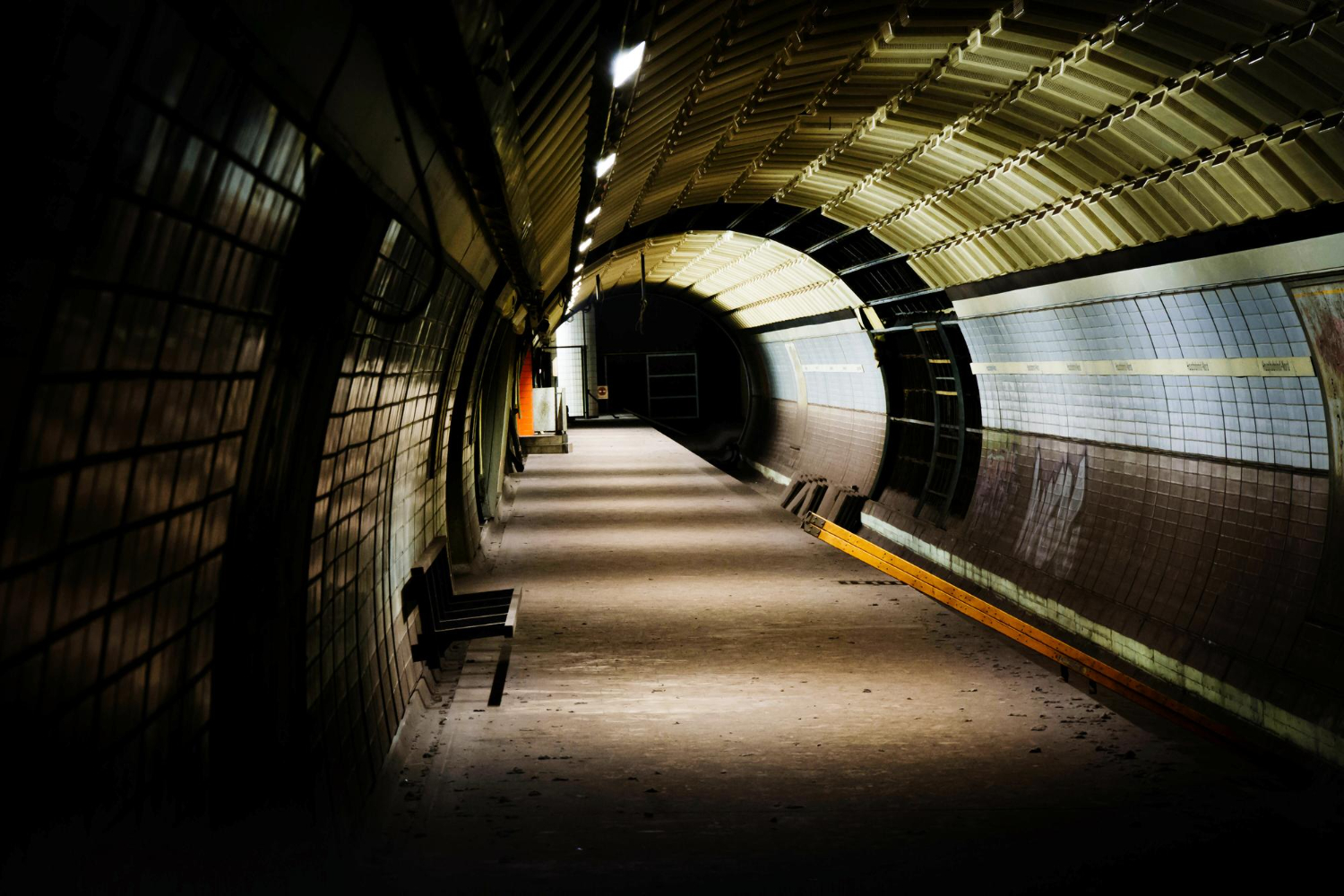
Each system is open to visitors and can be navigated on a self-guided basis. The Houston Tunnel System provides a downloadable map through the Houston Tunnel App. The Chicago Pedway is mapped by the city of Chicago, though navigation can be challenging for first-time users — many regulars rely on familiar landmark routes rather than the formal map. Underground Atlanta is a defined tourist destination with standard wayfinding signage. Crystal City Underground has a comprehensive map available at the BetterLife development site. The Las Vegas Strip walkways are mapped at the property level rather than as a unified system. None of the networks charge admission. All of them operate during business hours minimum, with some 24-hour sections.
What Most Travelers Get Wrong
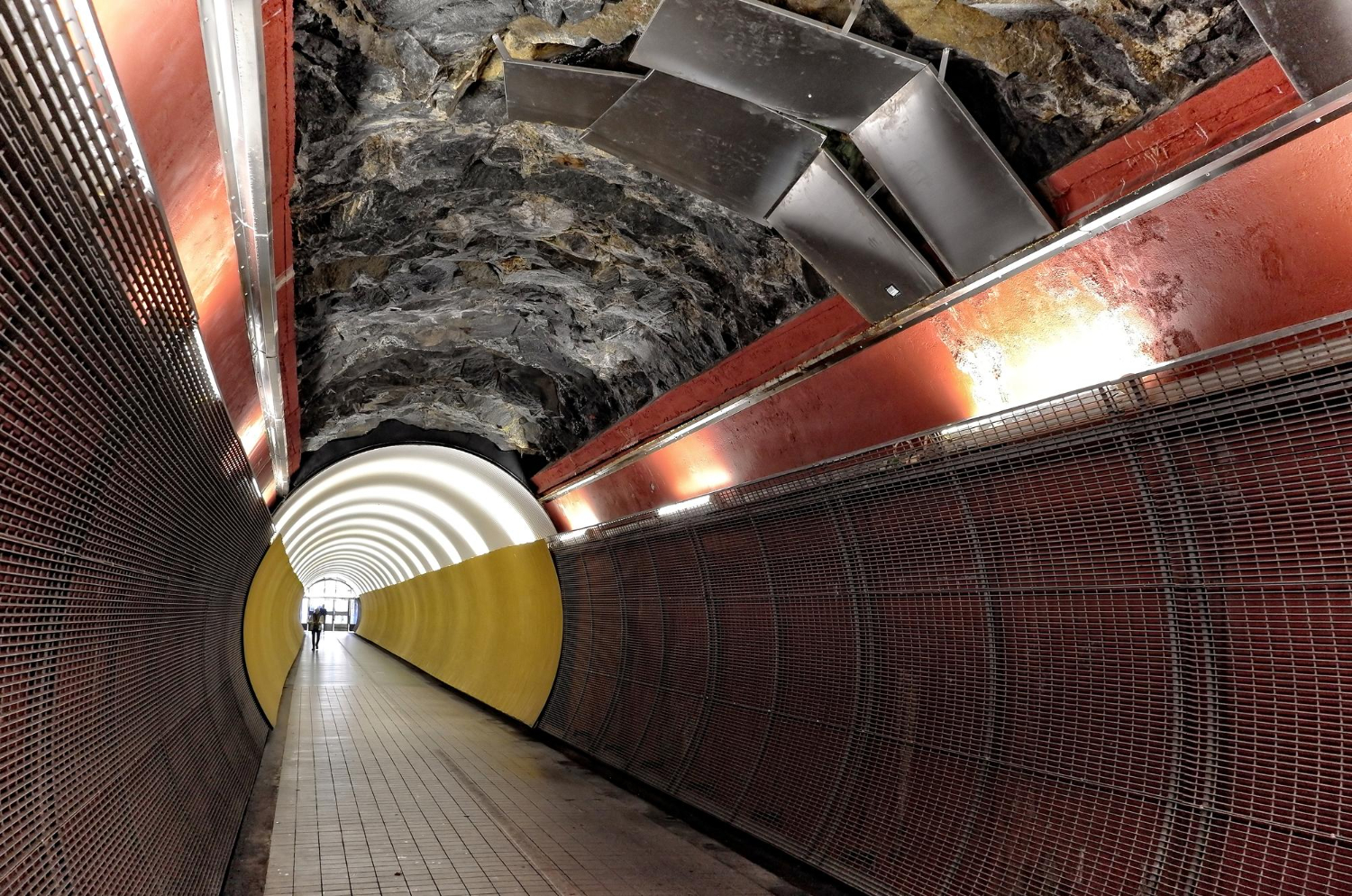
The popular American conception of an “underground city” tends to imagine residential communities living below ground — places like Coober Pedy in Australia or the abandoned-mine residential communities of Eastern Europe. None of the five American networks fits that pattern. They are commercial-and-pedestrian infrastructure, not residential. The Americans who use them daily commute to street-level homes, work in the underground systems, and return to street-level residences in the evening. The exception, briefly, was the Las Vegas tunnel-dweller community of approximately 500 to 1,500 homeless residents who lived in the flood-control tunnels beneath the Strip from the 1990s through the early 2020s. The community was substantially displaced by Las Vegas Metropolitan Police and Clark County enforcement actions between 2018 and 2024, with most residents relocated to surface-level housing programs.
The American underground city is therefore a working pedestrian network rather than a hidden residential community. The networks remain substantially under-promoted in mainstream travel coverage, which tends to focus on famous European covered arcades (the Burlington Arcade in London, the Galleria Vittorio Emanuele in Milan) or the famous Asian underground shopping cities (Tokyo, Seoul) without recognizing that American cities have their own version of this infrastructure. Travelers visiting Houston, Chicago, Atlanta, the D.C. area, or Las Vegas in summer 2026 should consider exploring the underground systems alongside the street-level attractions — both as a practical climate-control strategy and as exposure to a distinctively American urban form that most domestic travel coverage overlooks.
Like our content? Follow us for more.
