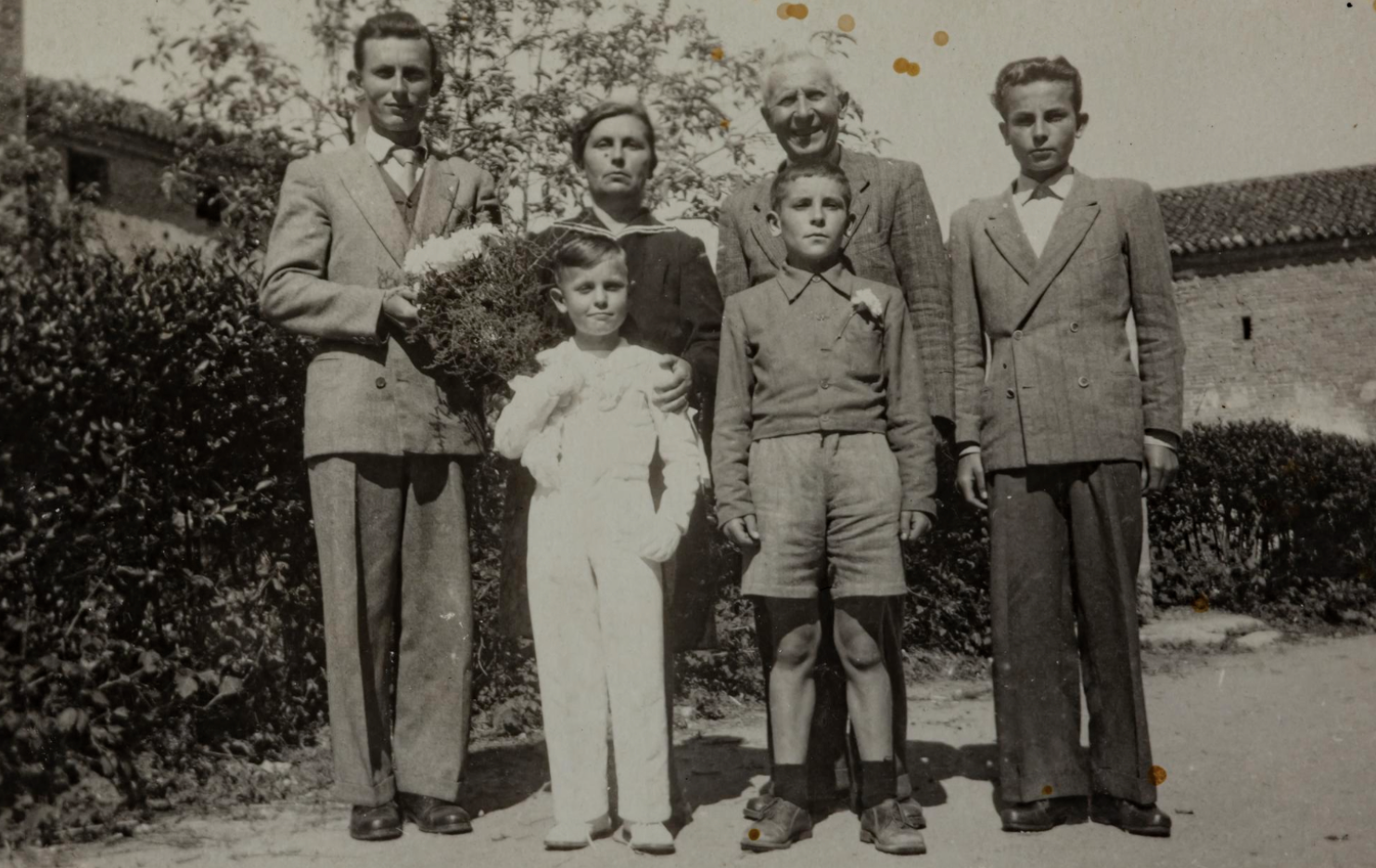
The American Sunday afternoon of 1978 followed a rhythm so consistent across the country that it functioned almost as a national ritual. Church in the morning. The large midday dinner. The afternoon drive or the visit to relatives. The football game on one of three networks. The newspaper spread across the living room floor. The stores were closed. The pace was slow, the family was together, and the day had a structure that the American Sunday of 2026 has almost entirely lost. The disappearance was not the result of any single decision. It was the cumulative effect of specific changes — the repeal of blue laws, the rise of Sunday retail and youth sports, the fragmentation of television, the decline of church attendance, and the broad acceleration of American life. Here is what the American family Sunday afternoon actually looked like in 1978, and the specific reasons each element of it disappeared.
The 1978 American Sunday operated under a set of conditions that no longer exist. Most retail stores were legally required to close under state and local blue laws. Organized youth sports did not consume weekends the way they do now. Television offered three networks plus PBS, meaning the family watched together or not at all. Church attendance was substantially higher — approximately 40 percent of Americans attended weekly religious services in 1978, compared with approximately 21 percent in 2024. The combination produced a Sunday that was structurally different from the modern Sunday in nearly every respect.
The Large Midday Sunday Dinner
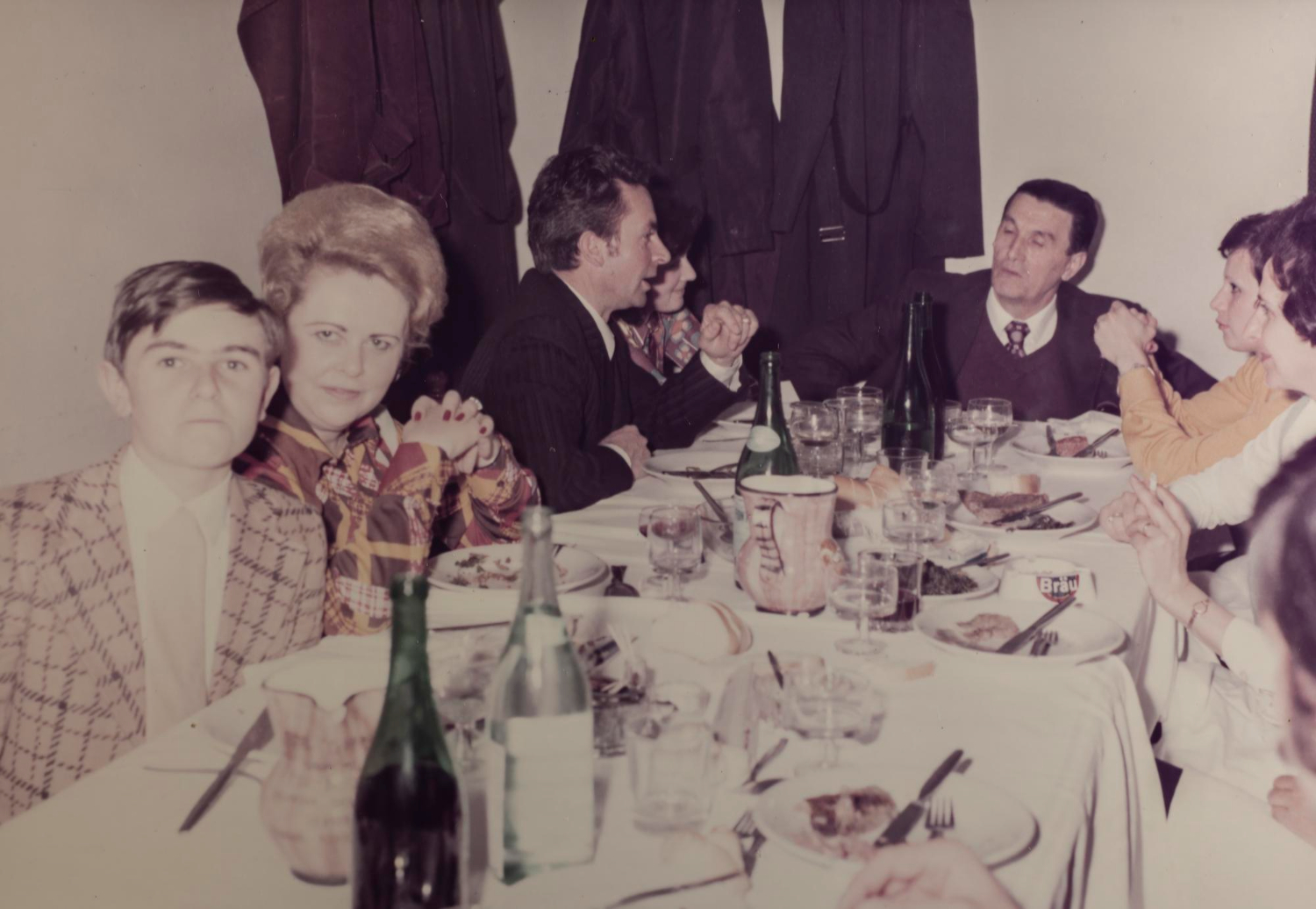
The defining feature of the 1978 American Sunday was the large midday dinner — served around 1 or 2 p.m. rather than in the evening — typically featuring a roast, a baked ham, fried chicken, or a similar centerpiece, with multiple side dishes, prepared by the household’s primary cook (overwhelmingly the mother in 1978) over the course of the morning. The meal frequently included extended family — grandparents, aunts, uncles, cousins. The Sunday dinner was the week’s most substantial and most social meal. The tradition has substantially declined for several reasons. The rise of dual-income households reduced the available cooking labor. The fragmentation of family schedules made gathering everyone difficult. The shift toward restaurant and takeout dining displaced the home-cooked Sunday meal. The 1978 multi-generational Sunday dinner survives in some American families but has largely vanished as a universal ritual.
The Sunday Drive

The 1978 American family frequently took a “Sunday drive” — an aimless recreational drive through the countryside, to look at scenery, visit a landmark, or simply pass the afternoon. The Sunday drive was a distinct cultural activity, enabled by cheap gasoline (approximately 65 cents per gallon in 1978) and the relative novelty of widespread automobile ownership for the generation that had grown up before it. The Sunday drive has almost entirely disappeared. The factors include higher fuel costs, environmental consciousness about recreational driving, the decline of the activity’s novelty, and the broad shift toward screen-based home entertainment. The aimless recreational drive that defined the 1978 American Sunday afternoon is now an essentially extinct activity.
The Closed Stores
The 1978 American Sunday featured closed retail stores across most of the country, enforced by blue laws that prohibited Sunday commerce. The closed stores meant that Sunday could not be a shopping day or an errand day — it was structurally protected as a non-commercial day. The blue laws were repealed across most states through the late 1970s and 1980s, opening Sunday to full retail activity. The transformation was substantial — Sunday shifted from a protected non-commercial day to one of the busiest retail days of the week. The closed-store 1978 Sunday, which forced a slower and less consumption-oriented pace, has completely disappeared.
The Network Football Game

The 1978 American Sunday afternoon, particularly in fall and winter, centered on the network NFL broadcast. With only three networks, the available games were limited, and the broadcast functioned as a shared national experience. The family gathered around the single television set. The transformation of football viewing — through cable, satellite, the NFL’s own networks, streaming, fantasy football, and the proliferation of available games — has fragmented the experience substantially. While football remains hugely popular, the specific 1978 experience of the whole family watching the single available network game together has been displaced by individualized, multi-screen, all-day football consumption.
The Sunday Newspaper

The 1978 American Sunday included the large Sunday newspaper — substantially thicker than the weekday editions, with the color comics section, the magazine supplement, the classified ads, the coupon inserts, and extensive sports and news coverage. The Sunday paper was spread across the living room floor and read over the course of the morning and afternoon, with different family members claiming different sections. The Sunday newspaper has substantially declined as print journalism has collapsed — U.S. newspaper circulation has fallen approximately 75 percent from its late-1970s peak. The ritual of the shared Sunday paper, with the comics for the kids and the sports section for dad, has largely vanished.
Church and the Religious Structure of the Day

The 1978 American Sunday was structured around morning church attendance for the substantial majority of families. Church attendance provided not just the religious observance but the social structure of the day — the congregation, the after-church socializing, the moral framework that shaped the rest of the Sunday. The decline in American religious attendance (from approximately 40 percent weekly in 1978 to approximately 21 percent in 2024) has removed this structural element from most American Sundays. The decline of church attendance is among the most significant factors in the broader transformation of the American Sunday.
The Visit to Relatives

The 1978 American Sunday frequently included a visit to relatives — grandparents, aunts and uncles, cousins — either as part of the Sunday dinner or as a separate afternoon activity. The geographic proximity of extended family in 1978 (Americans moved less frequently and lived closer to relatives) made these visits practical. The increased geographic dispersion of American families, combined with the fragmentation of schedules, has substantially reduced the regular Sunday relative-visiting that structured the 1978 Sunday. The casual drop-in visit to grandma’s house on a Sunday afternoon has become a much rarer event.
Why It All Disappeared Together

The disappearance of the 1978 American Sunday was not the result of any single change but the cumulative effect of several simultaneous transformations. The repeal of blue laws opened Sunday to commerce and work. The rise of organized youth sports filled weekends with games and practices. The fragmentation of television eliminated the shared-viewing experience. The decline of church attendance removed the day’s religious structure. The rise of dual-income households reduced the available time for elaborate Sunday meals. The geographic dispersion of families made relative-visiting harder. The acceleration of American life generally — the expectation of constant availability, the erosion of protected non-work time, the colonization of leisure by screens and commerce — eliminated the slow, structured, family-centered Sunday that 1978 Americans took for granted.
The transformation has been so complete that the 1978 American Sunday is now genuinely difficult to reconstruct. The combination of closed stores, shared television, multi-generational dinners, aimless drives, and protected leisure that defined the day has no modern equivalent. The American Sunday of 2026 is, for most families, simply another day — open for commerce, fragmented across screens and schedules, available for work and errands and youth sports, with the slow family-centered rhythm of 1978 surviving only in isolated pockets and nostalgic memory. The disappearance of the structured American Sunday is among the largest and least-discussed changes in American daily life over the past half-century.
What Was Actually Lost

It is worth being precise about what the disappearance of the 1978 Sunday actually cost, because nostalgia can distort the picture. The 1978 Sunday had genuine downsides — the rigid gender roles that put the entire burden of the elaborate Sunday dinner on women, the social pressure of mandatory church attendance, the limited options for anyone who didn’t fit the dominant cultural template. The closed stores that protected leisure also inconvenienced working people who needed Sunday to run errands. The point is not that the 1978 Sunday was a lost paradise, but that it provided a structure — a shared, protected, predictable rhythm — that American life has not replaced with anything equivalent. The modern American Sunday offers more freedom and more options, but it has lost the communal structure that made the day distinct from the rest of the week.
Whether Any of It Can Return
The elements of the 1978 Sunday that have disappeared are unlikely to return in their original form, because the underlying conditions that produced them — the blue laws, the three-network television universe, the single-income households, the geographic concentration of families, the high rates of religious attendance — have all permanently changed. But some Americans have deliberately reconstructed elements of the structured Sunday on their own terms: protecting the day from commerce and screens, reinstating the family dinner, establishing device-free time, prioritizing the gathering of extended family. These individual choices cannot recreate the national rhythm that existed when the entire country observed Sunday in roughly the same way, but they suggest that the underlying human value the 1978 Sunday served — protected time for family, community, and rest — remains available to those who choose to reconstruct it deliberately, even in an era that no longer provides it automatically.