The 1970s produced a specific set of American cultural trends — in fashion, home décor, social activity, technology, and daily life — that defined the decade and then vanished, in most cases permanently. The waterbed. CB radio. The fern bar. Macramé. The conversation pit. Wood paneling. The trends were not gradual evolutions but distinct fads that rose rapidly, saturated American culture, and then disappeared almost completely, replaced by something fundamentally different. Some were technology-driven (CB radio displaced by cell phones). Some were taste-driven (avocado-and-harvest-gold color schemes replaced by neutral palettes). Some were social-driven (the fern bar replaced by different drinking cultures). Each one is a vivid marker of the specific 1970s American moment. Here are fifteen 1970s trends that disappeared forever, with the specific story of each one’s rise, fall, and what replaced it.
1. The Waterbed
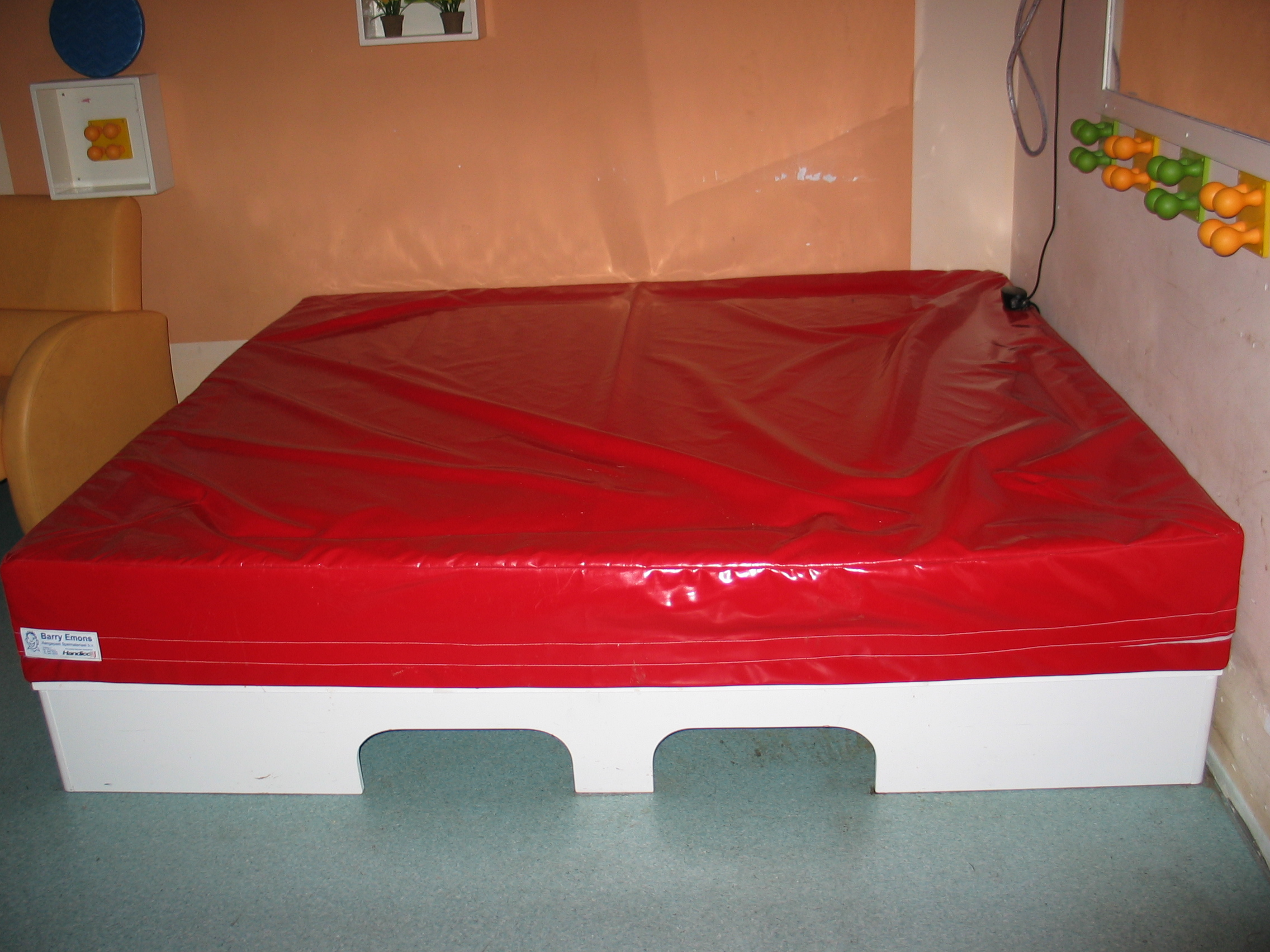
The waterbed was a defining 1970s American bedroom trend, marketed as both a luxury item and a counterculture symbol. At the peak in the late 1980s, waterbeds accounted for approximately 20 percent of all U.S. mattress sales. The trend collapsed in the 1990s due to the weight (a filled waterbed could exceed 1,500 pounds, causing structural and rental-property problems), the maintenance, the leak risk, and the rise of memory-foam and pillow-top alternatives. The waterbed has essentially vanished from American bedrooms. It was replaced by the memory-foam mattress and, more recently, the bed-in-a-box direct-to-consumer mattress.
2. CB Radio
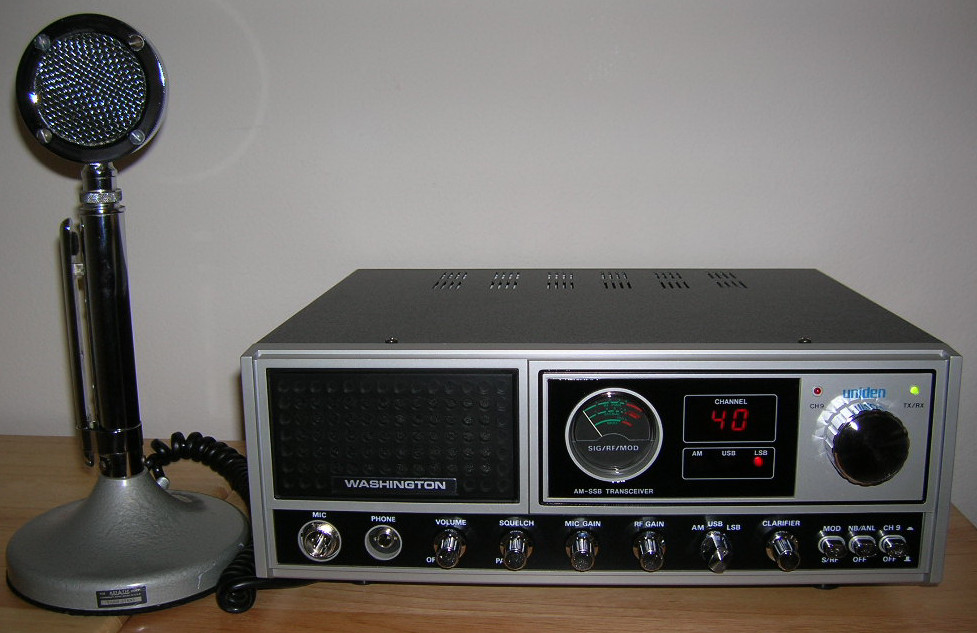
Citizens Band radio exploded in popularity in the mid-1970s, driven by the 1973 oil crisis (truckers used CB to share fuel and speed-trap information), the 1975 song “Convoy,” and the broader trucker-culture moment. CB radio created an entire subculture with its own slang (“breaker breaker,” “10-4,” “smokey”). The trend collapsed in the 1980s and 1990s, displaced first by improved telephone access and then completely by cellular phones. CB radio survives among truckers and emergency communicators but the mass-cultural 1970s CB craze vanished entirely. It was replaced by the cell phone.
3. The Fern Bar
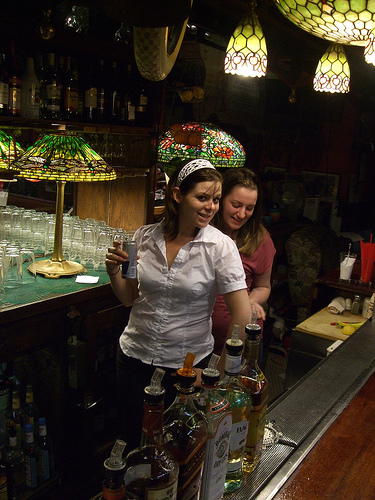
The fern bar — the upscale singles bar decorated with hanging ferns, stained glass, brass fixtures, and Tiffany-style lamps, serving sweet cocktails to young professionals — was a defining 1970s American social institution (TGI Fridays began as a fern bar). The fern bar provided a “respectable” environment for single men and women to meet. The trend faded through the 1980s and 1990s, displaced by sports bars, brewpubs, and eventually the broad shift in dating culture toward apps. The fern bar décor aesthetic vanished entirely. It was replaced by the sports bar, then the craft brewery, then the dating app.
4. Macramé
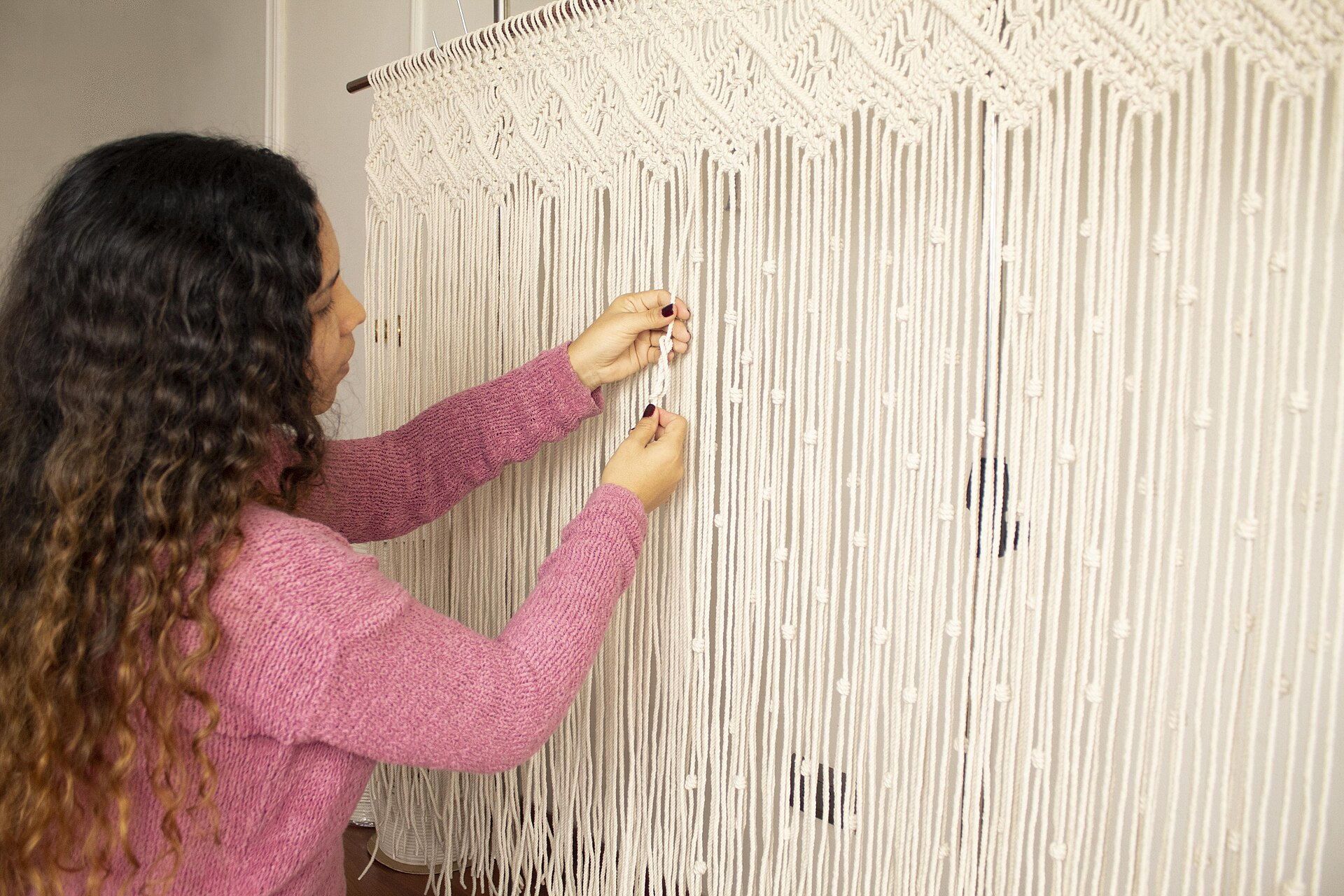
Macramé — the craft of knotting cord into decorative plant hangers, wall hangings, and owls — was a defining 1970s American home-craft trend. The macramé plant hanger, suspending a spider plant in a window, was nearly universal in 1970s homes. The trend collapsed in the 1980s as tastes shifted toward cleaner, less crafty aesthetics. Macramé experienced a minor revival in the 2010s as part of the broader bohemian-décor trend, but the 1970s mass-craft macramé moment vanished. It was replaced first by minimalist décor and later by the mass-produced bohemian aesthetic.
5. The Conversation Pit
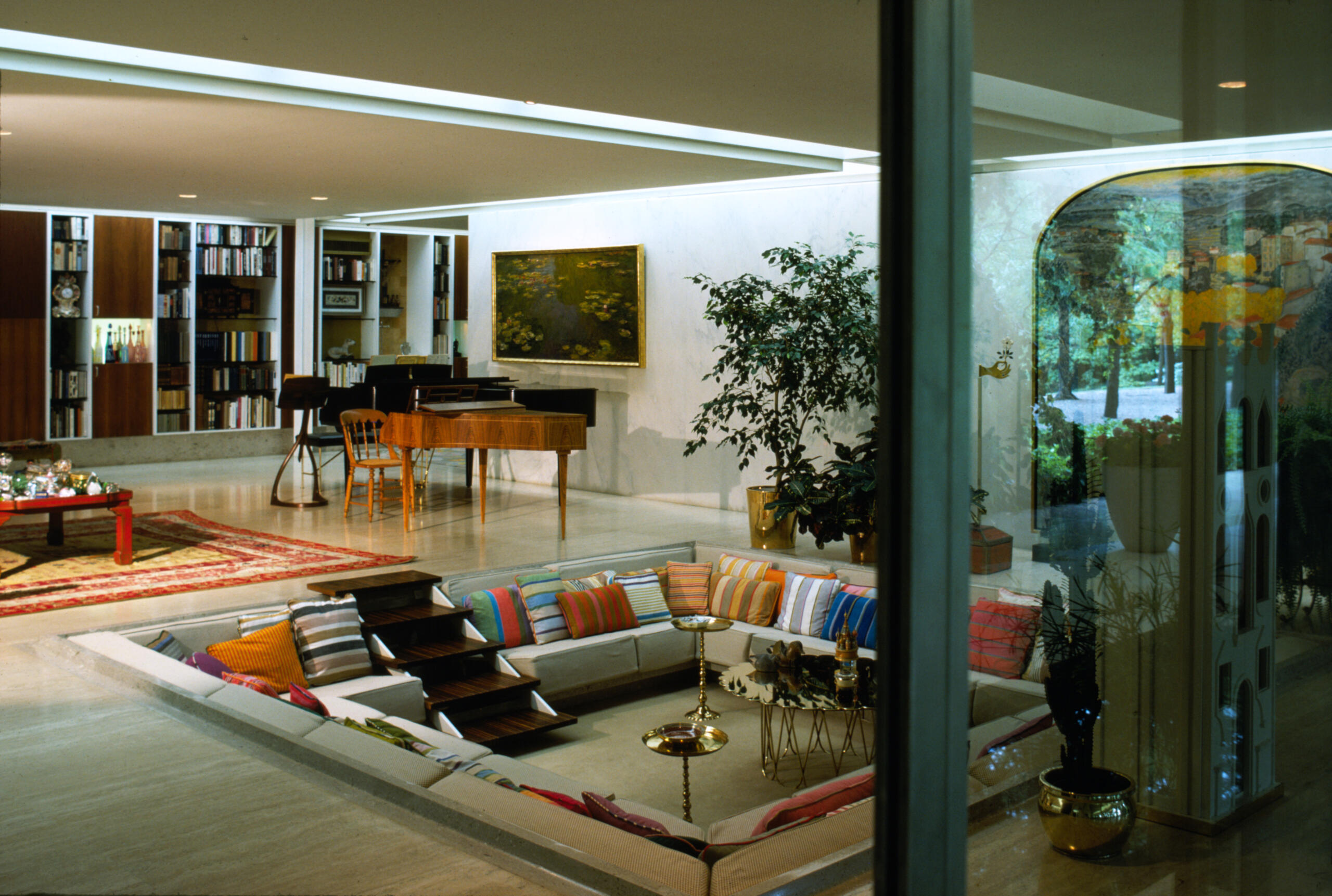
The conversation pit — the sunken living-room seating area, descended into by a few steps and ringed with built-in cushioned seating — was a defining 1970s American architectural feature. The conversation pit was meant to create an intimate gathering space. The trend collapsed in the 1980s due to safety concerns (people fell into them), accessibility problems, and changing tastes. Most conversation pits were filled in and leveled during renovations. The feature has essentially vanished from American homes. It was replaced by the open-floor-plan great room.
6. Wood Paneling

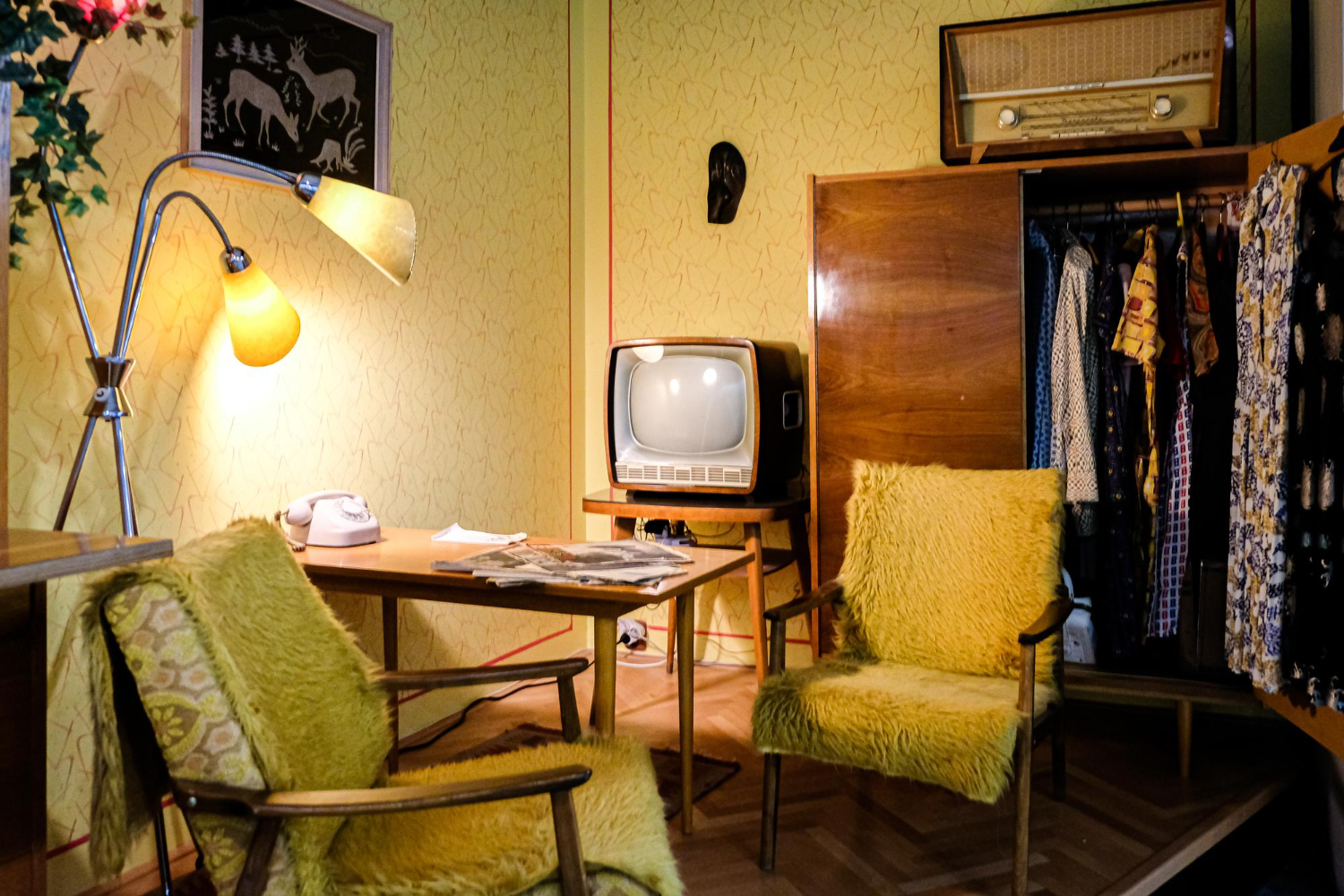
Wood paneling — the dark faux-wood sheet paneling covering basement and den walls — was a near-universal 1970s American home feature. The paneling created the characteristic dark, wood-toned interiors of the era. The trend collapsed as tastes shifted toward lighter, brighter interiors with painted drywall. Removing or painting over the dark paneling became a standard home-renovation project of the 1990s and 2000s. The dark-wood-paneled 1970s den has essentially vanished. It was replaced by painted drywall in light, neutral colors.
7. Mood Rings
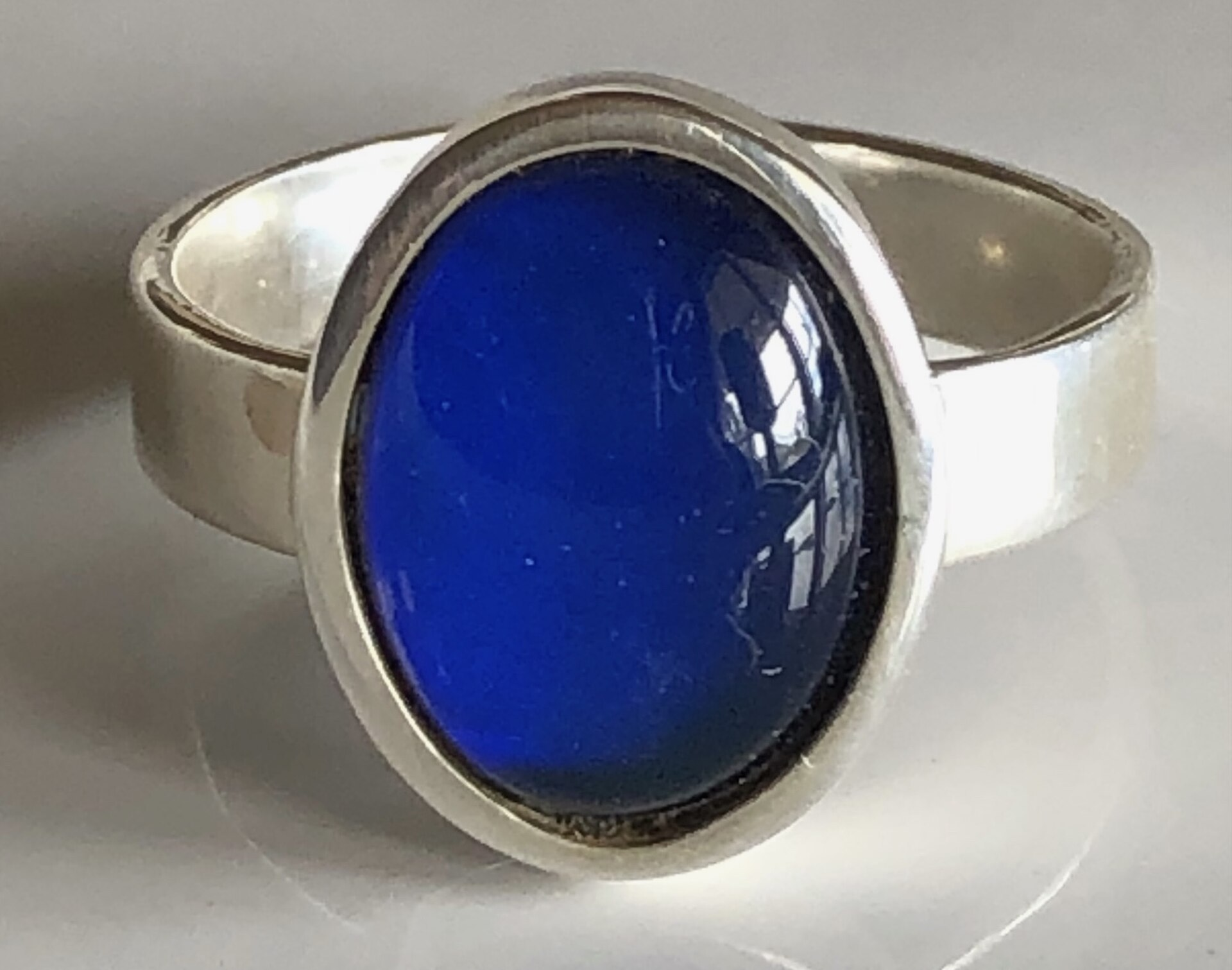
The mood ring — the ring containing thermochromic liquid crystal that changed color with body temperature, supposedly indicating the wearer’s mood — was a defining 1975-1976 American fad. The mood ring sold tens of millions of units in its brief peak. The trend collapsed within a couple of years as the novelty wore off and the rings’ liquid crystal degraded. The mood ring vanished as a mass phenomenon, surviving only as a nostalgic novelty. It was replaced by an endless series of subsequent novelty-jewelry fads.
8. The Pet Rock
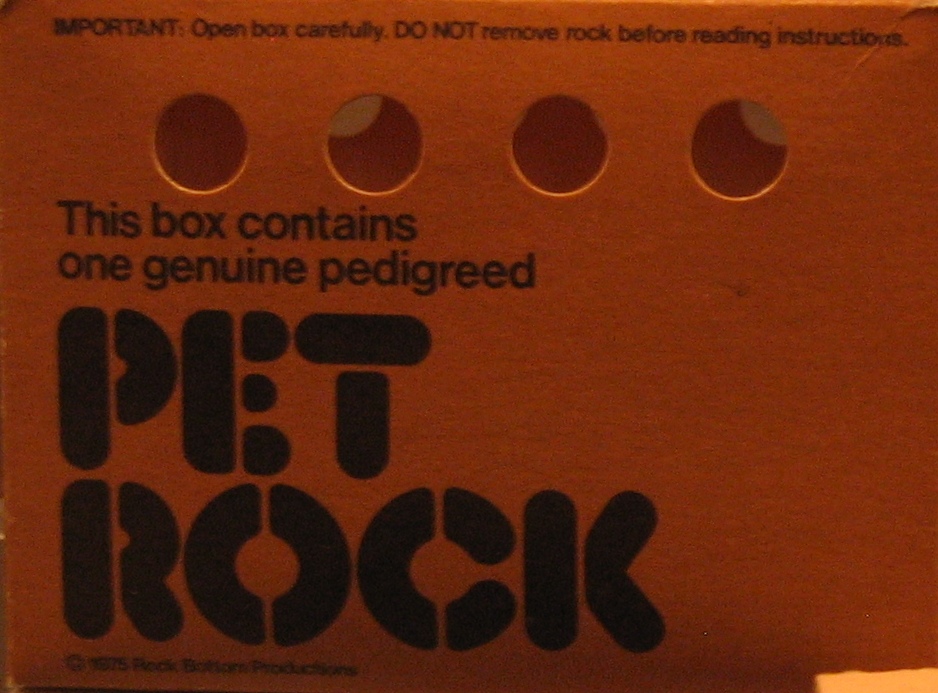
The Pet Rock — the smooth stone sold in a cardboard carrying case with an instruction manual, marketed as a no-maintenance pet — was the defining 1975 American novelty fad. Creator Gary Dahl sold approximately 1.5 million Pet Rocks in about six months, becoming a millionaire. The trend collapsed almost as quickly as it rose, lasting roughly a single Christmas season. The Pet Rock vanished entirely, surviving only as the textbook example of a fad. It was replaced by subsequent novelty fads (the mood ring overlapped, then countless others).
9. Quadraphonic Sound
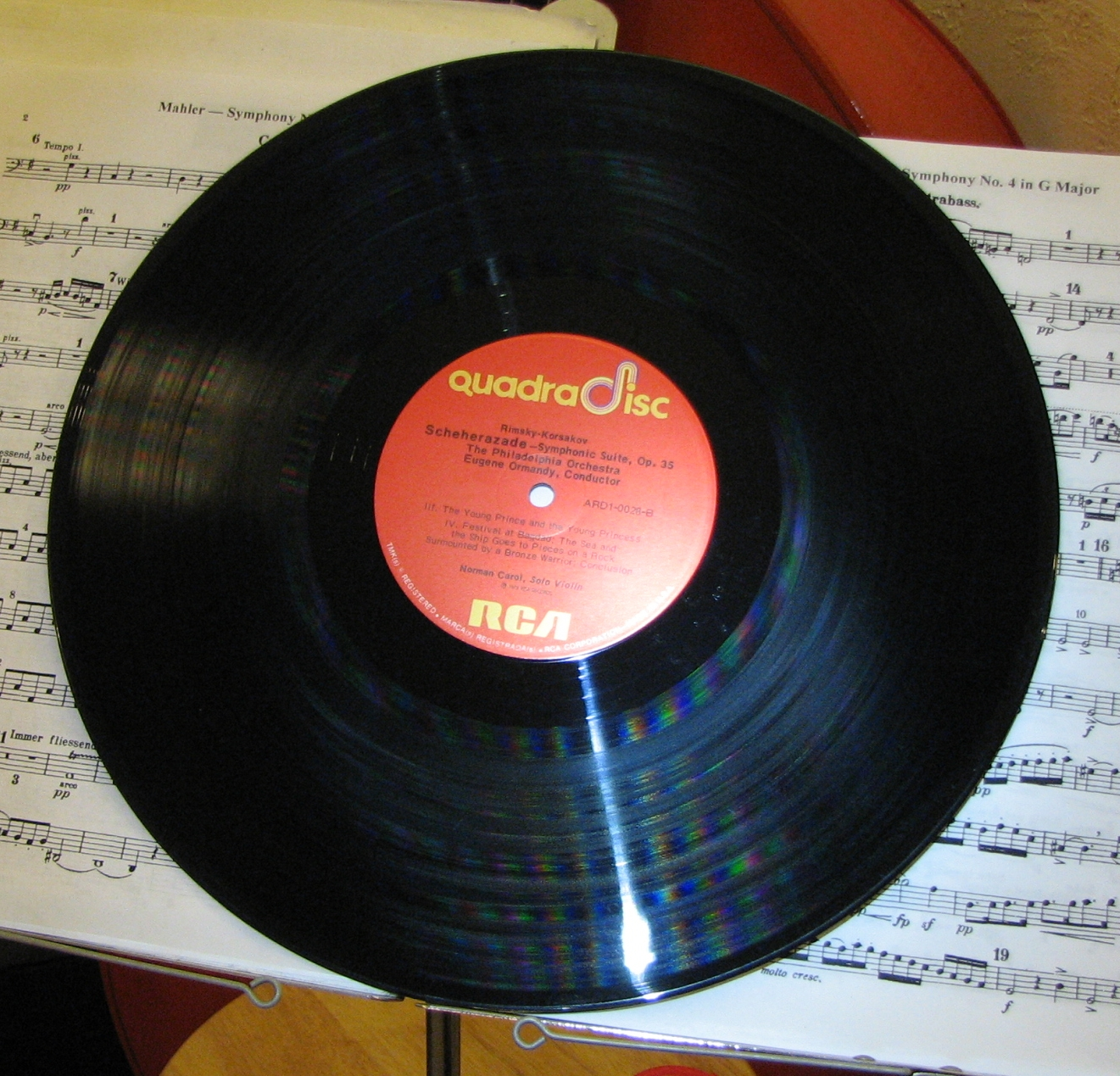
Quadraphonic sound — the four-speaker home audio format that preceded modern surround sound — was heavily marketed in the early-to-mid 1970s as the future of home audio. Competing incompatible formats, high costs, and limited content doomed the technology. Quadraphonic sound collapsed by the late 1970s. It was a commercial failure that vanished entirely, though it presaged the later success of home surround-sound systems. It was replaced eventually by Dolby surround sound in the 1990s and 2000s.
10. Leisure Suits
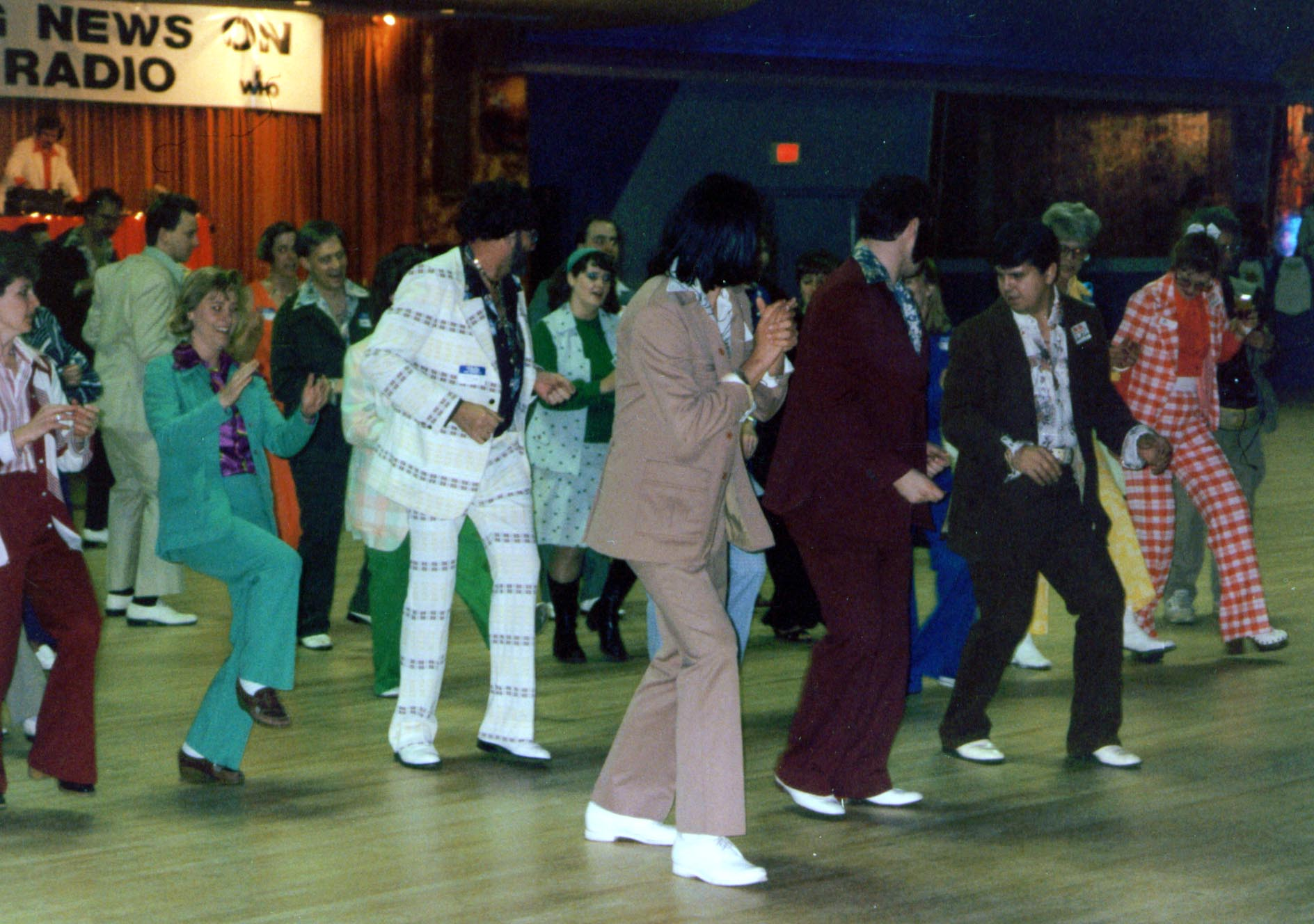
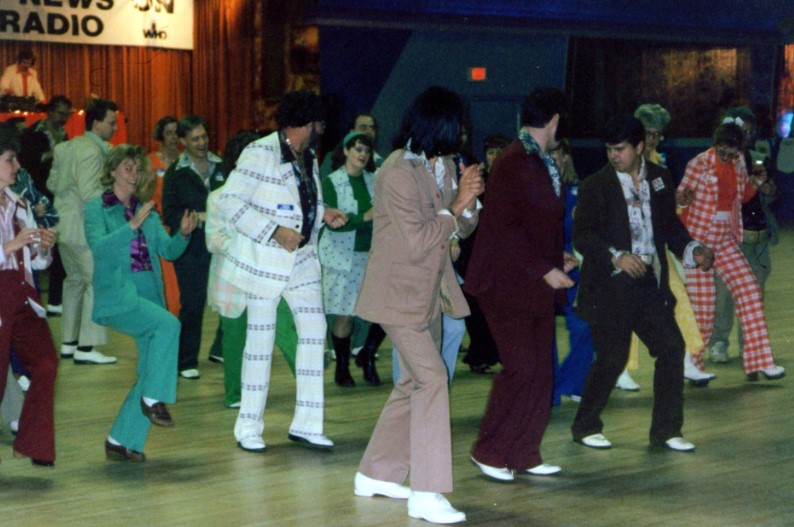
The leisure suit — the casual men’s suit, typically in polyester, in colors like powder blue, tan, or pastel, worn with wide collars and often without a tie — was a defining 1970s American men’s fashion trend. The leisure suit collapsed dramatically at the end of the decade and became one of the most-mocked fashion choices in American history. The leisure suit vanished entirely and has never returned. It was replaced by the return of more conservative menswear in the 1980s.
11. Sea-Monkeys

Sea-Monkeys — the brine shrimp sold as a mail-order novelty pet, advertised in comic books with illustrations suggesting humanoid underwater creatures — peaked as a 1970s American childhood phenomenon. While Sea-Monkeys are technically still sold, the mass-cultural moment when they were a near-universal childhood mail-order purchase has vanished. The product survives as a nostalgic novelty. It was replaced by the broad shift away from comic-book mail-order novelties generally.
12. The Citizen’s Band of Disco Culture
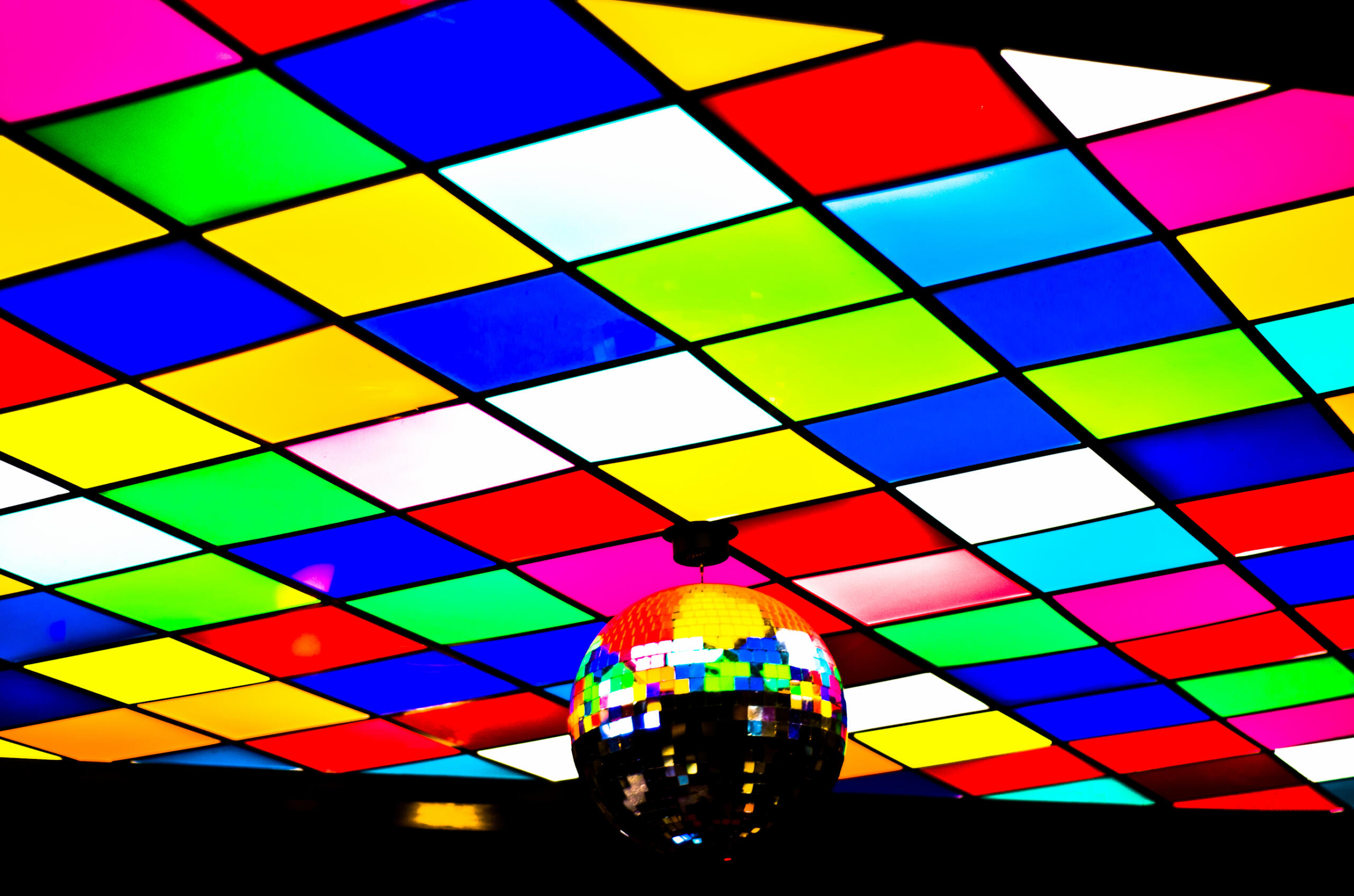
Disco — the music, the dance clubs, the fashion, the lifestyle — defined the late 1970s American culture, peaking with “Saturday Night Fever” (1977). The “Disco Demolition Night” at Chicago’s Comiskey Park in July 1979 became a symbolic moment in the rapid backlash that collapsed disco’s mainstream popularity. Disco vanished as a dominant cultural force almost overnight at the turn of the decade. It was replaced by new wave, then by the broad diversification of 1980s popular music.
13. Lava Lamps as Serious Décor
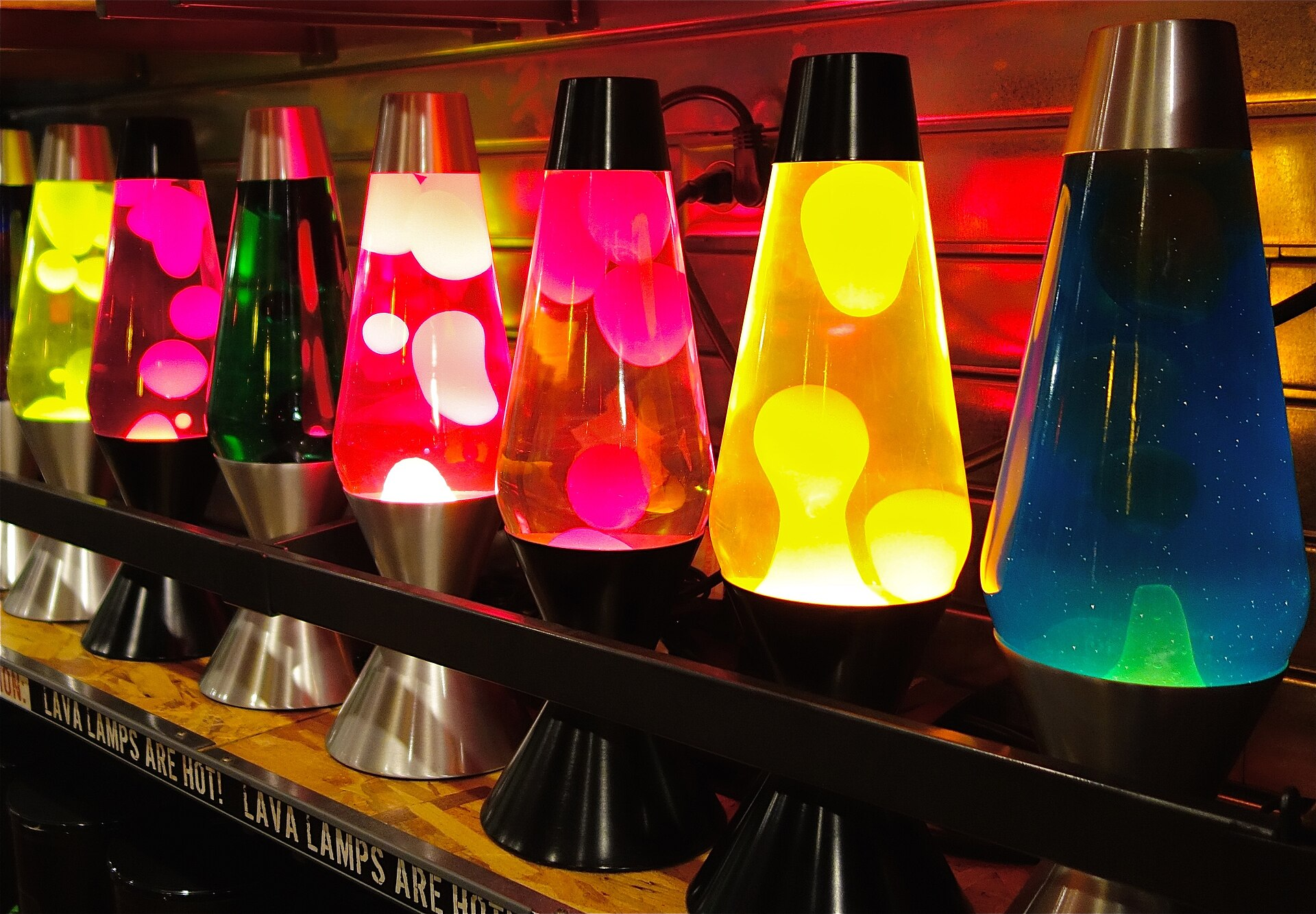
The lava lamp — invented in 1963 but peaking culturally in the 1970s — was a serious home-décor item during the decade, associated with the counterculture and the broader psychedelic aesthetic. The lava lamp declined as a serious décor choice in the 1980s, surviving only as an ironic or nostalgic novelty. The 1970s lava lamp as legitimate home decoration vanished. It was replaced by the broad shift toward minimalist and neutral décor.
14. Smiley-Face Everything

The smiley face — the yellow circle with two dots and a curved smile, accompanied by “Have a Nice Day” — saturated 1970s American culture, appearing on everything from t-shirts to mugs to bumper stickers. The smiley-face trend peaked in the early-to-mid 1970s and then collapsed under the weight of its own ubiquity and the broader cultural shift away from the era’s earnestness. The mass smiley-face moment vanished. It was replaced eventually by the emoji, which is in some sense the smiley face’s digital descendant.
15. The Encyclopedia in the Living Room

The complete encyclopedia set displayed prominently in the 1970s American living room — World Book, Encyclopedia Britannica, Funk & Wagnalls — was both a reference tool and a status symbol indicating an educated, aspirational household. The encyclopedia set was frequently purchased on installment plans through door-to-door salesmen. The trend collapsed with the rise of the internet, and the physical encyclopedia ceased to be a meaningful household item by the early 2000s. The living-room encyclopedia set vanished entirely. It was replaced by the internet search engine.