The back-to-school shopping trip of the 1980s filled a cart with a specific arsenal of supplies — objects that defined the school experience for a generation and have since vanished, replaced by technology or simply discontinued. The Trapper Keeper that organized your folders. The pencil box that rattled with specific tools. The mimeographed worksheets that arrived smelling of solvent. The protractor and compass for geometry. For Americans who started each school year with this particular collection of supplies, the objects are powerful sensory memories — the snap of the Trapper Keeper’s Velcro, the smell of the rubber cement, the specific feel of the Big Chief tablet. Most of these supplies have quietly disappeared from the modern classroom, made obsolete by digital tools or changing methods. Here are thirteen school supplies every American student carried in the 1980s that have largely disappeared.
The 1980s school supply list reflected a pre-digital classroom built on paper, physical organization, and specific analog tools. As technology transformed education and methods changed, an entire category of once-essential supplies became obsolete. The objects below were universal then and are largely gone now.
1. The Trapper Keeper
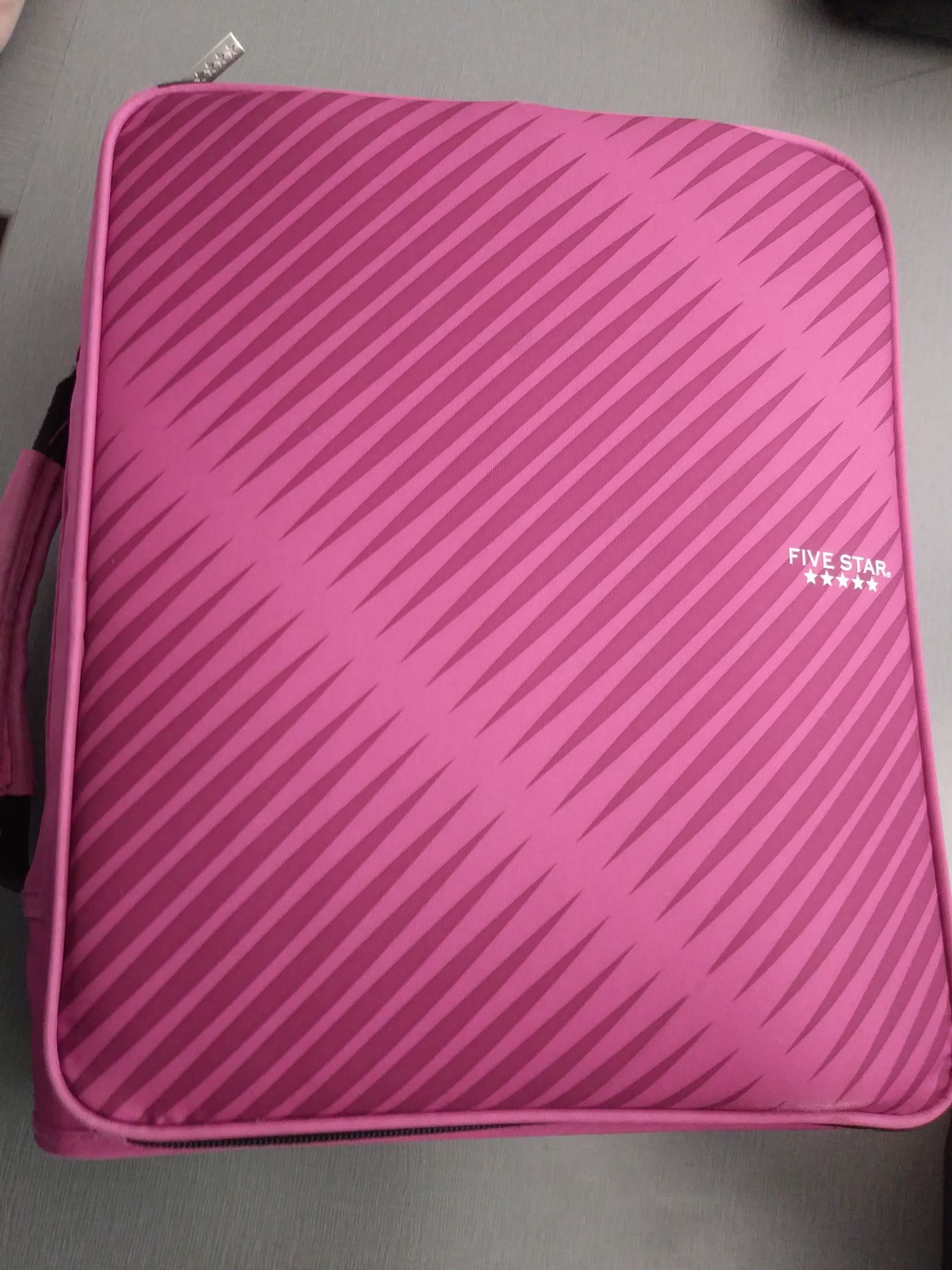
The Trapper Keeper was the defining school supply of the 1980s — the binder system with its Velcro or snap closure, the “Trapper” folders that held papers without spilling, and the bold, distinctive cover designs (geometric patterns, sports cars, fantasy art) that made it a status symbol. Choosing your Trapper Keeper design was a back-to-school ritual. While binders obviously still exist, the specific Trapper Keeper phenomenon — the particular product, its iconic designs, and its cultural dominance — has faded dramatically. For 1980s students, the Trapper Keeper is the single most evocative vanished school supply.
2. Mimeograph and Ditto Worksheets
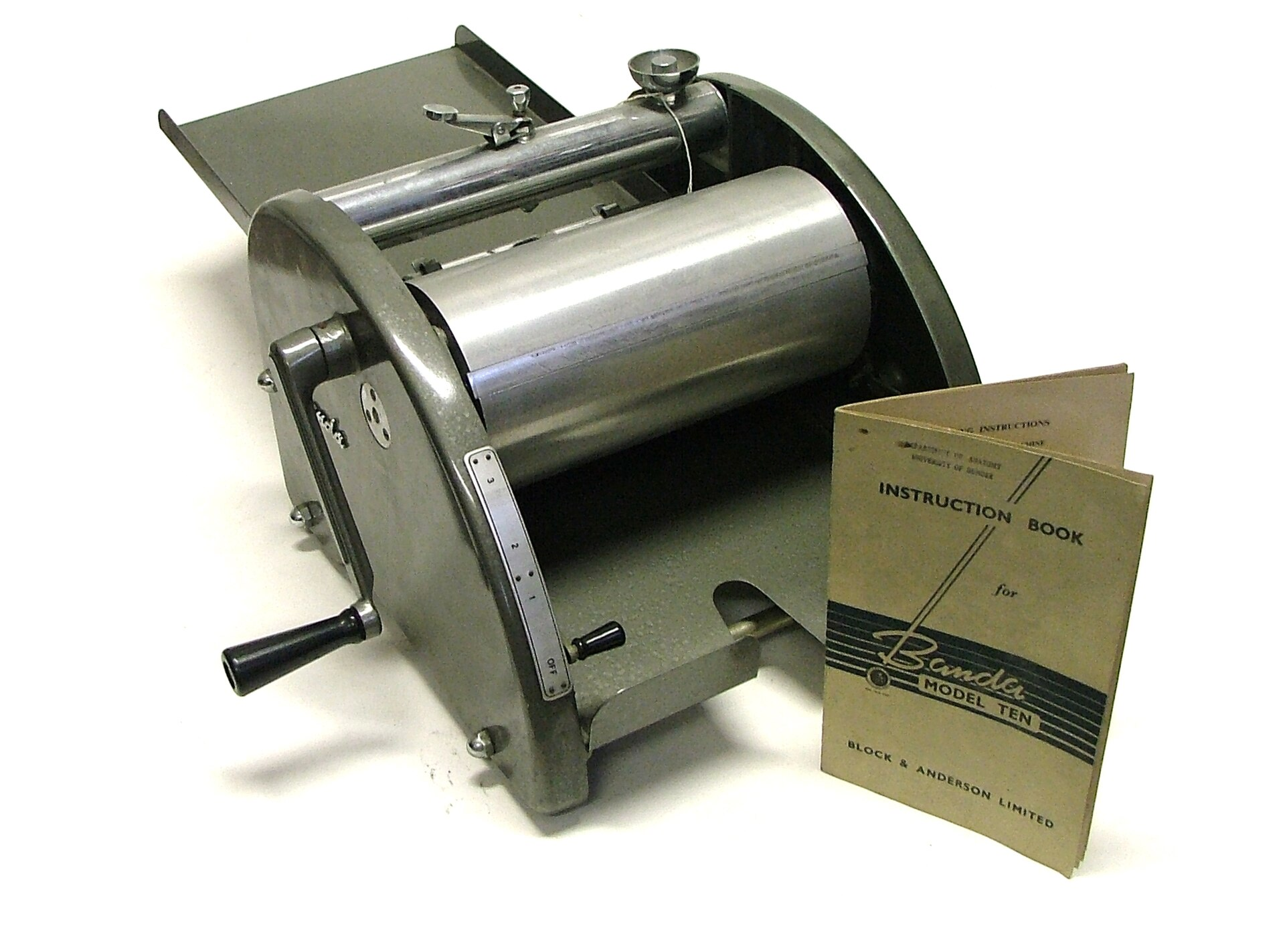
The 1980s student received worksheets produced by the mimeograph or spirit duplicator — the purple-inked “dittos” with their distinctive smell that students would inhale off the freshly-printed page. The technology, and the worksheets it produced, disappeared entirely with the rise of photocopiers and then digital distribution. The specific purple ink, the slightly damp fresh worksheet, and that unmistakable solvent smell are vivid 1980s school memories attached to a technology that no modern student has ever encountered.
3. The Pencil Box and Its Specific Contents
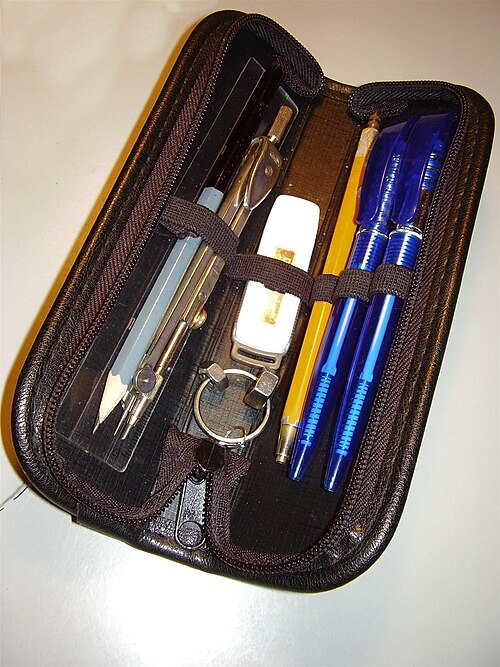
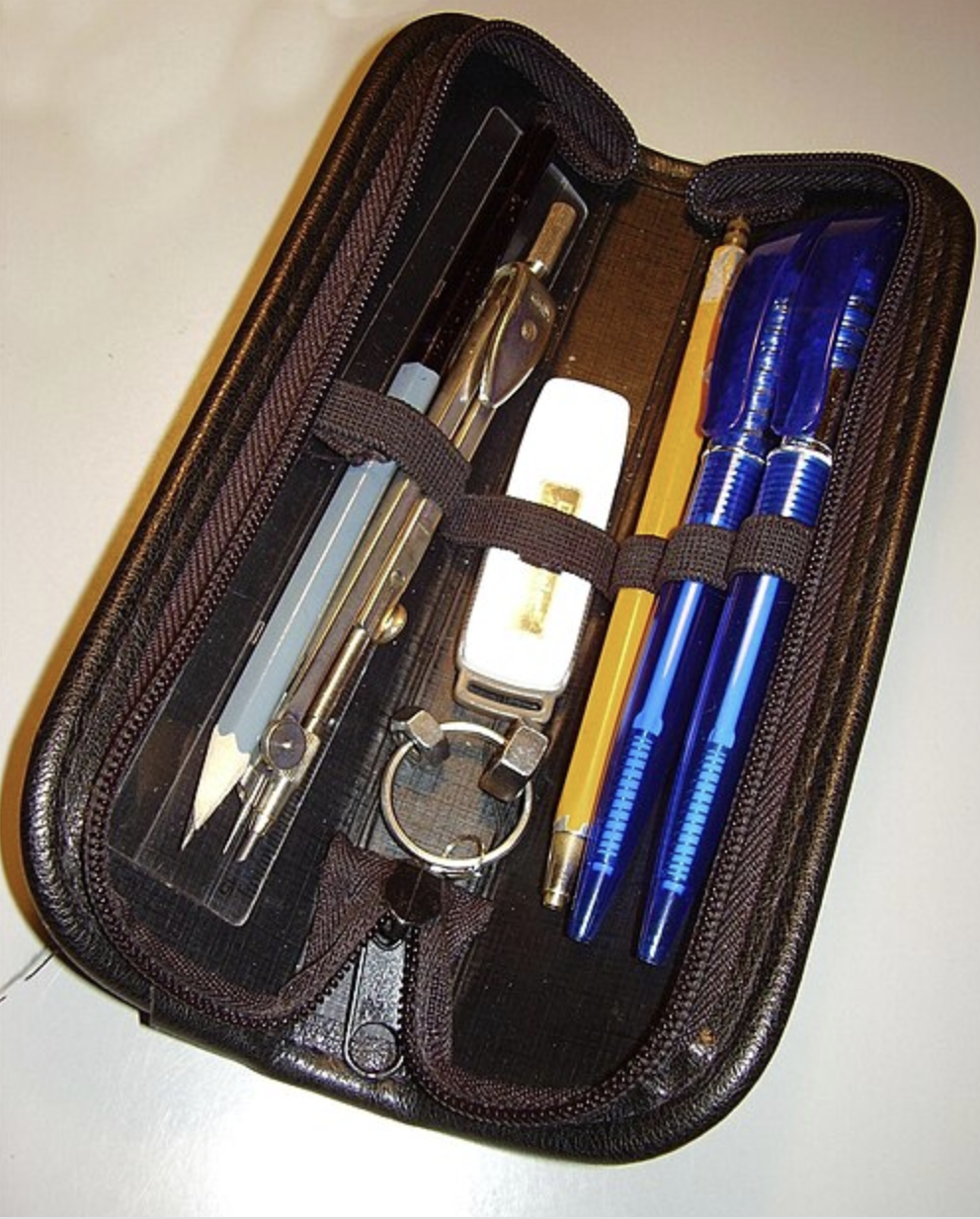
The 1980s student carried a pencil box — often a hard plastic case — filled with a specific arsenal: the pink Pink Pearl eraser, the wooden ruler, the small pencil sharpener that caught shavings, and pencils. The specific contents and the rattling plastic box itself, a fixture of every 1980s desk, have largely given way to different organization and tools. The ritual of organizing the pencil box and the specific objects inside it form a core memory of the 1980s school experience.
4. The Protractor and Compass Set
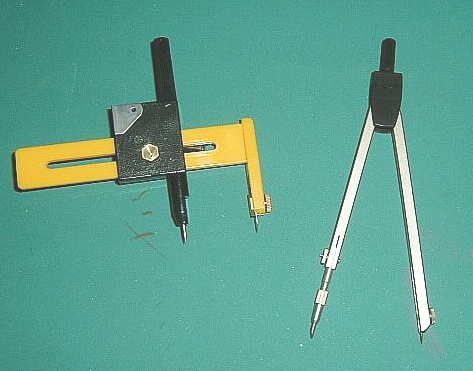
The 1980s math student carried a metal compass and protractor — the compass with its sharp point and pencil for drawing circles (and its potential as a minor weapon and desk-carving tool), and the clear protractor for measuring angles. As geometry instruction incorporated digital tools and graphing software, the physical compass-and-protractor set faded from universal use. The specific metal compass, with its sharp point and the circles it drew, is a distinctive vanished tool of 1980s mathematics class.
5. The Big Chief Tablet and Wide-Ruled Newsprint

Younger 1980s students learned to write on the Big Chief tablet and similar wide-ruled newsprint pads — the cheap, rough paper with widely-spaced lines for practicing letters. The specific tablets, with their distinctive paper and covers, used for early handwriting practice, have largely disappeared as early education changed and these specific products were discontinued. The rough newsprint and wide practice lines are a specific sensory memory of learning to write in the 1980s.
6. Rubber Cement and Mucilage

The 1980s student used rubber cement and mucilage — the amber-colored glues with their distinctive smell and the brush built into the lid, used for projects before the glue stick became dominant. Rubber cement in particular, with its strong smell and the way it could be rubbed into balls when dry, was a fixture of 1980s craft and project work. These specific adhesives have largely been replaced by glue sticks and safer, less aromatic alternatives, taking their distinctive smell and texture with them.
7. The Slide Rule’s Last Holdouts and Specific Calculators
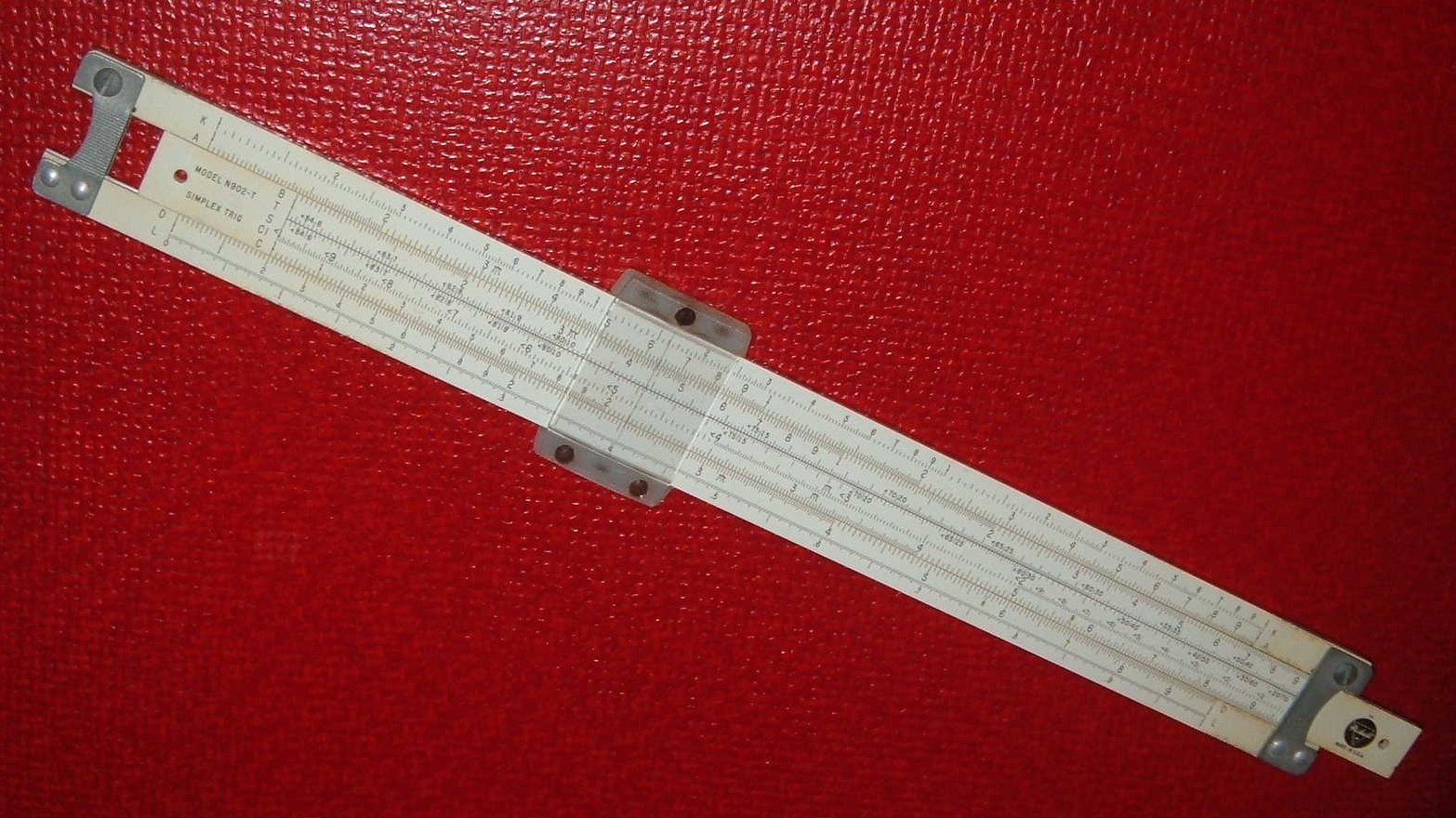
While calculators had largely replaced the slide rule by the 1980s, the era had its own specific calculating tools — particular early calculator models, and the lingering presence of older analog tools in some classrooms. The specific calculators of the 1980s, with their particular designs and capabilities, have been superseded many times over. The transition-era math tools of the 1980s classroom reflect a specific moment in the shift from analog to digital calculation.
8. Book Covers Made From Paper Bags
The 1980s student covered textbooks with book covers made from cut-up paper grocery bags, a near-universal ritual of protecting school-issued textbooks, frequently decorated with doodles, band logos, and notes over the school year. The practice of making book covers from paper bags, once a standard back-to-school activity, has largely disappeared along with the heavy hardcover textbooks it protected and the paper grocery bags it required. The decorated paper-bag book cover is a specific vanished artifact of the 1980s school year.
9. The Mead Marble Composition Book’s Specific Role

While composition books still exist, the 1980s classroom relied on specific paper products in particular ways — the marble composition book, the wide-ruled filler paper with its specific holes, the spiral notebooks whose wire spines unraveled. The specific paper ecosystem of the 1980s classroom, and the central role of handwritten paper notes before laptops and tablets, reflects a way of learning that has substantially shifted to digital. The mountains of handwritten paper that defined 1980s schoolwork have diminished dramatically.
10. Overhead Projector Transparencies and Markers
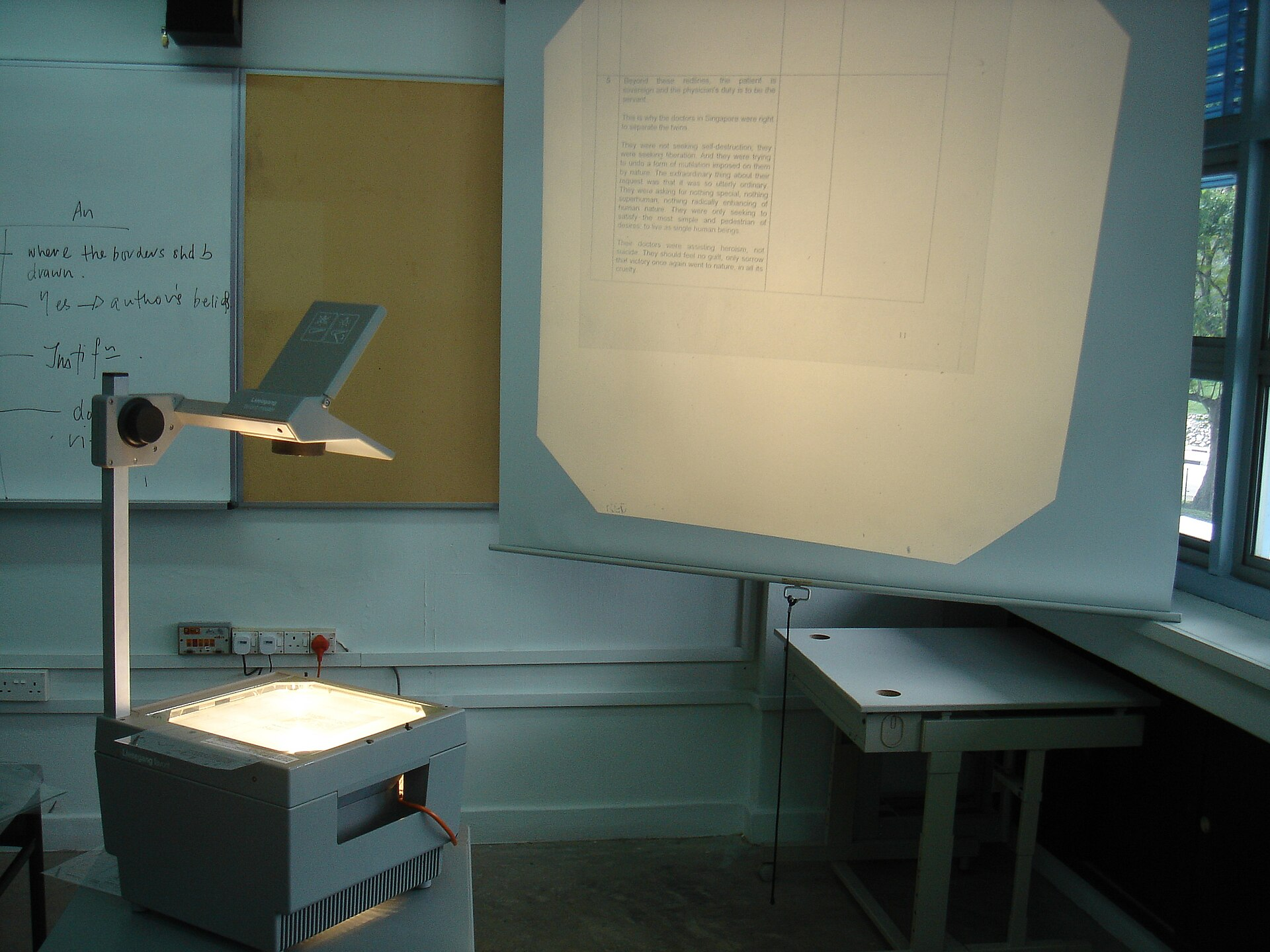
The 1980s student frequently interacted with overhead projector transparencies — the clear sheets the teacher wrote on with special markers, and sometimes student-prepared transparencies for presentations. The specific transparency sheets and the vis-à-vis markers used on them have vanished entirely with the move to digital displays. The overhead projector and its transparencies, central classroom technology of the 1980s, are now completely obsolete, unknown to modern students.
11. The Specific Lunch Accessories
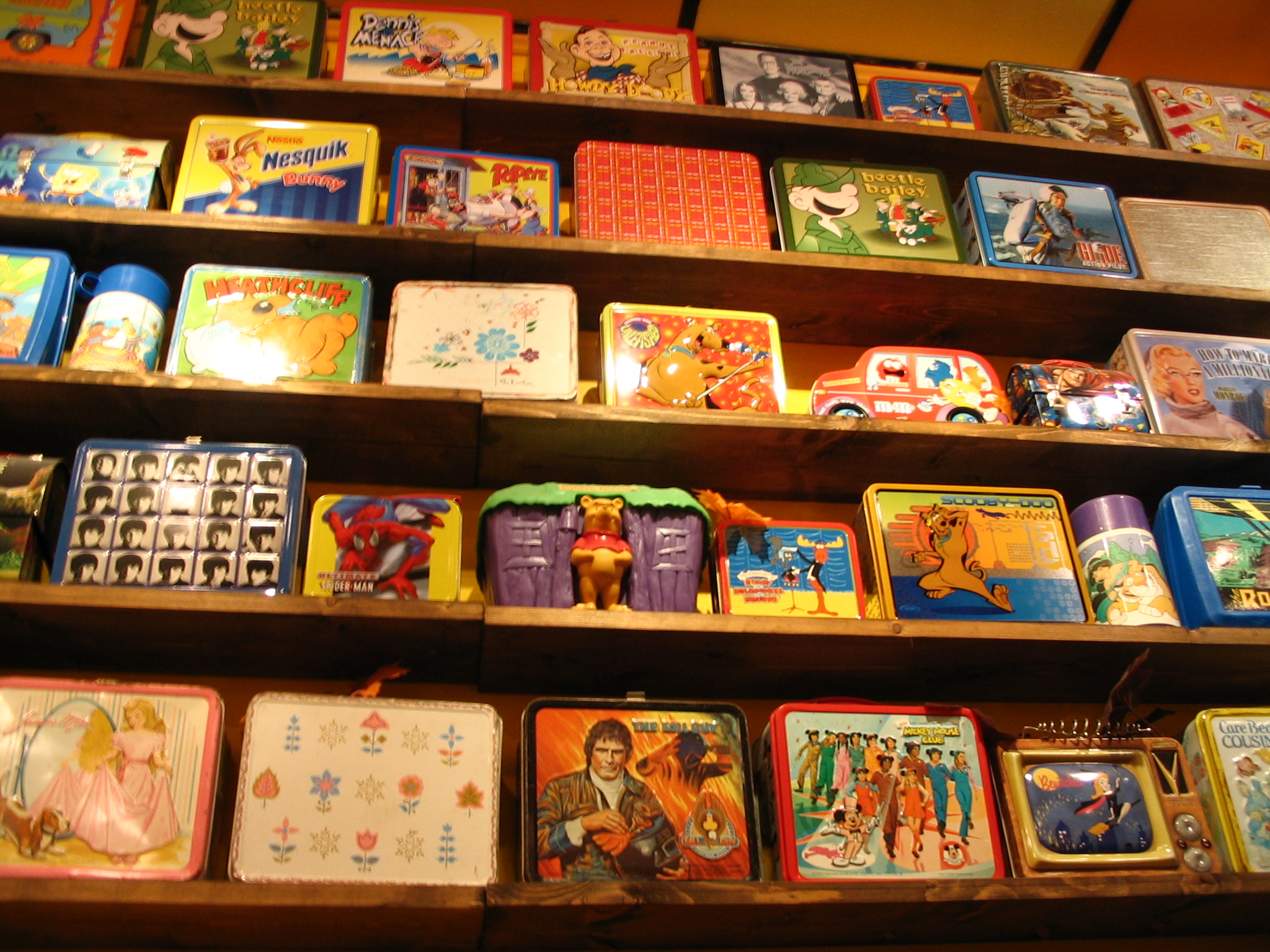
The 1980s student carried specific lunch gear now largely changed — the metal or hard-plastic lunchbox with its licensed cartoon or movie design, the matching Thermos with a breakable glass liner, and specific reusable containers. The specific 1980s lunchbox-and-Thermos sets, particularly the licensed designs and the glass-lined Thermos, have largely disappeared in favor of soft insulated bags and unbreakable bottles. The specific lunch gear is a vivid marker of the 1980s school day.
12. Erasable Pens and Specific Writing Instruments
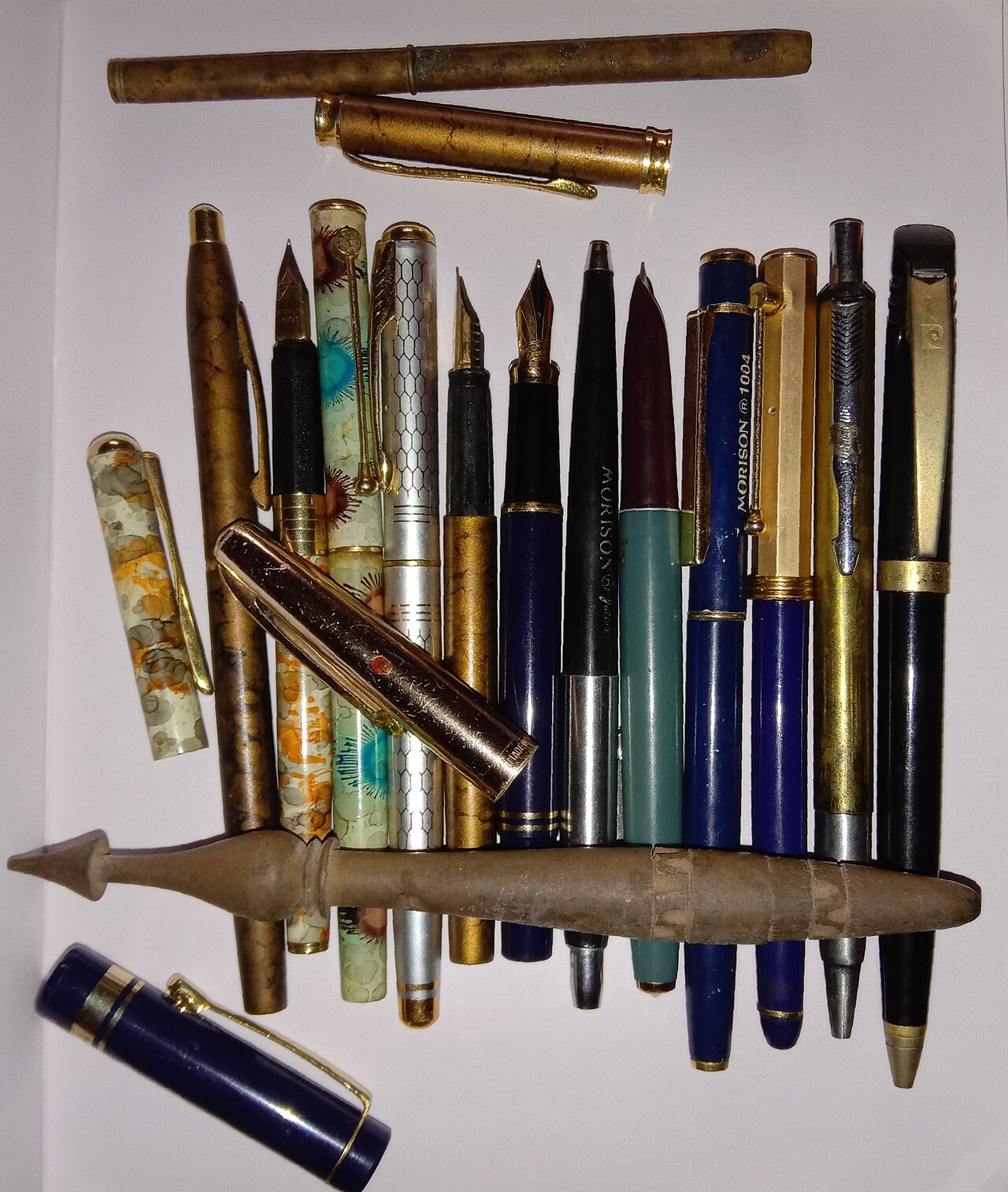
The 1980s student coveted specific writing instruments — the erasable pen that promised to fix ink mistakes (and smeared notoriously), specific mechanical pencils, scented markers, and particular pen brands that were status items. The specific writing instruments that 1980s students prized, including the much-hyped erasable pens and the specific scented markers, have largely been discontinued or faded. The particular pens and markers that mattered to 1980s students are a specific vanished category of coveted school supply.
13. The Assignment Notebook and Paper Planner
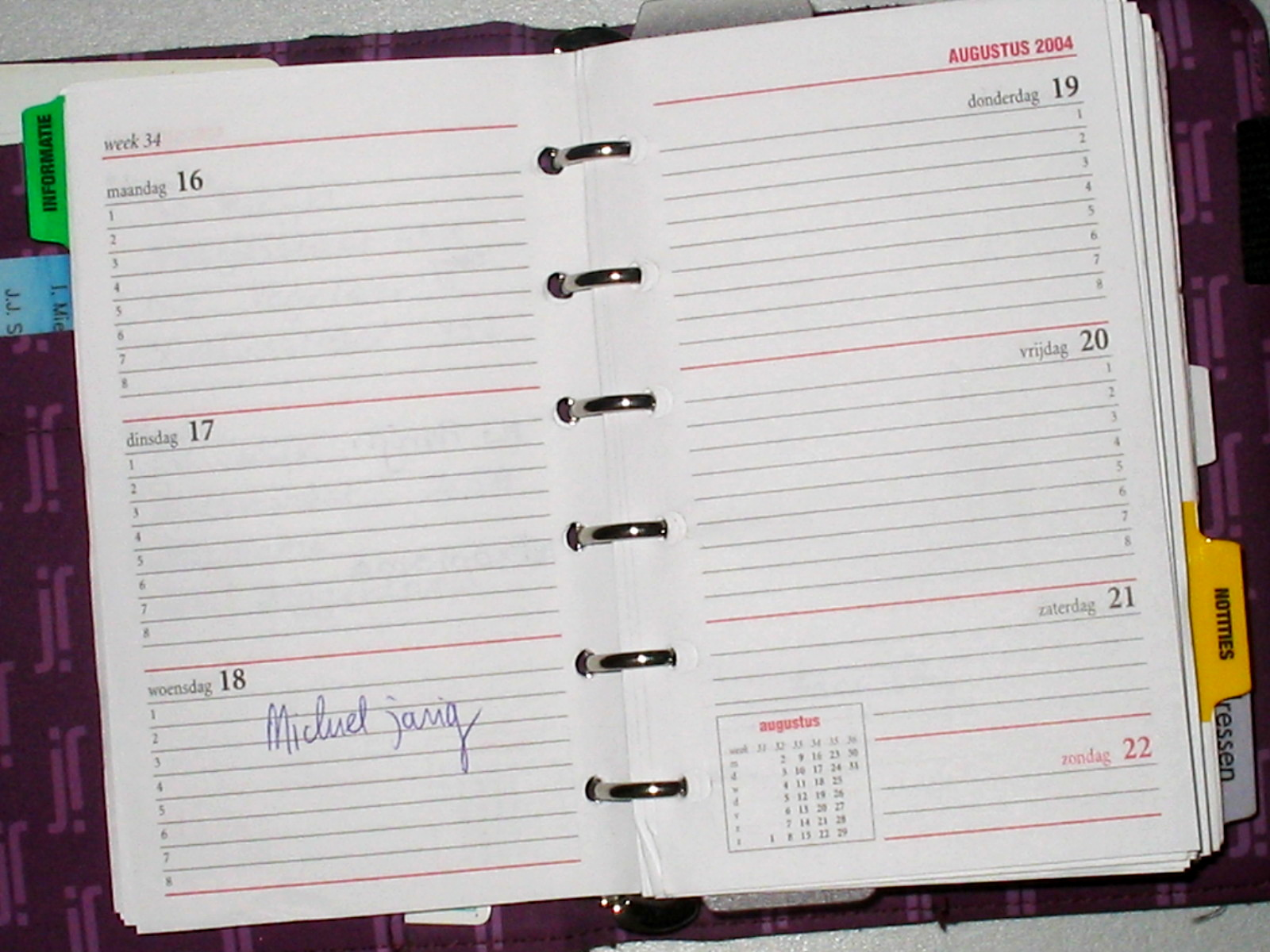
The 1980s student tracked homework in a paper assignment notebook or planner, writing assignments by hand in the small daily boxes. The paper assignment book, central to staying organized before digital calendars and school apps, has largely given way to online portals and apps that track assignments automatically. The handwritten paper planner, and the practice of manually copying down assignments from the board, is a specific organizational tool of the 1980s student that digital systems have largely replaced.
Why They All Disappeared
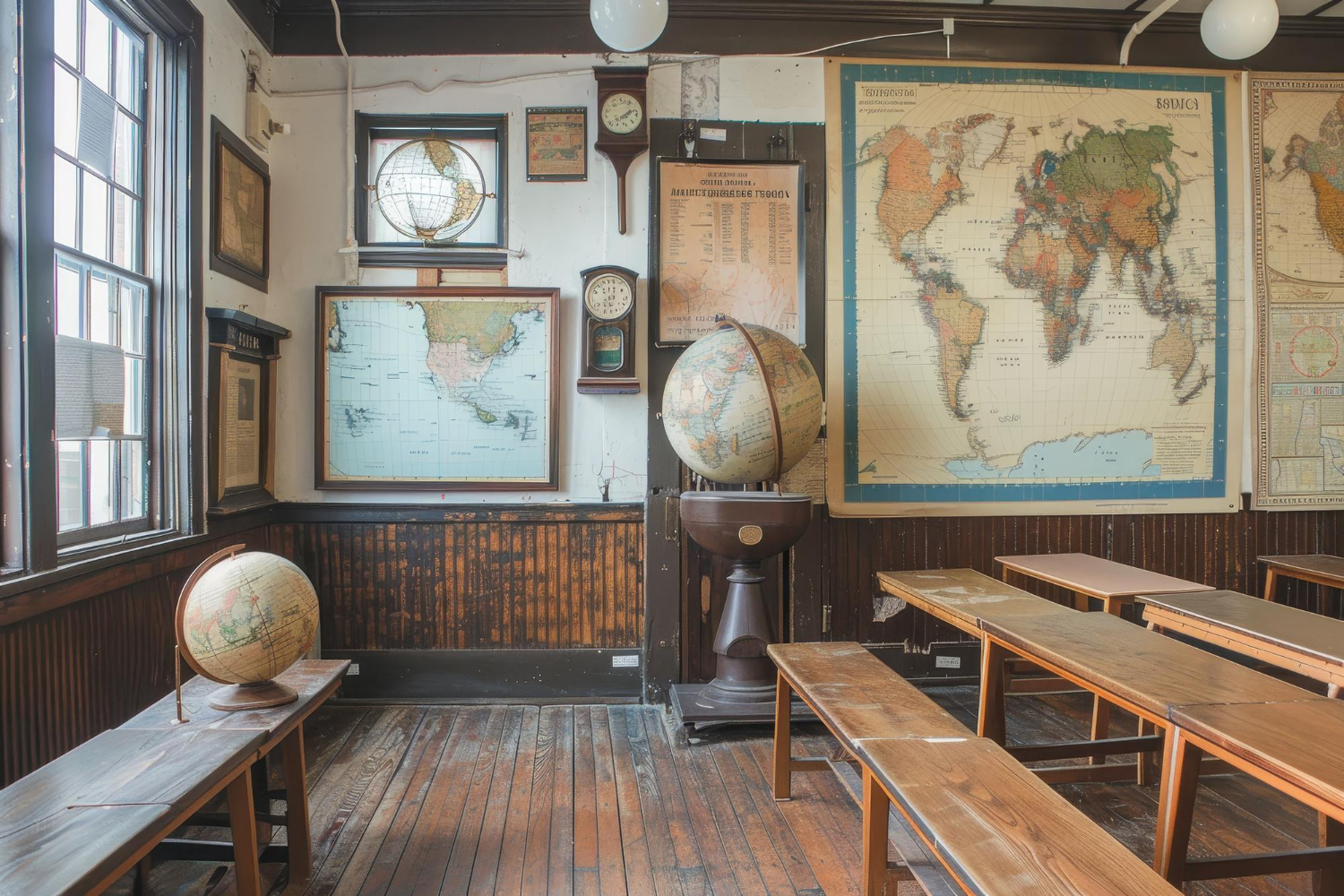
The disappearance of the 1980s school supply arsenal traces to two overlapping transformations: the digitization of education and the simple discontinuation of specific products. The mimeograph, the overhead transparency, the paper assignment book, and the mountains of handwritten paper gave way to computers, digital displays, online portals, and tablets — the analog infrastructure of the 1980s classroom was replaced wholesale by digital tools. Meanwhile, specific products like the Trapper Keeper, the Big Chief tablet, and the erasable pens faded through discontinuation, changing fashions, and the evolution of the supplies that survived. For the generation that started each school year with this specific collection, the supplies carry an outsized nostalgia, because the back-to-school shopping trip and the ritual of organizing these objects were a defining annual experience. The smell of the ditto sheet, the snap of the Trapper Keeper, the rattle of the pencil box, and the decorated paper-bag book cover are sensory memories so specific that they instantly transport a 1980s student back to the classroom. The supplies are gone, replaced by screens and apps, but the memory of that particular cart full of paper, plastic, and possibility remains vivid for everyone who carried them.