

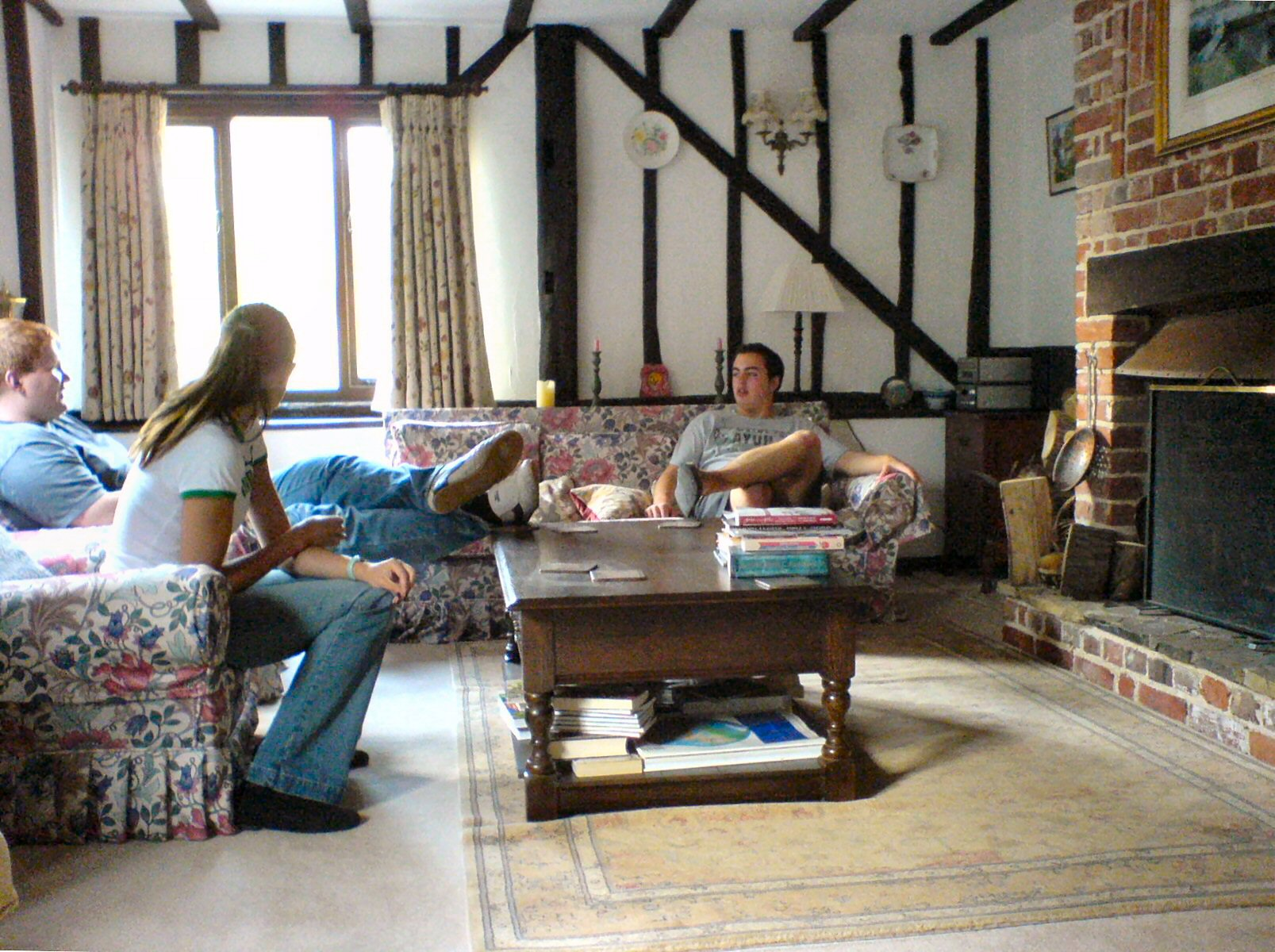
Step into an average American living room in the 1970s and you’d know the decade instantly. This was an era of fearless self-expression in the home, where earthy colors, bold patterns, and plush textures ruled, and “matchy-matchy” minimalism was nowhere in sight. Avocado green and harvest gold coated everything from carpets to refrigerators, wood paneling lined the walls, and a sunken conversation pit might sit at the center of it all. Houseplants spilled from macramé hangers, a lava lamp bubbled in the corner, and the whole room invited you to kick off your shoes and sink in. Some of these trends have made surprise comebacks; others remain firmly stuck in the decade. Here are the decor staples that defined the unforgettable 1970s living room.
Shag Carpet
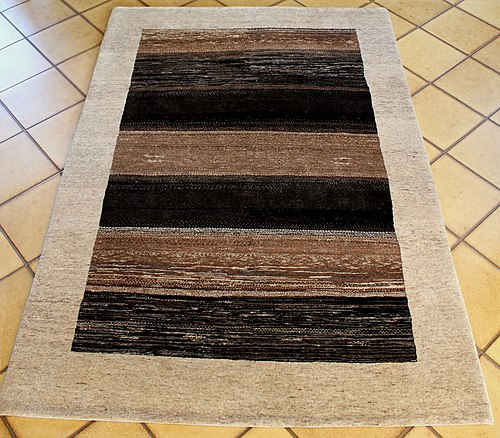
Nothing says 1970s like wall-to-wall shag carpet. These deep-pile carpets were practically mandatory, covering living room floors in plush fibers so long your feet would disappear into them. They came in the decade’s signature shades, harvest gold, avocado green, and burnt orange, turning the floor into a soft, colorful ocean. The look was cozy and luxurious, inviting everyone to sit right down on the floor, but it came at a price: shag was famously high-maintenance, and many households owned a special carpet rake to fluff the fibers back up after they’d been flattened by foot traffic. Today’s preference for low-maintenance, hard-surface flooring has made shag a pure nostalgia item, but in the seventies it was the height of comfort.
Wood Paneling
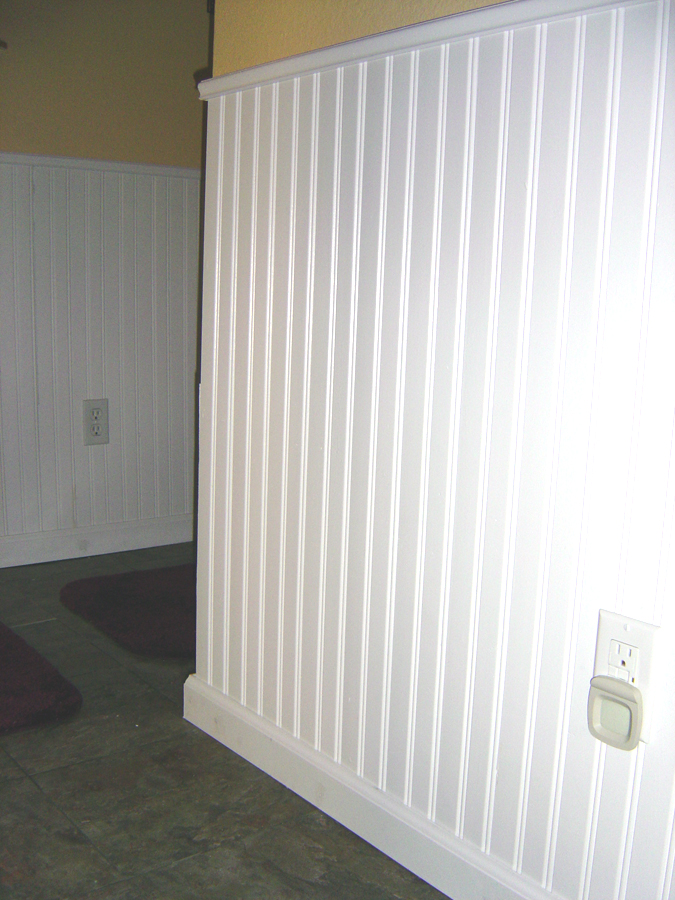
If the floor was shag, the walls were very likely wood. Wood paneling was a hallmark of 1970s interiors, especially in dens, basements, and rec rooms, where dark, often glossy panels covered the walls from floor to ceiling. The effect was warm and rustic, giving rooms a cozy “hunting lodge meets basement rec room” character that was hugely popular at the time. It was also practical, hiding imperfections and standing up to family wear and tear. The faux-wood look became so common that it defined the backdrop of countless family photos and TV shows of the era. While modern tastes have largely moved to painted drywall, wood paneling is one of the most instantly recognizable features of a seventies home.
Like our content? Follow us for more.
Avocado Green and Harvest Gold
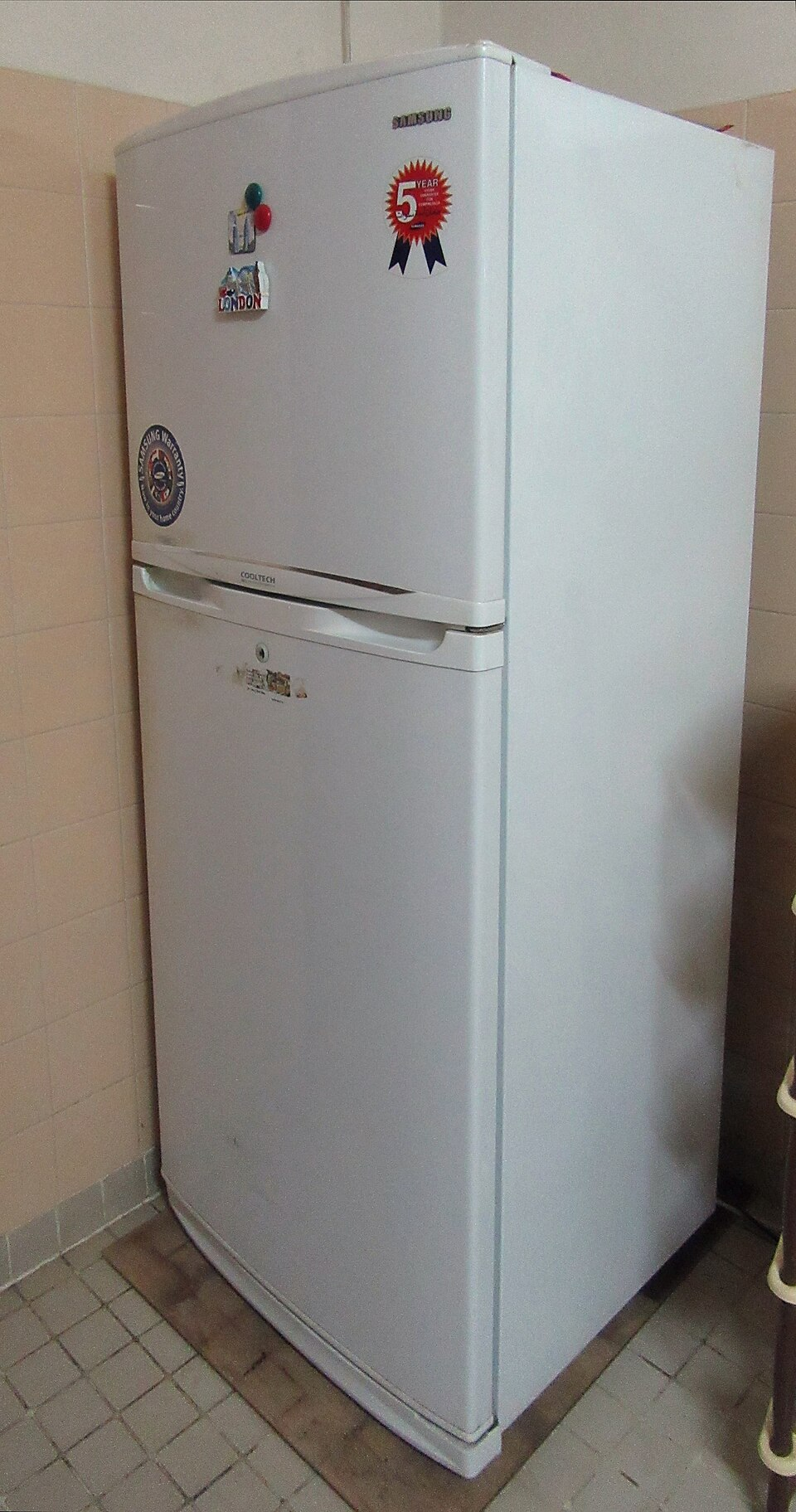
More than any single object, two colors defined the decade: avocado green and harvest gold, often joined by burnt orange. These earthy tones appeared everywhere, but nowhere more boldly than on kitchen appliances. Refrigerators, stoves, dishwashers, and ovens came in these shades, turning major appliances into colorful statement pieces rather than the neutral stainless steel we favor now. Countertops, cabinets, and even bathroom fixtures got the treatment too. The colors were seen as warm, natural, and full of personality, a reaction against the brighter pop palettes of the 1960s. Today these hues are practically a punchline for dated decor, but they’re also undergoing a small revival among fans of retro style who appreciate their cozy, grounded warmth.
The Conversation Pit
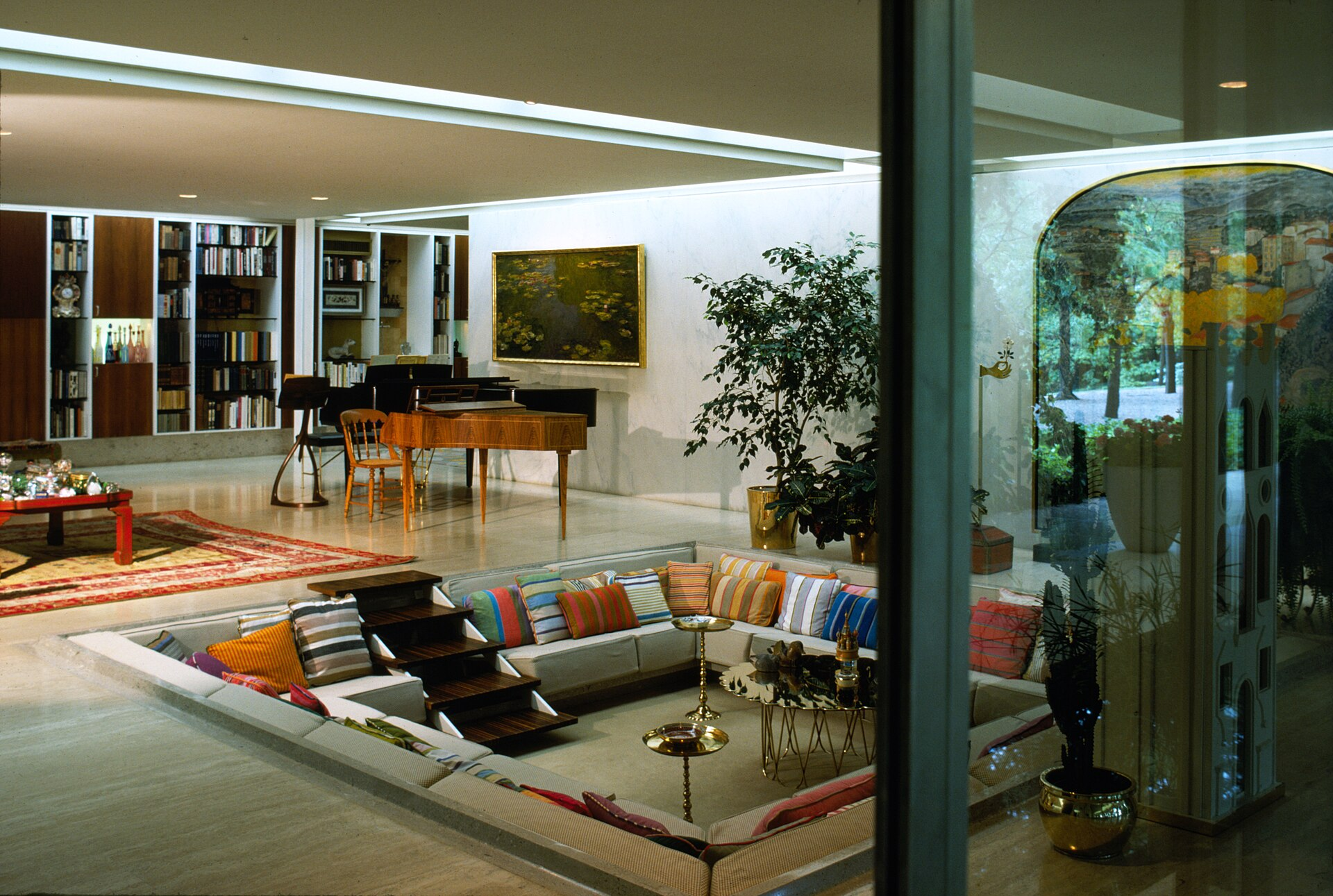
For the ultimate in 1970s entertaining, nothing topped the conversation pit. These sunken seating areas, set a step or two below the main floor and often lined with built-in sofas and plush cushions, were designed to draw people together for conversation, fondue, and lounging. Stepping down into the pit created a cozy, intimate space within the larger room, a defined social zone without the need for walls. They were the architectural heart of many seventies living rooms and the height of sophisticated style. Modern open-concept floor plans, which prize flexibility over fixed seating, largely killed off the conversation pit, though designers occasionally revive updated versions. As a distinctly seventies feature, it remains one of the decade’s most beloved and memorable design ideas.
Macramé
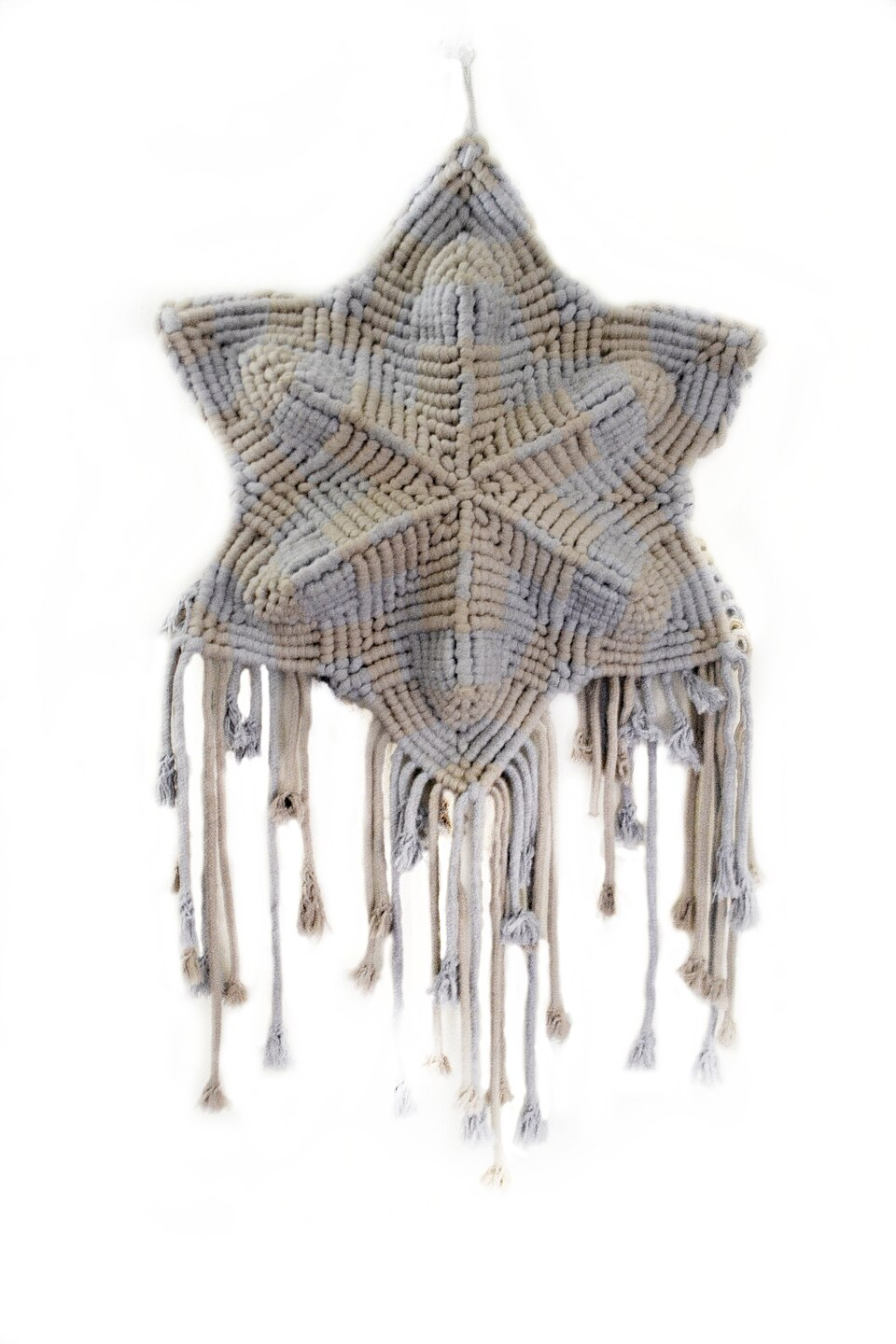
The handmade touch of the seventies came knotted in rope. Macramé, the craft of knotting cord into decorative patterns, was everywhere, most famously as wall hangings and plant holders, but also as room dividers, lampshades, and more. The intricate knotted designs brought texture, warmth, and an artisanal, personal feel to a room, perfectly capturing the decade’s appreciation for handcrafted, natural elements. Paired with wood tones and trailing houseplants, macramé helped create the bohemian, earthy vibe that defined so many seventies interiors. It was often a do-it-yourself project, making each piece unique. While macramé has seen a modest comeback among modern crafters, it never again reached the saturation it enjoyed in its seventies heyday, when entire walls might be devoted to it.
An Indoor Jungle of Houseplants
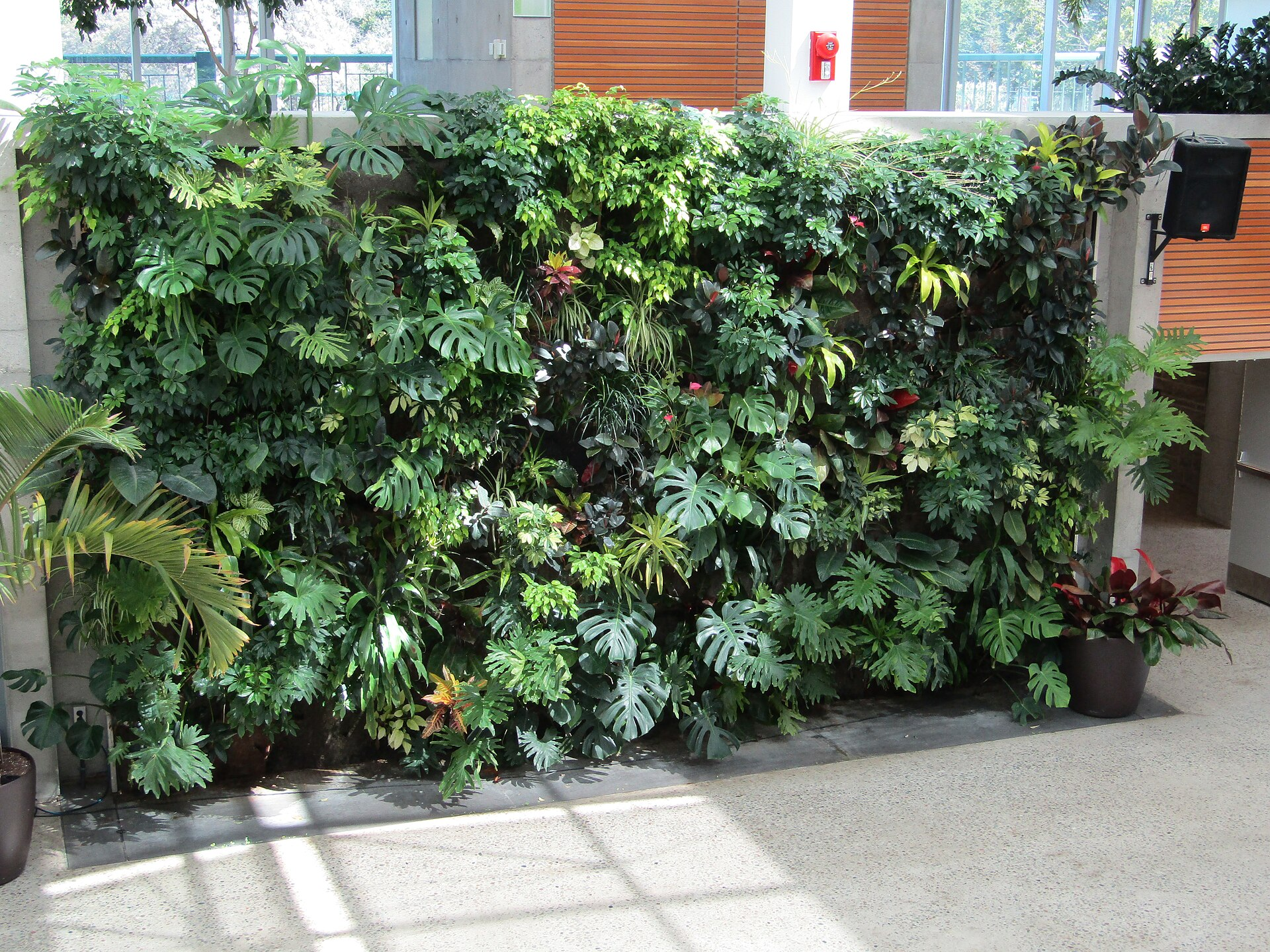
The 1970s living room was often a green oasis, filled with an abundance of houseplants. Spider plants, ferns, pothos, and rubber trees were especially popular, trailing from macramé hangers, perched on tiered rattan shelves, and crowding sunny windowsills. The trend reflected the decade’s back-to-nature sensibility and its love of organic, earthy textures, bringing a breath of the outdoors inside. A well-decorated room might host half a dozen or more plants, turning the space into a miniature indoor jungle. The combination of greenery, wood, and warm earth tones created the laid-back, natural look that the era adored. This particular trend has aged well, as houseplants have surged back into fashion with new generations of plant lovers.
The Lava Lamp
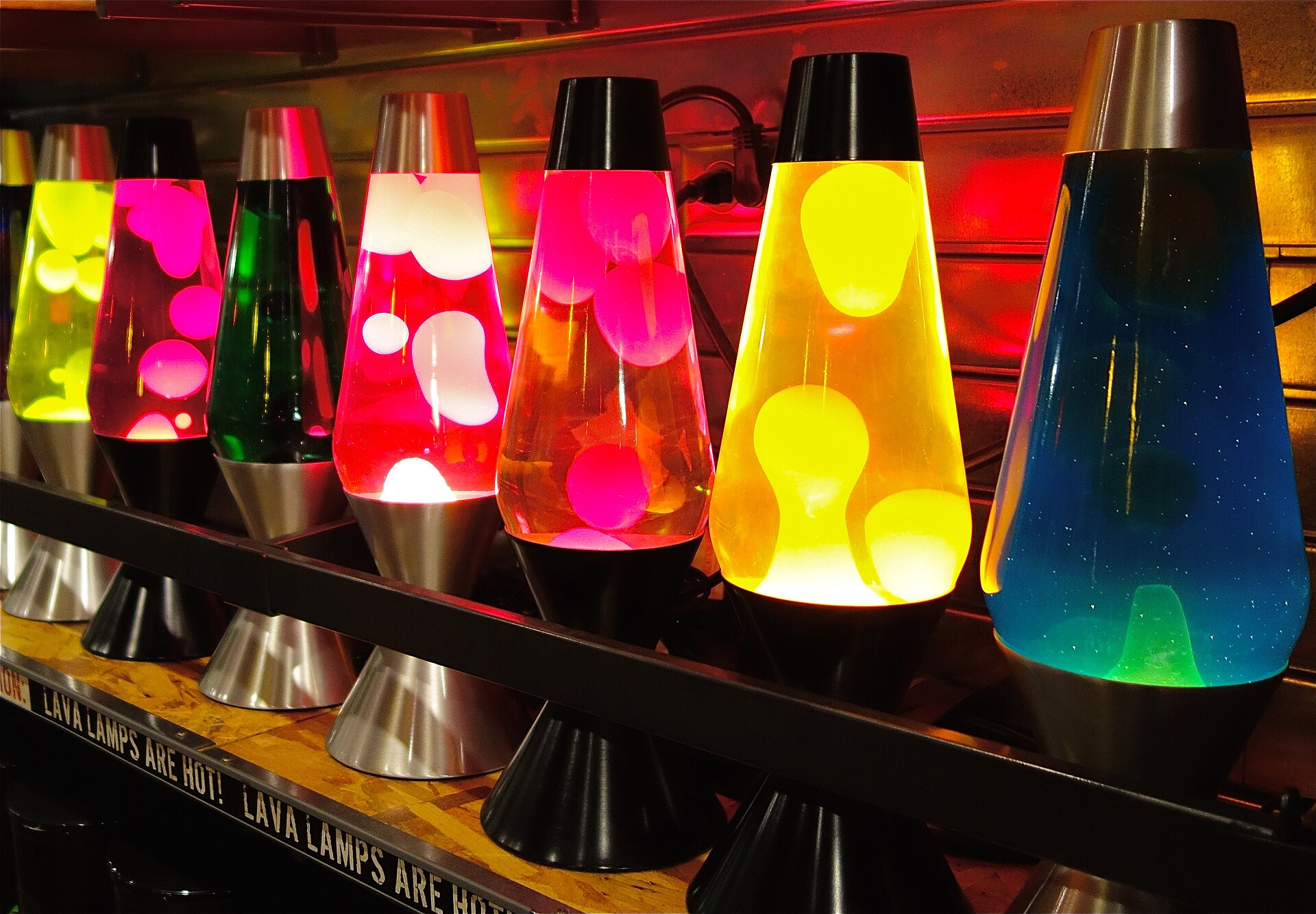
Few objects capture the groovy spirit of the seventies like the lava lamp. Though invented in the previous decade, the lava lamp reached peak popularity in the 1970s, its hypnotic blobs of colored wax rising and falling in a glowing liquid. Set in the corner of a darkened living room, it provided mesmerizing, ever-changing ambiance and a splash of psychedelic flair. It was less about lighting a room and more about setting a mood, the perfect accessory for a decade that prized self-expression and a relaxed, far-out atmosphere. The lava lamp became a cultural icon of the era, and its enduring novelty appeal means you can still buy one today, a glowing little time capsule of seventies cool.
Velvet, Corduroy, and Modular Sofas
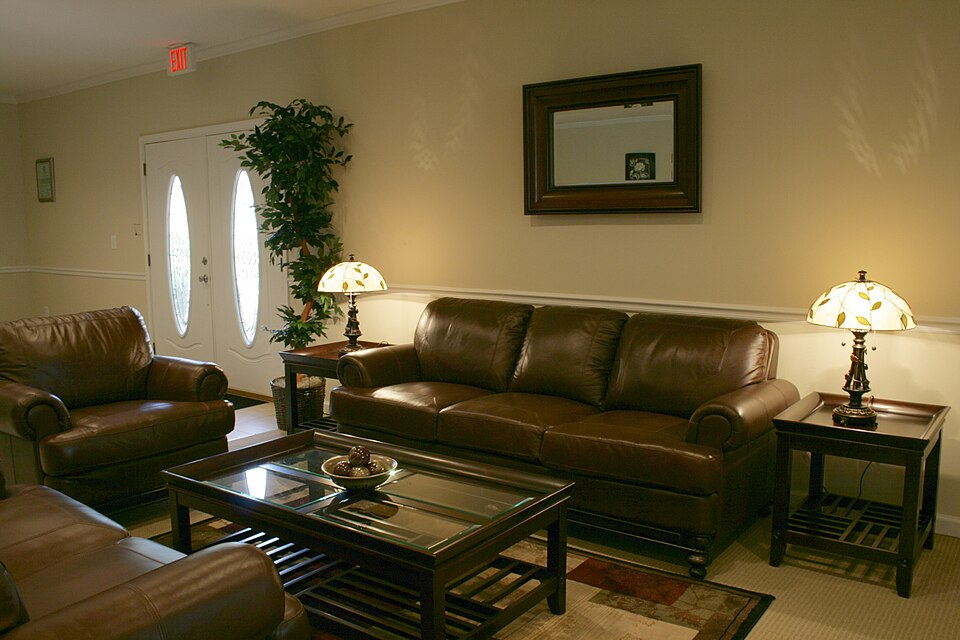
Seventies seating was all about plush comfort and flexible arrangements. Sofas and lounge chairs came upholstered in rich, tactile fabrics like velvet and corduroy, often in those signature earth tones of gold, orange, and brown. Low-profile, sculptural shapes were in vogue, and modular sofas, made of separate sections that could be rearranged, were especially popular for creating flexible conversation areas. The look prioritized casual comfort and sociability over formality, encouraging everyone to lounge and linger. A tufted corduroy sofa or a velvet sectional was the centerpiece of many living rooms, paired with shag carpet underfoot and a wood-and-glass coffee table on top. This emphasis on cozy, adaptable seating defined how families gathered and relaxed throughout the decade.
Popcorn Ceilings

Look up in a 1970s home and you’d likely see a popcorn ceiling. Also known as acoustic or textured ceilings, these bumpy, spray-on surfaces were favored for very practical reasons: they helped dampen sound and conveniently hid imperfections in the ceiling below, saving builders time and effort. Their distinctive, lumpy texture, resembling cottage cheese or popcorn, became a near-universal feature of homes built or updated during the era, especially in bedrooms and living areas. While practical at the time, the trend has not aged well; modern tastes favor smooth ceilings, and many homeowners have spent considerable effort scraping the old texture away. Still, the popcorn ceiling remains a defining, if unglamorous, signature of seventies home construction.
Rattan and Wicker Furniture
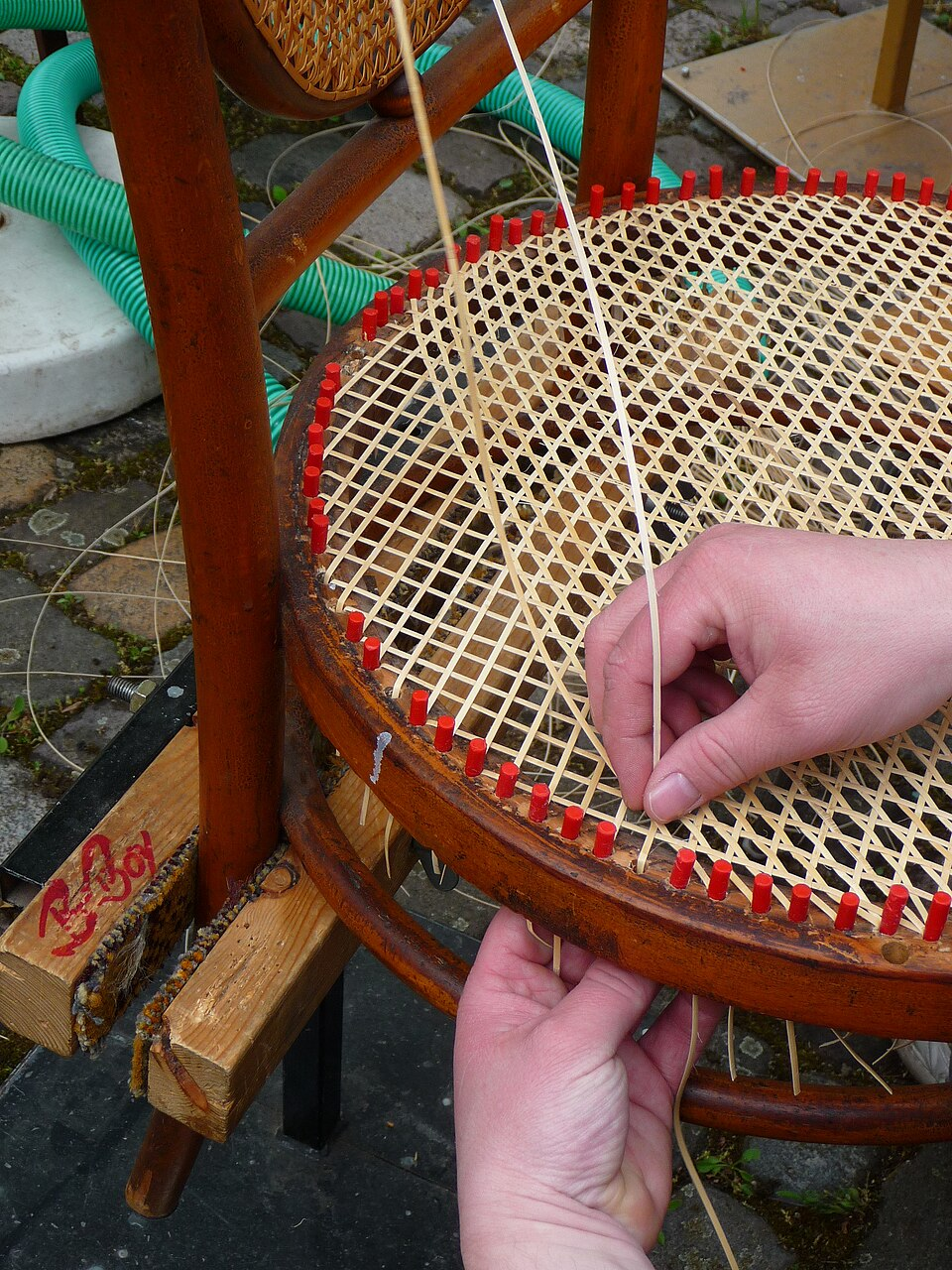
Completing the natural, earthy look of the seventies living room was an abundance of rattan and wicker. Lightweight, durable, and woven from natural plant fibers, these materials brought a breezy, organic charm indoors. Chairs, side tables, shelving units, and even headboards made from woven rattan added casual, laid-back texture to a room, complementing the decade’s love of wood, plants, and warm tones. The iconic peacock chair, with its tall, fanned back, was a particularly fashionable statement piece. Rattan helped create that relaxed, bohemian, sunroom-style atmosphere that defined seventies interiors, blurring the line between indoor and outdoor living. Like houseplants, woven furniture has enjoyed a strong revival in recent years, proving that some seventies ideas were simply ahead of their time.
A Room Full of Personality
The 1970s living room was bold, warm, and bursting with character, the polar opposite of today’s pared-back, neutral interiors. From shag carpet and wood paneling to the conversation pit, the macramé, and the ever-present lava lamp, every element invited comfort, socializing, and self-expression. It was a look that prized texture, earthy color, and a handcrafted, lived-in feel over sleek perfection. While some of these trends became cautionary tales of dated design, others, like houseplants and rattan, have come roaring back into style. Love it or laugh at it, the seventies living room had a distinct soul, and for anyone who grew up sinking into that shag carpet, it remains one of the most vivid and fondly remembered rooms of all.
Like our content? Follow us for more.
