

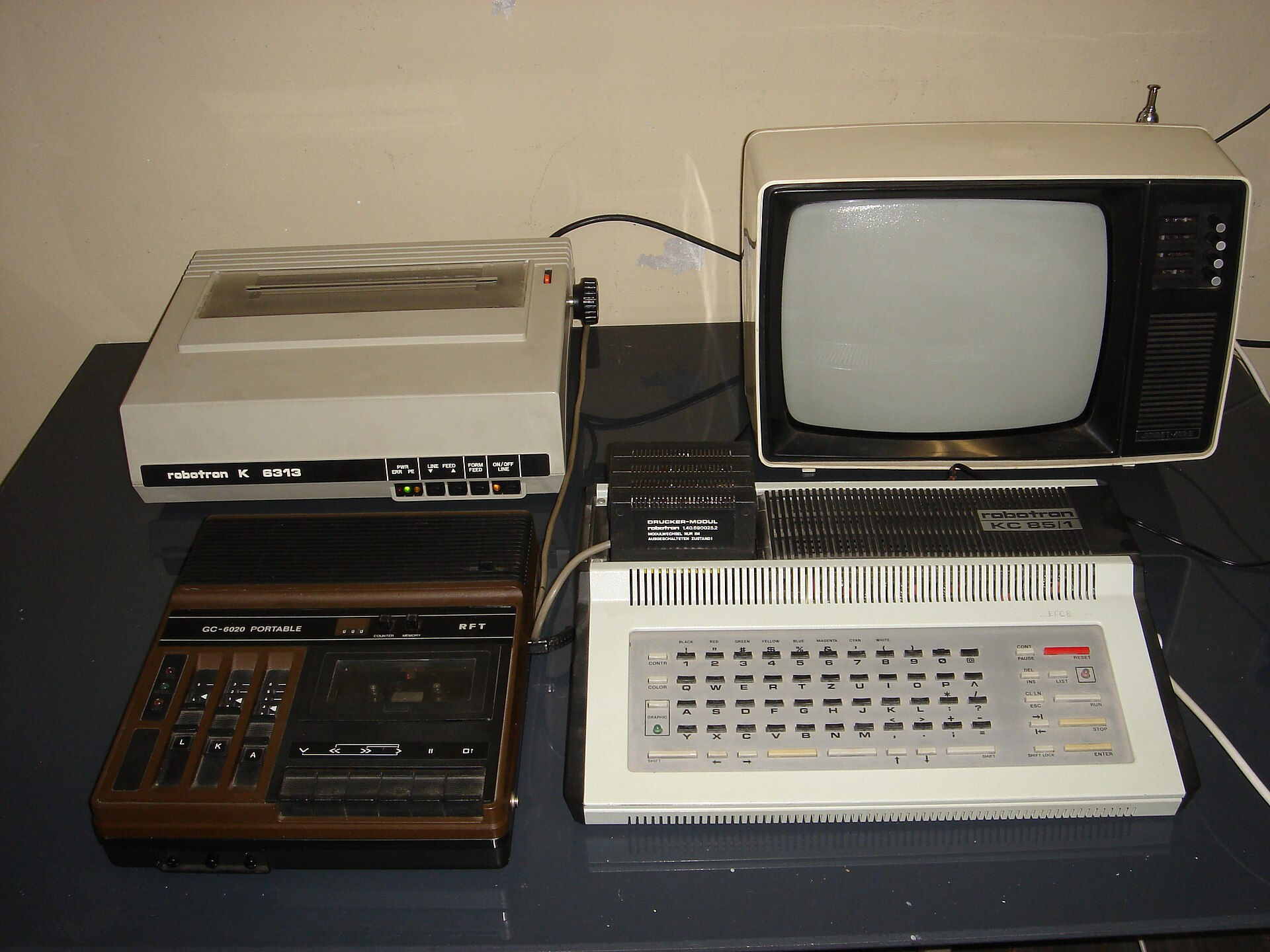
The 1970s were a wild decade for technology, when gadgets that seem charmingly primitive today were the absolute peak of innovation. This was the dawn of home video games, personal computers, instant photography, and portable music, the foundations of the digital world we live in now. Much of it was bulky, expensive, and quickly outdated, but at the time these devices genuinely blew people’s minds and felt like glimpses of the future. From the bleeping paddles of Pong to the magic of a photo developing in your hand, here are the technologies that defined cutting-edge life in the 1970s, the gadgets a kid would have begged for and an adult would have proudly shown off to the neighbors.
Pong and Home Video Games
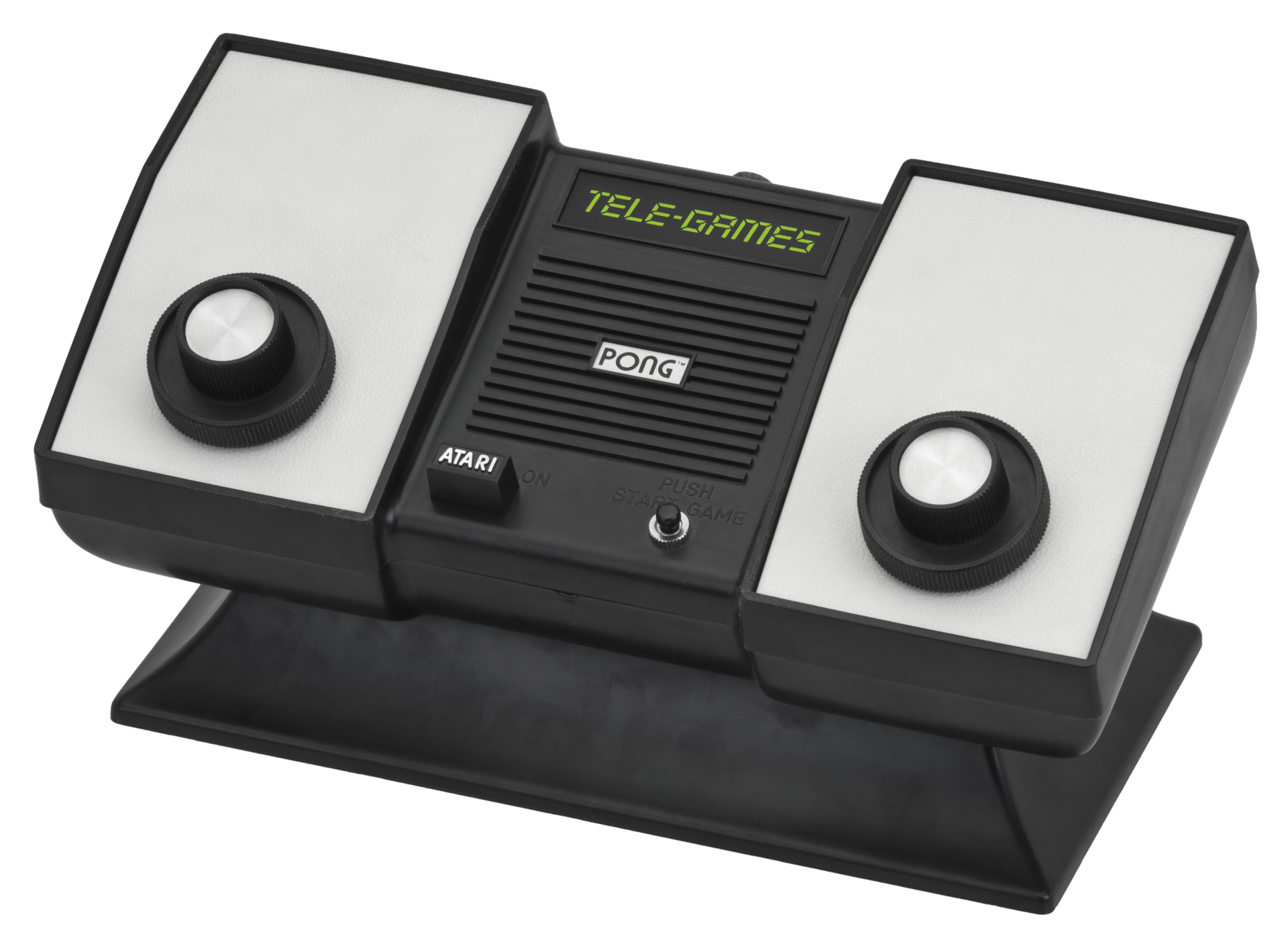
The video game revolution began with a simple bouncing dot. Atari released the arcade game Pong in 1972, a minimalist table-tennis simulation, and it became an instant sensation. Then, in 1975, Atari brought the magic home with the Home Pong console, priced around 99 dollars, which let families play on their own television sets. It sold more than 150,000 units in its first year and effectively launched the home video game industry. For people accustomed to passive television, the idea of controlling something on the screen was revolutionary. Pong’s simple knobs and bleeping ball spawned countless imitators and set the stage for everything that followed, making it one of the most influential gadgets of the entire decade.
Like our content? Follow us for more.
The Atari 2600
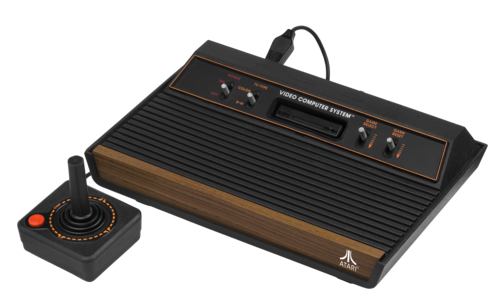
If Pong started the home gaming craze, the Atari 2600 turned it into a phenomenon. Released in 1977, it was the first widely successful programmable console to use interchangeable ROM cartridges, meaning a single machine could play a whole library of different games rather than just one. Titles like Space Invaders and Asteroids became household entertainment, and the 2600 brought arcade-style fun into living rooms across the country. It introduced a generation to the very idea of home gaming and helped build what would become a multi-billion-dollar industry. Though the video game crash of the early 1980s eventually hurt Atari, the 2600’s cultural impact was enormous, and it remained in production for years. It’s a true landmark of seventies technology.
8-Track Tapes
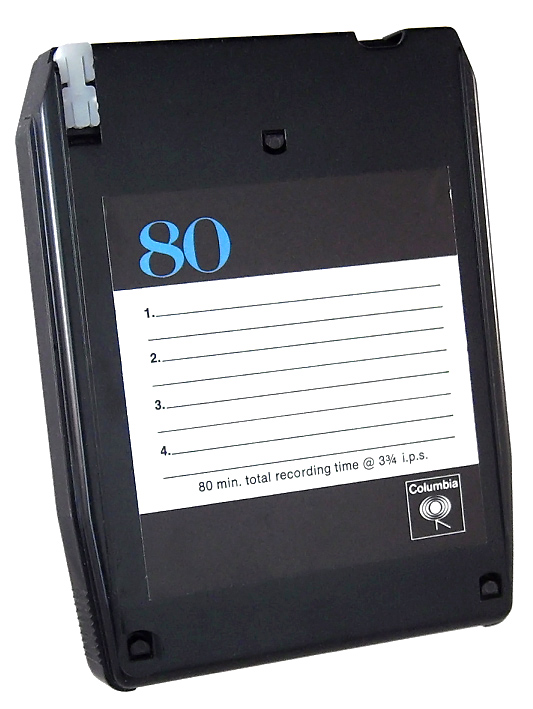
Before the cassette took over and long before streaming, the 8-track tape was the height of music technology. These chunky magnetic-tape cartridges were among the first formats to make recorded music truly portable, and they were especially popular in cars, where a dashboard 8-track player let drivers bring their favorite albums on the road. The music was divided into programs that played in a continuous loop, though the format had quirks, songs sometimes faded out and back in as the player switched tracks. For a few years in the seventies, the satisfying ka-chunk of slotting in an 8-track was the sound of modern music on the move. The format faded as cassettes improved, but it remains a beloved relic of the decade.
The Betamax and the VCR
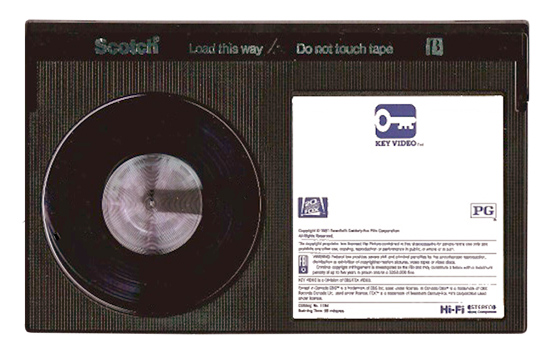
The 1970s gave birth to a technology that would transform home entertainment: the videocassette recorder. Sony introduced its Betamax format in 1975, followed by JVC’s VHS in 1976, kicking off one of history’s most famous format wars. For the first time, people could record television programs to watch later and play movies at home, a concept that simply hadn’t existed before. Early machines were expensive, around 1,300 dollars for a Betamax recorder, but the promise of watching what you wanted, when you wanted, was revolutionary. Betamax offered excellent picture quality, but VHS ultimately won the war on the strength of longer recording times and better marketing. Either way, the seventies VCR planted the seed for on-demand viewing.
The Polaroid SX-70
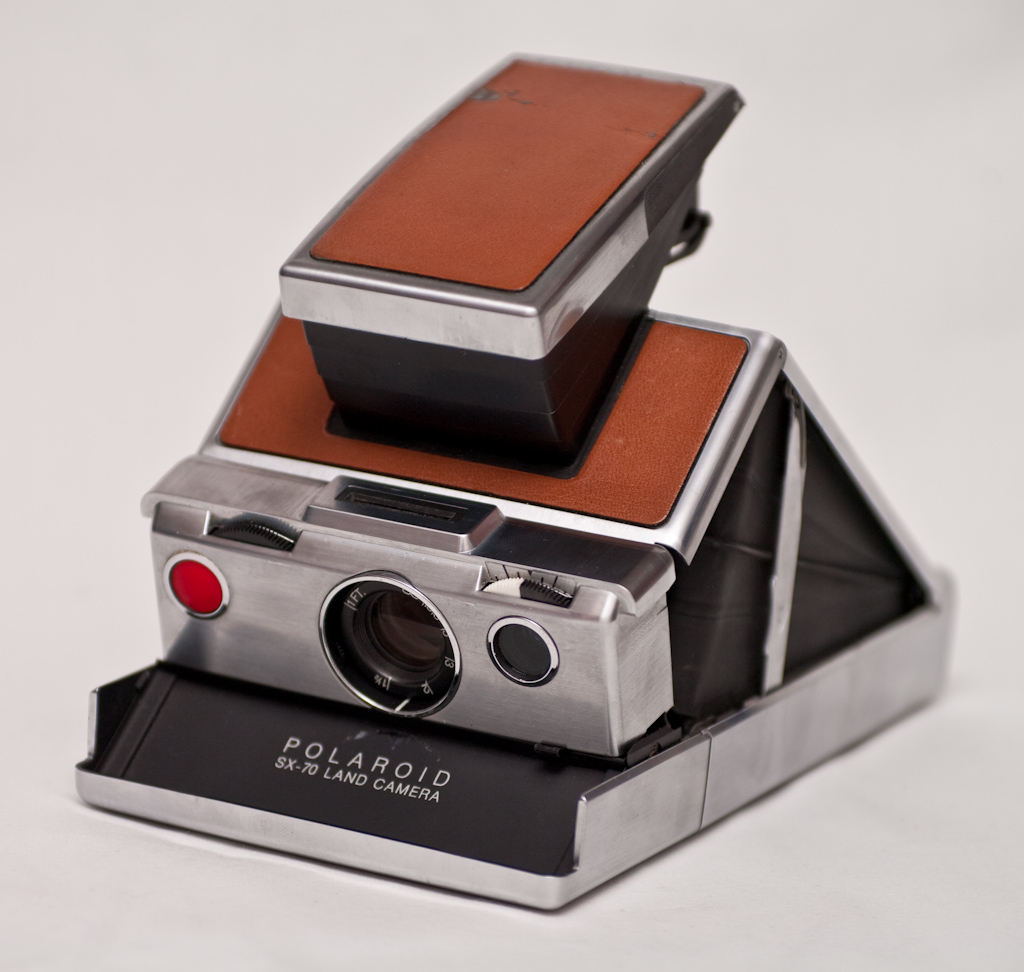
Photography became instant and magical in the 1970s thanks to the Polaroid SX-70. This folding instant camera let you snap a picture and watch the photo develop right before your eyes, sliding out and slowly appearing with no messy chemicals and no waiting for a film lab. It was also the first instant SLR camera, delivering sharp, clear images, and its clever foldable design made it easy to carry. The SX-70 sold millions of units and turned photography into something spontaneous, social, and fun, perfect for parties and family gatherings. The charm of holding a freshly developed photo in your hand was unlike anything else, and the SX-70 remains a beloved icon, prized today by collectors and instant-photography enthusiasts alike.
Pocket Calculators
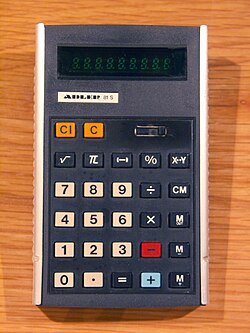
In the early 1970s, the electronic pocket calculator put serious computing power in the palm of your hand for the first time. Before these devices, doing math meant slide rules, paper, or bulky machines, so a calculator small enough to slip into a pocket felt genuinely futuristic. Early models, including pioneering designs from Clive Sinclair, were sleek and surprisingly capable, and by 1976 Texas Instruments’ affordable TI-30 scientific calculator had become a fixture for students and professionals. Suddenly, complex calculations could be done instantly, anywhere. The pocket calculator’s portability sparked a handheld trend that never really ended, evolving into the devices we carry today. At the time, owning one was a small thrill and a sign that the future of personal electronics had arrived.
LED Digital Watches
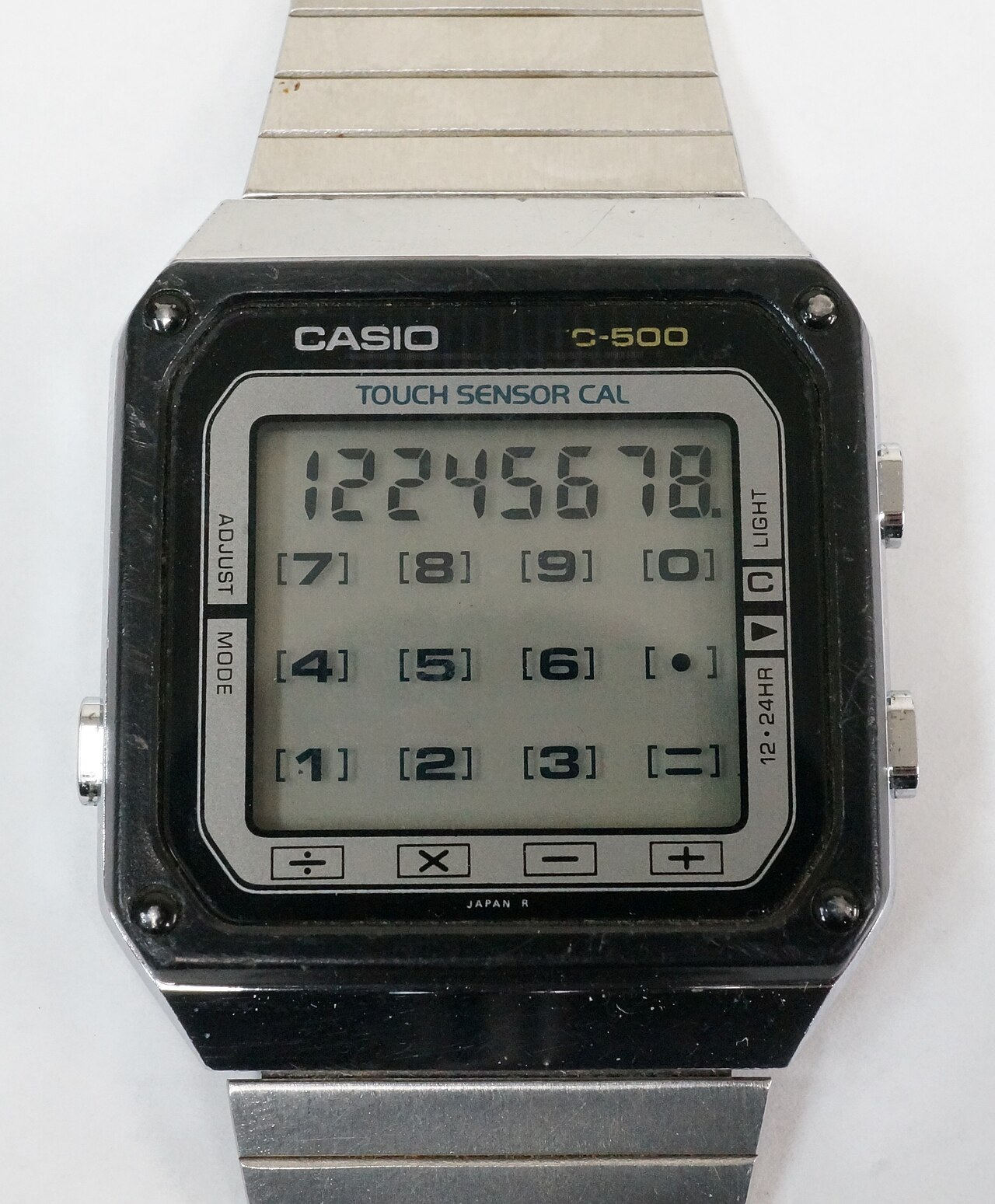
Telling time went high-tech in the 1970s with the arrival of the digital watch. Early LED models, like the pioneering luxury watches that appeared around 1972, displayed glowing red numerals at the press of a button, an dazzling departure from traditional clock hands. The first versions were genuine status symbols, with gold cases and eye-watering price tags reaching into the thousands of dollars, worn by tech enthusiasts eager to show off the future on their wrists. The catch was that the power-hungry LED display only lit up when you pushed a button. Before long, more efficient LCD watches, which showed the time continuously, took over. But that first glimpse of a glowing digital readout was pure seventies futurism, and digital watches quickly became an affordable everyday gadget.
CB Radios
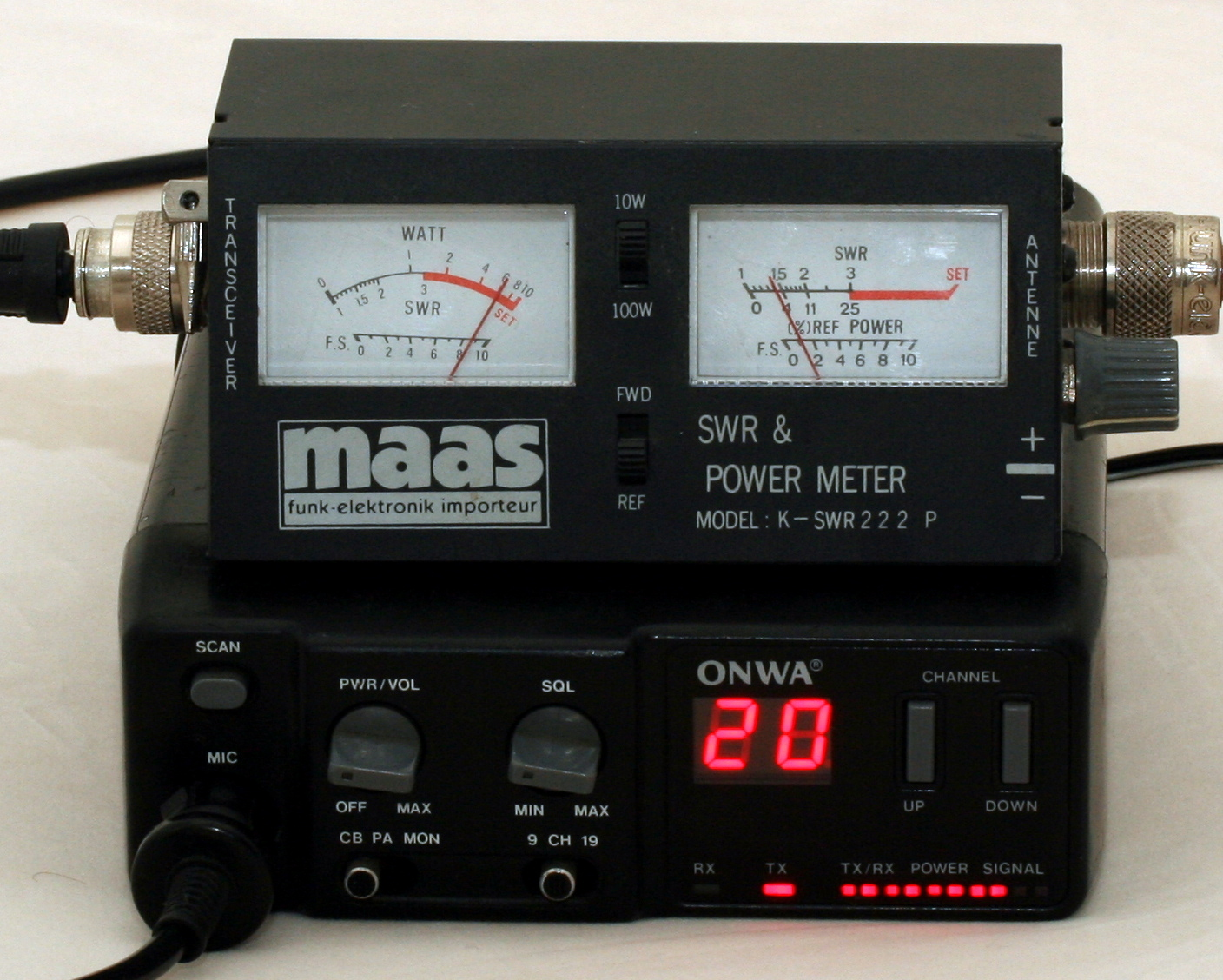
For a few years in the mid-1970s, the country was gripped by Citizens Band radio fever. CB radios let drivers and hobbyists talk to one another over the airwaves without a telephone, and they exploded in popularity, especially among truckers and road-trippers. A whole culture grew up around them, complete with colorful slang, “handles” (nicknames), and codes for swapping traffic and police reports. Installing a CB in your car or setting up a base station at home connected you to a lively, anonymous community of fellow enthusiasts. The craze was fueled by popular music and films of the era that romanticized trucking and the open road. Though cell phones eventually made them obsolete for most, CB radios were a genuine social-technology phenomenon of the seventies.
Speak & Spell and Electronic Toys
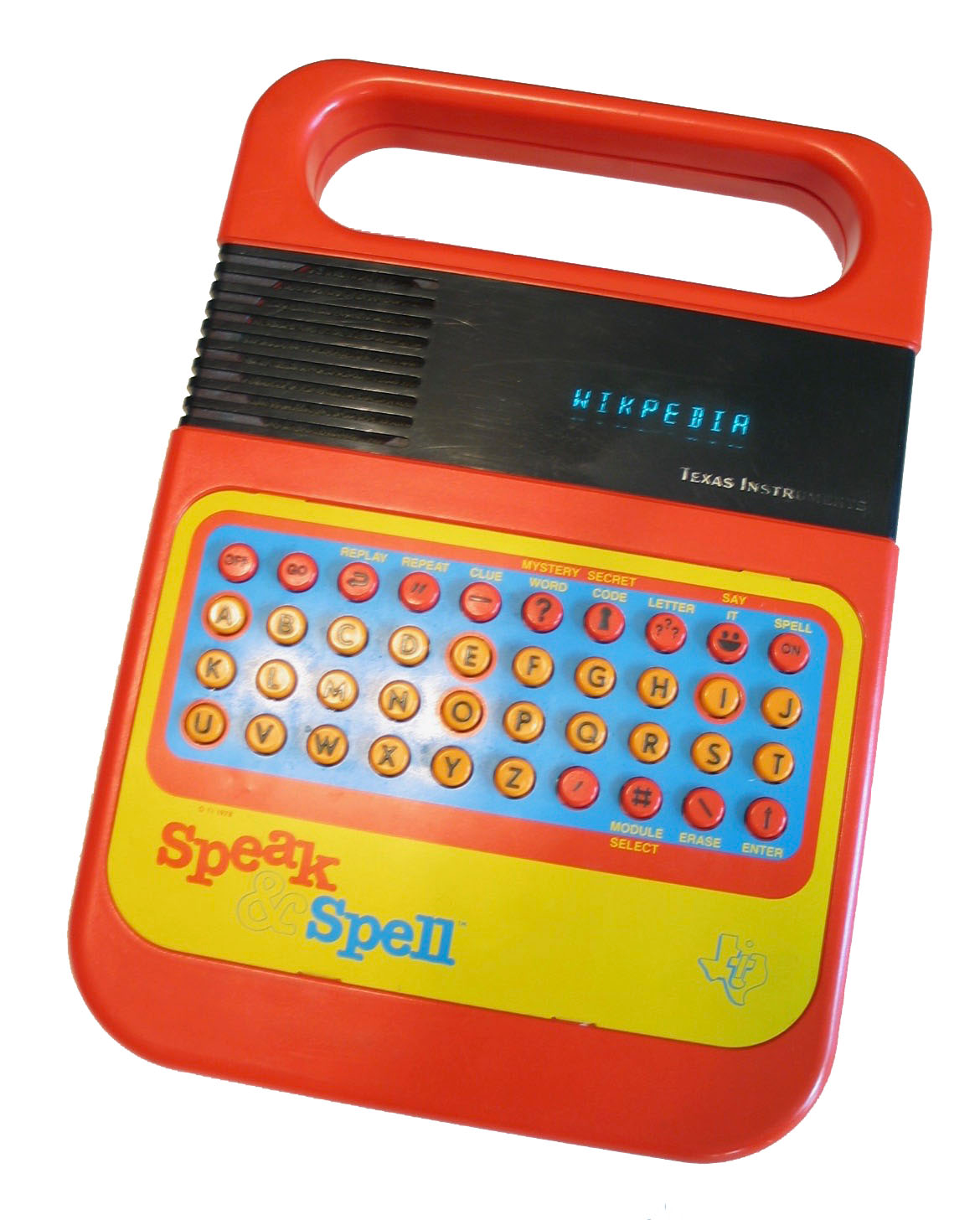
Technology made its way into the toy box, too. In 1978, Texas Instruments released the Speak & Spell, a handheld educational device that used genuine electronic voice synthesis, cutting-edge stuff at the time, to help children learn to spell through interactive games. It was essentially a teacher in a plastic case, and it sold millions, becoming a fixture in homes and classrooms. The same era brought other pioneering electronic toys, like the memory game Simon in 1978 and early handheld games with simple LED displays, such as Mattel’s pocket-sized sports games. These devices marked the moment electronics and play merged, foreshadowing the handheld gaming and learning gadgets to come. For kids of the seventies, a talking toy felt like something straight out of science fiction.
The Dawn of the Personal Computer
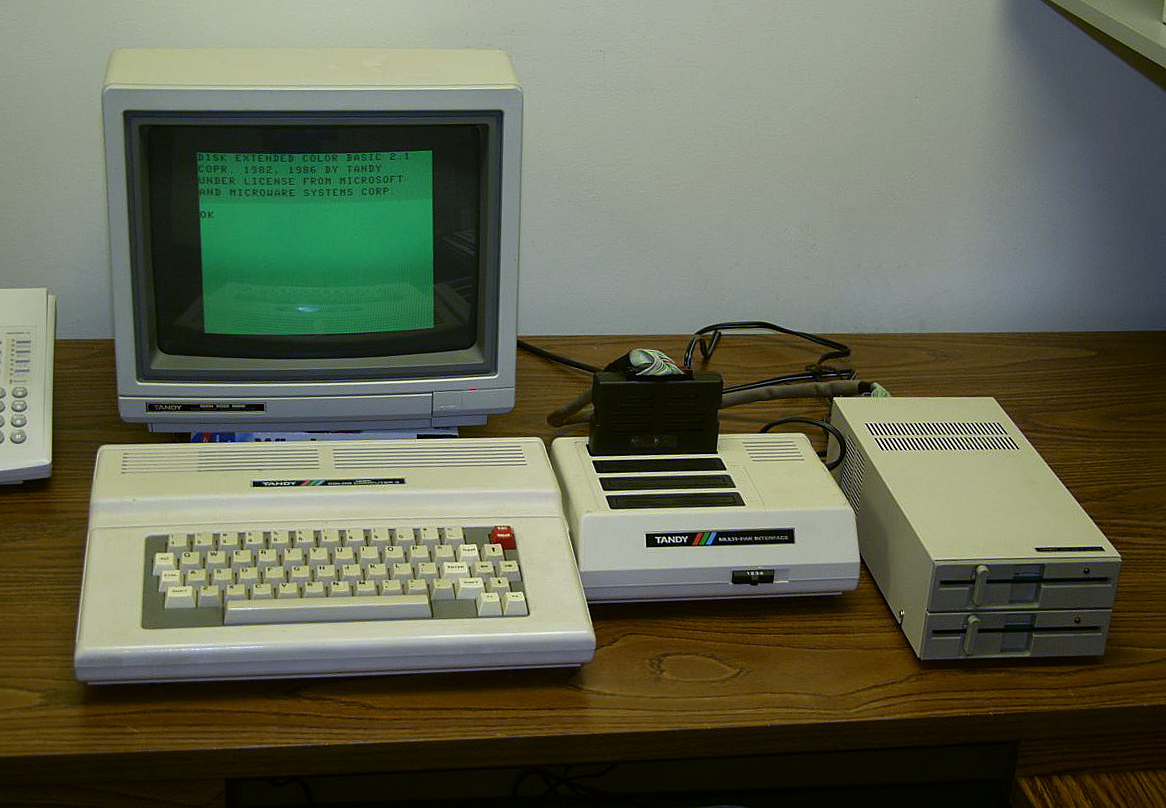
The most consequential technology of the 1970s arrived steadily at the decade’s end: the personal computer. In 1977, a trio of machines, the Apple II, the Commodore PET, and the Tandy TRS-80, brought computing into the home for the first time. The TRS-80, affectionately nicknamed the “Trash-80,” was one of the first mass-market personal computers, affordable and accessible enough for schools, hobbyists, and curious families. These early machines were primitive by any modern standard, with tiny memories and simple displays, but they opened the door to a revolution. They sparked the curiosity of a generation of future programmers and entrepreneurs and laid the groundwork for the digital age. No seventies technology would prove more world-changing than the humble home computer.
When the Future Felt Brand New
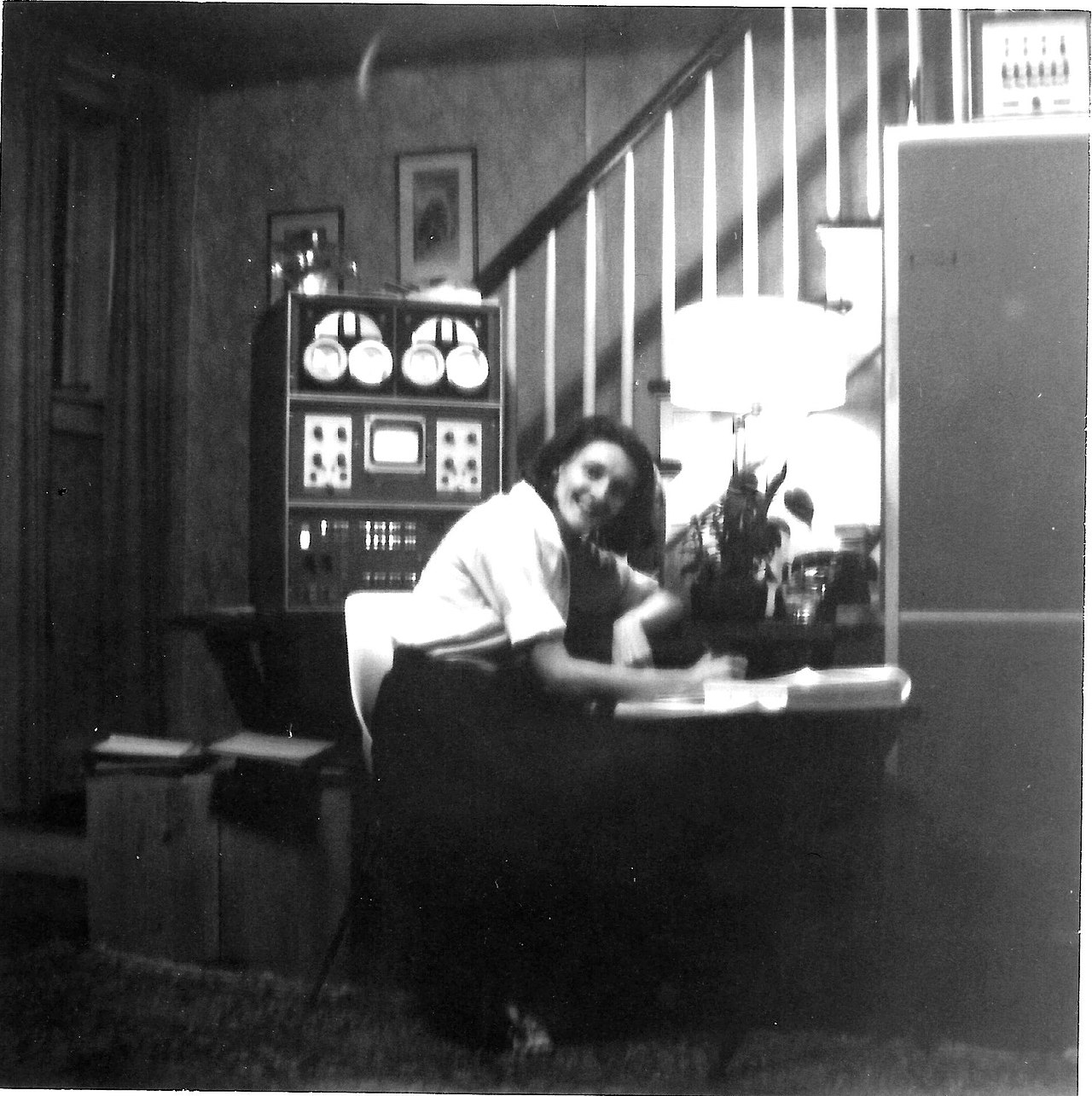
The technology of the 1970s was bulky, pricey, and quickly surpassed, yet it represented some of the most exciting leaps in everyday life of the entire twentieth century. Pong and the Atari 2600 invented home gaming; the VCR promised entertainment on demand; the Polaroid made photography instant; and the pocket calculator and personal computer put real computing power within reach. Each of these gadgets felt like a small miracle when it first appeared, a tangible piece of the future you could hold in your hands. Looking back, it’s remarkable how directly these seventies innovations led to the smartphones, streaming, and consoles we take for granted now. For anyone who lived through it, that first taste of the digital future was unforgettable.
Like our content? Follow us for more.
