In the Dordogne region of southwestern France, beneath a wooded hillside above the Vézère Valley, lies one of humanity’s most astonishing artistic achievements. The Lascaux cave is covered with hundreds of paintings and engravings made by prehistoric people roughly 17,000 to 20,000 years ago, a gallery so magnificent it has been called the “Sistine Chapel of Prehistoric Art.” Yet for more than half a century, the public has been forbidden from setting foot inside. The story of Lascaux is one of wonder, discovery, and a hard lesson about how easily an ancient treasure can be loved nearly to death. Here is the tale of the cave no one is allowed to see.
A Discovery by Four Teenagers
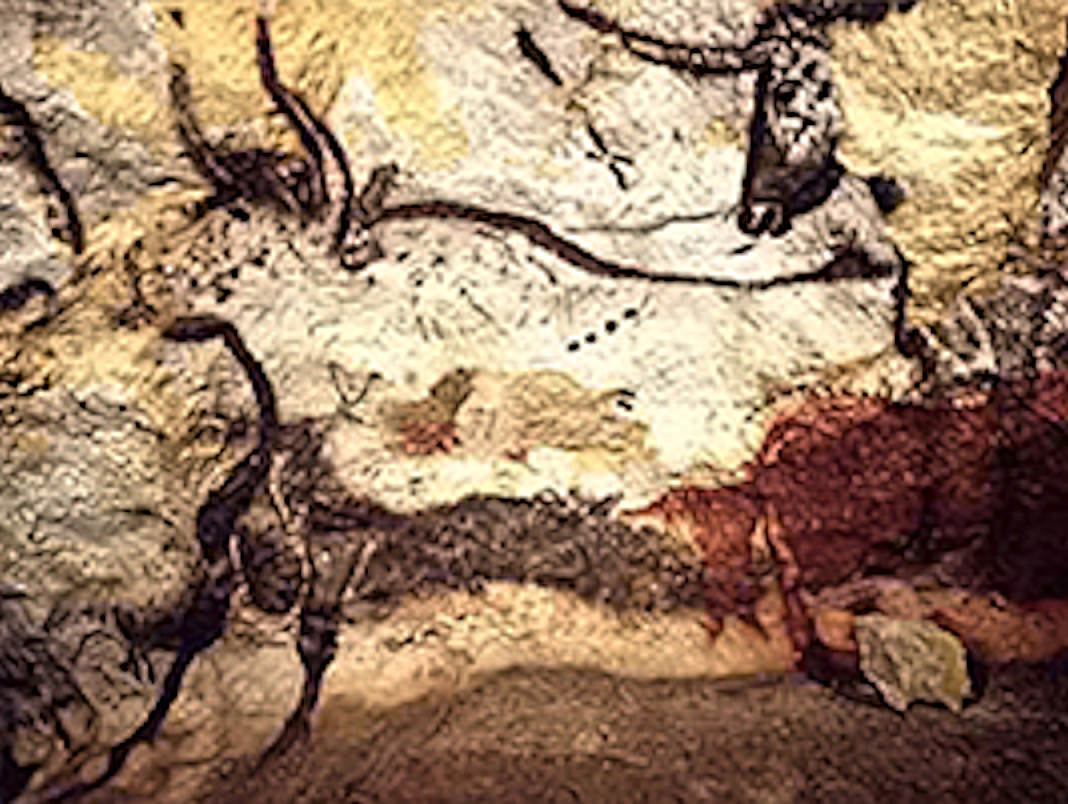
The cave’s modern story began in September 1940, when four teenage boys exploring the countryside, following their dog down a hole, by the most popular account, stumbled into a hidden chamber. Inside, they found walls covered with vivid paintings of animals, an untouched gallery that had lain sealed for thousands of years. They had discovered one of the greatest prehistoric art sites ever found.
The paintings and engravings, numbering in the hundreds, depict mostly animals: bulls and aurochs, horses, stags, and bison, rendered with remarkable skill in earthy pigments. Dating back to the Upper Paleolithic, they offer a remarkable glimpse into the minds and lives of Ice Age humans, proving that people of that distant era valued not only survival but also art and expression. News of the find spread quickly, and the cave soon drew worldwide fascination.
Like our content? Follow us for more.
Loved Nearly to Death
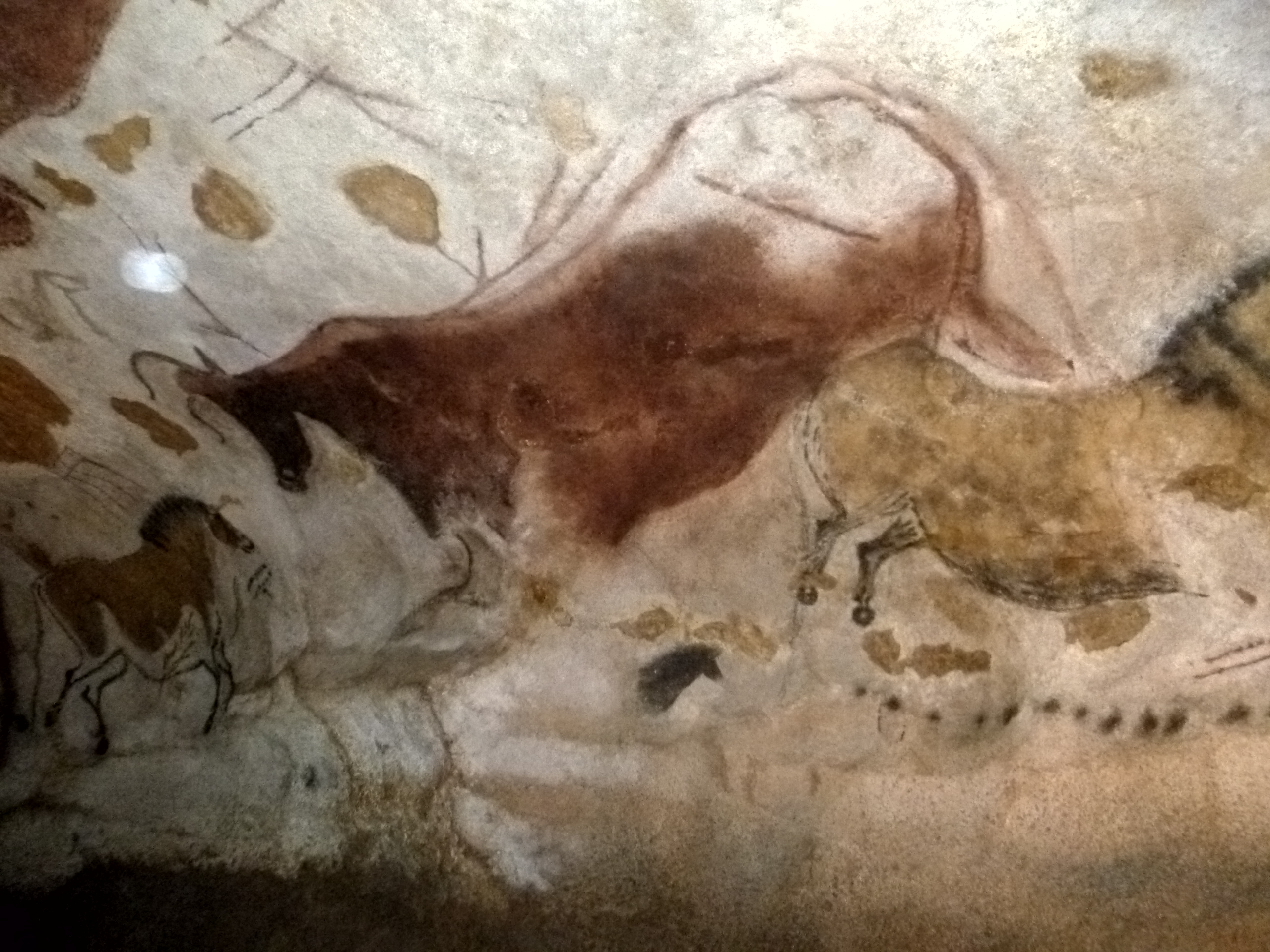
In 1948, just a few years after its discovery, Lascaux was opened to the public, and visitors flocked to see the prehistoric wonder. At its peak, well over a thousand people a day passed through the cave. But this popularity came at a terrible cost. The breath, body heat, and humidity brought in by so many visitors, along with artificial lighting, began to damage the delicate paintings that had survived untouched for millennia.
Carbon dioxide from visitors’ breath, fluctuating temperatures, and rising humidity took their toll, and by the early 1960s, mold and algae were appearing on the walls and the colors were beginning to suffer. It became clear that the very act of viewing the paintings was destroying them. In 1963, France’s culture minister made the difficult decision to close Lascaux to the public, allowing only a select few experts inside to study and care for the art.
Forbidden to Protect It
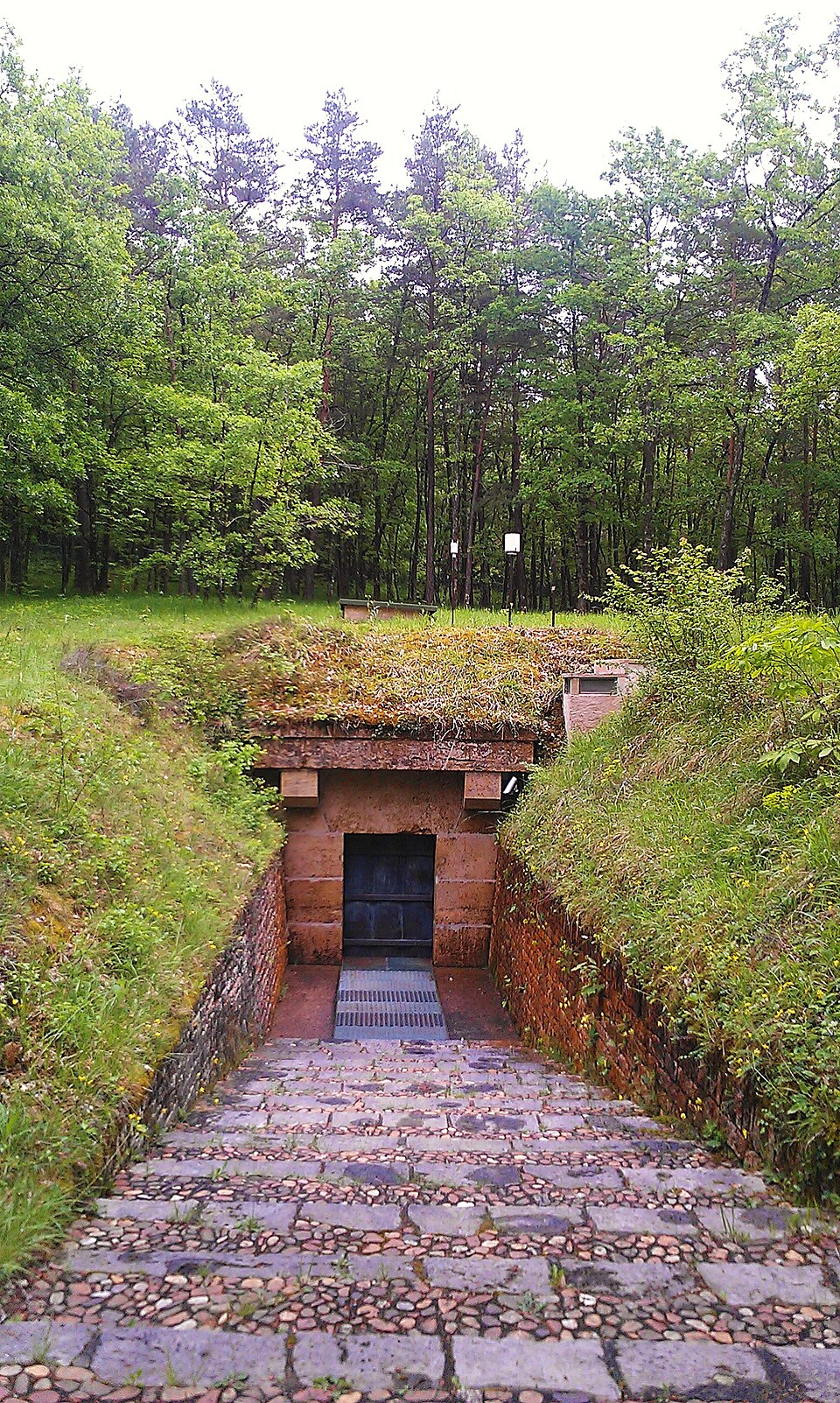
Since 1963, the original Lascaux cave has remained off-limits to all but a small number of scientists and conservators. The restriction exists for one clear reason: to preserve the irreplaceable paintings for the future. Even with the public gone, conservation has remained an ongoing battle, with the cave’s fragile environment requiring careful monitoring and occasional struggles against outbreaks of mold. The art that survived 17,000 years proved alarmingly vulnerable to modern human presence.
Lascaux’s importance was formally recognized in 1979, when it and the other decorated caves and prehistoric sites of the Vézère Valley were designated a UNESCO World Heritage Site. The cave stands as both a priceless cultural treasure and a cautionary tale about the impact even respectful visitors can have on a fragile ancient site. Its closure ensures that the masterpieces inside will endure, even if almost no one will ever see them in person.
How You Can Still Experience Lascaux
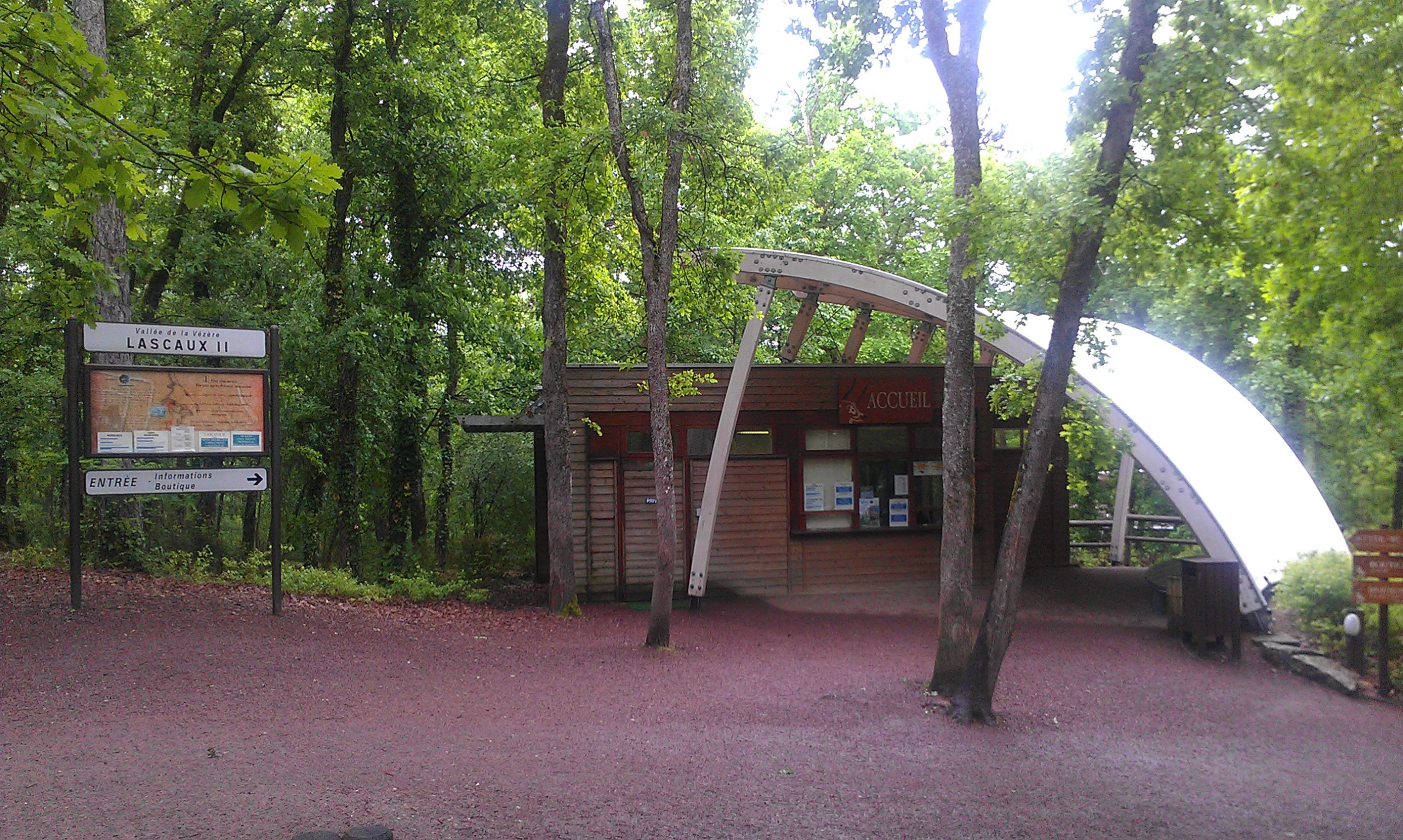
The closure of the original cave created a dilemma: how could people experience this wonder of human heritage without destroying it? The answer was to build replicas, and France has done so with extraordinary care. The first, Lascaux II, opened in 1983 a short distance from the original, faithfully reproducing the cave’s most famous chambers, including the magnificent Hall of the Bulls, using the same techniques and pigments as the original artists.
The replicas didn’t stop there. A traveling version, sometimes known as Lascaux III, brought reproductions of the art to audiences around the world. Then, in 2016, the ambitious Lascaux IV opened, a full-scale, highly detailed recreation of the entire cave housed in a modern center dedicated to prehistoric art. Using advanced technology, it lets visitors experience the paintings in conditions that evoke the original, down to the cool, dark atmosphere, without endangering the real thing.
Through these replicas, the public can still marvel at the artistry of Lascaux, guided through chambers that look and feel like the ancient original. It is a remarkable solution to an impossible problem: how to share a treasure that cannot be touched. The original cave remains sealed in its hillside, a forbidden masterpiece preserved in darkness, while its faithful copies allow the wonder of Lascaux to live on for everyone. In an age of unlimited access, Lascaux is a reminder that some things are protected precisely because they are too precious to risk, and that sometimes the most respectful way to cherish a treasure is to leave it untouched.
Like our content? Follow us for more.