

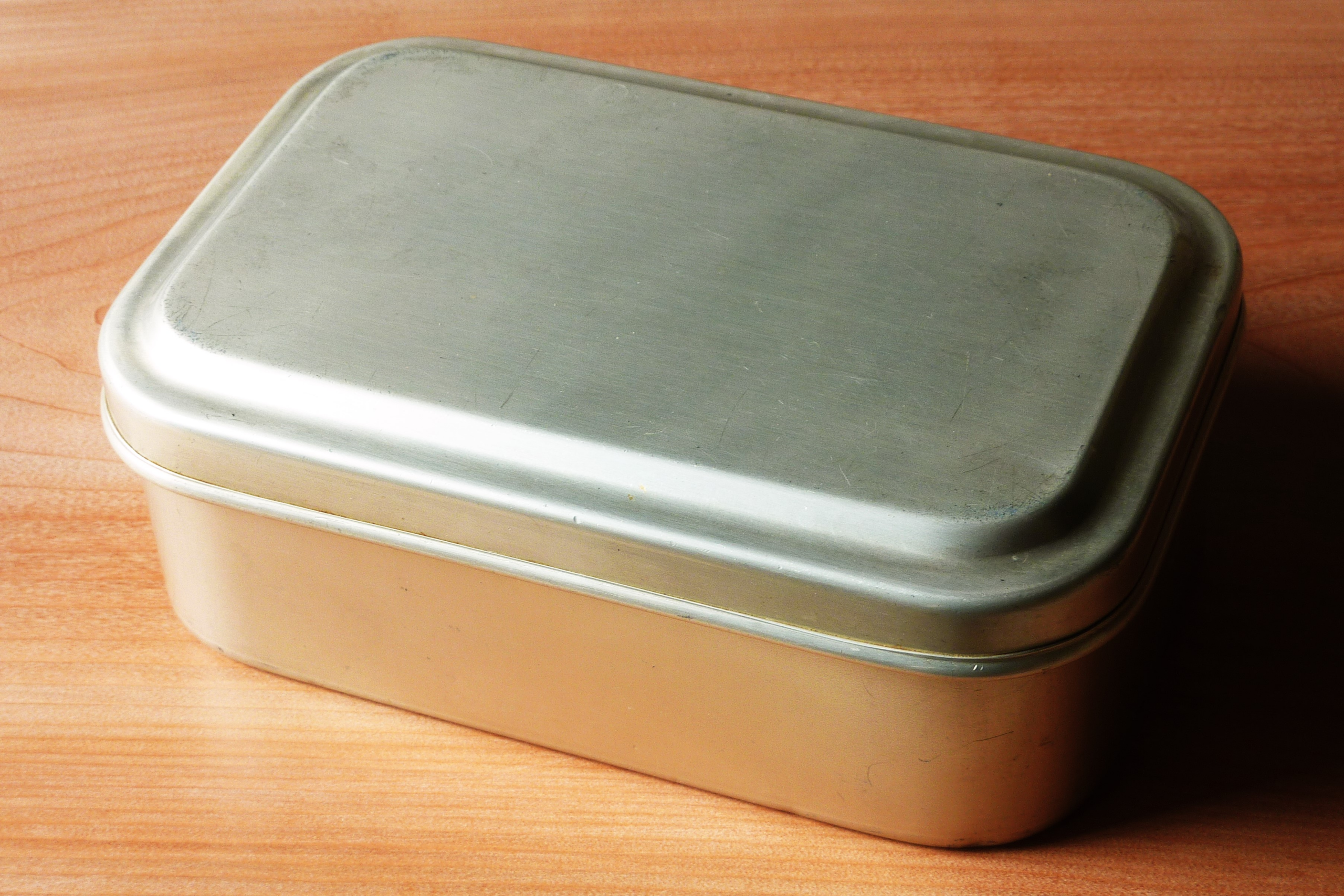
For a generation of American schoolkids, the lunchbox was a prized possession and a daily ritual. The metal box, decorated with favorite characters and paired with a matching Thermos, carried a familiar assortment of foods packed with love each morning. Opening it at the lunch table to see what was inside, and trading with friends, was one of the small joys of the school day. The contents followed a comforting formula that nearly every kid would recognize. Here are the twelve things you’d reliably find in a kid’s lunchbox in the 1970s and ’80s, counted down one by one.
1. The Character Lunchbox Itself
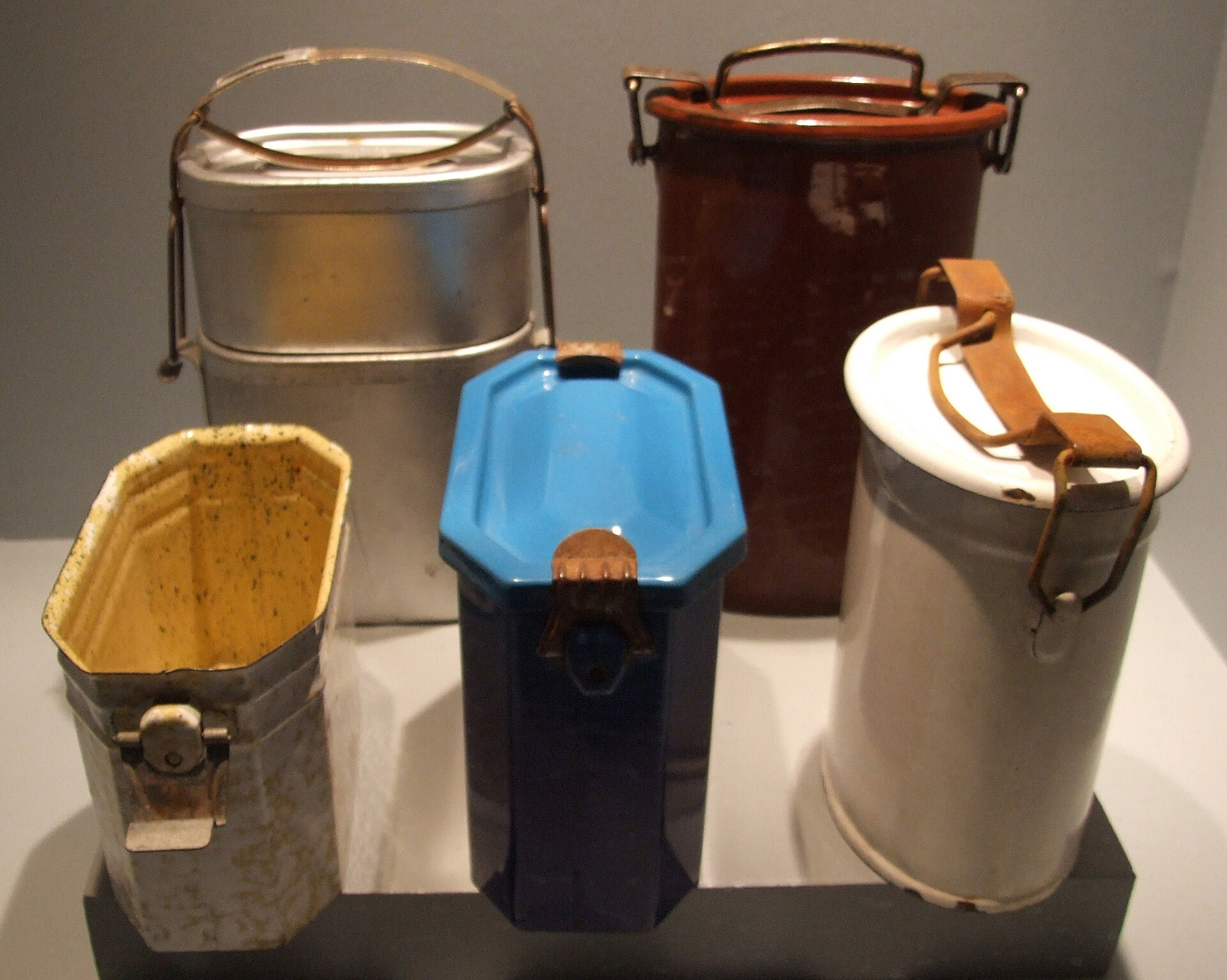
Before anything inside, there was the lunchbox itself, a metal (and later plastic) box emblazoned with the cartoon characters, TV shows, or movies of the moment. Choosing and carrying the right lunchbox was a serious matter of childhood pride and identity.
The decorated lunchbox was a status symbol on the playground, declaring a kid’s favorite show or hero for all to see. The metal boxes, with their colorful printed designs, were durable and beloved, often dented from use but proudly carried. Picking out a new one each year was a thrill. The character lunchbox is perhaps the most iconic artifact of the era’s school days, and the specific designs are now nostalgic collectibles treasured by those who carried them.
Like our content? Follow us for more.
2. The Matching Thermos
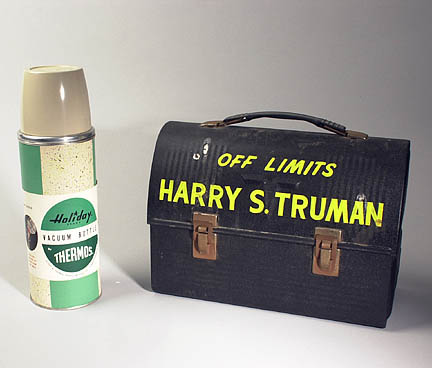
Tucked inside the lunchbox was the matching Thermos, the insulated bottle that kept a drink cold or warm and bore the same colorful design as the box. Whether filled with milk, juice, or soup, the Thermos was an essential part of the lunchbox set.
The Thermos completed the lunchbox set, its design matching the box and its contents kept at the right temperature by the insulated interior. The distinctive cup that doubled as a lid and the glass liner inside were familiar features. Pouring a drink from the Thermos was part of the lunchtime routine. The matching Thermos is a beloved companion to the character lunchbox, and the pair together form a complete and instantly recognizable symbol of the era’s school lunches.
3. The Sandwich in Wax Paper or a Baggie
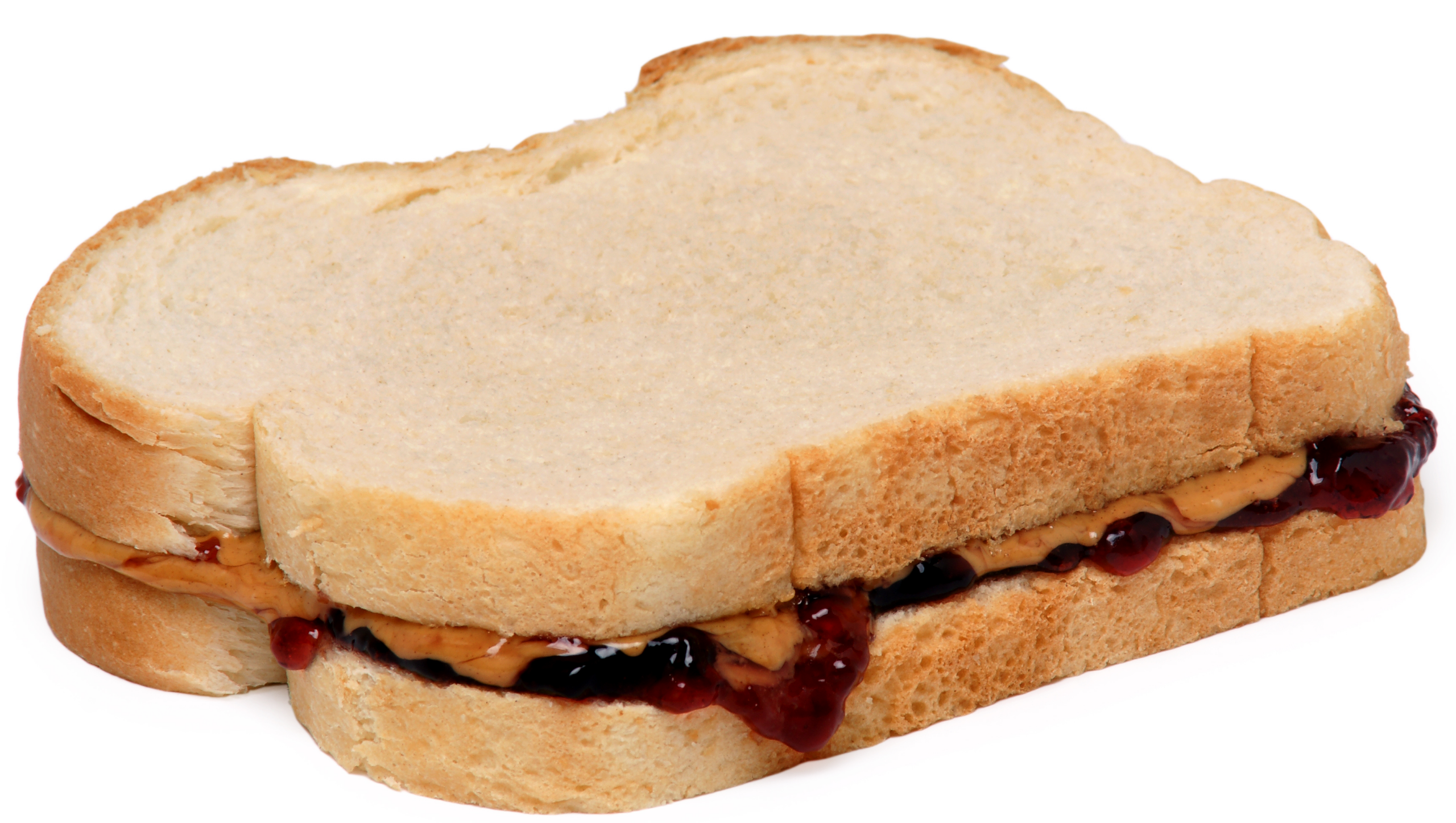
The cornerstone of the lunch was the sandwich, wrapped in wax paper or sealed in a plastic baggie, often a classic like peanut butter and jelly, bologna, or ham and cheese on soft white bread. It was the dependable centerpiece of nearly every packed lunch.
The packed sandwich, simple and familiar, anchored the lunchbox, with peanut butter and jelly reigning as the perennial favorite. Wrapped in wax paper or tucked in a baggie, it traveled well and tasted like home. Unwrapping it at the lunch table was the start of the meal. The humble packed sandwich is a defining feature of the era’s lunchbox, and the classic fillings on soft bread are a comforting, nostalgic memory of childhood lunches.
4. A Piece of Fruit
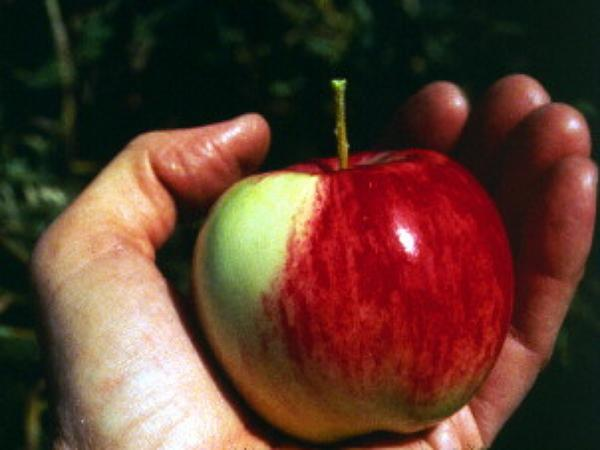
For something healthy, there was almost always a piece of fruit, an apple, a banana, or an orange, tucked into the lunchbox by a well-meaning parent. Whether eagerly eaten or discreetly traded away, the fruit was a fixture of the packed lunch.
The piece of fruit was the parental nod to nutrition, reliably included even if it didn’t always get eaten. An apple might come home bruised, or a banana squished, but it was there. Trading or bartering the fruit was a common lunchroom negotiation. The simple piece of fruit reflects the everyday care that went into packing a lunch, and it remains a familiar, if sometimes overlooked, member of the classic lunchbox lineup.
5. A Bag of Chips
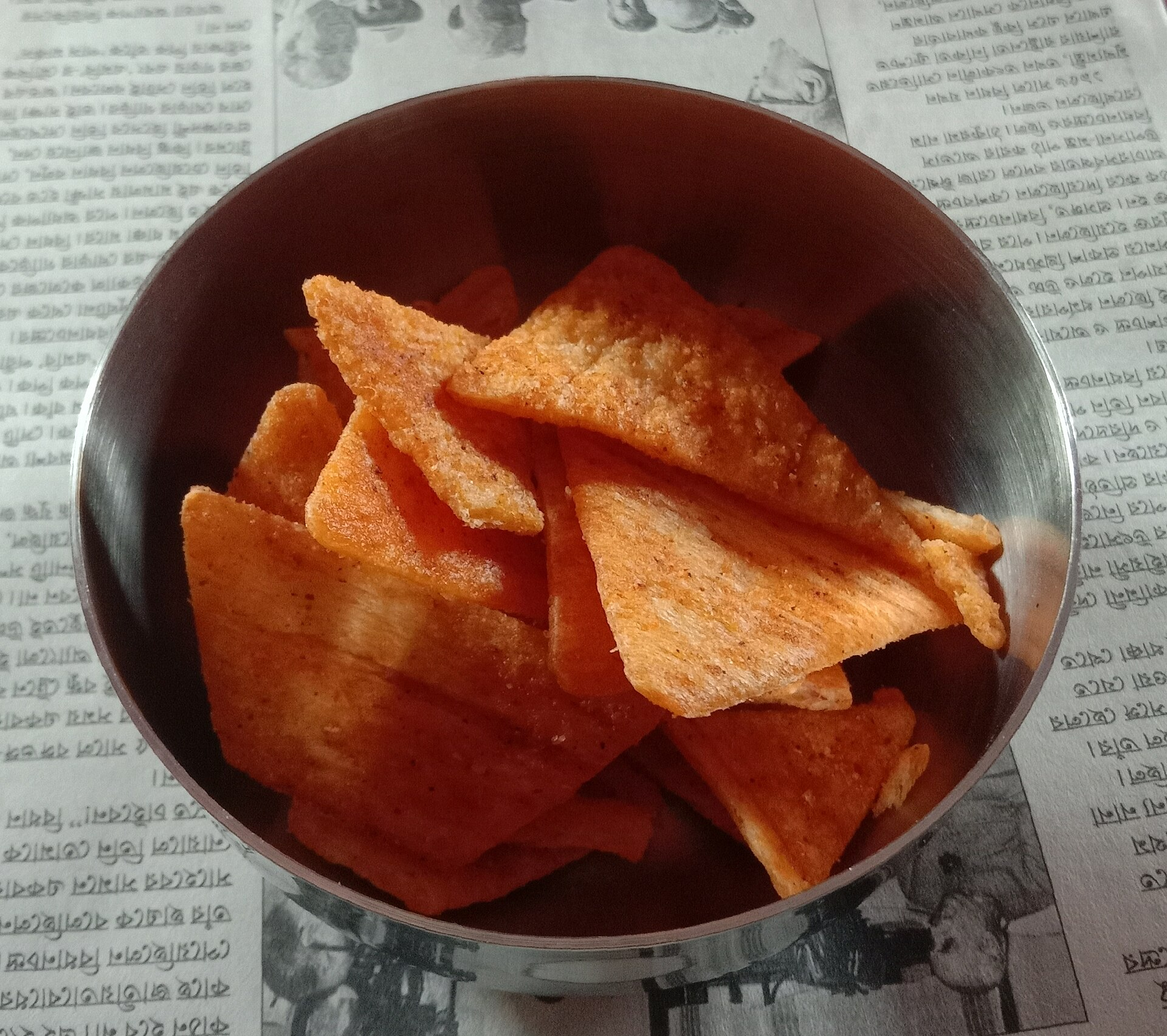
For a salty crunch, the lunchbox often held a small bag or portion of chips, a beloved savory snack that rounded out the meal. Whether a single-serving bag or a handful packed from a larger bag, chips were a lunchtime favorite.
The chips added a satisfying crunch and salty flavor to the lunch, a popular treat among kids. Sometimes they came in a small bag, sometimes packed loose in a baggie that left them a bit crushed. They were a coveted item for trading. The bag of chips was a reliable savory highlight of the era’s lunchbox, and the crunch of a midday snack is a familiar and beloved part of the packed-lunch experience.
6. A Snack Cake or Sweet Treat
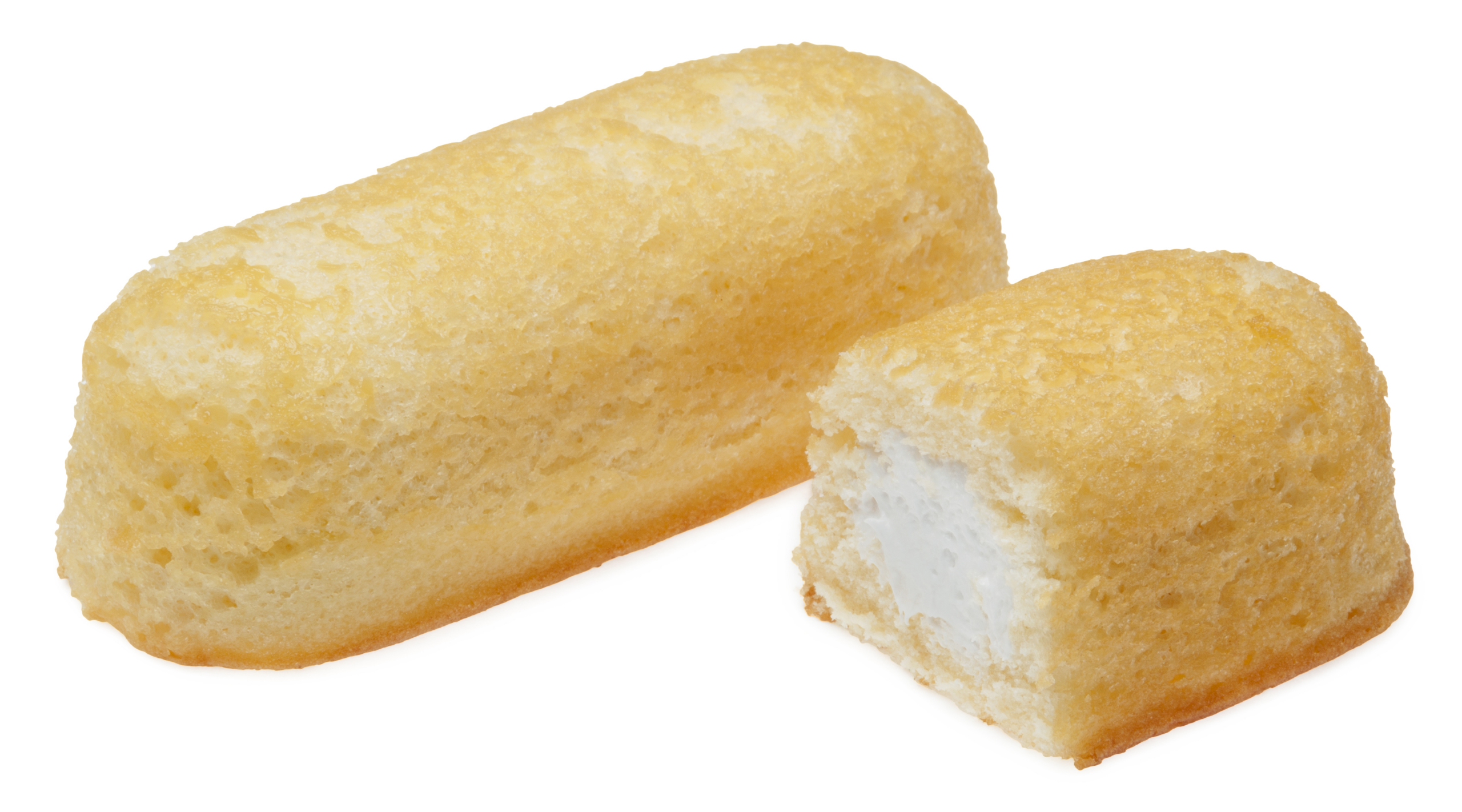
The prized item in many lunchboxes was the snack cake, the individually wrapped sweet treat that was the reward at the end of lunch. Whether a cream-filled cake, a fruit pie, or a chocolate snack, it was the most coveted thing in the box.
The packaged snack cake was the lunchbox treasure, eagerly anticipated and fiercely guarded, the sweet payoff for finishing the sandwich. These individually wrapped treats were a lunchtime indulgence and a prime trading commodity. Finding one in your box was a small daily joy. The snack cake is the beloved sweet star of the era’s lunchbox, and the various wrapped treats are a deeply nostalgic memory of childhood lunches and lunchroom trades.
7. Cookies
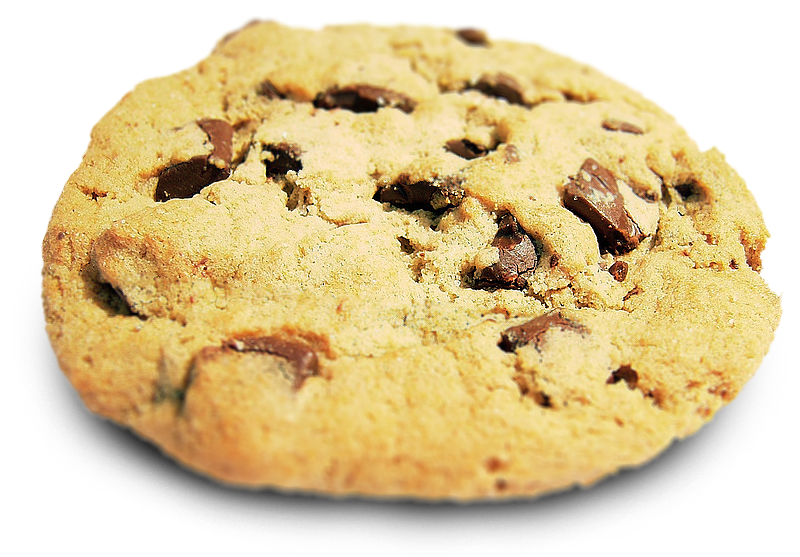
Often packed alongside or instead of a snack cake were cookies, whether homemade and wrapped in foil or store-bought from a package. Sweet and satisfying, a couple of cookies were a classic and welcome addition to the packed lunch.
Cookies, whether a couple of homemade chocolate chip wrapped in foil or a few from a store package, were a sweet treat that brightened lunchtime. Homemade ones carried a special touch of home. Like other sweets, they were valuable trading material. The cookies in the lunchbox, especially the homemade kind, are a warm and nostalgic feature of the era’s school lunches, evoking the care packed into each meal.
8. A Pudding or Gelatin Cup
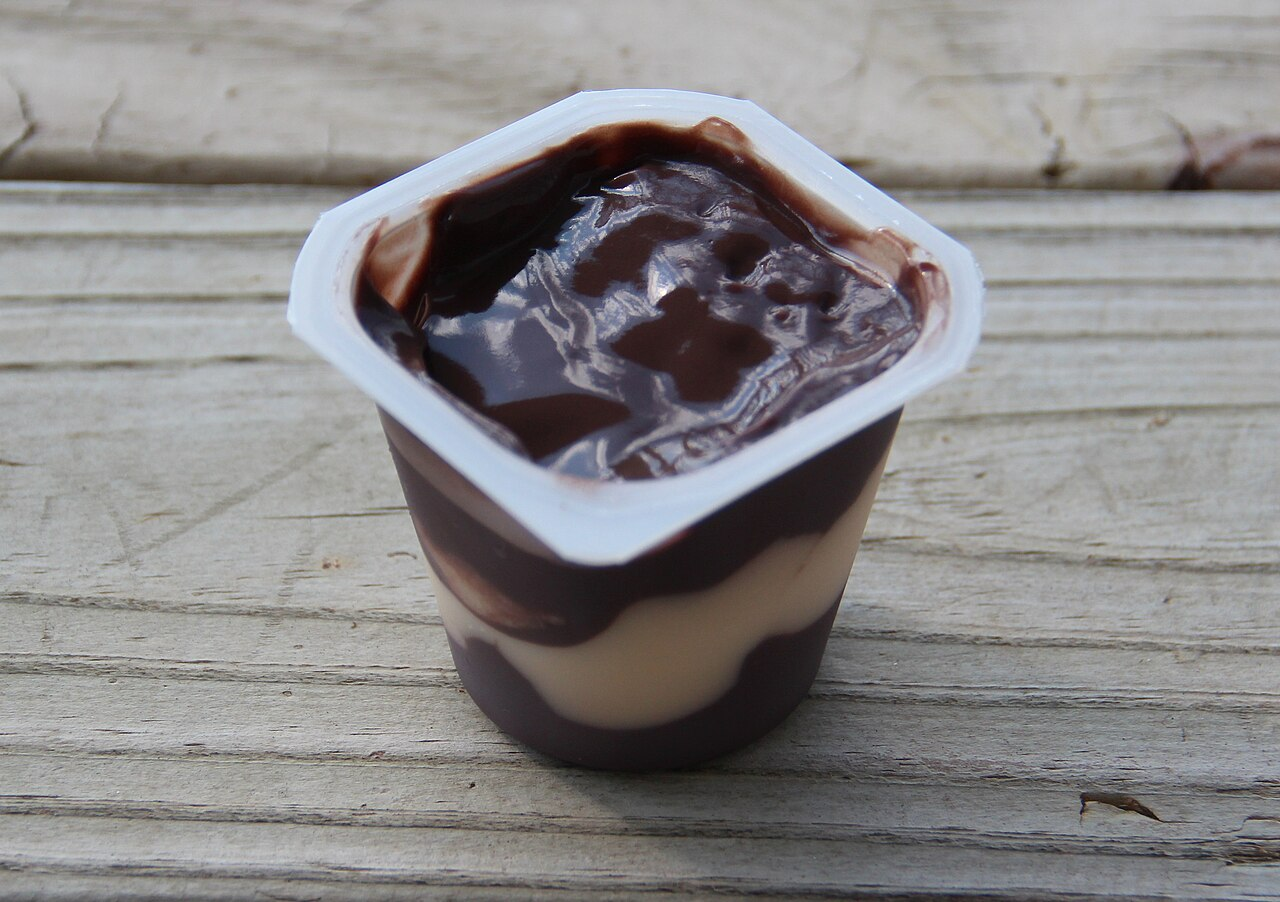
For a fun dessert, many lunchboxes included a pudding or gelatin cup, the individually packaged treat that became popular as a convenient lunchbox sweet. Easy to pack and eat, these little cups were a beloved part of the midday meal.
The pudding or gelatin cup offered a fun, mess-contained dessert, peeled open and eaten with a spoon at the lunch table. These convenient single-serving cups grew popular as easy lunchbox additions. Their sweet, jiggly or creamy contents were a kid-pleasing treat. The pudding cup is a familiar and beloved member of the era’s lunchbox lineup, capturing the convenience and fun of the packed-lunch sweets that delighted children.
9. A Juice or Drink
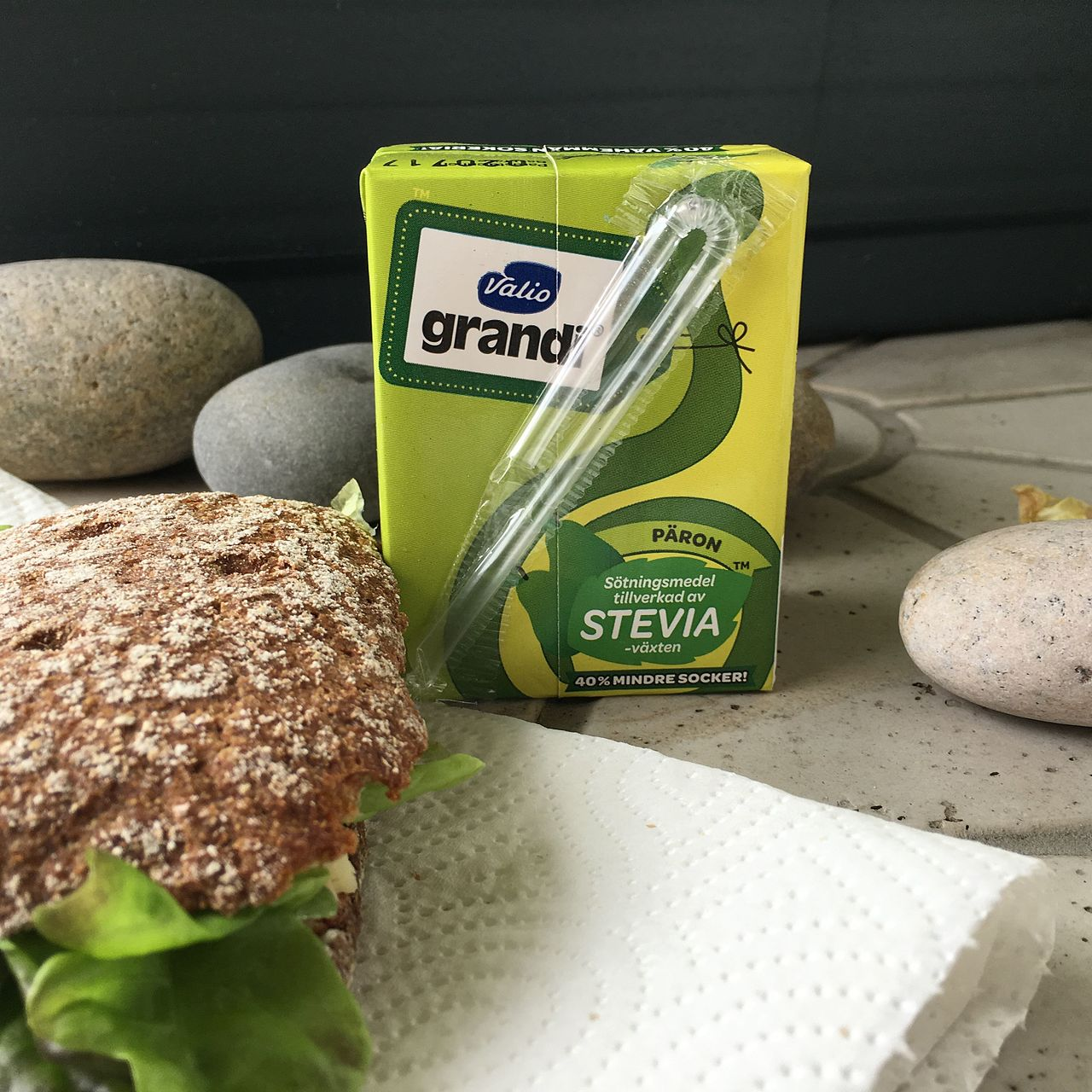
To wash it all down, the lunchbox held a drink, whether poured from the Thermos or packed as a juice box, drink pouch, or canned beverage. Quenching thirst at lunch was an essential part of the meal, and the drink options grew over the years.
The drink, whether from the trusty Thermos or a newfangled juice box with its little straw, was a lunchtime necessity. The juice box in particular became an iconic lunchbox item, though stabbing the straw through the foil hole could be tricky. The drink completed the meal. Whether Thermos or juice box, the lunchtime beverage is a familiar feature of the era’s packed lunch, and the juice box especially is a nostalgic icon of childhood lunches.
10. A Folded Napkin or Note
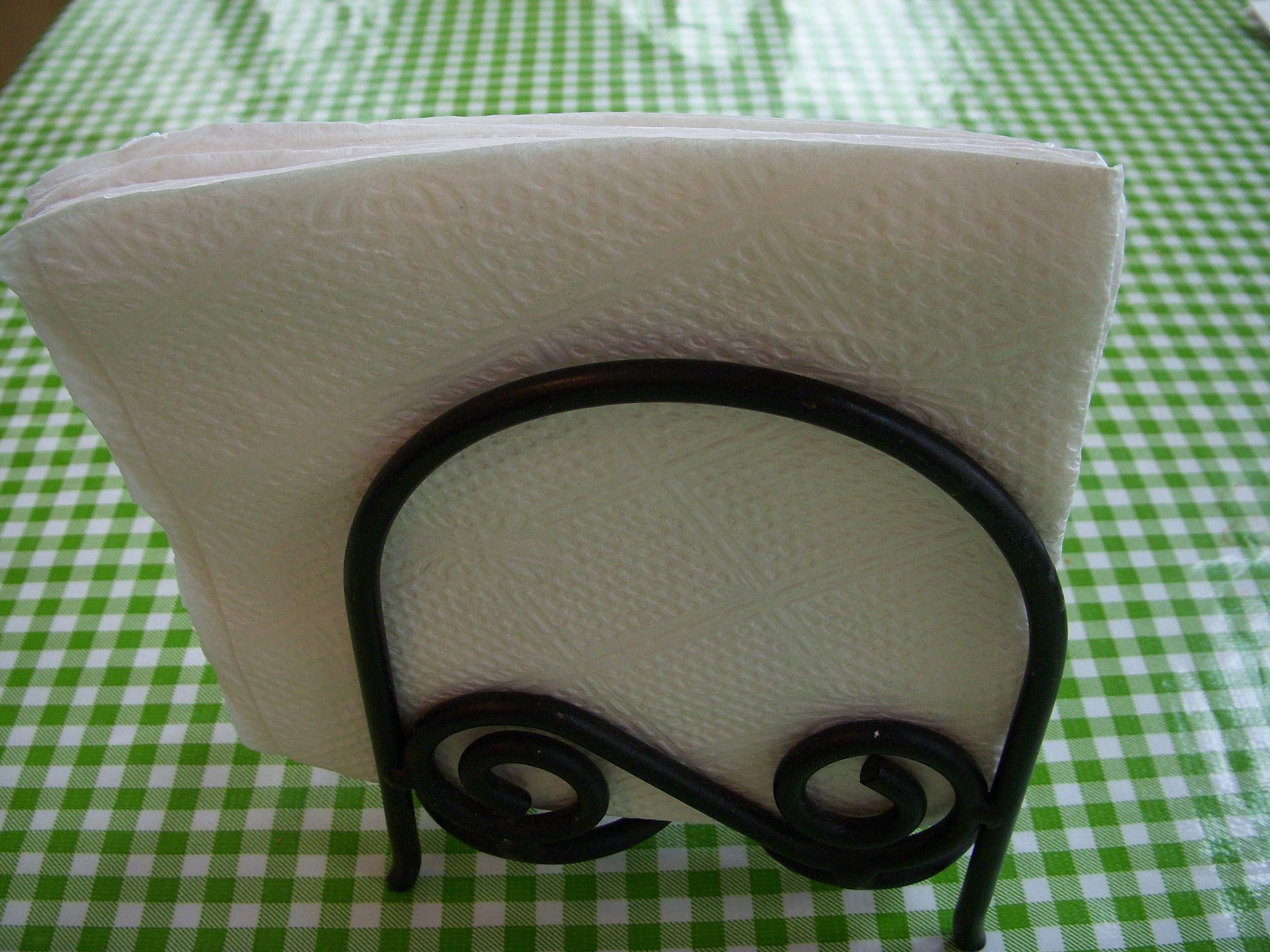
Tucked among the food was sometimes a folded napkin, and on special days, a little note from a parent, a small message of love or encouragement to find at lunchtime. This personal touch turned a simple lunch into a reminder of home.
The napkin was practical, but the occasional handwritten note was something special, a small surprise that made a kid feel loved from afar. Finding a note that said “Have a great day!” could brighten the whole afternoon. These little gestures reflected the care behind the packed lunch. The folded note from a parent is a tender and cherished memory of the era’s lunchboxes, a small token of love hidden among the everyday food.
11. Celery or Carrot Sticks
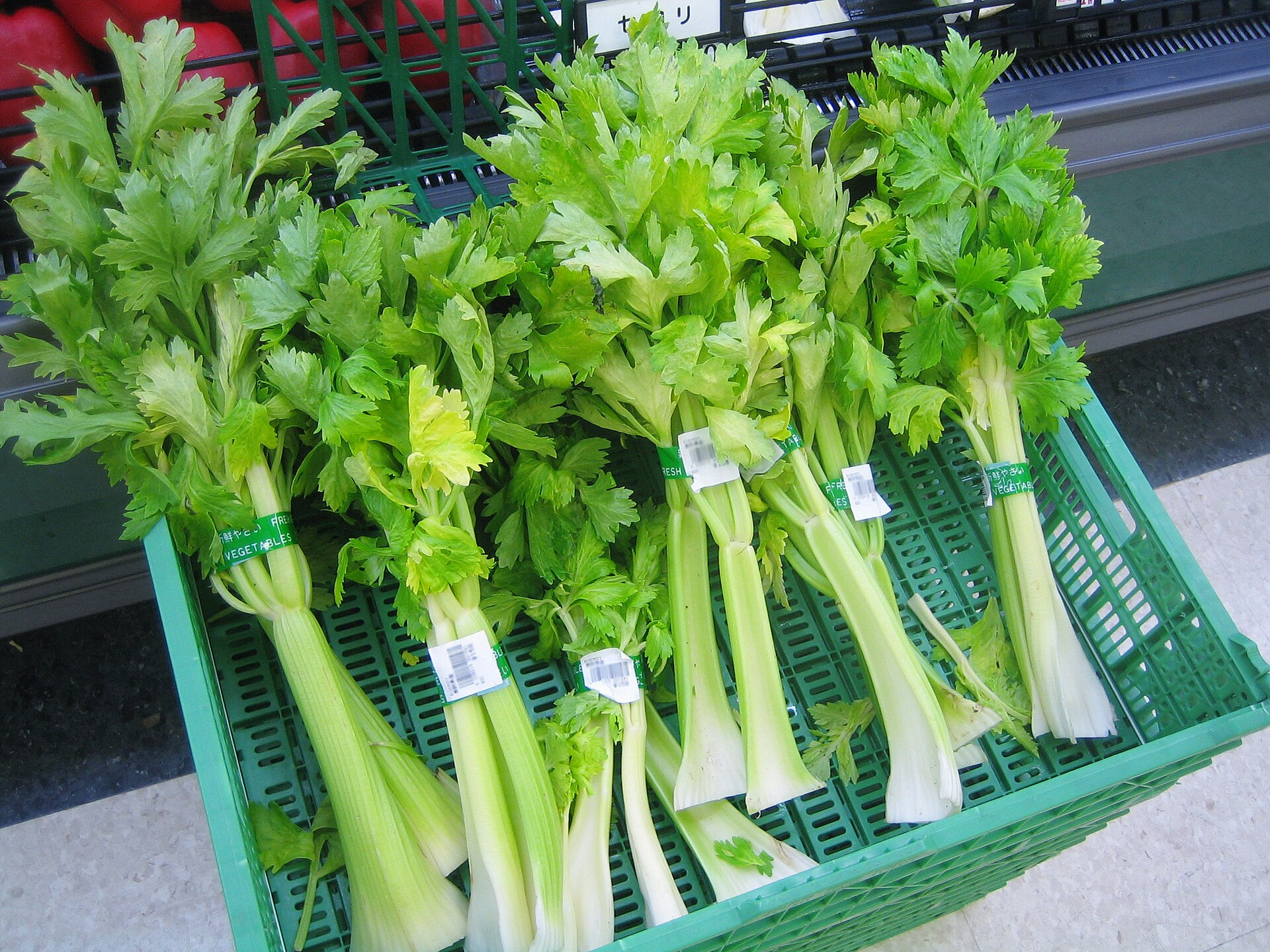
Another parental attempt at nutrition was the bag of vegetable sticks, usually celery or carrots, packed to balance out the treats. Crunchy and healthy, they were included with good intentions, even if they didn’t always get eaten.
The carrot or celery sticks were the healthy counterweight to the snack cake and cookies, packed by parents hoping for a balanced lunch. Whether crunched up happily or left in the box, they were a regular inclusion. Sometimes they came with a little container of dip. The veggie sticks reflect the everyday push and pull of packing a nutritious lunch a kid would actually eat, and they remain a familiar, well-intentioned member of the lunchbox lineup.
12. A Hard-Boiled Egg or Cheese
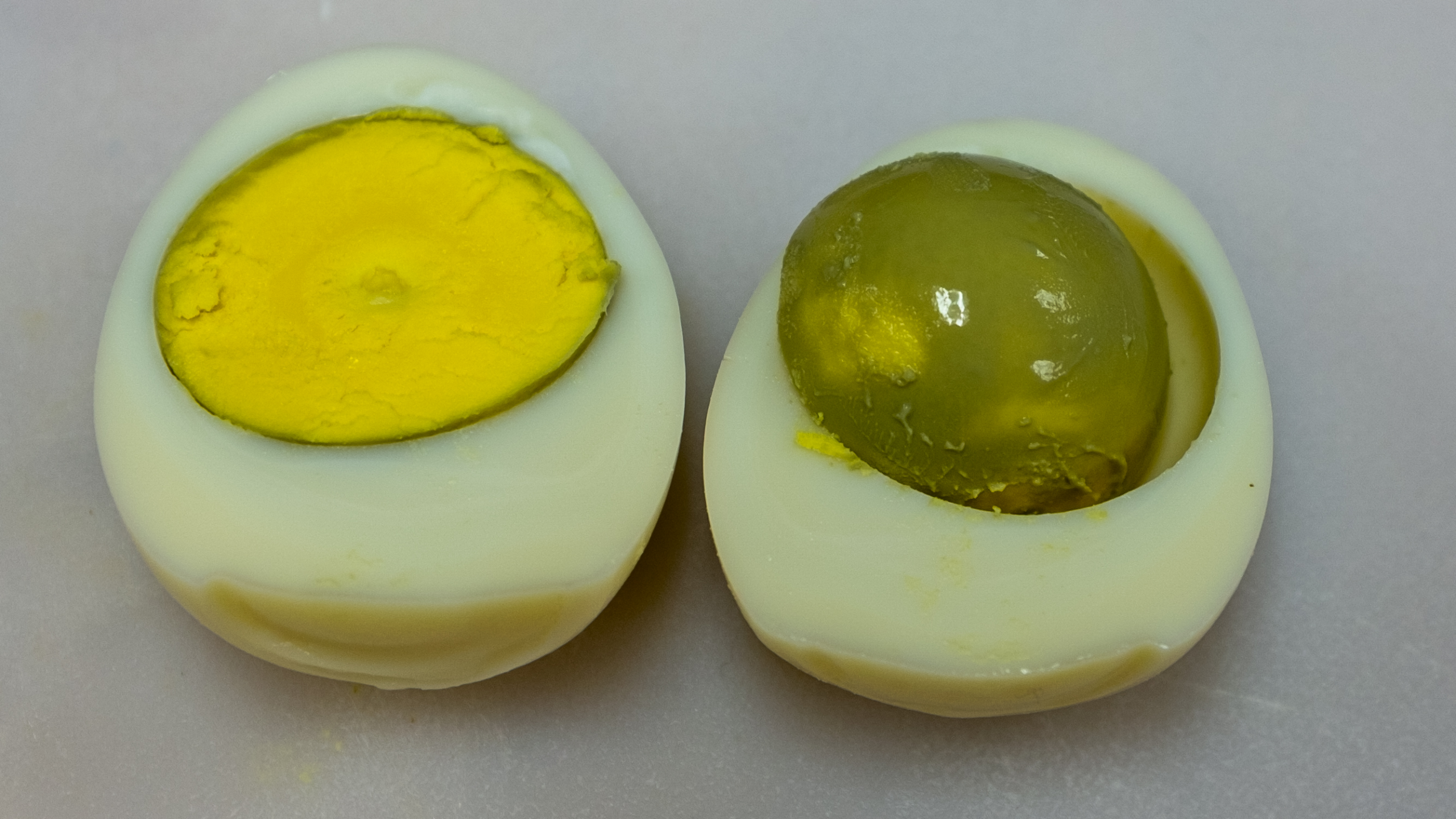
Finally, for a bit of protein, the lunchbox sometimes held a hard-boiled egg or a portion of cheese, simple, filling additions that rounded out the meal. These wholesome extras were classic packed-lunch staples in many households.
A hard-boiled egg, peeled and ready to eat, or a wedge or stick of cheese, added a filling, protein-rich element to the lunch. These simple additions reflected practical, home-style packing. They rounded out the meal alongside the sandwich and snacks. The hard-boiled egg or piece of cheese is a humble but familiar feature of the era’s lunchbox, completing the comforting, home-packed assortment that fueled so many school days.
Looking Back at the Lunchbox
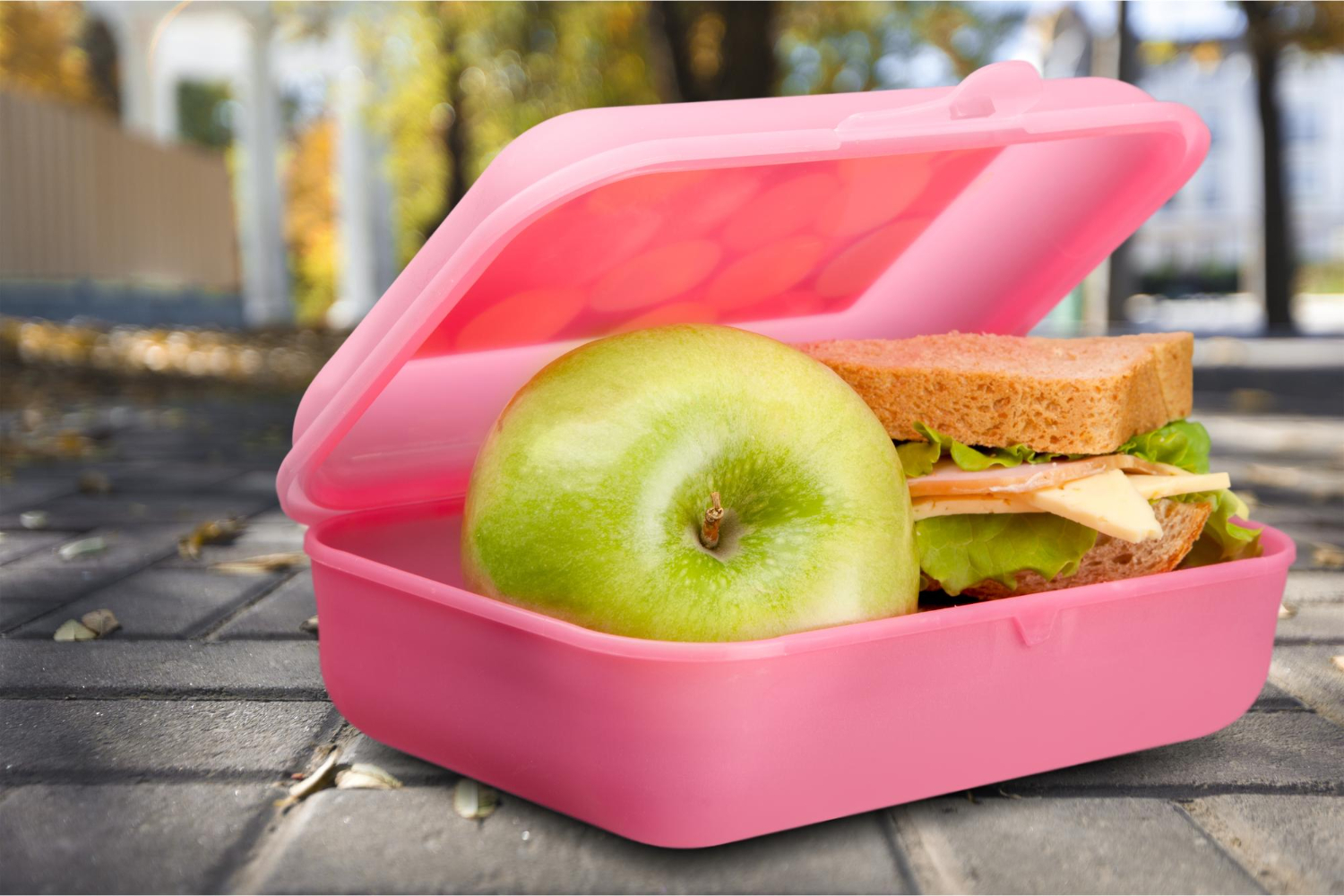
Taken together, these twelve items capture the comforting, familiar formula of the American kid’s lunchbox in the 1970s and ’80s. The metal box and matching Thermos, the packed sandwich, the prized snack cake, and the little note from home reflected the daily care that went into sending a child off to school fed and loved. Opening the box and trading with friends was a beloved ritual of the school day.
As foods, packaging, and lunchroom habits changed, the classic metal lunchbox and its contents gave way to new styles and snacks. The character boxes, glass-lined Thermoses, and wax-paper-wrapped sandwiches grew rarer. Yet for those who carried one, the lunchbox stirs warm nostalgia for the school lunches of childhood, the excitement of opening it, the thrill of a snack cake, and the love packed into every meal. The lunchbox was a small, daily piece of home that traveled to school with a generation of American kids.
Like our content? Follow us for more.
