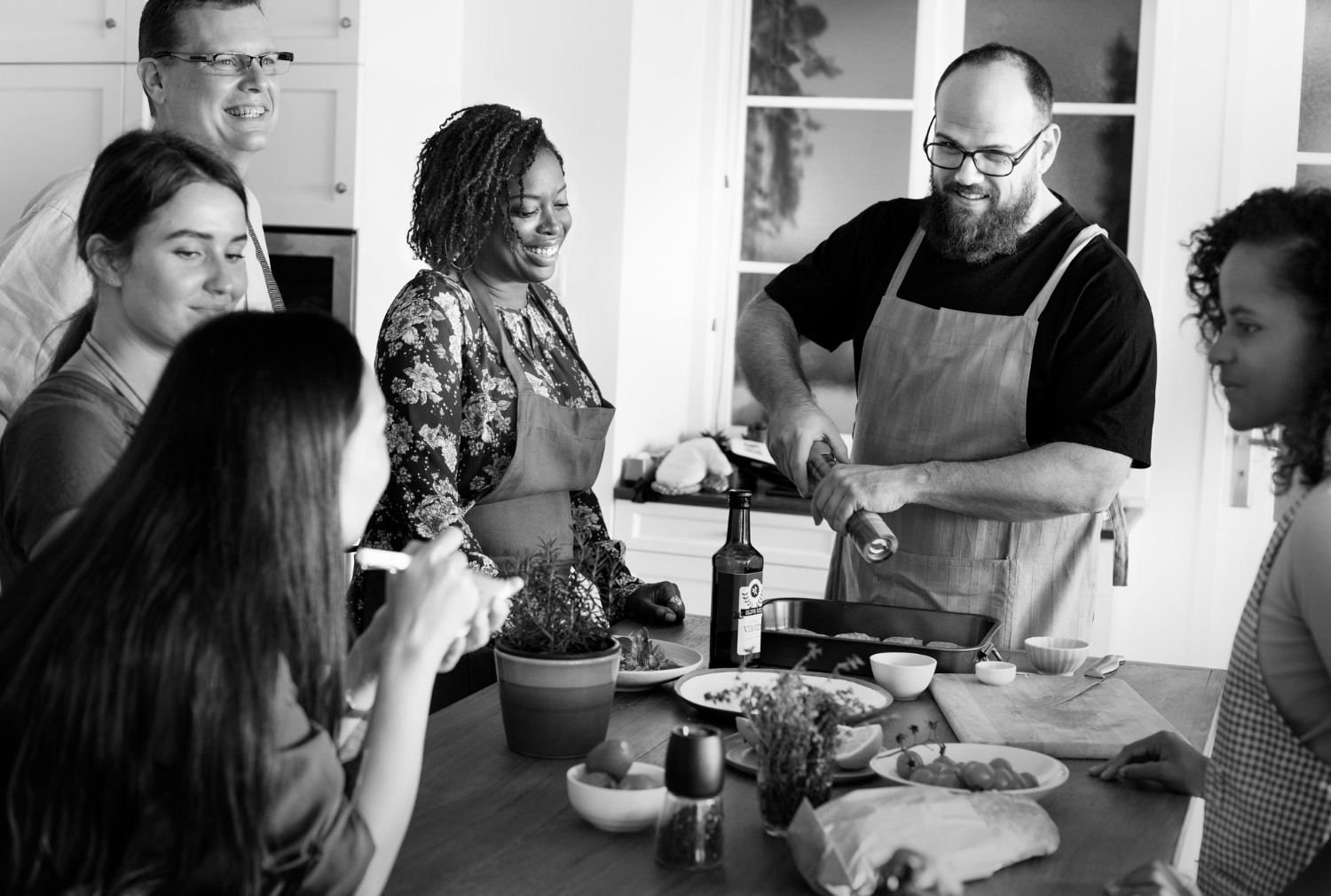
A cooking vacation offers something a typical sightseeing trip doesn’t: a genuine, hands-on skill to bring home, along with a much deeper understanding of a region’s food culture than any restaurant meal alone could provide. These trips range from single-day classes tacked onto a broader itinerary to weeklong immersive programs built entirely around the kitchen. Here are nine things to know about planning a cooking vacation abroad, counted down one by one.
1. Decide Between a Single Class and a Multi-Day Program
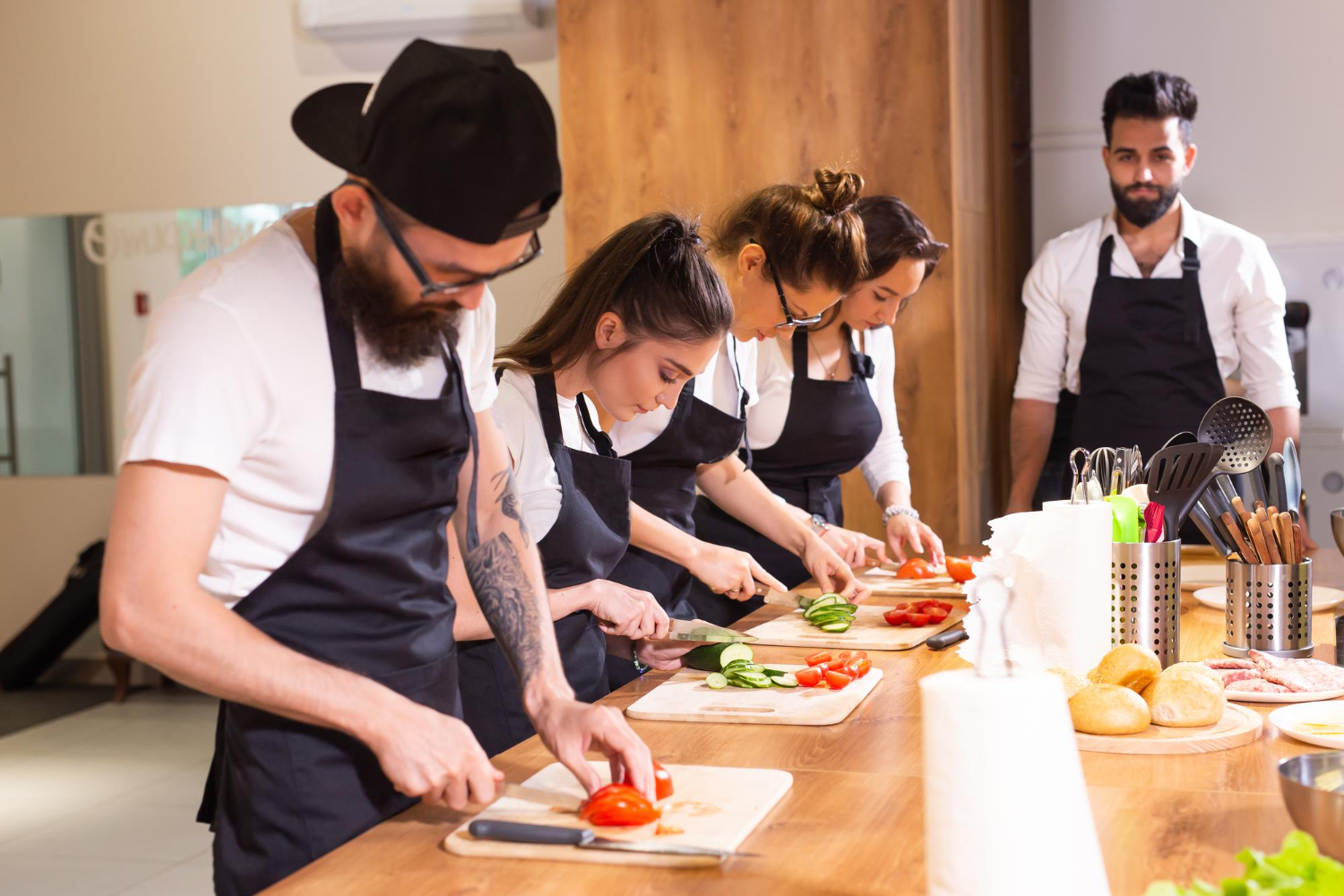
Options range from a few hours to a full week. Your interest level should guide the format you choose.
Culinary travel options range from a single afternoon class woven into a broader vacation to fully immersive, multi-day programs where cooking instruction is the entire focus of the trip. A single class suits casual interest, while a dedicated program rewards genuine enthusiasm with far deeper skill-building and cultural immersion. Deciding between a single class and a multi-day program is the first major planning decision, one that should reflect how central cooking itself is to the overall trip you’re envisioning.
Like our content? Follow us for more.
2. Market Visits Often Come Before the Kitchen
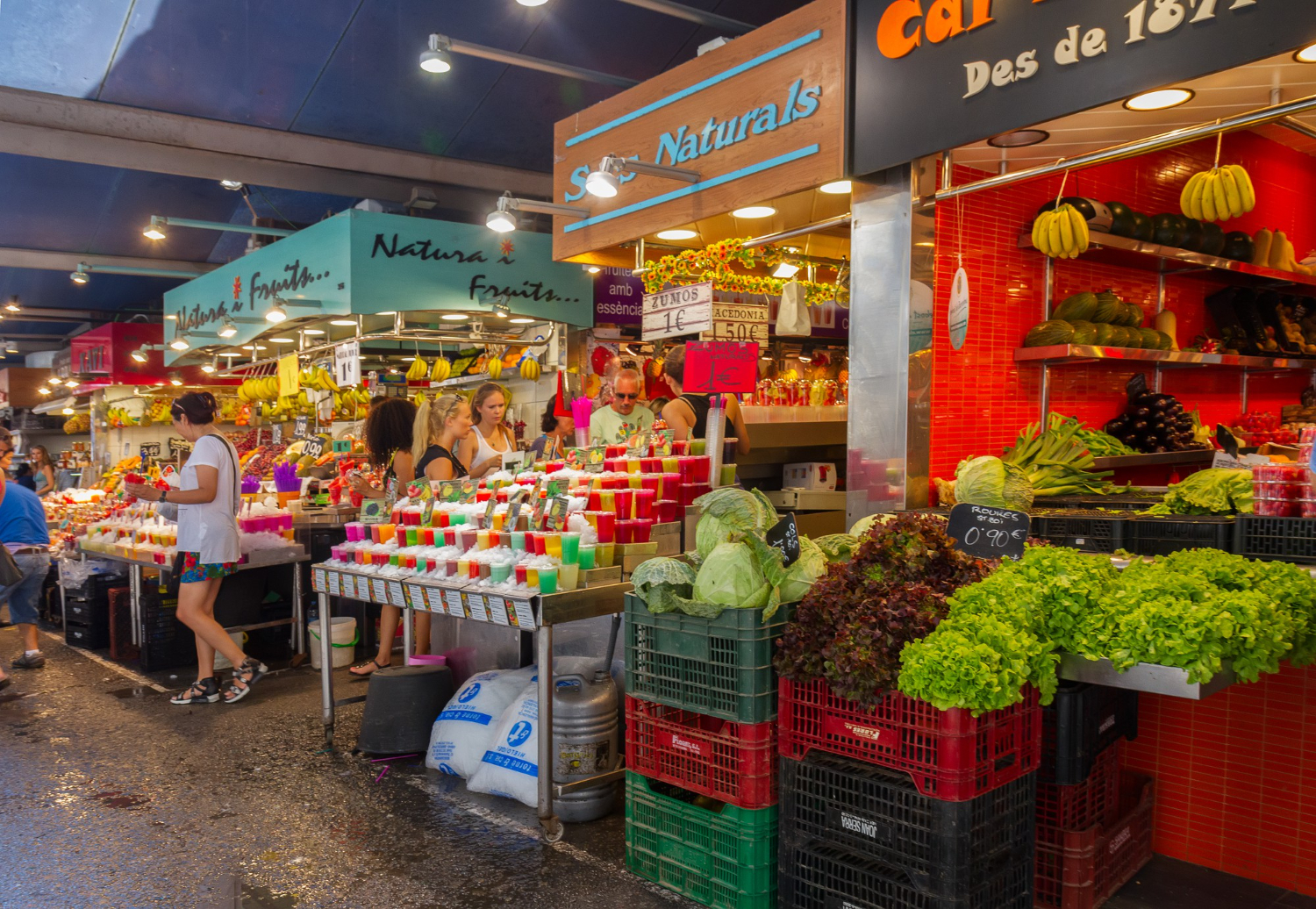
Many programs start with a local market trip. Selecting ingredients firsthand adds real cultural context.
The best cooking vacation programs typically begin with a visit to a local market, selecting fresh produce, meats, or seafood directly from vendors before heading to the kitchen, an experience that adds genuine cultural context beyond the cooking itself. Learning to identify and select quality ingredients is often as valuable as the recipes themselves. Market visits coming before the kitchen is a hallmark of a well-designed culinary program, the step that connects the cooking experience directly to the region’s actual food culture and agriculture.
3. Class Size Significantly Affects the Experience
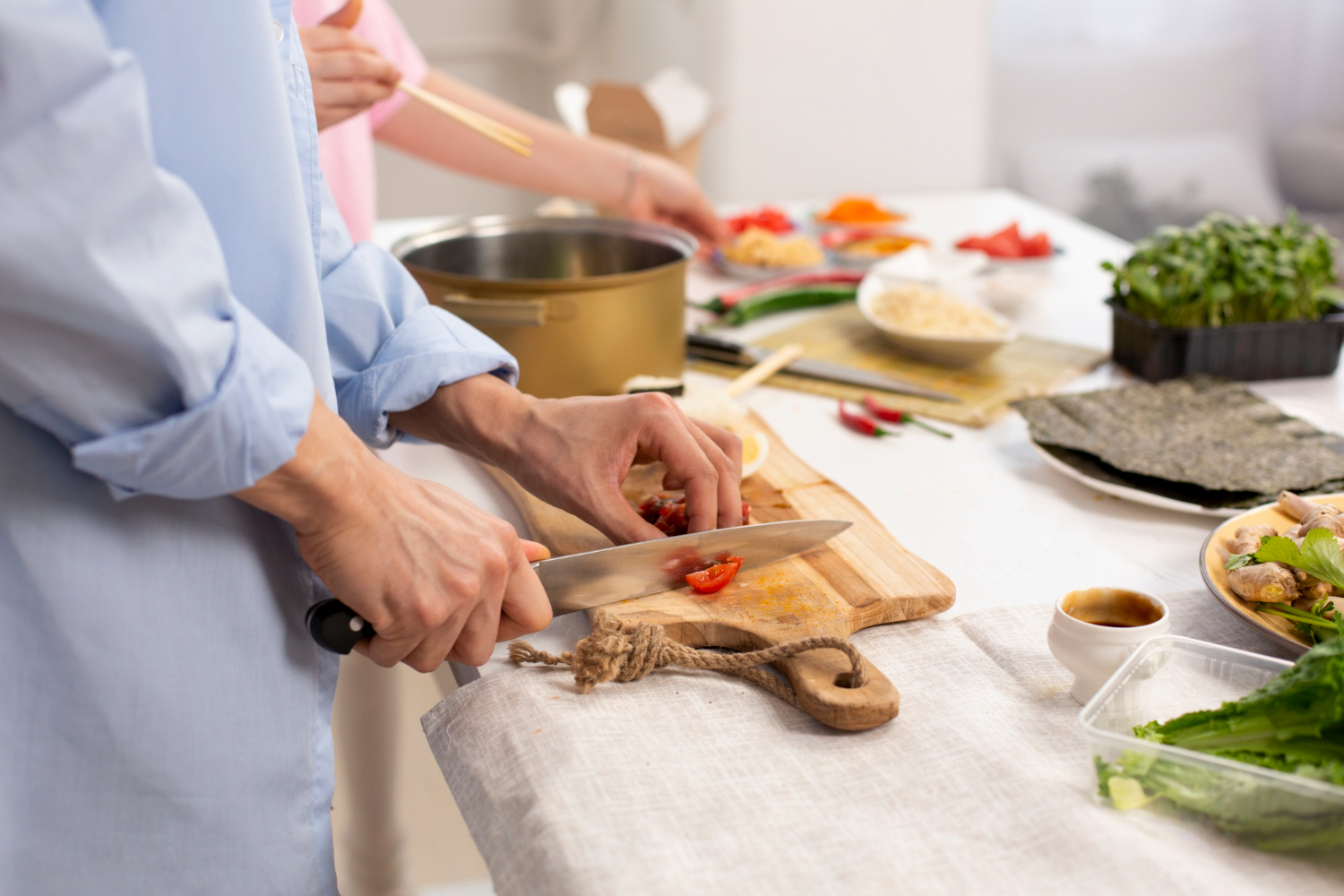
Smaller classes offer more individual instruction. Larger groups can feel more like a demonstration than hands-on learning.
The number of participants in a cooking class dramatically affects how hands-on the experience actually feels, a small group of six or fewer typically allows genuine individual attention and correction, while larger classes of twenty or more often shift toward watching a chef demonstrate rather than truly cooking yourself. Checking group size before booking is genuinely important. Class size significantly affecting the experience is a key factor to research ahead of time, since the difference between a small workshop and a large demonstration can shape the entire value of the trip.
4. Regional Specialization Matters More Than General Cuisine
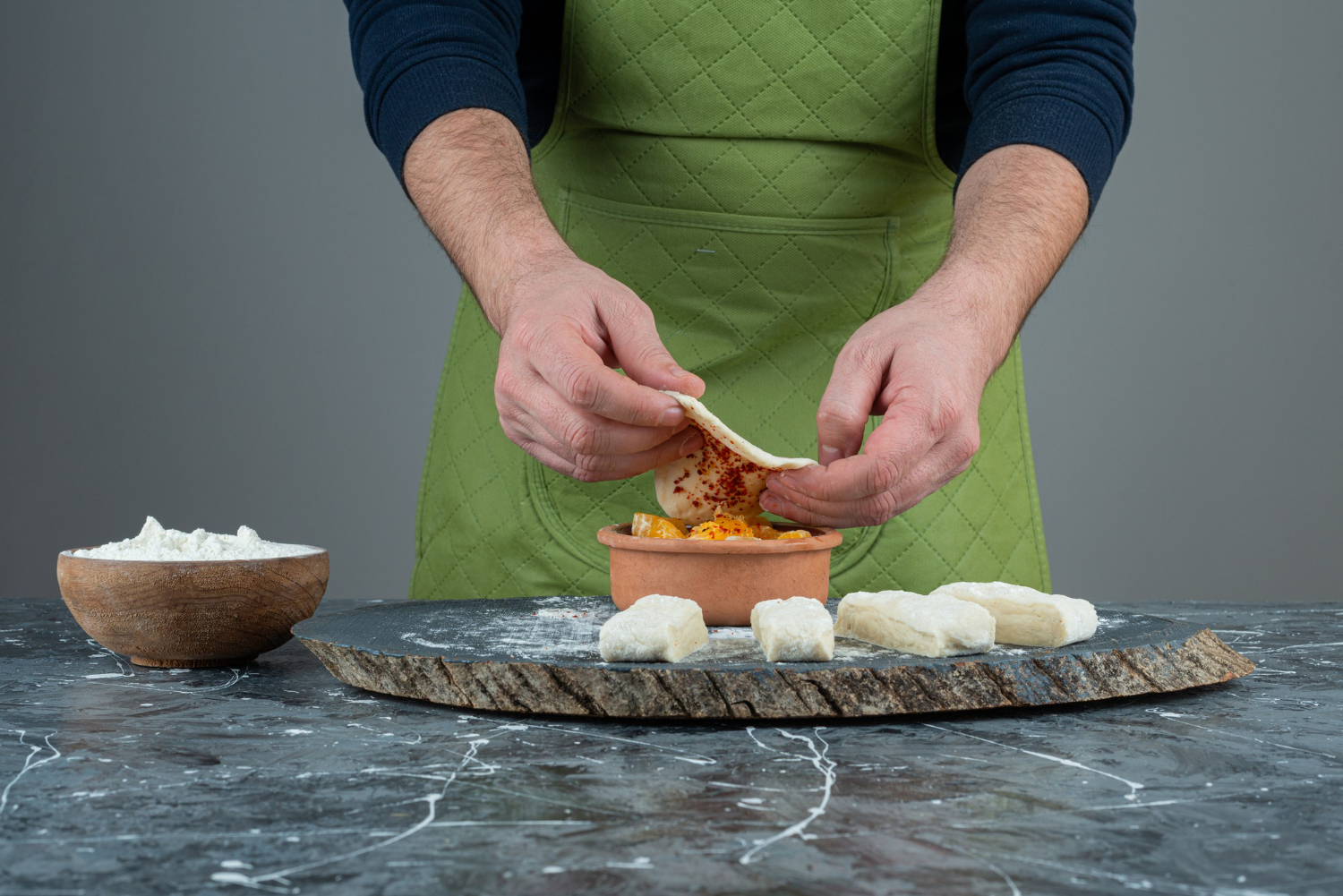
A class focused on one specific dish or technique often teaches more. Broad, general classes can feel less substantive.
A cooking class dedicated to a specific regional specialty, fresh pasta in Emilia-Romagna, or curry paste in northern Thailand, tends to deliver deeper, more transferable skills than a broader “introduction to the cuisine” class covering many dishes superficially. Specificity generally produces a more satisfying learning experience. Regional specialization mattering more than general cuisine is worth keeping in mind while comparing programs, since a narrower focus often results in genuinely mastering a technique rather than sampling several only briefly.
5. Look for Instructors With Genuine Local Roots
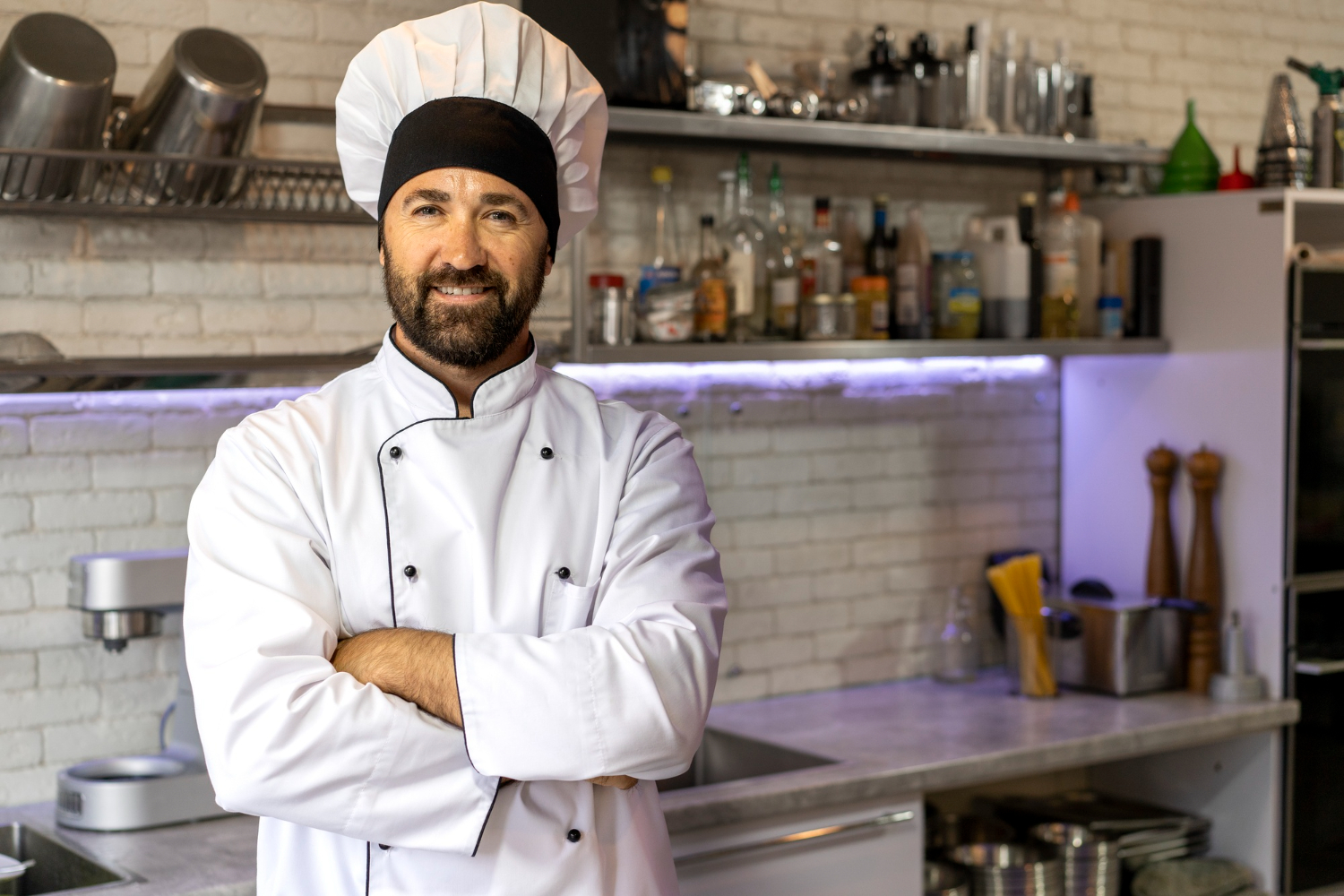
The best instructors are often home cooks or local chefs. Their family recipes add authenticity beyond any cookbook.
Some of the most memorable cooking vacation experiences come from instructors who are local home cooks or family-run restaurant chefs, teaching recipes passed down through their own families rather than standardized dishes taught for tourists. This authenticity often produces a richer, more personal experience. Looking for instructors with genuine local roots is a worthwhile priority when comparing programs, since a class taught by someone with real personal connection to the cuisine tends to feel far more meaningful than a generic tourist-oriented lesson.
6. Accommodations Are Sometimes Built Into the Program
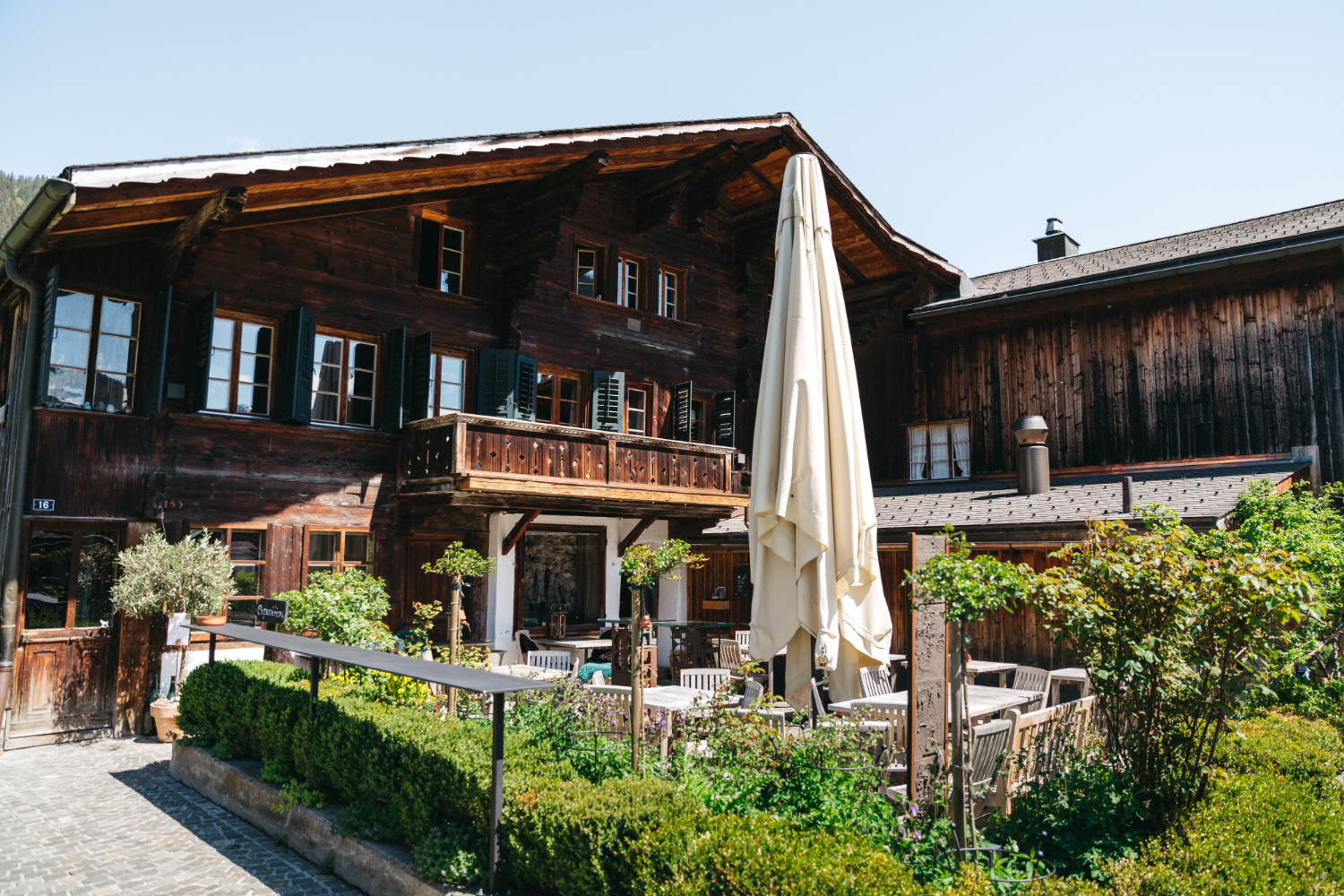
Multi-day culinary programs often include lodging on-site. This creates a more immersive, retreat-like experience.
Many multi-day cooking vacation programs, particularly in destinations like Tuscany or Provence, include on-site accommodations at a farmhouse or villa, creating an immersive retreat-like experience where meals, lodging, and instruction all happen in the same setting. This format tends to foster genuine camaraderie among participants. Accommodations sometimes being built into the program is a valuable convenience worth checking for, since an all-inclusive retreat format often creates a more relaxed, cohesive experience than commuting to a class each day.
7. Language Barriers Are Rarely a Real Obstacle
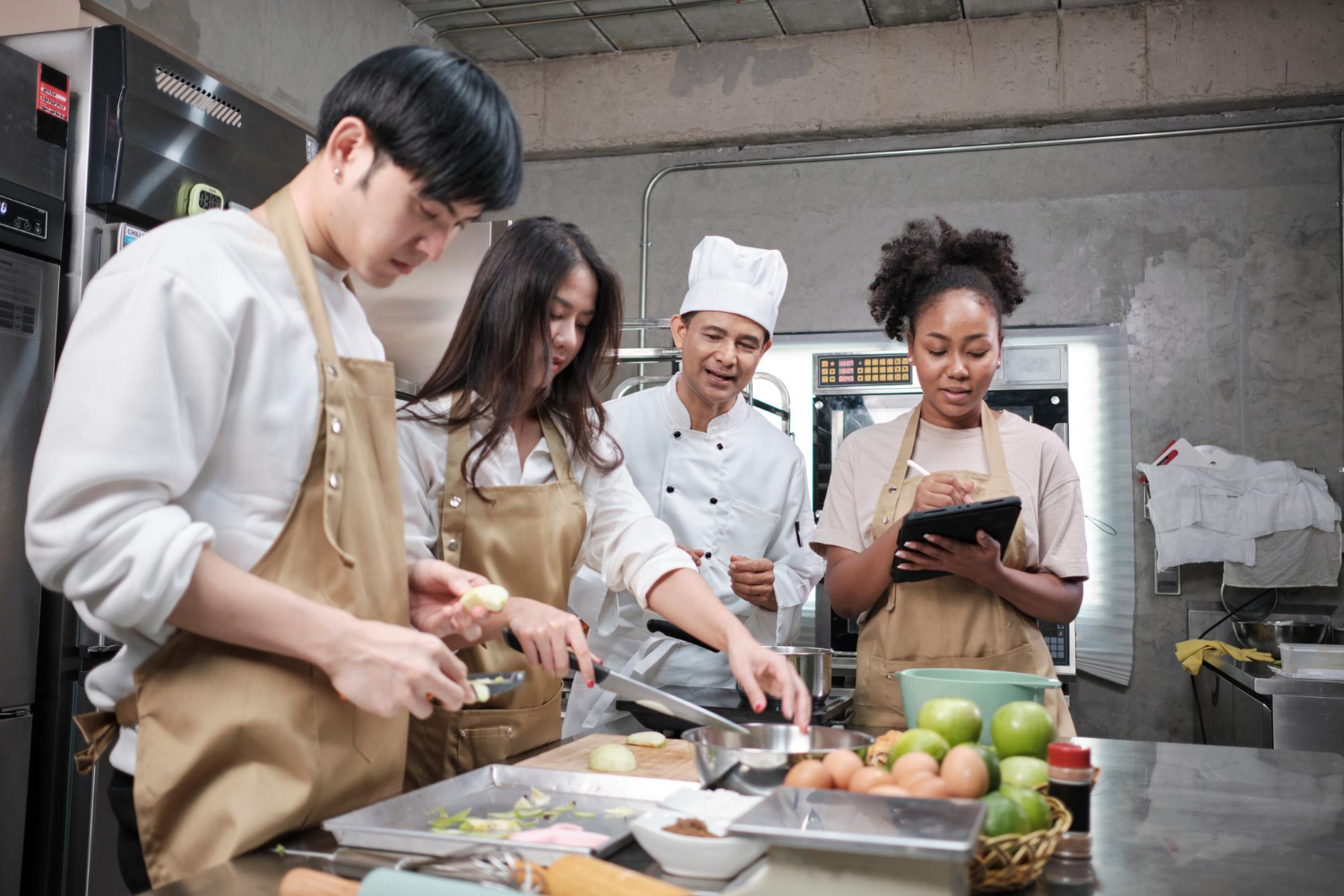
Most established programs offer instruction in English. Cooking itself also transcends language in meaningful ways.
Most established culinary vacation programs catering to international travelers offer instruction in English or provide translation, and much of cooking instruction happens through direct demonstration anyway, watching technique often communicates more than verbal explanation alone. Language differences are rarely a genuine barrier to a good experience. Language barriers rarely being a real obstacle should ease any hesitation about booking a program in a country where you don’t speak the local language fluently.
8. Bring Home More Than Just Recipes
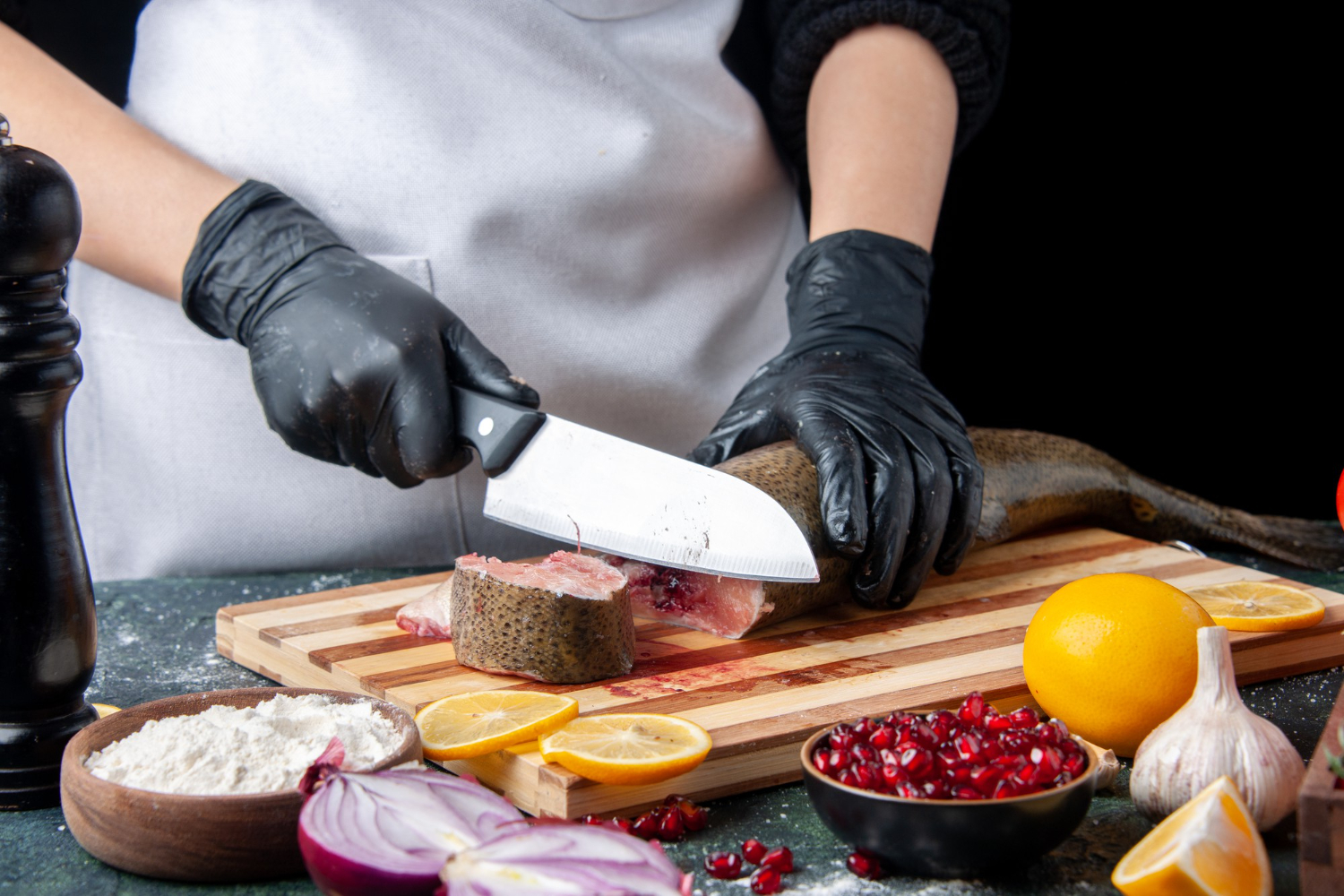
The best programs teach transferable techniques, not just dish-specific steps. This makes the skills genuinely useful long-term.
The most valuable cooking vacations teach transferable techniques, proper knife skills, sauce fundamentals, or dough handling, rather than simply walking through a single recipe from start to finish. These broader skills carry over into everyday home cooking long after the trip ends. Bringing home more than just recipes is the real long-term payoff of a well-designed program, the difference between a fun one-off experience and a genuine, lasting improvement in your cooking.
9. Book Well Ahead for Peak Season Programs

Popular culinary destinations fill up during their high season. Early booking secures the best instructors and dates.
Culinary vacation destinations with distinct high seasons, harvest time in wine regions, or dry season in tropical destinations, tend to book up well in advance for their most popular programs and most sought-after instructors. Planning and reserving several months ahead is generally wise for the most in-demand experiences. Booking well ahead for peak season programs is practical, essential advice, since waiting too long often means settling for a less ideal instructor, date, or even destination entirely.
Skills Worth Bringing Home
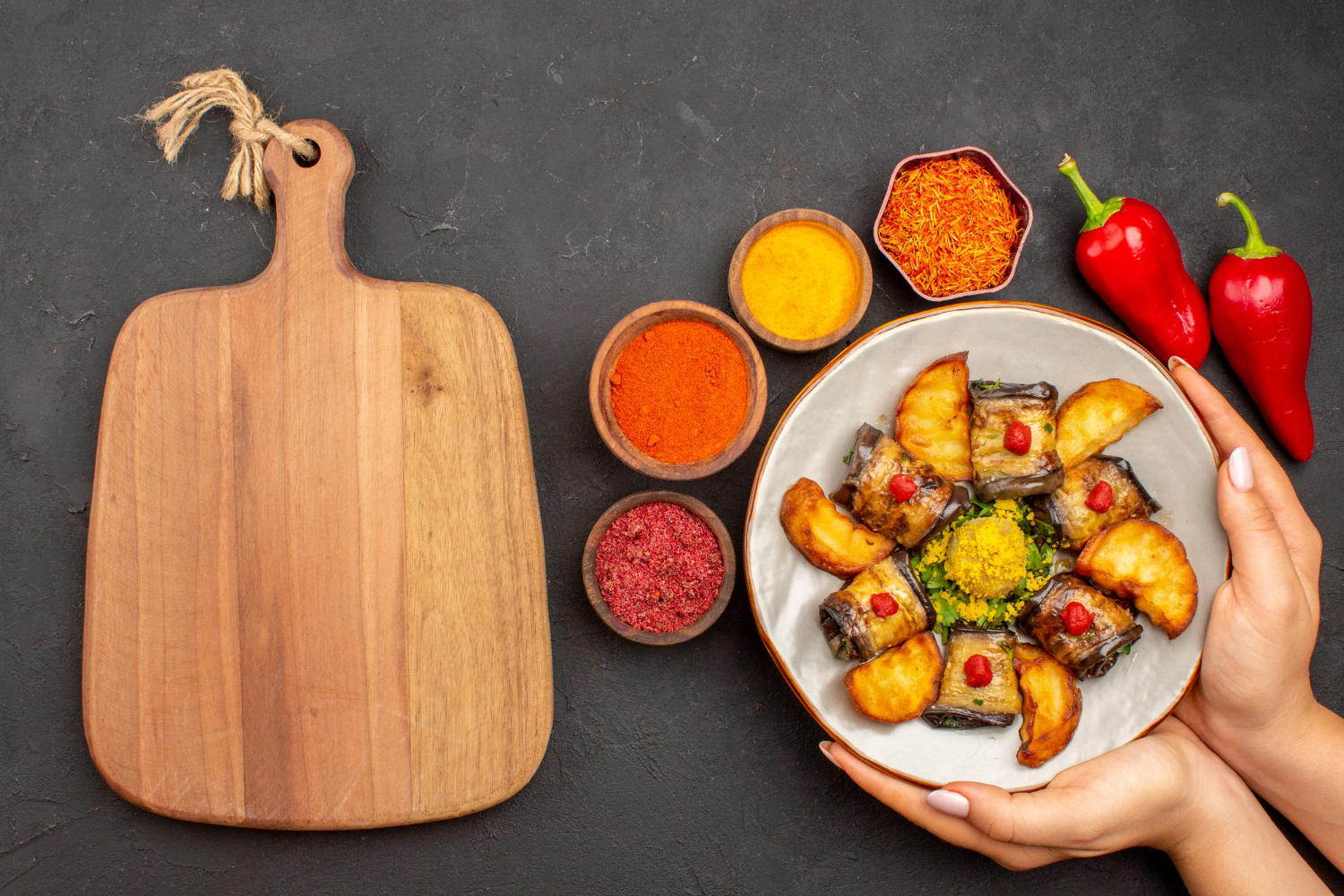
Taken together, these nine points capture what makes a cooking vacation genuinely worthwhile, thoughtful market visits, the right class size and specialization, authentic local instruction, and transferable skills that outlast the trip itself. It’s a form of travel that rewards you with something tangible long after you’ve returned home.
Choosing the right cooking vacation ultimately comes down to matching the program’s format, size, and specialization to your own goals, whether that’s a fun one-day introduction or a genuine deep dive into a regional cuisine. Reading detailed reviews from past participants, and reaching out directly to ask about class size and instructor background, helps ensure the experience lives up to its promise.
It’s also worth thinking about how the cooking vacation fits into a broader trip, whether it’s the sole focus of the entire itinerary or a meaningful component of a longer stay that also includes sightseeing and relaxation. Many travelers find that pairing a few days of intensive cooking instruction with a few more days of unstructured exploration strikes the right balance, giving the culinary skills time to sink in while still leaving room for the destination’s other attractions. Done well, a cooking vacation offers something increasingly rare in travel: a skill you’ll actually keep using long after the suitcase is unpacked, turning a single trip into a lifetime of better home-cooked meals.
Like our content? Follow us for more.