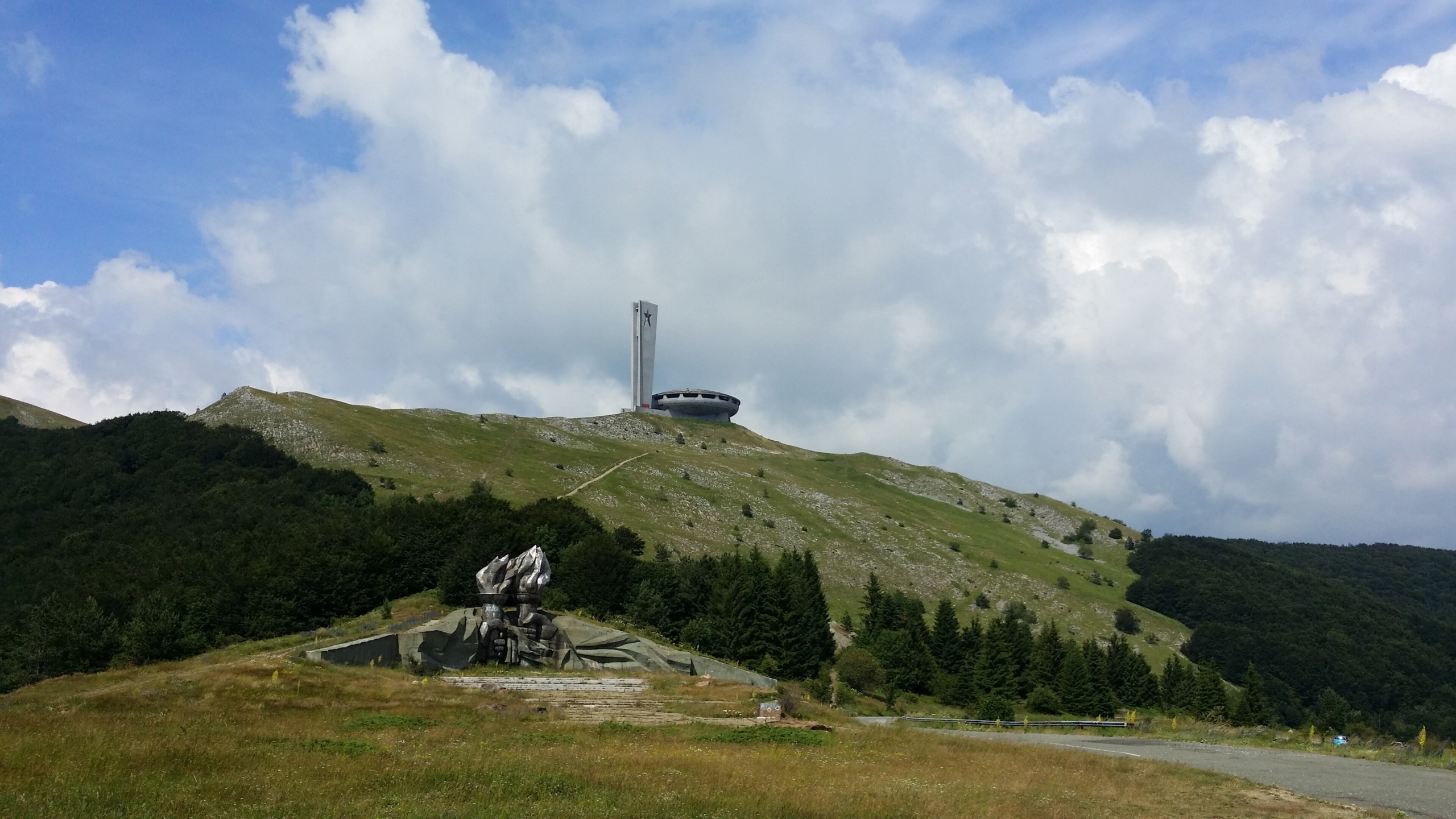
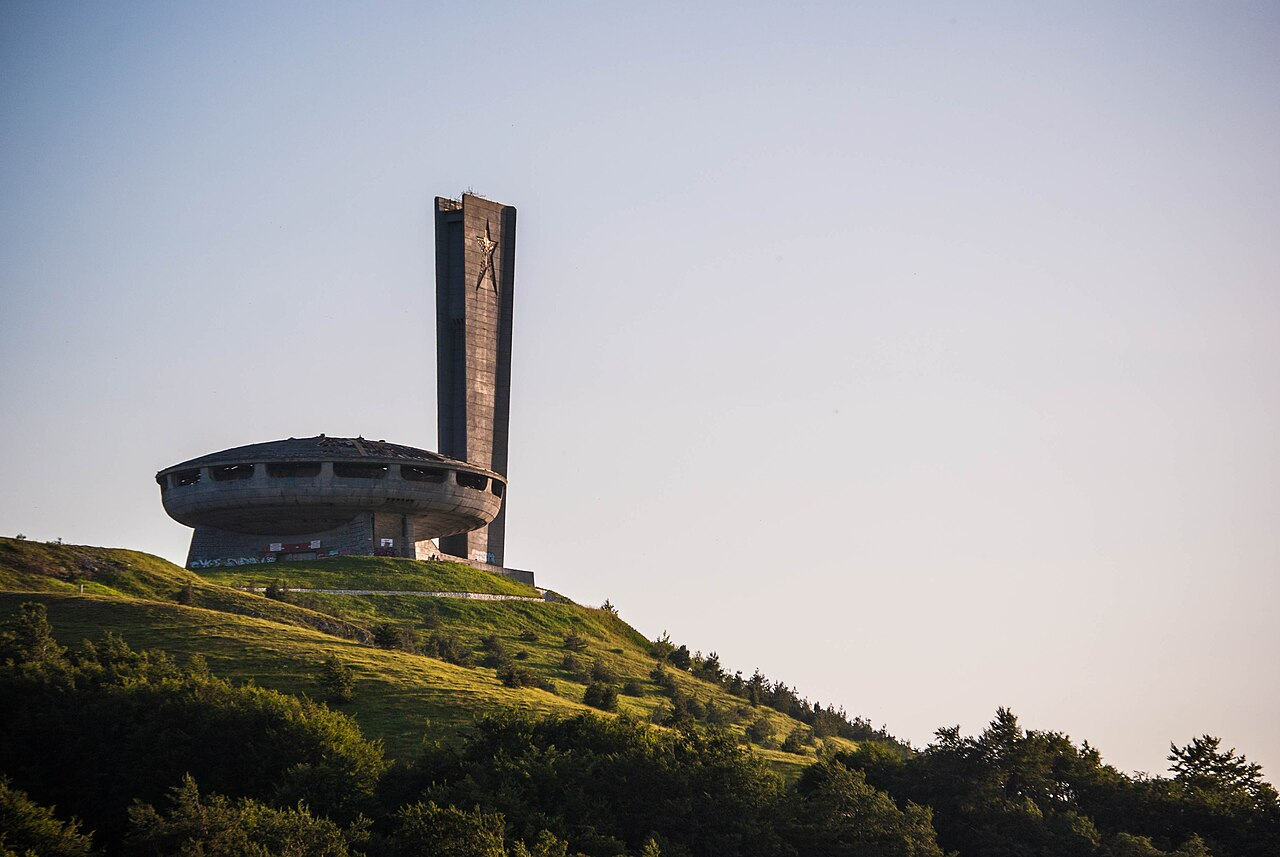
High in Bulgaria’s Central Balkan Mountains, at 1,432 meters above sea level, a massive concrete disc rises from a remote peak like something that fell from the sky. Officially named the Memorial House of the Bulgarian Communist Party, and known to nearly everyone simply as Buzludzha, it stands as one of the most extraordinary examples of Brutalist architecture on earth, a monument to a political system that collapsed just eight years after the building’s doors first opened.
A Peak Already Steeped in History
The mountain itself carried deep symbolic weight long before the monument existed. In 1868, Bulgarian rebels led by Hadzhi Dimitar made a legendary last stand against Ottoman forces on this same peak, a defeat that nonetheless became a powerful symbol of national resistance. Decades later, in 1891, a group of socialists gathered secretly here to found the Bulgarian Social Democratic Workers’ Party, the direct precursor to the Bulgarian Communist Party. This layered history made Buzludzha Peak an obvious choice when Bulgaria’s communist government decided to build a grand monument honoring the movement’s origins.
Like our content? Follow us for more.
Blasting a Mountain Into a Foundation
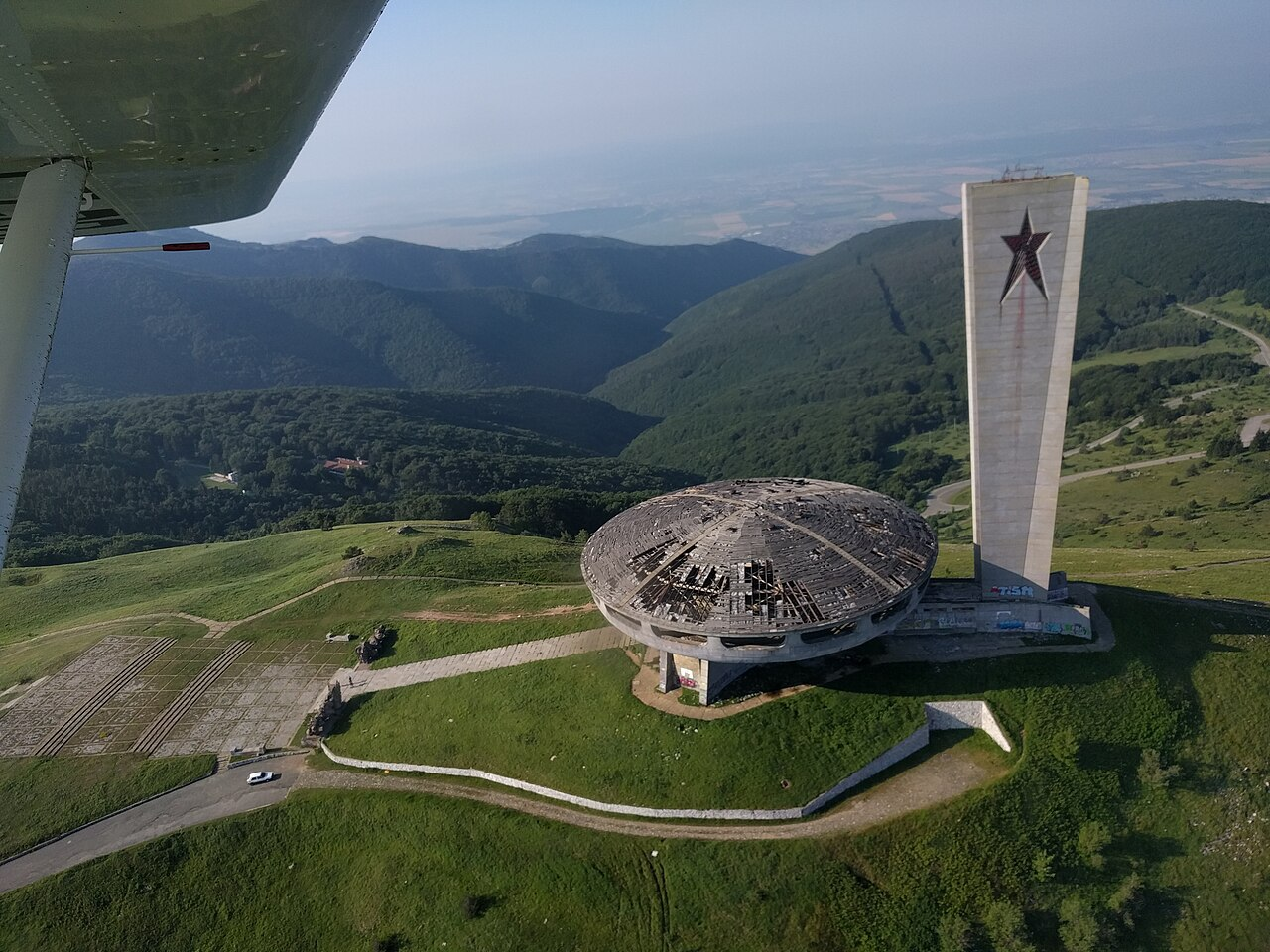
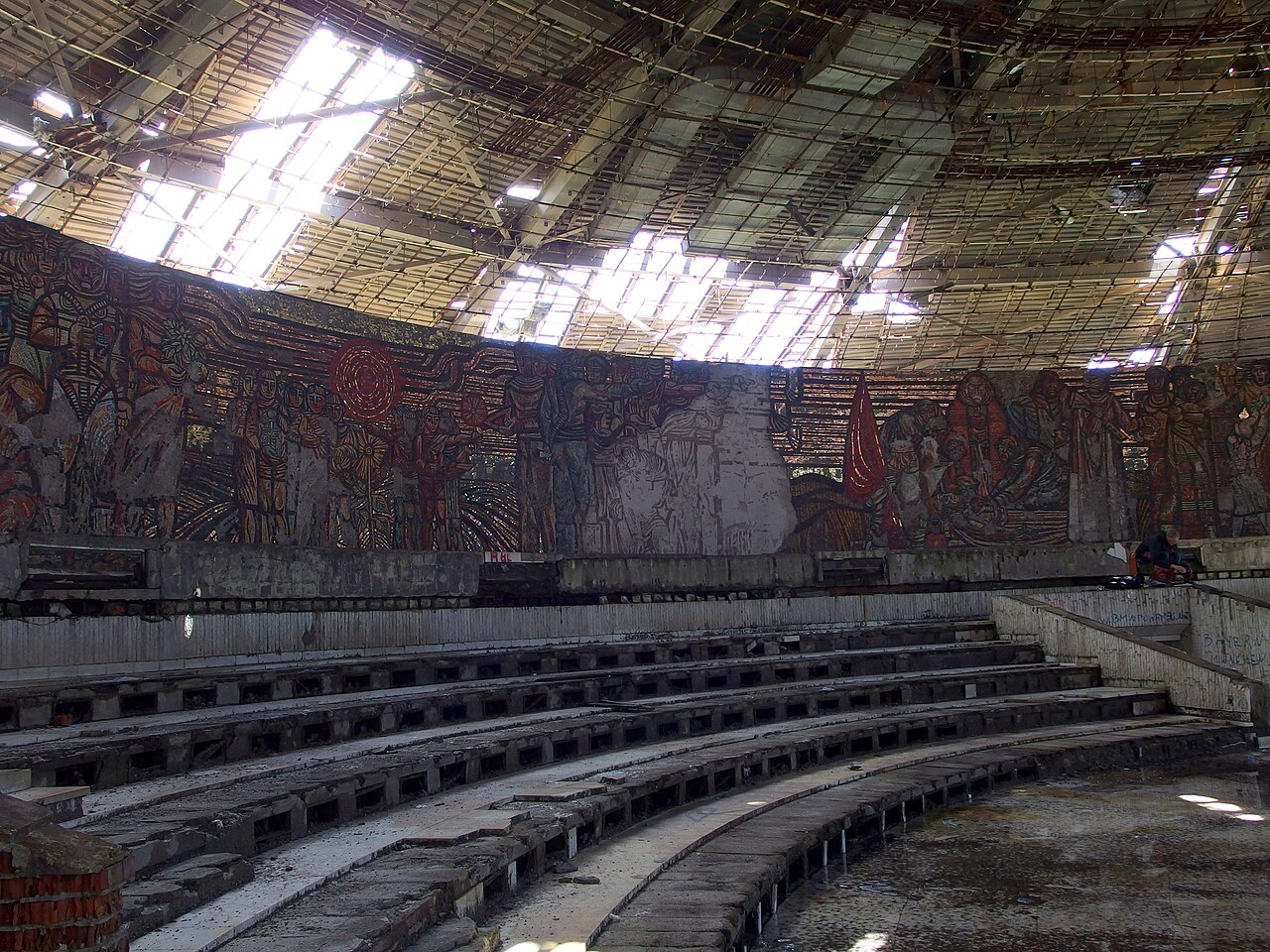
Construction began in 1974 under architect Georgi Stoilov, a project so ambitious it required leveling part of the mountain’s summit with explosives to create a stable foundation, shaving several meters off the peak’s original height. Funded through public donations and completed in 1981 after seven years of work, the finished structure paired a massive saucer-shaped assembly hall with a soaring 70-meter tower topped by two enormous illuminated red stars, visible for miles across the surrounding countryside. Inside, more than 900 square meters of intricate mosaics, crafted from tons of cobalt glass, depicted key moments in Bulgarian socialist history.
Eight Years of Glory, Then Sudden Abandonment
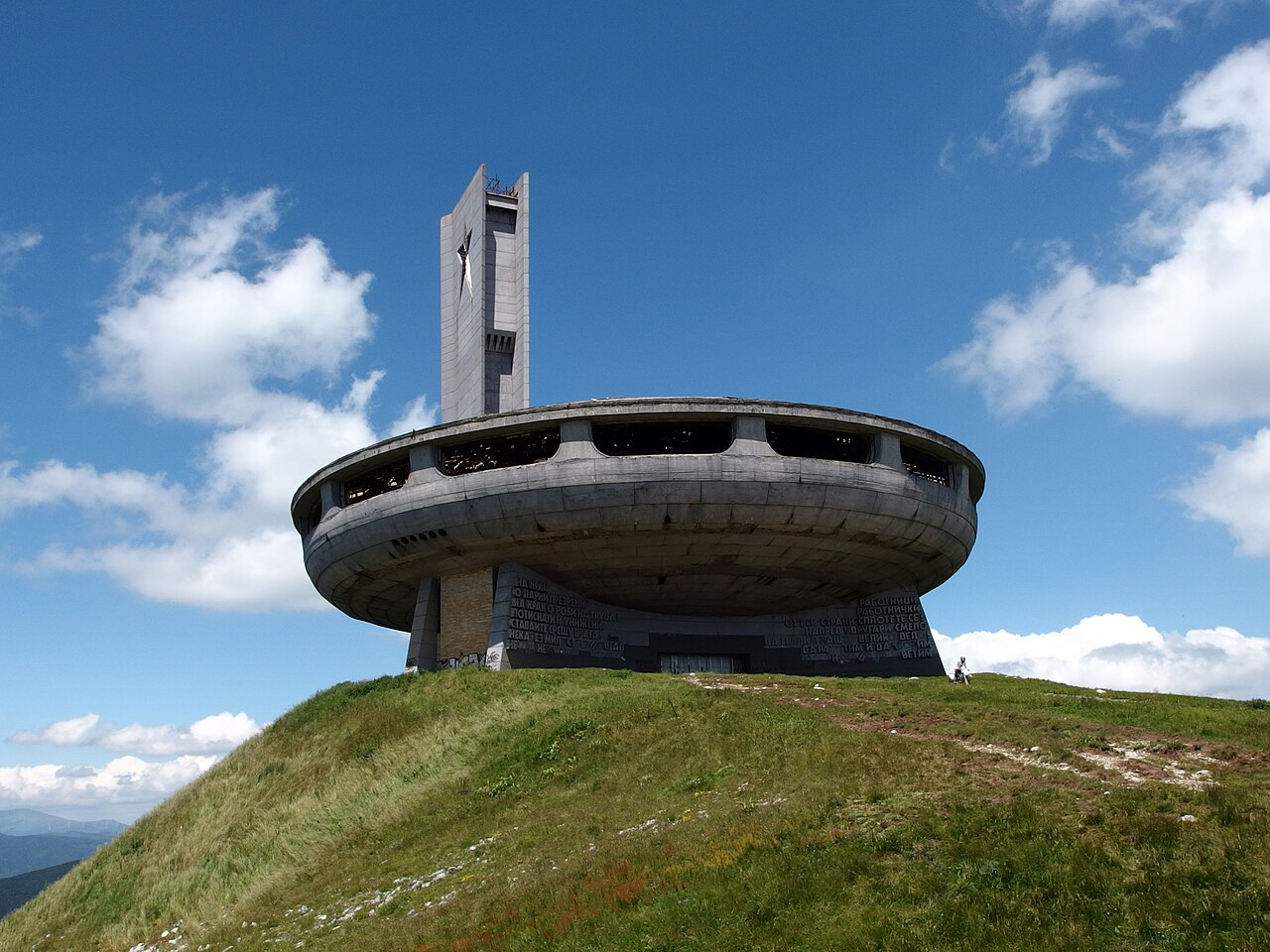
Buzludzha operated for less than a decade, hosting Communist Party gatherings and drawing over two million visitors during its brief active life. Then, in 1989, communist governments collapsed across Eastern Europe, and Bulgaria’s own regime fell the very day after the Berlin Wall came down. Maintenance of the monument stopped virtually overnight. With ownership and responsibility left unresolved for years, the building was stripped of its copper roofing and marble flooring by scavengers, its windows shattered, and rain and snow began steadily damaging the priceless mosaics inside.
A Ruin That Became an International Fascination
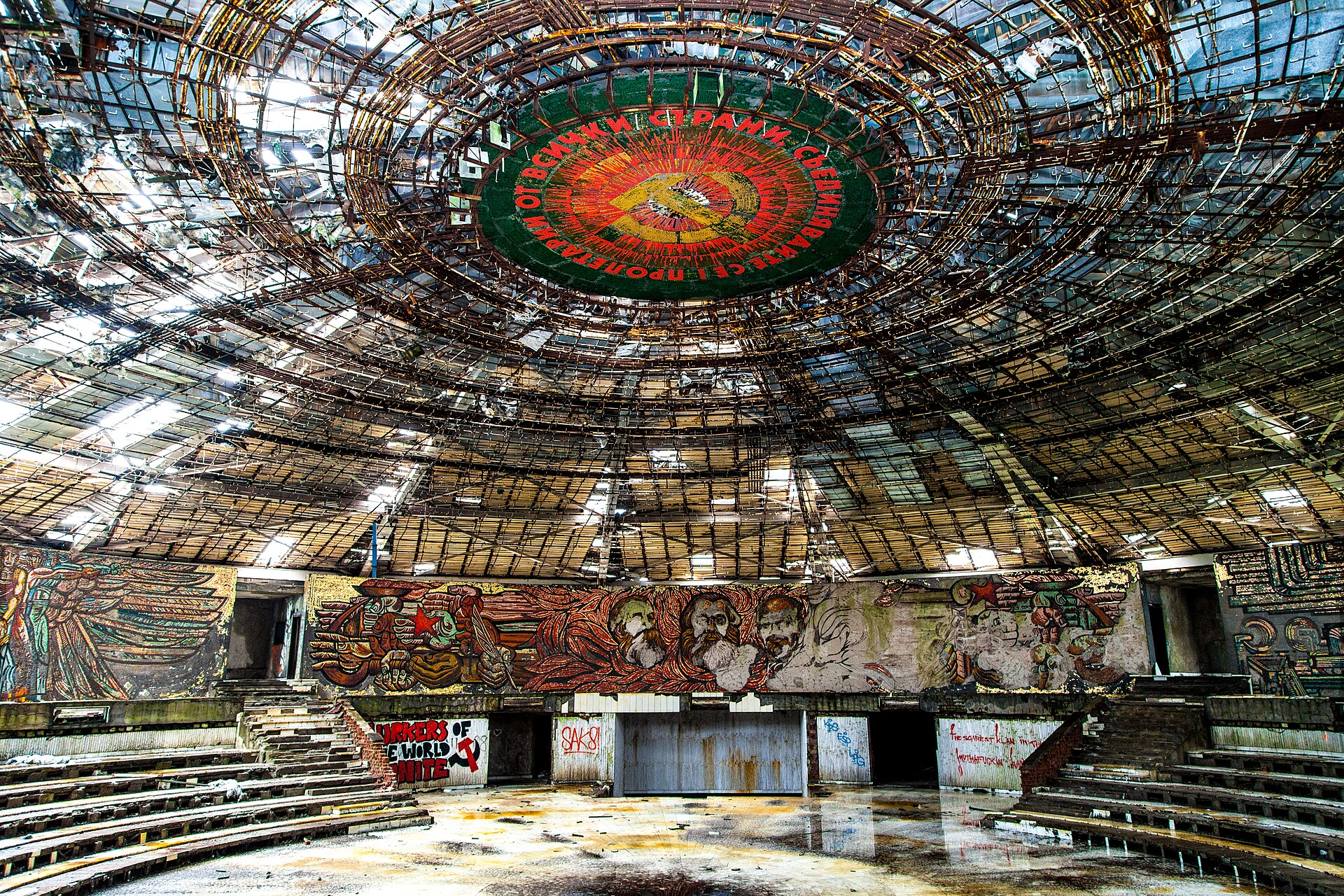
Rather than fading into obscurity, Buzludzha’s dramatic decay only heightened its fame. Its otherworldly, saucer-like silhouette made it an object of fascination for Brutalist architecture enthusiasts, urban explorers, and photographers from around the world, appearing in international magazines, music videos, and even a Hollywood action film. Visitors came whether the building was officially open or not, occasionally finding creative ways inside through ventilation shafts, a pattern of unauthorized access that ultimately contributed to the decision to seal and guard the structure more tightly.
An International Effort to Save It
Since 2015, the volunteer-led Buzludzha Project Foundation has worked to change the monument’s trajectory, securing recognition from Europa Nostra as one of Europe’s most endangered heritage sites and winning a significant conservation grant from the Getty Foundation. Conservators have spent recent years stabilizing the structure and documenting and protecting the surviving mosaics, working toward an eventual “Open Buzludzha” concept that would transform the site into a museum and cultural center exploring its complex history honestly, without either glorifying or erasing the past it represents.
Visiting Buzludzha Today
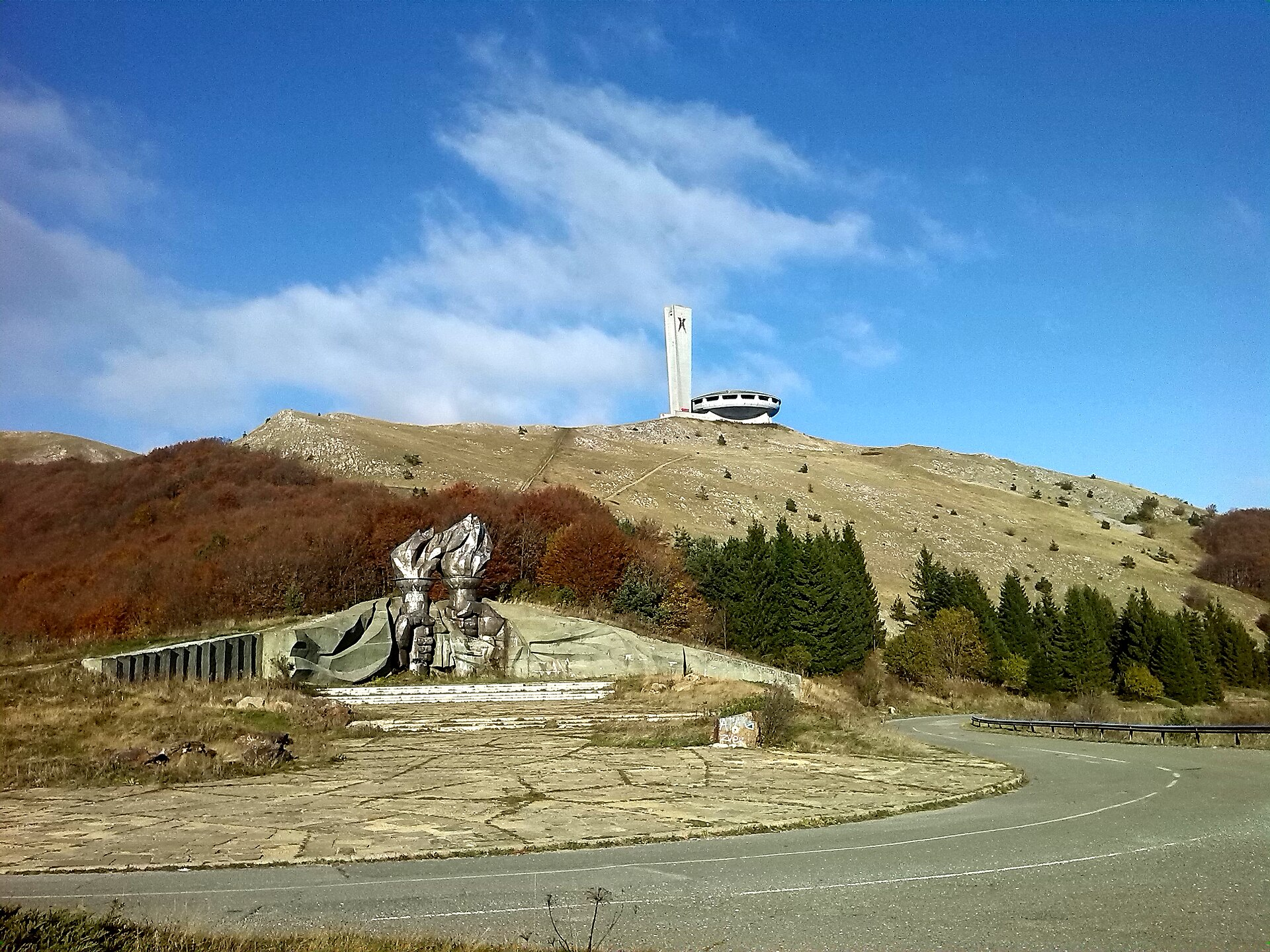
While the interior remains closed to the general public and guarded due to safety concerns, the exterior of Buzludzha is accessible year-round, and the site has become a genuine, if still officially low-key, tourist destination. Visitors can reach the peak via a scenic, winding mountain road from either Kazanlak or Gabrovo, and guided day tours from Sofia are increasingly available for those wanting deeper historical context. The dramatic drive alone, climbing through the Shipka Pass with sweeping views of the Balkan Mountains, is considered a highlight in its own right.
A Monument to a Complicated Past
Buzludzha endures as a genuinely singular destination, an architectural marvel born from political ambition, abandoned by history, and now being carefully preserved not to celebrate the ideology it once represented, but to honor its remarkable design and its place in a complicated national story. Local guides who lead tours to the site often emphasize this distinction explicitly, presenting the monument as a historical document rather than a political statement, a way of helping visitors understand a difficult chapter of the country’s past without either glorifying or ignoring it.
For travelers drawn to striking, unconventional architecture and layered history, few places anywhere combine dramatic scenery, political history, and architectural wonder quite like this concrete saucer on a remote Bulgarian mountaintop. As conservation work continues and the long-planned reopening inches closer to reality, Buzludzha is likely to become an even more prominent stop on Eastern European itineraries in the years ahead, a rare case of a controversial ruin being thoughtfully transformed into a place for genuine historical reflection rather than either demolition or uncritical nostalgia.
Like our content? Follow us for more.