

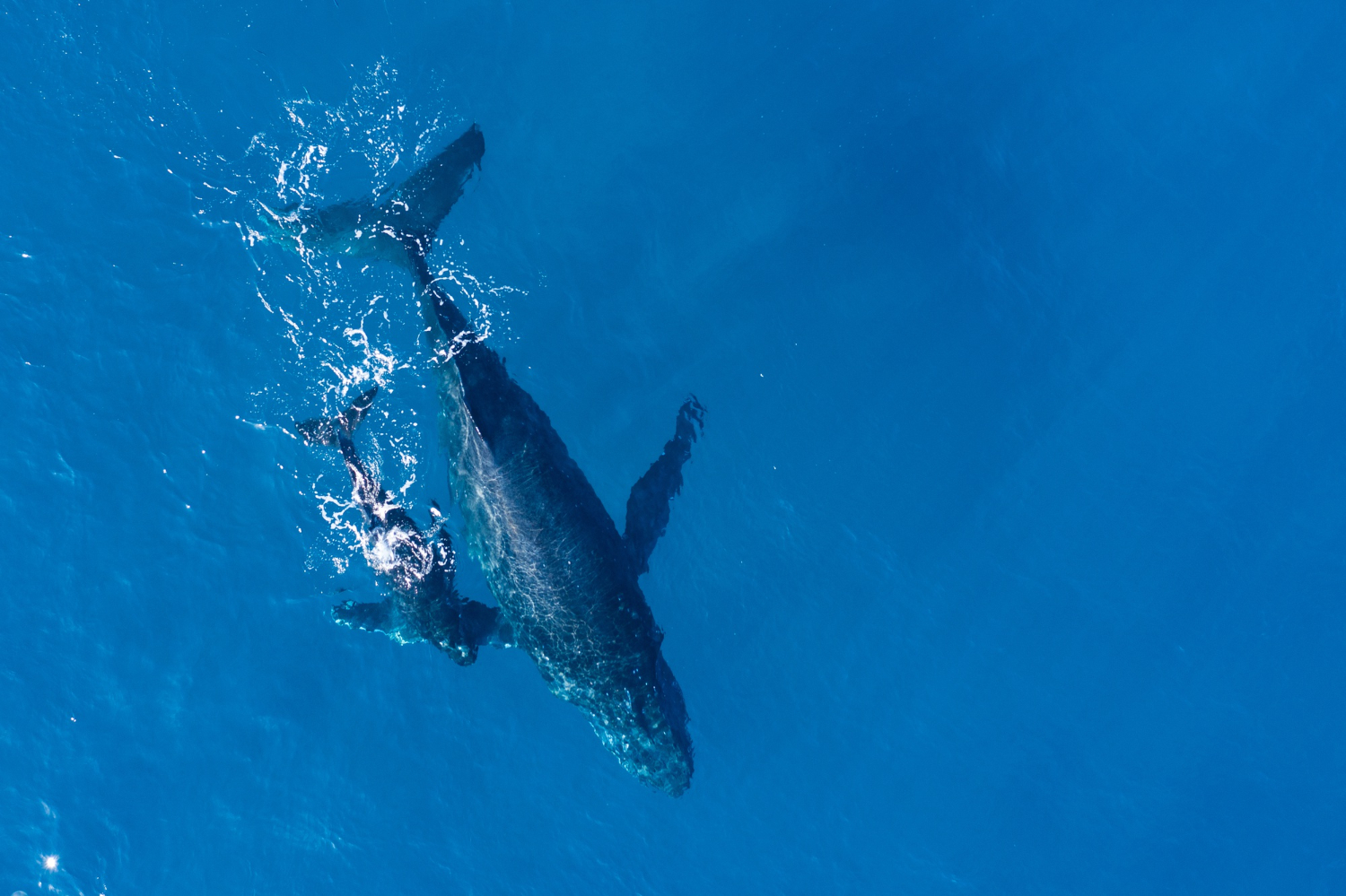
Every July 23, Whale and Dolphin Day turns the world’s attention to the ocean’s most astonishing residents — and the closer you look at whales and dolphins, the harder they are to believe. These are animals that sing songs lasting hours, recognize themselves in mirrors, call one another by individual names, and grow to sizes that make the largest dinosaurs look modest. They are, by many measures, among the most intelligent and mysterious creatures on the planet, and they are close enough to reach: a boat trip from dozens of coastlines around the world will put you within sight of a creature the size of a bus rising out of the deep.
So this Whale and Dolphin Day deserves a proper celebration in two parts — first the facts that make these animals almost impossible to comprehend, and then the real, bookable places where you can stop reading about them and go watch one breach. Consider it a wonder-filled toast to the ocean’s giants, with an itinerary attached.
The Biggest Animal That Has Ever Existed
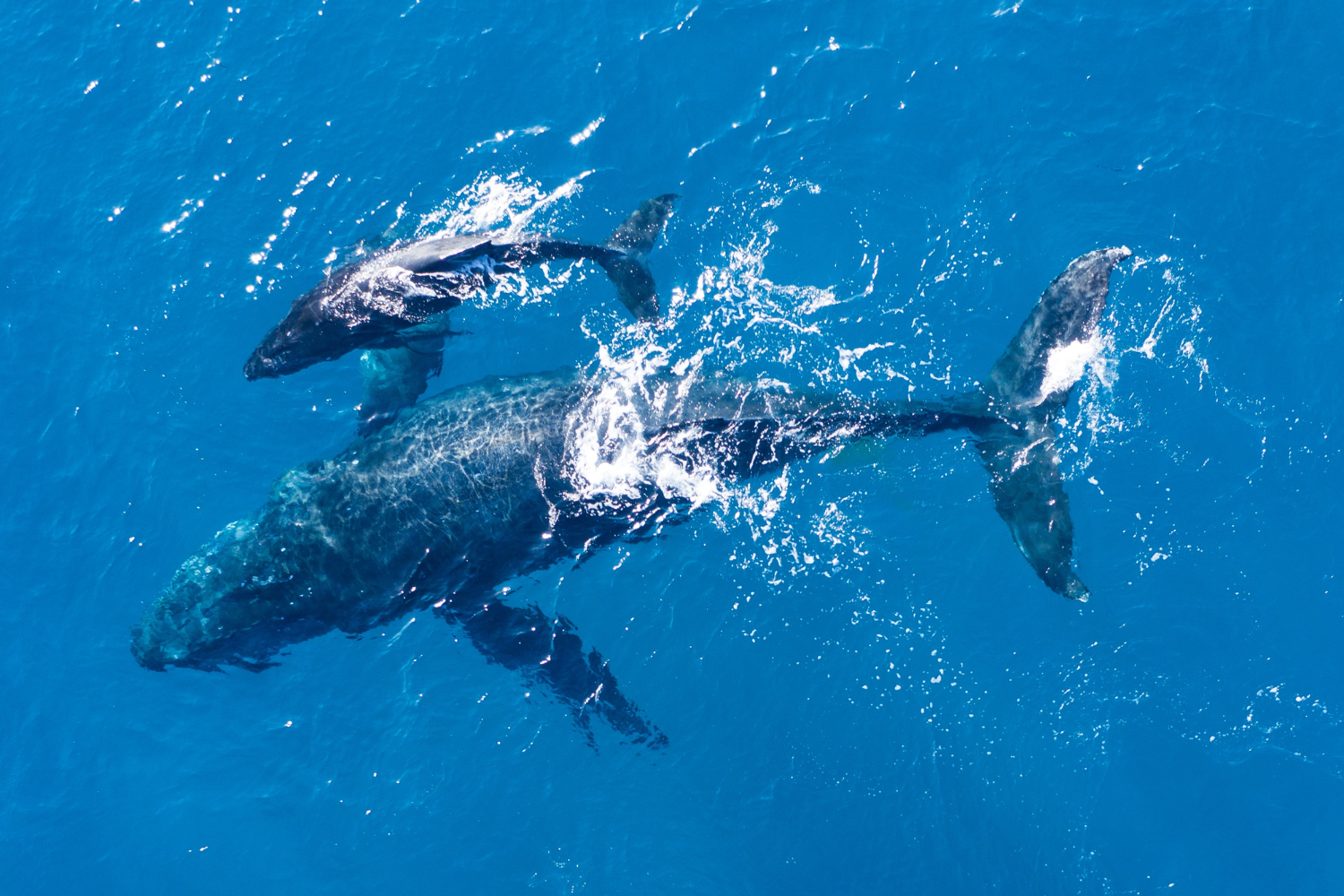
Start with sheer scale, because nothing prepares you for it. The blue whale is not merely the largest animal alive today; it is, as far as science can tell, the largest animal that has ever existed on Earth — bigger than any dinosaur, reaching lengths beyond 90 feet and weights approaching 200 tons. The numbers attached to a blue whale read like misprints: its heart is often compared to the size of a small car, its tongue can weigh as much as an elephant, and a human could, in principle, swim through its largest blood vessels. A newborn blue whale calf is already among the biggest animals on the planet the day it’s born, gaining weight at a rate of up to 200 pounds a day on its mother’s incredibly rich milk.
And this colossus lives on some of the smallest food in the sea. Blue whales feed largely on tiny shrimp-like creatures called krill, straining enormous mouthfuls of seawater through baleen plates and swallowing millions of the little animals at a time — an eating strategy that lets the biggest creature ever to live sustain itself on some of the ocean’s most abundant, minuscule prey. The largest heart on Earth beats to move blood built from krill. It is one of nature’s great and truly humbling facts.
Like our content? Follow us for more.
They Have Names, and They Call Each Other by Them
If the size of whales is staggering, the intelligence of dolphins is downright unsettling. Research has shown that bottlenose dolphins develop individual “signature whistles” — unique sounds that function, essentially, as names — and that they will call to specific individuals using that individual’s signature whistle, and respond when their own is used. In other words, dolphins name each other and answer to their names, a capacity once thought to belong to humans alone.
The list of dolphin abilities reads like a challenge to human uniqueness. Dolphins recognize themselves in mirrors, a classic test of self-awareness passed by very few animals. They cooperate in sophisticated group hunts, use tools (some carry sea sponges on their snouts to protect them while foraging, a behavior passed down through generations), and display play, culture, and problem-solving that continually astonish the scientists who study them. Their brains are large and complex, and some researchers argue they possess forms of social and emotional intelligence rivaling our own. To look a dolphin in the eye, many who have done it report, is to get the distinct and disconcerting sense that someone is looking back.
Songs That Cross an Ocean
Whales are the planet’s great vocalists, and their communication operates on a scale that dwarfs our own. Male humpback whales sing long, complex, structured songs — sequences of moans, cries, and calls that can last for many minutes and repeat for hours — and, remarkably, the whales in a given population all sing the same evolving song, updating it together over a season in a kind of shared, changing culture that ripples across the ocean. A new song “hit” can spread across whole populations from west to east over time, a musical trend passing between whales separated by thousands of miles.
The low-frequency calls of the largest whales, meanwhile, can travel astonishing distances underwater — under the right ocean conditions, potentially across entire ocean basins — meaning a whale singing off one continent may, in principle, be heard by another far away. These animals evolved a communication system suited to a planet-sized habitat, exchanging information across distances that would require satellites for us. The ocean, to a whale, is not silent and empty but alive with song carrying farther than any human voice could ever reach.
Where to See Them: The World’s Great Whale-Watching Coasts
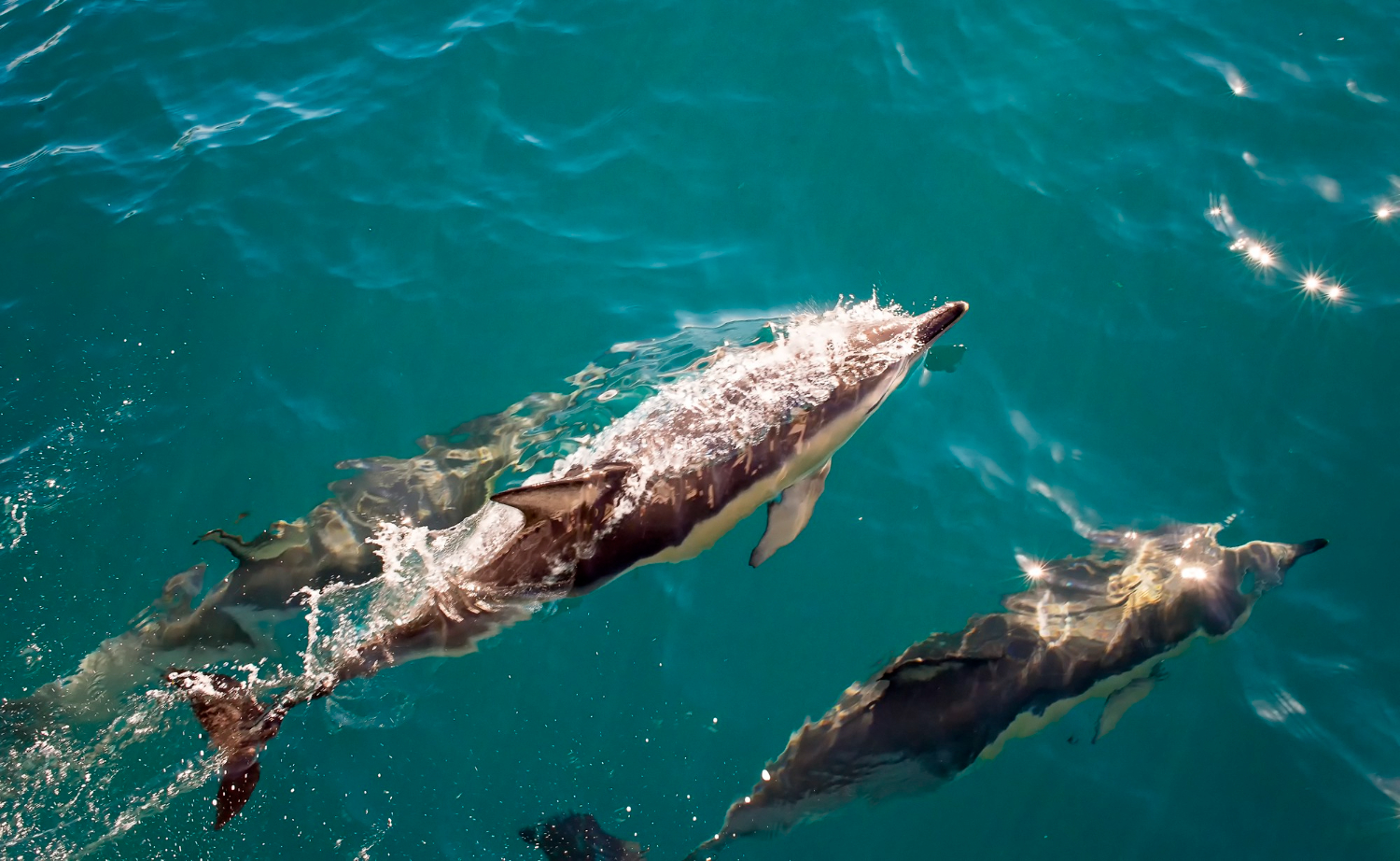
The best part of Whale and Dolphin Day is that these animals are not confined to documentaries — a well-timed trip to the right coastline offers a real chance to see them. Among the planet’s premier whale-watching destinations, a few stand out. Iceland has become one of the world’s top spots, with boats from Reykjavík and the north regularly encountering humpbacks, minkes, and sometimes blue whales in rich northern waters. The Azores, mid-Atlantic islands belonging to Portugal, sit above deep waters that draw a remarkable variety of whales and dolphins year-round. And New Zealand’s Kaikoura is legendary for its resident sperm whales, viewable close to shore thanks to a deep undersea canyon just offshore.
The Americas are just as rich. Off Mexico’s Baja California, gray whales gather in lagoons where mothers famously approach small boats with their calves, and humpbacks and blue whales pass through the Sea of Cortez. The waters off Monterey, California, and up the Pacific Northwest offer humpbacks, orcas, and more within reach of the U.S. mainland, while New England’s coast draws humpbacks and other whales to feeding grounds off Massachusetts. Farther afield, South Africa’s Hermanus is famous for shore-based whale watching of southern right whales, Norway’s fjords host orcas and humpbacks in winter, Sri Lanka offers blue whales, and the Caribbean island of Dominica is renowned for resident sperm whales. Dolphins, meanwhile, delight travelers on coastlines worldwide, often riding the bow waves of the very boats sent to watch them.
Watching Them the Right Way
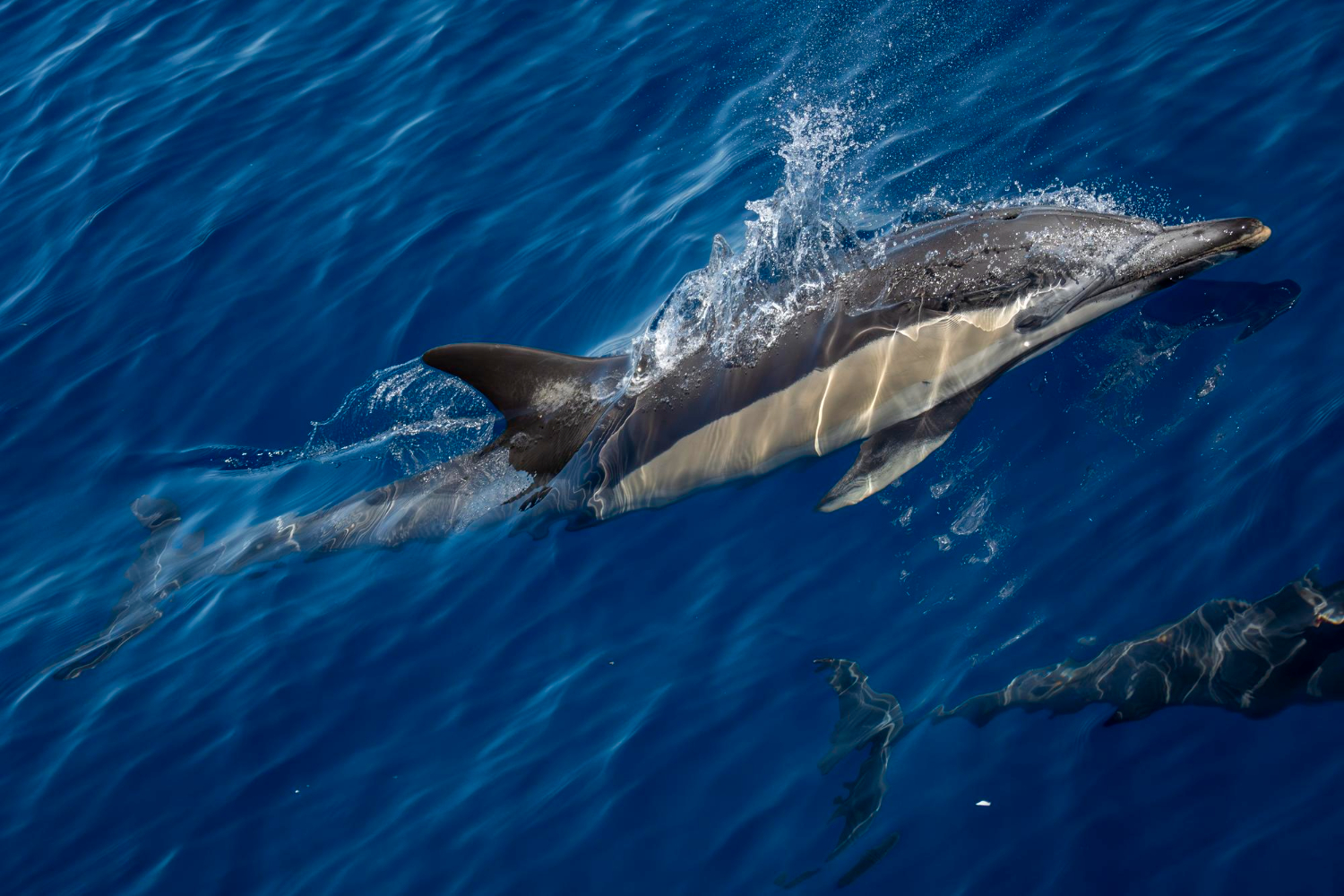
A word on doing it well, because these encounters carry responsibility. Whale and Dolphin Day is, at its heart, a conservation observance — many whale and dolphin species faced devastating pressures in the past and some remain vulnerable today — and the goal of watching them is to appreciate and protect, not to disturb. Responsible whale-watching operators keep respectful distances, avoid crowding or chasing the animals, cut engines when whales approach, and follow local guidelines designed to protect the wildlife. Choosing a reputable, conservation-minded operator matters, and it makes for a better experience: the encounters that stay with people for life are the ones where a whale chose to surface near a quiet, respectful boat, on its own terms.
The same principle rules out the harmful alternatives. The modern celebration of whales and dolphins is inseparable from the movement to protect them in the wild rather than confine or exploit them, and the most meaningful way to honor these animals is to see them where they belong — free, in the open ocean, on their schedule rather than ours. A wild whale surfacing beside your boat is worth a hundred of any other kind of encounter.
More Than Meets the Eye
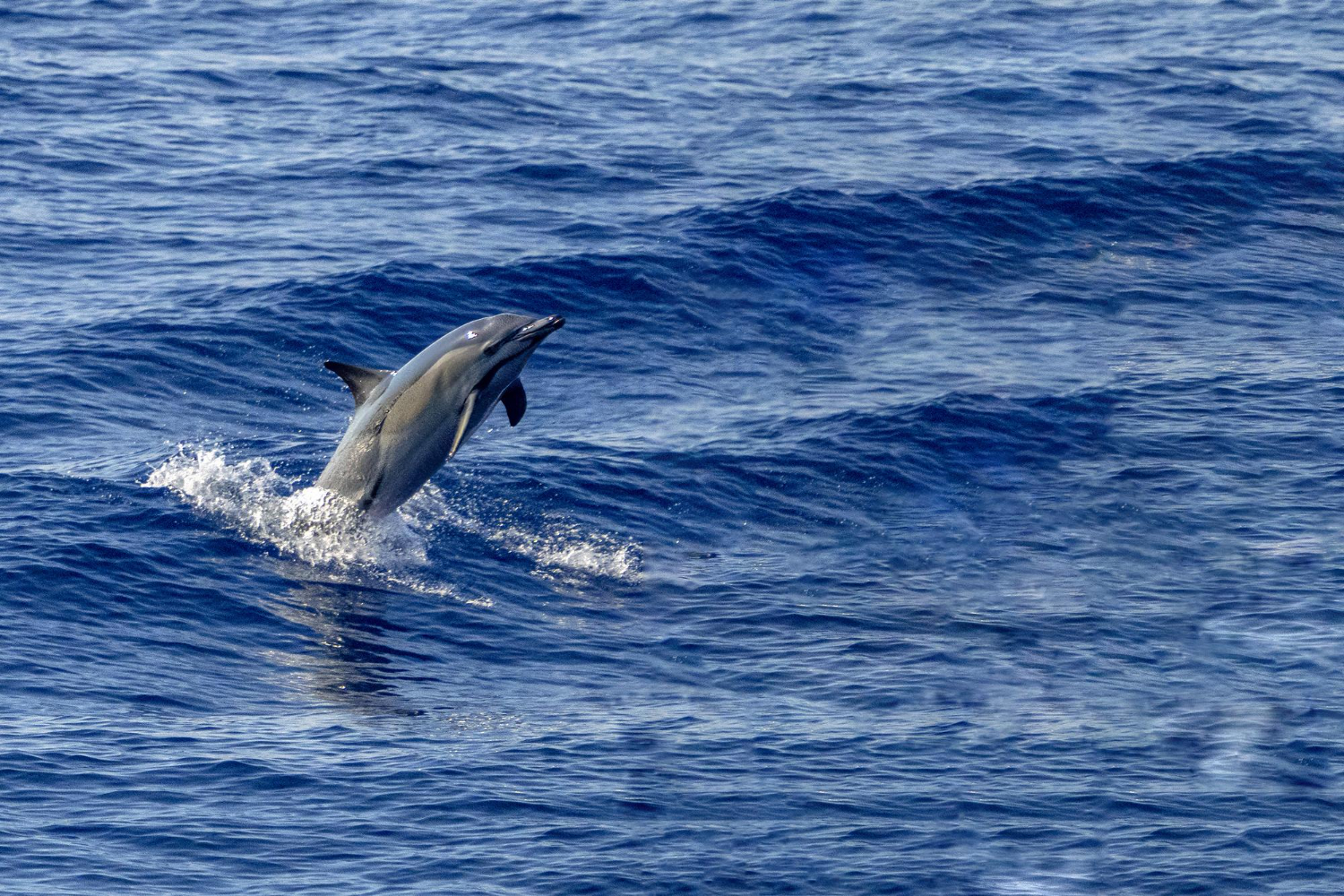
The deeper you go into whale and dolphin science, the stranger it gets. Some whales are astonishingly long-lived — certain species are believed to survive well beyond a century, meaning a whale alive today could have been born before many of the events in our history books. Whales also play a surprising role in the health of the ocean itself: their movements and waste help cycle nutrients through the water and support the tiny organisms at the base of the marine food web, making these giants not just inhabitants of the ocean but active gardeners of it. Even in death, a great whale’s body sinking to the sea floor creates an entire temporary ecosystem that sustains deep-sea life for years.
All of which adds a layer of meaning to a whale-watching trip. When you watch one of these animals surface, you’re seeing not just an impressive creature but a keystone of the ocean, an intelligent long-lived being that may have been swimming these waters since before you were born. It reframes the whole experience — less a wildlife sighting than a brief audience with one of the planet’s great and ancient residents.
Go Meet a Giant
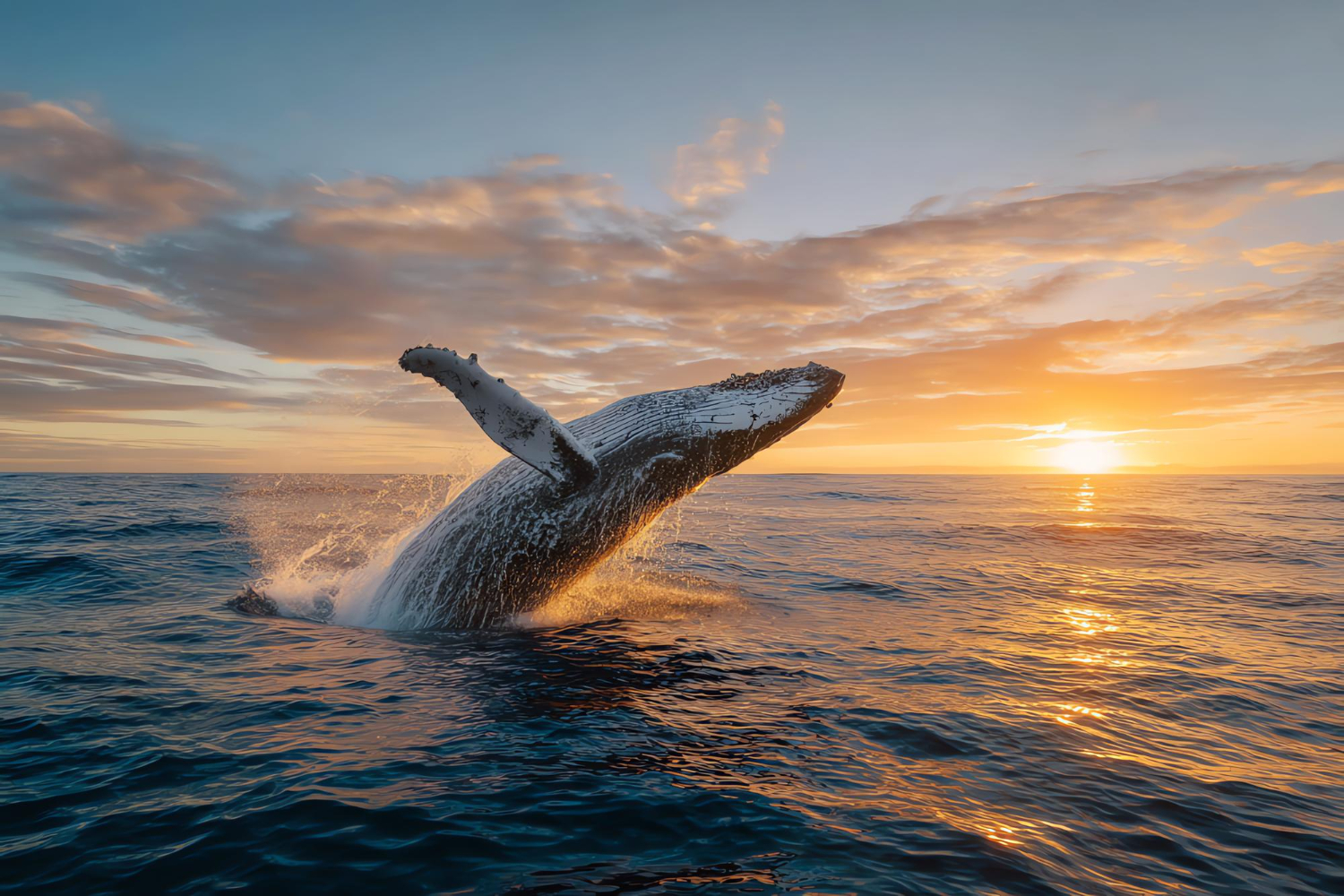
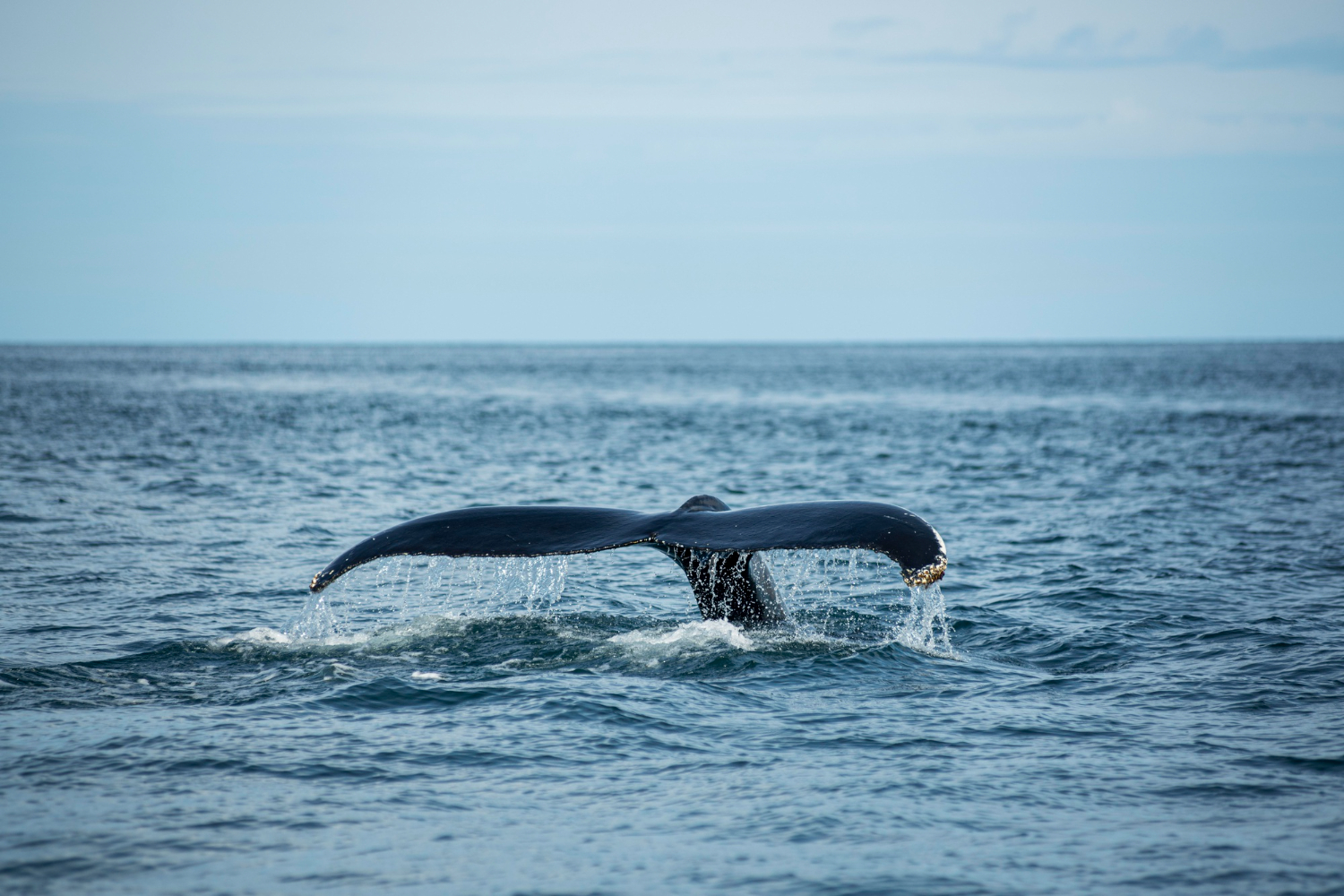
Whale and Dolphin Day works best as an invitation. The facts alone are enough to reorder your sense of the planet: the biggest heart that has ever beaten, animals that name each other, songs that cross oceans. But the facts point somewhere — toward a harbor, a boat, and a cold bright morning on the water, scanning the surface for the spout, the fluke, the impossible dark back rising and rolling under. People who have watched a whale breach describe it in the language usually reserved for once-in-a-lifetime events, because it is one.
So mark July 23 by planning it. Pick a coast from the list, find a responsible operator, and put yourself on the water at the right season. Somewhere out there, a creature larger than anything that has ever lived is singing a song that could cross an ocean, and it is entirely possible, with a little planning, to go and watch it rise. That’s the real gift of Whale and Dolphin Day: not just wonder at a distance, but the knowledge that the wonder is reachable, one boat trip away, waiting to surface.
Like our content? Follow us for more.
