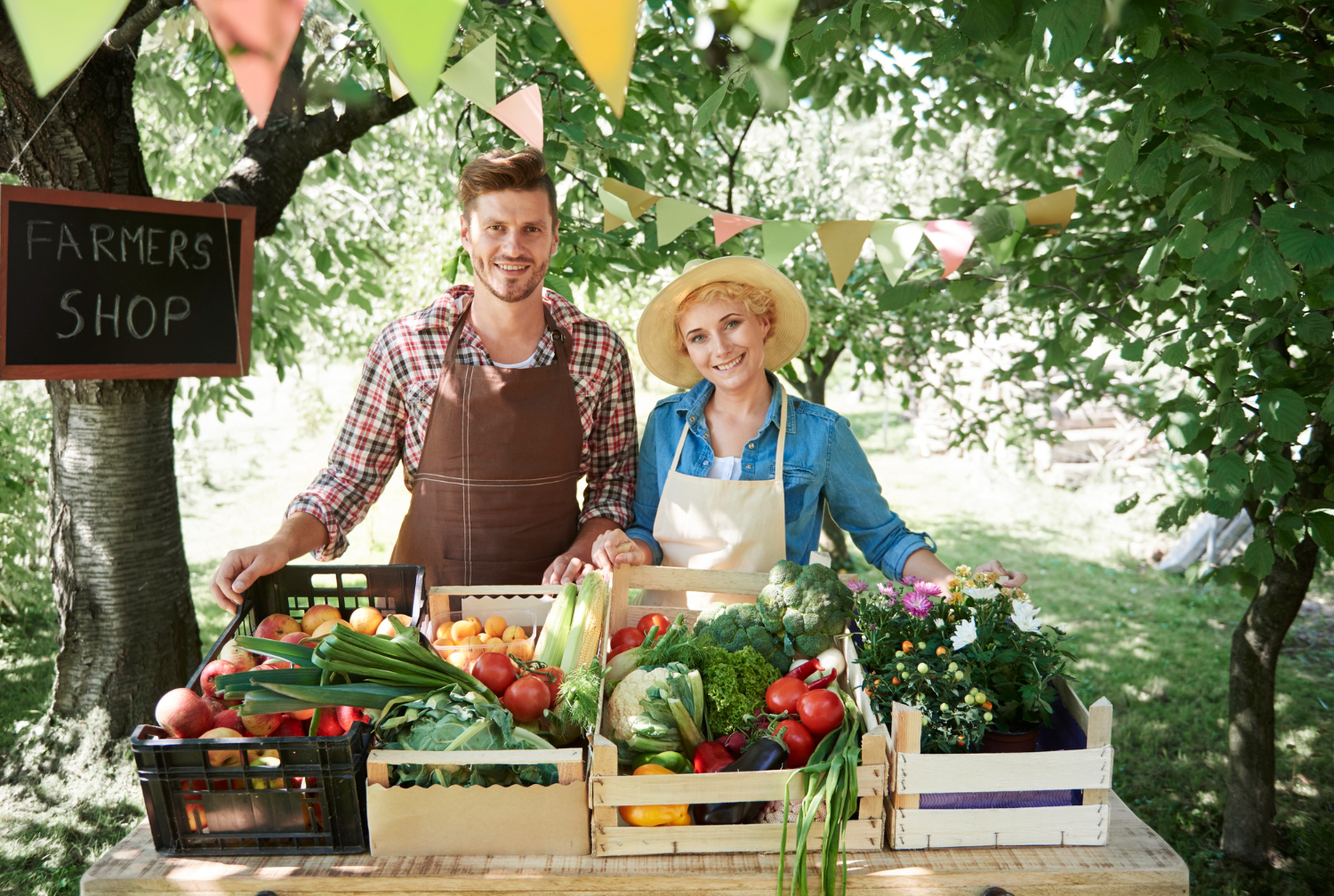
Every Saturday morning in summer, a temporary town springs up in a parking lot or town square — rows of tents, tables of just-picked produce, a few thousand shoppers, and a code of behavior nobody posts but everybody’s supposed to know. The farmers market rewards the shopper who understands it with better food, real relationships, and the vendors’ real goodwill; it steadily marks the one who doesn’t. Here are ten unwritten rules of the farmers market, for newcomers and rusty regulars alike.
1. Bring Cash, and Bring It Small
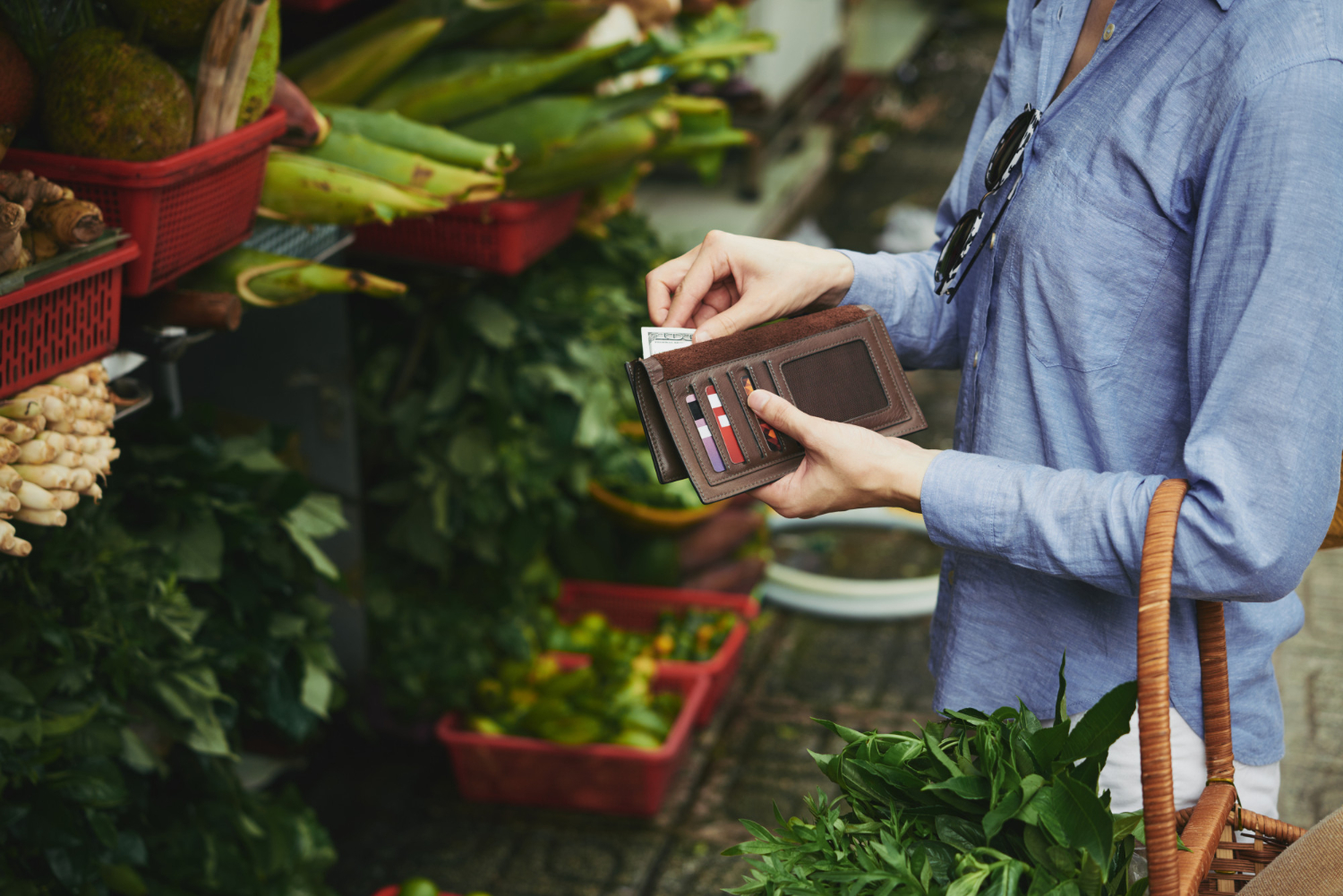
Many vendors are cash-first, and nobody can break a fifty at 8 a.m. Small bills are the currency of goodwill.
Though many markets now take cards and apps, cash still moves fastest and some small vendors prefer or require it — so the seasoned shopper arrives with cash in small denominations. Handing a farmer a fifty for a three-dollar bunch of radishes early in the morning, before anyone’s built up a till, is a minor social faux pas that slows the line and strains the vendor’s change. Hit the ATM the day before, break your bills at a coffee stand, and carry ones and fives. The market runs on quick, friendly transactions, and small bills keep them quick and friendly.
Like our content? Follow us for more.
2. Bring Your Own Bag — Several, Actually
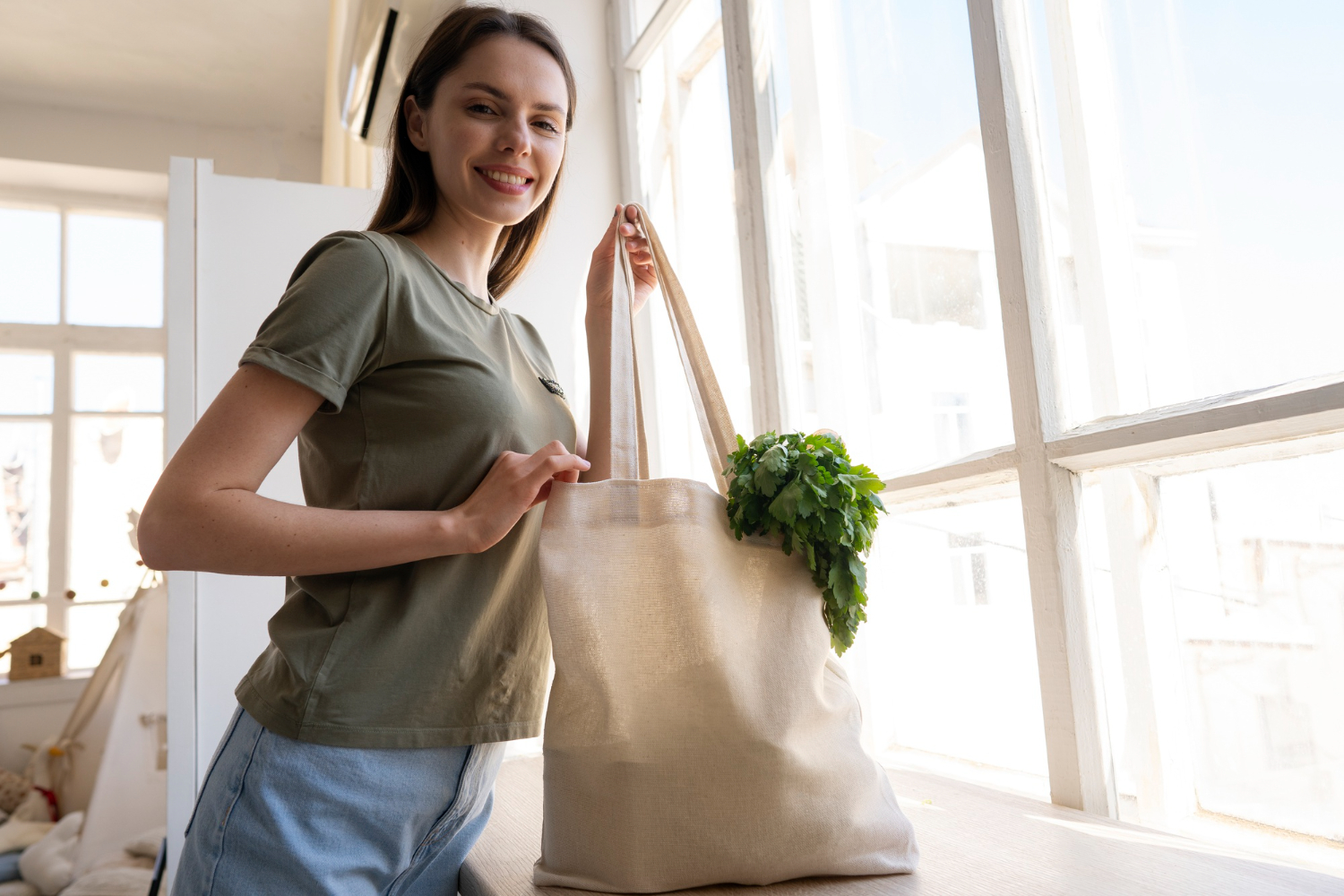
Vendors aren’t a bag service. A serious market haul needs sturdy totes you brought yourself.
Farmers markets run on the assumption that shoppers bring their own bags, and the prepared marketgoer arrives with a few sturdy totes — plus, for the serious shopper, a rolling cart or basket for a big haul. Expecting each vendor to supply a bag for every purchase misreads the whole operation; these are small producers, not a grocery chain with a bagging counter. Reusable bags also simply work better for hauling produce, protecting your delicate finds and letting you buy freely without juggling. Bring more bags than you think you need. You’ll fill them.
3. Look With Your Eyes, Not Your Hands
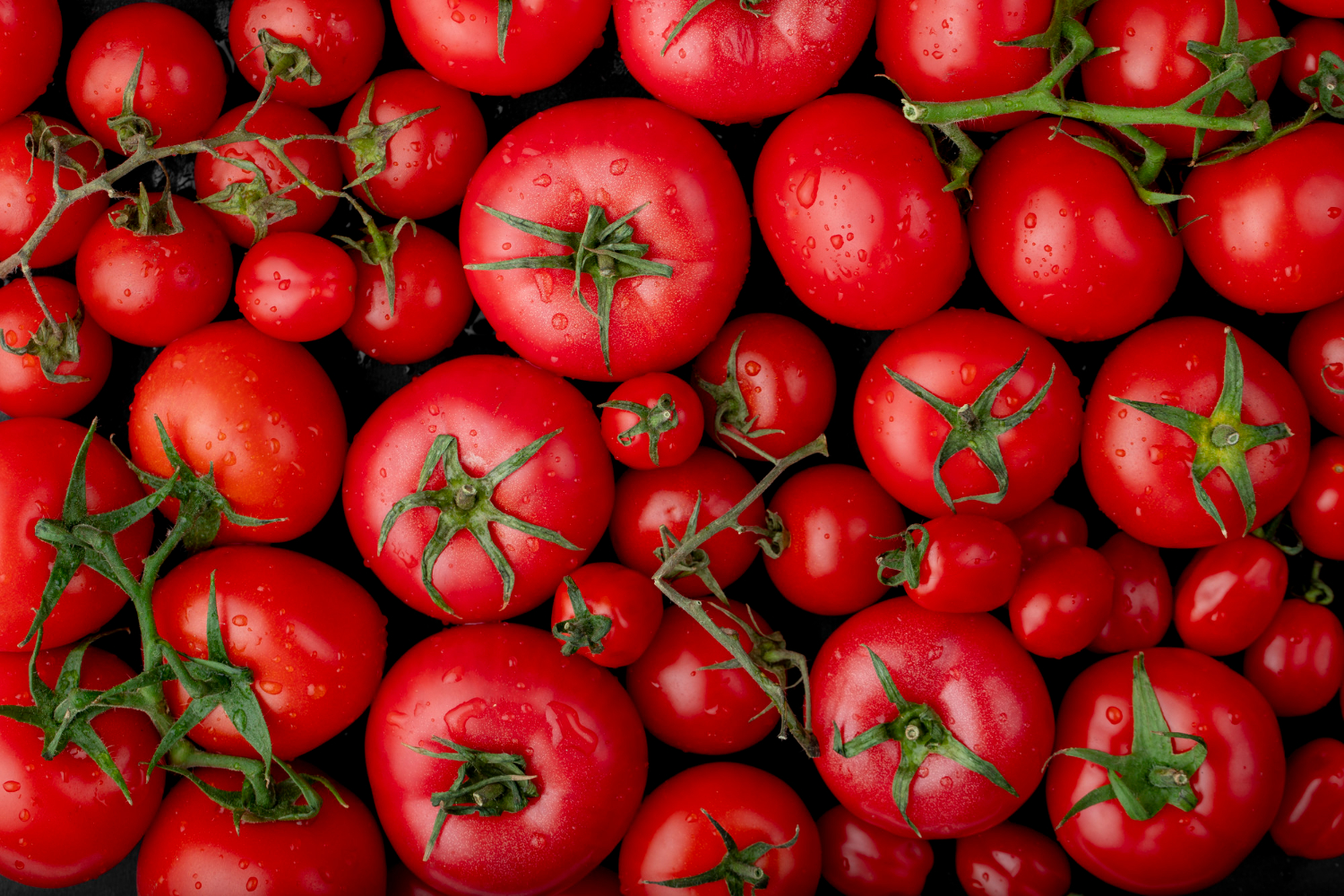
Ask before touching, and never dig through the display. Bruised fruit hurts a small farmer more than you know.
The cardinal rule of market produce: don’t manhandle it. Pawing through the tomatoes, squeezing every peach, or digging to the bottom of the berry pile bruises delicate produce that a small farmer grew by hand and can’t discount away — and it’s simply rude. If you want to check ripeness or pick your own, ask the vendor, who will almost always happily help you choose. Handle what you’re seriously considering, gently, and put back what you don’t take with the same care. The display represents someone’s season of labor. Treat it that way, and the farmer notices.
4. Don’t Haggle Like It’s a Flea Market
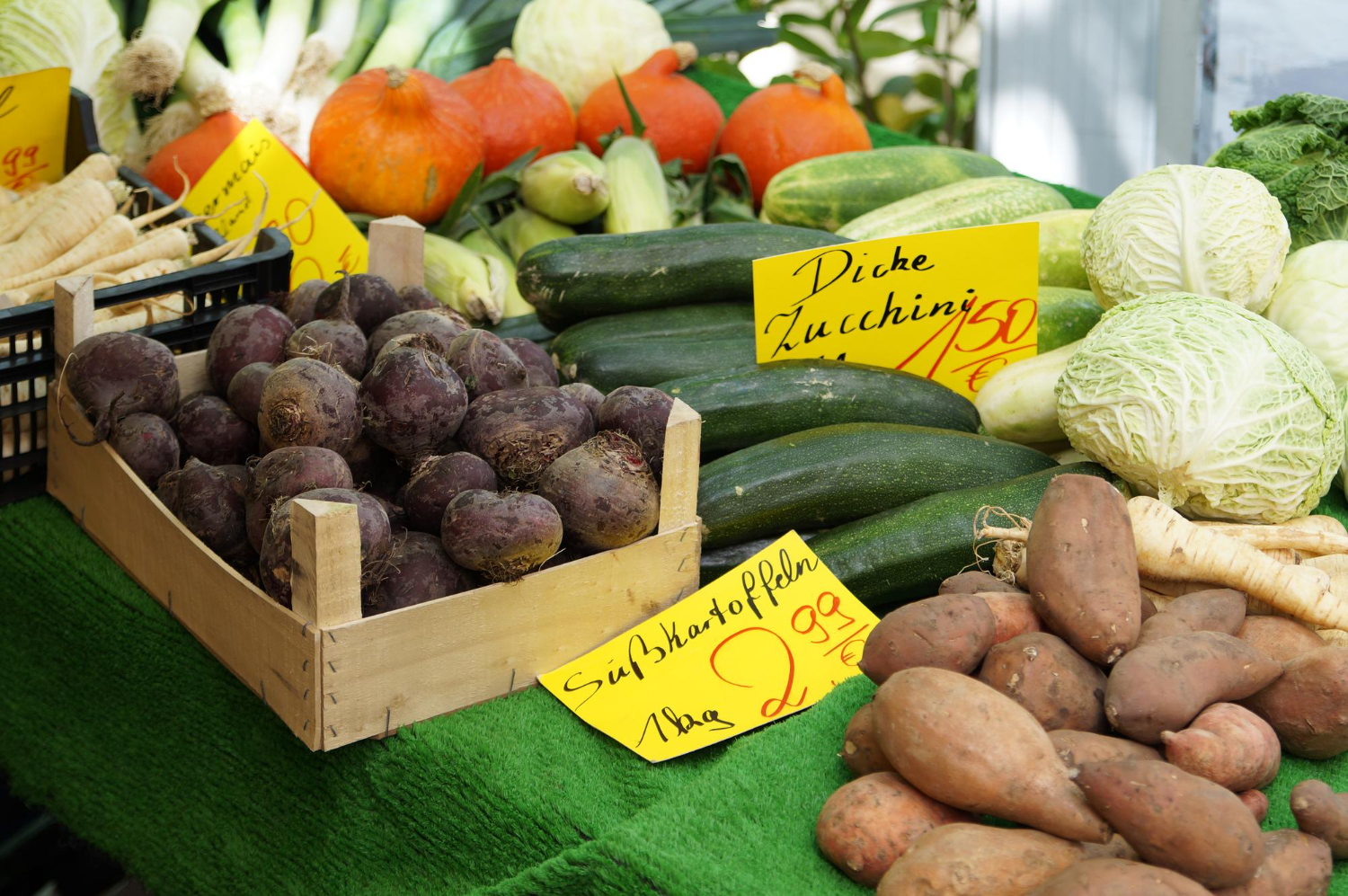
These are fair prices for real food and hard work. Negotiating insults the labor behind the table.
Unlike a flea market, the farmers market is not a place to haggle, and trying to talk a farmer down on a fair price for food they grew is one of the surest ways to mark yourself as someone who doesn’t understand the market. These are small producers pricing real food to make a modest living against long odds; the price on the sign reflects real cost and labor, not a markup begging to be negotiated. There’s an exception the regulars know: near closing time, vendors sometimes discount to avoid hauling produce home, and buying in bulk may earn a fair deal offered by the vendor — but that’s their call to make, not yours to demand.
5. Talk to the Farmer — That’s the Whole Point
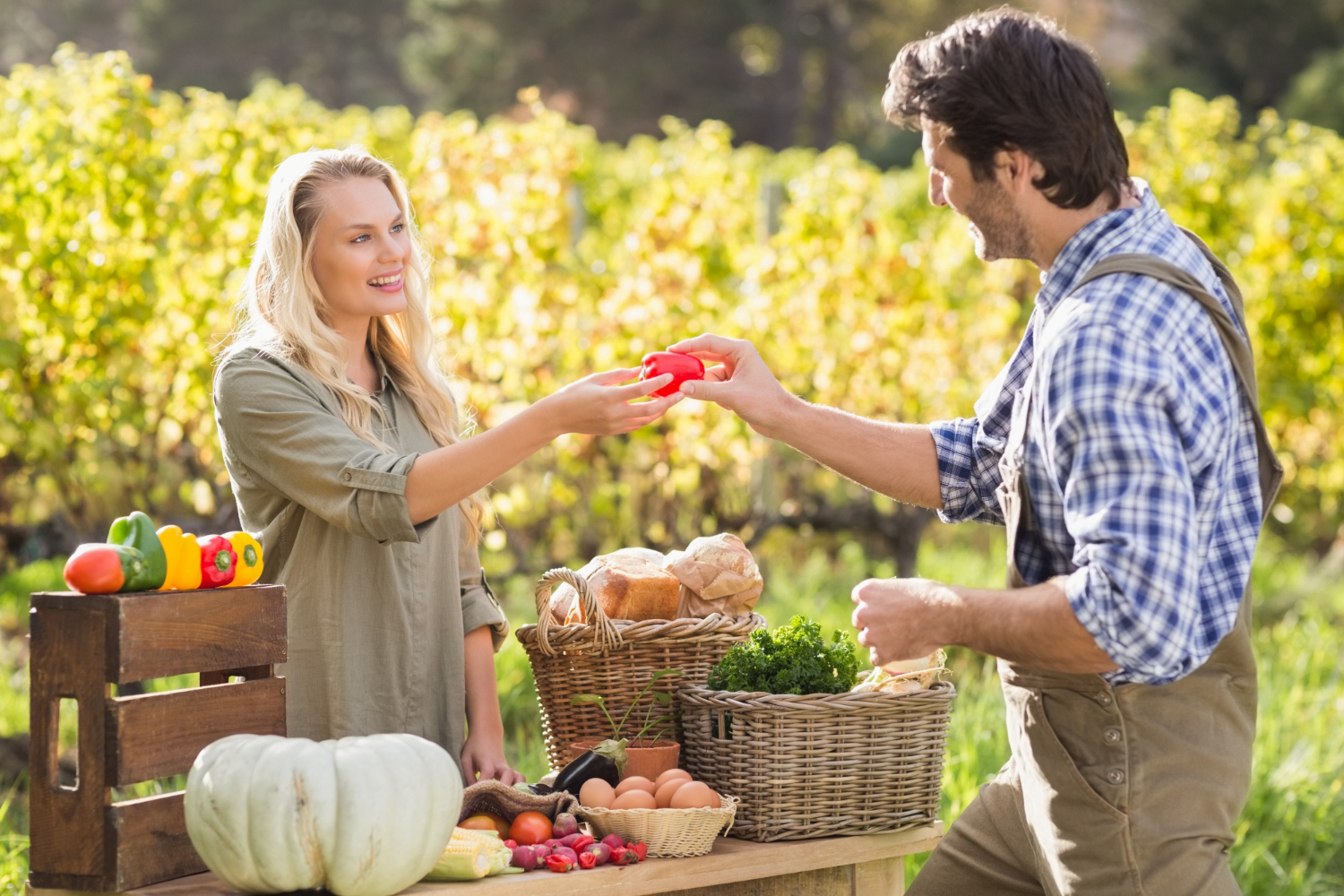
The person behind the table grew your food and knows everything about it. Asking is the market’s real magic.
The single greatest, most underused feature of the farmers market is that the person selling the food usually grew it — so talk to them. Ask what’s best today, how to cook the unfamiliar green, when the tomatoes will peak, what that strange vegetable even is. Farmers are, as a rule, delighted to talk about their food and generous with advice, recipes, and samples, and these conversations are exactly what a supermarket can never offer. The regulars who build relationships with their growers get the best of everything: the ripest picks, the insider tips, the heads-up on next week’s harvest. The connection is the product.
6. Do a Full Lap Before You Buy
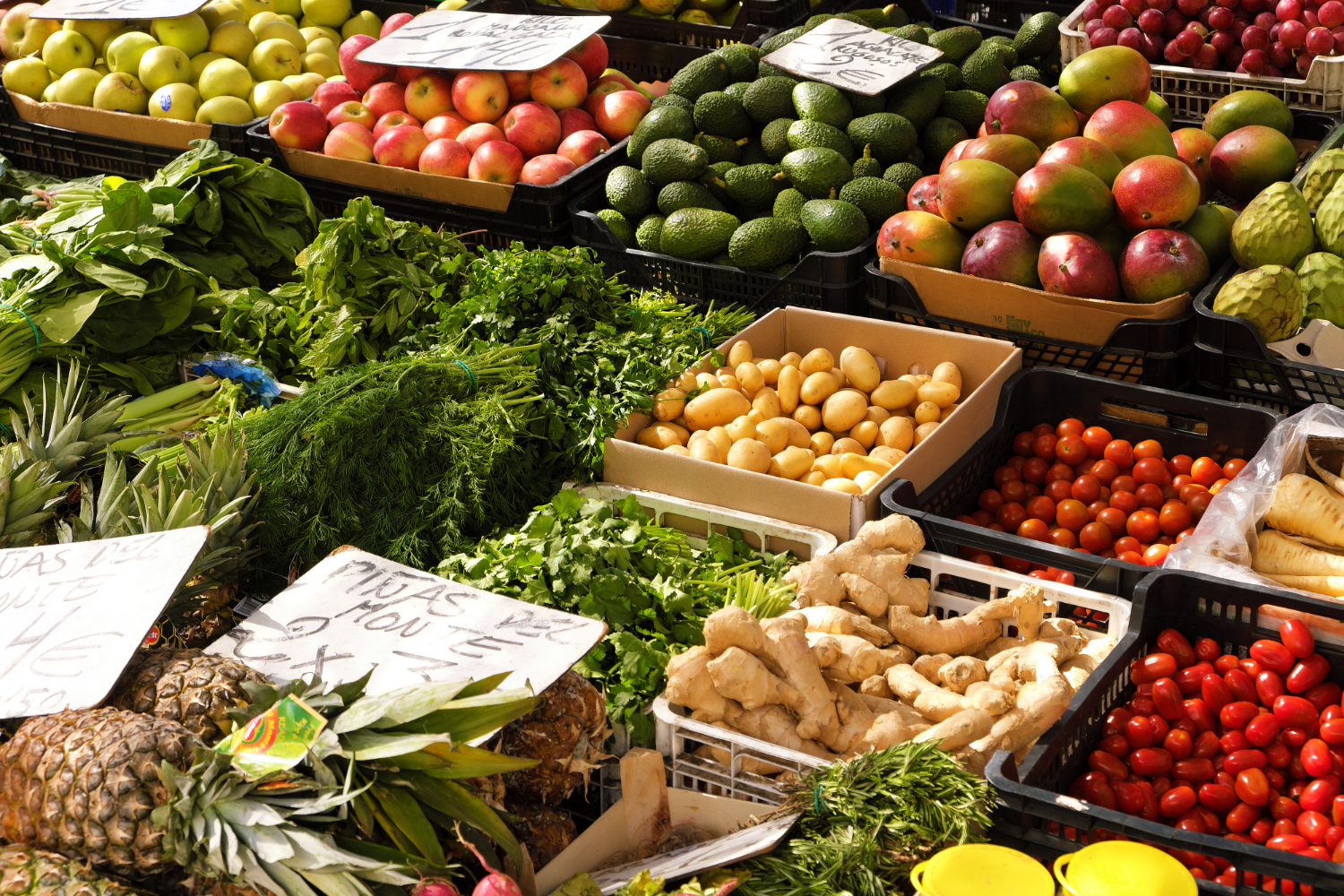
The best strategy is patience: survey everything first. The perfect peaches might be two stalls down.
Veteran marketgoers know to walk the whole market before committing, doing a full reconnaissance lap to see what’s available, compare quality and prices, and spot the day’s best offerings before filling their bags at the first stall. Buy your heavy or hardy items (potatoes, onions) and your non-perishables early, but save the delicate and the perishable for a second pass so they’re not crushed under an hour of shopping. The exception: if you spot something rare or clearly exceptional — the first heirloom tomatoes, a small batch of morels — grab it, because the best items sell out fast and won’t survive your comparison lap.
7. Come Early for Selection, Late for Deals
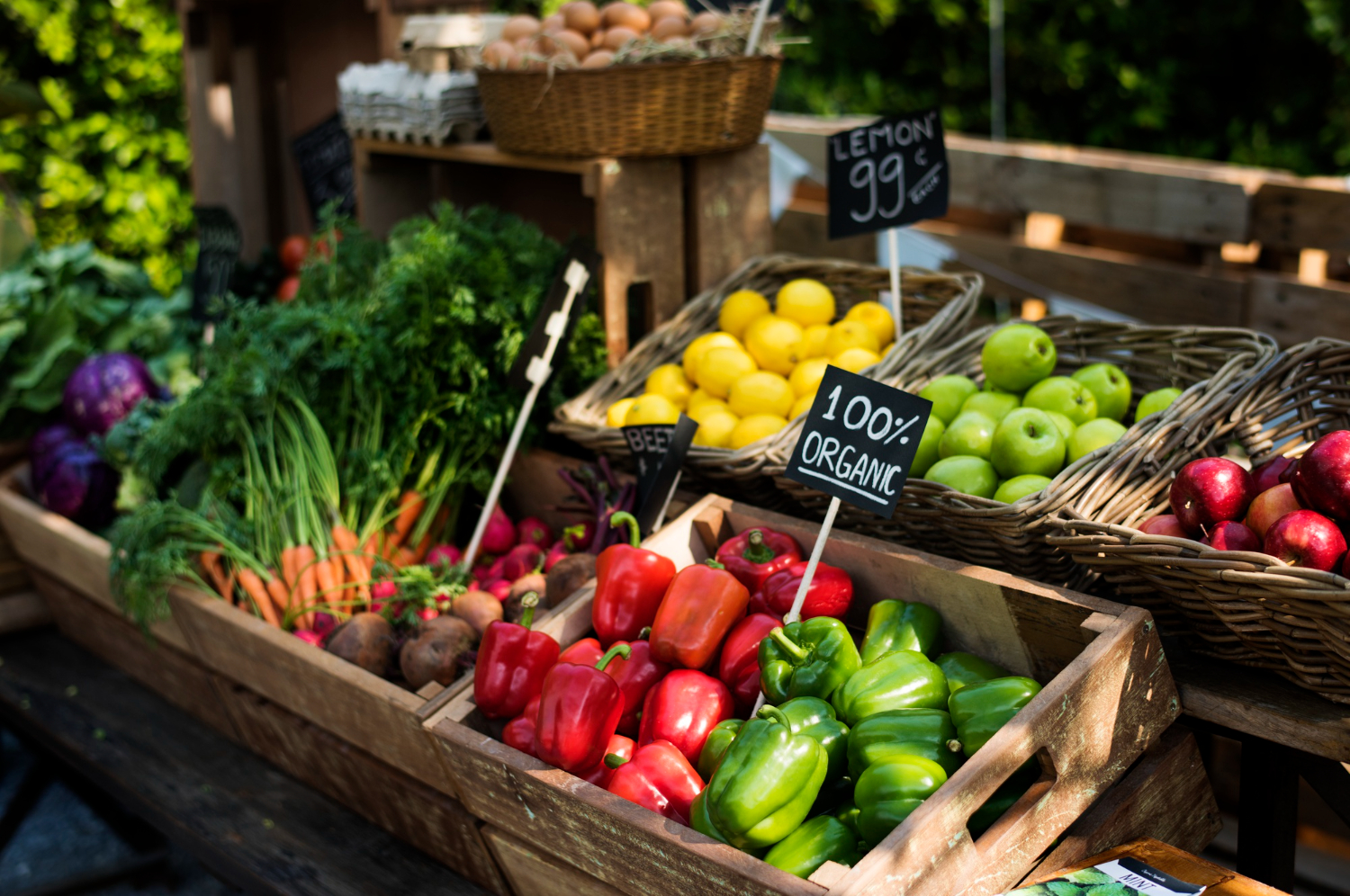
The trade-off is real and everyone makes it. Early birds get the pick; closers get the bargains.
Timing is the market’s great strategic choice, and the regulars pick their side deliberately. Arrive early — right at opening — for the fullest selection, the rarest items, and produce before the day’s heat and crowds have picked it over; this is when the serious cooks and the best-stocked tables meet. Or arrive near closing, when some vendors discount to lighten their load, for the best prices on what remains. What you can’t do is arrive late expecting both peak selection and bargains, or arrive at the popular market an hour in and find the prized items still waiting. Choose your priority and time your visit to match it.
8. Keep the Dog and the Stroller Under Control
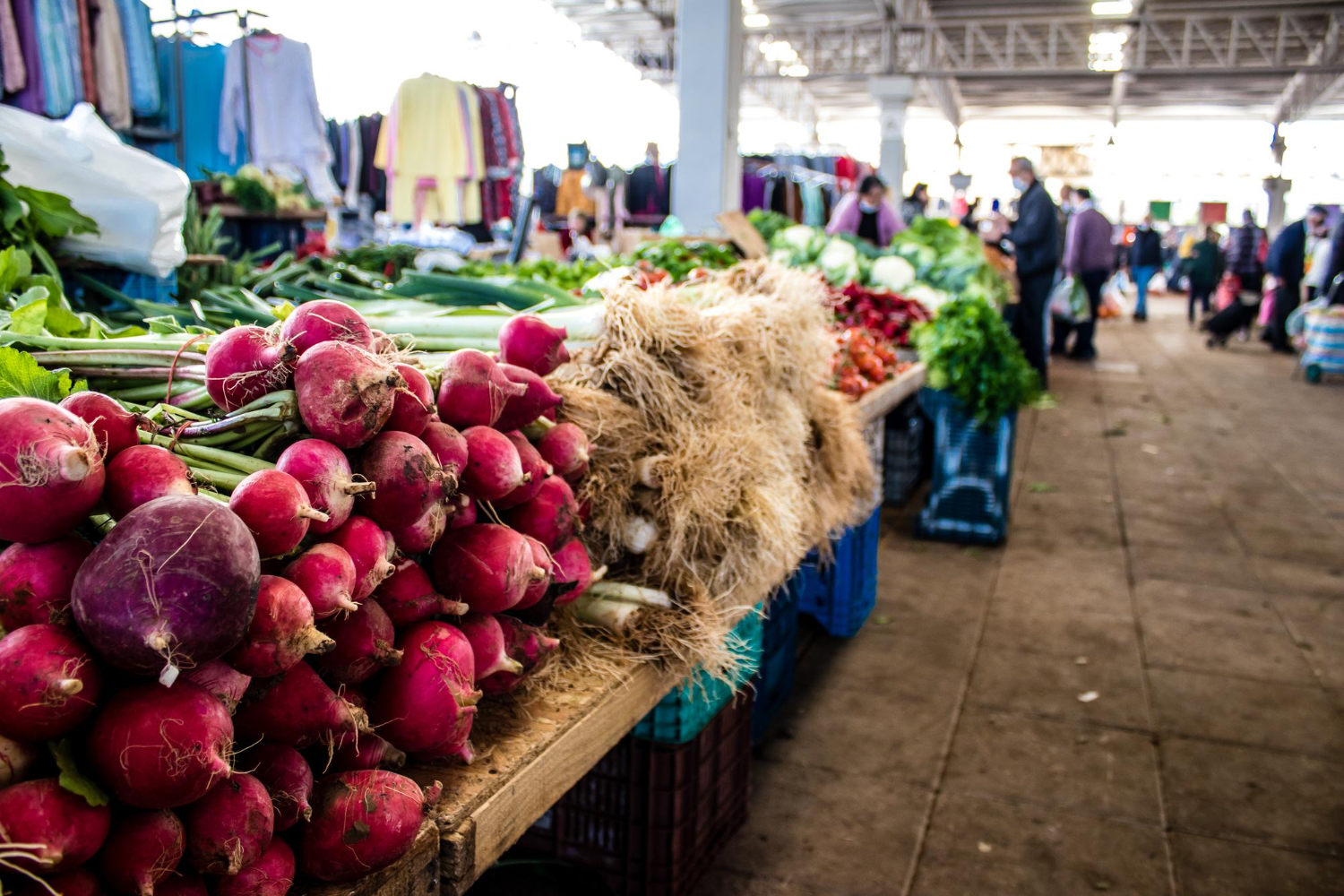
Crowded aisles and leashed dogs need managing. Awareness of your footprint is basic market courtesy.
Markets are crowded, and the considerate shopper manages their footprint: keep dogs (where they’re even allowed — check, since some markets ban them near food) leashed close and out of the produce, steer strollers and carts to the side when stopping, and don’t block a narrow aisle or a vendor’s table while you deliberate. Step out of the flow to make decisions or take a call, and mind children around the delicate displays. The market is a shared space that gets tight fast, and the small courtesies of spatial awareness — not blocking, not sprawling, not stopping dead in a chokepoint — keep it pleasant for the crowd behind you.
9. Ask Before You Photograph the Stalls
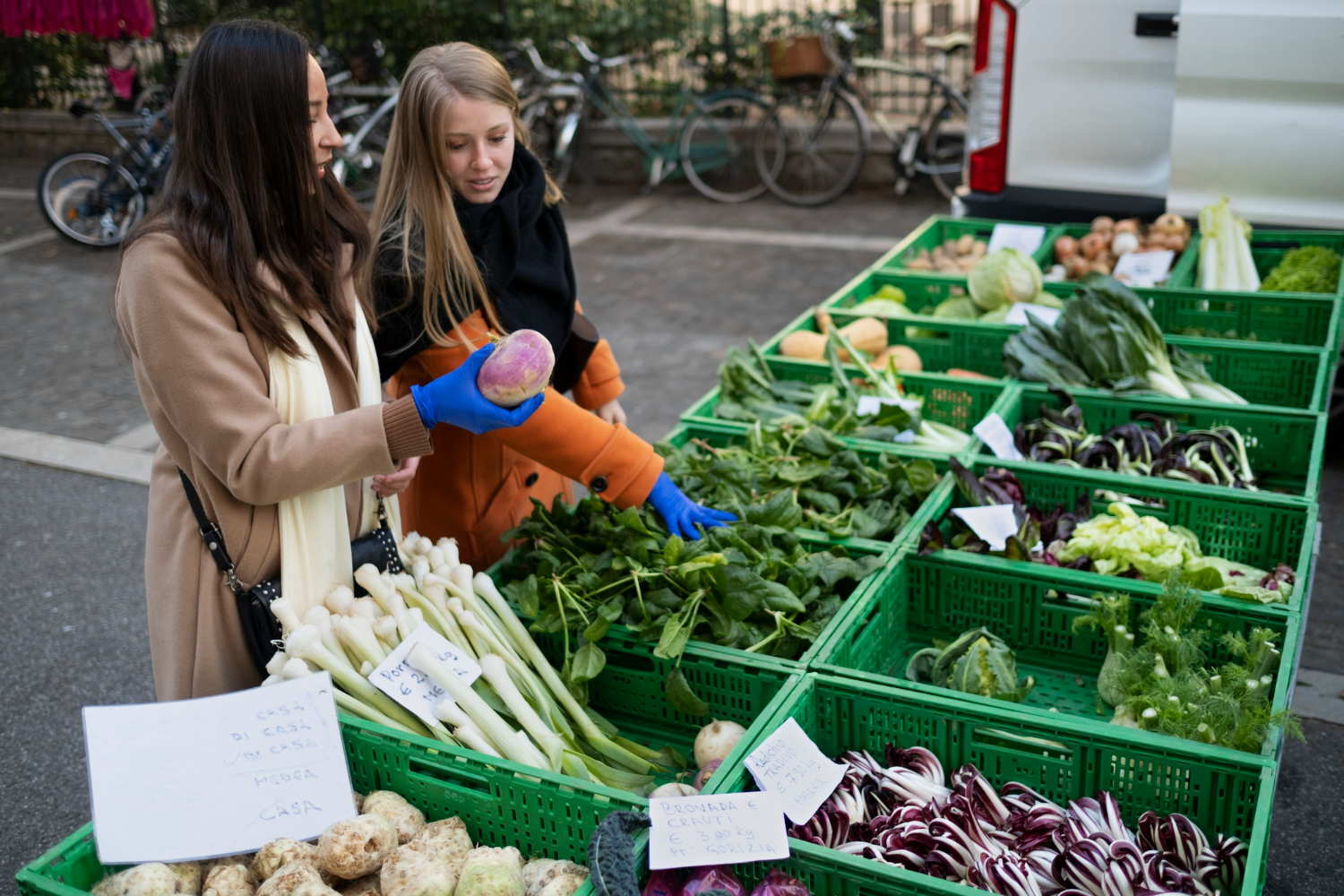
Those gorgeous displays are someone’s livelihood, not a free backdrop. A quick ask goes a long way.
Farmers markets are gloriously photogenic, and there’s nothing wrong with capturing the color — but the courteous move, especially for a close-up of a vendor’s beautiful arrangement or the vendor themselves, is to ask first. That stall is a small business’s storefront, artfully arranged as part of the work, and a quick “mind if I take a photo?” acknowledges it as theirs rather than treating it as a free set for your feed. Most vendors say yes happily, and many appreciate being asked and tagged. Buying something from a stall you’ve photographed is the graceful complete gesture. The market is a community, not a stock-photo library.
10. Buy Something From the Small Guys
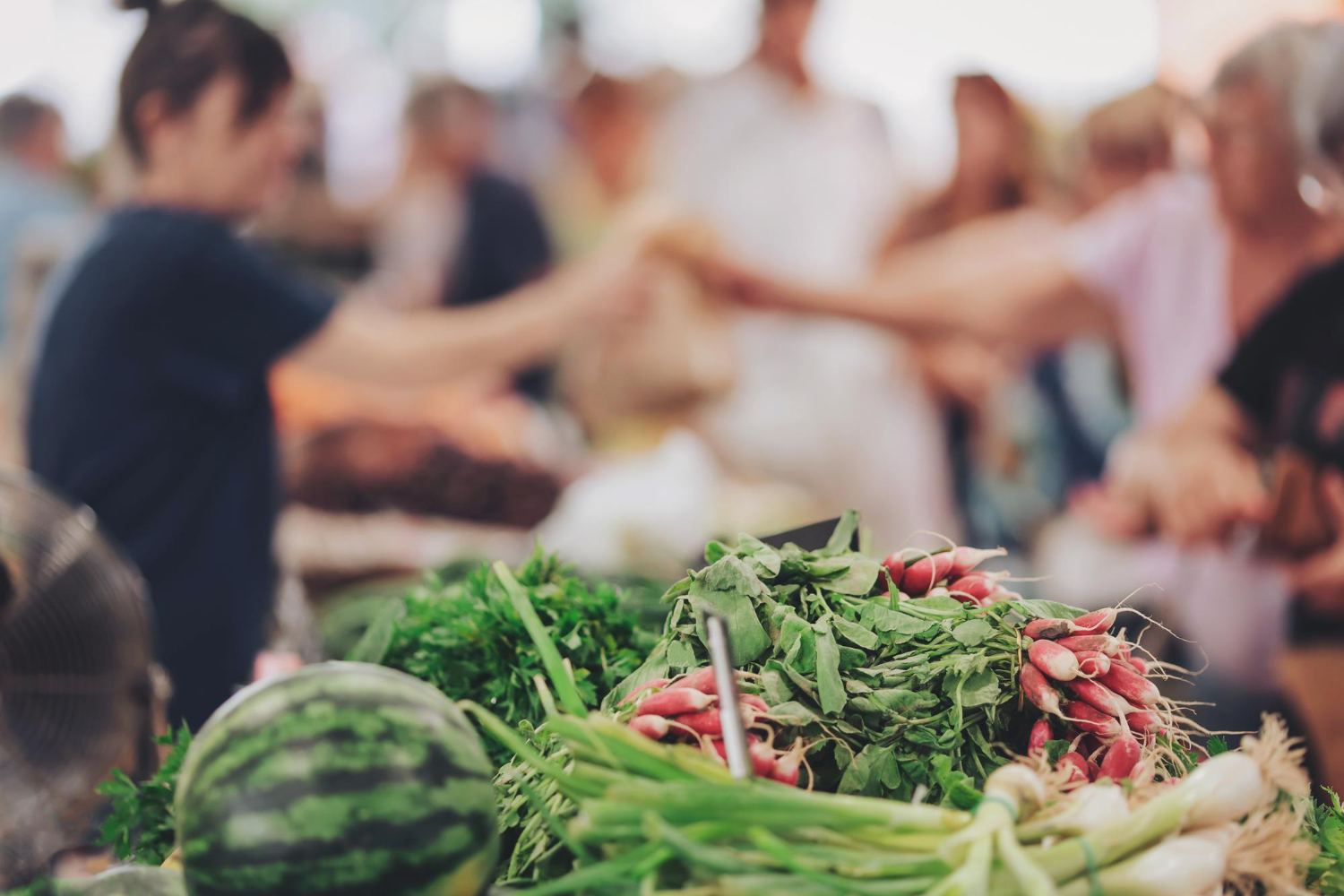
The market only survives if shoppers actually spend. Support the vendors, especially the newcomers.
The final rule is the market’s whole reason for being: it exists only as long as shoppers spend money there, so come to buy, not just to browse. Sampling is welcome and part of the fun, but treating the market purely as free entertainment — grazing the samples, admiring the displays, and buying nothing — misses the point and starves the small producers who make it possible. Spread your spending around, throw some business to the new or struggling stalls, and remember that every dollar spent here goes to a local grower rather than a distant corporation. The farmers market is a community you vote for with your wallet. Cast a few votes every visit.
Your Ticket to the Best Table in Town
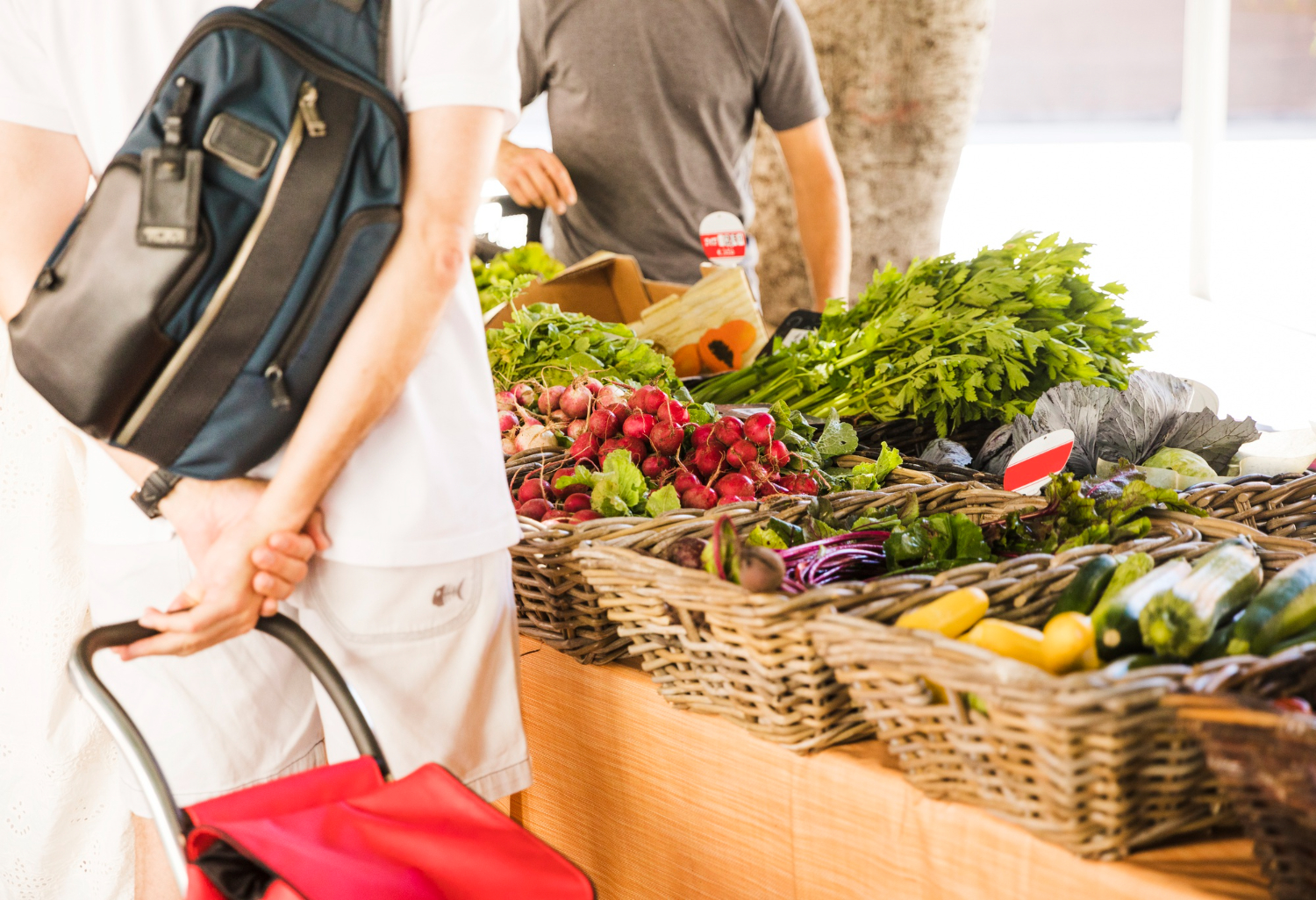
Small bills, your own bags, gentle hands, real conversation, and an actual purchase — the farmers market code isn’t complicated, and it’s not about stiff etiquette so much as respecting the people who grew your food and the community that gathers around them. Follow it and the market opens up: better produce, warmer welcomes, and a Saturday ritual worth building a week around.
The regulars will tell you the market is about far more than groceries — it’s about knowing the person who grew your dinner, eating with the seasons, and belonging to a small weekly community that a supermarket can never replicate. Master the ten rules and you graduate from tourist to regular, greeted by name at your favorite stalls and handed the ripest peaches before they hit the table. That’s the real reward of the farmers market, and it’s available to anyone who shows up early, brings cash and bags, and treats the whole thing with the respect it steadily asks for.
Like our content? Follow us for more.