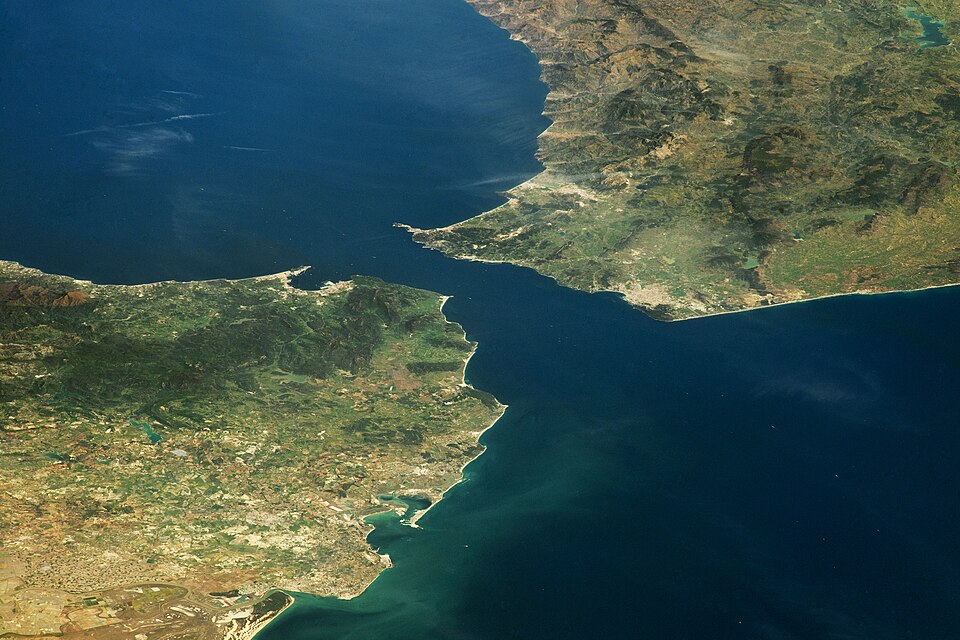
Look at a map of the Mediterranean Sea today, and you see a vast, deep body of water, ringed by the coastlines of Europe, Africa, and the Middle East, connected to the wider Atlantic Ocean by the narrow Strait of Gibraltar. It seems a permanent and unchanging feature of the globe, a sea that has always been there and always will be. But the Mediterranean has a secret, an almost unbelievable episode in its deep geological past that scientists have pieced together from evidence buried beneath its floor. Millions of years ago, this great sea very nearly ceased to exist.
For a period, the Mediterranean was cut off from the Atlantic Ocean, and under the hot sun, its waters evaporated away, leaving behind an enormous, deep basin that became a punishing salt desert, dotted with pockets of extremely salty brine and buried under thick layers of salt. This dramatic drying-out is known to geologists as the Messinian Salinity Crisis. And then, in an event no less astonishing, the sea came back: the Atlantic Ocean found its way back through the Strait of Gibraltar and refilled the entire Mediterranean basin, possibly in a catastrophic flood of almost incomprehensible scale, the largest known flood in the history of the Earth. Here is the remarkable story of the time the Mediterranean dried up and then refilled in a deluge.
A Sea Cut Off
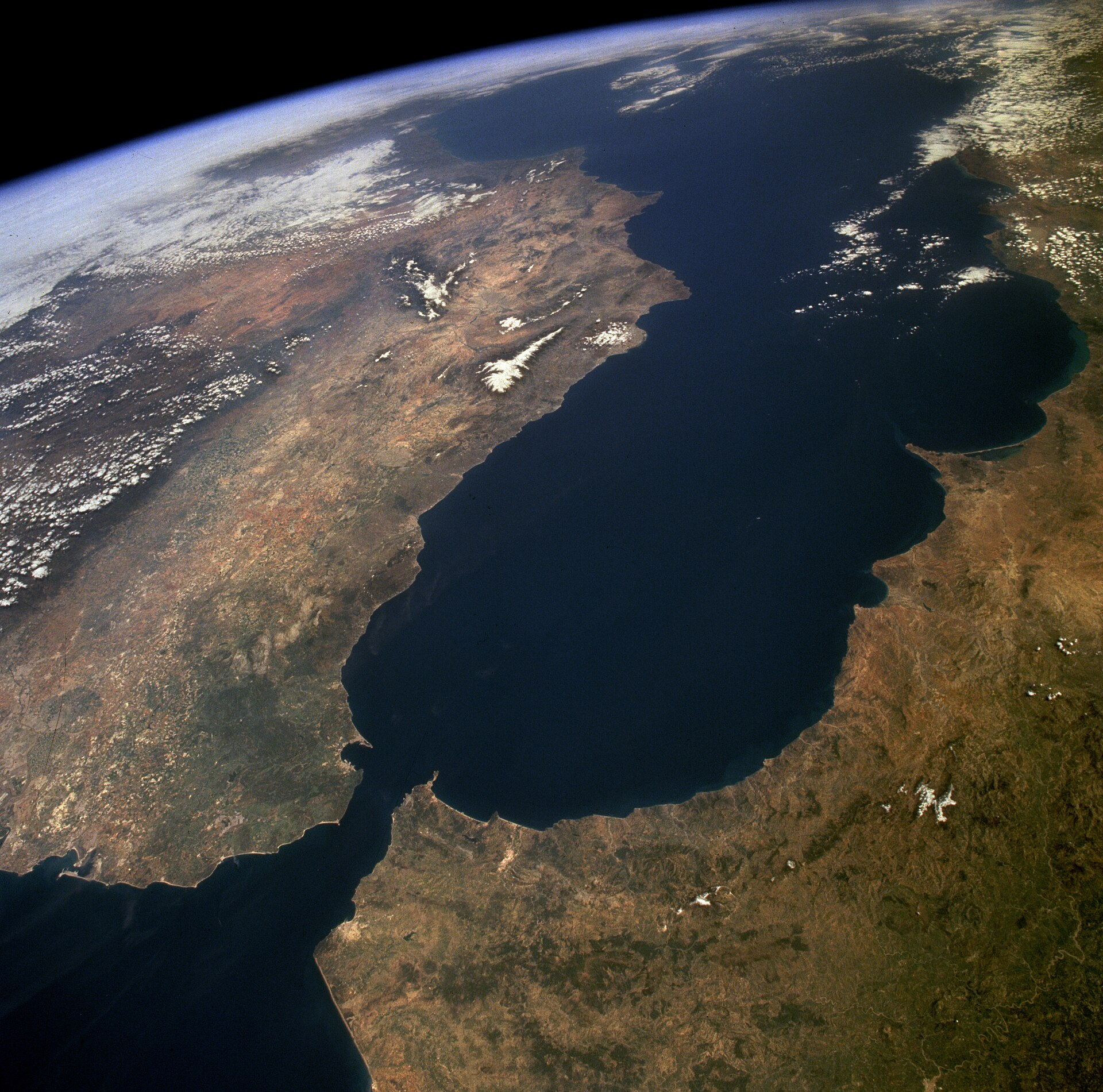
The story begins roughly six million years ago, in a geological period known as the Messinian. At that time, the connection between the Mediterranean Sea and the Atlantic Ocean became restricted and eventually cut off. The Mediterranean is essentially a large basin connected to the world’s oceans only through the narrow gateway at Gibraltar, and this makes it vulnerable: if that connection is closed, the sea is isolated. The slow, grinding movement of the Earth’s tectonic plates, as Africa and Europe pressed together over vast spans of time, is thought to have closed off the passage that linked the Mediterranean to the Atlantic.
Once the Mediterranean was sealed off from the replenishing waters of the Atlantic, its fate was sealed by simple arithmetic. In the hot, dry climate of the region, water evaporates from the sea’s surface faster than rivers and rainfall can replace it. As long as the Atlantic connection was open, the Mediterranean could stay full, topped up by the ocean. But cut off from that supply, and losing water to evaporation faster than it could be replenished, the sea began to shrink. Its level dropped, and dropped, and dropped, as the relentless sun evaporated the trapped water away. Over time, this process transformed the Mediterranean from a full sea into something drastically different, setting the stage for one of the most extraordinary environmental transformations in the planet’s history.
Like our content? Follow us for more.
The Great Drying
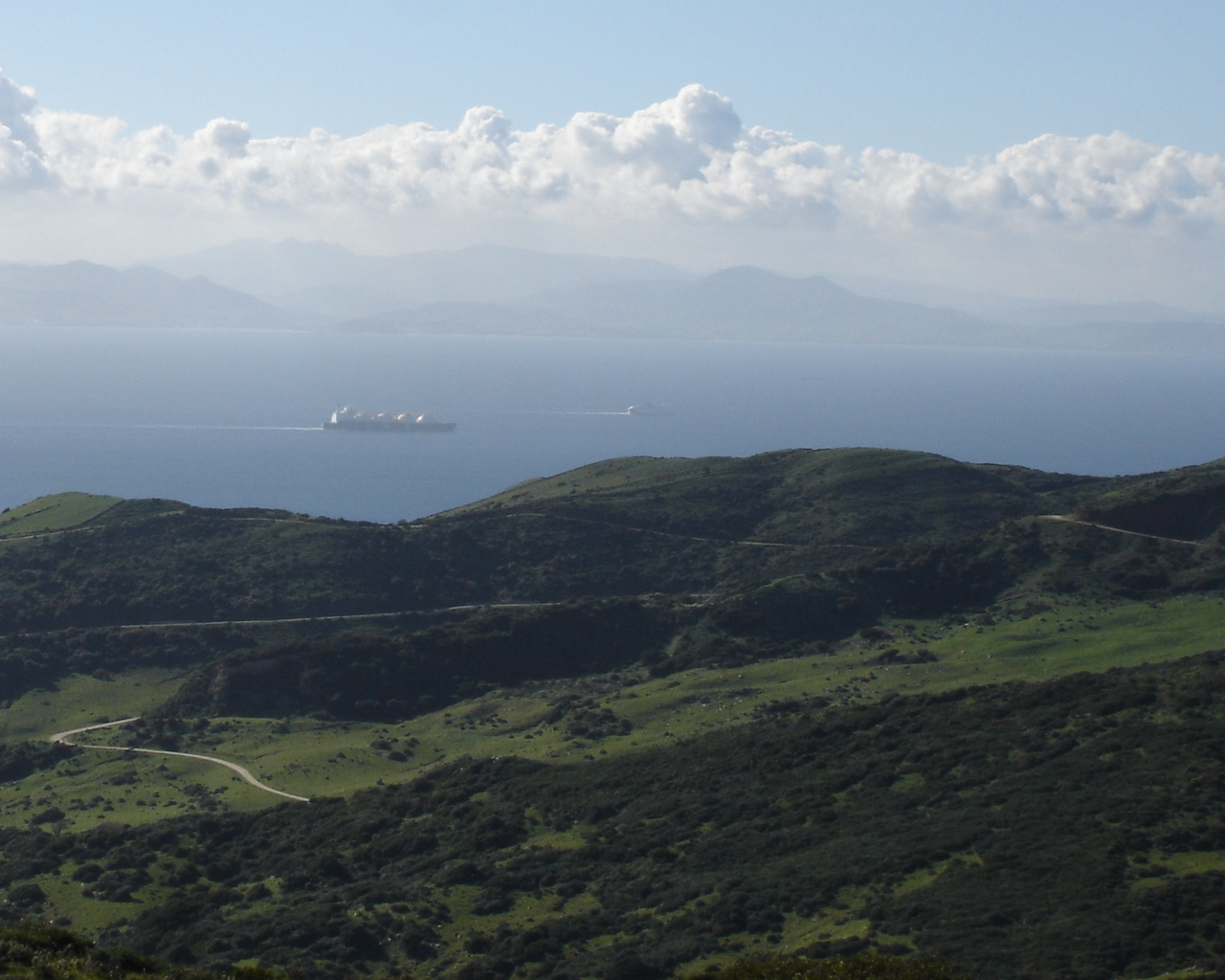
As the isolated Mediterranean evaporated, the consequences were dramatic. The water level fell enormously, and in the deepest reconstructions of the event, much of the sea may have become a vast, dry, and deep basin, its floor lying far below the level of the world’s oceans. Where there had been open water separating continents, there were now, in this picture, immense salt flats baking under a hot sky, with perhaps scattered lakes of concentrated, hypersaline brine in the lowest spots.
As the water evaporated, it left its dissolved salts behind. Seawater is salty, and when huge volumes of it evaporate, the salt has to go somewhere; it precipitated out and accumulated on the drying basin floor in enormous quantities. Over the course of the crisis, an extraordinary mass of salt and related minerals was deposited across the Mediterranean basin, forming thick layers, a “salt giant” of staggering proportions buried in the geological record. This salt is, in fact, one of the key pieces of evidence for the whole event; scientists discovered these vast salt deposits beneath the Mediterranean seafloor, and they were a major clue that something remarkable had happened. The drying also carved deep canyons into the exposed margins of the basin, as rivers cut down toward the lowered water level. For a period lasting hundreds of thousands of years, the Mediterranean was, in this dramatic view, not the sea we know but a strange, salt-encrusted, sunken desert world.
The Evidence Beneath the Sea
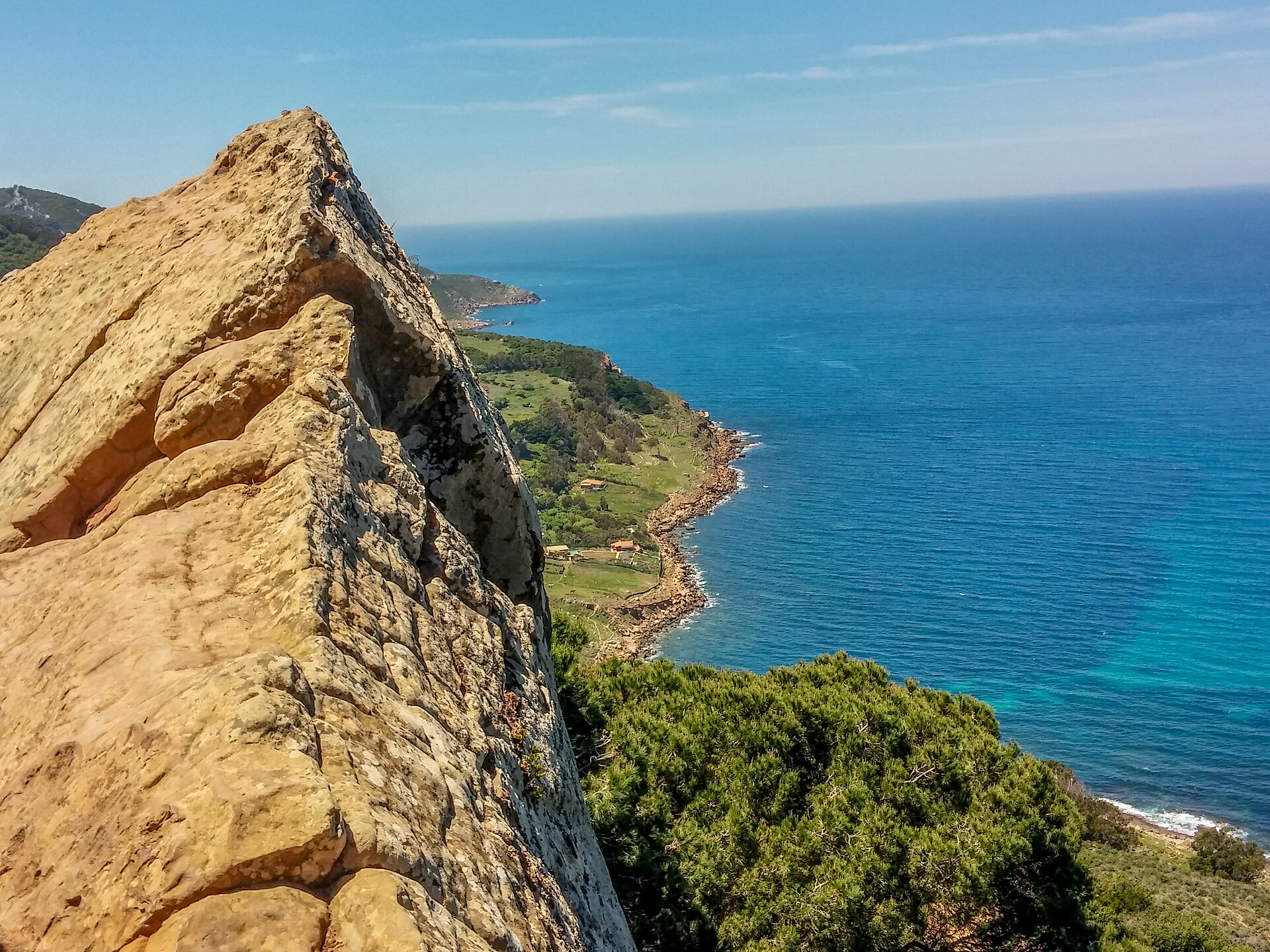
How do scientists know all this happened millions of years ago? The crucial evidence came from beneath the Mediterranean itself. In the mid-twentieth century, a deep-sea drilling expedition bored down into the sediments beneath the Mediterranean seafloor and pulled up cores of the material there. What they found astonished them: thick deposits of salt and other minerals of the kind that form when seawater evaporates, buried beneath the modern seabed.
These salt layers, along with other geological clues like the deep canyons carved into the basin’s margins and the nature of the sediments, told a story that could scarcely be believed at first: that the Mediterranean must have largely dried up, concentrating and depositing its salts, before being refilled. It was a startling conclusion, and it captured the public imagination when it emerged, even inspiring documentaries and commemorations of the dramatic idea. The discovery of the “salt giant” beneath the sea provided compelling physical evidence for the Messinian Salinity Crisis, transforming it from a wild hypothesis into a recognized event in the Earth’s history. It stands as a wonderful example of how scientists can reconstruct astonishing episodes from the deep past by reading the clues preserved in rock and sediment, uncovering a history that no human ever witnessed.
The Flood That Refilled a Sea
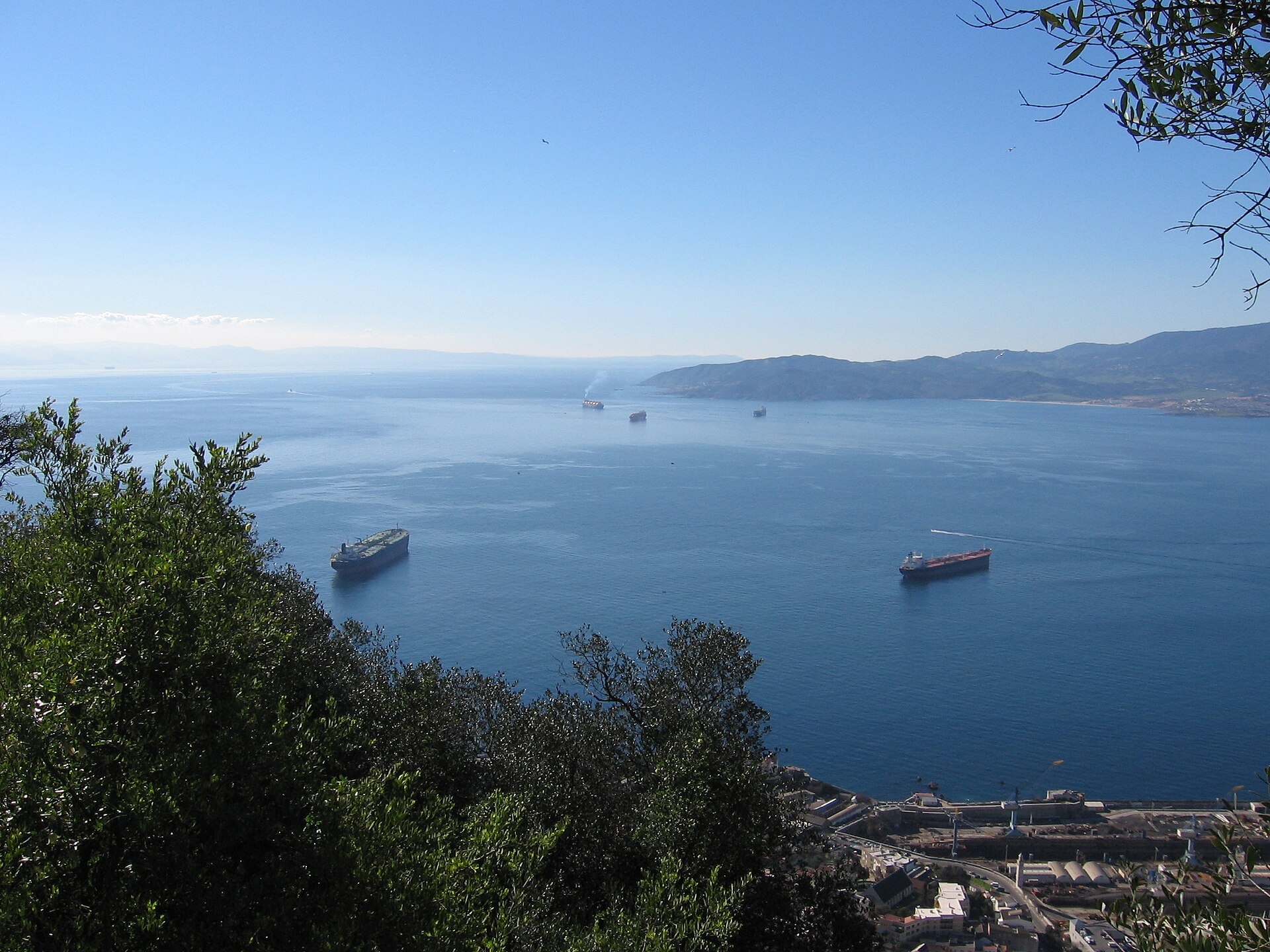
The end of the Messinian Salinity Crisis, around 5.3 million years ago, may have been even more spectacular than the drying that preceded it. At some point, the barrier at the Strait of Gibraltar that had sealed off the Mediterranean was breached, and the waters of the Atlantic Ocean found their way back into the desiccated basin. This event is known as the Zanclean flood, and according to the dramatic version of the story, it was a catastrophe of almost unimaginable scale.
As Atlantic water began to spill through the breach at Gibraltar and pour down into the deep, empty Mediterranean basin, it is thought to have carved an ever-deepening channel, and as the channel deepened, more water could rush through, which eroded it further still, in a self-amplifying process. What may have begun as a relatively modest overflow could have escalated into a colossal torrent, refilling the vast Mediterranean basin astonishingly quickly. In the most dramatic reconstructions, much of the sea may have refilled in a remarkably short time, possibly on the order of just a few months to a couple of years, with the water level inside the basin rising at an incredible rate at the flood’s peak. Such an event would rank as possibly the largest flood in the entire history of the Earth, a deluge that transferred an immense volume of water and transformed a salt desert back into a sea. The scale of it strains comprehension: an entire sea, refilled in a geological instant.
A Story Still Being Rewritten
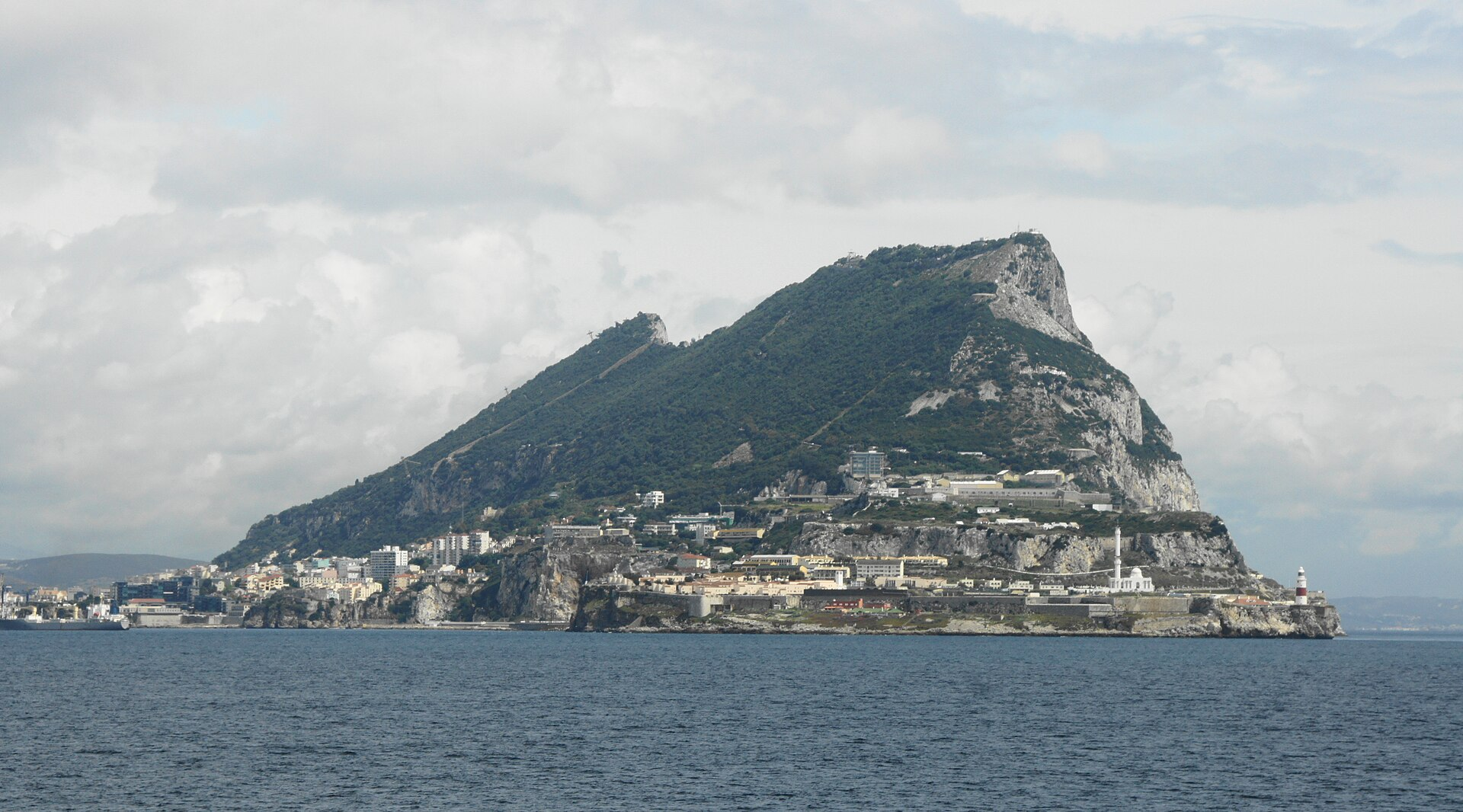
As spectacular as the classic account of the Messinian Salinity Crisis and the Zanclean flood is, it’s worth noting that scientists continue to study and debate the details, and some aspects of the traditional dramatic picture have been questioned by more recent research. Science is always refining its understanding, and the story of the Mediterranean’s drying and refilling is no exception.
Some researchers have argued for a more nuanced version of events: perhaps the Mediterranean did not dry out quite as completely as the most extreme reconstructions suggest, or perhaps the refilling was somewhat more gradual than a single catastrophic flood, or perhaps the connection to the Atlantic was never entirely severed. The exact details, how far the sea level fell, how completely it dried, how quickly it refilled, and how the process varied across the eastern and western parts of the basin, remain subjects of active scientific investigation and healthy debate. What is not in serious doubt is the core of the story: that the Mediterranean became severely restricted from the Atlantic, that it accumulated an extraordinary mass of salt as its waters evaporated, and that it was reconnected to the Atlantic around 5.3 million years ago. The underlying event is real and remarkable, even if the most dramatic flourishes are still being examined. And that ongoing refinement is part of what makes the story so compelling, a reminder that the deep history of our planet is still being read and rewritten from the evidence in the rocks.
When the Sea Vanished
The tale of the Messinian Salinity Crisis is one of the most astonishing chapters in the geological history of our world, a reminder that even the great seas and permanent-seeming features of our planet are, on the vast timescales of Earth’s history, subject to dramatic change. The idea that the Mediterranean, that iconic sea at the crossroads of continents and civilizations, was once a deep, dry, salt-crusted desert basin, only to be refilled by a titanic flood pouring through the Strait of Gibraltar, is the kind of thing that sounds like pure fantasy. And yet the evidence buried beneath the seafloor tells us it really happened, millions of years before any human was there to see it.
It puts our sense of the world in a humbling perspective. The landscapes and seascapes we take for granted as fixed and eternal are, in truth, just fleeting snapshots in an ever-changing planetary story that stretches back billions of years and includes transformations of breathtaking magnitude. The Mediterranean has been a sea, and a salt desert, and a sea again, and the geological forces that reshaped it so dramatically are still at work today, slowly and imperceptibly, on timescales far beyond a human life. The next time you gaze out over those blue Mediterranean waters, it’s worth remembering the astonishing secret they keep: that this sea once vanished almost entirely, and then came roaring back in one of the mightiest floods the Earth has ever seen.
Like our content? Follow us for more.