Most claims about remote places come with an asterisk. The remotest inhabited island still has a harbour and a supply ship. The remotest town has a road, or at least an airstrip. Somebody lives there, and somebody else visits.
Point Nemo has no asterisk, because nobody lives there and nobody can. It is a position in the open South Pacific, at roughly 48°52.6′ south, 123°23.6′ west, and it holds a specific title: the oceanic pole of inaccessibility, the single point in all the world’s oceans that is farthest from any land above the surface.
The nearest land in any direction is about 2,688 kilometres away, roughly 1,670 miles, and none of it is inhabited. Sitting between New Zealand’s Chatham Islands and southern Chile, it is about as far from human activity as it is possible to be while remaining on the planet’s surface. And that emptiness has made it useful in a way its discoverers never intended. Here is the story of the loneliest coordinates on Earth.
Calculating an Absence
Point Nemo was not discovered in the conventional sense. Nobody sailed there and planted a flag. It was calculated.
The work was done in 1992 by Hrvoje Lukatela, a Croatian-Canadian survey engineer, using geospatial software to solve a specific geometric problem: find the point on the ocean surface that maximizes the distance to the nearest land. The answer is defined by three equidistant landmasses, all of them small and none of them populated, lying roughly 1,670 miles away in different directions.
The name is a literary joke that happens to be precise. It refers to Captain Nemo, the reclusive submarine commander from Jules Verne’s Twenty Thousand Leagues Under the Sea. It works on a second level too, because “nemo” is Latin for “no one.”
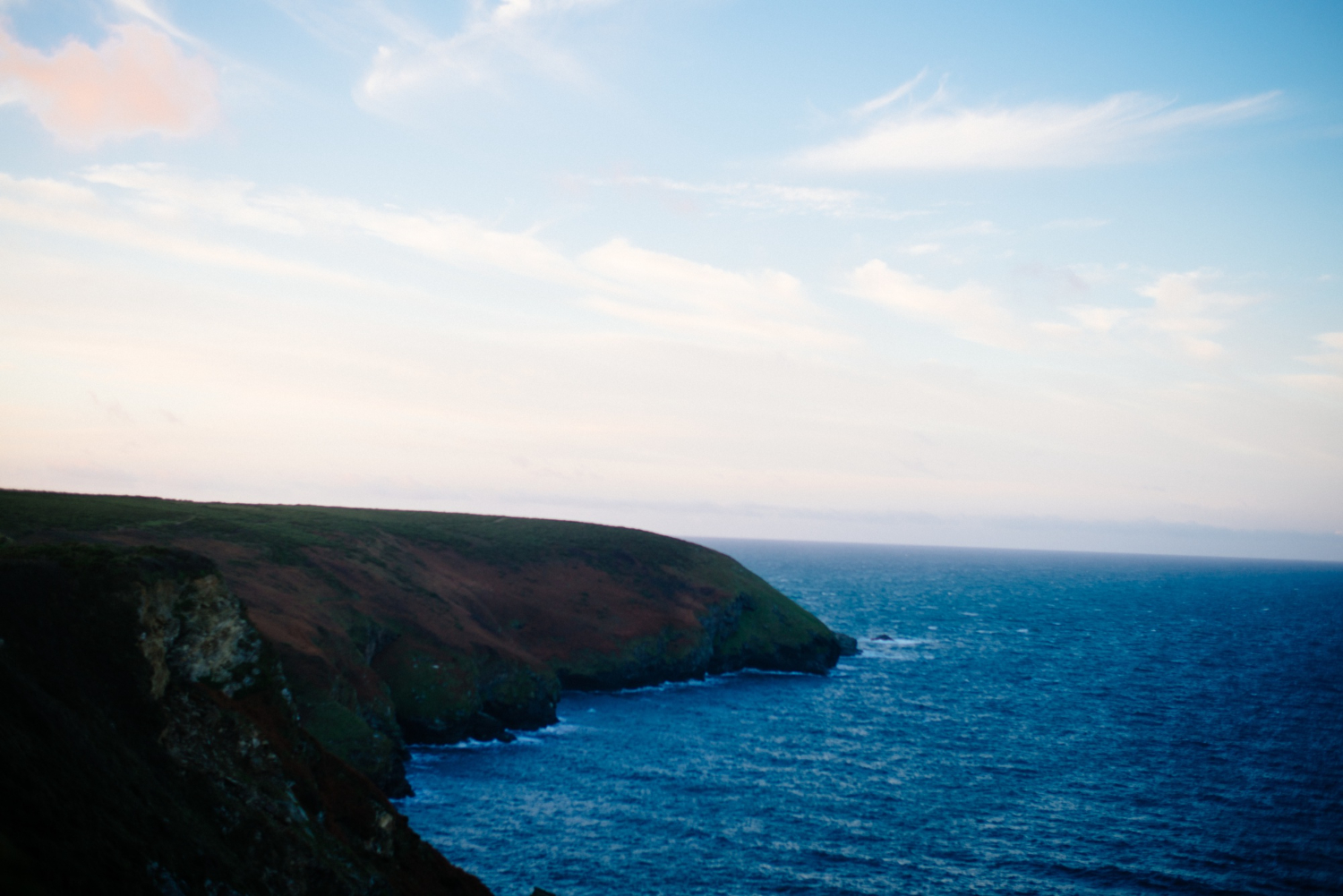
There is something appealing about a place that exists as a solution to an equation. Point Nemo has no landmark, no distinguishing feature at the surface, and nothing to see. It is ocean, the same as the ocean around it. Its entire significance is relational: it is the place defined by how far it is from everywhere else.
Like our content? Follow us for more.
The Wider Family of Inaccessible Points
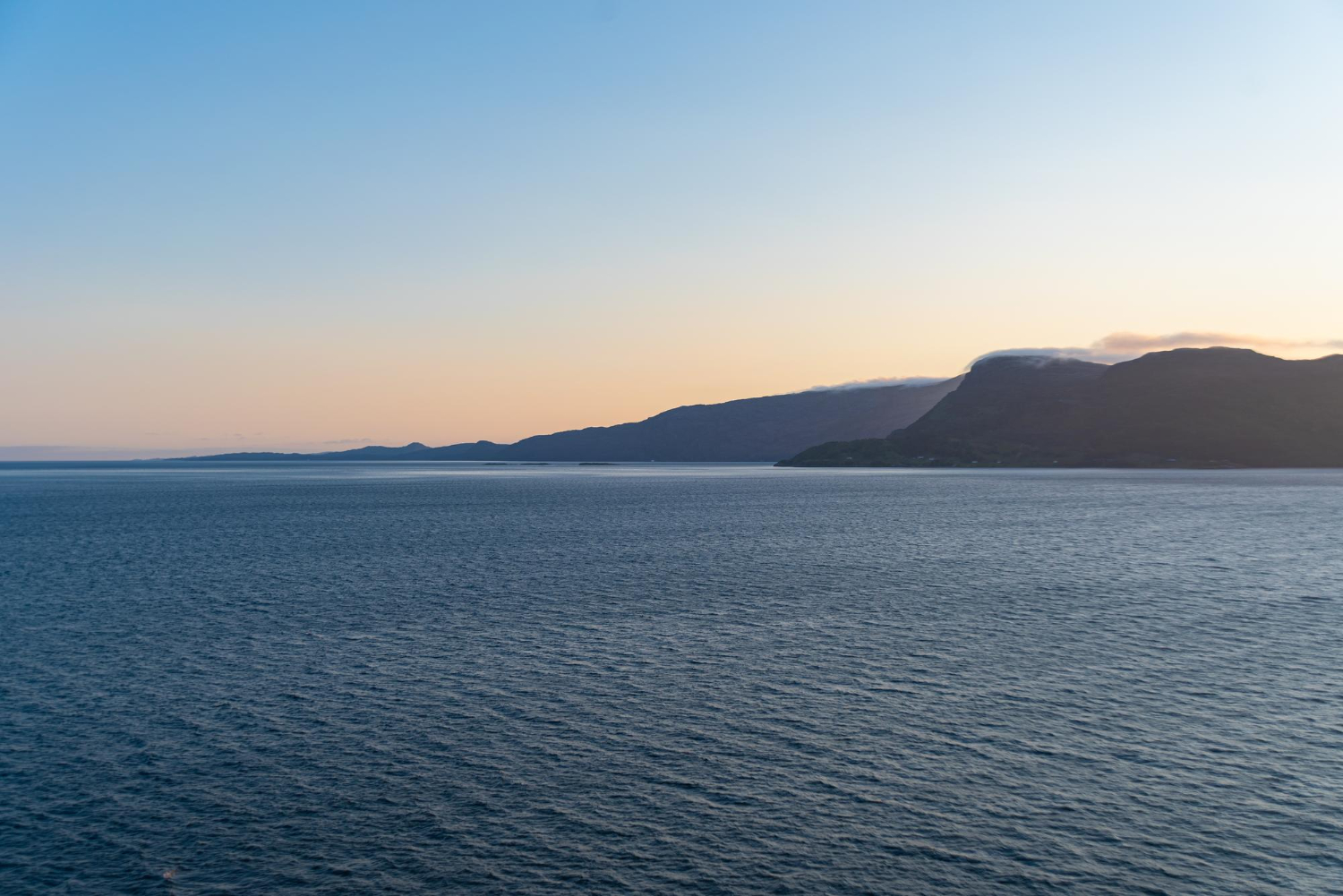
Point Nemo belongs to a category that geographers have been working out for over a century: poles of inaccessibility, meaning the point within any given region that is hardest to reach from its boundary.
Every continent has one. The continental pole of inaccessibility for Eurasia sits deep in central Asia, thousands of kilometres from any coast. Antarctica has a southern pole of inaccessibility, the point furthest from the Southern Ocean in any direction, which is a substantially harder objective than the geographic South Pole and has been reached by very few expeditions.
What distinguishes the oceanic version is that it cannot be occupied. A continental pole of inaccessibility is a place with ground, weather, and in some cases people living within reach of it. Point Nemo is open water in one of the emptiest stretches of the Southern Hemisphere, with no possibility of settlement, no reason for shipping to route through it, and nothing at the surface to distinguish it from the thousands of square kilometres surrounding it.
It is, in that sense, the purest example of the category: a location defined entirely by distance from everything else, which nobody has any practical reason to go to.
The Astronauts Overhead
The claim that gives Point Nemo its fame is that the nearest humans are often in space, and the arithmetic holds up.
The International Space Station orbits at roughly 400 kilometres, about 250 miles, above the surface. The nearest land to Point Nemo is more than six times farther away than that, and it has nobody on it. So when the Station’s orbit carries it over this stretch of the southern ocean, the crew aboard are indeed the closest people to that patch of water.
The Station’s orbit is inclined at about 51.6 degrees, which takes it over that part of the world regularly. The qualification, and it is a fair one, is the phrase “when it passes overhead.” The Station is not there continuously, and a passing ship would change the answer, since the region does see occasional maritime traffic, including a round-the-world sailing race that passes nearby. But for a place this empty, the nearest people being a few hundred kilometres straight up rather than thousands of kilometres sideways is often exactly the situation.
It is a disorienting fact. We think of space as the remote place and the ocean as the familiar one. At Point Nemo the relationship inverts.
Where Spacecraft Are Sent
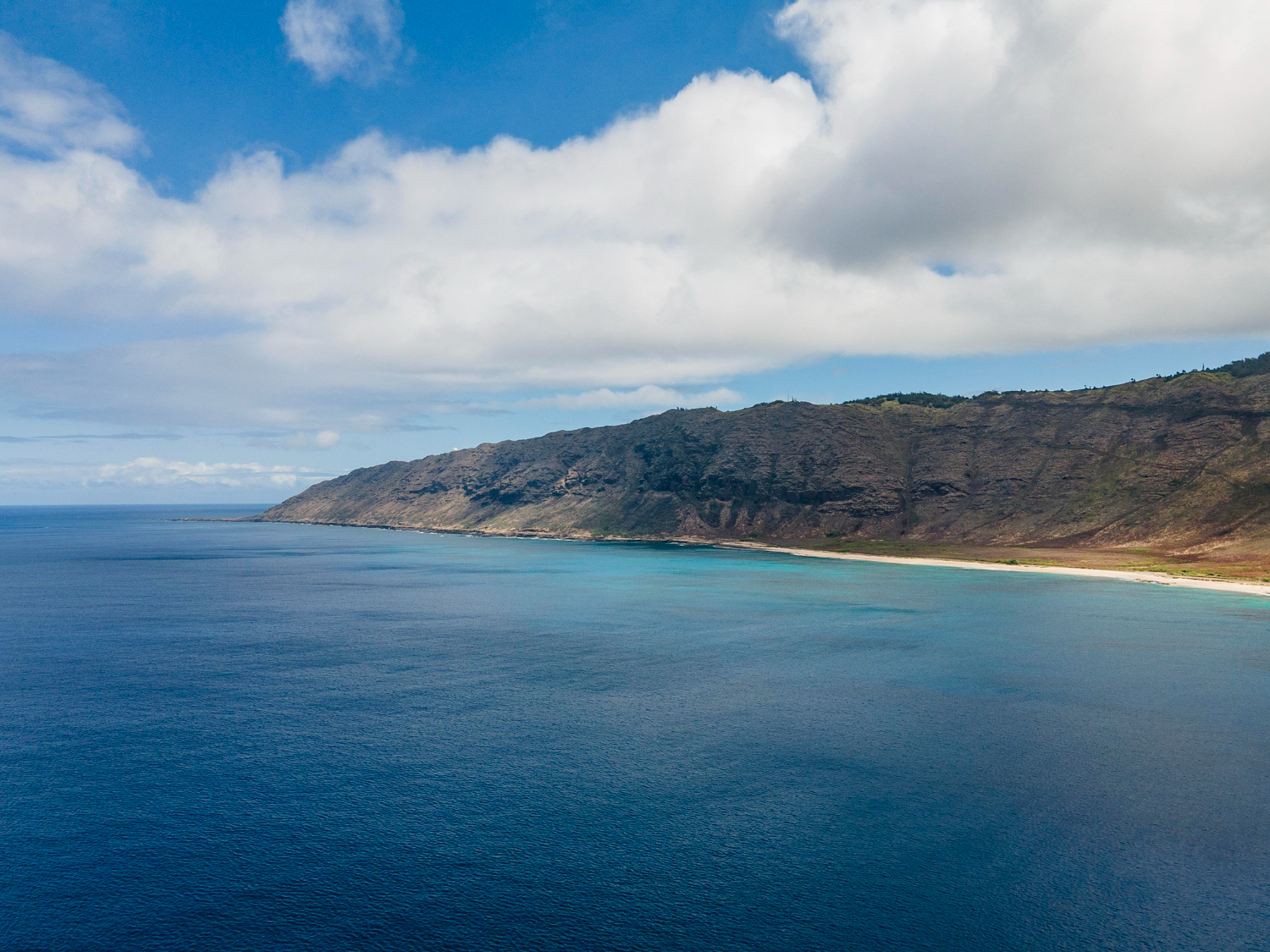
Point Nemo’s second identity follows directly from its emptiness. The surrounding region, known formally as the South Pacific Ocean Uninhabited Area and colloquially as the spacecraft cemetery, is where large spacecraft are deliberately brought down at the end of their working lives.
The reasoning is a process of elimination. A large spacecraft at the end of its service cannot be left in orbit, where it would become a serious hazard as space debris. It cannot be allowed to re-enter uncontrolled, because substantial pieces of a big structure survive re-entry and could come down anywhere, including over populated areas. So the remaining option is a controlled descent, timed and aimed so that whatever survives the atmosphere lands in the emptiest water available.
That is what happens here. Since 1971, the United States, Russia and the former Soviet Union, Japan, and several European states have deorbited on the order of 250 to 300 spacecraft into this region. The list includes the Mir space station, several Salyut stations, and a long series of cargo vehicles that resupplied the International Space Station: Russian Progress craft, Japan’s H-II Transfer Vehicle, and the European Automated Transfer Vehicle. The International Space Station itself is planned to end its service life in this area.
There is a certain neatness to it. The place whose nearest human neighbours are in orbit is also the place where things come down from orbit.
An Ocean Desert
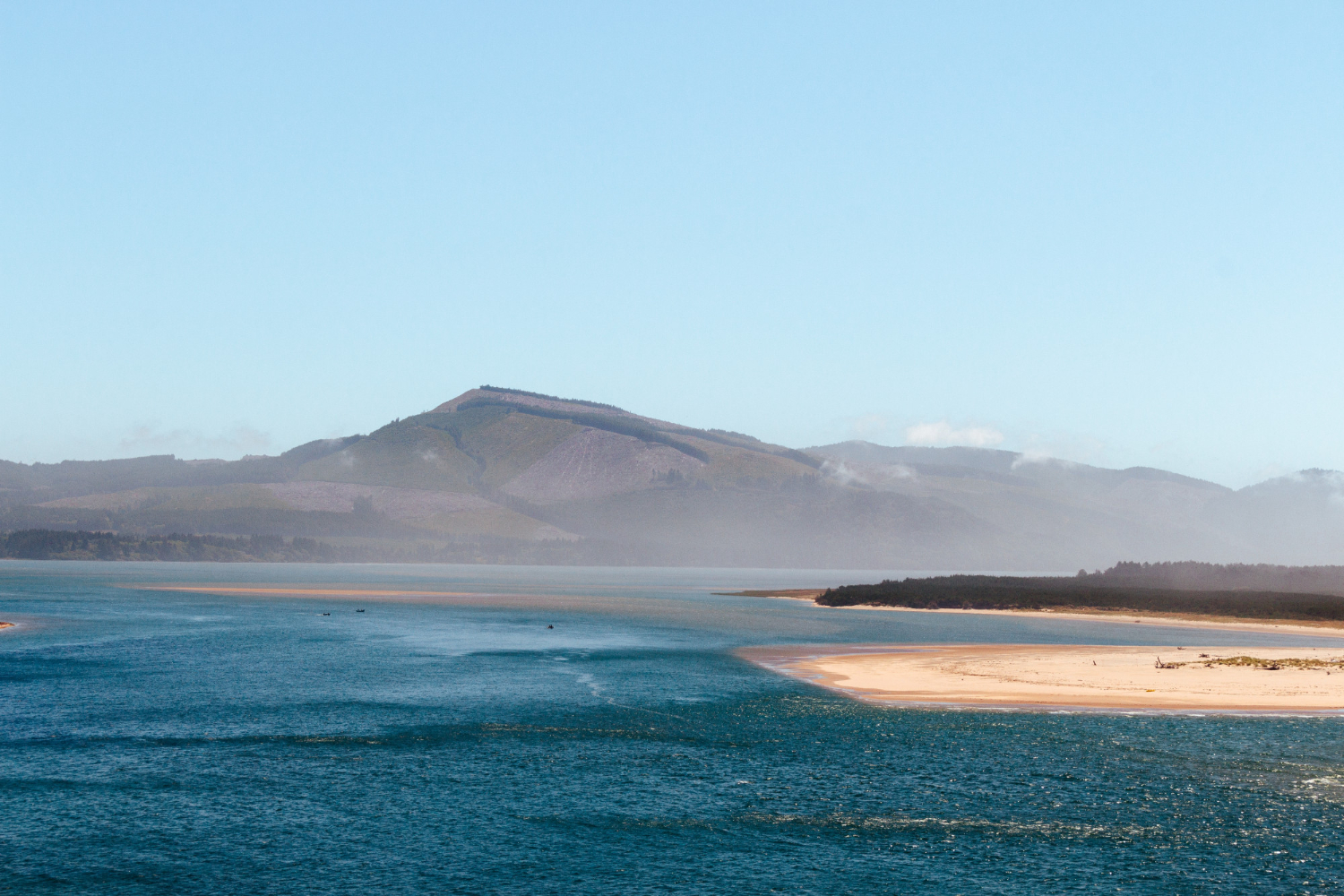
Point Nemo is also biologically unusual, and for reasons connected to its remoteness.
It sits within the South Pacific Gyre, an enormous rotating current system. Gyres tend to isolate their centres from the nutrient-rich water found nearer coastlines and upwelling zones, and the result is water that is exceptionally clear, exceptionally blue, and exceptionally short of the nutrients that support marine life. The area is among the least biologically productive parts of the world ocean, sometimes described as an oceanic desert.
That combination, far from land, far from nutrients, far from shipping lanes, is precisely what makes the region suitable for its spacecraft role: there is very little there to disturb.
The Detail That Undercuts the Whole Idea
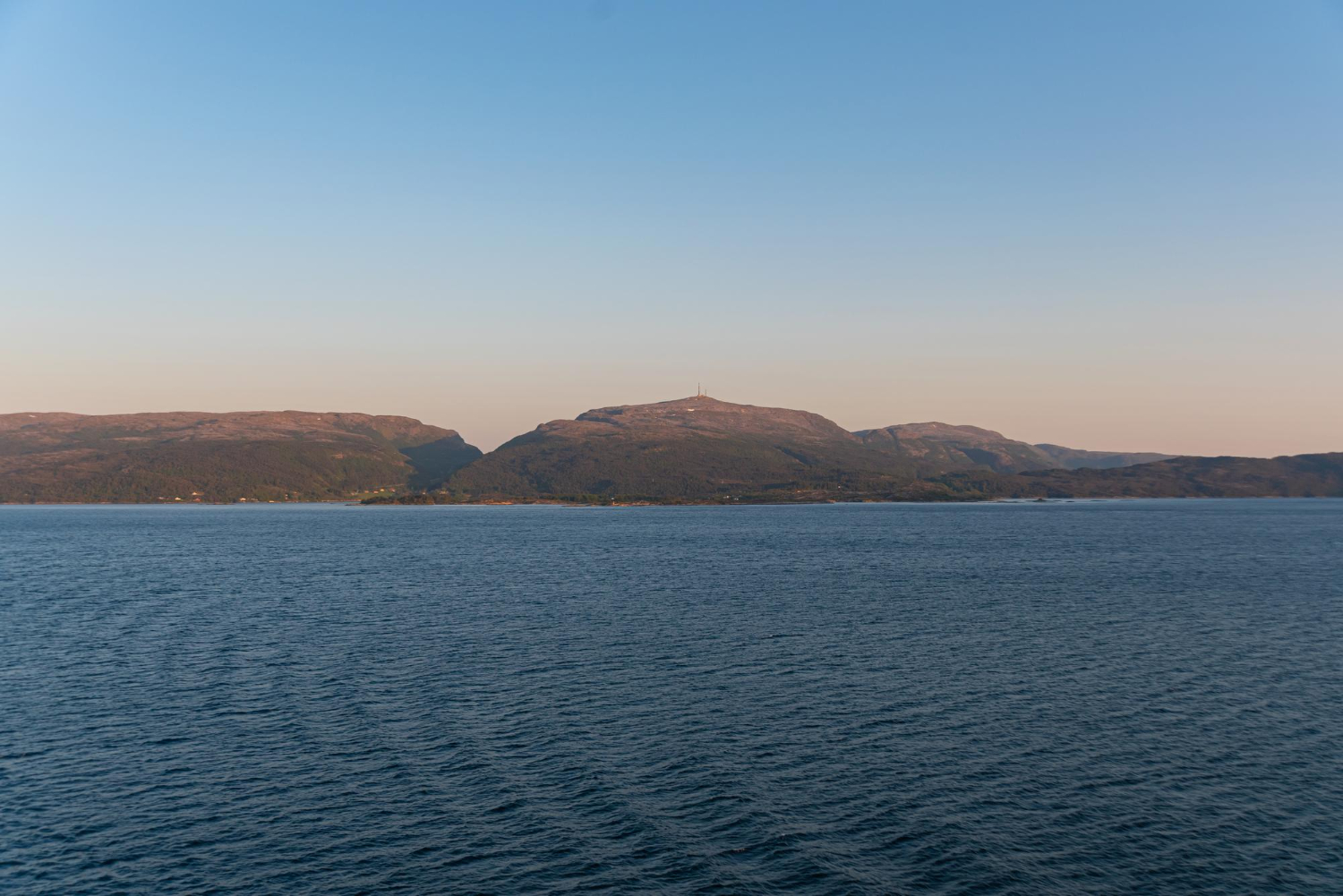
For all that, Point Nemo is not untouched, and the evidence is specific.
During the 2017-18 edition of a round-the-world sailing race whose course passes near the point, crews collected water samples from the surrounding waters and sent them for analysis. Scientists found up to 26 microplastic particles per cubic metre.
It is worth sitting with that number. This is the single most isolated patch of water on the planet, nearly 1,700 miles from land in every direction, in the middle of a gyre that isolates it from coastal water, in a region with minimal shipping. And it contains measurable plastic.
The finding is not presented here as an argument for anything in particular; it is simply what the samples showed, and it is a fact about how thoroughly manufactured material has distributed itself through the ocean system. The most remote place in the world is still connected to everywhere else, because water moves.
Why an Empty Point Is Worth Knowing About
There is no travel recommendation at the end of this. You cannot visit Point Nemo in any practical sense; there is nothing to see, no way to know you have arrived without instruments, and the nearest port is a very long way away. It is one of the few places on Earth that is structurally off the itinerary.
What makes it worth knowing about is what it reveals about scale. We tend to think of the world as fully mapped and fully occupied, and in a sense it is, but the ocean covers most of it and the ocean is mostly empty. Point Nemo is the mathematical proof of that emptiness: a spot so far from everything that the closest people are usually not on the planet’s surface at all.
It is a strange piece of geography, defined by absence, named after a fictional recluse, used as a landing zone for retired spacecraft, biologically impoverished by the currents that surround it, and carrying microplastics anyway. There is no landmark there and never will be. It is simply the farthest you can get from everyone, and somebody worked out exactly where it is.
Like our content? Follow us for more.