Most experiments are designed to produce a result within the working life of the person running them. This one was not, though its creator does not appear to have realized that at the time.
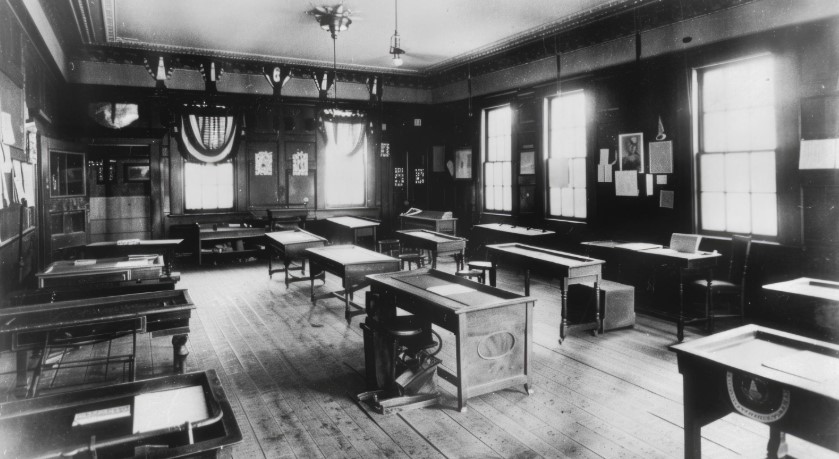
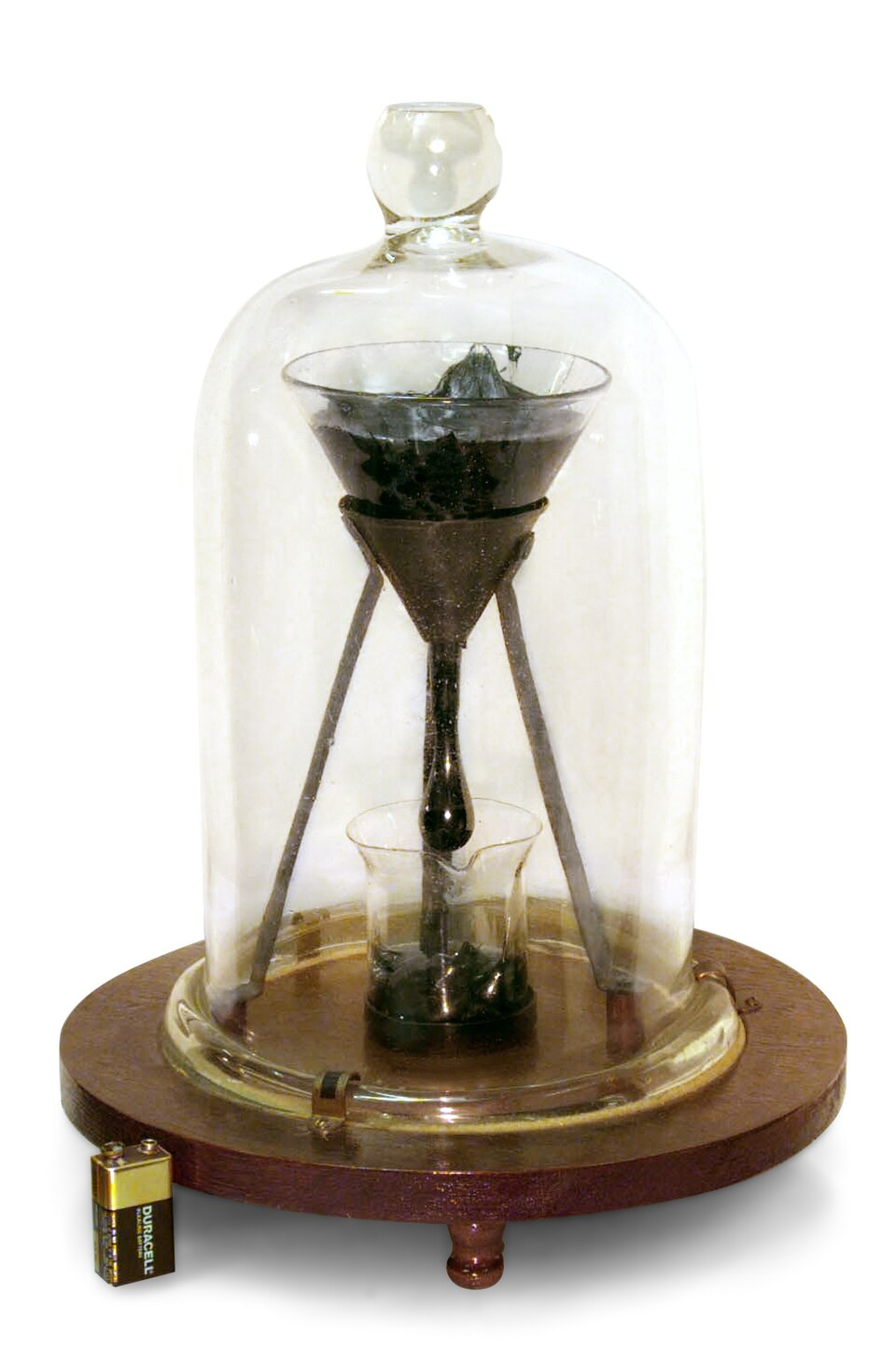
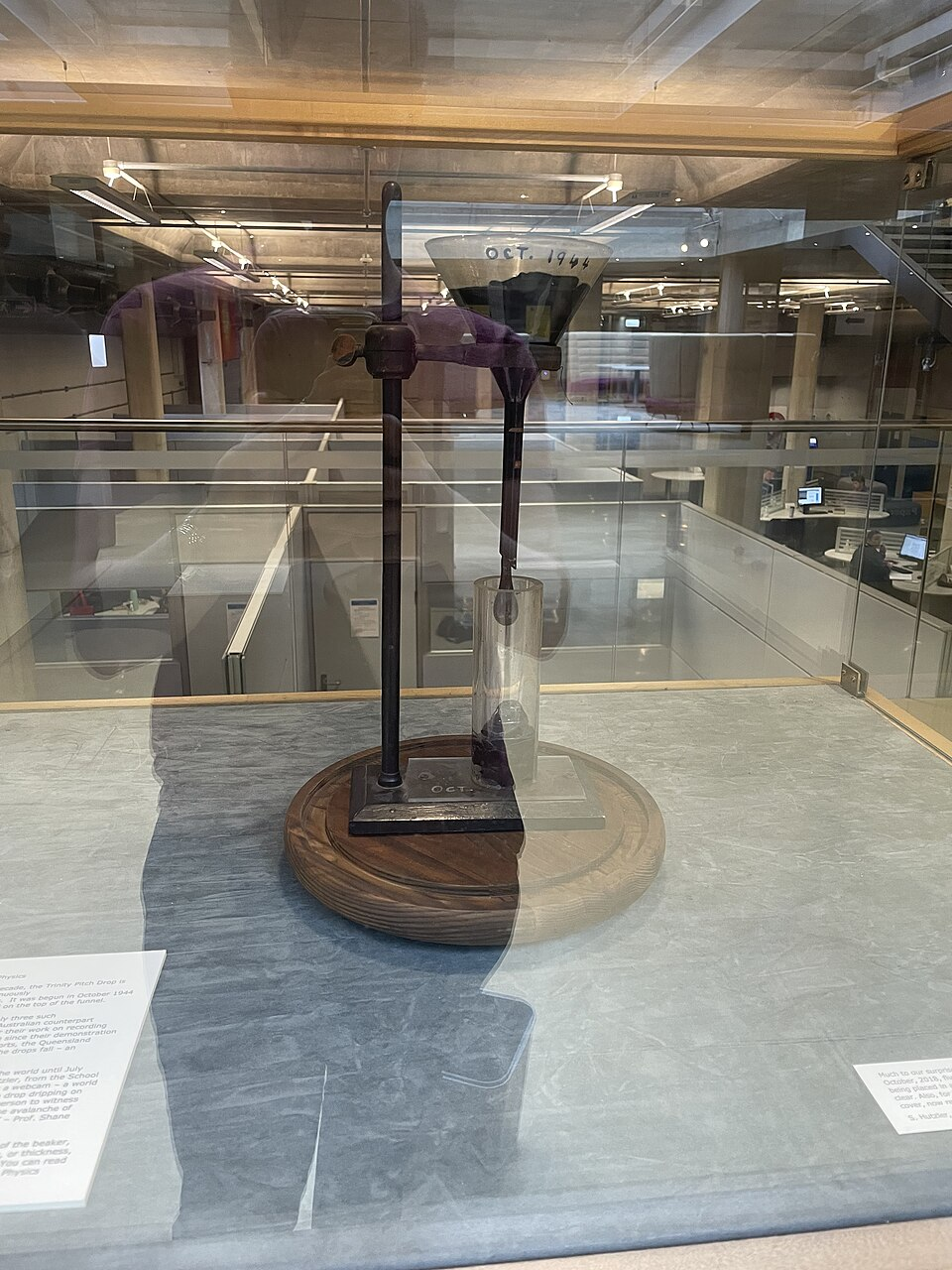
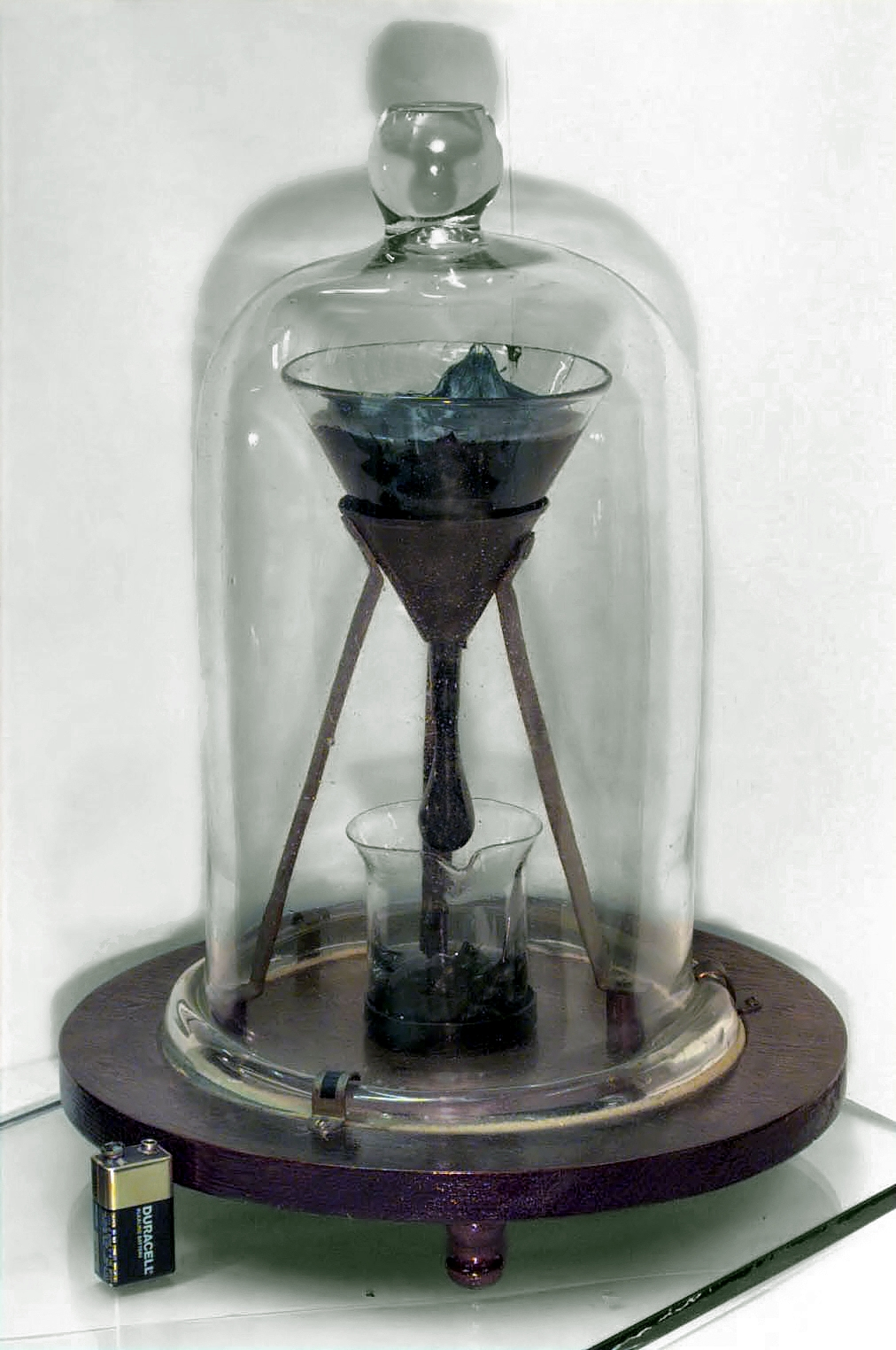
In 1927, Thomas Parnell, the first professor of physics at the University of Queensland in Brisbane, wanted to demonstrate something to his students about the nature of matter. He took a quantity of pitch — a tar derivative, the same material once used to waterproof wooden ships — heated it until it softened, and poured it into a glass funnel with a sealed stem.
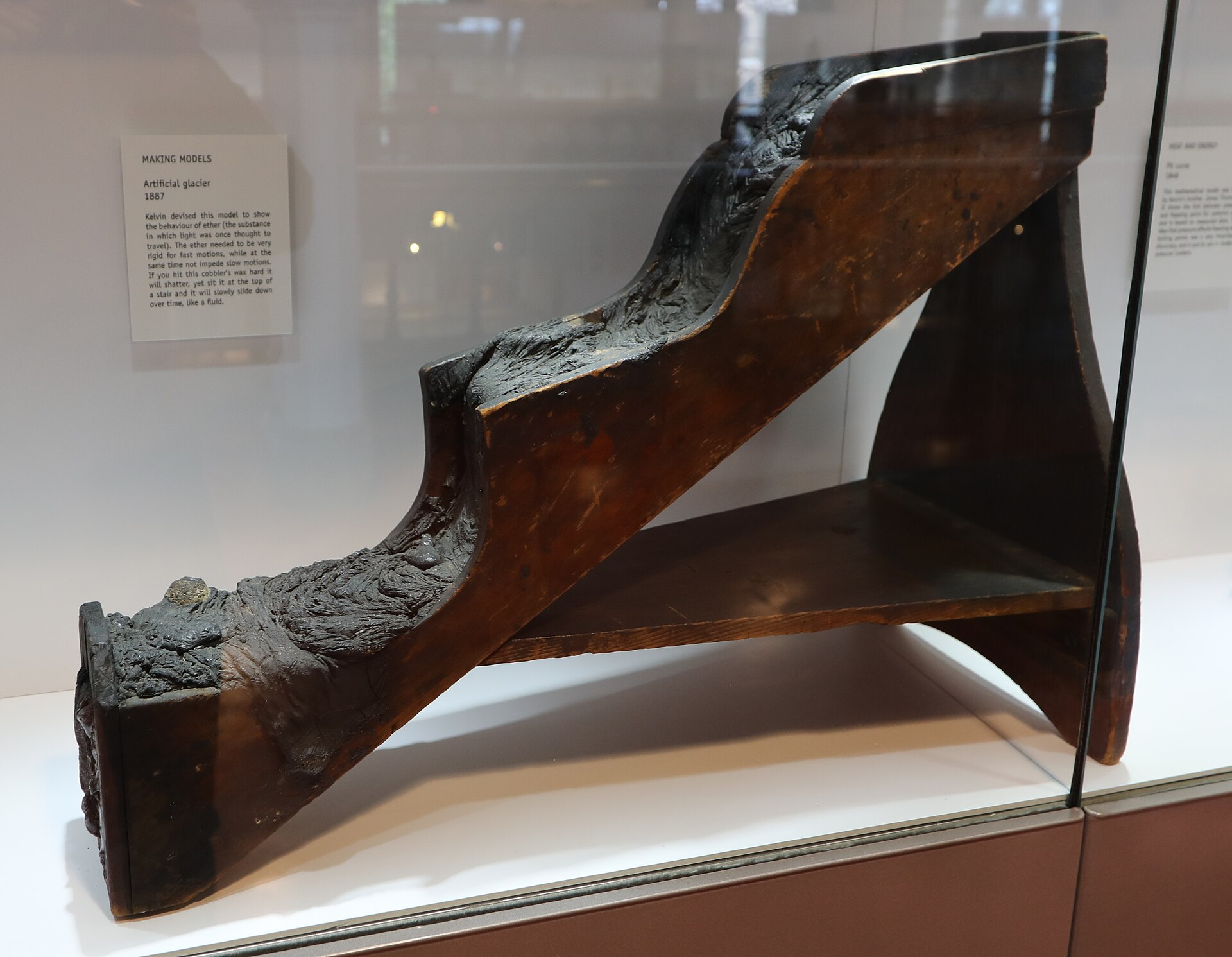
His point was that pitch is not what it appears to be. At room temperature it looks and behaves like a solid. It is hard, it feels brittle, and you can shatter it with a hammer. Parnell wanted to show that despite all of that, it is a fluid, just an extraordinarily slow one.
He let it settle for three years. In October 1930 he cut the bottom of the funnel and let gravity take over. Ninety-odd years later it is still going, it holds a world record, and it has developed a devoted following. Here is the story of the slowest experiment in science.
How Slow Is Slow
The number that makes sense of everything else is viscosity, the measure of how much a fluid resists flowing. Water is low; honey is substantially higher; pitch is on a different scale entirely.
The University of Queensland describes pitch as the thickest known fluid, and the experiment has been used to establish that it is on the order of 100 billion times more viscous than water, with some calculations putting the figure closer to 230 billion times. Either way, the practical consequence is the same: it flows, but at a rate that is invisible to human observation.
The first drop took eight years to fall. The next several took roughly seven to nine years each. Nine drops have fallen in total, the most recent in April 2014, and a tenth is currently forming.
That works out to an average of roughly one drop per decade. The apparatus is not sitting in a climate-controlled chamber; it lives in a display cabinet, which means seasonal temperature changes affect the flow rate. When air conditioning was installed in the building, the intervals lengthened noticeably, from eight or nine years out to twelve or thirteen. The eighth drop took over twelve years, and nobody was entirely certain why, though the reduced weight of the diminishing pitch above may play a part.
Like our content? Follow us for more.
Nine Drops, Zero Witnesses
The detail that turned a teaching demonstration into a minor global obsession is that in nearly a century, no human being has ever watched a drop fall.
This is not because nobody tried. It is because the event is both extremely rare and extremely brief: the pitch stretches for years, narrows at the neck over months, and then the actual separation happens in an instant that nobody has managed to be present for.
Parnell himself saw two drops fall in the sense that he saw the result, but never witnessed either in motion. He died in 1948, and the apparatus was briefly forgotten, sitting in storage until it was rediscovered.
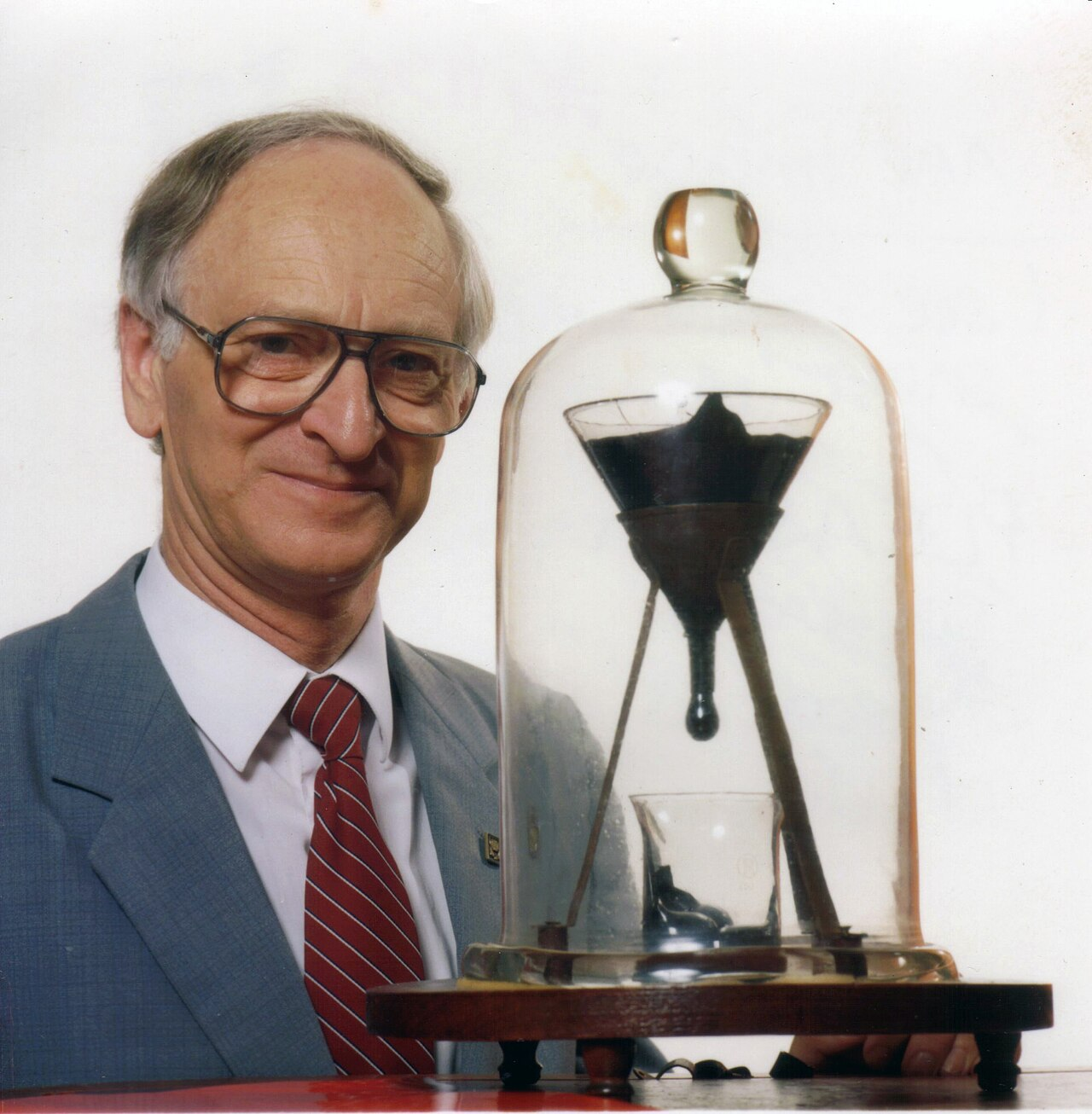
Its rescuer was John Mainstone, a physicist who took over as custodian in 1961 and looked after it for 52 years, moving it into public view and turning it into one of the best-known objects in any laboratory anywhere. His run of misses is close to comic in its consistency. He missed a drop by a day in 1977. He missed the 1988 drop by about five minutes, having stepped away for a cup of tea. And in 2000, a webcam had been set up specifically to capture the event — and suffered a power interruption of roughly twenty minutes during precisely the window in which the drop detached.
Mainstone spent more than half a century watching the funnel and never saw it happen. He died in 2013, months before the ninth drop fell.
The Drop That Was Finally Recorded
There is a partial resolution to this, and it comes with an asterisk.
The ninth drop separated in April 2014, and it happened during an operation to replace the beaker beneath the funnel, which had filled with the accumulated pitch of previous decades. The moment was captured on camera.
It counts as the first time a falling drop from the experiment has been recorded, but it is not quite the clean result the watchers had hoped for, since it occurred during a maintenance intervention rather than as an undisturbed event, and no human eye was on it in real time.
There is a related footnote worth including for accuracy. A separate, similar pitch drop experiment at Trinity College Dublin, set up decades earlier and left largely unattended, produced a drop in July 2013 that was captured on video, meaning the Irish apparatus recorded a falling drop before the Australian one did. The Queensland experiment remains the record holder for duration and is by far the more famous.
A live webcam now watches the Queensland funnel continuously, which means that when the tenth drop eventually goes, someone somewhere will almost certainly see it happen. It has been forming for over a decade.
Why Anyone Cares About a Dripping Funnel
It would be easy to file this as a novelty, and there is undeniably an element of that: the experiment won an Ig Nobel Prize in 2005, an award given for work that first makes people laugh and then makes them think, and Mainstone attended the ceremony to accept it.
But the underlying physics is a serious point, and it is one that a great many people get wrong.
The experiment demonstrates that the boundary between solid and liquid is far less clean than everyday intuition suggests. Pitch passes every casual test for solidity — it holds its shape, resists pressure, and fractures when struck — and yet it flows. What separates it from water is not category but rate.
That has practical relevance beyond the lecture theatre. Materials that behave as solids on short timescales and fluids on long ones appear throughout engineering and earth science. Glaciers flow. Rock in the Earth’s mantle flows over geological time, which is what drives plate tectonics. Understanding that flow is a matter of timescale rather than of kind is truly important, and the pitch drop makes the point more memorably than any equation.
There is an instructive contrast here with a related claim about glass, which is often said to flow slowly enough to make old windows thicker at the bottom. That one is false: glass at room temperature is effectively static on any timescale that matters. Pitch is the real version of the phenomenon glass gets wrongly credited with, which is part of what makes the experiment worth knowing about.
The Other Slow Experiments
The pitch drop is the most famous long-duration experiment, but it is not alone, and the comparisons are instructive about what “longest-running” actually means.
Deciding which experiment holds the record turns out not to be straightforward, because they differ so much in purpose and design that they are hard to compare directly. Some agricultural trials have been running continuously on the same plots since the nineteenth century, monitoring how soil and crops respond to different treatments across many decades. Certain seed-viability studies were deliberately designed to be checked at long intervals stretching far beyond the lifetimes of the people who buried them, and are still being sampled to schedule.
What distinguishes the pitch drop is the combination of extreme duration with a single, simple, visible output. An agricultural trial produces data every season. The pitch drop produces one event per decade, and the event lasts an instant.
That is why it captured public imagination in a way the others have not. It is a piece of physics you can look at, running on a timescale you can feel, in an apparatus simple enough that anyone can understand exactly what they are seeing.
An Experiment That Outlives Everyone
The pitch drop has a quality that very few scientific instruments possess: it requires custodians rather than operators, and it will outlast all of them.
Parnell set it up and died with two drops to his name. Mainstone tended it for 52 years and saw none in motion. A third custodian took over, and there will be others, because the apparatus is expected to keep dripping for a very long time. Estimates suggest there is enough pitch remaining in the funnel to continue for many decades yet, possibly a century or more.
That is an unusual thing to build, mostly by accident. Parnell intended a classroom demonstration and produced an object that requires an unbroken chain of people willing to look after something whose entire output is one event per decade, none of which they are likely to witness.
There is something steadily appealing in that. Science is usually described in terms of results, breakthroughs, and publications. This is an experiment whose main product is patience, whose most famous property is that nobody has seen it work, and which has been running since before most of the technology used to watch it existed.
It is still dripping right now, in a cabinet in Brisbane, at a rate of about a millionth of a millimeter per second. The tenth drop is hanging there, getting slowly longer, waiting for a moment that could come next year or in five years’ time, watched continuously by a camera and by whoever happens to be looking at the feed.
Somebody, eventually, is going to see it fall. After nearly a century, that will be the news.
Like our content? Follow us for more.