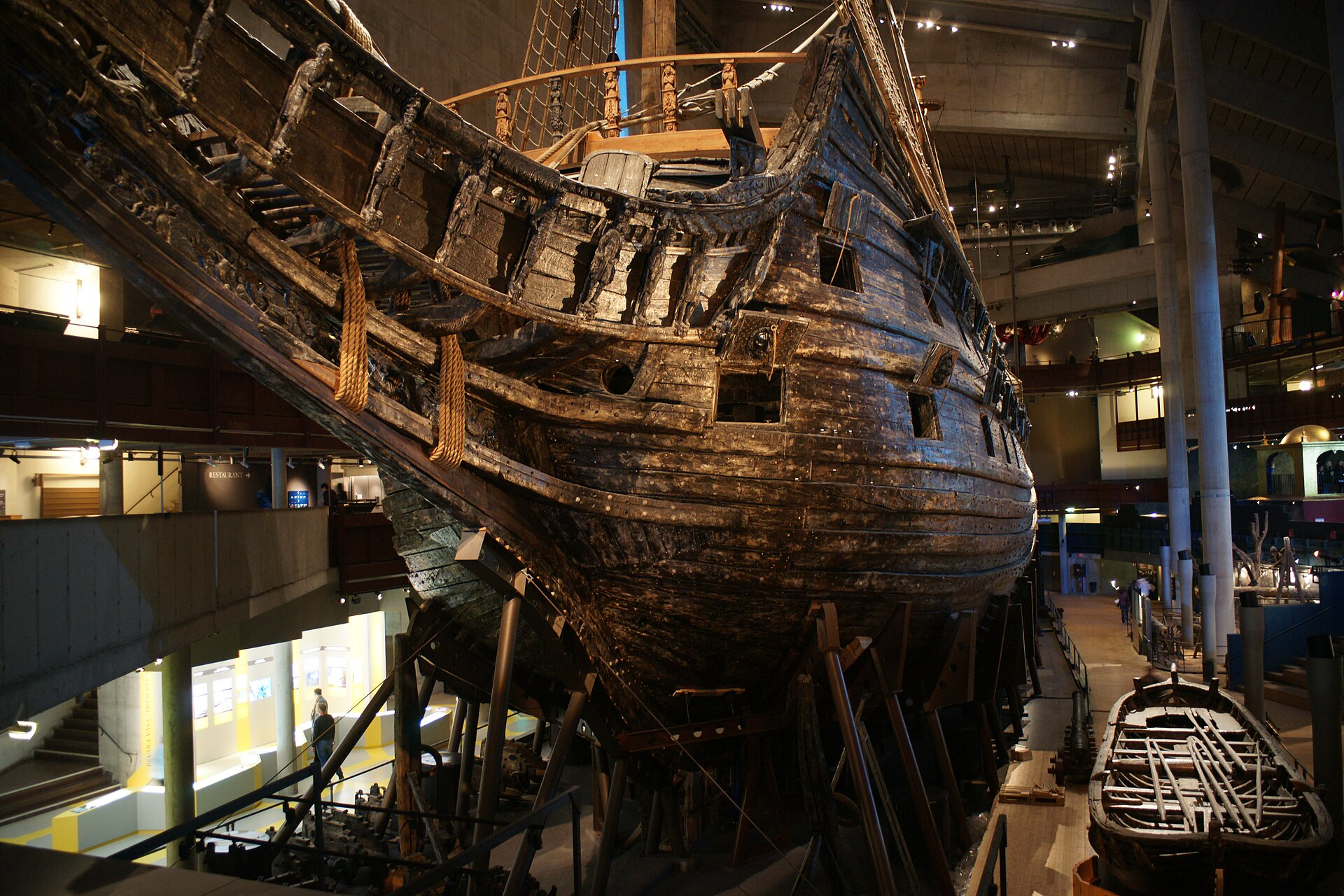
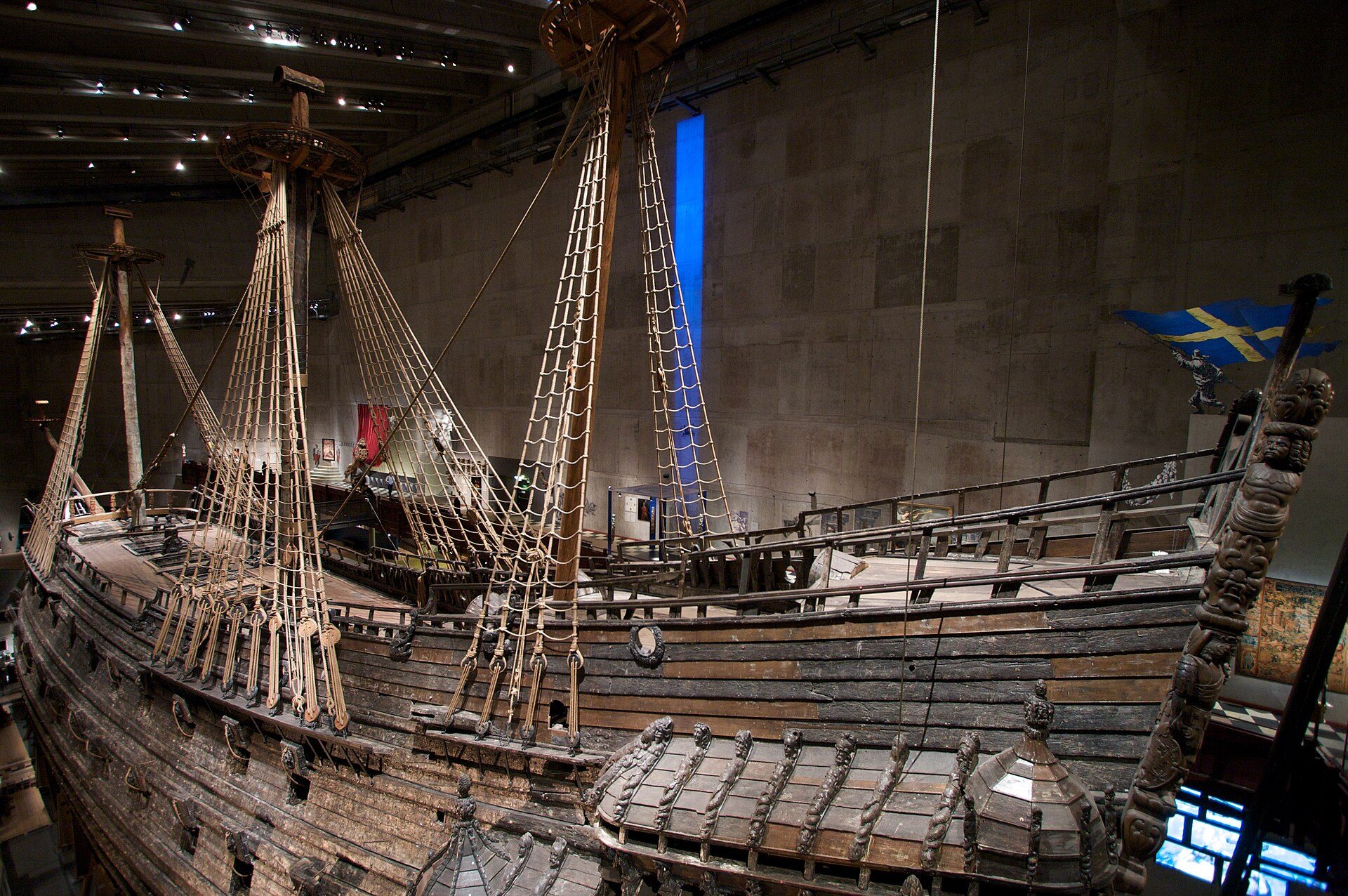
There is a museum on the island of Djurgården in Stockholm that was built around a single object, because the object was too large to get in through any door. Inside it stands a seventeenth-century warship: masts, hull, decks, hundreds of carved wooden sculptures, largely the same timber that Swedish shipwrights cut and fitted in the 1620s.
Almost nothing else like it exists. Wooden ships do not survive four centuries underwater; they are eaten. That the Vasa is standing in a building in Stockholm rather than existing as a scatter of fragments on a seabed is the result of an unusual sequence of events, most of which began with a spectacular failure.
The ship was commissioned by King Gustav II Adolf during the Thirty Years’ War, built between 1626 and 1628, and armed with 64 bronze cannon across two gun decks. It was intended as a statement of Swedish naval power. It sank on its first voyage, less than a nautical mile from where it launched. Here is what went wrong, and why the failure turned into one of the great archaeological windfalls of the twentieth century.
Twenty Minutes
The events of 10 August 1628 are well documented, partly because so many people watched them happen.
The Vasa set out in the afternoon on its maiden voyage, with crowds lining the harbour to see the navy’s most ambitious ship depart. It had fired a salute, which meant the lower gun ports were open.
After roughly 1,300 metres, a gust of wind caught the sails and the ship heeled. It righted itself. A second gust caught it, and this time it heeled far enough that water began pouring through the open lower gun ports. Once water entered the hull the outcome was settled. The ship went down within about twenty minutes, in around 32 metres of water, close enough to shore that the masts remained visible above the surface.
Of roughly 150 people aboard, about 30 did not survive. It was a disaster witnessed by a horrified public, and it happened nowhere near an enemy.
An inquiry followed, as inquiries do. It did not identify a culprit — awkwardly, the design had been approved at the highest level, and the shipwright responsible had died before completion.
Like our content? Follow us for more.
Why It Went Over
The engineering explanation is straightforward, and it has made the Vasa a permanent fixture in engineering education.
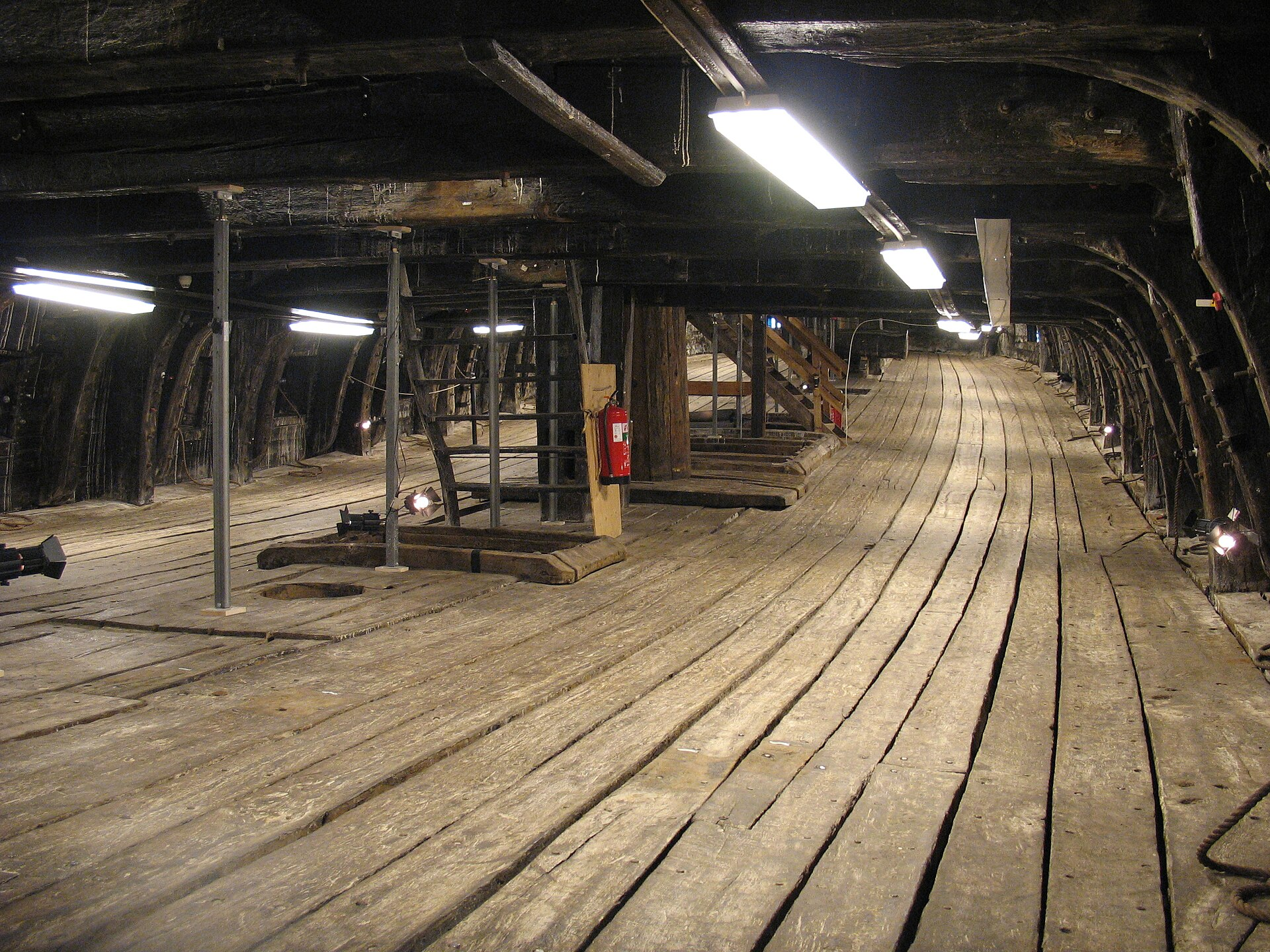
The ship was top-heavy. It carried two full gun decks of heavy bronze cannon, plus an enormous quantity of ornate wooden sculpture above the waterline, on a hull that was too narrow and too shallow for that load. Its centre of gravity sat too high, and there was not enough ballast low down to counteract it.
According to the Vasa Museum’s own account, the cause was a high, narrow hull carrying too much weight above the waterline with too little ballast below — the ship was simply unstable and capsized in a gust.
The uncomfortable part is that this was known. A stability test had been conducted before the voyage: thirty men ran back and forth across the deck to see how the ship rolled. The test was stopped early because the ship was heeling alarmingly. It sailed anyway.
The reasons are recognizable to anyone who has watched a project run over. The king wanted the ship. It was late. The specification had been changed during construction, including the addition of the second gun deck. Nobody was in a position to tell the monarch that his flagship was unseaworthy. The Vasa is now taught as a case study in requirements creep, schedule pressure and the failure to escalate bad news.
The Water That Saved It
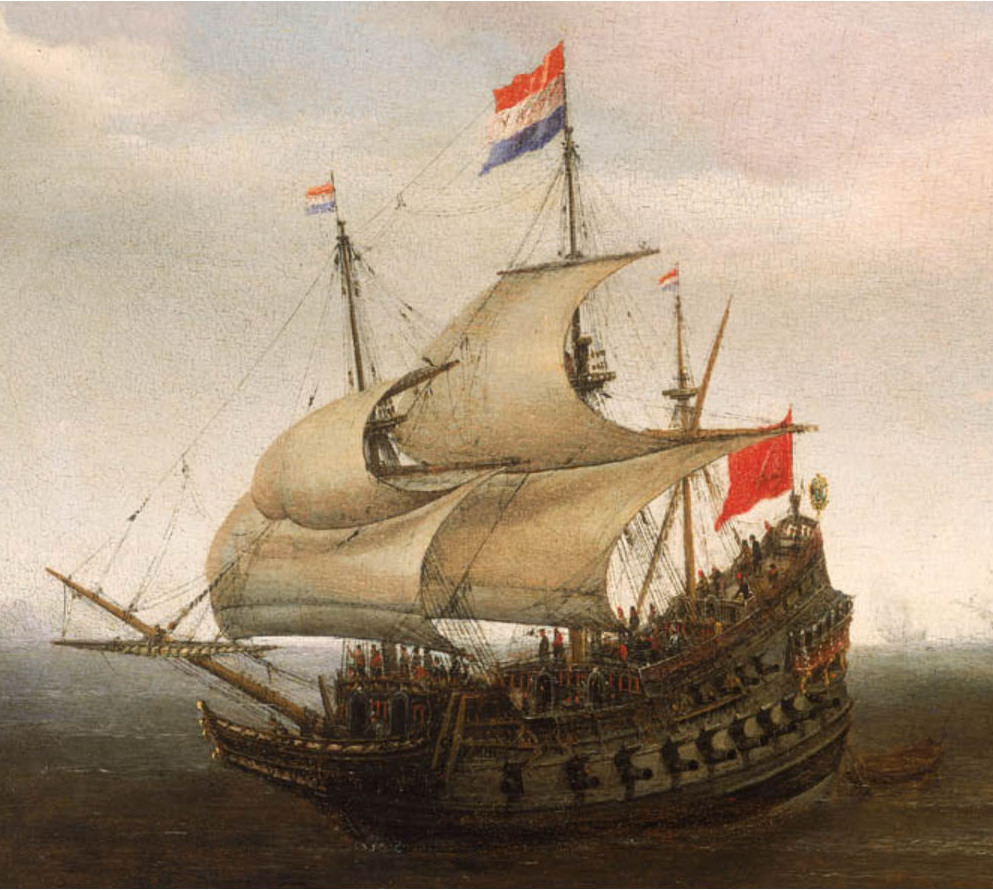
Everything that makes the Vasa remarkable today follows from where it sank.
In most of the world’s oceans, a wooden wreck is consumed. The shipworm, a mollusc whose larvae bore into submerged timber, reduces wooden hulls to fragments within decades. It requires reasonably salty water.
The Baltic Sea is brackish — a large, cold, low-salinity body of water fed by rivers — and the shipworm cannot survive in it. The water is also cold and low in oxygen, which slows bacterial decay dramatically.
So the Vasa sat in near-ideal preservation conditions for three centuries. Most of its valuable bronze cannon were salvaged by divers in the seventeenth century, using diving bells, which was itself an impressive feat. After that the wreck was forgotten, and the harbour above it became busy shipping water.
Finding It Again
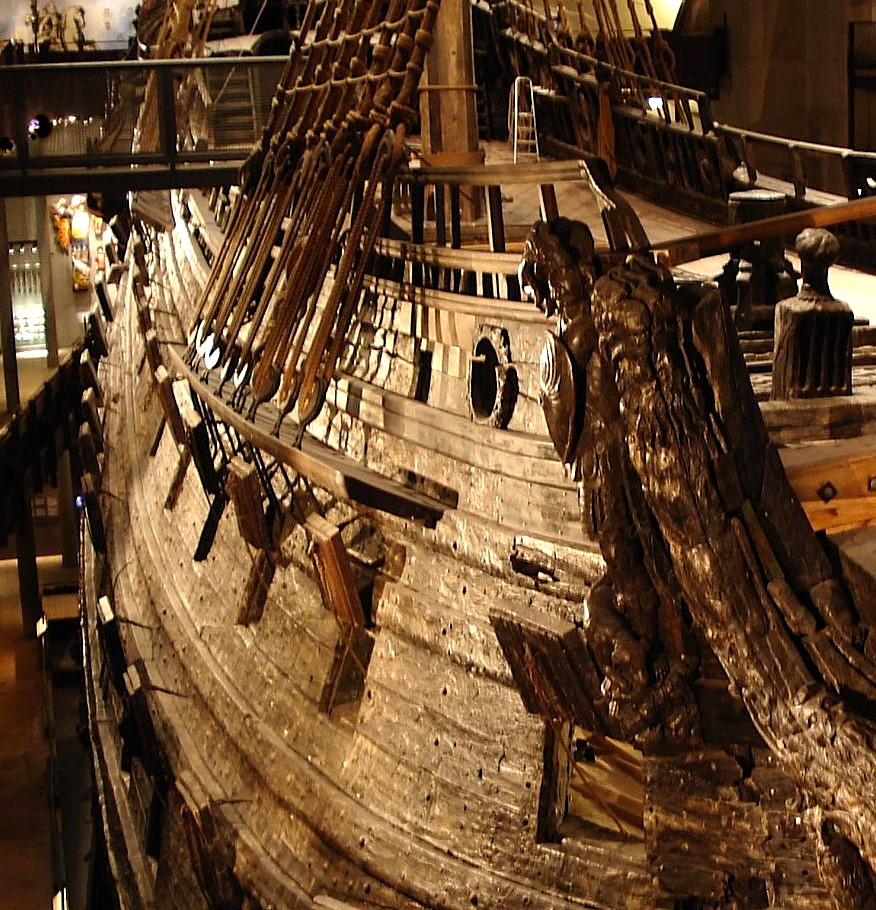
The rediscovery in the 1950s came from a private researcher reasoning it out rather than from an official expedition.
Anders Franzén, an amateur naval historian, understood the shipworm point: he knew the organism was absent from the Baltic, which meant wooden wrecks there might be intact rather than destroyed. He worked through archives to narrow the search area and then probed the harbour bottom with a homemade coring device.
On 25 August 1956 the corer brought up a piece of blackened oak. Another core about 20 metres away brought up more. Divers confirmed in September that the cores came from a wreck, and the only known wreck in that area was the Vasa.
The salvage took years. From 1957 to 1959, divers working in near-zero visibility dug six tunnels beneath the hull and passed steel cables through them, attaching the ends to pontoons on the surface. The pontoons were flooded, the cables tightened, and then the water was pumped out, lifting the ship free of the seabed on 20 August 1959. It was moved in stages into shallower water.
On 24 April 1961, the Vasa broke the surface for the first time in 333 years. Once the gun ports were sealed and the mud and water pumped out, the hull floated — under its own buoyancy, after three centuries underwater.
Keeping It
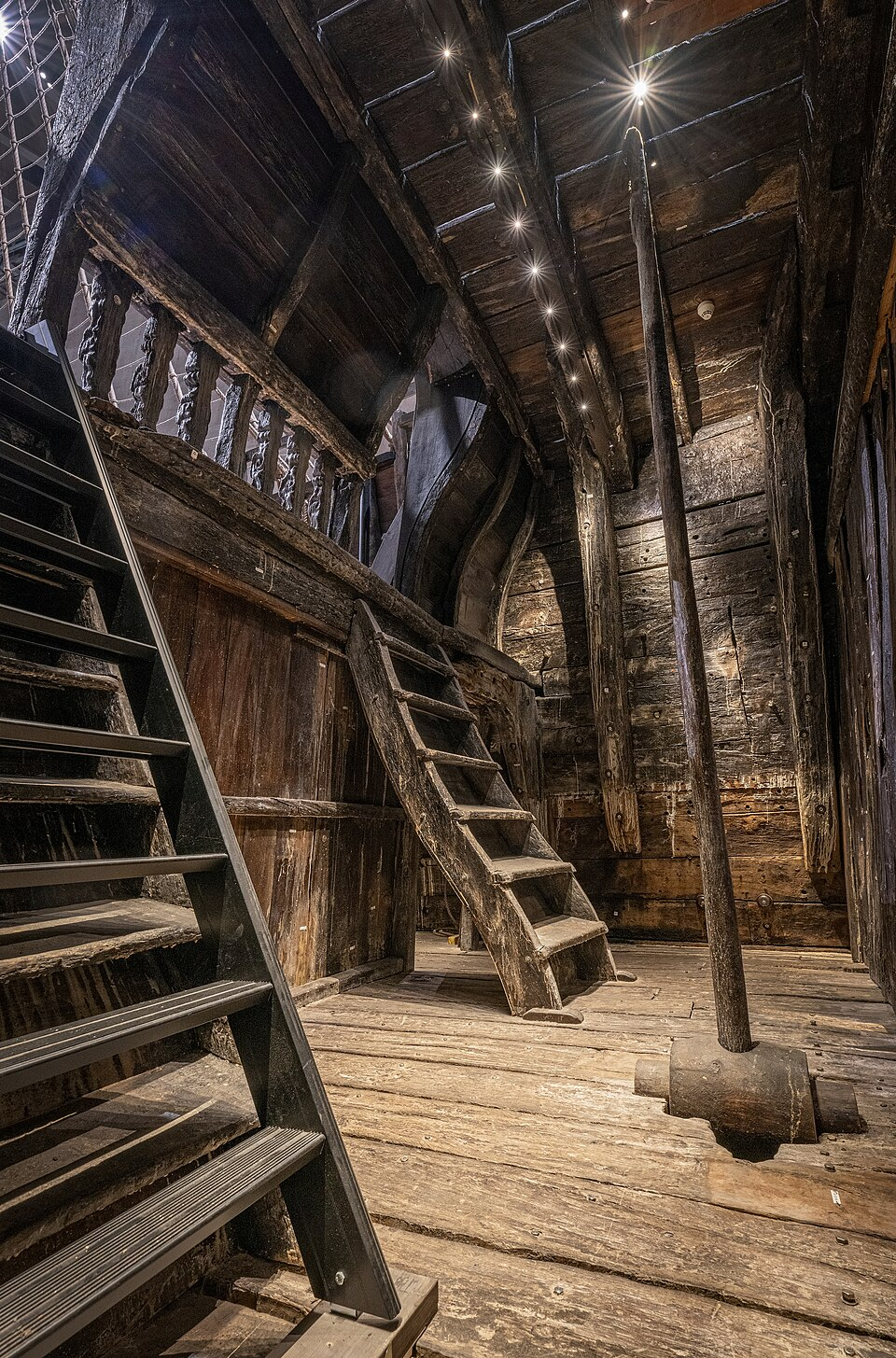
Raising the ship solved one problem and created a much longer one, because waterlogged wood that dries out simply falls apart.
Water had replaced much of the structural material in the timber. Left to dry, the wood would shrink, warp, crack and collapse. Conservators sprayed the ship for years with polyethylene glycol, a water-soluble wax that gradually penetrates the cells and replaces the water, providing support as the timber dries. The process took decades, and the ship was then slowly dried over further years.
The scale of the recovery is what makes the museum extraordinary. Roughly 95 percent of the ship is original timber. Thousands of artefacts came up with it: clothing, tools, coins, navigational instruments, and the ornate carvings that had contributed to the ship’s instability in the first place.
The Vasa was displayed in a temporary building until 1988 and then moved to the purpose-built Vasa Museum, which was constructed around it. It has since become one of the most visited attractions in Scandinavia, seen by over 45 million visitors between 1961 and the start of 2025.
Conservation continues. Ongoing research addresses long-term chemical challenges in the timber, and the ship remains an active object of study rather than a finished exhibit.
What Came Up With It
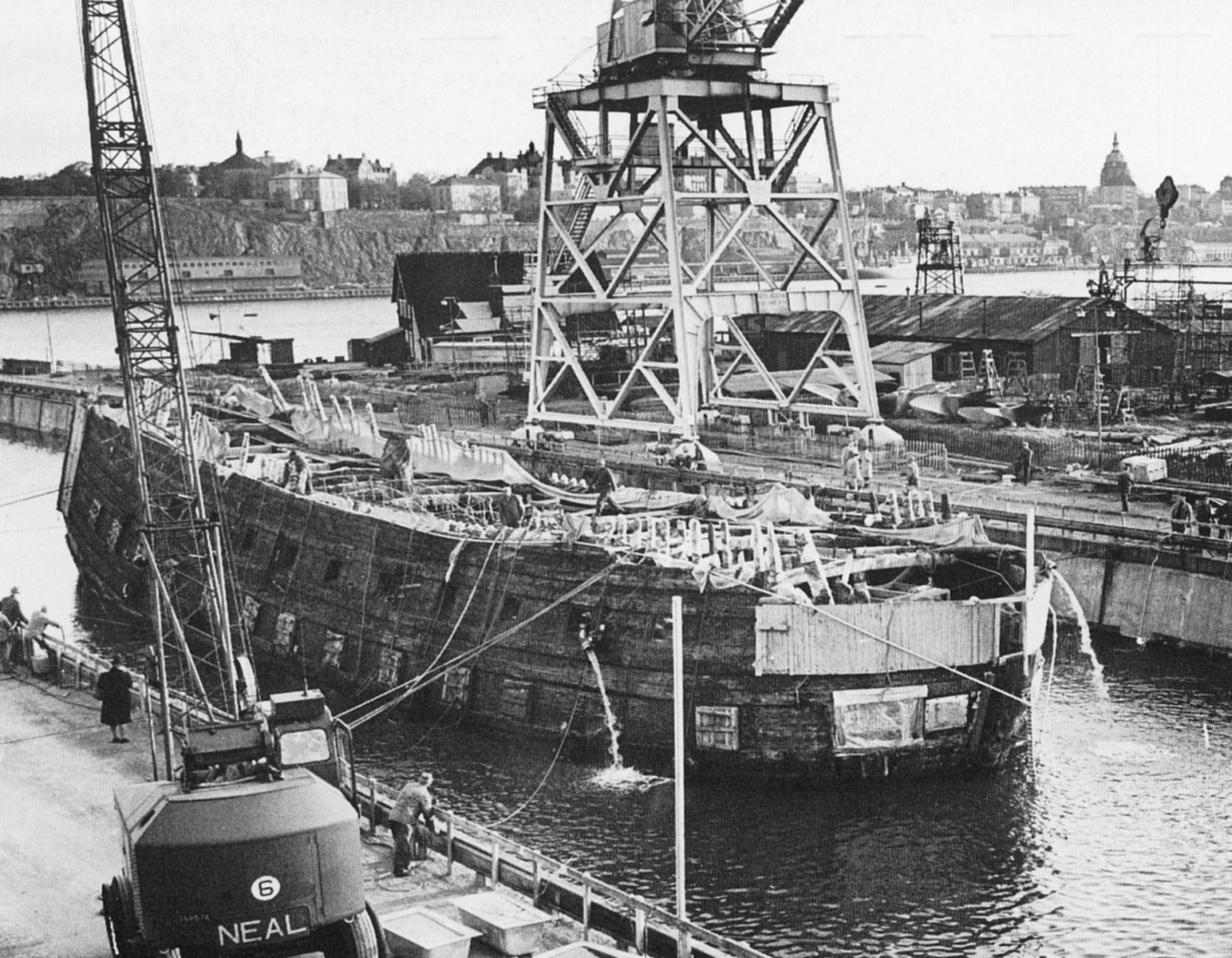
The ship is the headline, but the contents are arguably the greater find, because they preserve something warships rarely leave behind: ordinary life.
Thousands of objects were recovered from the wreck and the surrounding seabed. Sea chests belonging to crew members came up with their contents intact, holding clothing, shoes, combs, coins, and personal possessions. Tools, tableware, barrels, sails and navigational instruments survived. Six of the ten sails were recovered, making them among the oldest preserved sails anywhere.
This matters because seventeenth-century material culture of ordinary people is otherwise poorly represented. Palaces and cathedrals survive; the everyday clothing of a sailor does not, because textiles rot. The Baltic’s chemistry preserved a cross-section of one afternoon in 1628, right down to what individuals happened to be carrying.
The sculptures are their own category: hundreds of carved figures, originally brightly painted, intended to broadcast royal power to anyone who saw the ship. Traces of pigment survived, and research on the original colour scheme has shown the ship was far more vivid than the dark timber suggests today.
The Failure That Became a Gift
There is an irony at the centre of the Vasa that everyone who visits notices eventually.
Had the ship been properly designed, it would have served the Swedish navy, been repaired and rebuilt, worn out, and eventually been broken up for timber, as ships are. Nothing would remain. Its catastrophic failure on day one is the only reason it exists.
The overreach is preserved along with it. The ship is covered in hundreds of sculptures — lions, emperors, mythological figures — commissioned to project royal power. That decoration was part of what made it unstable. The museum lets you stand next to a warship destroyed by its own ambition, with the ambition still visibly carved into the hull.
It is the best-preserved seventeenth-century ship in the world, and the reason is that it never got to be a ship at all. It is one of the few places where you can walk up to something built four hundred years ago and see it essentially as its makers left it, right down to the mistake.
Like our content? Follow us for more.