Dessert is where cooking becomes closest to chemistry, and where small errors are least forgiving. Here are twelve from around the world, and what each one is actually teaching you.
1. Pastéis de Nata — Portugal
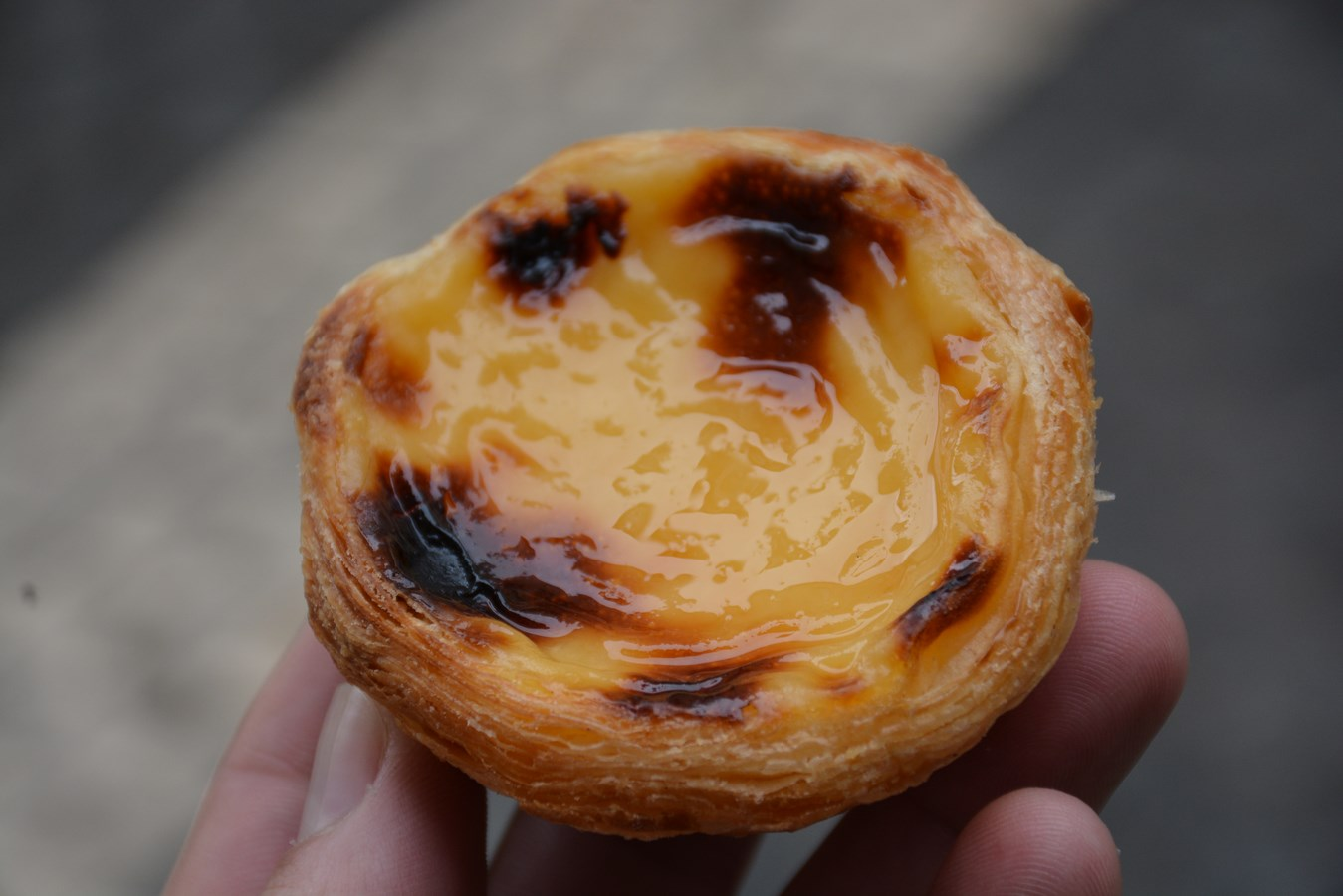
Small custard tarts in flaky pastry, baked at very high heat so the tops blister and blacken in patches while the custard stays soft.
The scorching is the point, not a fault, and domestic ovens struggle to reach the temperature that produces it. They are best eaten warm. Pastéis de nata are the dessert where the burnt bits are the reason people queue.
2. Tiramisù — Italy
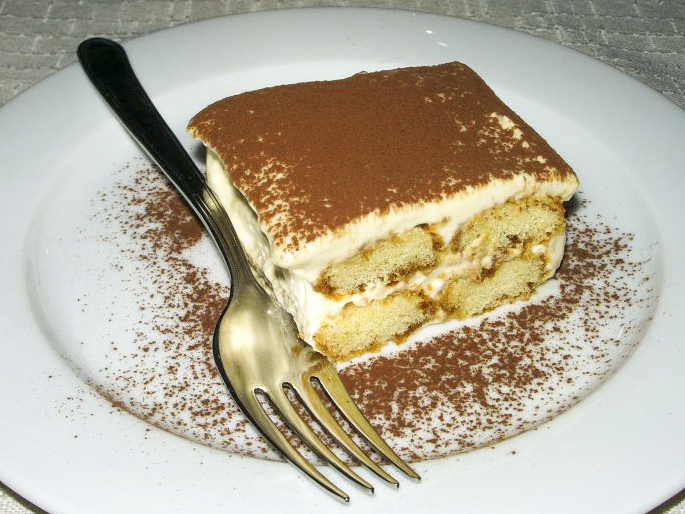
Coffee-soaked sponge fingers layered with a mixture of mascarpone and whipped egg, dusted with cocoa, assembled rather than baked.
The name means something like pick-me-up, and the whole thing depends on not oversoaking the biscuits. It needs hours in the fridge to set. Tiramisù is the dessert that requires no oven and a great deal of patience.
Like our content? Follow us for more.
3. Basque Burnt Cheesecake — Spain
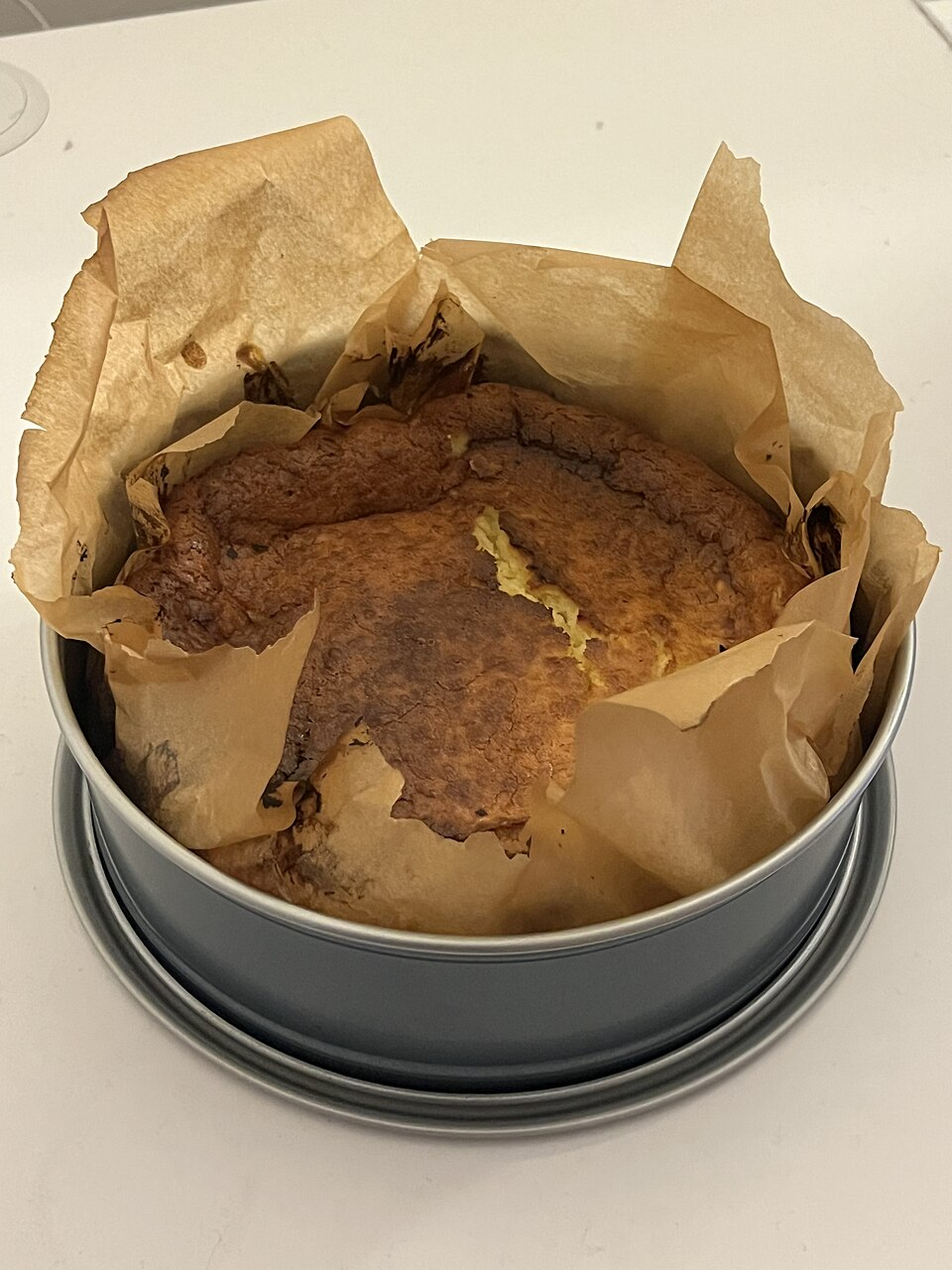
A crustless cheesecake baked at high temperature until the top is deeply browned and the centre remains soft, cracking as it cools.
It is deliberately imperfect — the collapse and the scorched top are the intended result — which makes it unusually forgiving for a novice. Basque cheesecake is the dessert designed to look like it went wrong.
4. Gulab Jamun — South Asia
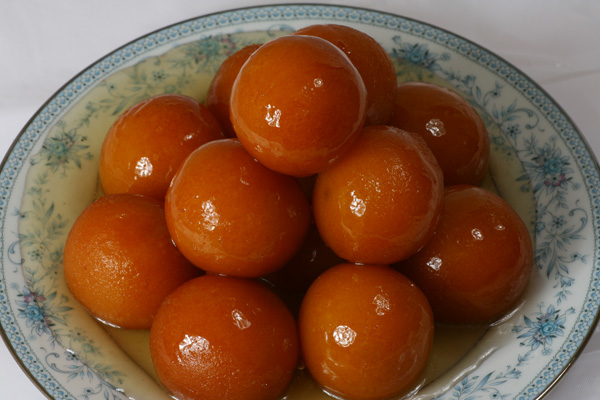
Fried dough balls made from milk solids, soaked in a fragrant syrup with cardamom and rose or saffron until saturated.
Getting the dough right and frying at the correct temperature determines whether they stay soft or turn dense. They are served warm. Gulab jamun are the dessert where the soak matters as much as the frying.
5. Crème Brûlée — France
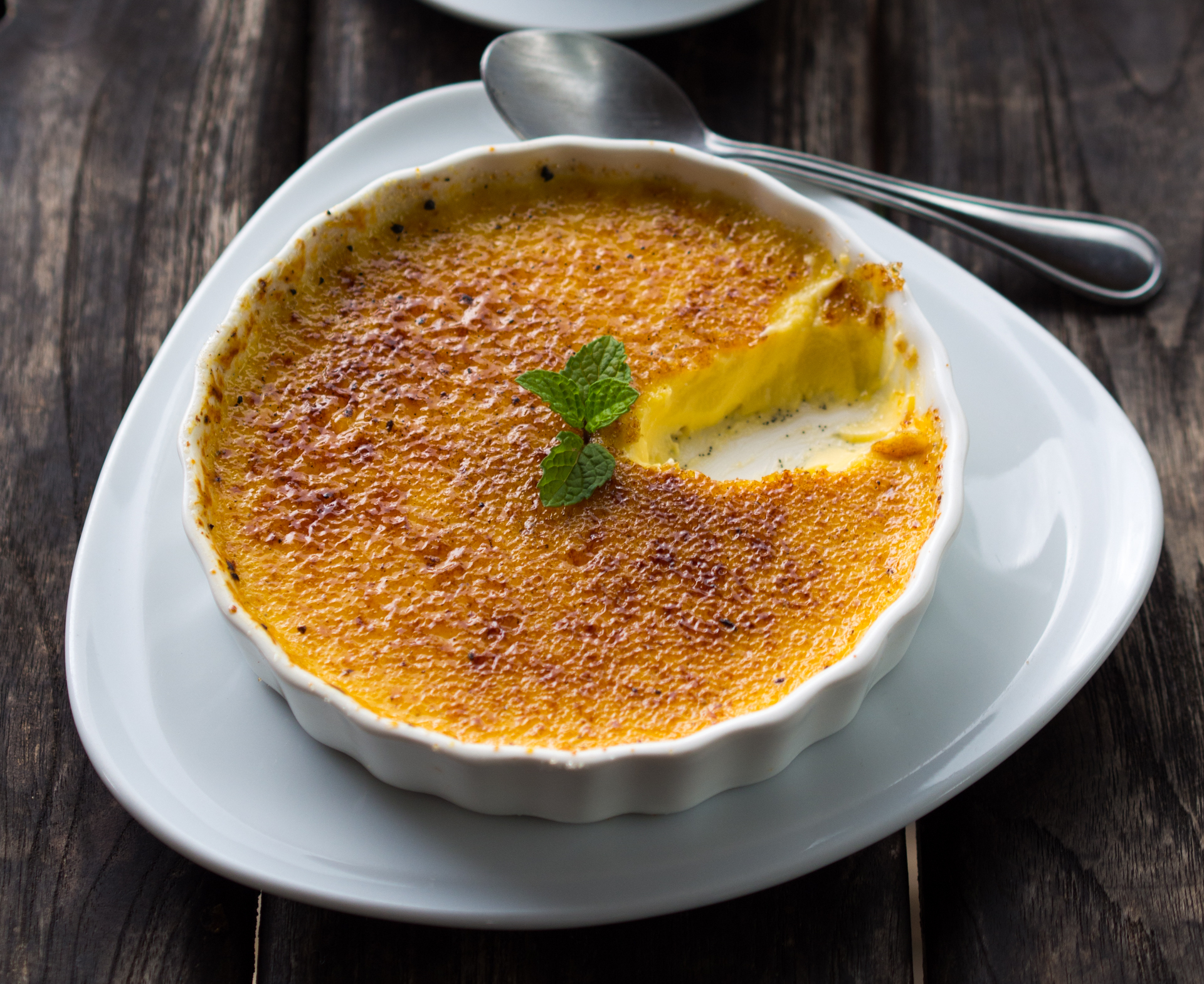
A baked custard with a layer of sugar caramelised on top until it forms a sheet of glass that cracks under a spoon.
The custard must be set but barely, and the sugar must be torched quickly so the layer beneath stays cold. The contrast is everything. Crème brûlée is the dessert judged entirely on one sound.
6. Baklava — Turkey, Greece and the Middle East
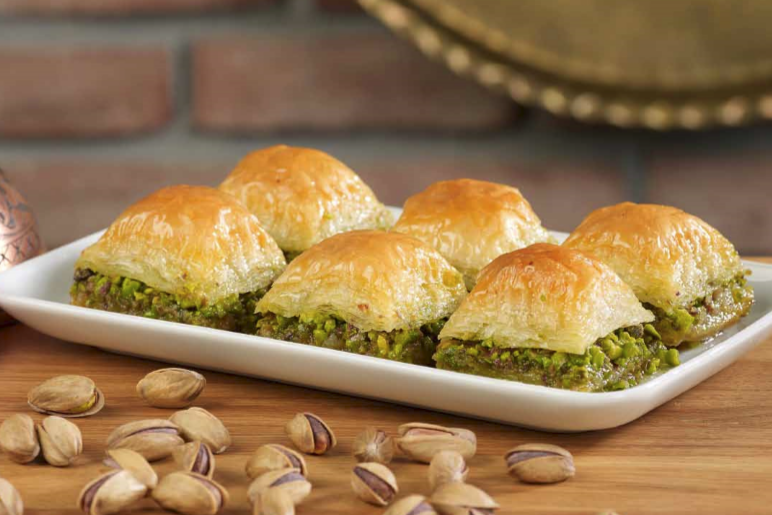
Layers of paper-thin pastry with chopped nuts, baked and then drenched in syrup or honey, cut into diamonds or squares.
Regional versions differ substantially in nut, syrup and spicing, and the argument over origin is longstanding. Temperature contrast between pastry and syrup matters. Baklava is the dessert built from more layers than anyone wants to count.
7. Mochi and Daifuku — Japan
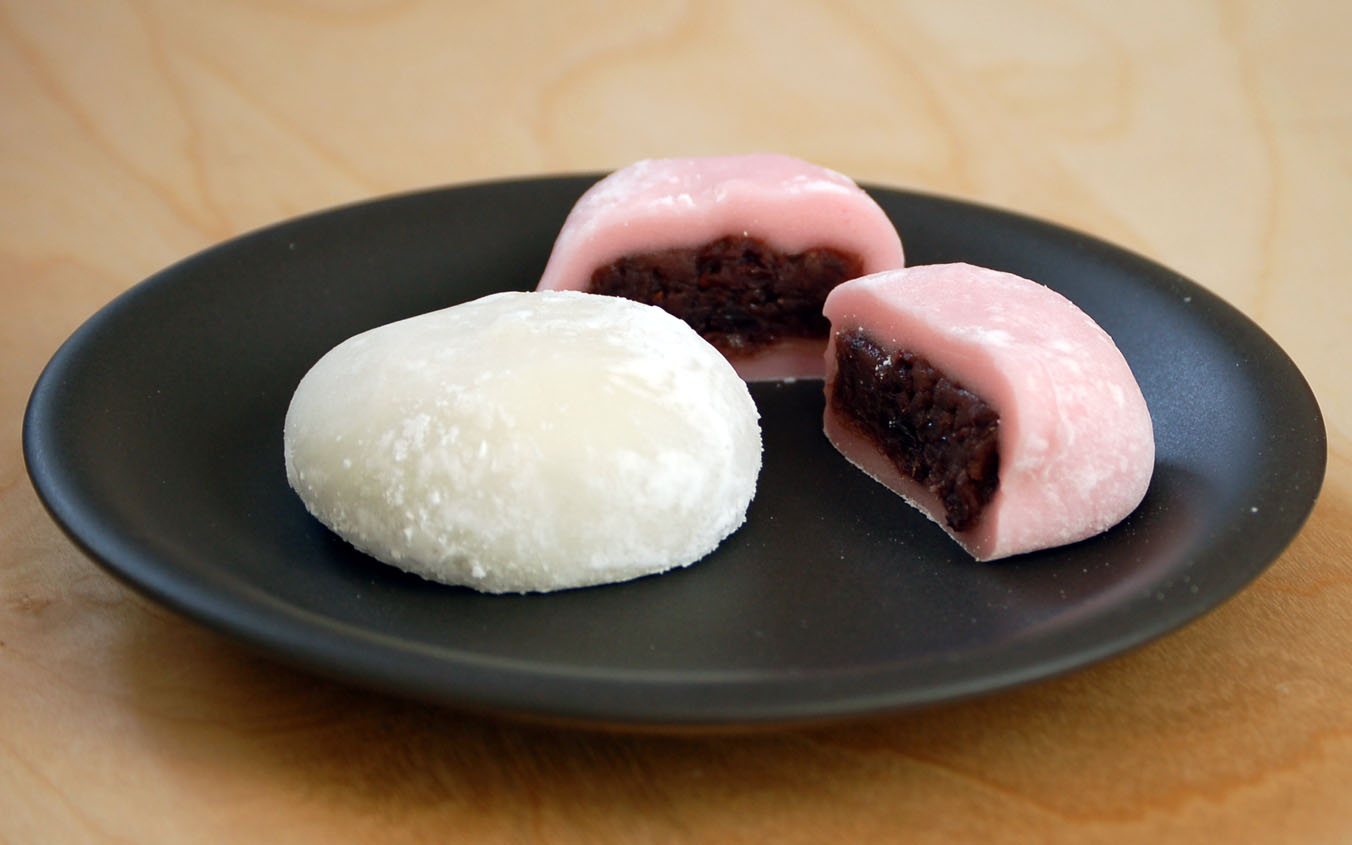
Pounded glutinous rice formed into a soft, elastic dough, often wrapped around sweet bean paste or fruit.
The texture is unlike anything in European baking, and achieving it depends on the specific rice and on working the dough while warm. It is eaten fresh. Mochi is the dessert whose entire appeal is a texture nothing else produces.
8. Bread and Butter Pudding — Britain
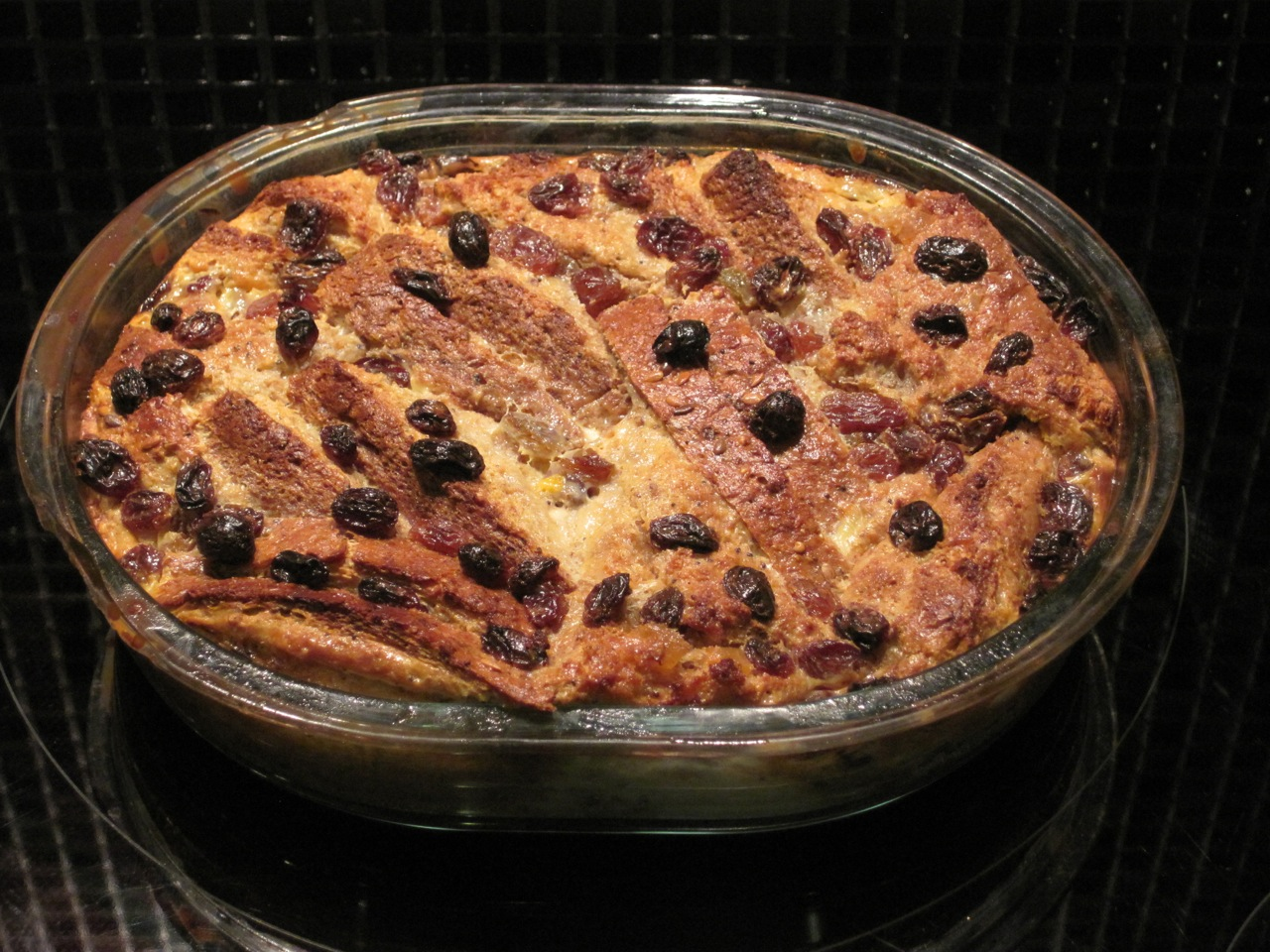
Stale bread, butter, eggs, milk and dried fruit, baked until the custard sets and the exposed edges crisp.
It exists purely because bread went stale and nobody could afford to waste it, which is the origin story of a great many puddings. Fresh bread makes it worse. Bread and butter pudding is the dessert that only works with an ingredient past its best.
9. Tres Leches Cake — Latin America
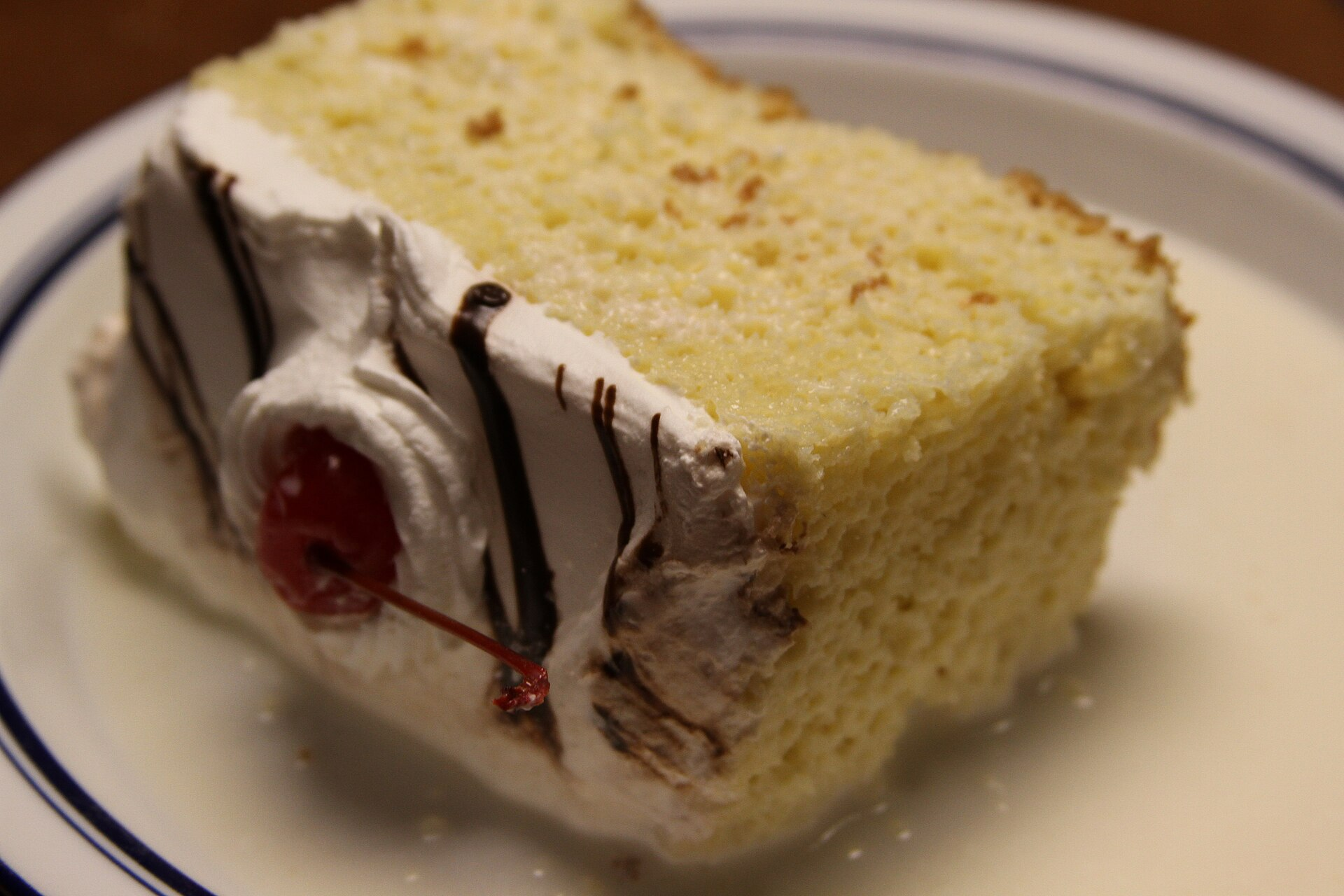
A sponge soaked in three kinds of milk until saturated, topped with cream, served cold and eaten with a spoon rather than a fork.
The sponge must be open enough to absorb the liquid without collapsing, which is the only difficult part. It improves overnight. Tres leches is the dessert engineered specifically to be wet.
10. Kaiserschmarrn — Austria
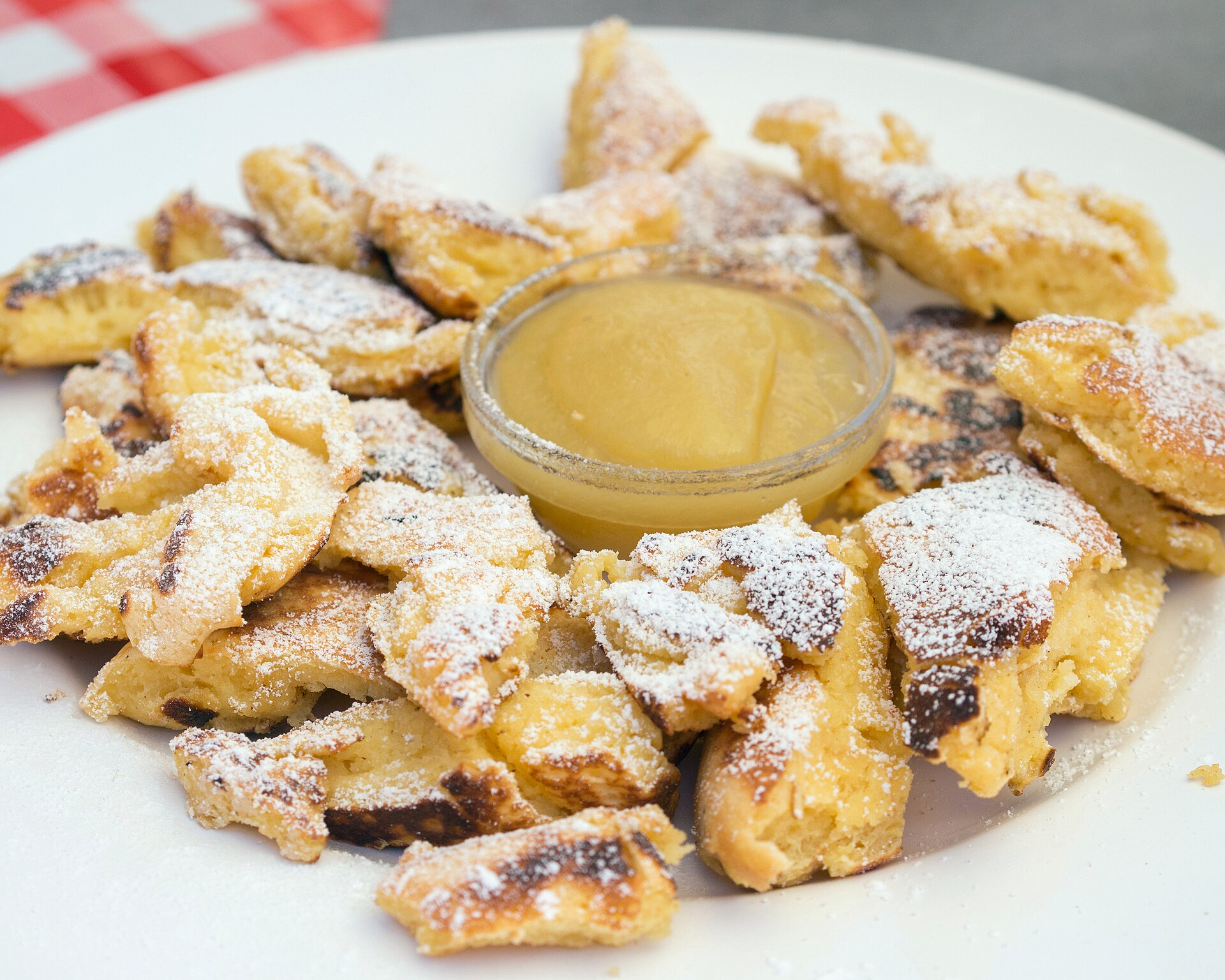
A thick pancake torn into pieces in the pan, caramelised with sugar and served with fruit compote, traditionally as a substantial dish rather than a light one.
Tearing it up is deliberate, producing crisp edges throughout instead of only at the rim. It is served immediately. Kaiserschmarrn is the dessert improved by being destroyed halfway through cooking.
11. Malva Pudding — South Africa
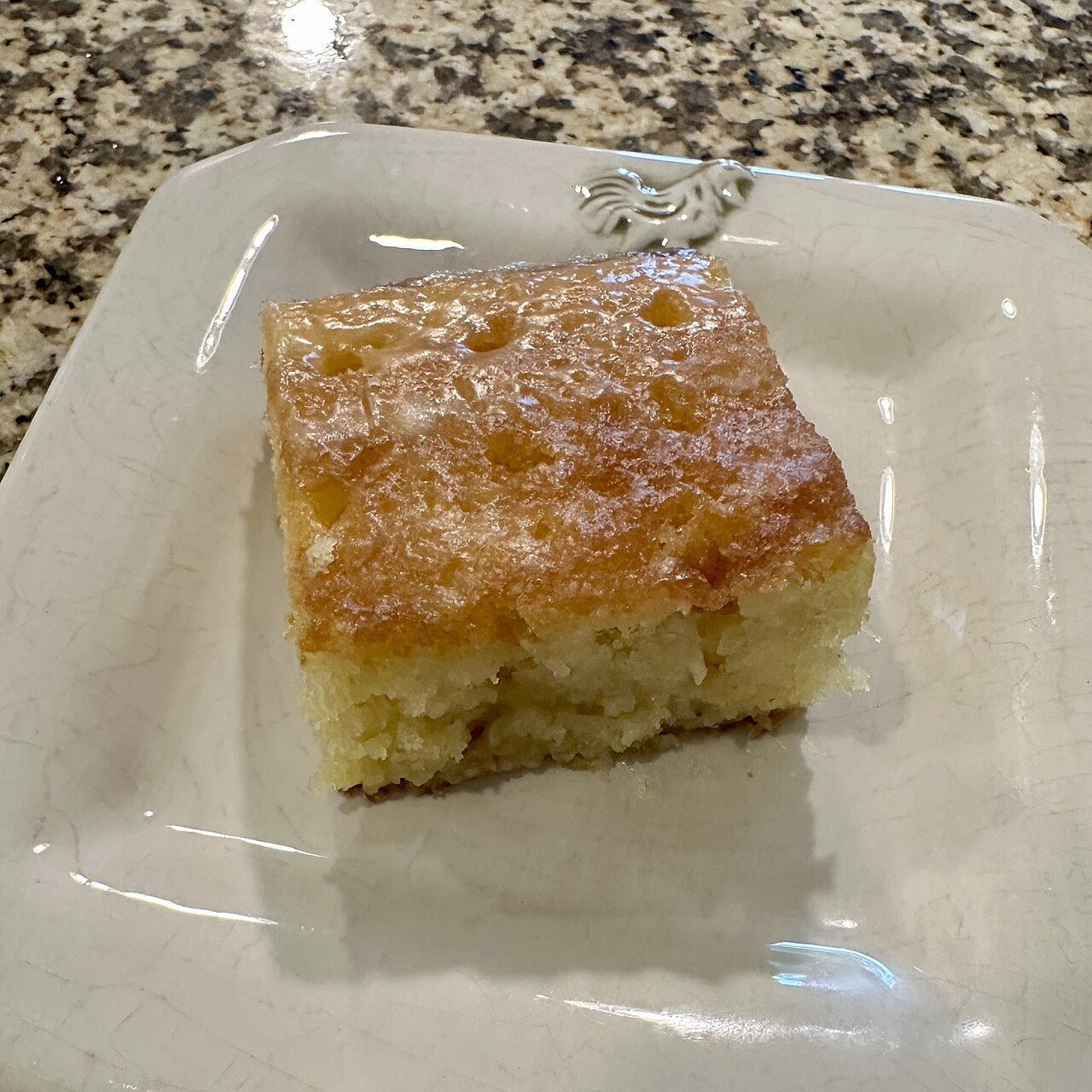
A baked sponge with apricot jam, soaked in a hot cream sauce the moment it leaves the oven so it absorbs while still warm.
The timing of the pour is the whole technique, and it produces a texture between cake and pudding. It is served hot with custard or cream. Malva pudding is the dessert defined by what happens in the minute after baking.
12. Sticky Rice With Mango — Thailand
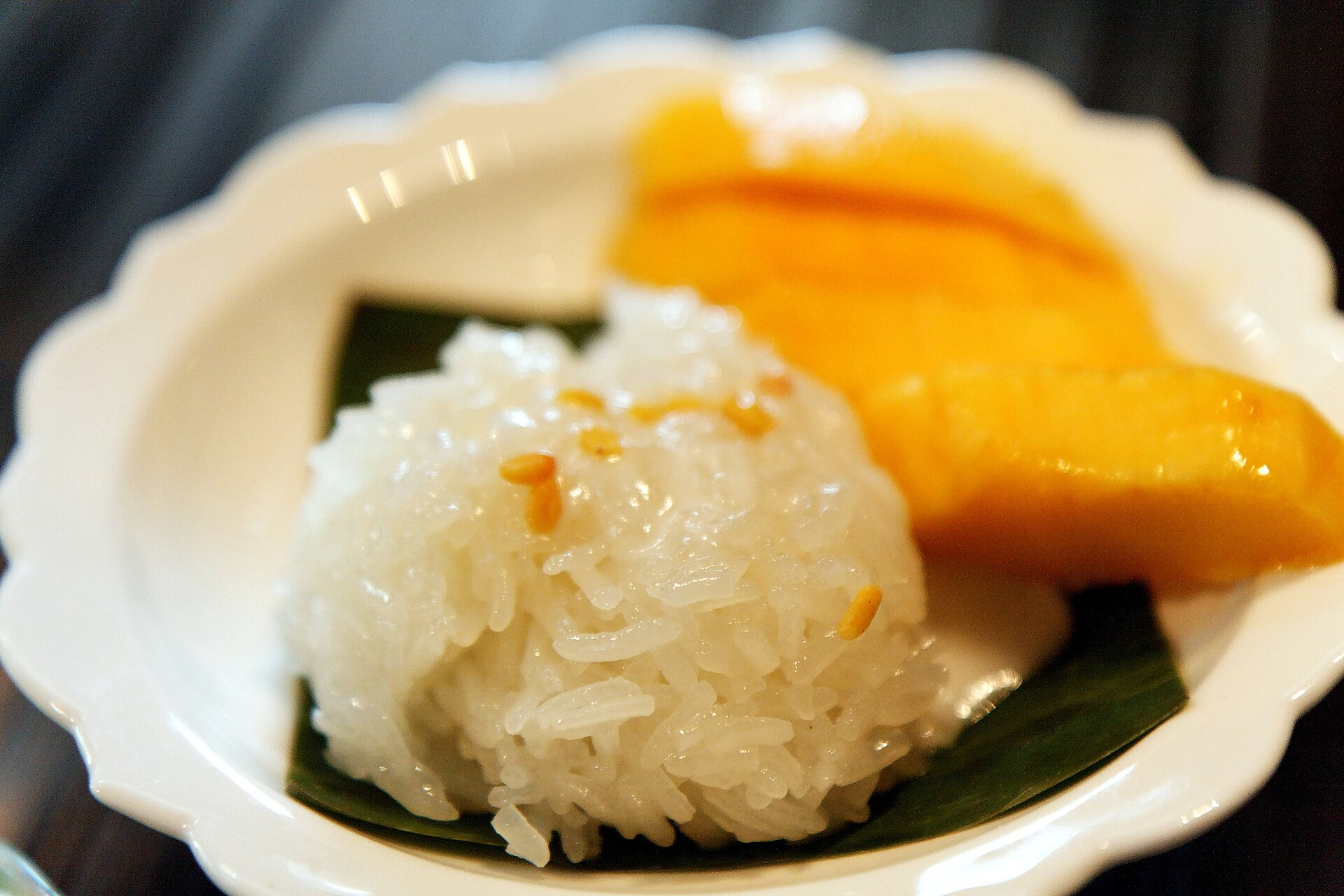
Glutinous rice steamed and dressed with sweetened coconut milk, served with ripe mango and a drizzle of salted coconut cream.
The salt in the topping is essential and the element most often left out by people making it abroad. Ripeness of the fruit decides the result. Sticky rice with mango is the dessert where a pinch of salt does most of the work.
Sugar, Eggs and Leftovers
Several of these began as ways to use up something that would otherwise have been wasted, and became national institutions once nobody needed to economise any more.
If you make one, pick the technique furthest from your habits — a high-heat bake, a soaked sponge, a syrup drench, a pounded dough. Dessert is unusually good at teaching precision, because unlike most cooking it tells you immediately and unambiguously when you have got something wrong.
Like our content? Follow us for more.