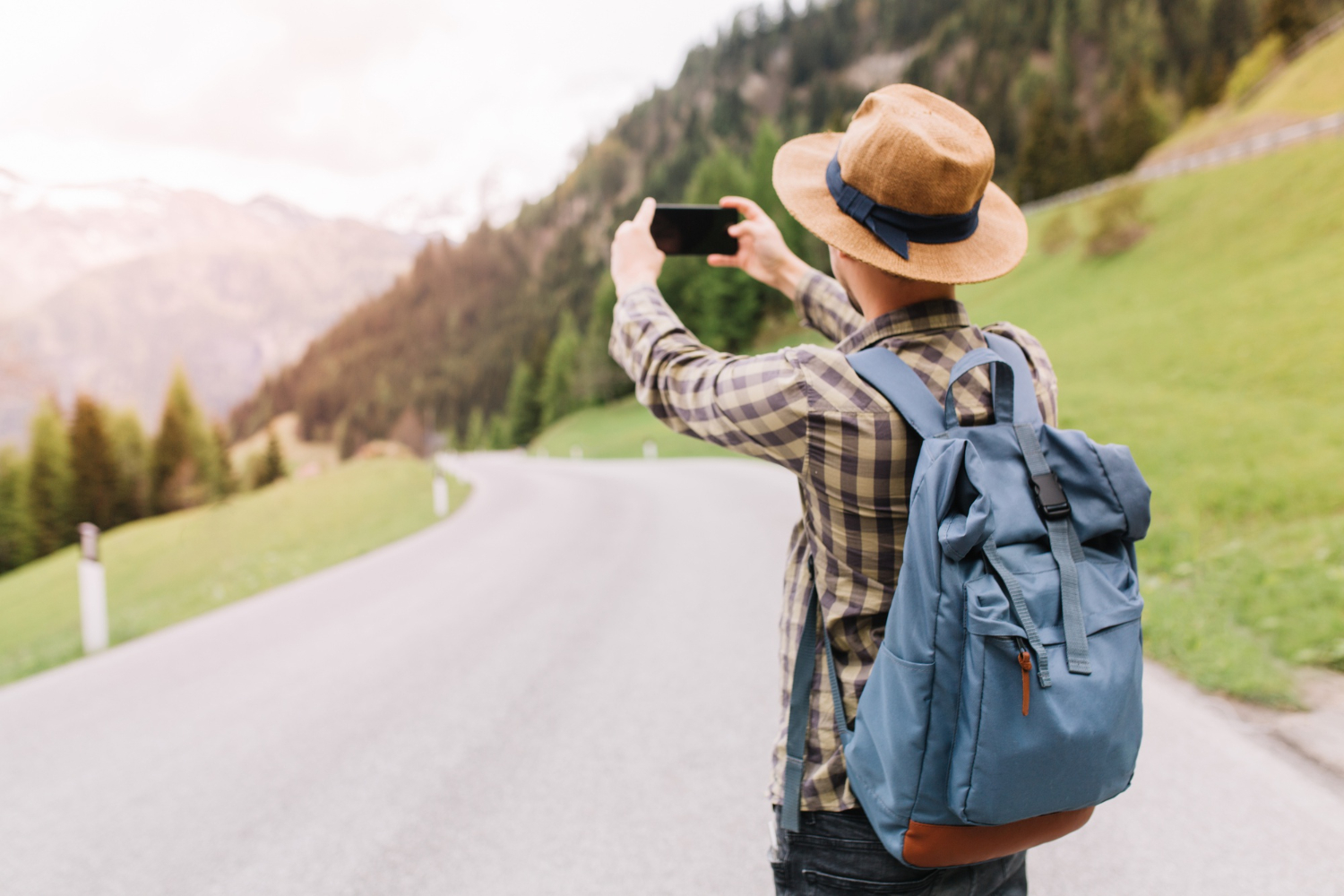
The first day is worth treating as orientation rather than sightseeing. Everything below makes the remaining days easier, and most of it costs nothing.
1. Walk a Loop Around Where You Are Staying

Before anything else, walk fifteen minutes in each direction and come back, with no destination in mind.
You will find the nearest food, the nearest transport, the nearest cash machine and the quickest route to the main street, all of which you will use daily. Walking a loop around where you are staying is the most useful first-day hour you can spend.
Like our content? Follow us for more.
2. Buy the Transport Pass Immediately

Most cities sell a multi-day or stored-value travel card, and buying it on arrival rather than on day three saves both money and repeated queueing.
Ask at the station what the options are for your length of stay. Buying the transport pass immediately removes a small daily friction from the entire trip.
3. Go Somewhere High

A tower, a hill, a rooftop bar or a cathedral dome gives you the shape of the city in ten minutes.
Seeing how the districts fit together makes every subsequent map reading and every set of directions substantially easier to follow. Going somewhere high is the first-day activity that pays off for the rest of the week.
4. Eat Where You Are, Not Where You Meant To

Ambitious restaurant plans on arrival day usually collapse into an exhausted search and a disappointing meal.
Eat at whatever is nearest and reasonable, save the plans for a day when you have energy, and treat the first dinner as fuel. Eating where you are rather than where you meant to is the first-day decision that prevents an unnecessary bad meal.
5. Find the Nearest Supermarket

Local supermarkets solve breakfast, water, snacks and picnic supplies for the whole trip at a fraction of tourist prices.
They are also truly interesting, because what a country eats routinely is visible on the shelves. Finding the nearest supermarket is the least glamorous first-day task with the best return.
6. Book the One Thing That Sells Out

Most destinations have a handful of sights requiring timed tickets that disappear days ahead.
Identifying and booking those on the first day, once you know how transport works, avoids the common outcome of arriving to find nothing available. Booking the thing that sells out is the first-day admin worth doing before you relax.
7. Learn the Local Rhythm

Cities run on different schedules — when shops close, when people eat, when things go quiet and when they get busy.
Watching for an afternoon tells you more than any guidebook, and it prevents planning around hours that do not exist. Learning the local rhythm is the first-day observation that reshapes the rest of the itinerary.
8. Ask One Specific Question

Rather than asking anyone for general recommendations, ask something narrow: where they eat lunch, which market is best on a weekday, which route is worth walking.
Specific questions produce specific answers; open ones produce the same three sights everybody names. Asking one specific question is the first-day conversation that yields the most useful information.
9. Do Not Book the Whole Trip Yet

Arriving with every day scheduled removes the ability to act on anything you learn in the first twenty-four hours.
Leave at least a couple of days loose and fill them once you know what the place is actually like. Not booking the whole trip yet is the first-day restraint that makes the later days better.
10. Take a Long Walk With No Destination

Once the practicalities are done, walk for two hours in whichever direction looks interesting and let the route decide itself.
This is how people find the streets they remember, none of which appear on a list of attractions. Taking a long walk with no destination is the first-day activity most likely to produce the trip’s best memory.
11. Note What Time It Gets Dark
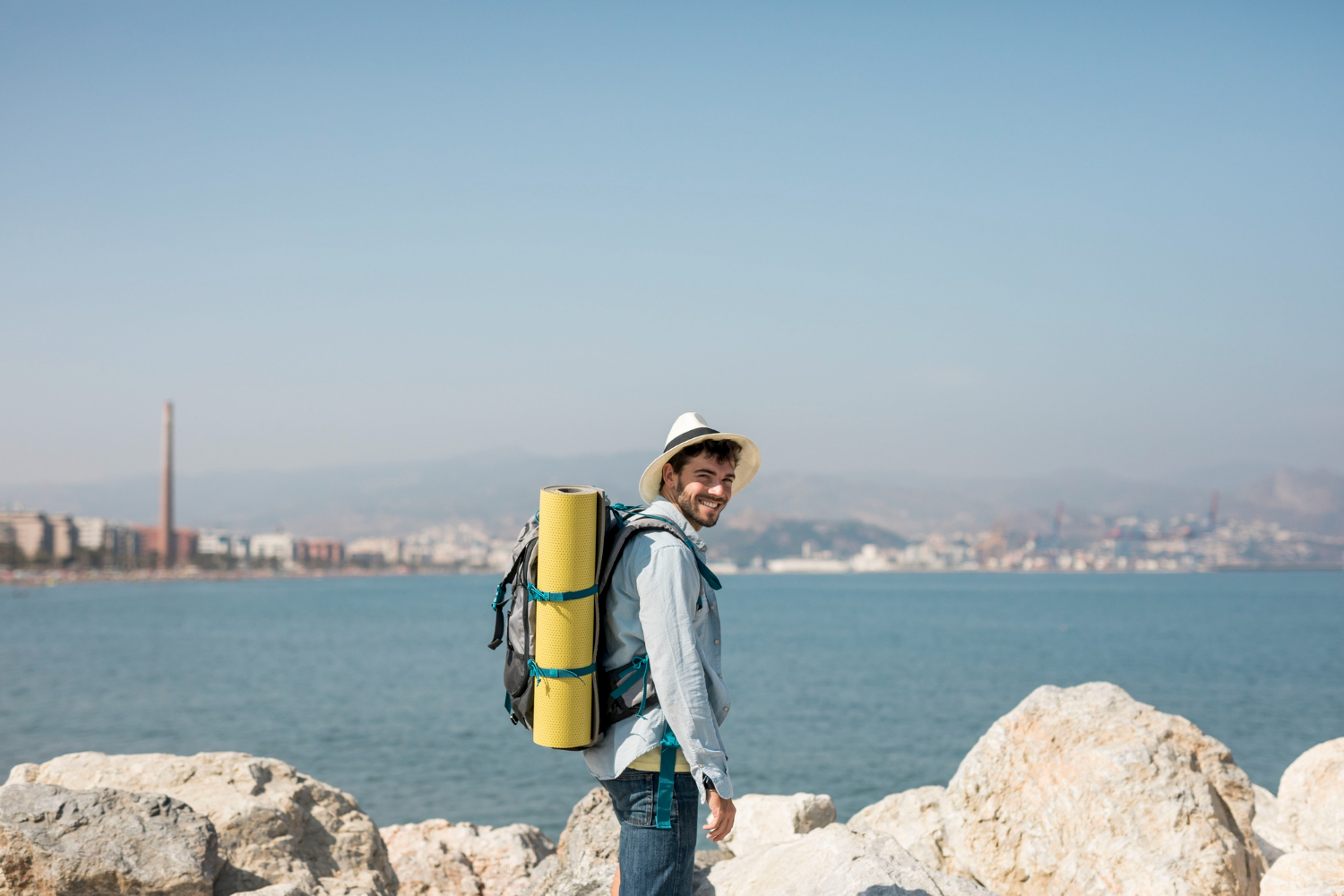
Daylight hours vary enormously by latitude and season, and planning made at home frequently assumes the wrong ones.
Knowing when the light goes determines what can realistically be done in an afternoon. Noting what time it gets dark is a first-day check that steadily improves every subsequent plan.
12. Sort Out Connectivity Properly

Whether that means a local SIM, an eSIM, a roaming arrangement or simply mapping out where wifi is available, decide on day one.
Half-solutions produce a week of intermittent access at the worst moments. Sorting out connectivity properly is the first-day errand that prevents daily irritation.
14. Sit Down Somewhere for an Hour

Take a coffee, a drink or a bench in a busy square and stay long enough to stop looking like you are on the way somewhere.
An hour of watching a place teaches you how people greet each other, queue, dress and behave, which is most of what makes a visitor comfortable. Sitting down for an hour is the first-day exercise that costs nothing and changes how the rest feels.
15. Go to Bed at a Local Hour

Whatever your body wants, aim to sleep at a normal local bedtime, because that single decision determines how the next three days feel.
Push through the afternoon, get daylight, eat at local mealtimes, and accept one uncomfortable evening. Going to bed at a local hour is the first-day discipline that buys back the rest of the trip.
Orientation Beats Sightseeing

Almost nothing here is an attraction, and that is the point. A day spent understanding where you are makes the following days easier, cheaper and substantially less stressful.
The temptation on day one is to rush at the famous thing to prove the trip has started. It will still be there on day three, and you will enjoy it substantially more having slept, worked out the transport and learned when everything opens. Spend the fi
Like our content? Follow us for more.