What makes a canal worth travelling is that it goes somewhere slowly and levelly, through country that roads avoid. Here are fifteen worth a few days.
1. The Canal du Midi, France
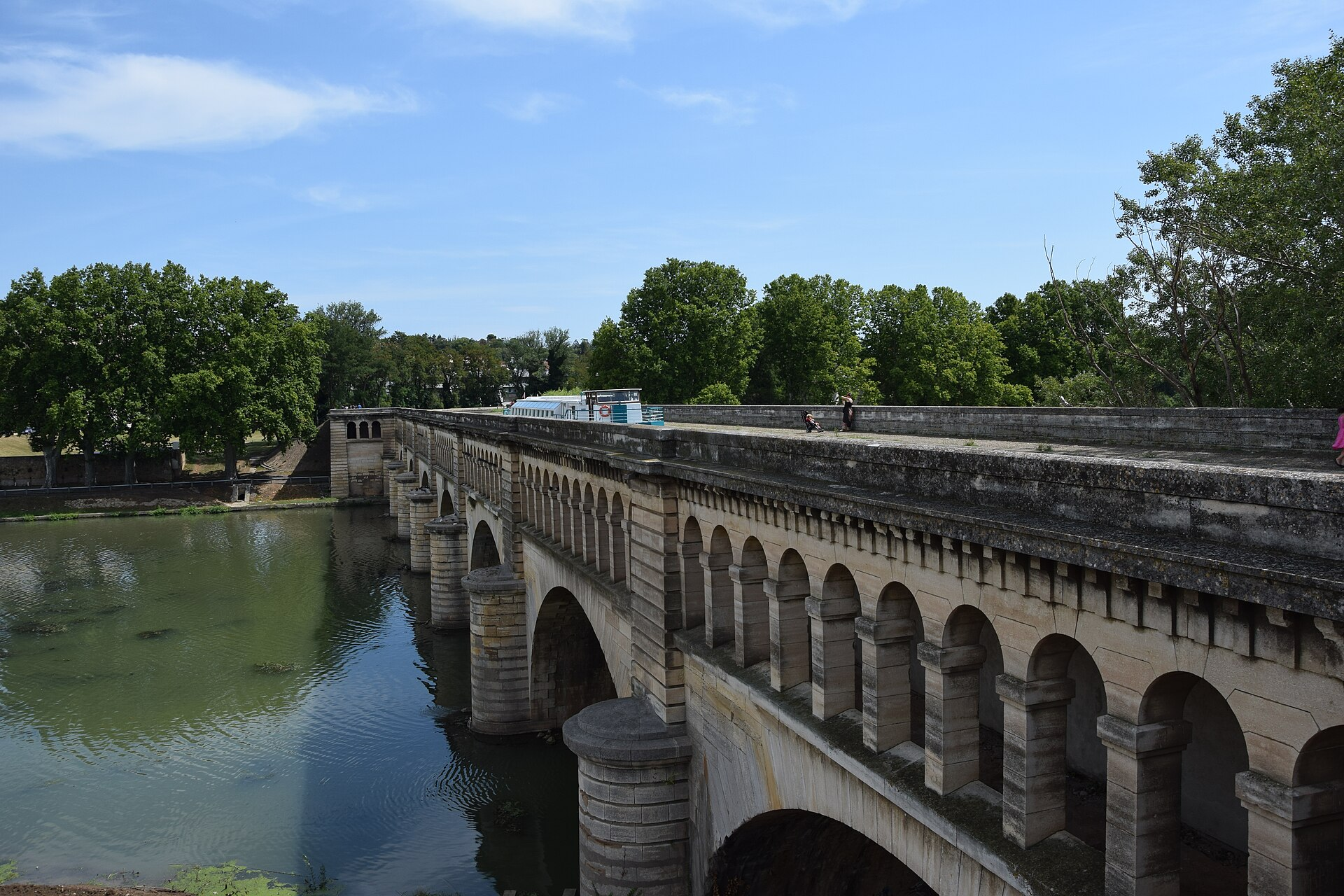
A seventeenth-century waterway crossing southern France, lined for much of its length by plane trees planted to shade the water and stabilise the banks.
It was an extraordinary engineering undertaking for its period, including a summit reservoir and a tunnel. The Canal du Midi is the waterway that solved a crossing of a country before anyone had steam.
Like our content? Follow us for more.
2. The Llangollen Canal and the Pontcysyllte Aqueduct, Wales
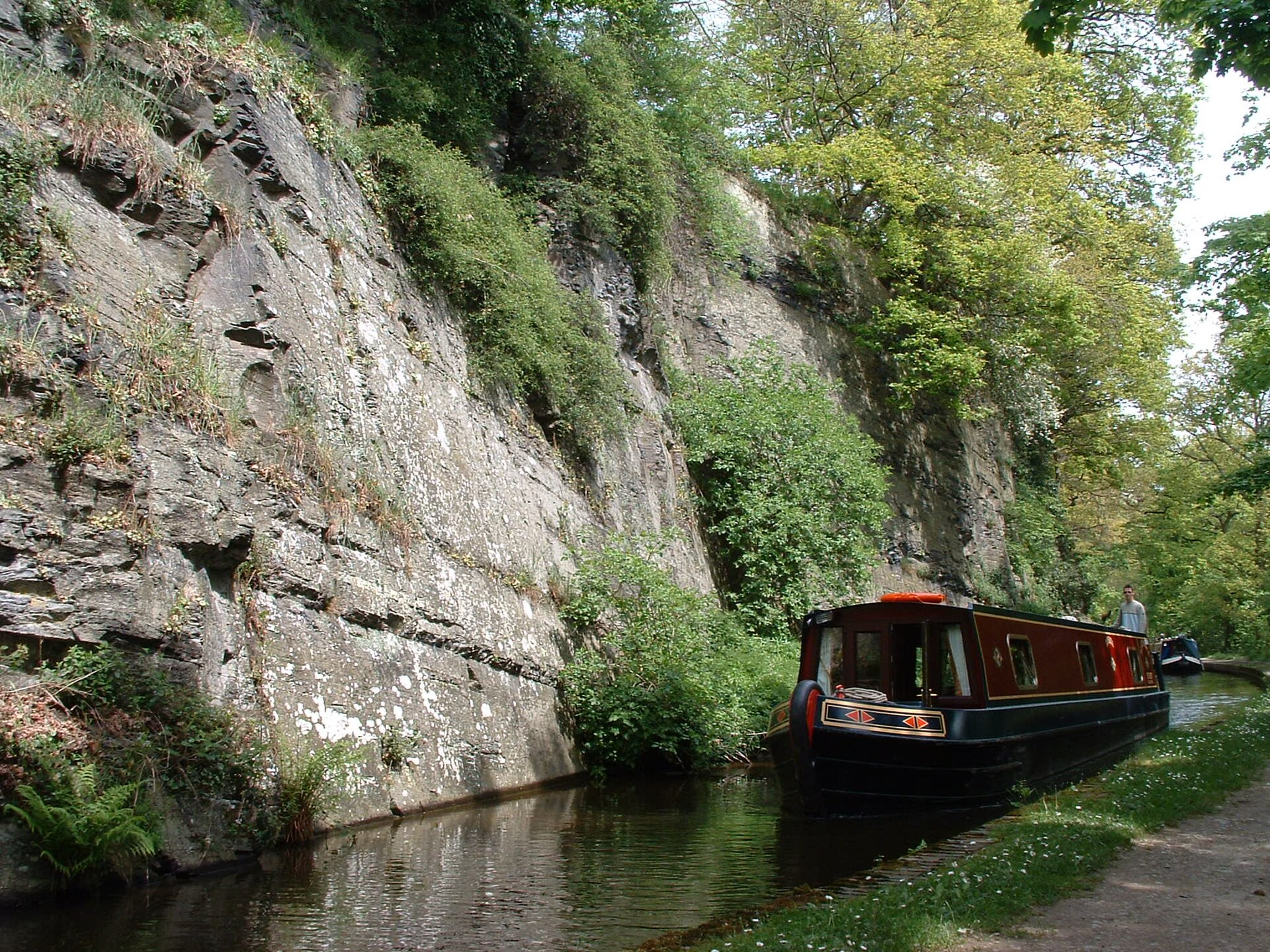
A navigable waterway carried across a valley in a cast-iron trough on stone piers, at a height that unnerves a great many people crossing it.
There is a towpath on one side and nothing but a drop on the other. Pontcysyllte is the canal that crosses a valley in a metal trough in mid-air.
3. The Amsterdam Canal Ring, Netherlands
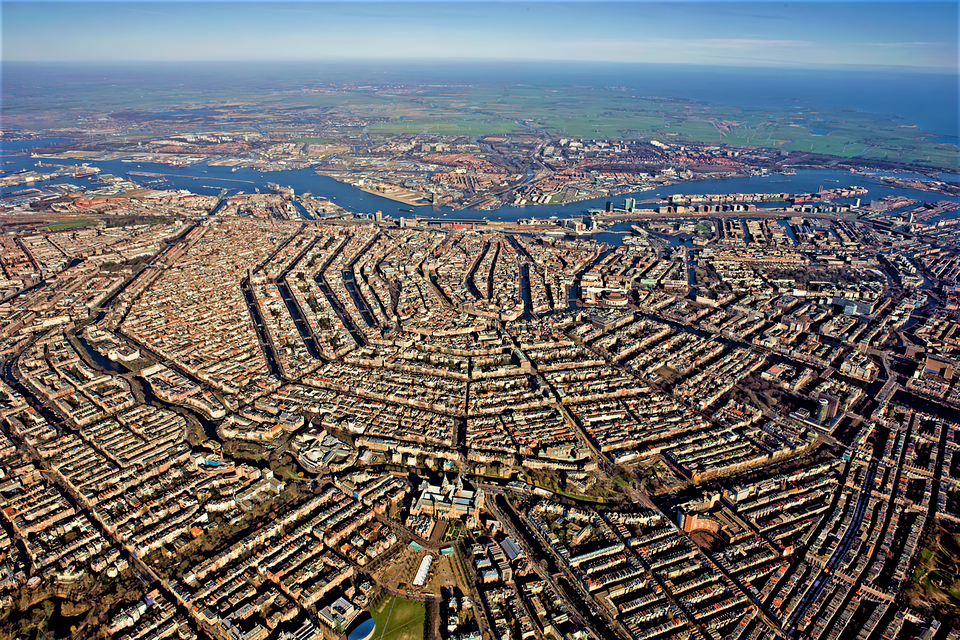
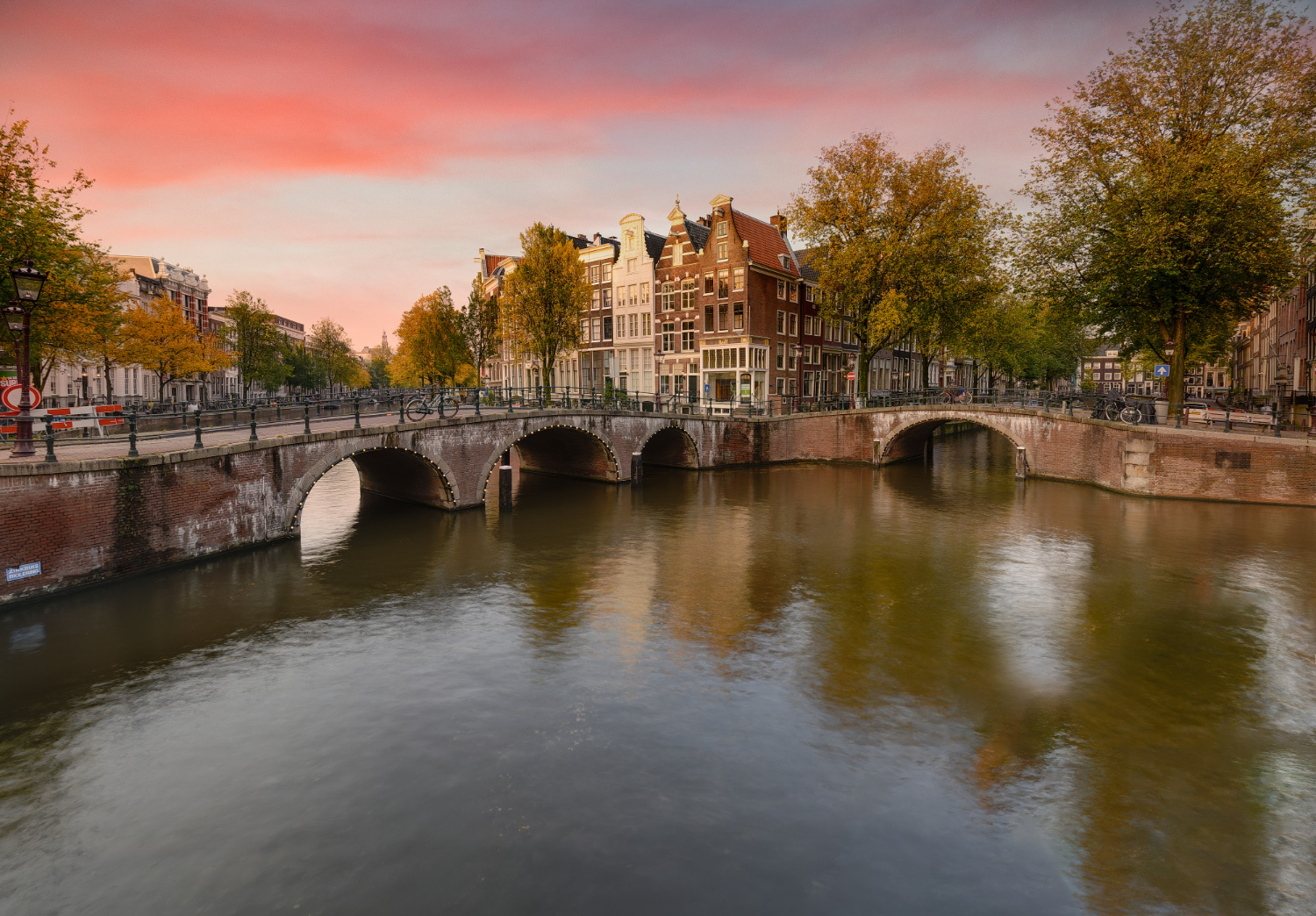
A planned seventeenth-century system of concentric canals built as urban infrastructure rather than for long-distance transport.
It functions as a street plan made of water and is best seen from a small boat rather than from a bridge. The Amsterdam ring is the canal system that is really a city layout.
4. The Grand Canal, China
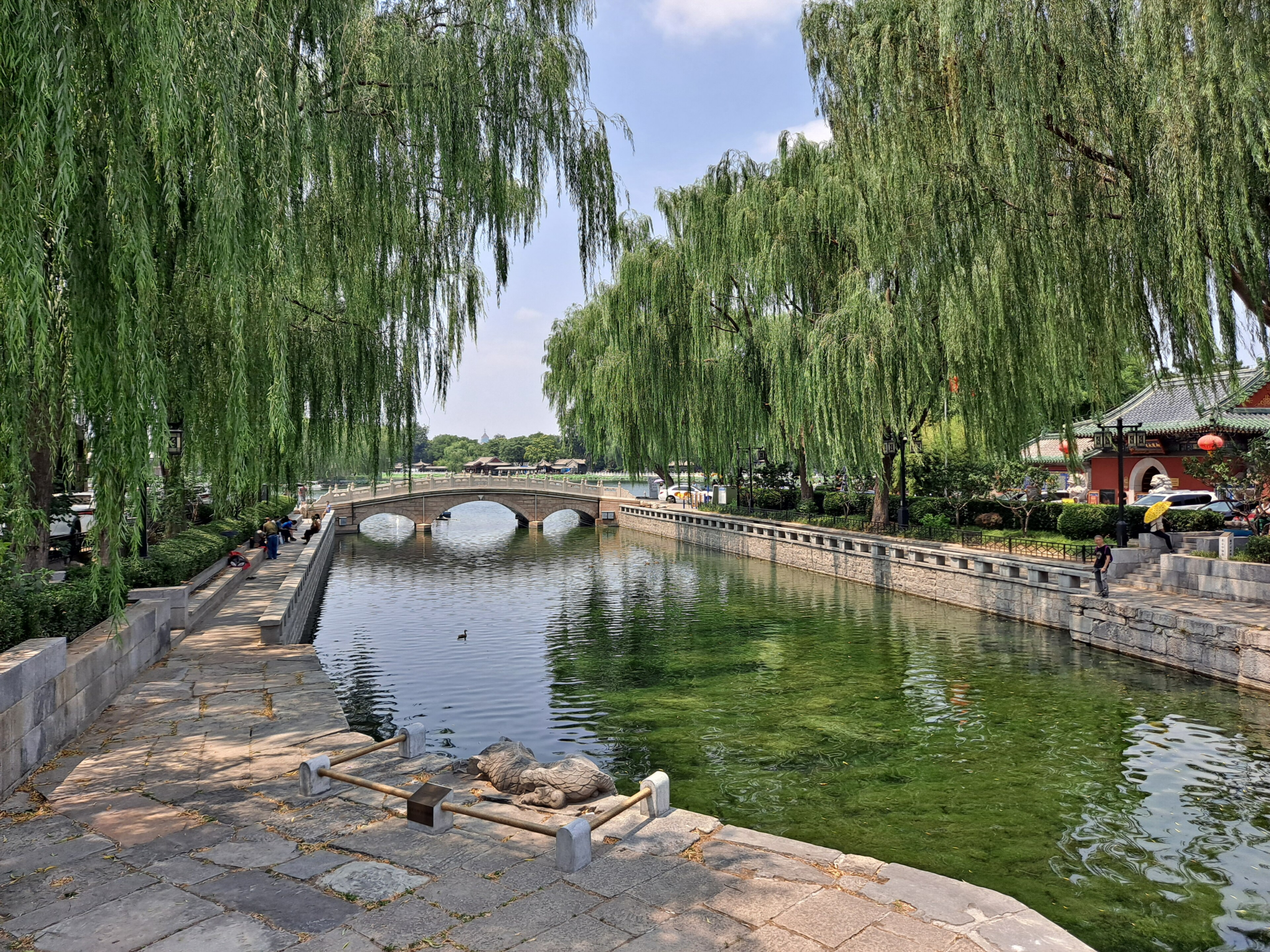
An enormous waterway system begun over a thousand years ago, linking major river basins and moving grain across the country for centuries.
Sections remain navigable and in use, and the scale of the original undertaking is difficult to overstate. The Grand Canal is the waterway that operated as national infrastructure for a millennium.
5. The Caledonian Canal, Scotland
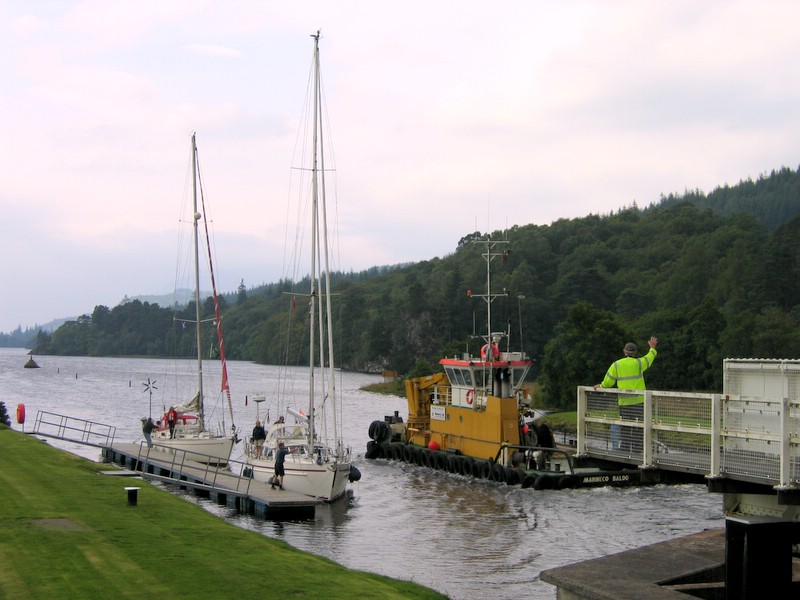
A route through the Great Glen linking a chain of lochs, cutting across the country and avoiding a long and exposed sea passage.
Much of the journey is across natural water rather than cut channel, with locks at the joins. The Caledonian is the canal that is mostly lakes with the gaps filled in.
6. The Kennet and Avon, England
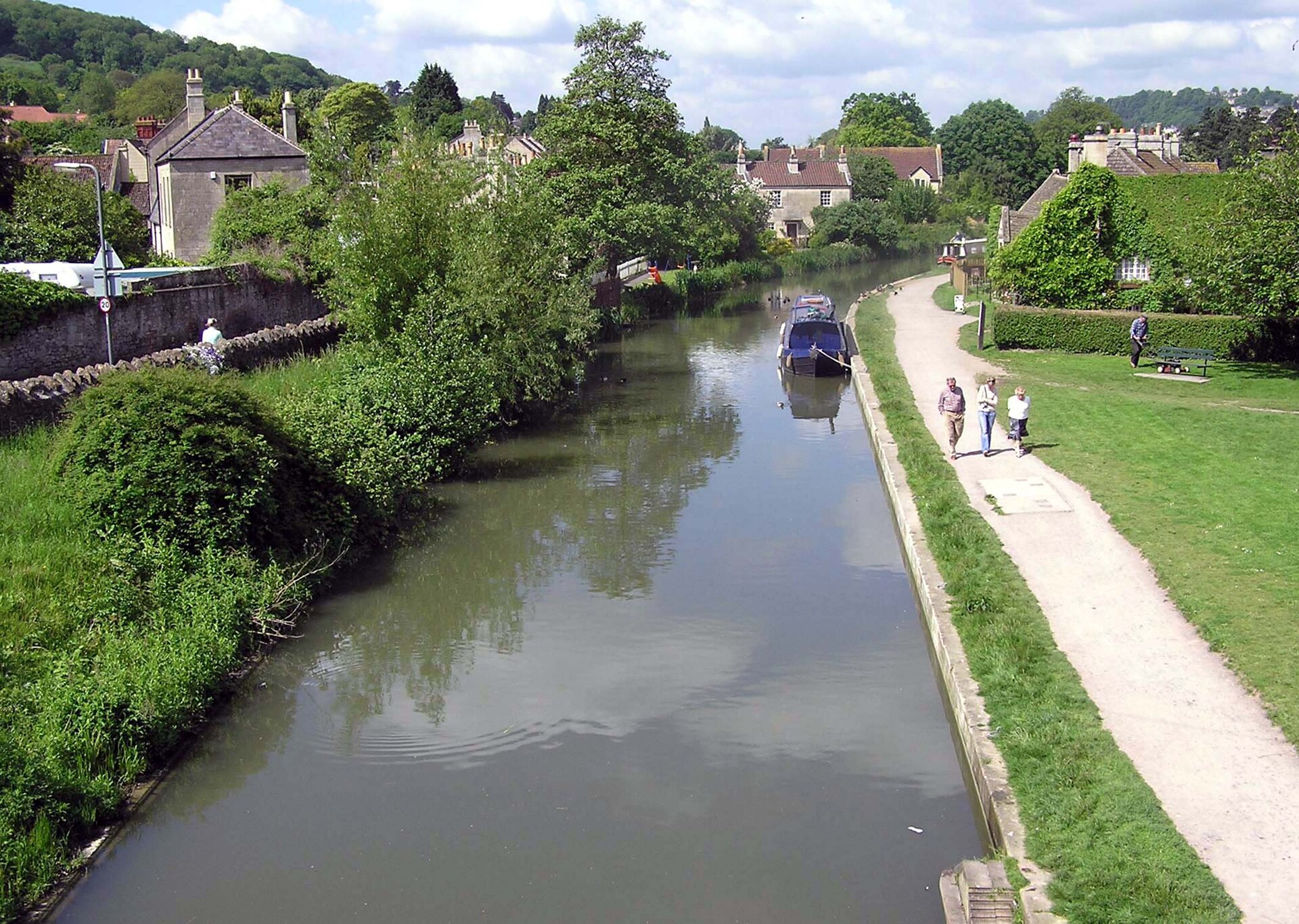
A restored waterway crossing southern England, including a long flight of locks that raises boats up a hillside in one continuous sequence.
It was derelict for decades and brought back by volunteers over many years. The Kennet and Avon is the canal that was rescued by people who simply refused to let it close.
7. The Gota Canal, Sweden
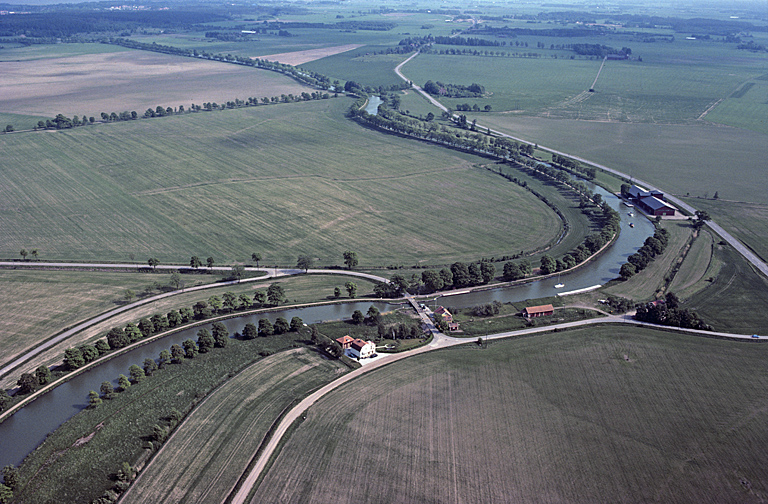
A route across southern Sweden linking lakes and cut sections, taking boats from one coast to the other through farmland and forest.
It was built with an eye to avoiding a long maritime detour. The Gota Canal is the waterway that crosses an entire country.
8. The Bruges and Ghent Waterways, Belgium
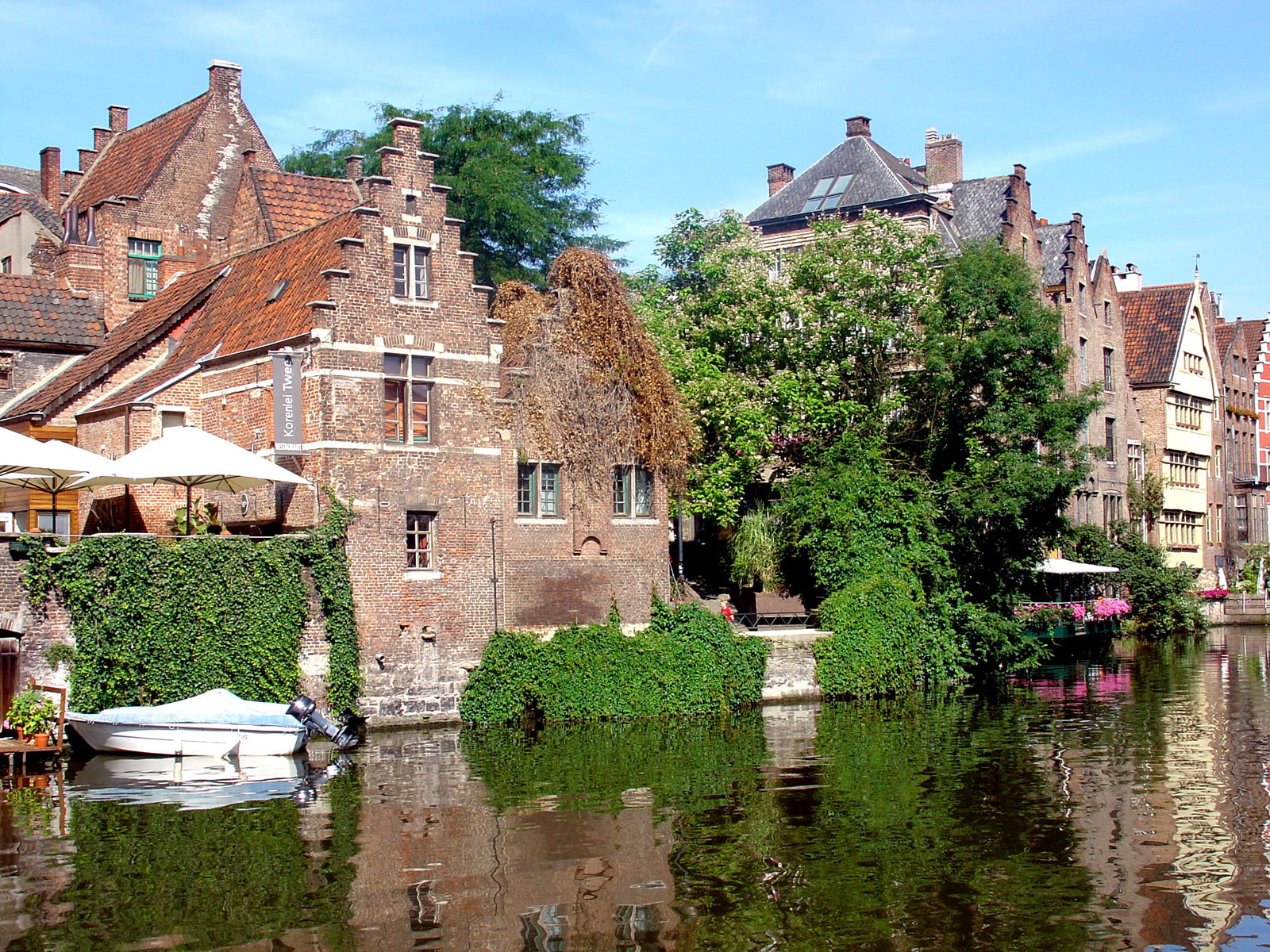
Medieval urban canals threading through two historic cities, built for trade when water was the only practical way to move goods in bulk.
They are now walked more than sailed, and the towpaths are the best way to see either city. The Flemish city canals are the waterways that explain why those towns are where they are.
9. The Rideau Canal, Canada
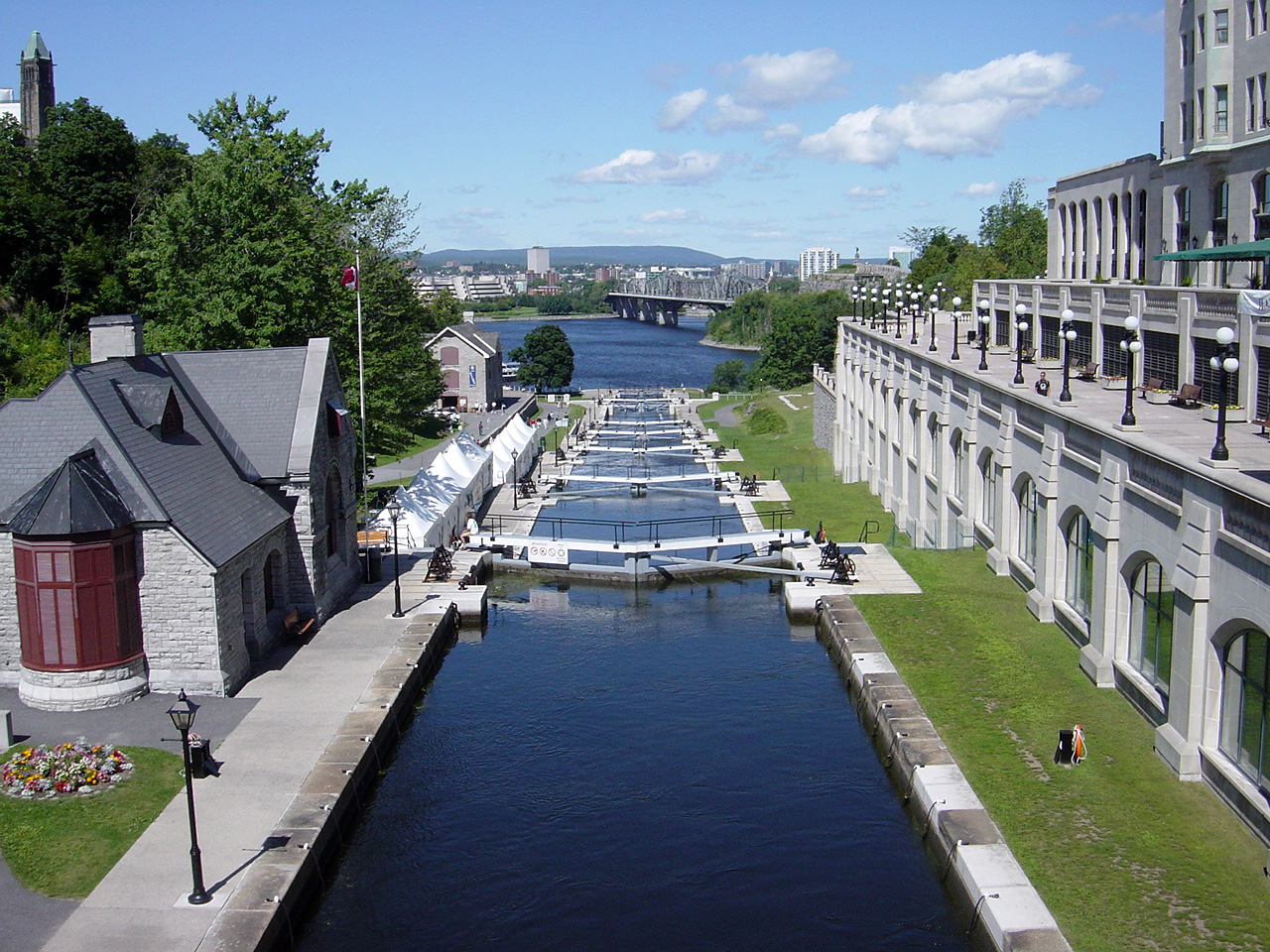
A waterway linking Ottawa to Lake Ontario, built for military logistics and now used for recreation, with much of its original lock machinery still hand-operated.
A long section freezes in winter and is used as a skating route. The Rideau is the canal that becomes a road surface for part of the year.
10. The Backwaters of Kerala, India
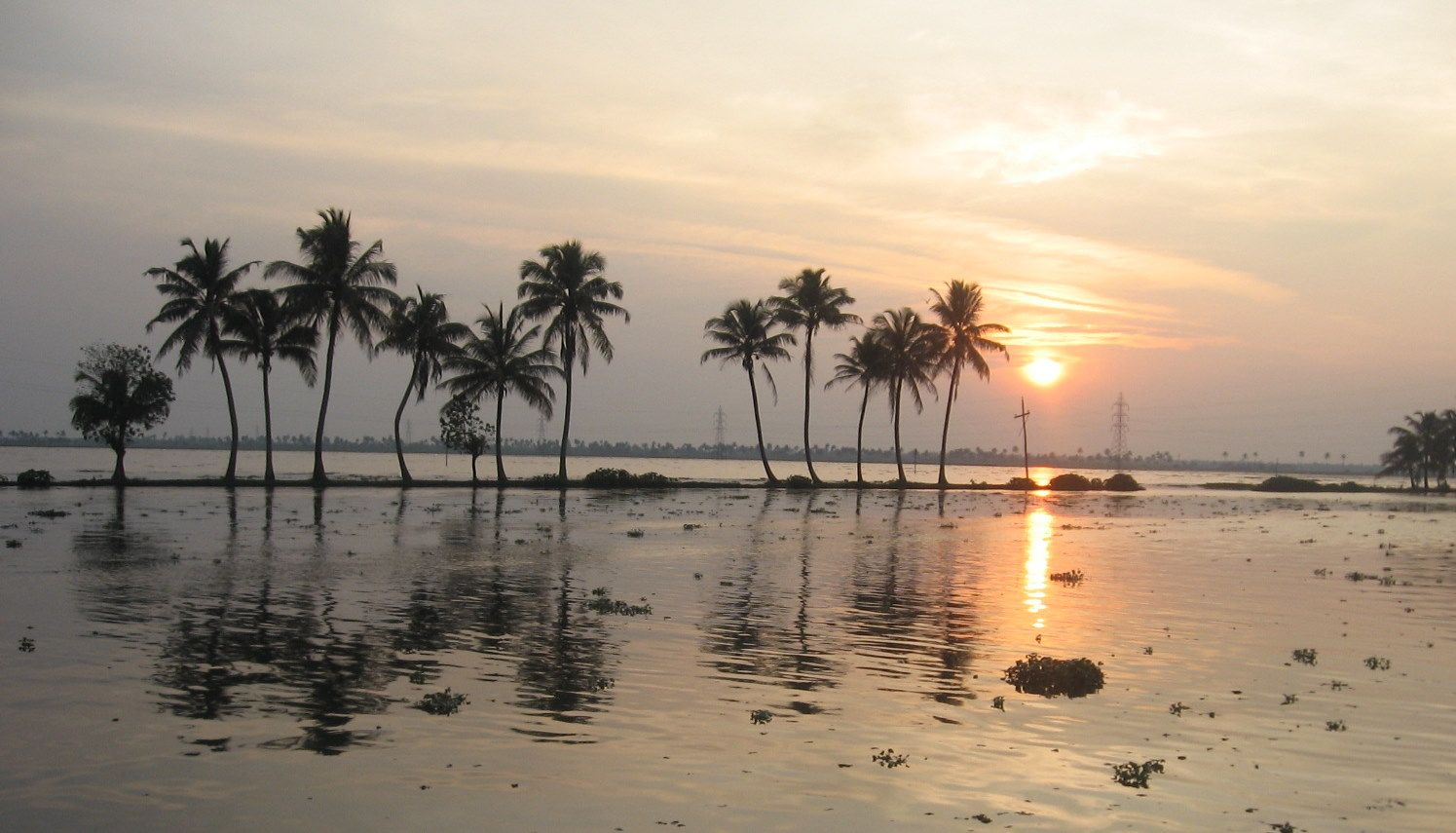
A connected network of lagoons, lakes and canals running parallel to the coast, used for transport, fishing and farming long before tourism.
Traditional cargo boats have been converted for passengers, and the network still functions as local infrastructure. The Kerala backwaters are the waterways where the boats are somebody’s daily commute.
11. The Canals of Birmingham, England
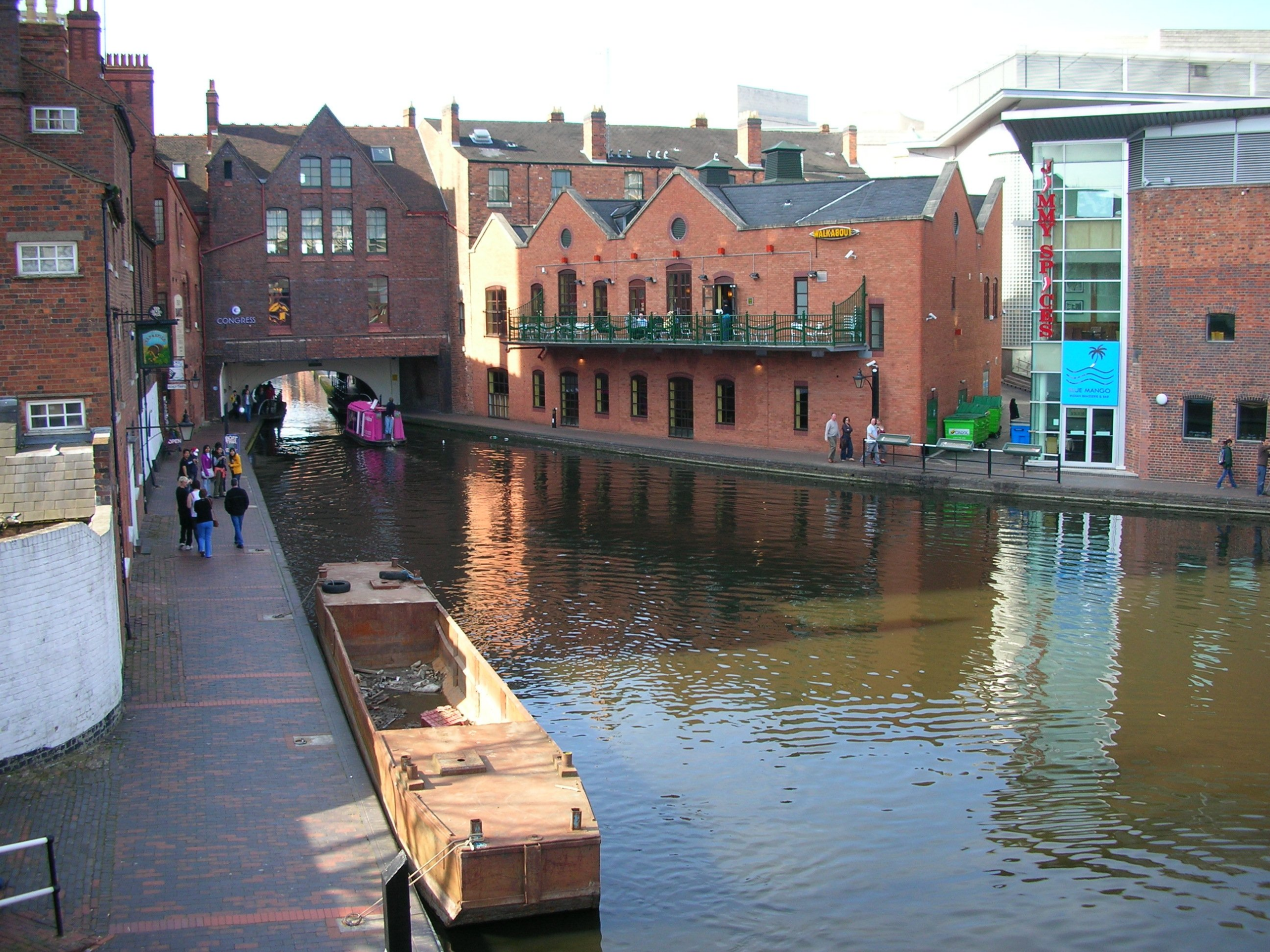
A dense industrial network at the heart of what was once the manufacturing centre of a country, with a total length that surprises everyone who hears it.
Much has been restored, and the towpaths now form an unusual pedestrian network through a large city. Birmingham is the canal system that turned out to be a walking route once the freight left.
12. The Corinth Canal, Greece
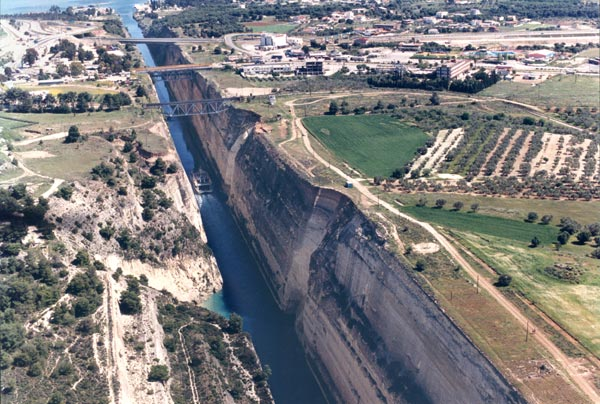
A narrow cut through solid rock separating a peninsula from the mainland, with near-vertical walls rising high above a very narrow channel.
It is too narrow for most modern shipping and is now largely a spectacle rather than a route. Corinth is the canal that was obsolete almost as soon as ships grew.
14. The Waterways of Suzhou and the Chinese Canal Towns
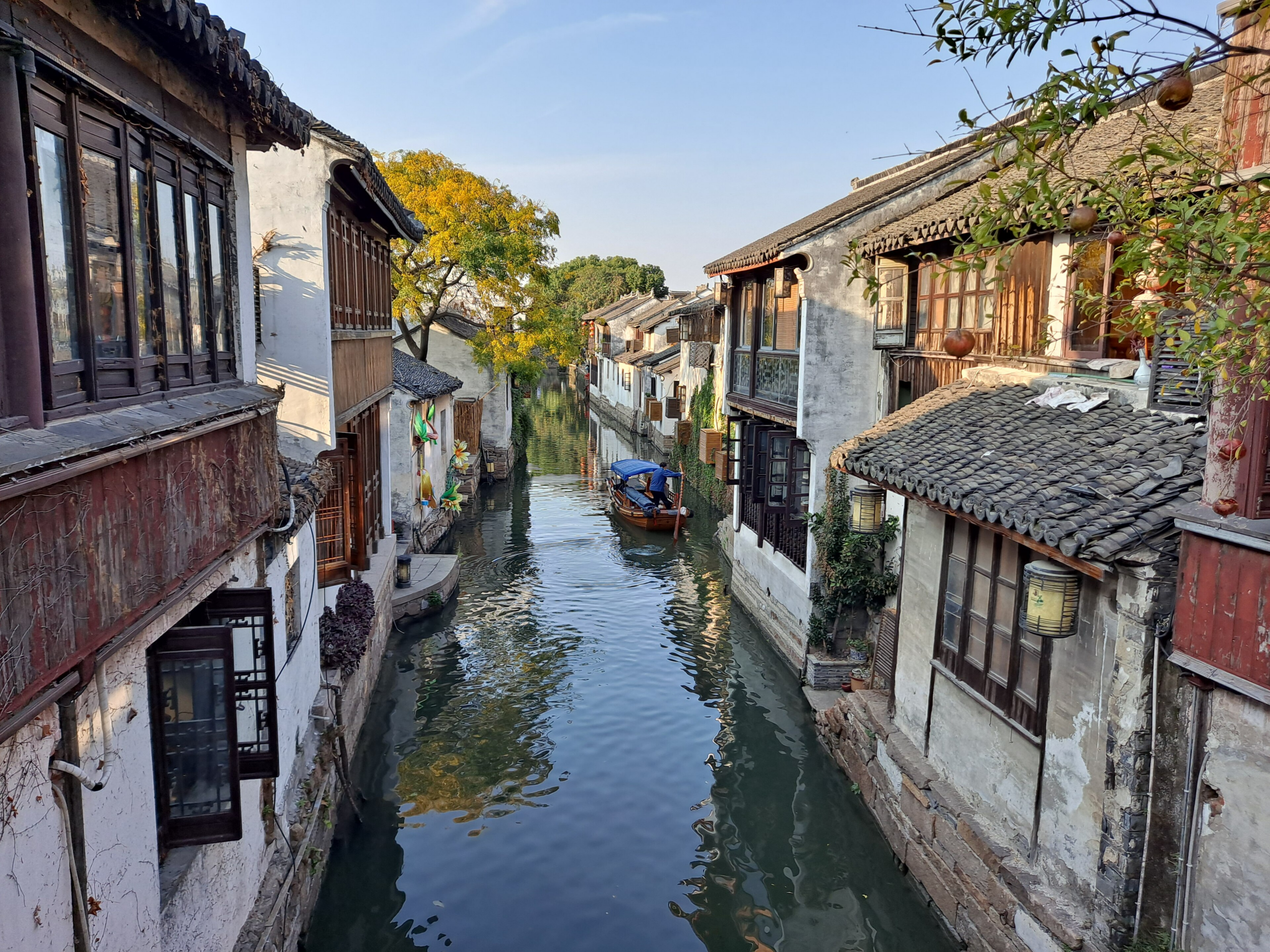
Several historic towns are built around canal networks with stone bridges, water gates and houses fronting directly onto the water.
They developed as trading settlements on the canal system rather than as ornamental places. The Chinese canal towns are the waterways that a whole settlement pattern was built around.
15. The Erie Canal Corridor, USA
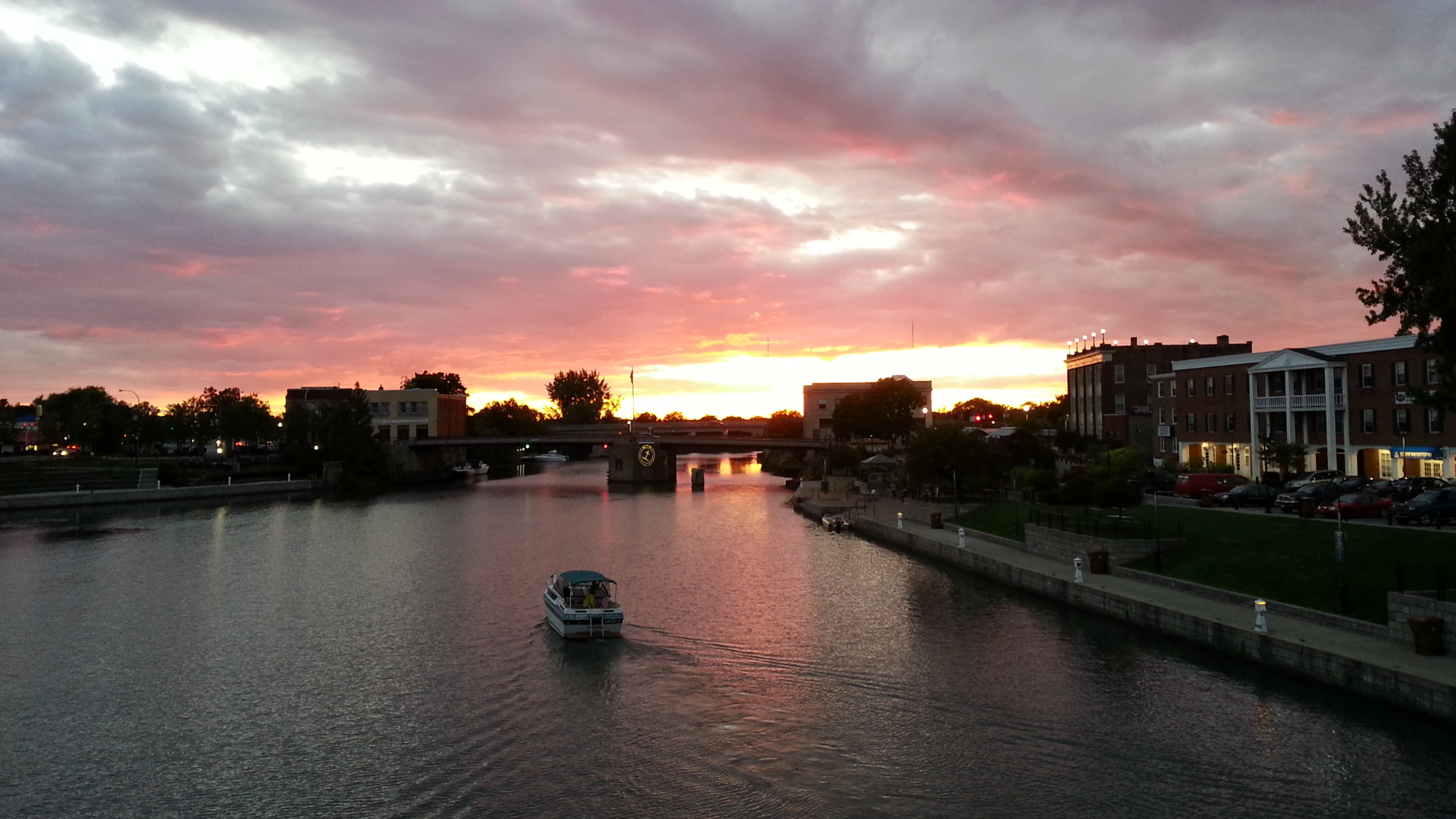
A nineteenth-century waterway across New York state that transformed the economics of a continent by linking the interior to the Atlantic.
Much of the corridor is now a long-distance trail alongside surviving and rebuilt sections. The Erie corridor is the canal that changed a country and is now mostly walked.
Built for Freight, Kept for Everything Else
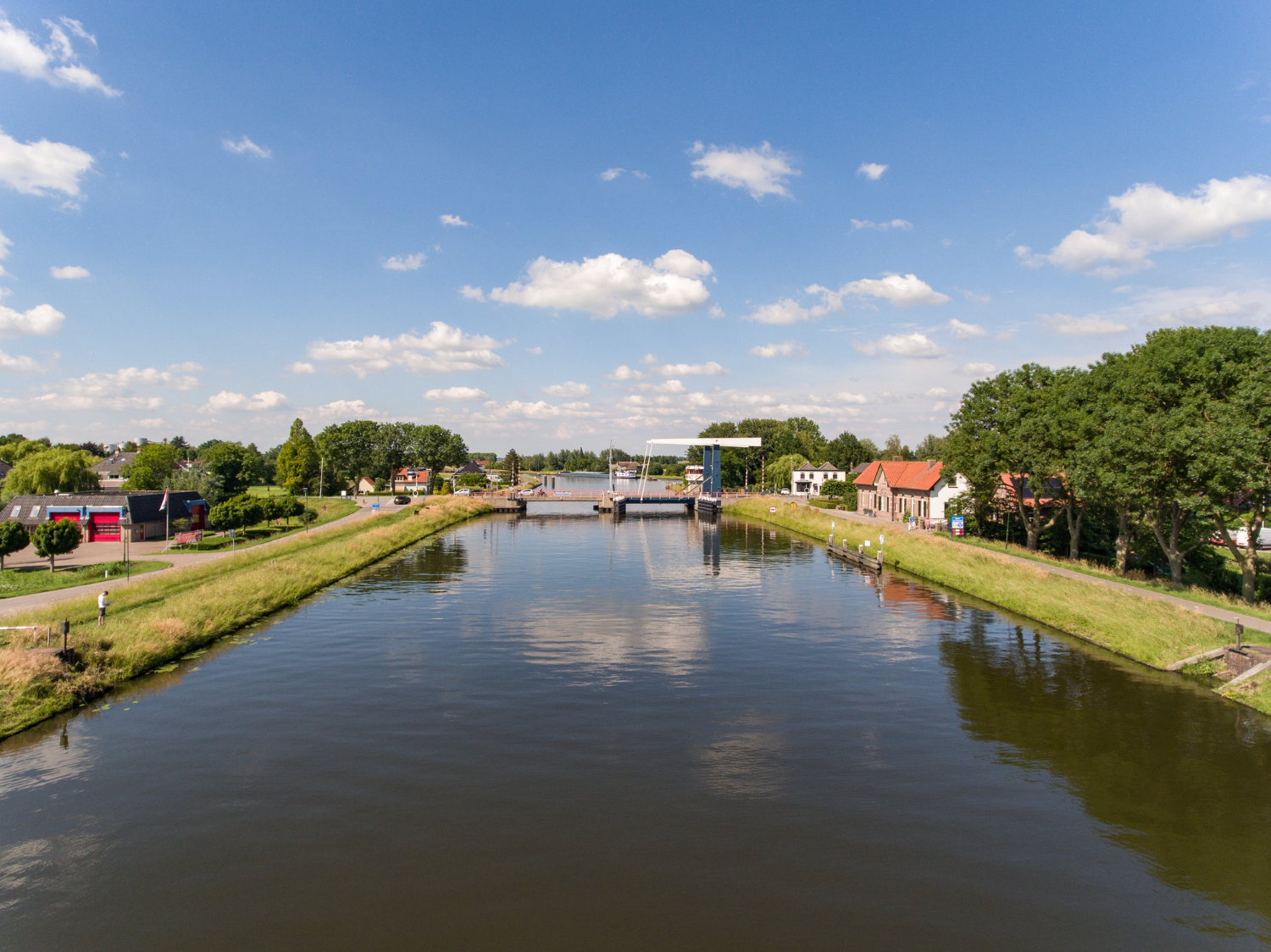
Not one of these was made for pleasure. Each was cut to move grain, coal, timber, iron or soldiers, and each survives because a linear route through good country turns out to be worth keeping once the cargo has gone.
Practical notes: towpaths vary enormously in surface and can be muddy or closed for repair, boat hire usually requires a short briefing rather than a licence, locks take longer than anyone expects, and several of these have sections that are unnavigable or restricted. Check current conditions before setting out, and remember that the pace is the point rather than a limitation.
Like our content? Follow us for more.