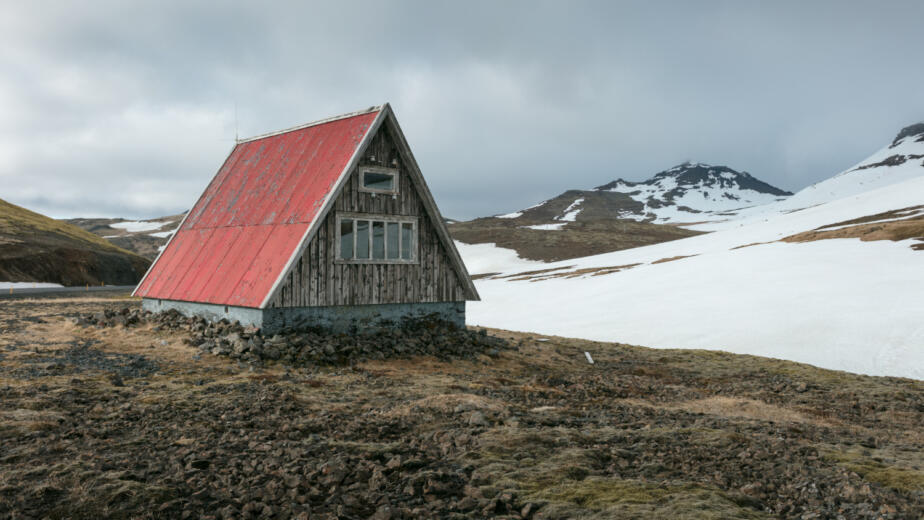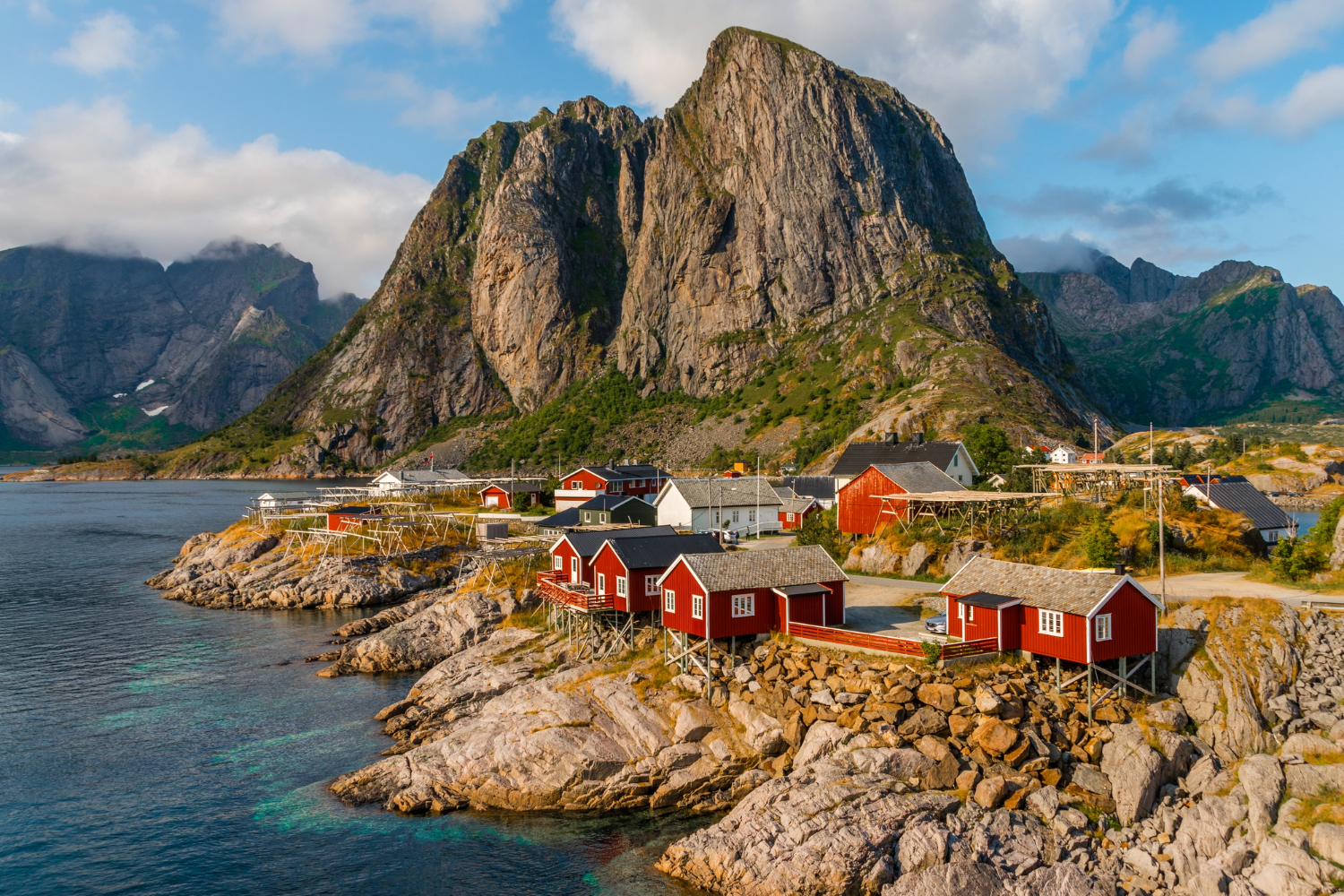
The feature that makes a fjord a fjord is the sill at its entrance – a shallow threshold of rock and debris left where the glacier terminated. Water inside is partly separated from the open ocean by it, which affects circulation, temperature and what lives there. Here are ten.
1. The Western Fjords of Norway
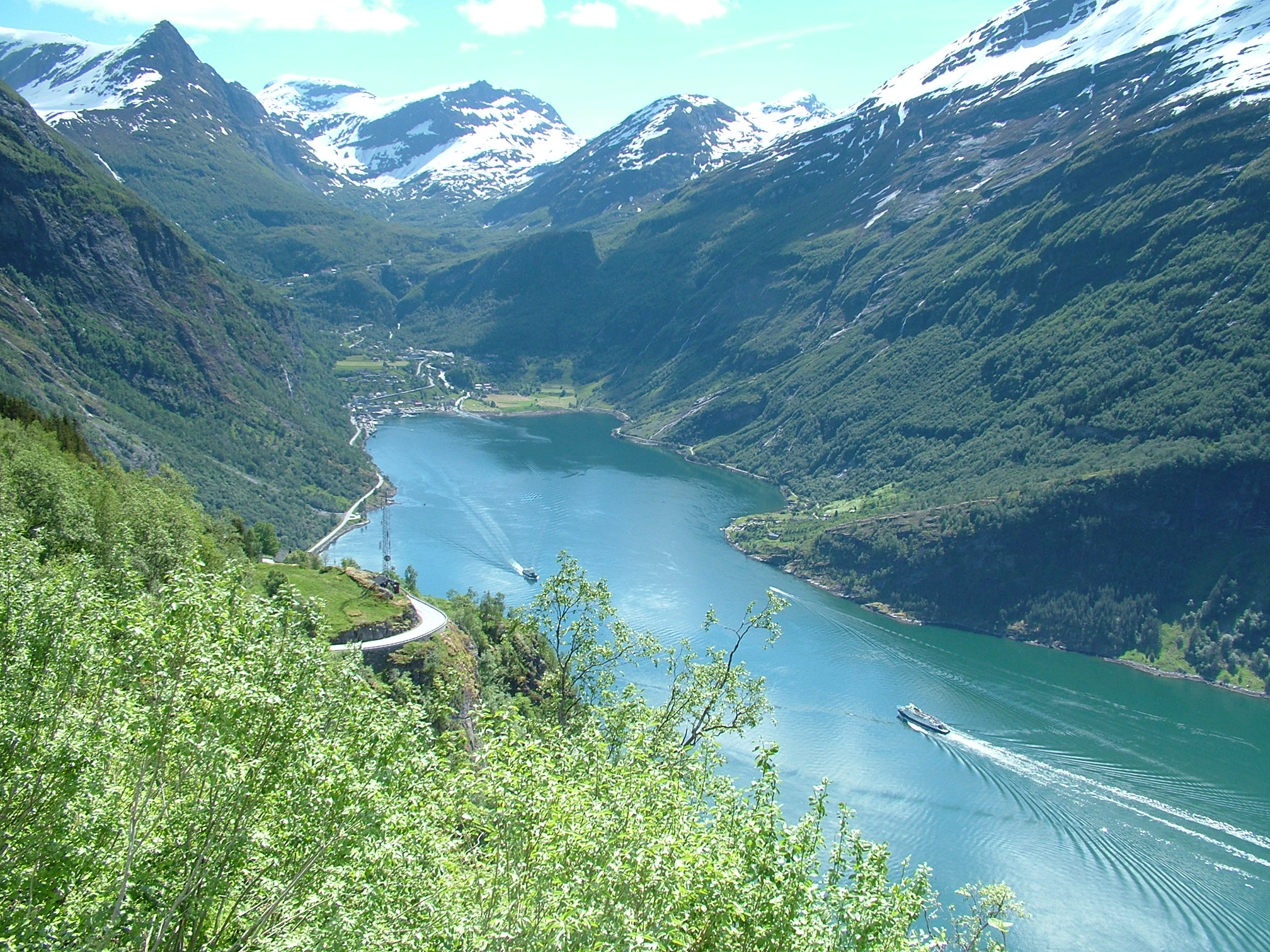
The classic form: long, narrow inlets running many kilometres inland between walls rising steeply from deep water, with waterfalls arriving directly into the sea.
Small farms sit on ledges partway up the walls, reached historically by ladder. The Norwegian fjords are the ones the landform is named after.
Like our content? Follow us for more.
2. The Fjords of Greenland
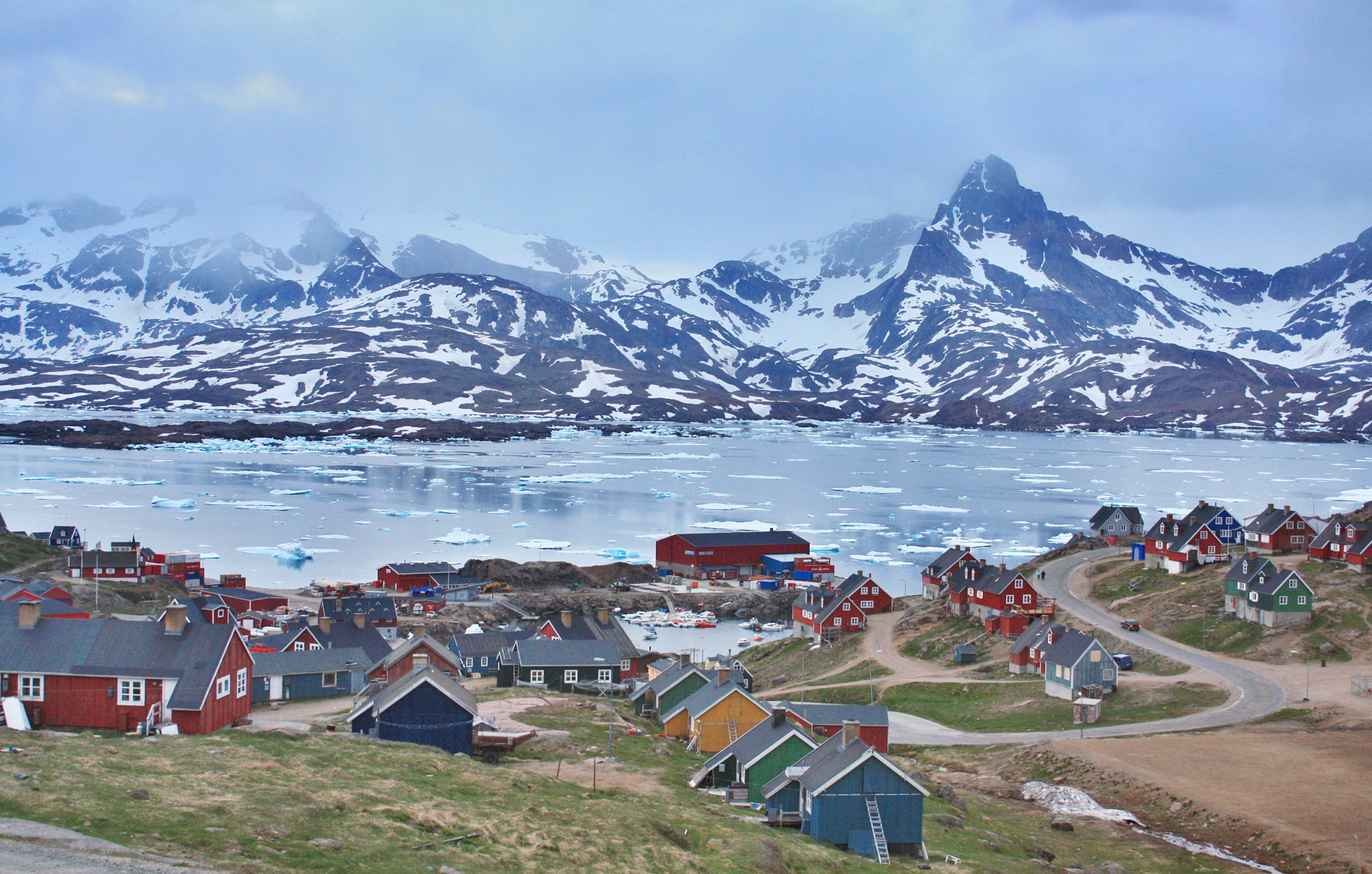
Systems on an enormous scale, with glaciers still terminating at the heads of several and ice in the water for much of the year.
Access is by boat or air and the distances involved are substantial. The Greenland fjords are the ones where the ice that made them is still present.
3. The Chilean Patagonian Fjords
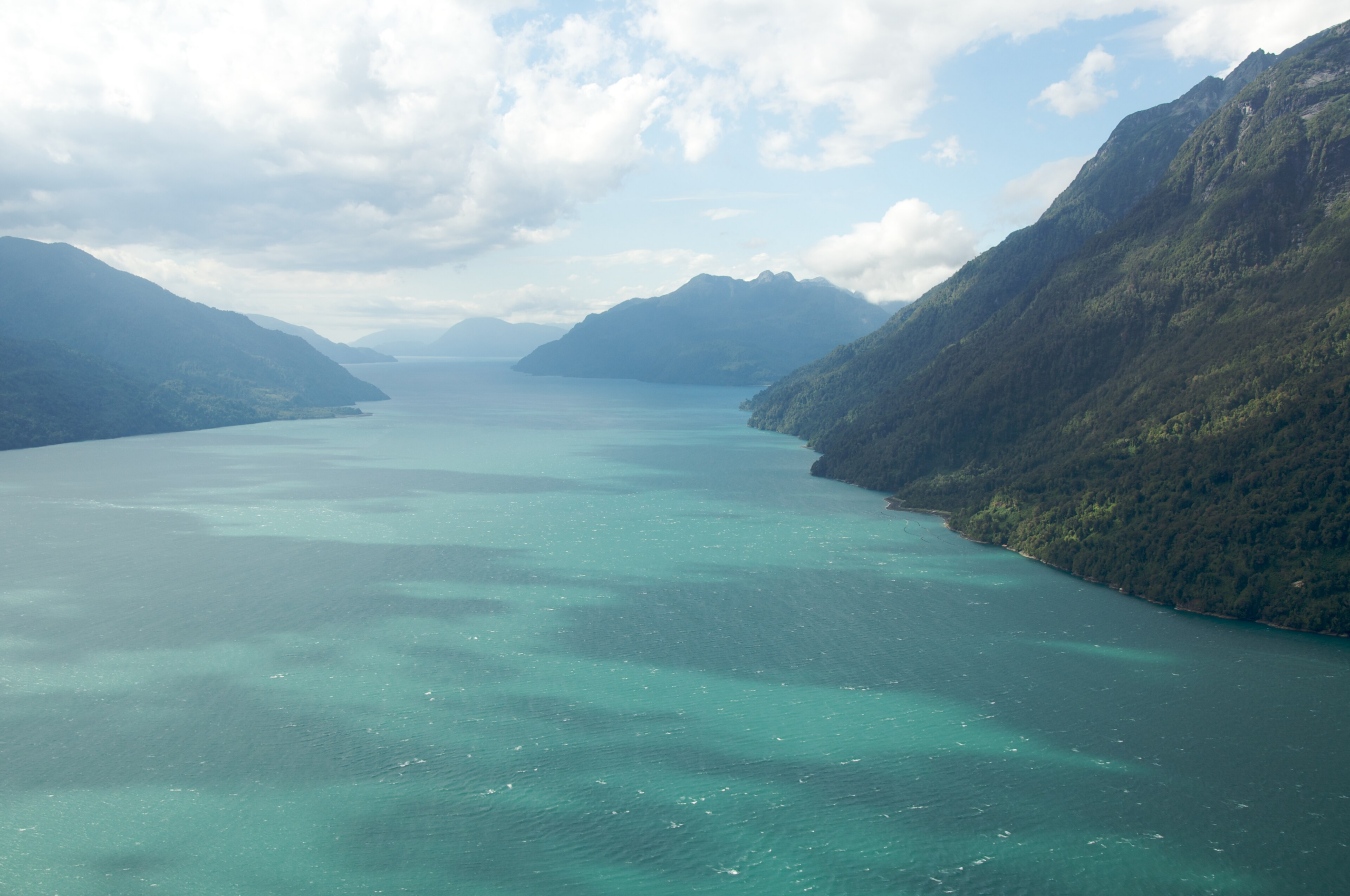
An extensive and largely uninhabited system of channels, islands and inlets running down the southern coast, reached mainly by ship.
Weather in the region is famously changeable and often severe. The Patagonian fjords are the ones where almost nobody lives.
4. Fiordland, New Zealand
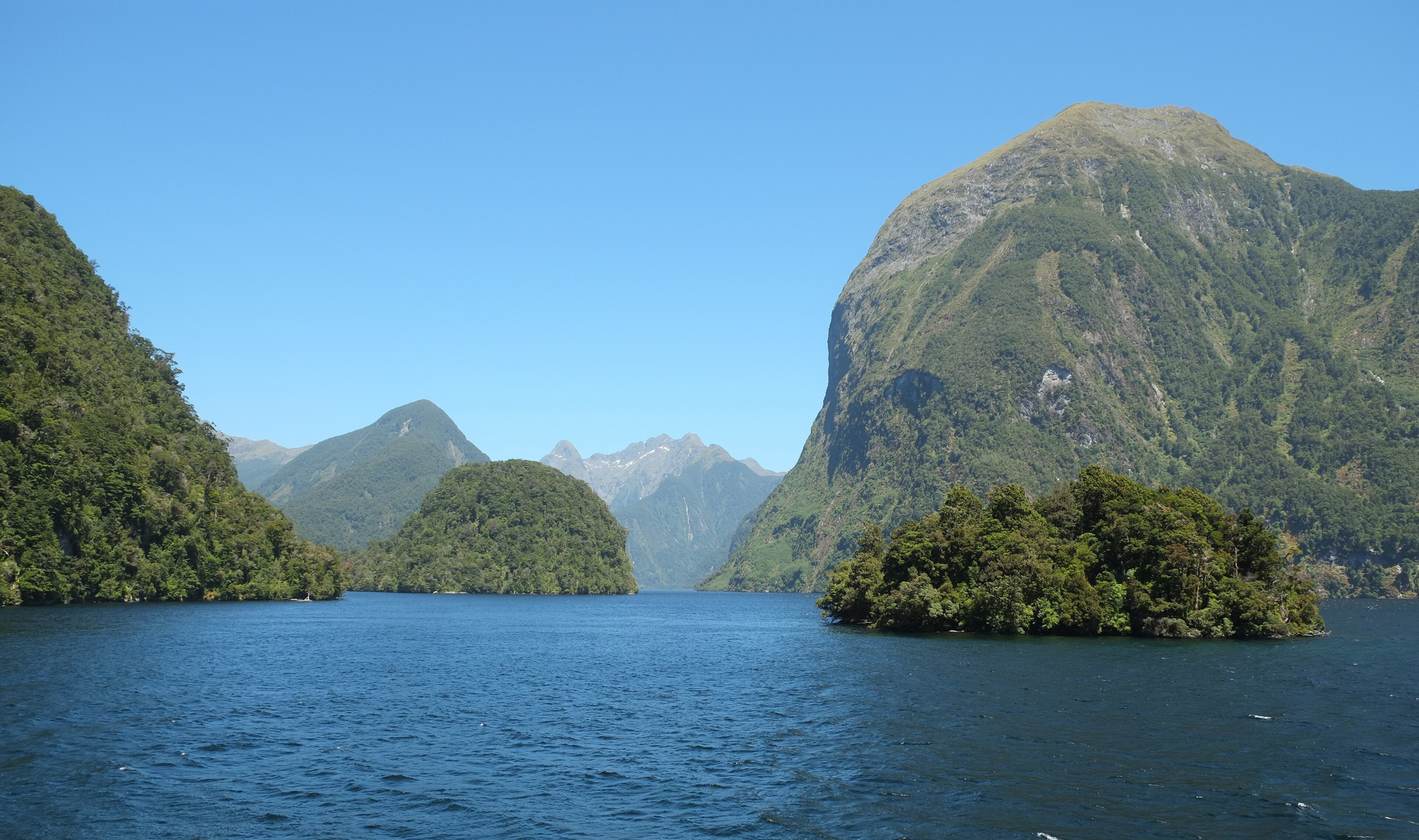
Extremely high rainfall means waterfalls appear across the cliff faces within hours of rain and disappear again afterwards.
The freshwater sits as a distinct layer above the seawater, which affects light penetration and what grows below. Fiordland is the fjord system with two kinds of water stacked on top of each other.
5. The Sea Lochs of Scotland
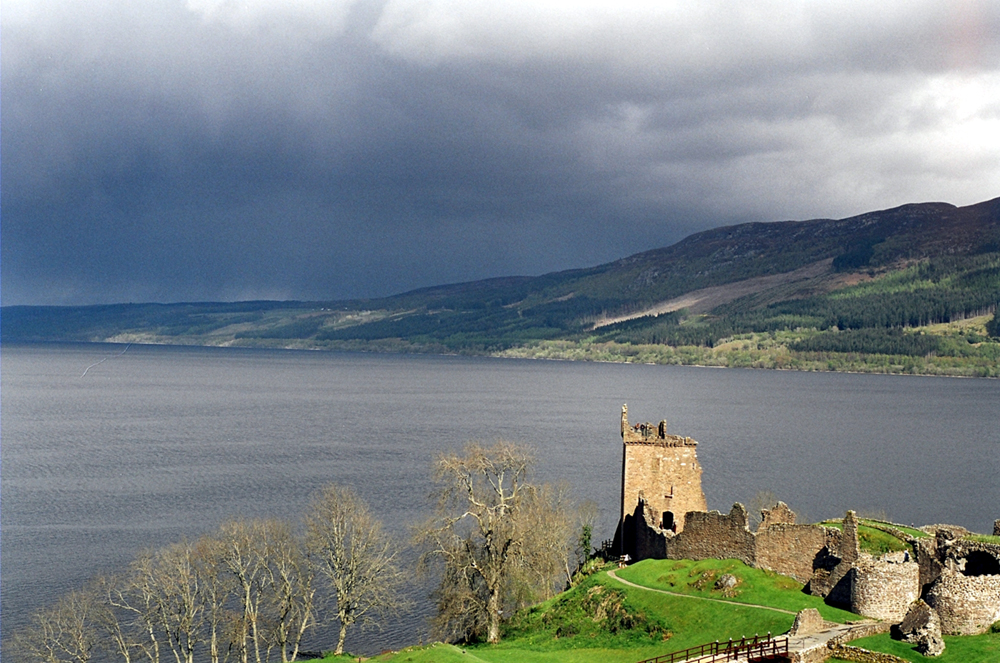
The same landform under a different name, formed by the same process, cutting deeply into the western coast and islands.
They are shallower and shorter than the Norwegian examples but geologically identical. The Scottish sea lochs are the fjords that are not called fjords.
6. The Westfjords of Iceland
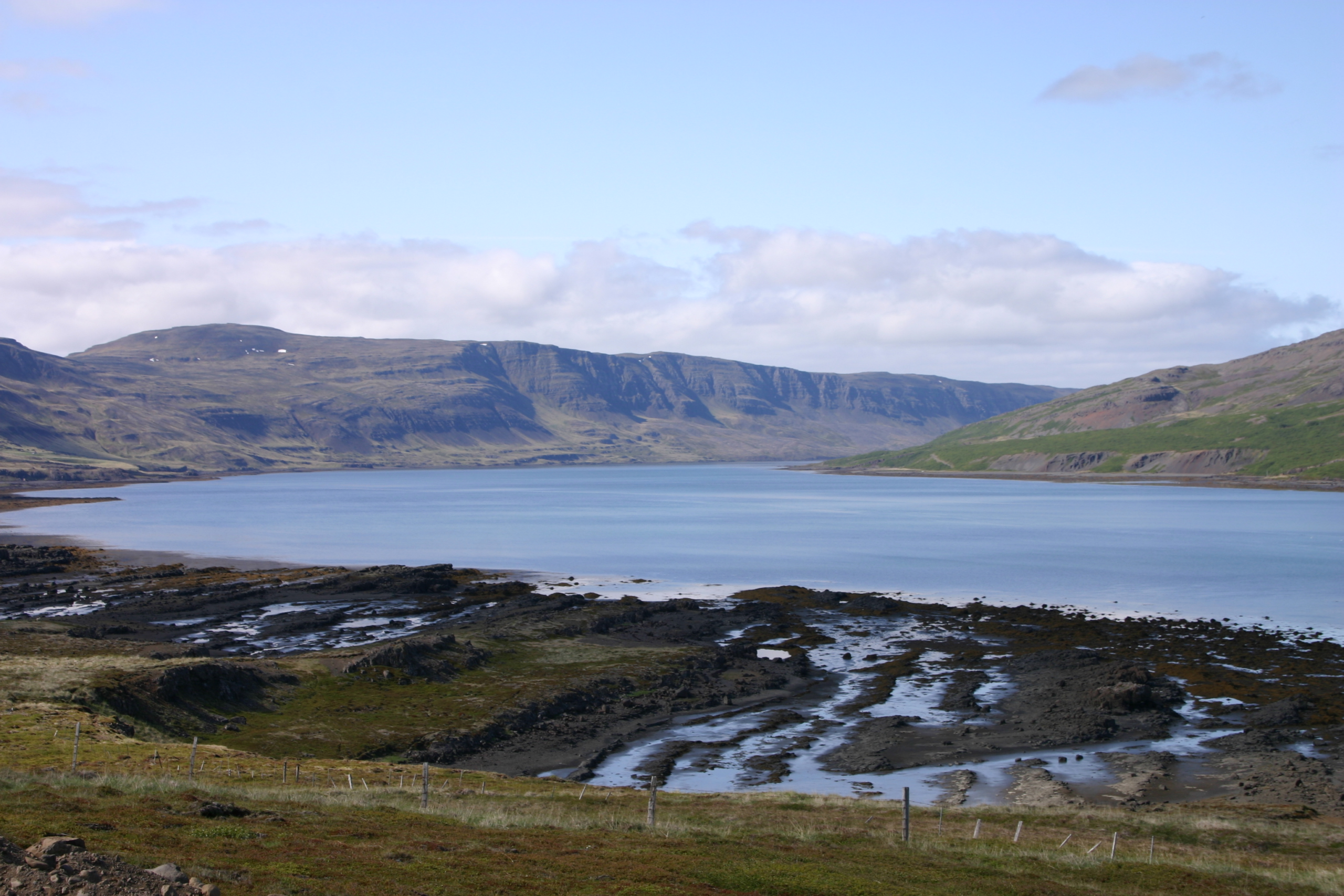
A remote peninsula of inlets where the road must follow the shoreline around each one, so short straight-line distances become long journeys.
Settlements are small and separated by mountain passes. The Westfjords are the fjords where the geography multiplies every distance.
7. The Fjords of Southeast Alaska
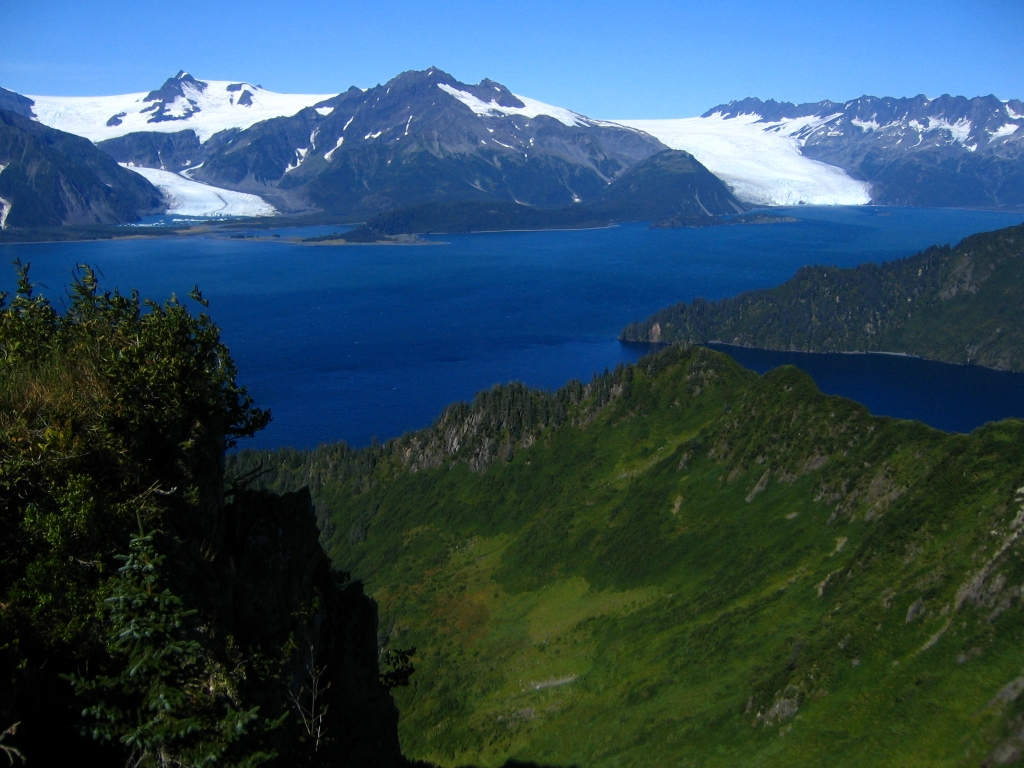
Inlets with glaciers reaching the water at the heads of several, and marine wildlife concentrated where nutrient-rich water is stirred up.
Most access is by boat, since roads are limited throughout the region. The Alaskan fjords are the ones where the wildlife draws more visitors than the geology.
8. The Fjords of the Canadian Arctic
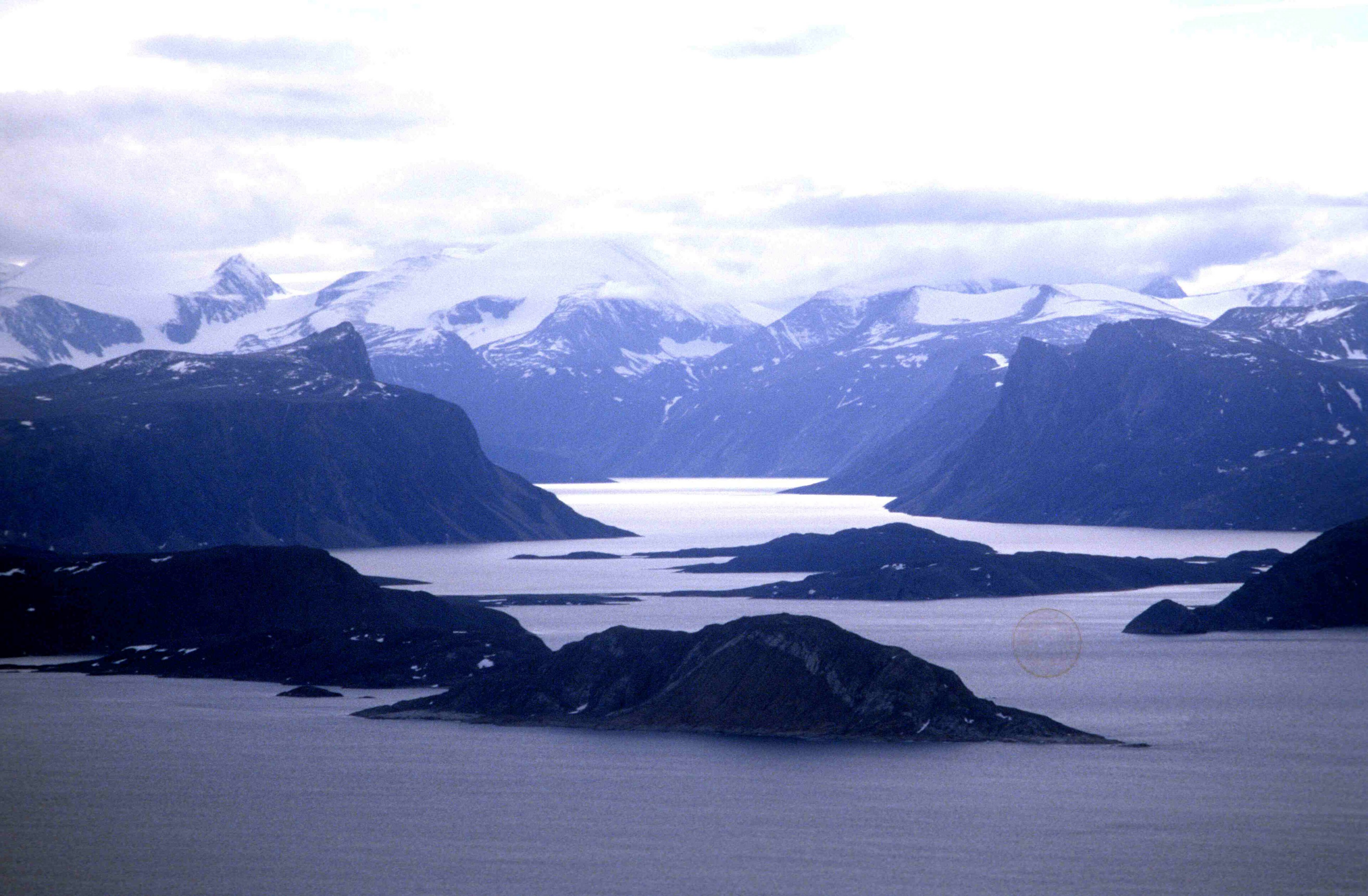
Very large, very remote inlets cut into the eastern edge of the Arctic islands, with cliff walls among the highest of any fjord anywhere.
Ice conditions govern when access is possible at all. The Canadian Arctic fjords are the ones with the tallest walls and the shortest season.
9. The Sounds and Inlets of the Faroe Islands
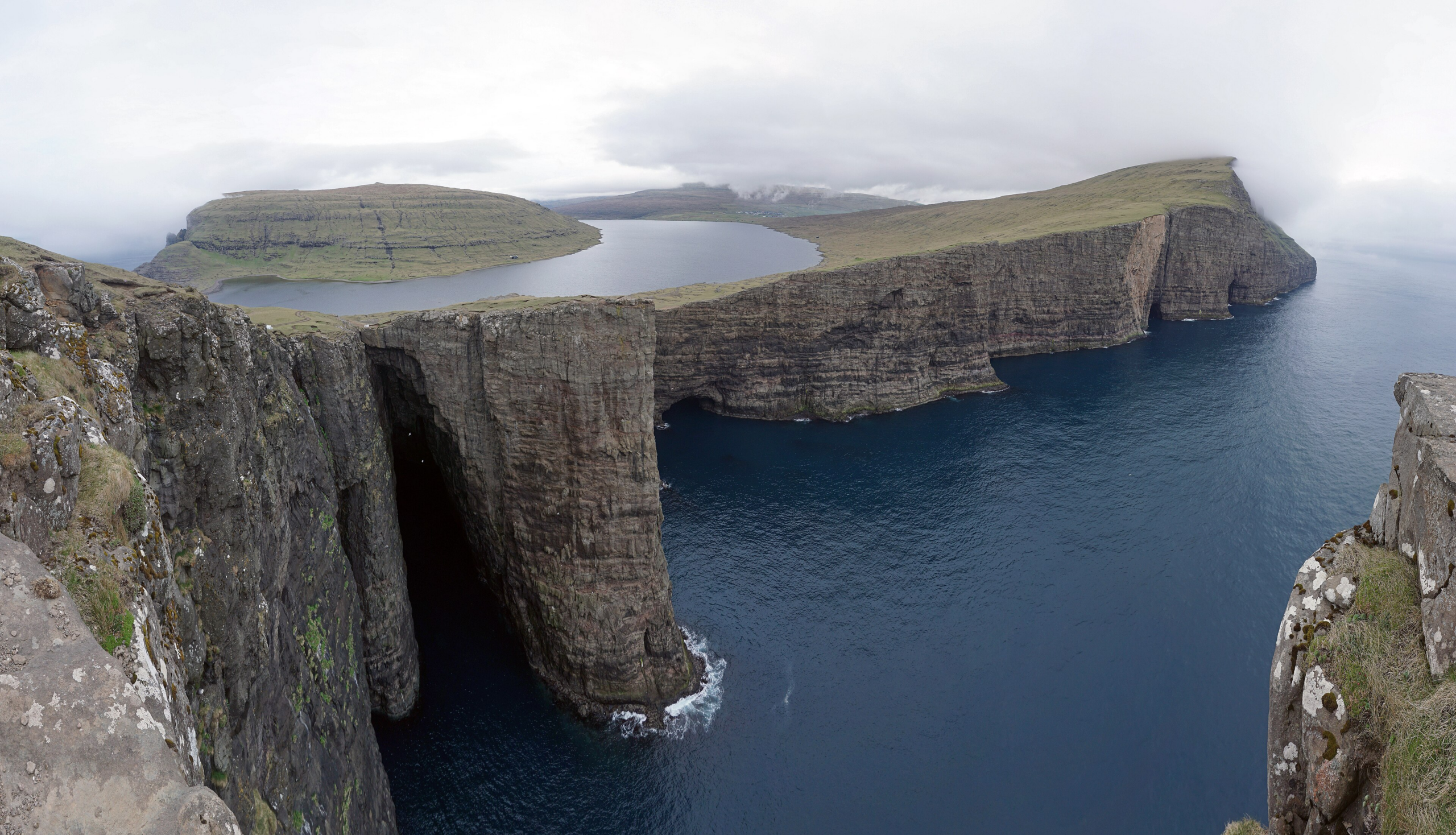
Steep-sided channels between islands, with villages tucked into the few places flat enough to build, and weather that dominates everything.
Ferries and tunnels connect what the sea separates. The Faroese inlets are the fjord-like channels where the settlements are wedged into gaps.
10. The Fjords of Svalbard
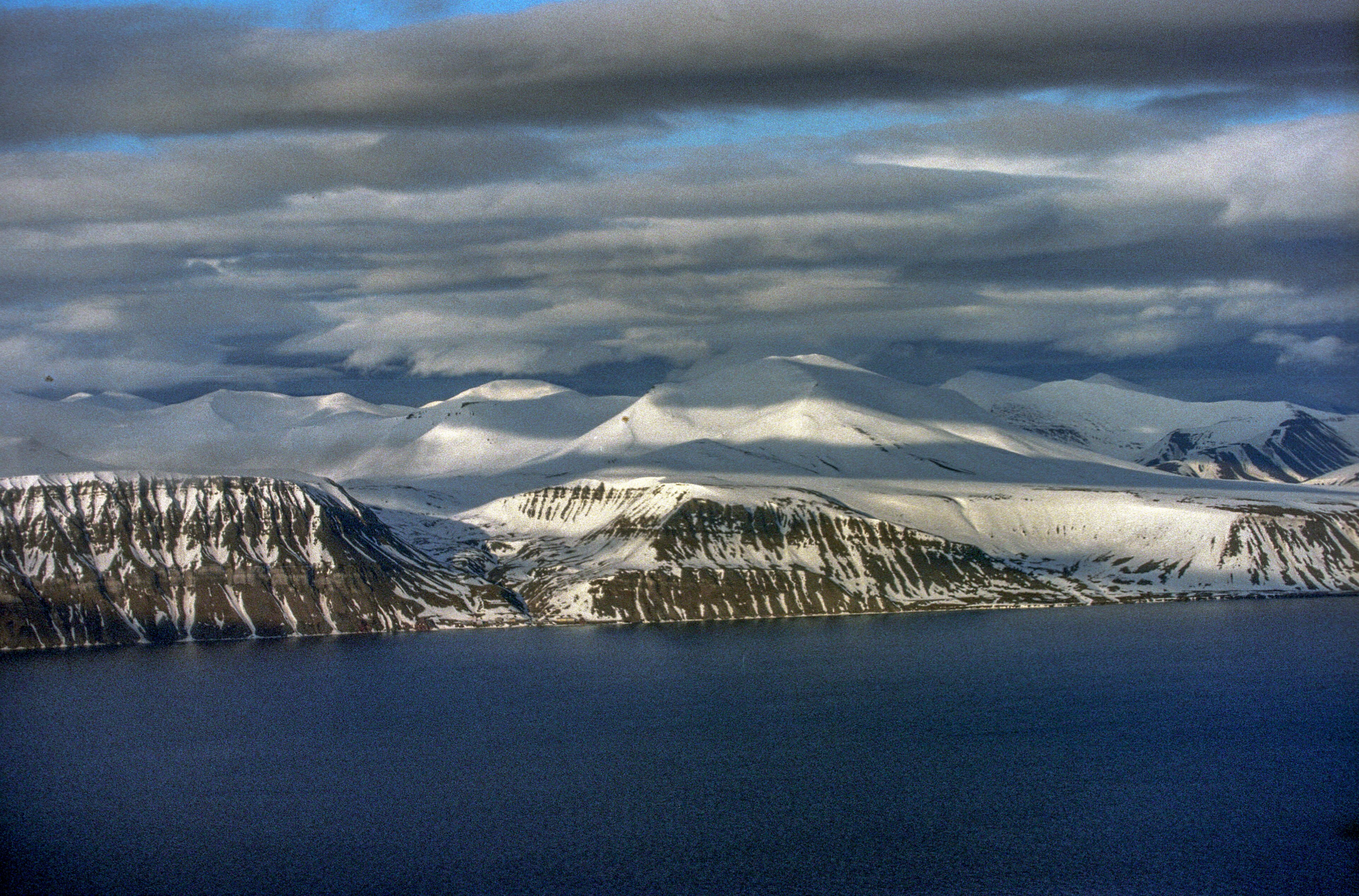
High Arctic inlets with seasonal sea ice, reached only in a short window and subject to specific local requirements that visitors must follow exactly.
Organised transport and local guidance are not optional there. The Svalbard fjords are the ones where you go with somebody who knows the rules.
Deep Inside, Shallow at the Door
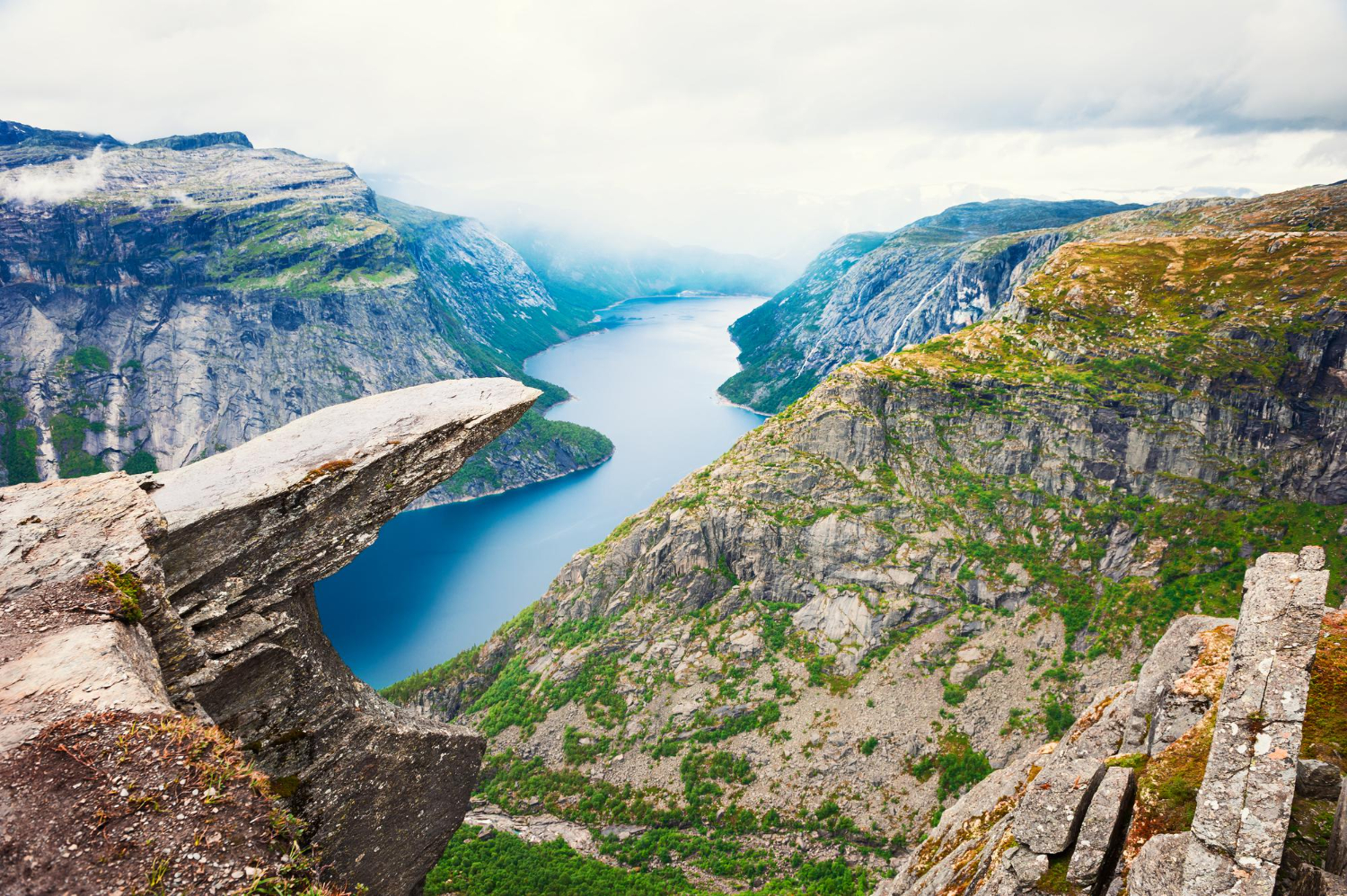
The sill at the mouth is what makes a fjord distinctive. It restricts exchange with the open ocean, so the deep water inside can behave quite differently from the sea a short distance away.
Practical notes: the water is cold everywhere on this list regardless of the air temperature, weather changes quickly in steep terrain, road access is limited or absent for several entries, and the remoter ones require organised transport and local guidance rather than improvisation. Check what is actually running before you plan around it, and take whatever guidance you are given seriously.
Like our content? Follow us for more.