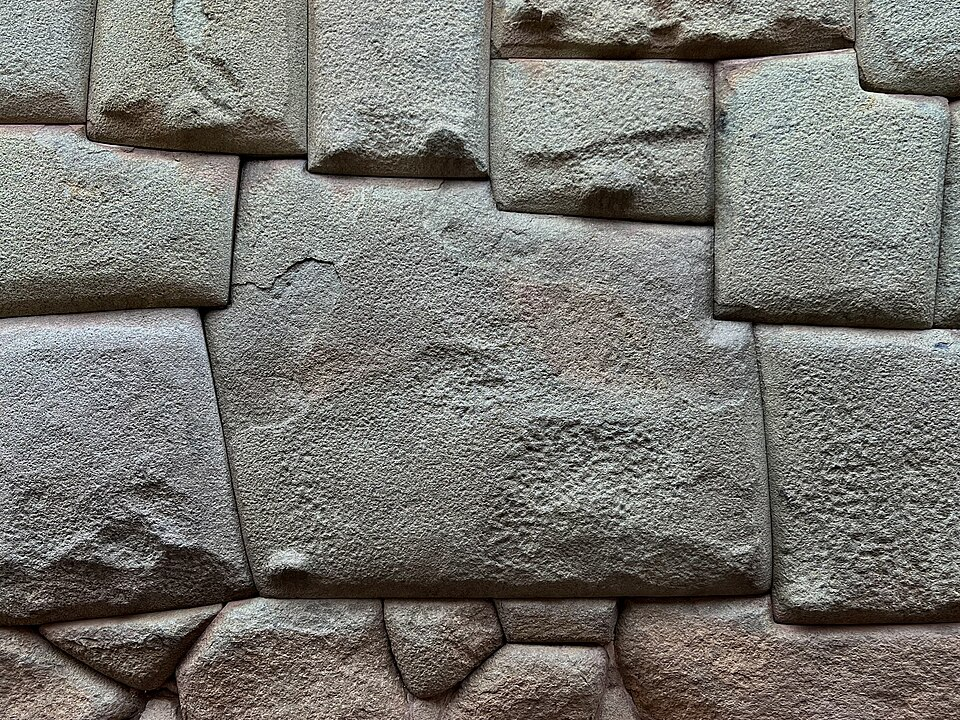
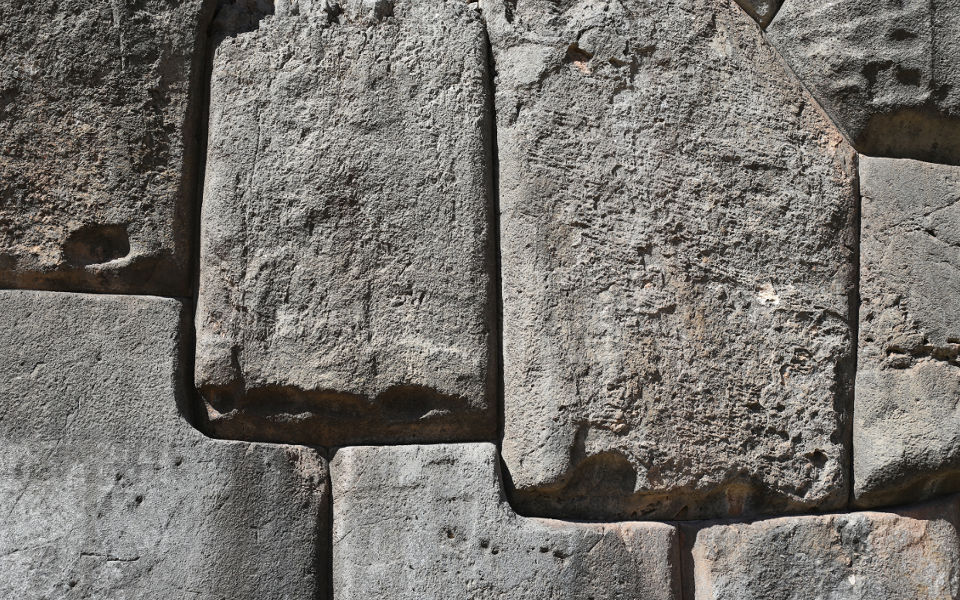
There is a wall in Cusco that tourists queue to photograph because of one stone in it, which has twelve angles and fits its neighbours on every one of them.
The photograph does not really convey the problem. A rectangular block is easy to make and easy to fit, because every rectangular block is interchangeable with every other. An irregular twelve-sided stone fits precisely one location in one wall, in one orientation, against specific neighbours — and every one of those neighbours is likewise irregular.
That means the wall could not have been designed on paper and then executed. It had to be worked out stone by stone, in place, with each block shaped to match whatever was already there.
And it was done without mortar, without iron tools, and in a region where major earthquakes are a recurring fact of life. Here is what is understood about how, and what is still argued over.
What the Walls Actually Are
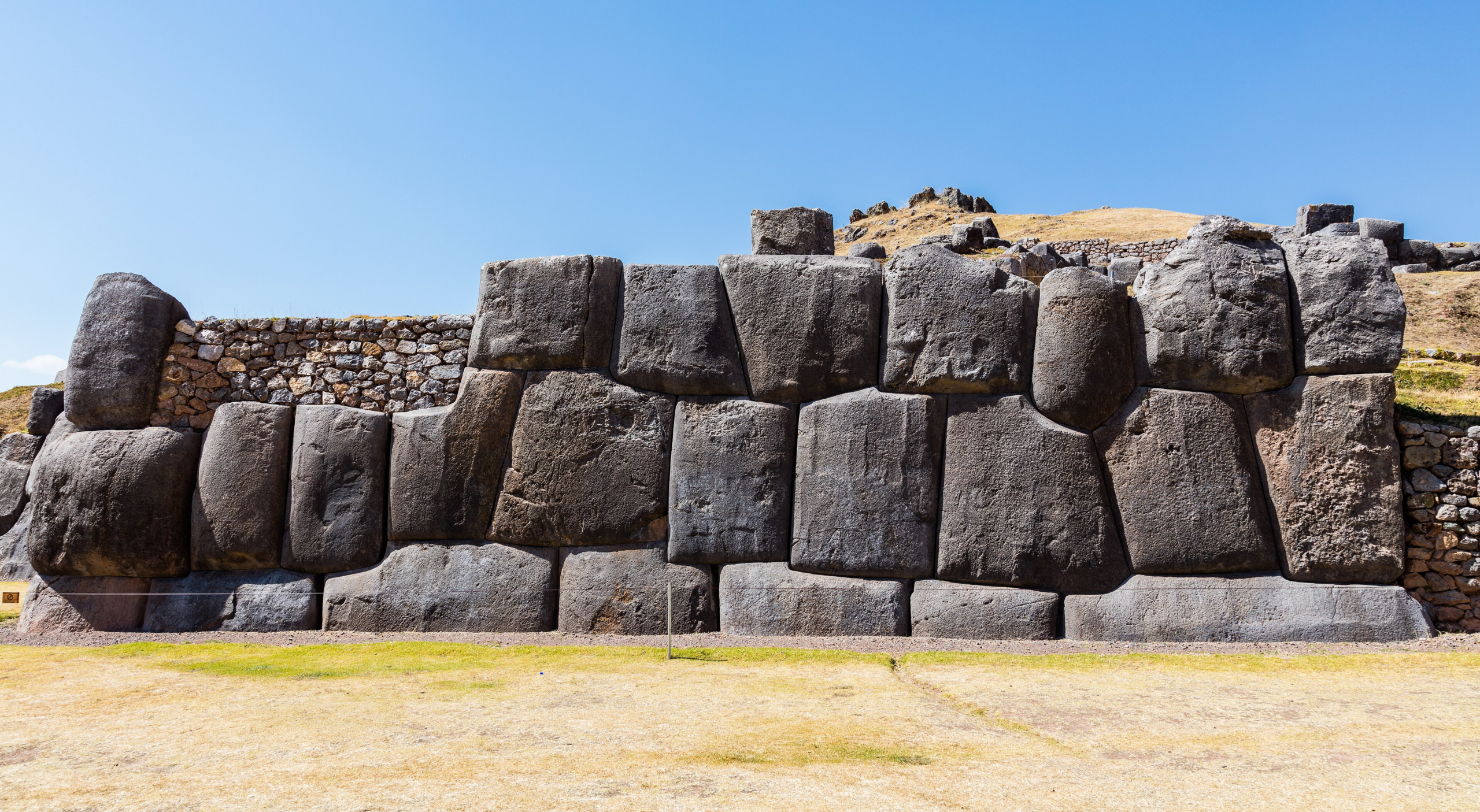
Two distinct styles are usually distinguished, and confusing them causes a lot of muddle.
One uses roughly rectangular blocks laid in regular courses, which is the more common form and appears throughout Inca construction.
The other is polygonal masonry, where stones of irregular shape and varying size are fitted together in an interlocking pattern with no coursing at all. This is the style that produces the famous images, and it appears in the most important structures.
Several features recur in the best work. The joints are extremely tight. The stones are slightly pillowed, with faces that bulge gently and edges that are recessed, which throws a shadow line and emphasises each block. Walls lean inward as they rise rather than standing vertical. Doorways and niches are trapezoidal, narrower at the top than the bottom.
None of these is decorative in origin. Every one of them is a structural decision, and the reason is seismic.
Like our content? Follow us for more.
Built for Earthquakes
The Andes are seismically active, and Inca construction is adapted to that in several ways at once.
Dry-fitted stones without mortar can move slightly relative to one another. In an earthquake, a mortared wall is rigid and cracks; a dry-fitted wall of interlocking irregular blocks can shift, absorb movement and settle back. Accounts describe the stones as dancing during a tremor and returning to position afterwards.
The irregular polygonal fitting is what makes that possible. Blocks with many faces interlock in multiple directions, so a stone cannot simply slide out — it is held by its neighbours on every side.
The inward lean lowers the centre of gravity and directs load downward into the wall rather than outward.
The trapezoidal openings distribute stress around the aperture rather than concentrating it at the corners, which is the same principle that gives aircraft windows their rounded shape.
The evidence that this works is straightforward and visible in Cusco. Colonial buildings were constructed directly on top of Inca foundations. Repeated major earthquakes have damaged or destroyed the upper structures, and the Inca walls beneath have generally remained intact and in place.
How They Did It
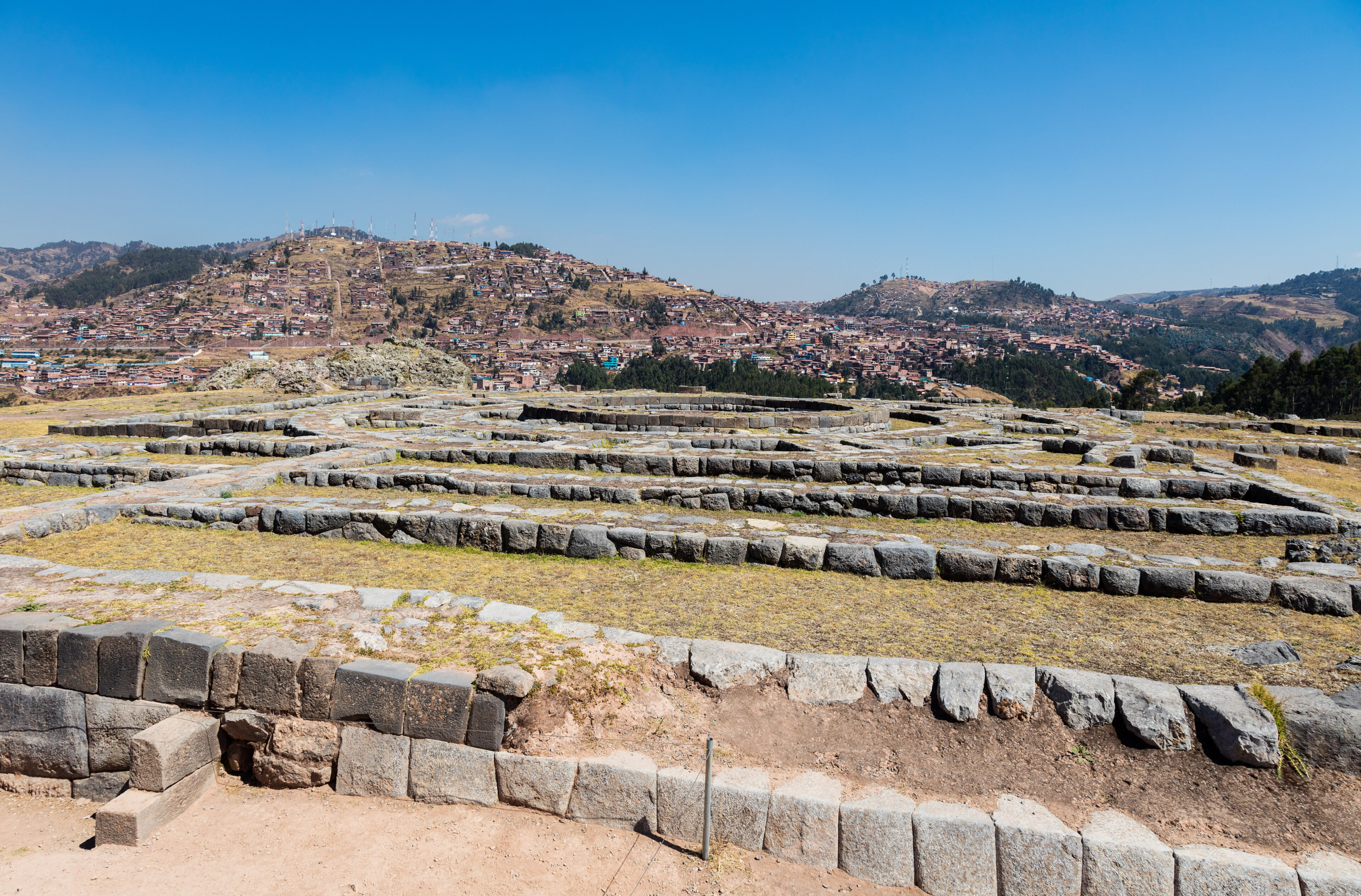
The methods are reasonably well understood, and the answer is less mysterious and more laborious than the mystery framing suggests.
The Inca did not have iron tools. Stone was worked with harder stone — hammerstones of various sizes — along with bronze tools, wooden levers, ropes, ramps and sand as an abrasive.
The shaping process appears to have been iterative rather than measured. A block was offered up to its position, the points of contact were identified, and material was removed from the high spots. Then it was offered up again. Repeat that enough times and two irregular surfaces converge on a precise fit, without anyone needing to measure anything.
Experimental archaeology supports this. Researchers working with hammerstones have demonstrated that stone can be shaped to this standard by pounding, and that the process is slow but entirely achievable with the available toolkit.
Marks consistent with pounding are visible on unfinished blocks, and quarries containing abandoned partially worked stones survive, showing the sequence.
Transport used ramps, levers, ropes and very large numbers of people. Abandoned blocks along transport routes indicate that some were moved a considerable distance and left when something went wrong.
The truly uncertain parts concern details rather than principles: exactly how the largest blocks were manoeuvred into final position, how the work was organised and scheduled, and how long a given wall took.
What About the Other Explanations
The precision attracts alternative theories, and they are worth addressing rather than ignoring.
The most common claims involve stone being softened chemically, or the work being attributed to some source other than the people who lived there.
These do not hold up well. There is no evidence for a stone-softening technique, no residue consistent with one, and no need for the hypothesis, since the pounding method has been demonstrated to work.
More to the point, the archaeological record contains the intermediate stages. There are quarries with partly shaped blocks, transport routes with abandoned stones, unfinished walls, tool marks, and a range of workmanship from crude to superb. That is exactly what a long human process leaves behind, and it is not what an unexplained technique would leave.
The pattern of attributing extraordinary construction to anyone other than its actual builders has a long and not very creditable history, and it tends to attach specifically to non-European achievements. The Inca record is one of the better-documented cases against it, because the whole production sequence survives.
What the walls actually demonstrate is organisation: a state capable of directing enormous quantities of labour over long periods toward work with no shortcuts.
What Was Built on Top
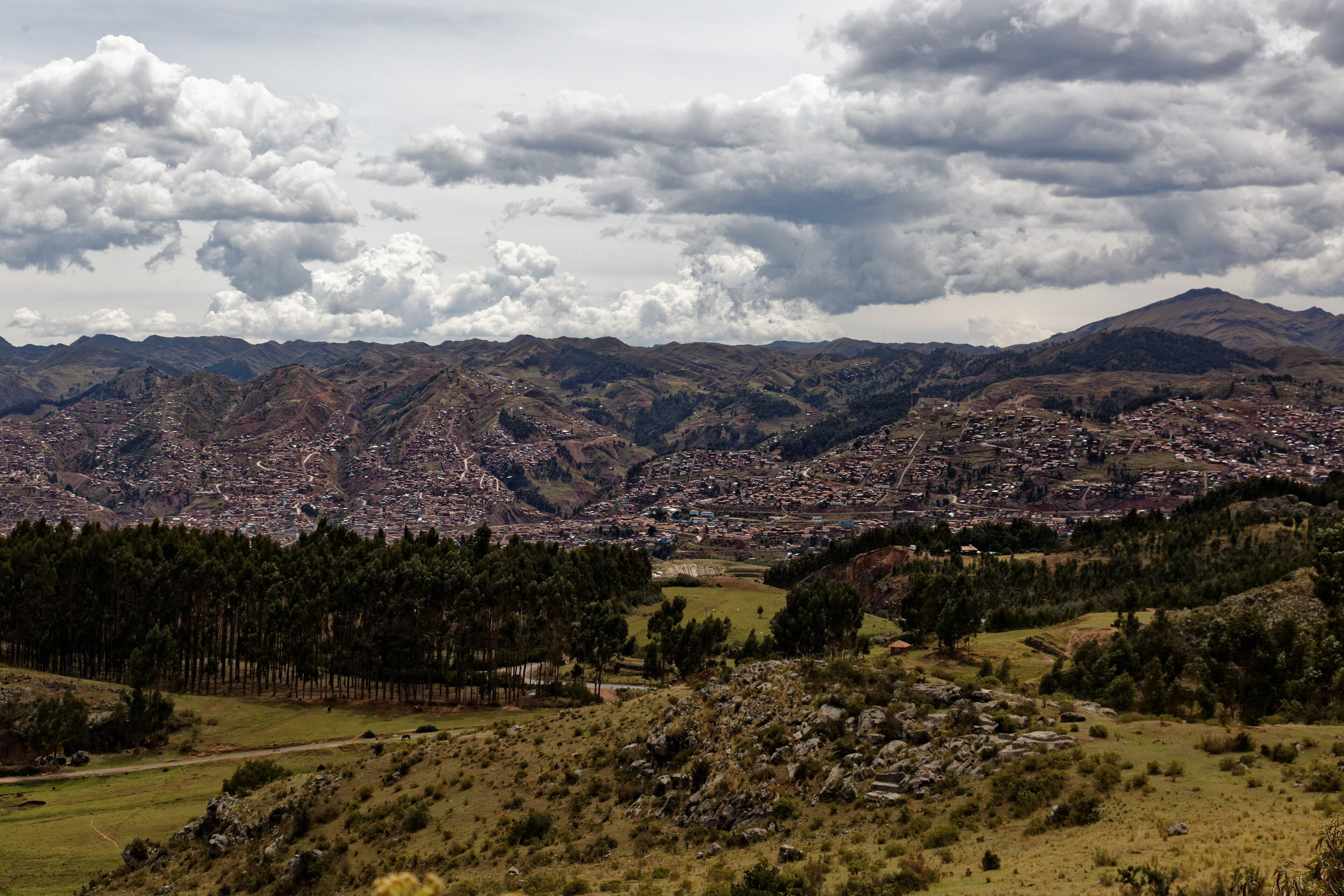
The visible history of Cusco is layered, and the layering is part of what makes it worth seeing.
After the Spanish conquest, colonial buildings were constructed on Inca foundations throughout the city, which was efficient and also a statement. Walk the older streets and the lower courses are Inca while everything above is colonial.
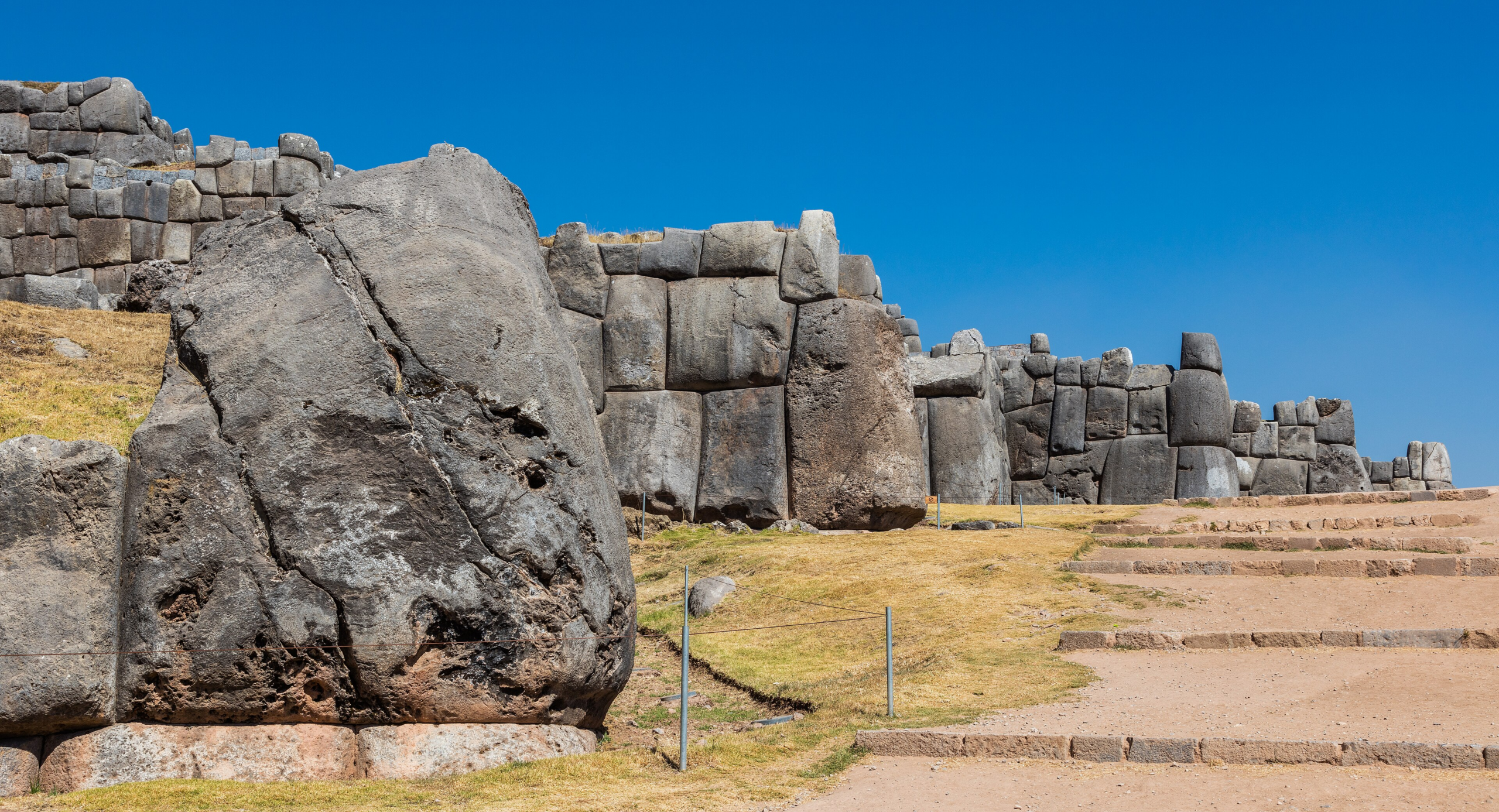
At Sacsayhuamán, above the city, the surviving zigzag walls contain some of the largest blocks anywhere in Inca construction, several weighing many tonnes. A substantial proportion of the site was dismantled over centuries and its stone reused elsewhere in the city, so what stands is a fraction of what was built — and the surviving fraction is largely the portion whose blocks were too large to move.
That is an unusual reason for something to survive: it was preserved by being too heavy to steal.
Not Every Wall Got the Same Treatment
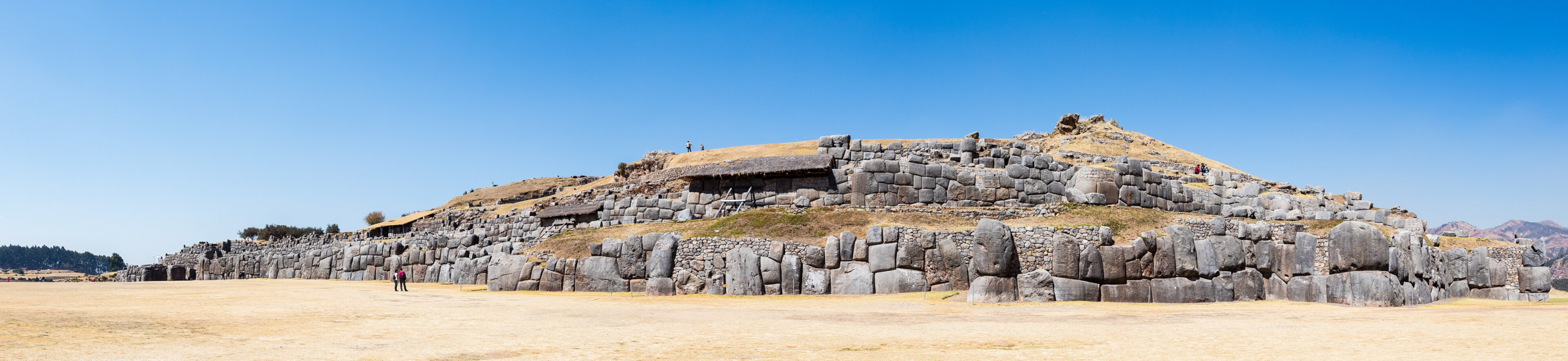
A detail that clarifies the whole subject: Inca construction varies enormously in quality, and the variation is not random.
The finest polygonal work appears on structures of the highest importance — major temples, royal compounds, ceremonial sites. Ordinary buildings, storehouses, terraces and boundary walls are built to a substantially lower standard, frequently in rough fieldstone with mud mortar.
That gradient tells you something the mystery framing obscures. If a lost technique or an unknown method were responsible, it would appear everywhere. Instead, the quality tracks the significance of the building precisely, which is what you would expect if the variable were how much skilled labour a structure was allocated.
In other words, the precision was expensive, and it was spent where it mattered.
There is a further implication about the buildings themselves. Fine masonry was frequently used for the lower portions of walls that were completed above in adobe and roofed in thatch, so the stonework people photograph was in many cases the foundation of a structure that has otherwise disappeared.
What survives is the part that was built to last longest, which biases the impression substantially. The Inca did not build only in perfectly fitted stone; they built in perfectly fitted stone where it counted, and in whatever was quickest everywhere else — which is exactly what a large, organised state does.
Worth Standing In Front Of
The thing photographs do not convey is the joint.
You can see a twelve-angled stone in an image and register that it is complicated. What you cannot see is that the line between it and the next block is not a line at all in the ordinary sense — there is no gap to speak of, no filler, and nothing separating one stone from another except the surface where they meet.
That was achieved by lifting a multi-tonne block into place, taking it down again, removing a few millimetres, and lifting it back, repeatedly, until it sat correctly. Then doing the same for the next one, which had to fit the first.
There is no clever technique hiding in that. There is a very large number of people, a very long period of time, an extremely high standard, and an organisation capable of insisting on it — which is more impressive than a lost secret would be, and substantially better evidenced.
Like our content? Follow us for more.