The useful habit when standing in an unfamiliar square is to look at what faces onto it, because the buildings around the edge record who wanted the space and what for. Here are sixteen answers.
1. The Market Square
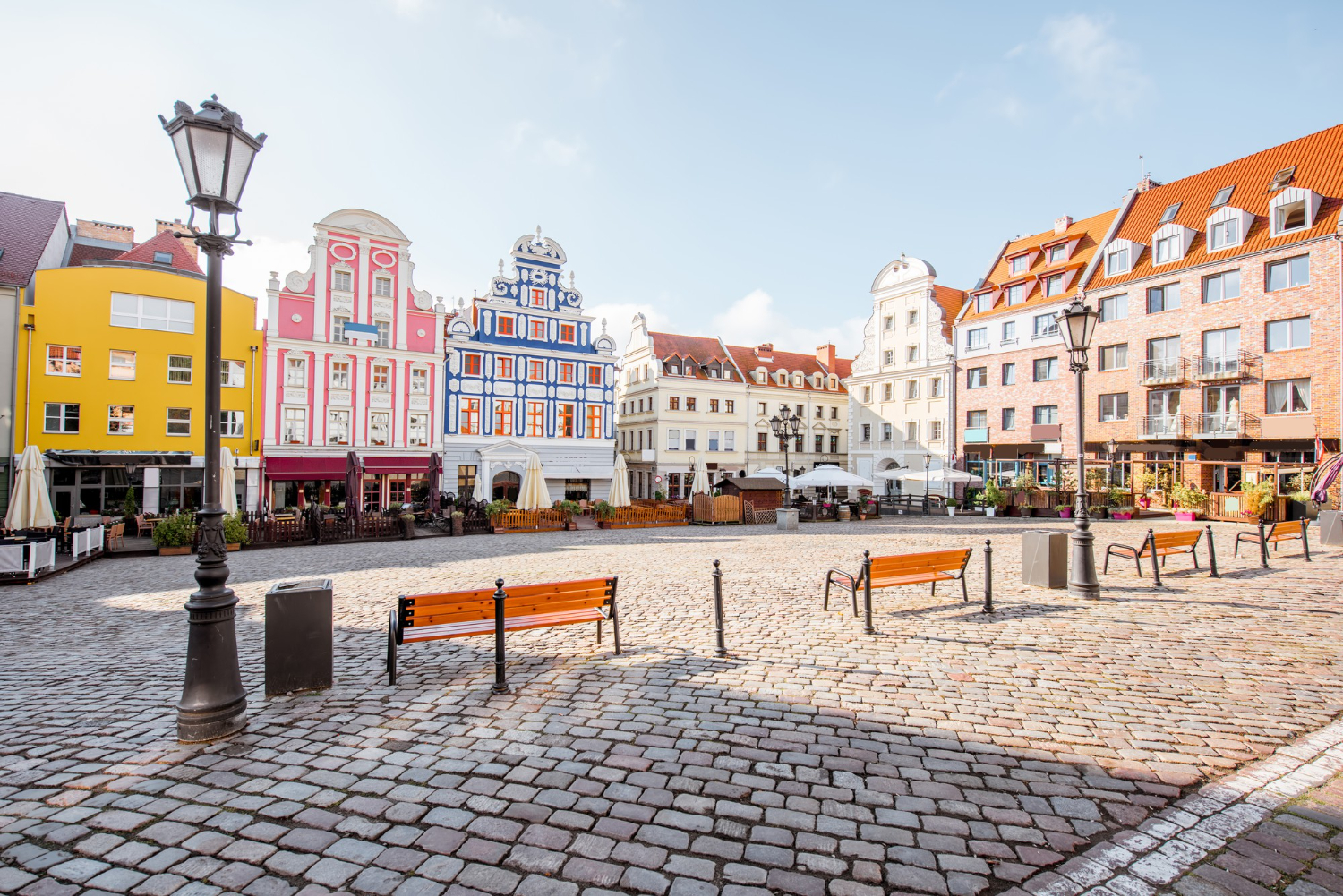
The original and most common form: open ground where trading happened on set days, with the surrounding buildings occupied by whoever profited from it.
The size was determined by how many stalls needed to fit. The market square is the form every other kind descends from.
Like our content? Follow us for more.
2. The Square Where Three Powers Face Each Other
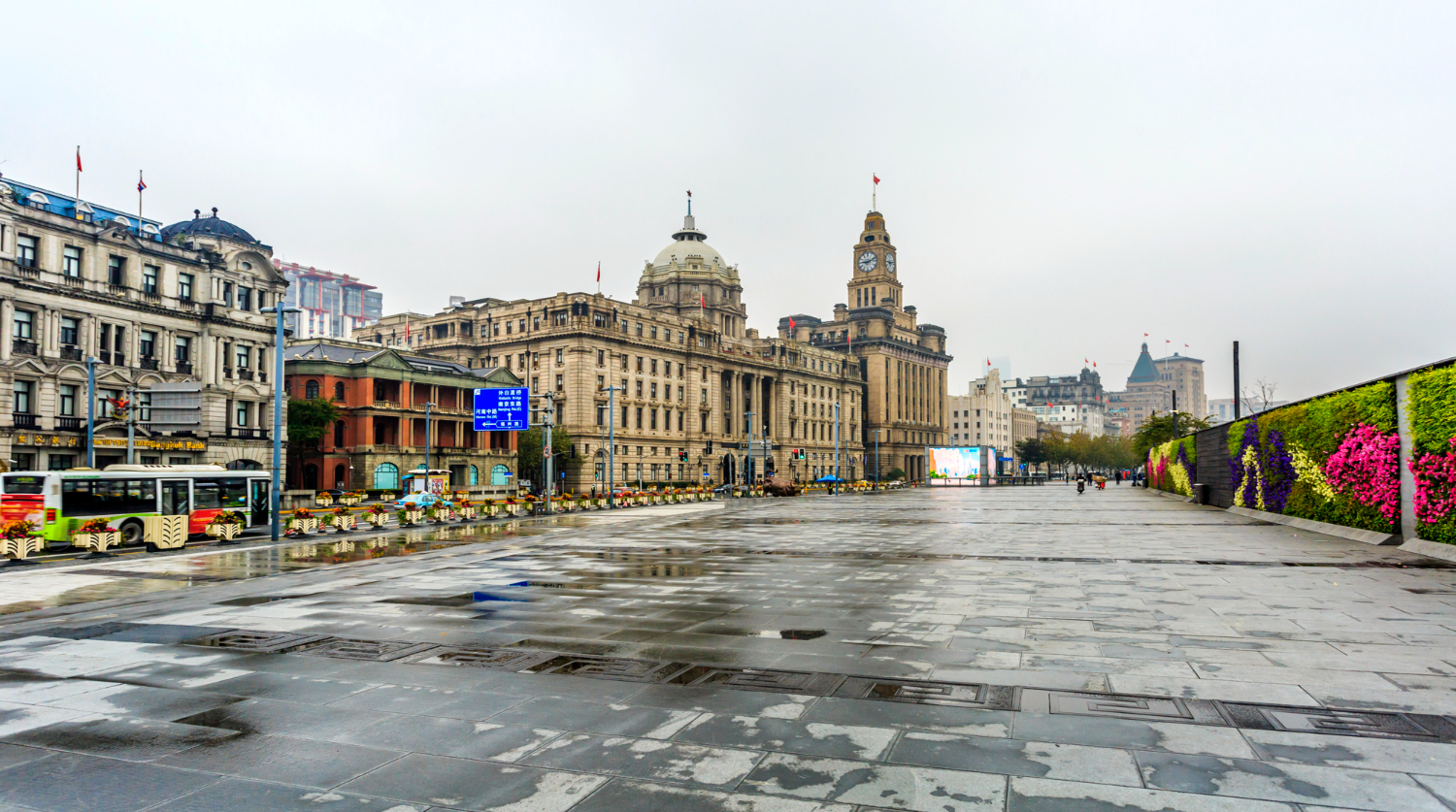
A great many squares are surrounded by a civic building, a religious building and merchant houses, each fronting the same space.
The relative size and position of the three is a record of who was winning. The three-power square is the one where the architecture is an argument.
3. The Arcaded Square

Colonnades around the edge allow trading and walking under cover, extending the usable days of the year substantially in wet or hot climates.
The arcade is infrastructure rather than decoration. The arcaded square is the form designed around the weather.
4. The Square That Is a Roof
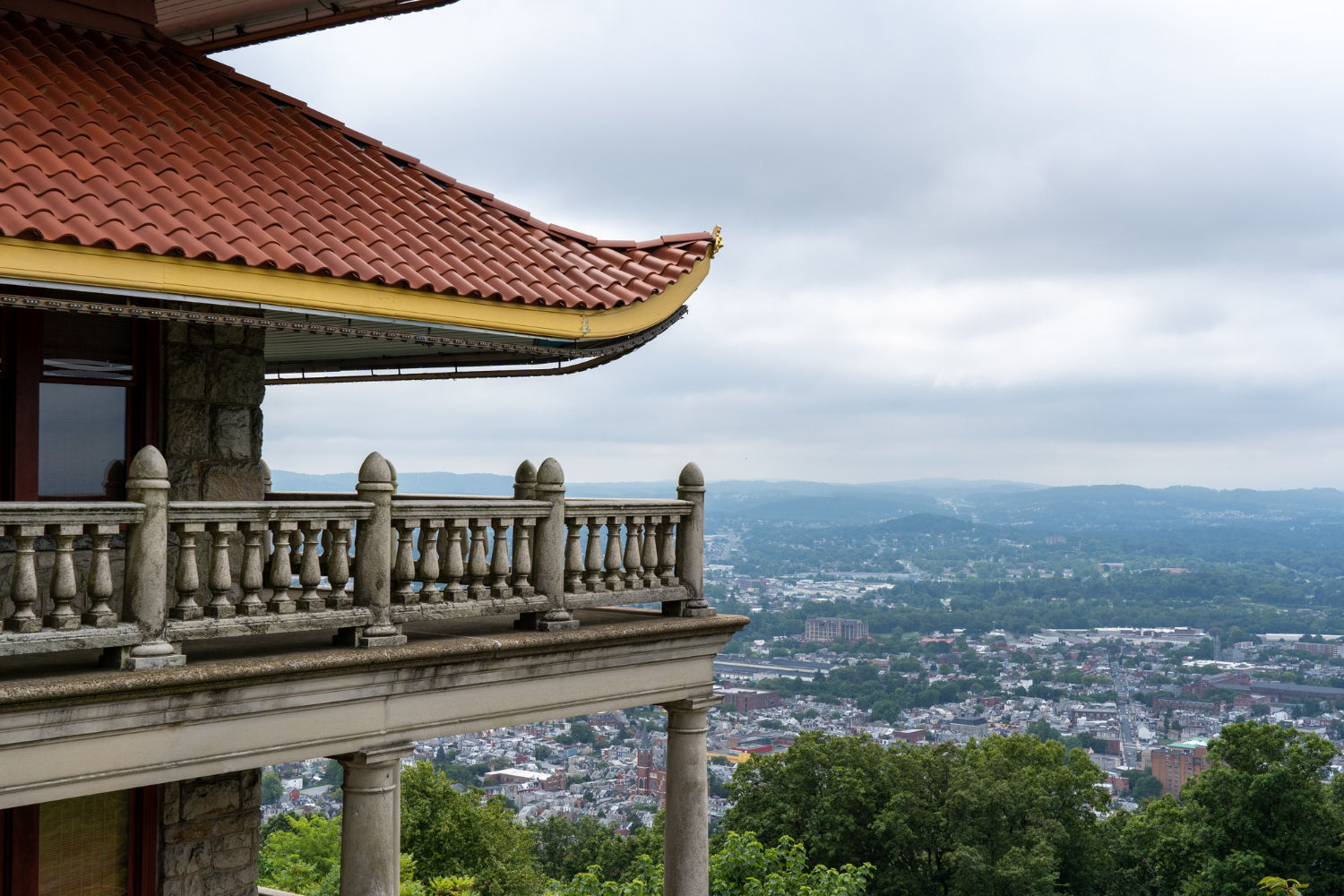
Some squares sit on top of something – a cistern, a station, a car park, an underground market – so the open space is the upper surface of a building.
From above it is a plaza and from below it is a structure. The roof square is the one doing two jobs on different levels.
5. The Square Shaped Like an Arena
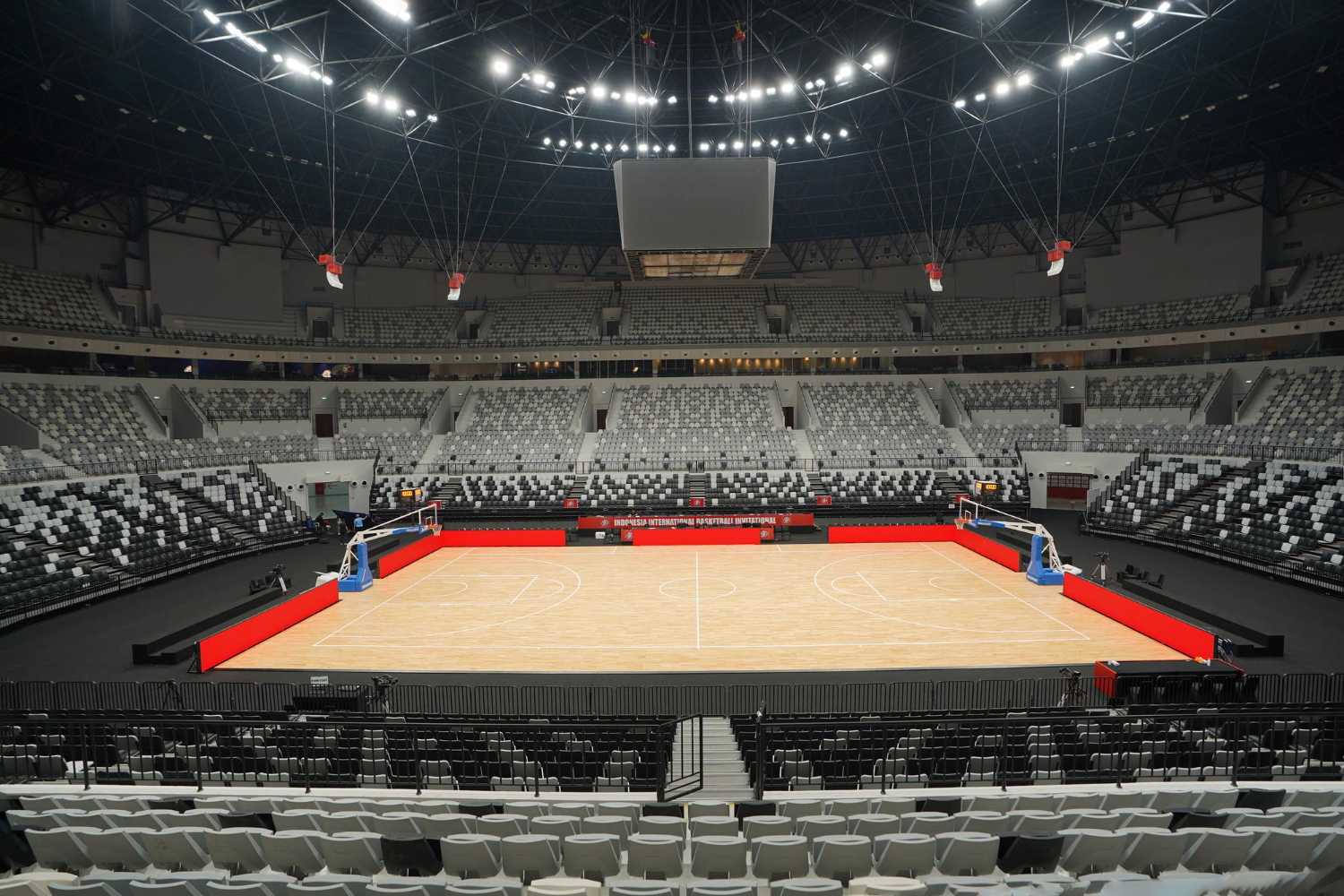
Where a Roman amphitheatre or circus once stood, later building followed its outline, so the modern square preserves the footprint of a vanished structure.
The curve is the giveaway. The arena square is the one whose shape is a fossil.
6. The Planned Composition
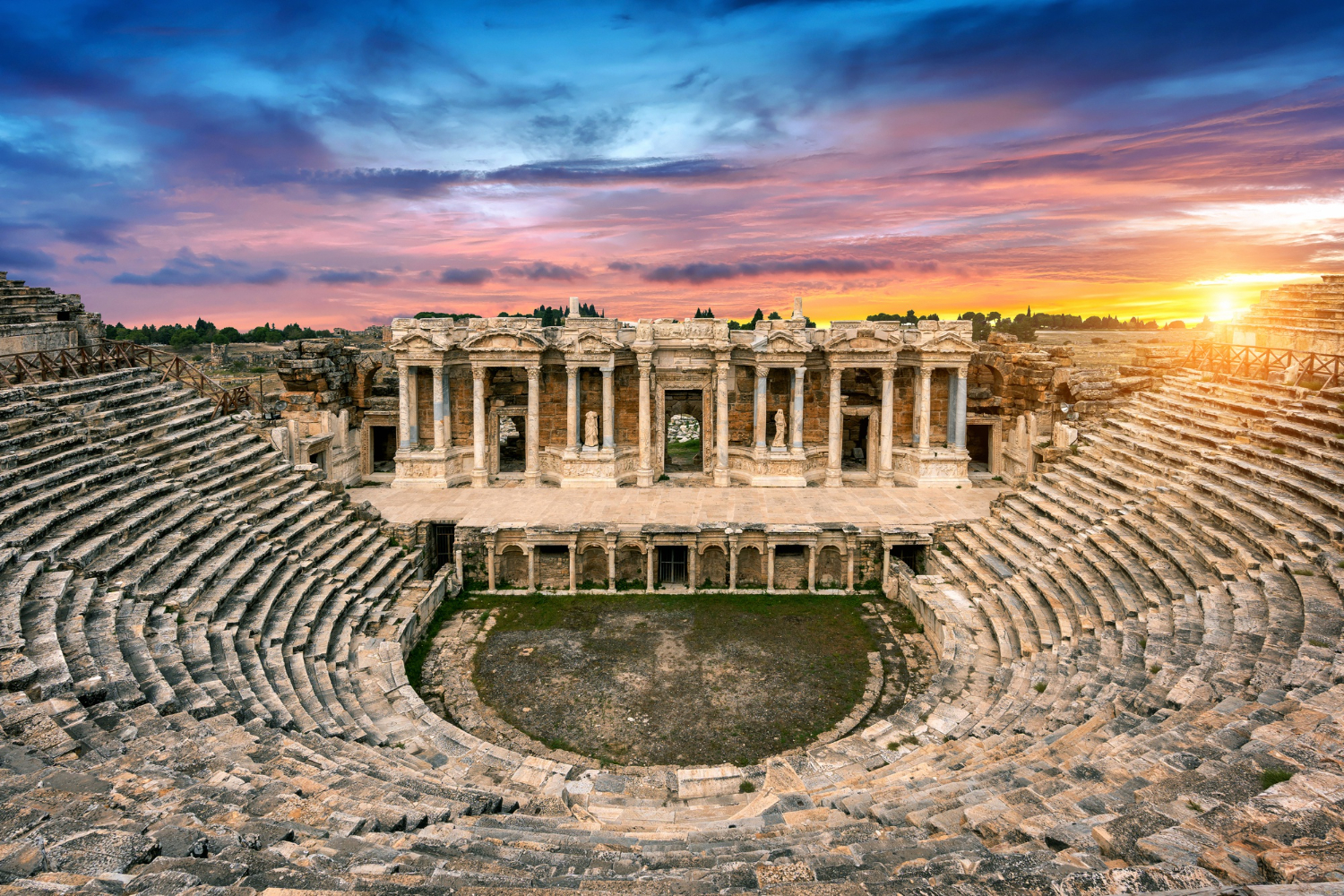
Some squares were designed in one operation as a single architectural work, with uniform facades and a fixed geometry rather than accumulated frontages.
Everything matches because everything was drawn at once. The planned square is the one built as a single object.
7. The Forecourt
A square built as the approach to a single important building, so the space exists to be crossed and to provide a viewing distance rather than to be occupied.
You are meant to walk through it looking at one thing. The forecourt is the square that is really a frame.
8. The Sloping Square
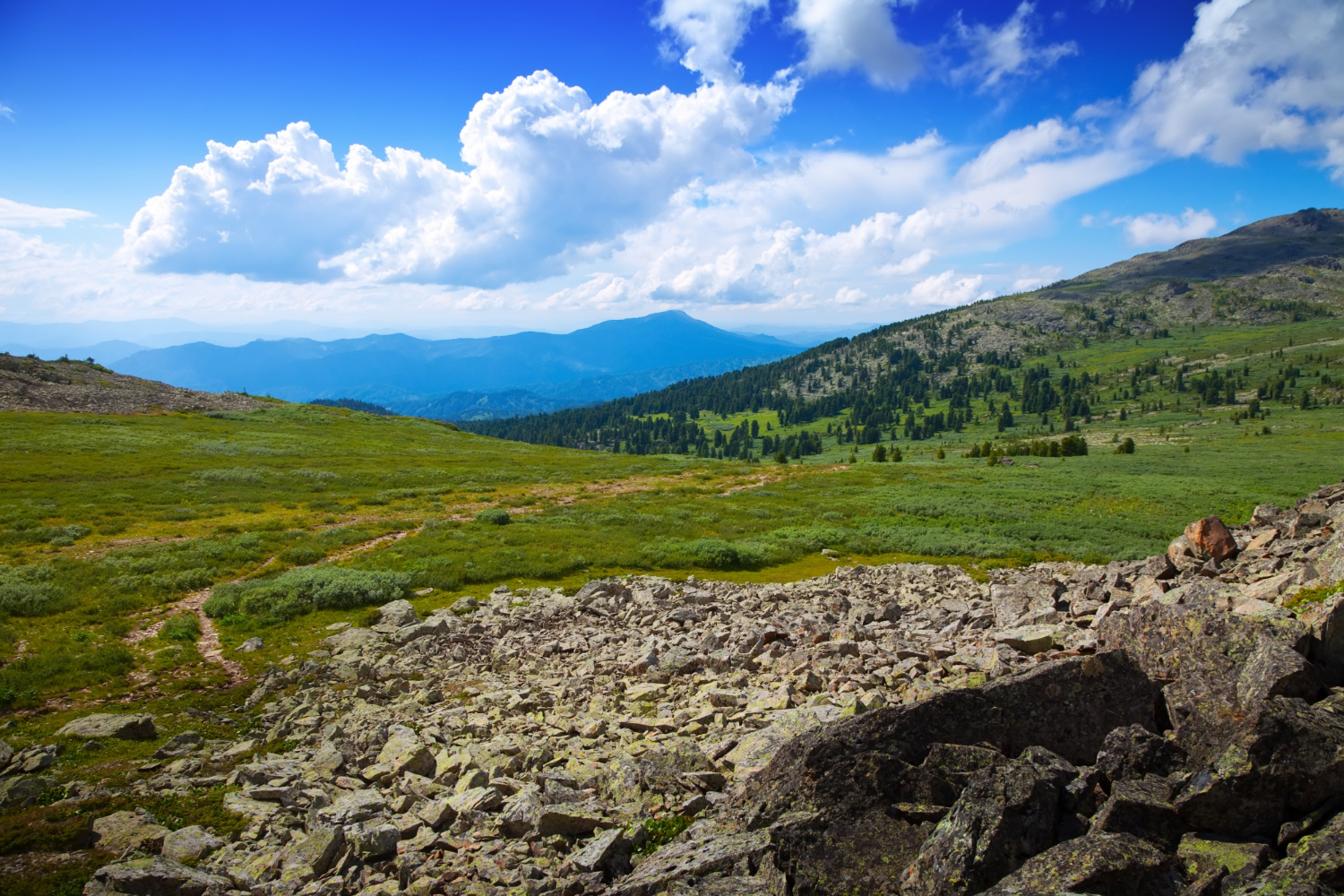
Where the ground refused to be levelled, the square runs downhill, and the gradient determines where people sit, where water goes and where the focal building sits.
Sloping squares are frequently the most sociable, because a slope is seating. The sloping square is the one whose gradient became an amenity.
9. The Evening Room
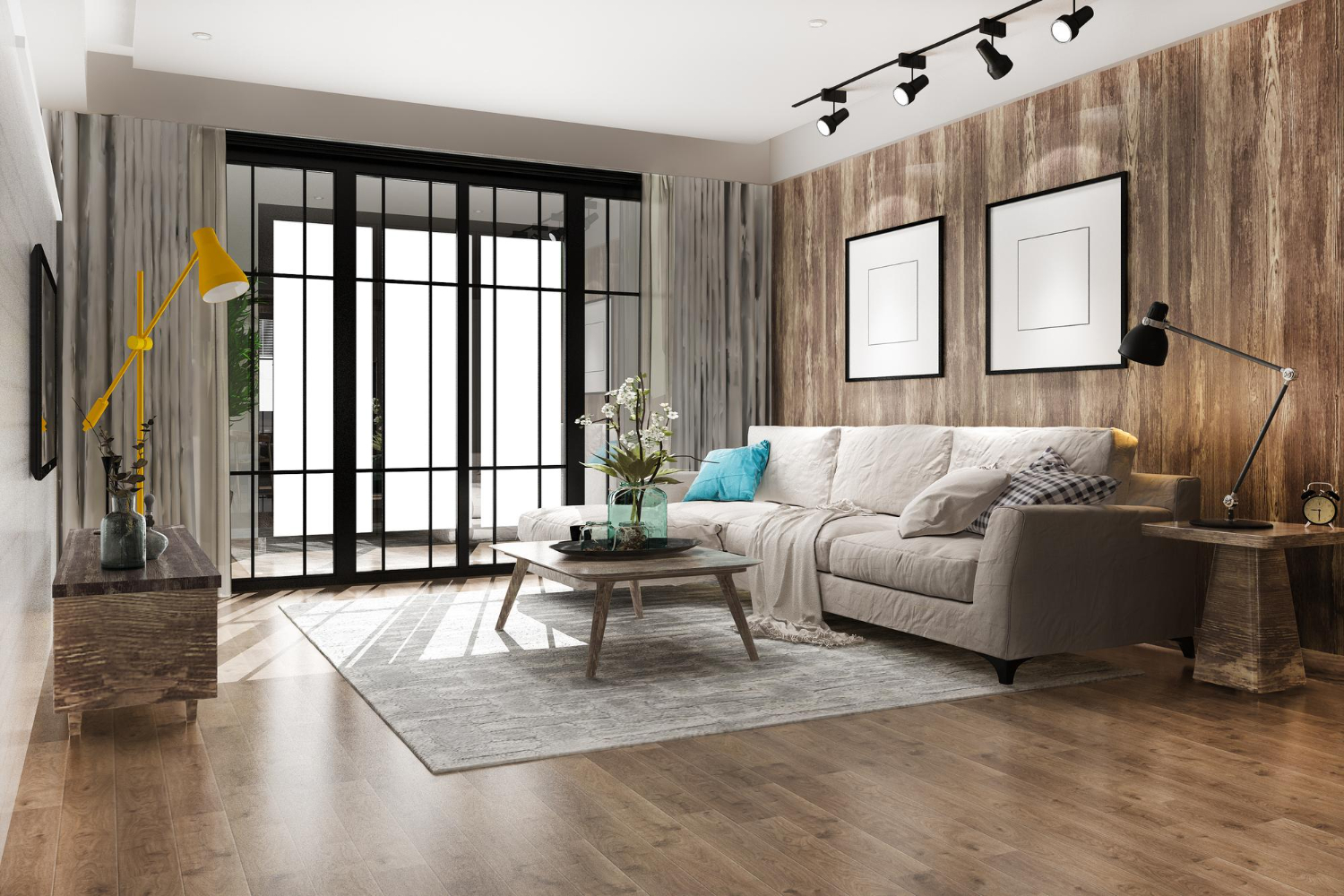
In warm climates the square functions as the shared sitting room of the town, filling in the evening with people of every age walking, sitting and talking.
The activity has a name in several languages and a fixed hour. The evening square is the one that is a piece of social infrastructure.
10. The Patterned Floor
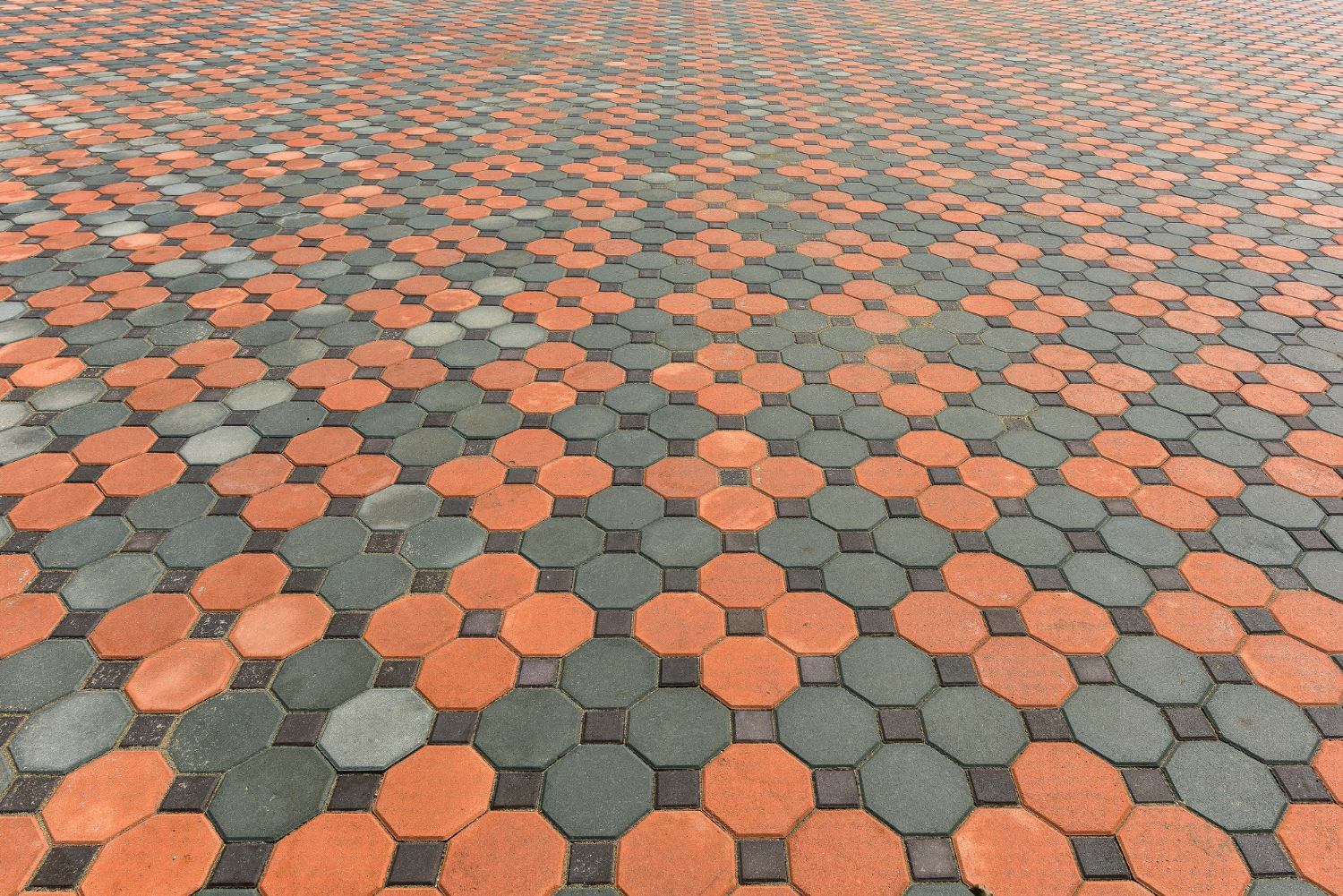
Some squares are surfaced in laid stone forming patterns, waves or figurative designs, so the ground itself is the principal work of art.
Maintaining it is a continuous craft occupation. The patterned square is the one where the important surface is underfoot.
11. The Square That Empties
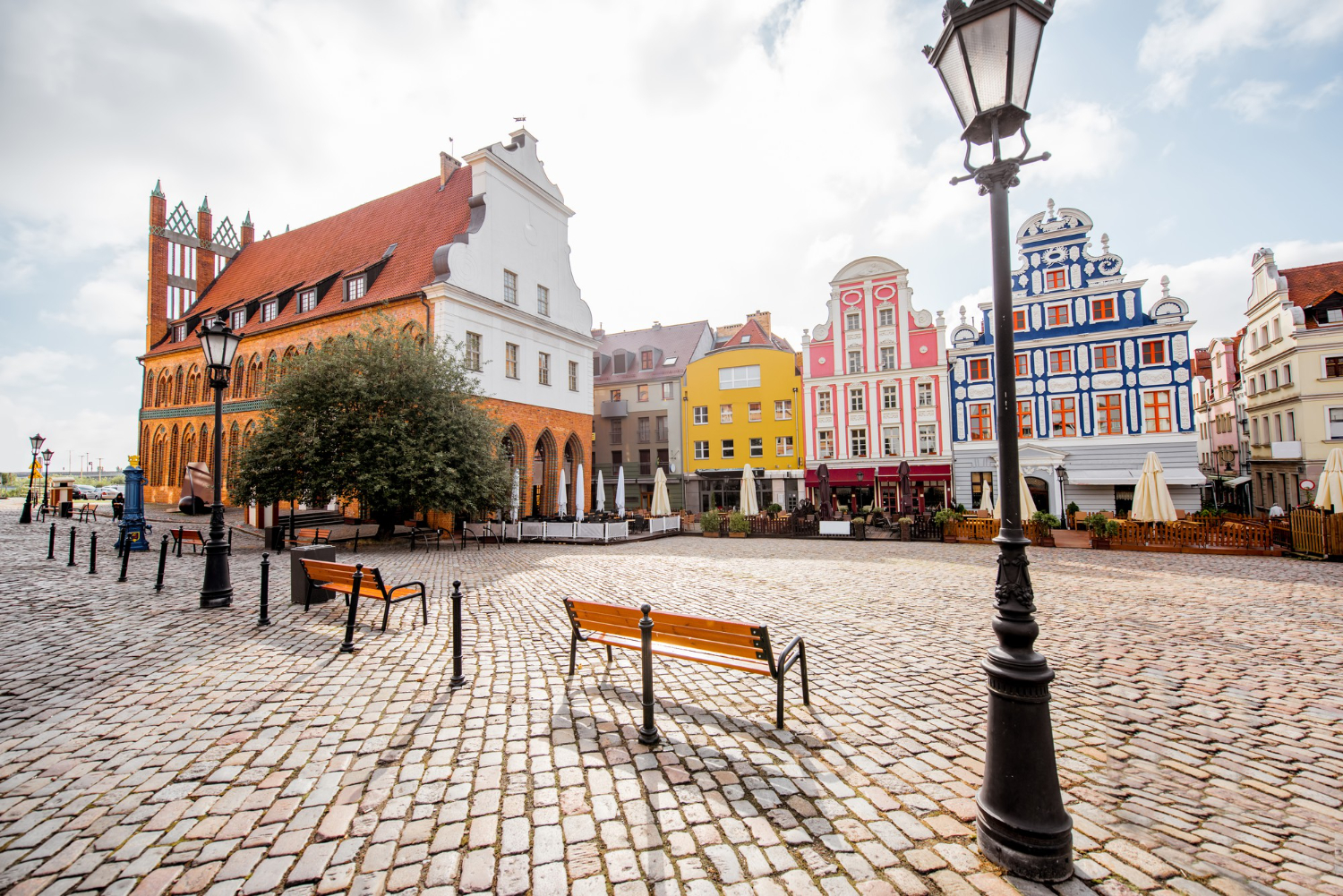
Market squares are transformed on trading days and entirely empty on others, which means the same space is two completely different places depending on the morning.
Visitors on the wrong day see a car park. The emptying square is the one that requires the right day.
12. The Cafe Square
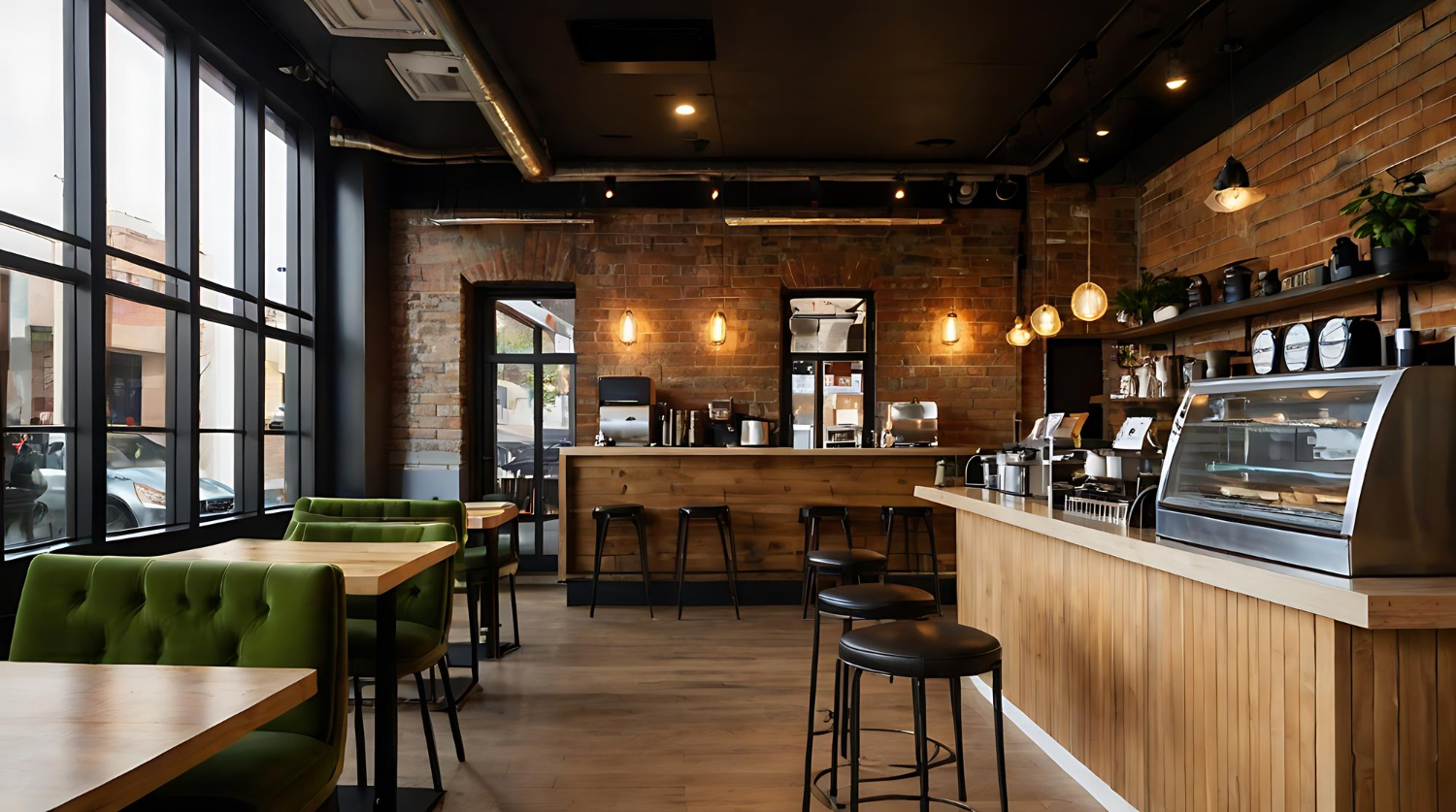
Where the surrounding businesses are cafes and bars, the seating spreads outward and the square becomes principally a place to sit and watch it.
The tables are the use rather than an addition to it. The cafe square is the one whose function is occupancy.
14. The Square Created by Removal
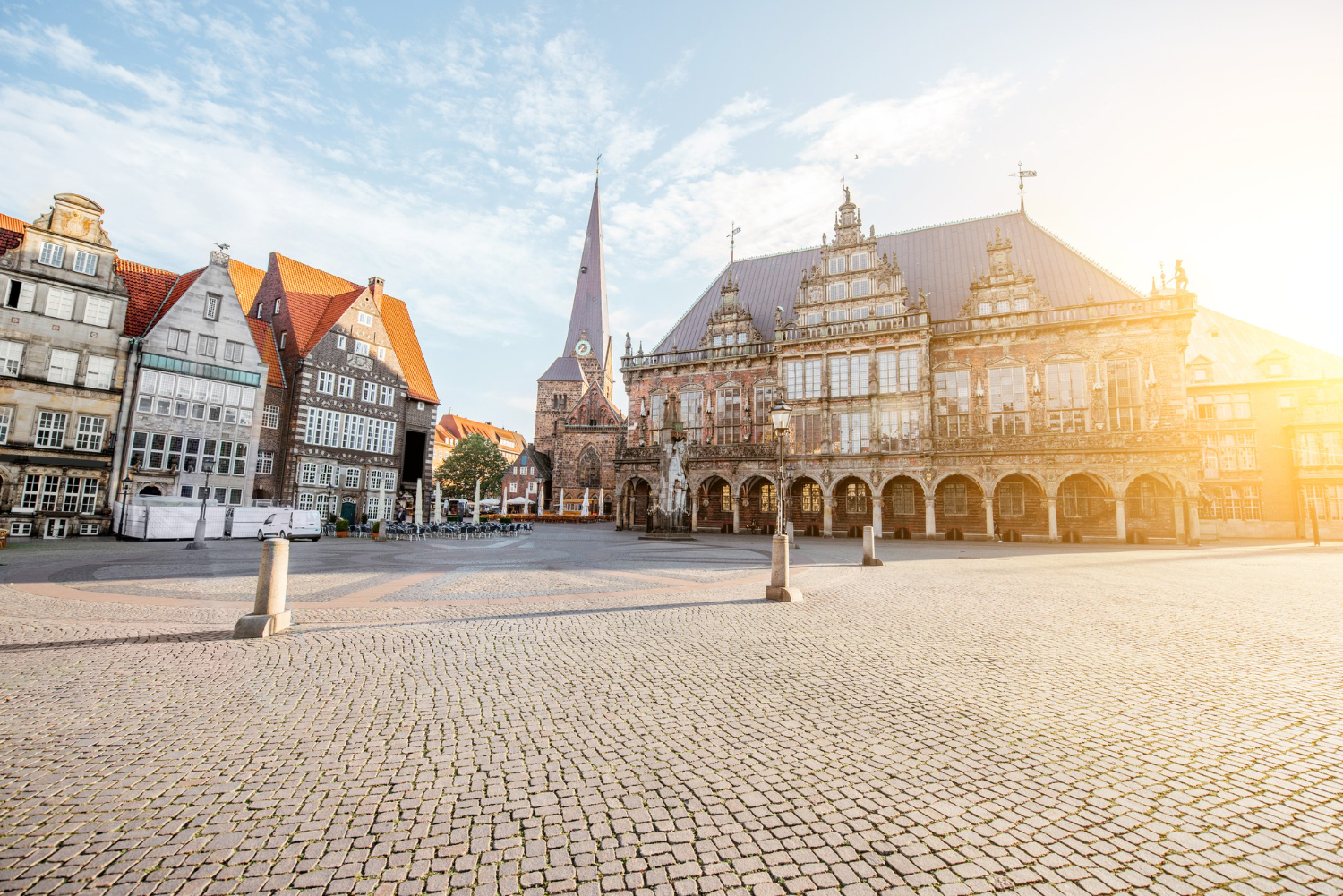
A number of squares exist because something was demolished, cleared or lost, and the space was left open rather than rebuilt.
The surrounding buildings frequently pre-date the square itself. The cleared square is the one where the absence came second.
15. The Interchange
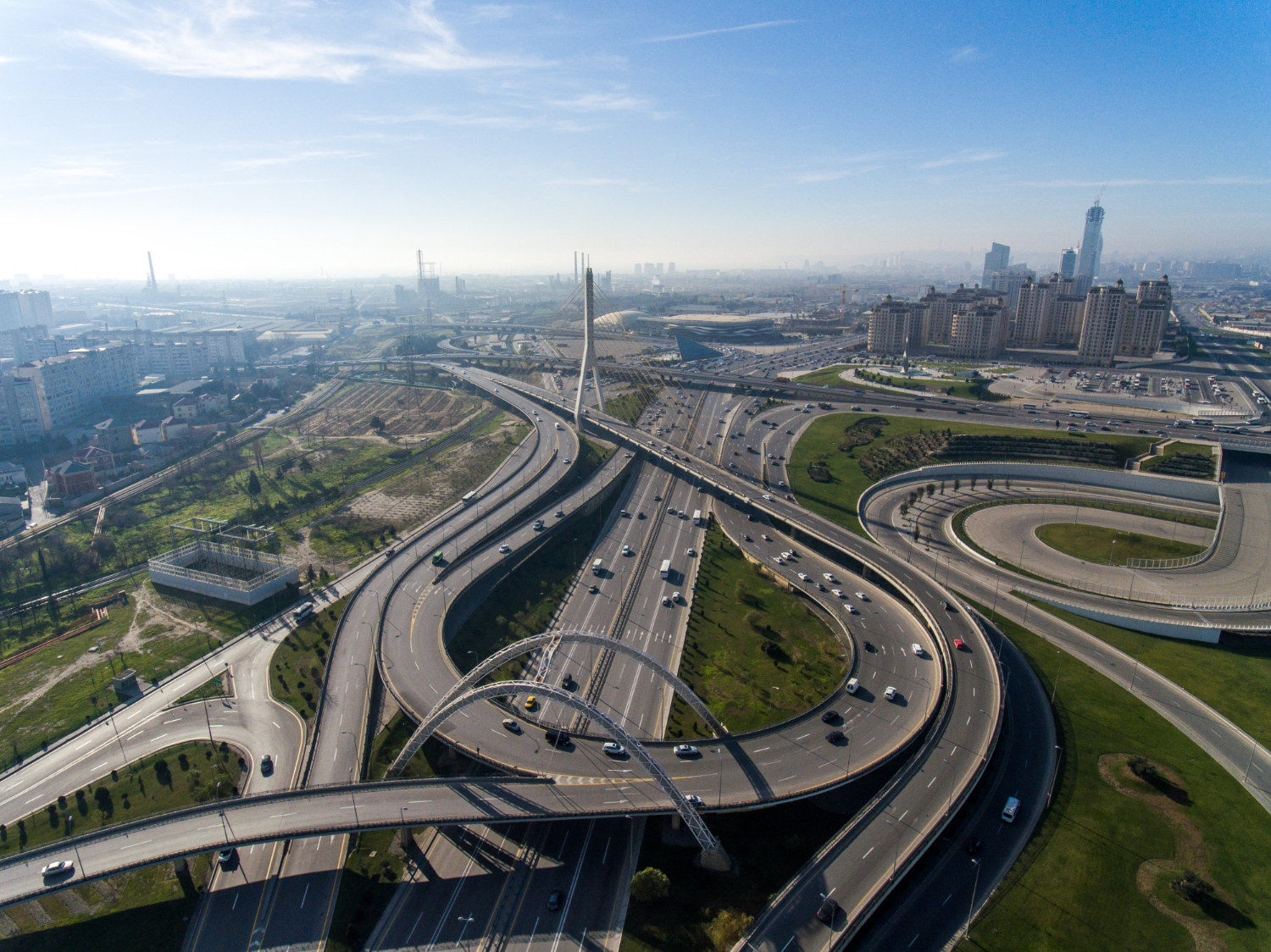
Some squares are primarily transport – where routes meet, where people change from one mode to another, and where the open space exists to accommodate movement.
They are rarely restful and are among the most used. The interchange square is the one people cross rather than occupy.
16. The Square Built Around One Annual Event
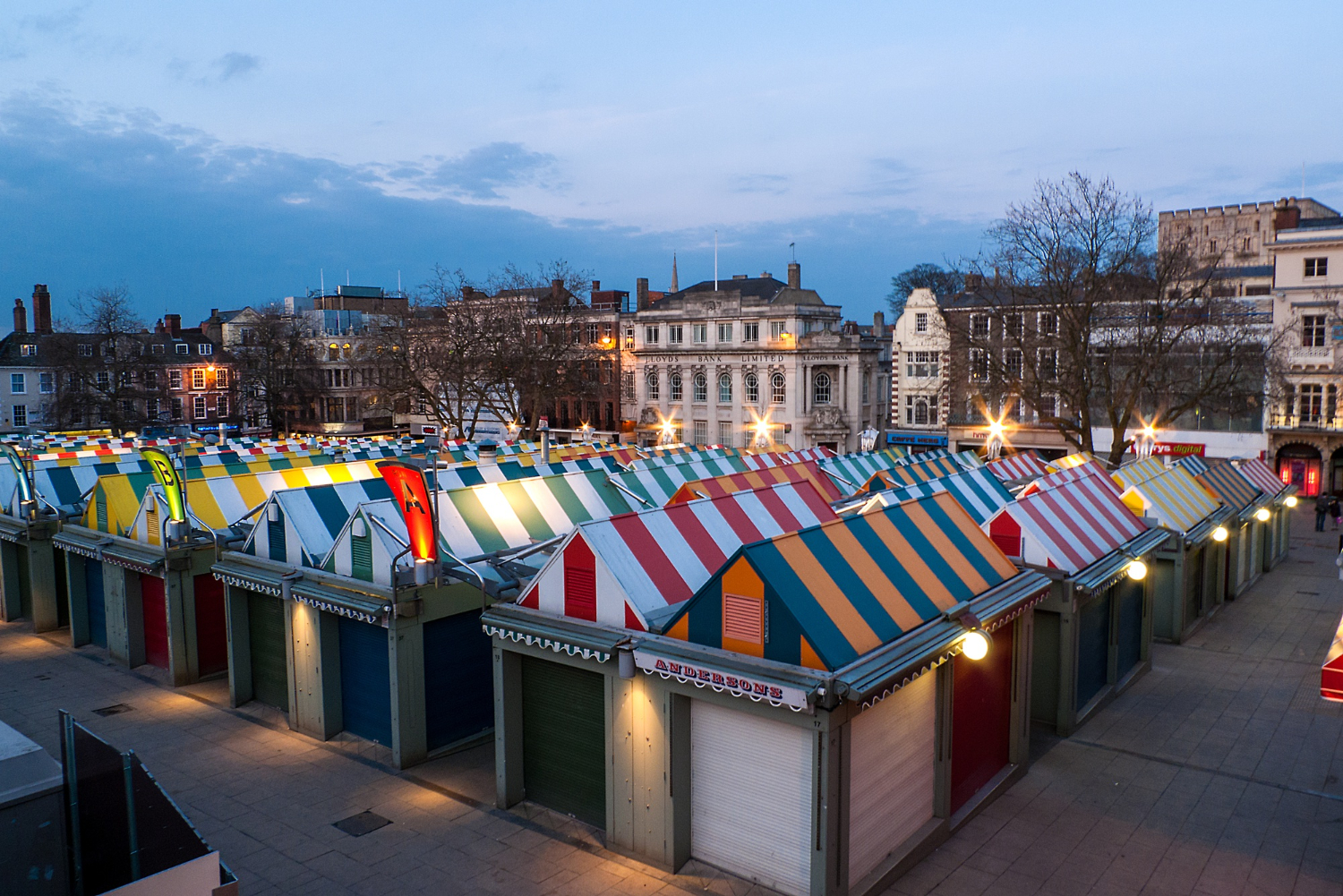
A few squares are designed, sized and surfaced around a single event that happens once a year, and spend the rest of the time as an ordinary space.
The permanent fittings only make sense on the day. The event square is the one whose design is dormant for eleven months.
Open Ground Somebody Paid For
The recurring question is who wanted the space empty and why, because keeping ground clear in a city costs more than building on it. The answer is written in whatever faces onto it.
The practical suggestion is to sit down in one for an hour rather than crossing it. A square is designed to be occupied, most of them have been continuously occupied for centuries, and the thing they are best at is only visible if you stay long enough to watch a whole cycle of people arrive, sit, and leave.
Like our content? Follow us for more.