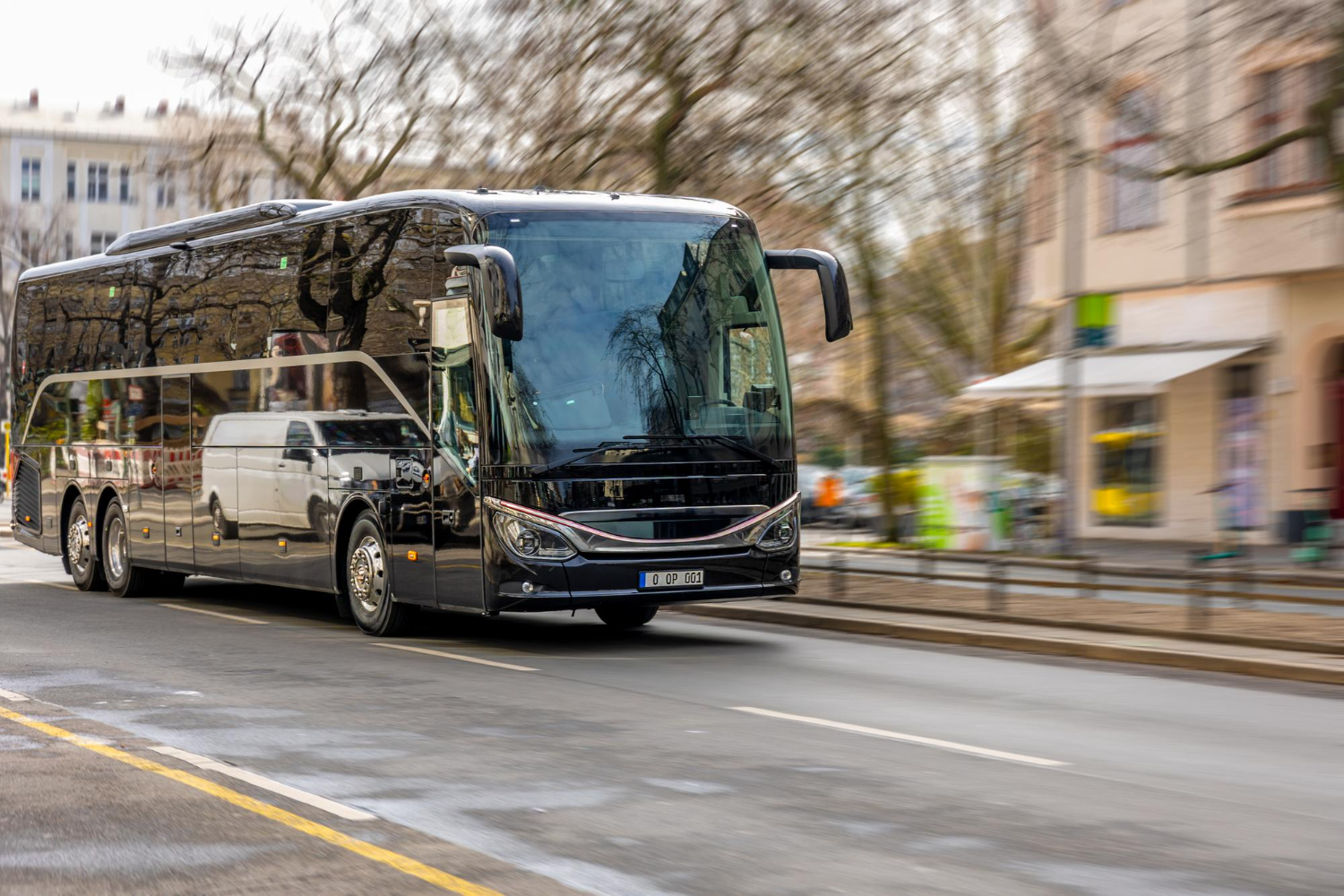
The coach differs from every other mode in one respect: it travels through the landscape at ground level, stopping at ordinary places, rather than passing over or under it. Here are ten consequences.
1. It Stops Where Nothing Else Does
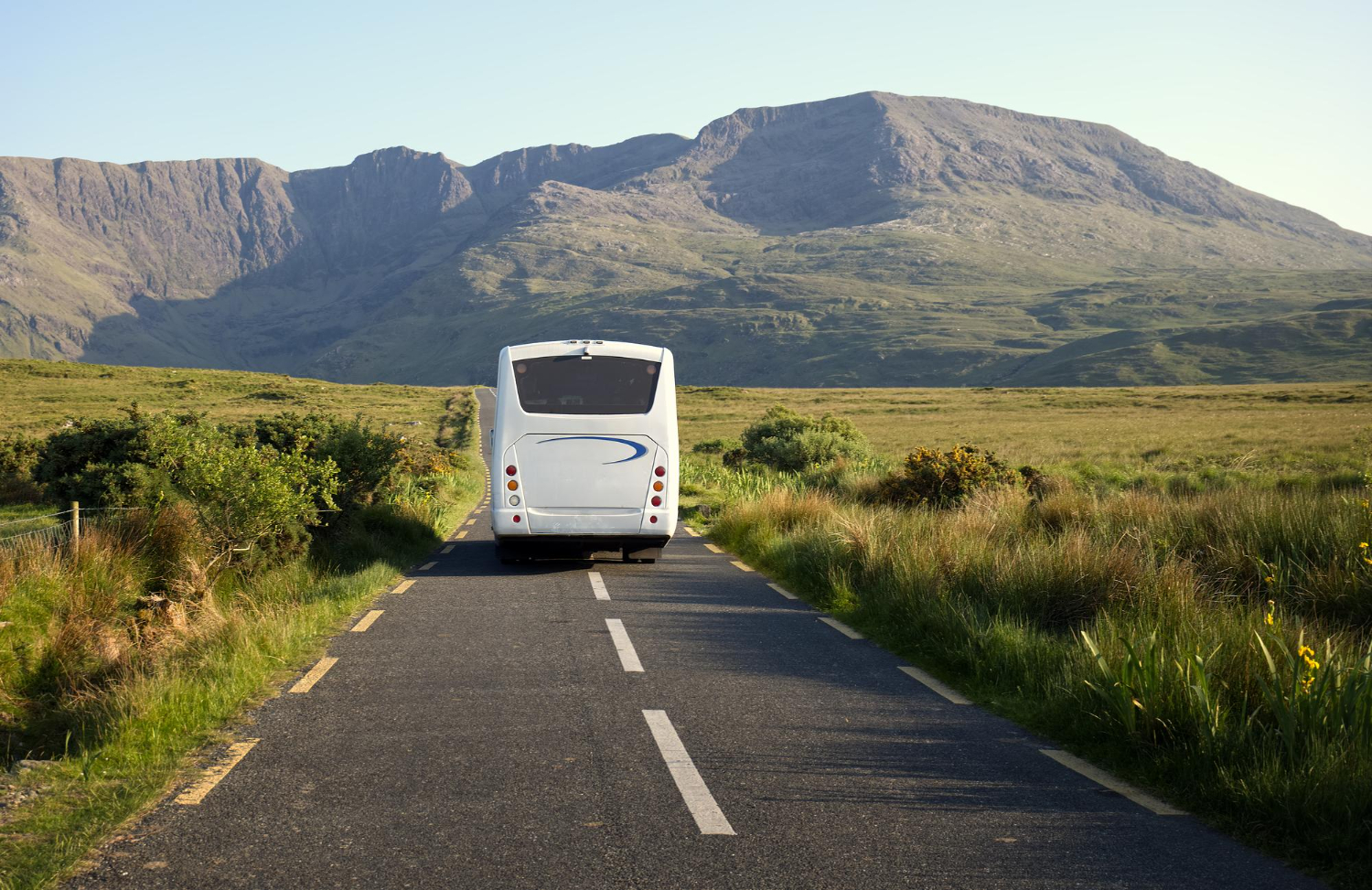
Coach networks serve towns with no station and no airport, which means the route map covers a country far more completely than any other mode.
A great many places are only reachable this way. The stopping pattern is the coach advantage that determines where you can actually go.
Like our content? Follow us for more.
2. The Journey Is at Ground Level

You pass through the outskirts of every town on the route, along ordinary roads, past ordinary buildings, which is a substantially more honest view of a country than a motorway or a runway offers.
Nobody arranged any of it for visitors. Ground-level travel is the coach feature that shows you the parts nothing else passes.
3. The Timetable Is Approximate on Long Routes
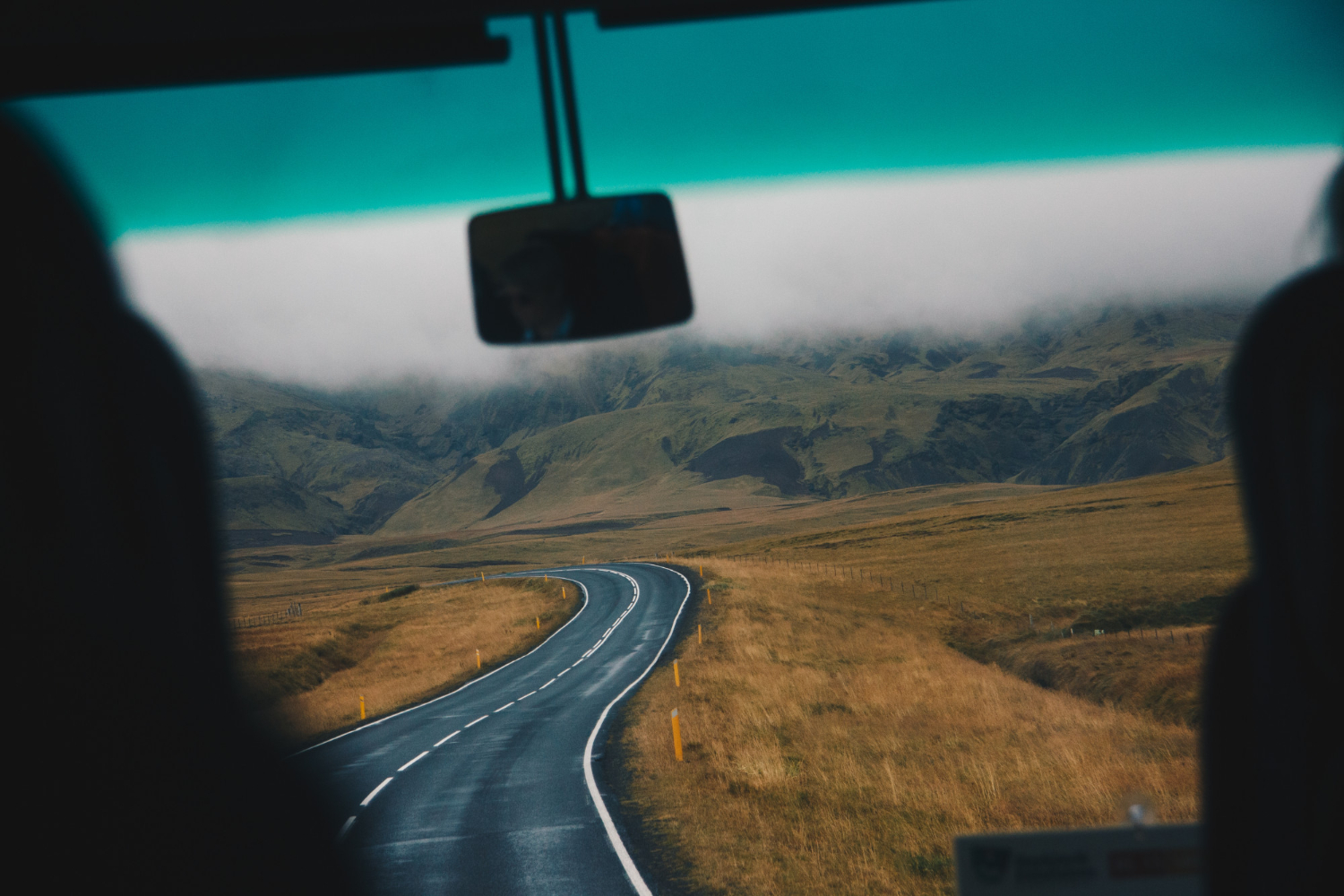
Road journeys accumulate delay from traffic, borders, stops and loading in a way that rail and air do not, so a long route arrives when it arrives.
Anything scheduled tightly at the far end will fail. Schedule drift is the coach reality that has to be planned around rather than resisted.
4. The Stops Are Not Explained
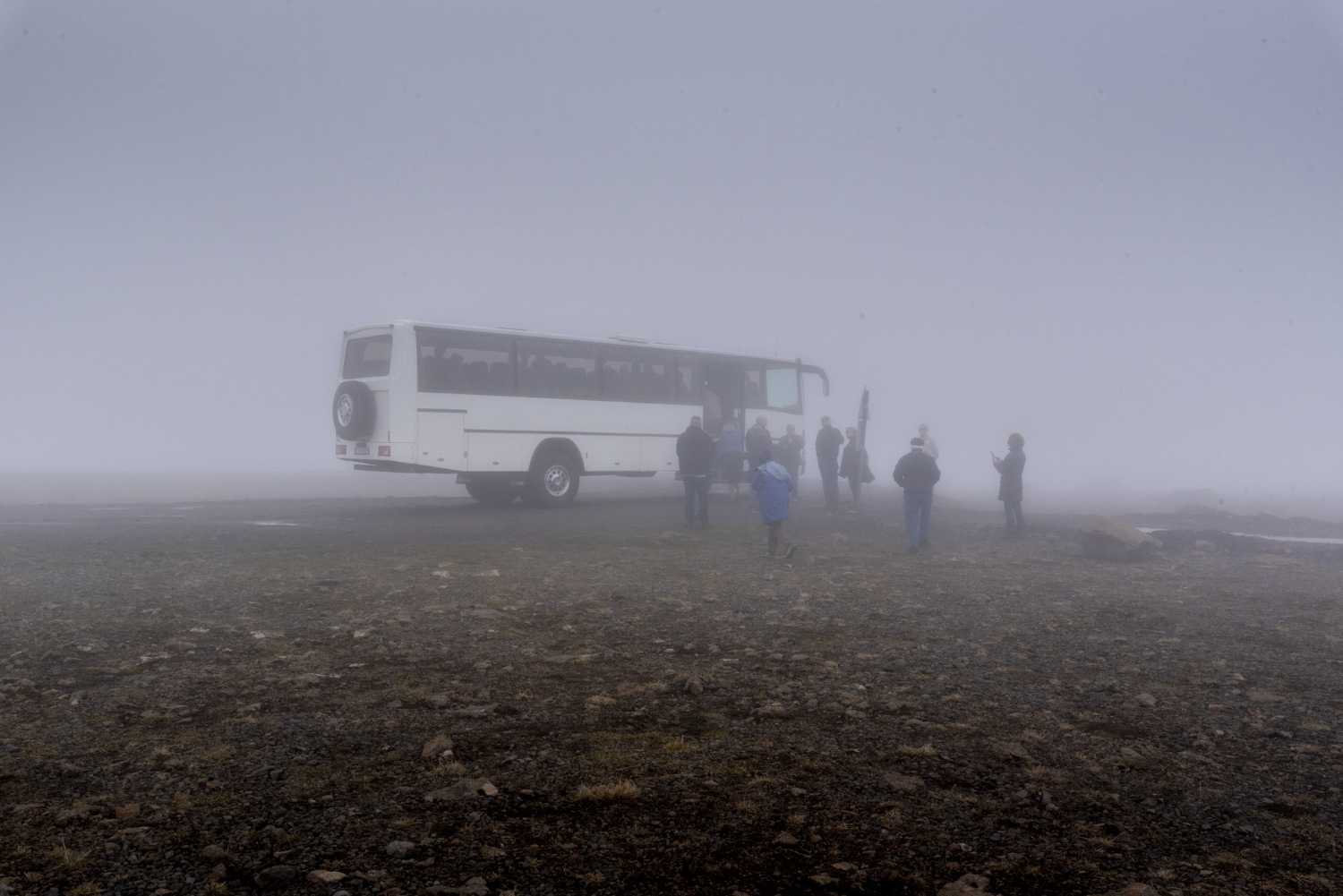
Rest stops happen at intervals decided by the driver, are announced briefly if at all, and last precisely as long as the driver says.
Being left behind is a real possibility and it happens. The unannounced stop is the coach convention that catches out every first-time passenger.
5. Where You Sit Changes the Journey

Position determines how much you feel the road, how much you can see, how warm you are and how close you are to the door and the facilities.
Forward and slightly elevated is the general preference for a reason. Seat choice is the coach decision made in the first ten seconds and lived with for hours.
6. The Luggage Situation Is Generous and Final

Hold luggage is generally accepted without the weighing and measuring of other modes, and it becomes completely inaccessible until you arrive.
Anything needed during the journey has to be with you. The hold rule is the coach arrangement that requires one decision at the start.
7. Overnight Services Trade a Night for a Day
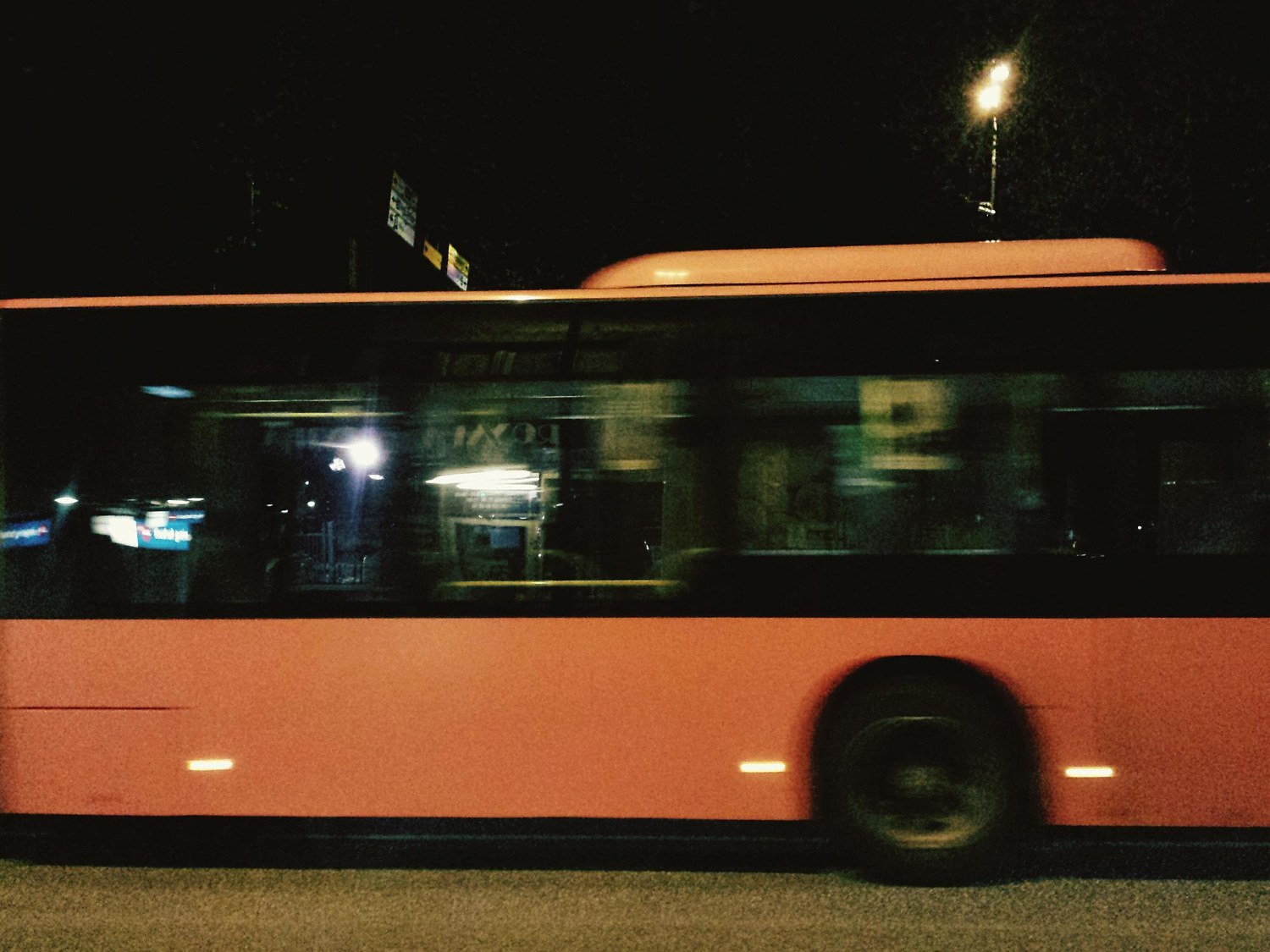
Travelling while asleep removes a night from the journey and a night from the accommodation budget, at the cost of arriving having slept badly.
It suits some people and defeats others entirely. The overnight coach is the arrangement whose value depends on how you sleep sitting up.
8. The Other Passengers Are Locals

On most routes the majority are travelling for ordinary reasons rather than for tourism, which makes the coach a better cross-section of a place than almost any other transport.
It is also substantially quieter than people expect. The passenger mix is the coach feature that makes it feel like part of a country.
9. Bring Everything, Because There Is Nothing
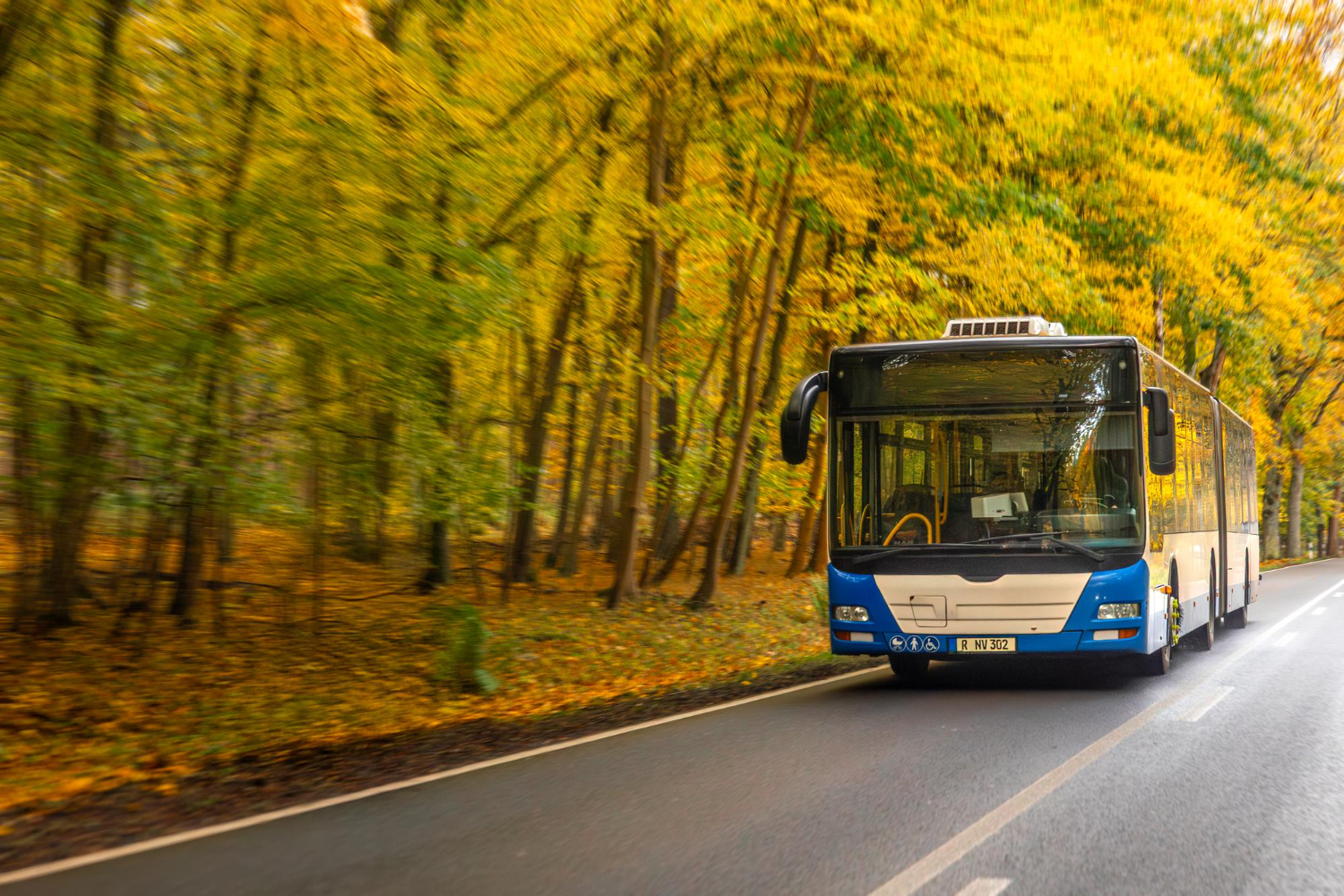
Food, water, warmth, entertainment and anything else has to be with you, since stops are unpredictable and onboard provision ranges from limited to absent.
Assuming otherwise is the standard mistake. Self-sufficiency is the coach requirement that separates a comfortable journey from a long one.
10. It Is the Cheapest Way to Cover Distance
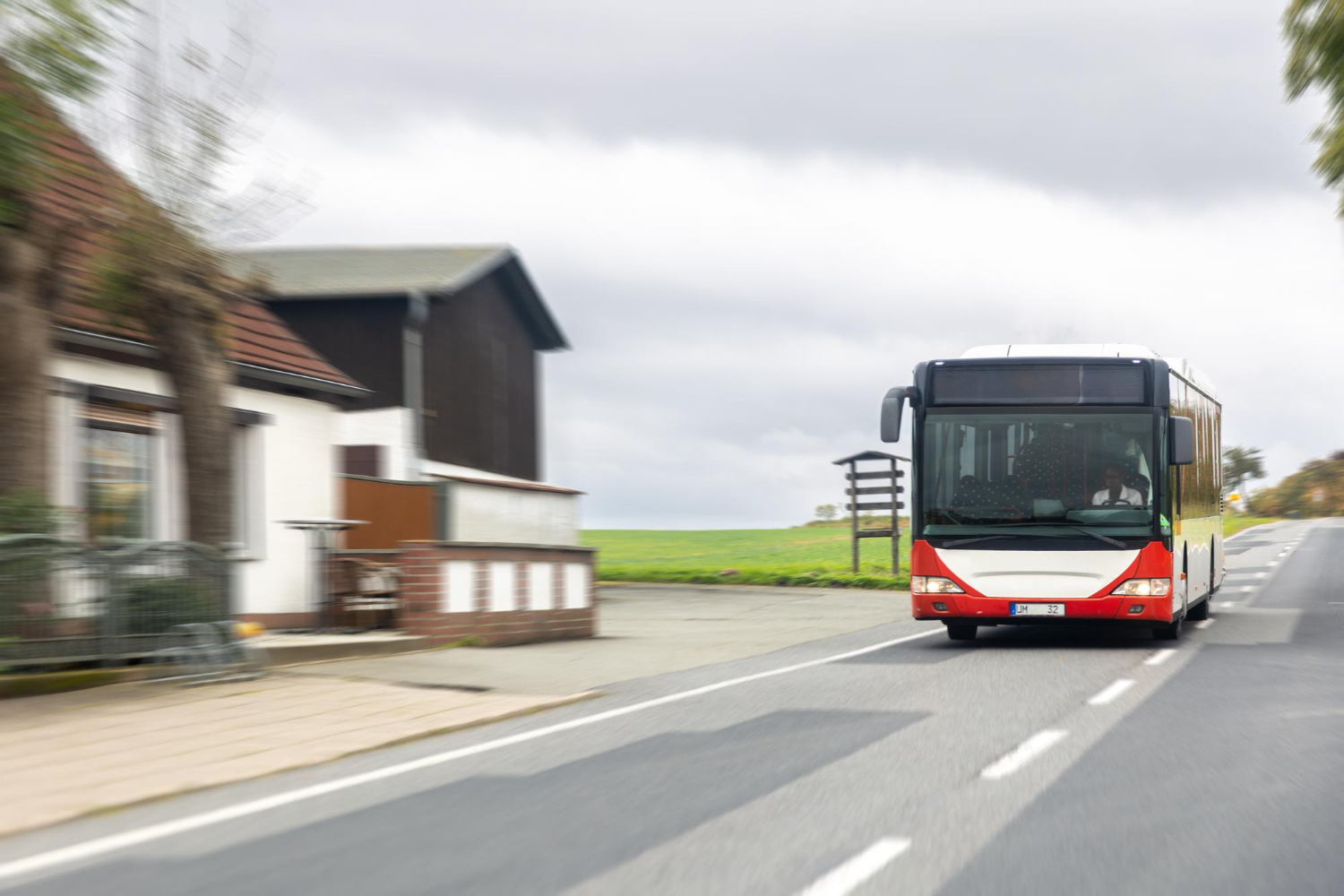
On almost every route where a coach and an alternative both exist, the coach is substantially cheaper, which is the reason the networks are as extensive as they are.
That price is what makes long overland travel possible for a great many people. Cost is the coach advantage that underpins all the others.
Slow, Cheap and Through the Middle of Everything
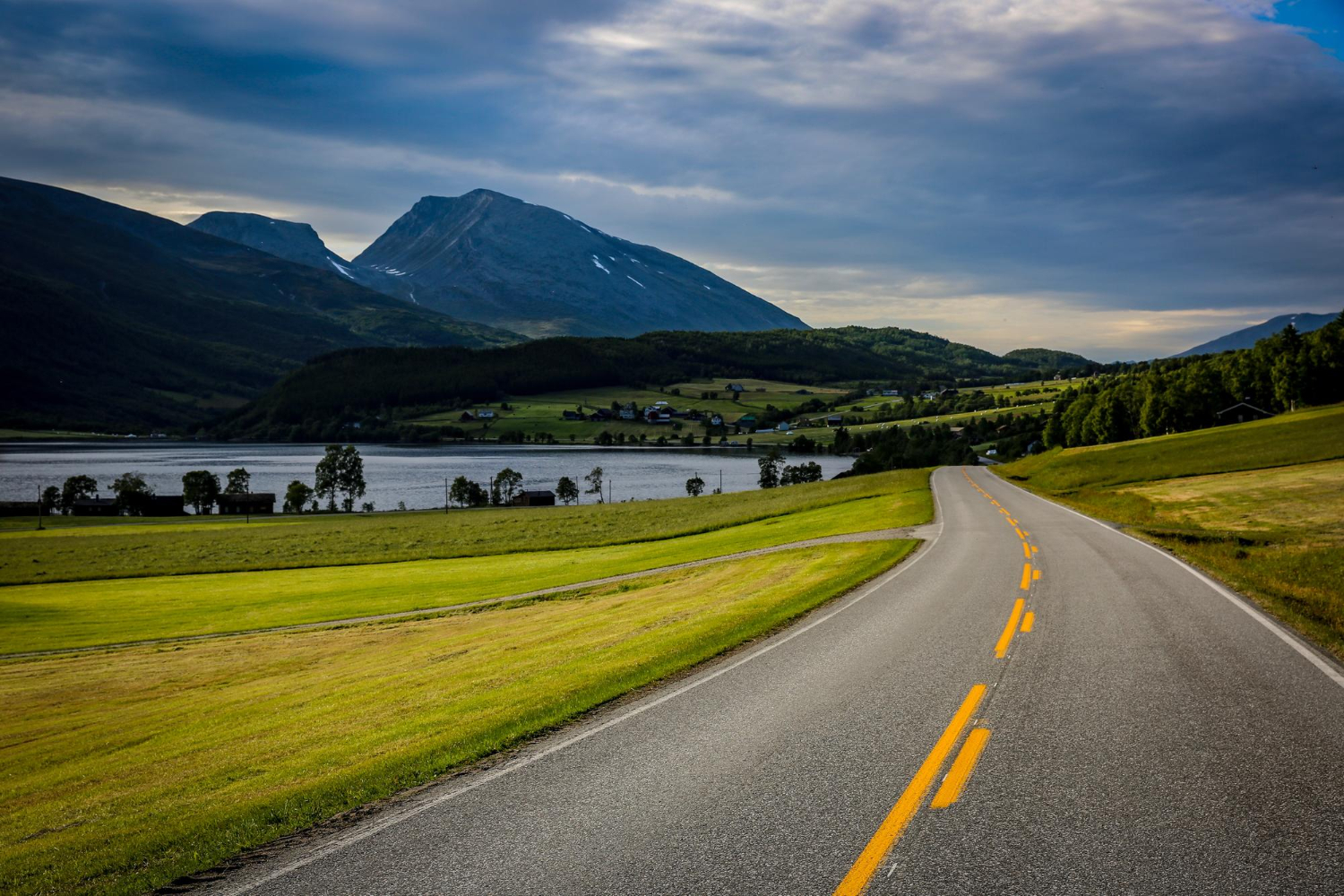
The coach trades speed and comfort for reach and price, and everything on this list follows from that – the stops, the ground-level view, the passengers, the drift in the timetable and the need to carry your own supplies.
Practical notes: onboard facilities, luggage rules, stop arrangements and boarding procedures vary enormously between operators and routes, so check the specific service rather than assuming from a previous one. Allow slack for anything connecting at the far end. And when the driver says how long a stop is, treat that as the whole story.
Like our content? Follow us for more.