
The single fact behind most of this is that the sun is not a point of light. It is a disc, roughly half a degree across, and almost everything strange about shadows follows from that. Here are twelve.
1. Shadow Edges Are Sharp Close Up and Soft Far Away

Because the sun is a disc rather than a point, the edge of any shadow has a fully dark core and a partial fringe where only part of the sun is blocked.
That fringe widens with distance, so a hand held near the ground casts a crisp shadow and the same hand held high casts a blurred one. The softening edge is the effect that proves the sun has a size.
Like our content? Follow us for more.
2. Dappled Light Is Made of Images of the Sun
Small gaps between leaves act as pinhole apertures, each projecting an image of the sun onto the ground, and those overlapping images are what dappled shade actually consists of.
The bright patches are round because the sun is round, not because the gaps are. Dappled light is the effect that is a natural pinhole camera repeated thousands of times.
3. Which Is Why It Turns Into Crescents
During a partial eclipse, each of those projected images shows the partly covered sun, so the ground beneath a tree fills with hundreds of crescents.
It is the safest and most striking way the event appears. Crescent dapples are the effect that turns every tree into an instrument.
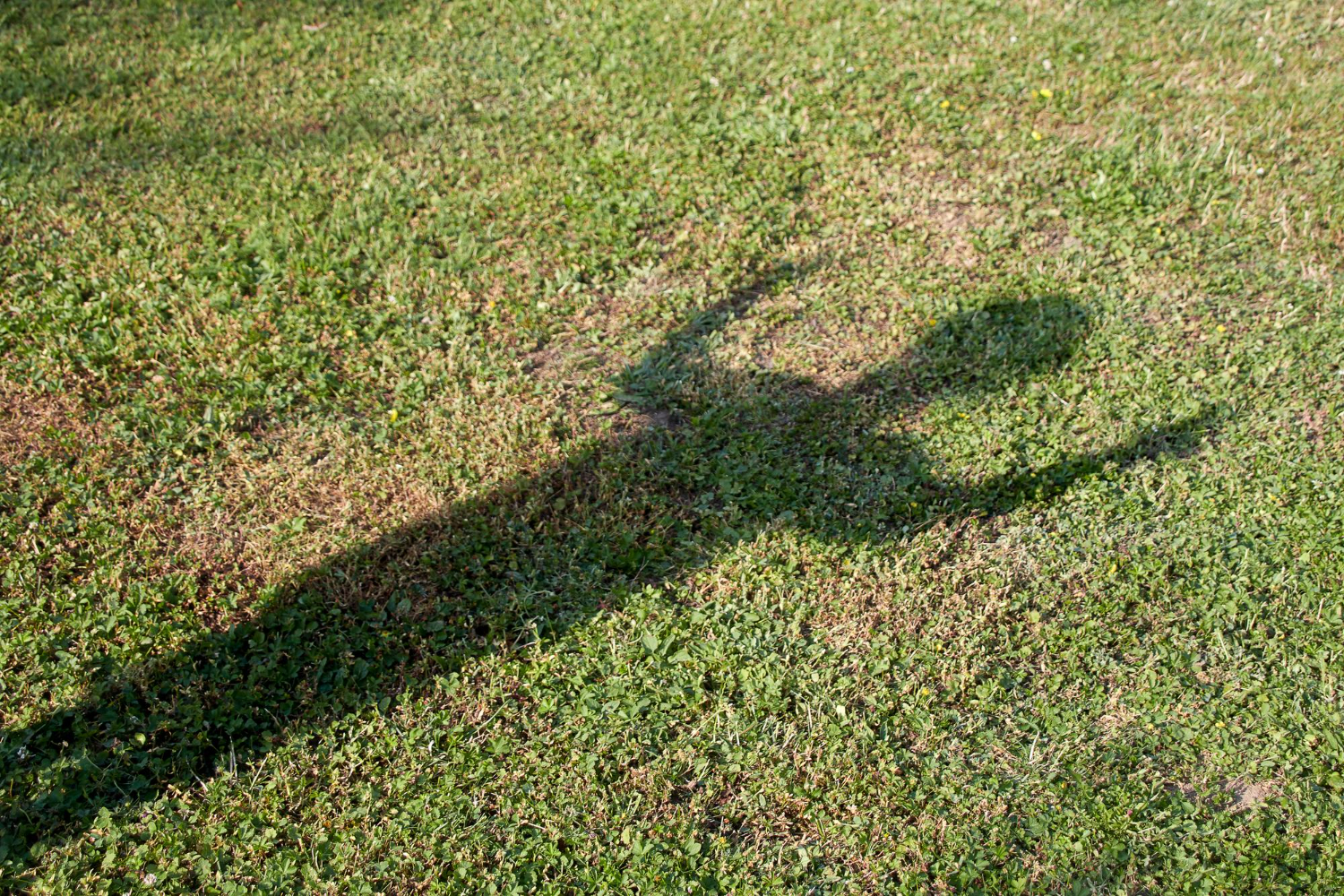
4. Your Own Shadow Has a Halo
Looking at your shadow on dewy grass or a crop field, a glow surrounds the head, produced by light scattering back from directly opposite the sun.
It appears around your own shadow only, and each person sees it around their own. The halo effect is the phenomenon that follows you and nobody else.
5. Shadows on Snow Are Blue

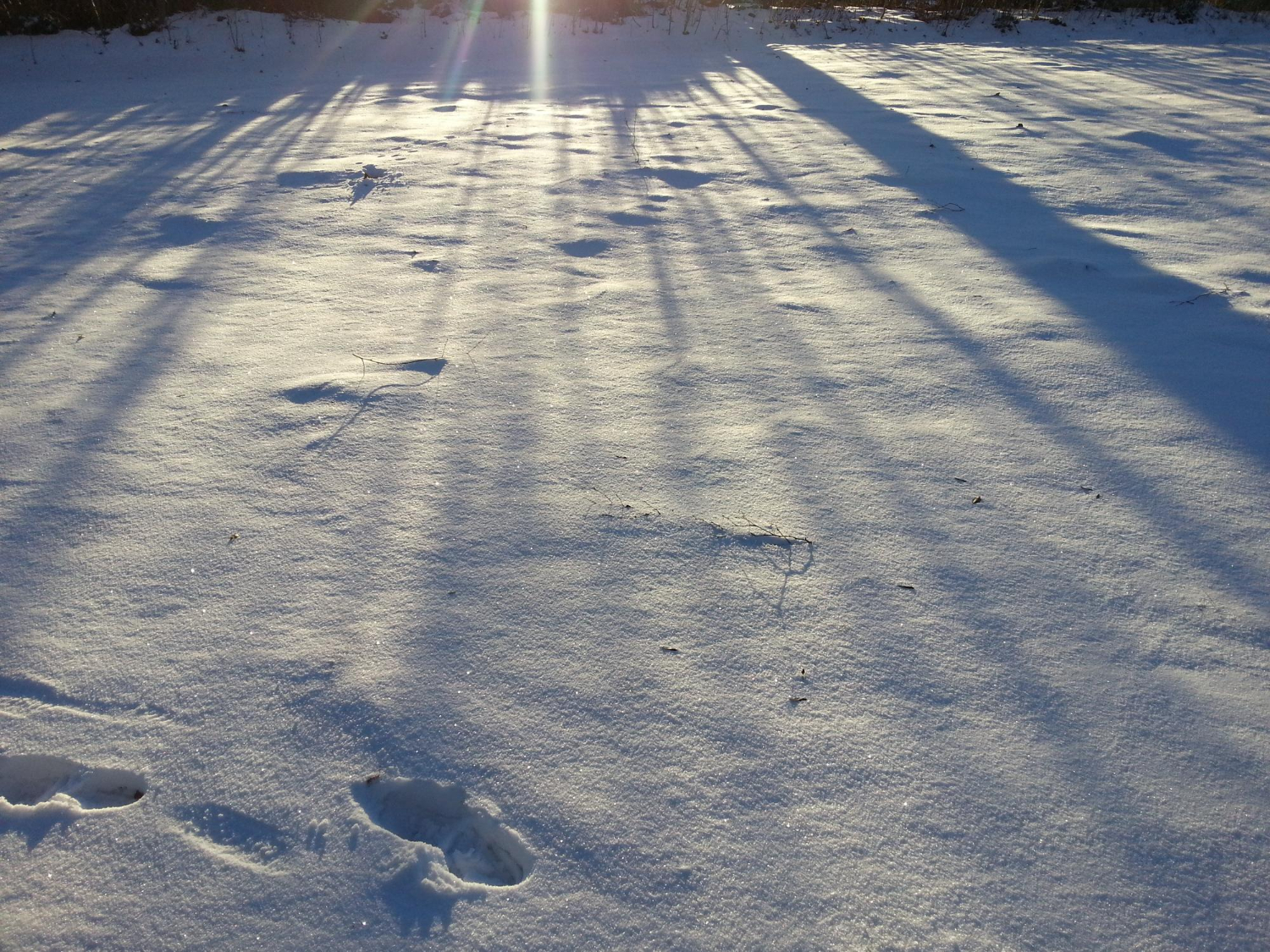
A shadowed patch is not receiving direct sunlight but is still lit by the sky, and the sky is blue, so anything in shade is illuminated in blue light.
It is not a trick of perception; the light really is that colour. Blue shadows are the effect that shows what shade is actually lit by.
6. Long Shadows Come With Warm Light

Near sunrise and sunset, light travels through far more atmosphere, which removes the shorter wavelengths and leaves warmer colour, at the same time as the low angle stretches shadows.
The two effects arrive together because they have the same cause. The golden hour is the coincidence of geometry and scattering.
7. Sun Rays Through Cloud Are Parallel
Beams appearing to fan out from a gap in cloud are in fact parallel, and appear to diverge for the same reason railway tracks appear to converge.
Perspective is doing all the work. Crepuscular rays are the effect that looks like divergence and is not.
8. And They Can Appear on the Opposite Side
Those same parallel beams appear to converge again at the point directly opposite the sun, which is visible when conditions allow.
Seeing both ends confirms the perspective explanation. Anti-crepuscular rays are the effect that closes the argument.
9. Rings Around the Sun and Moon

Ice crystals high in the atmosphere refract light at a consistent angle, producing a ring at a fixed radius, along with bright spots and arcs in particular conditions.
The angle is set by the crystal shape and is always the same. Halos are the effect whose size is determined by geometry rather than by distance.
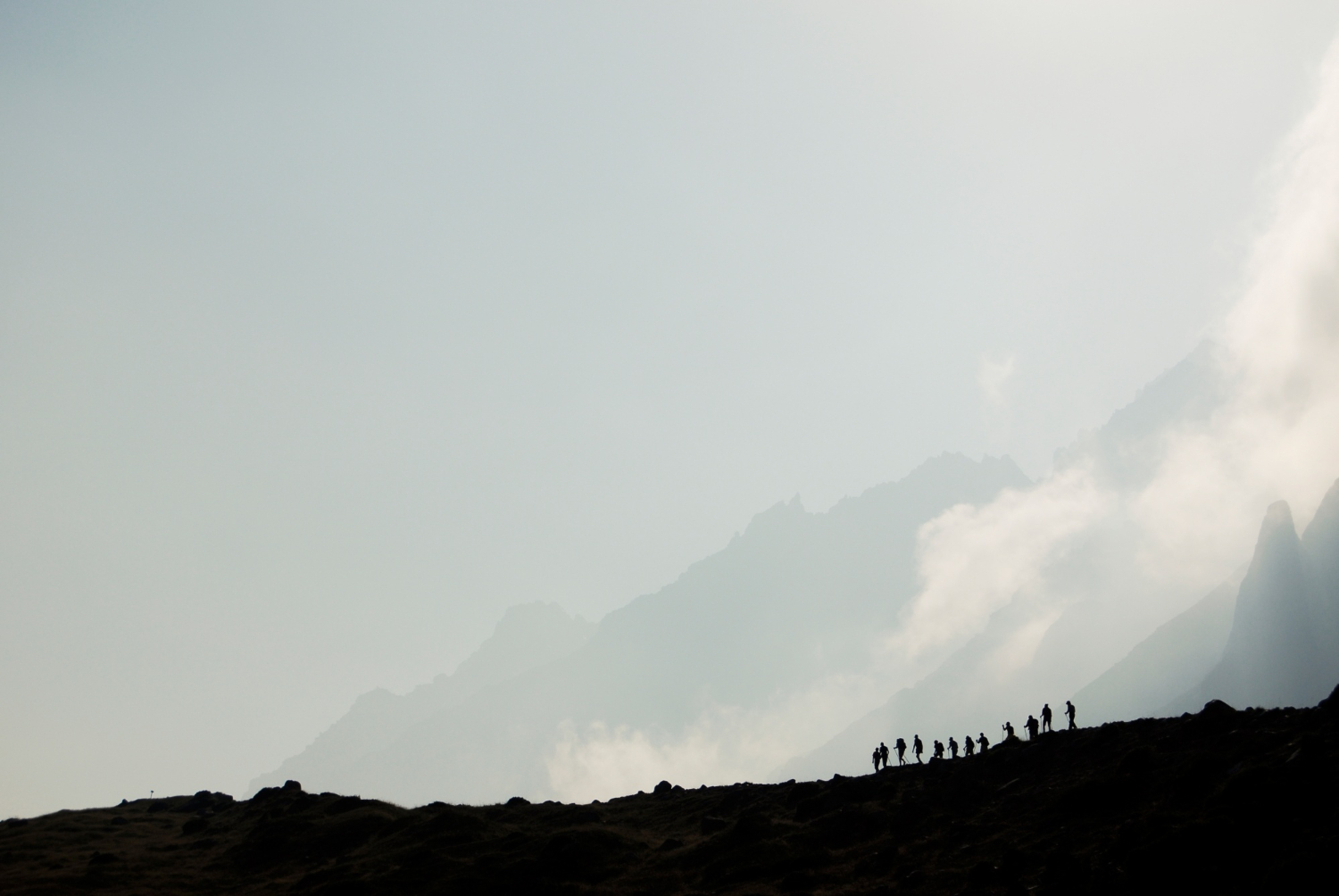
10. A Mountain Can Cast a Shadow Onto the Air

At sunrise and sunset a peak can project a triangular shadow into the atmosphere itself, appearing to hang above the landscape rather than lying on it.
The triangle shape appears regardless of the mountain actual profile, again through perspective. The projected peak shadow is the effect that is mostly not the mountain.
11. The Sky Opposite the Sun Turns Pink
Around sunset, a band of pink or purple appears in the eastern sky above a darker blue strip, which is the shadow of the Earth itself rising.
The dark band is the shadow of the planet itself cast onto the atmosphere. The Earth shadow is the effect visible on almost any clear evening and noticed by almost nobody.
12. Shadows Reveal Things the Object Hides
Low light across an uneven surface exposes texture, marks and relief that are invisible at midday, which is why archaeological features appear from the air in the early morning.
Nothing has changed except the angle. Raking light is the effect that makes shadows an instrument rather than an absence.
The Sun Is a Disc, Not a Point
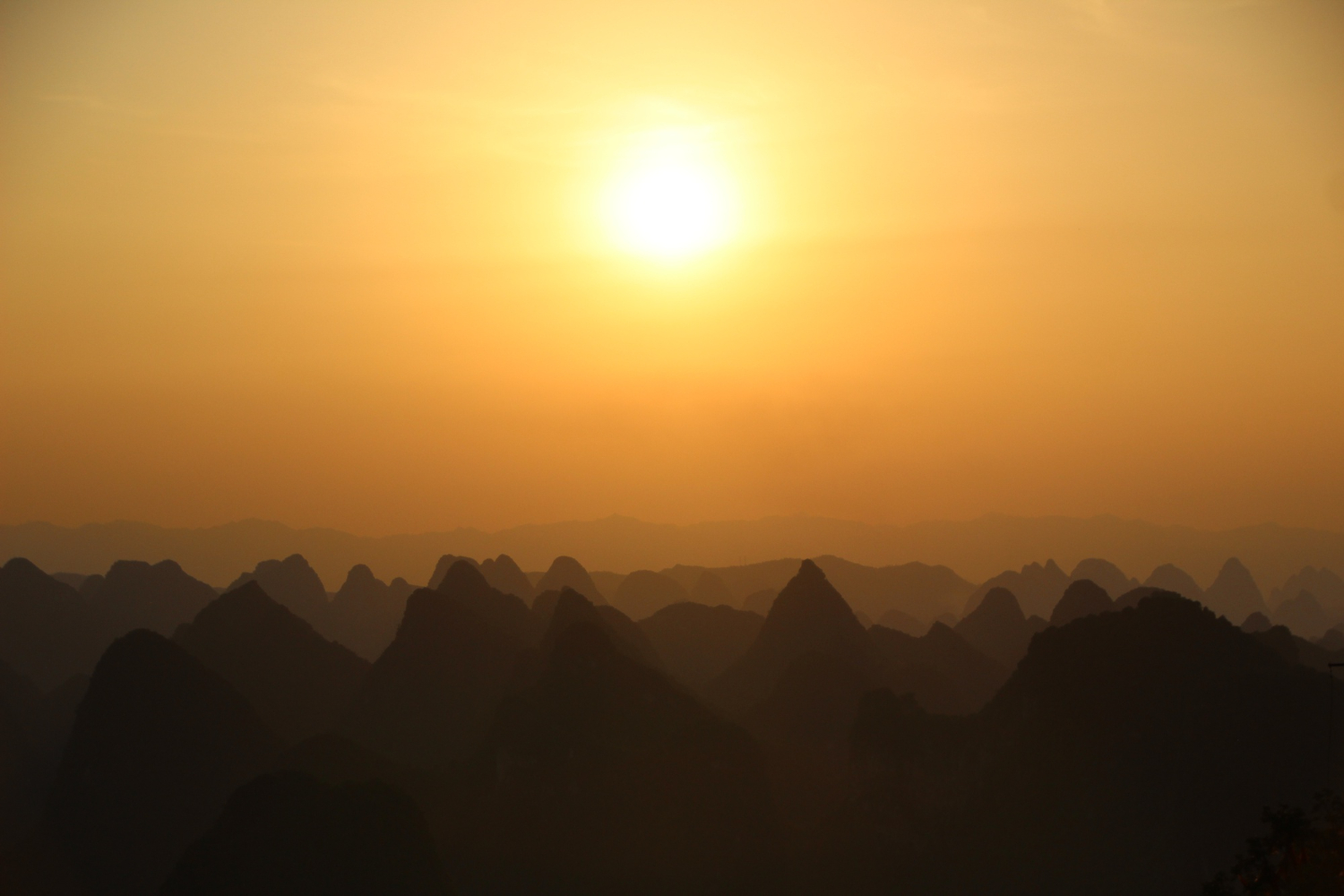
Most of these follow from three facts: the sun has an angular size, the atmosphere scatters and refracts light, and perspective distorts parallel lines. None of them requires anything unusual to happen.
One necessary caution before anybody goes looking. Several of these involve the sun being in the sky in front of you, and the sun must never be looked at directly – not briefly, not through cloud, and not during an eclipse without proper equipment and official guidance. Every effect on this list can be observed by looking at the ground, at a shadow, or at a part of the sky well away from the sun itself.
Like our content? Follow us for more.