The useful frame is extraction. You are dissolving specific substances out of solid material into water, and everything about the result depends on which substances come out and what happens to them afterwards. Here are fifteen.
1. Different Things Come Out at Different Rates
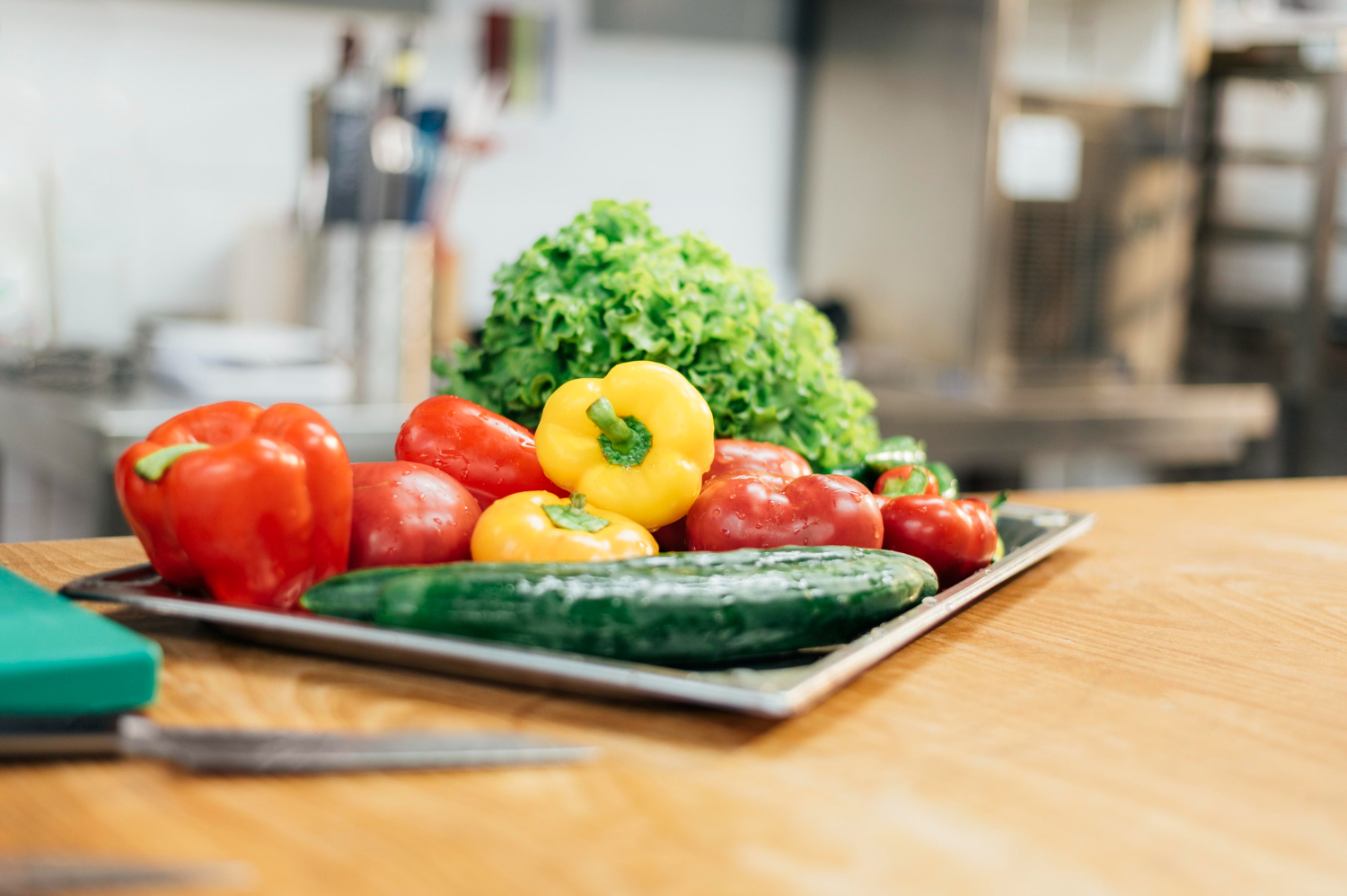
Aromatics give up their contribution quickly, vegetables take longer, and bones and connective tissue release theirs over many hours.
Cooking everything for the same duration wastes some and under-extracts others. Differential extraction is the fact that determines when things go in.
Like our content? Follow us for more.
2. Which Is Why Vegetables Go In Late

Vegetables have given everything they have within an hour or two and then begin to break down and contribute bitterness instead.
Adding them at the start of a long extraction actively harms the result. Late vegetables are the correction that most home cooks never make.
3. Collagen Becomes Gelatin
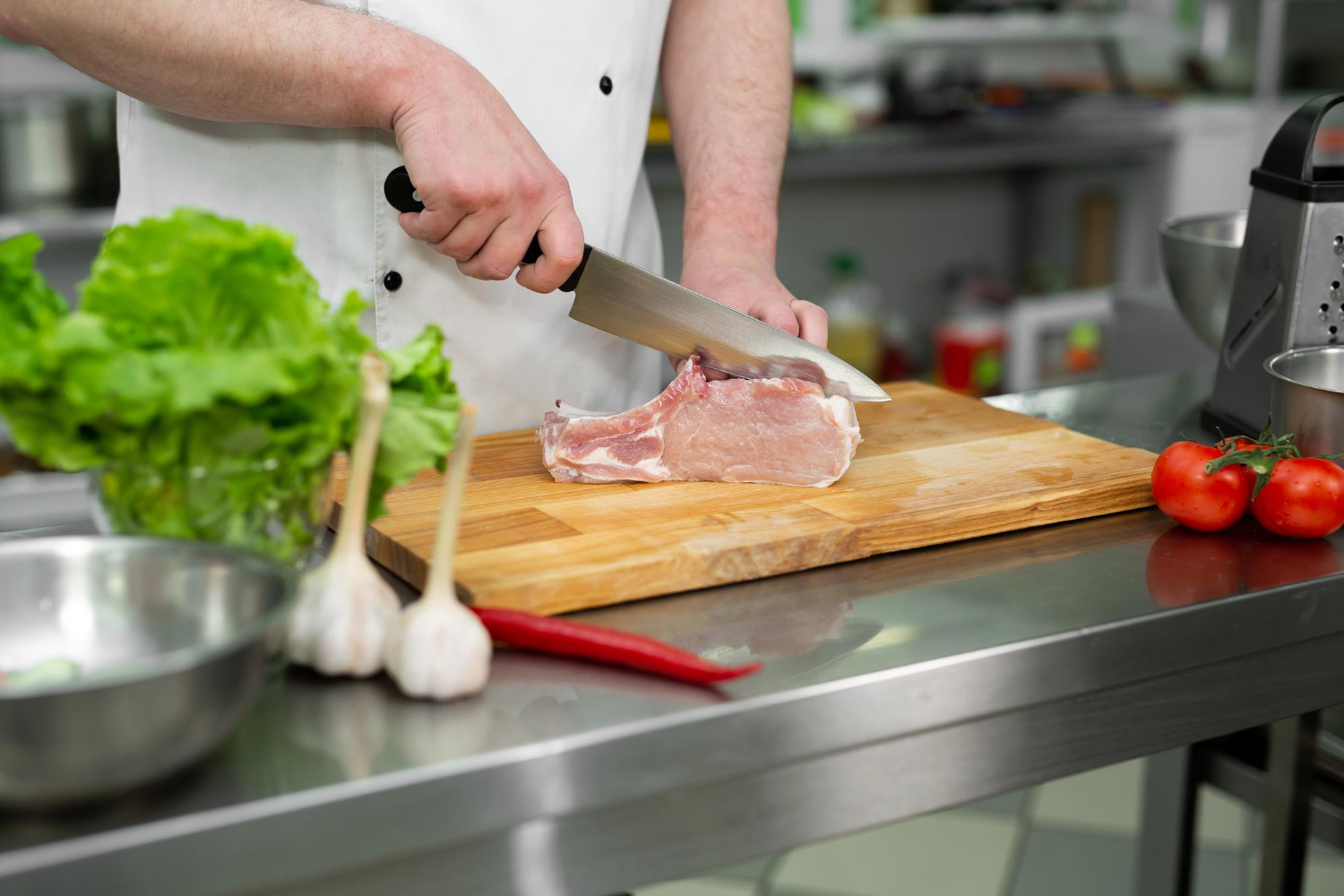
Connective tissue converts under prolonged gentle heat into gelatin, which dissolves into the liquid and gives it body, mouthfeel and the ability to set when cold.
That conversion is the entire reason for the long cooking. Gelatin extraction is what separates stock from flavoured water.
4. A Stock That Sets Is Telling You About Texture

Cold stock that gels contains substantial gelatin, which means it will give body to whatever it is used in.
It is a texture indicator rather than a measure of flavour or of anything else. The set test is a useful check and nothing more than that.
5. Boiling Makes It Cloudy
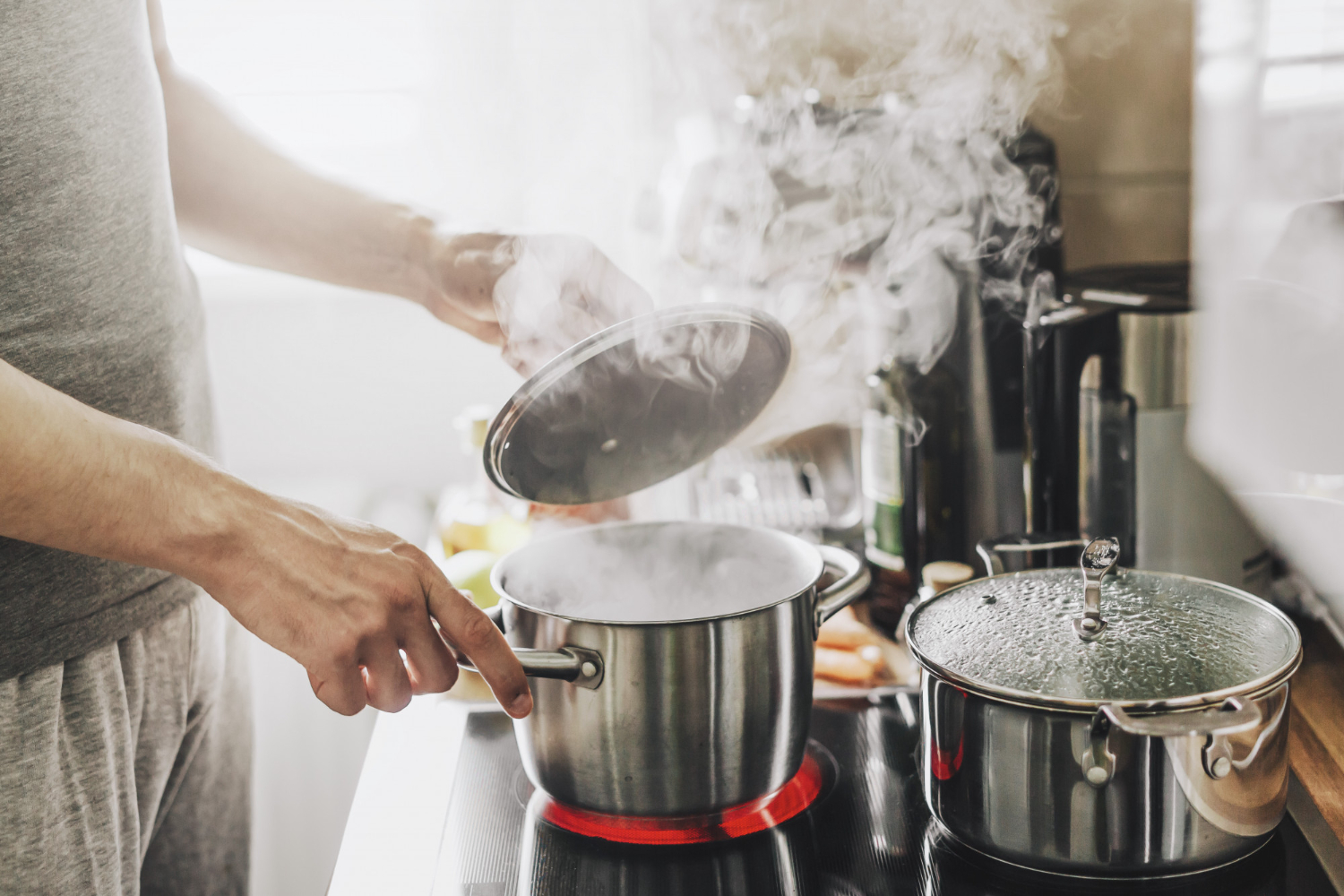
Vigorous boiling emulsifies fat into the liquid and agitates fine particles into suspension, and once they are dispersed they will not settle again.
A stock cannot be un-clouded. Boiling is the single most common and least reversible stock mistake.
6. So Clarity Is a Temperature Decision

A stock held just below a simmer, moving barely at all, stays clear because nothing is being beaten into it.
Clarity is achieved by restraint rather than by technique. Gentle heat is the whole method for a clear result.
7. Skimming Early Matters Most

Proteins and impurities rise as a foam during the first period of heating, and removing them then prevents them dispersing back into the liquid.
Later skimming removes fat and little else. Early skimming is the intervention with a narrow window.
8. Roasting First Makes a Different Stock

Browning bones and aromatics before adding water produces compounds that simply do not exist in an unroasted stock, giving colour and depth.
The two are different products rather than better and worse versions. Roasting is the decision that determines which stock you are making.
9. Acid Helps the Extraction

A small quantity of acid assists in breaking down connective tissue, which is why several traditions include a sour element in the pot.
Too much affects the flavour noticeably. Acid addition is the technique that speeds the chemistry.
10. There Is a Point Where Nothing More Comes Out
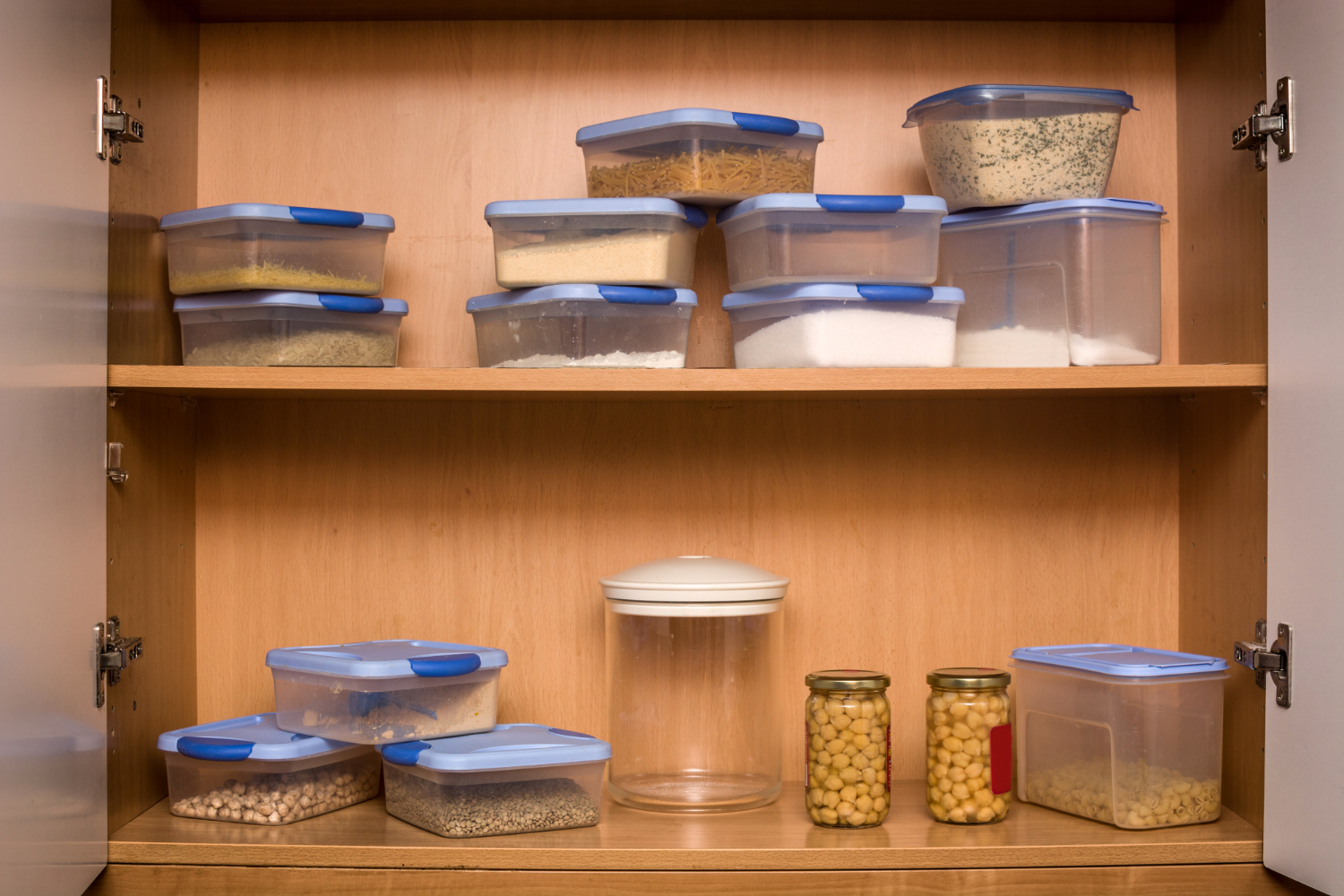
Extraction is not indefinite. After a certain duration the material is exhausted, and continuing produces no further benefit while risking off-flavours.
Longer is not reliably better. Exhaustion is the limit that makes very long cooking pointless rather than superior.
11. Salt Goes In Late or Not at All
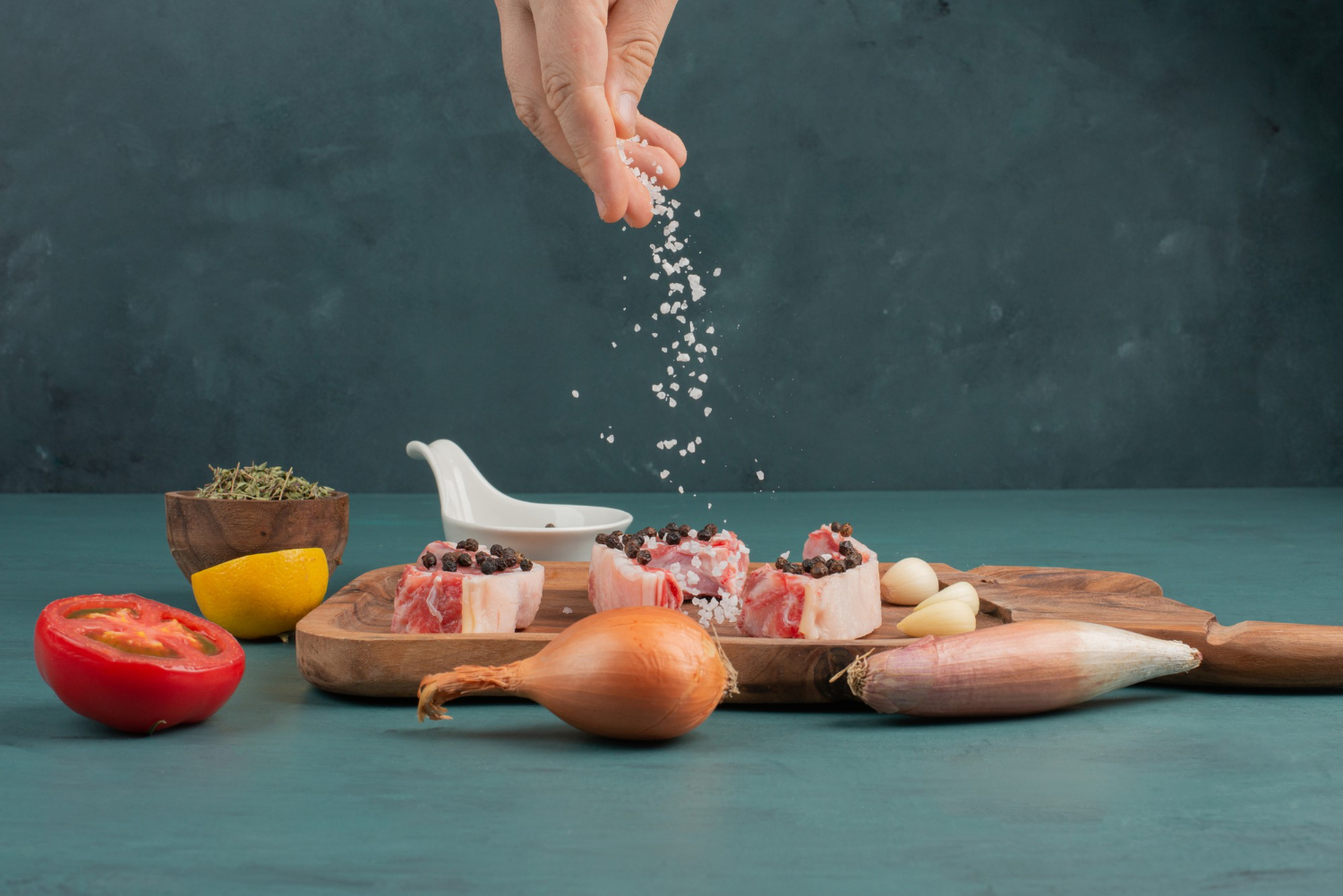
If the stock will be reduced, salt added early becomes concentrated along with everything else, and a correctly seasoned stock becomes inedible after reduction.
Most traditions season the dish rather than the stock. Late salting is the rule that follows from what happens afterwards.
12. Reduction Concentrates Everything
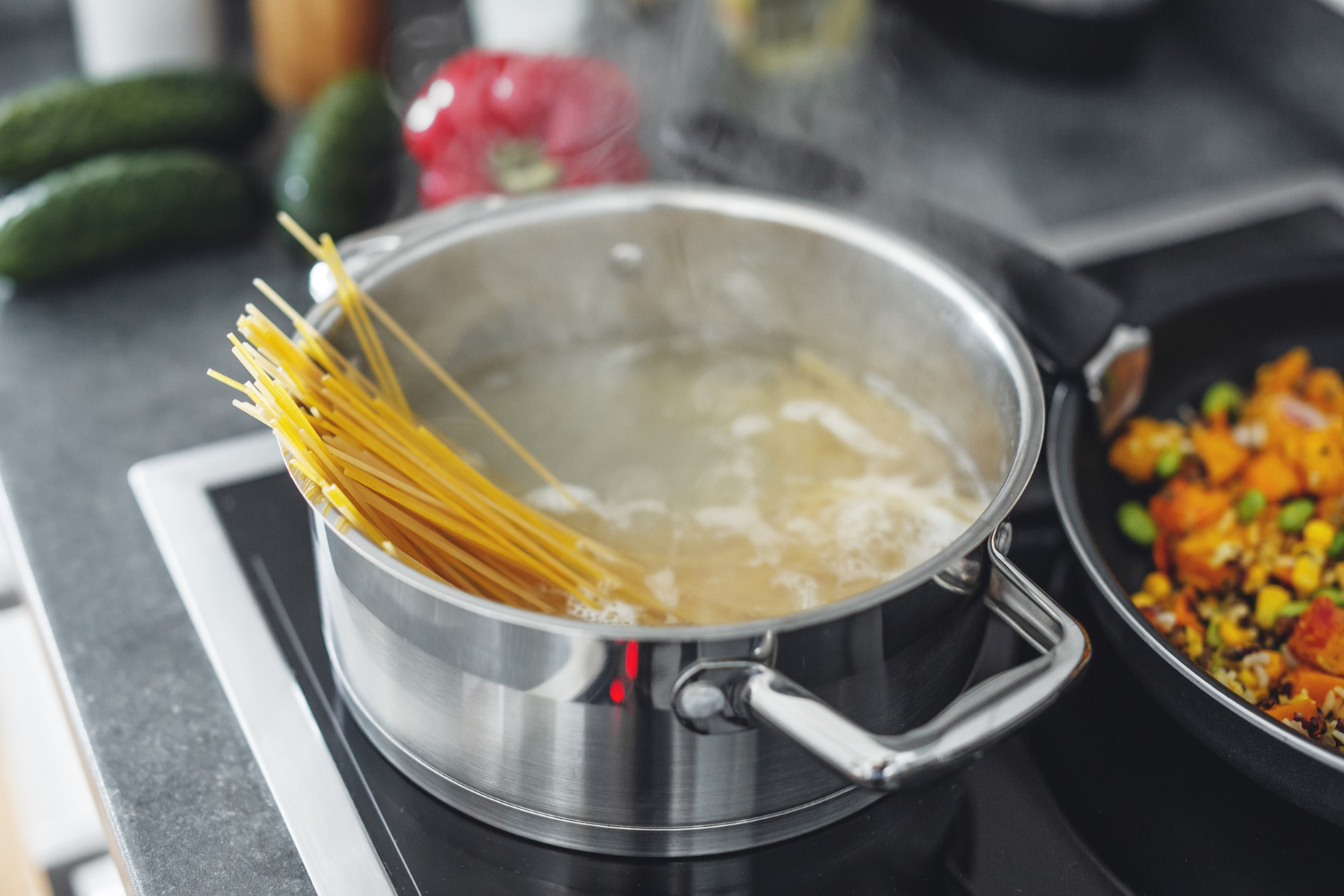
Boiling away water concentrates flavour and gelatin together, producing something progressively thicker and more intense until it will set solid.
It also concentrates anything wrong with it. Reduction is the process that amplifies the stock in both directions.
13. Cooling It Fast Is a Separate Problem

How a stock is cooled and kept is a real matter with real consequences and it is not a culinary question.
It is properly governed by food-safety guidance rather than by kitchen judgement. Cooling is the stage this article deliberately does not advise on.
14. The Names Describe Method Rather Than Ingredients
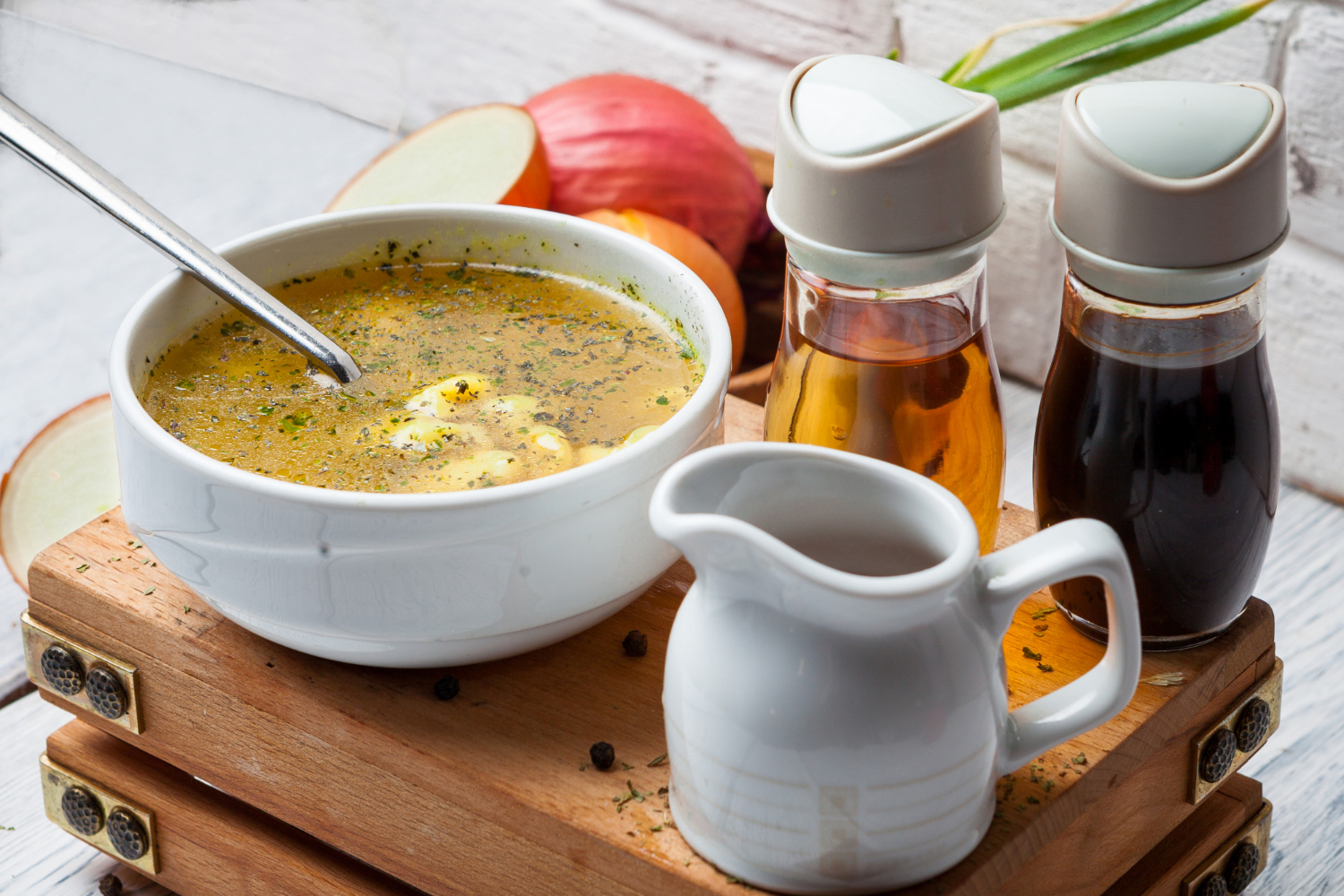
Stock, broth and clarified versions differ in how they are made and how clear they end up rather than in what goes into them, and usage varies between traditions.
Arguing about the terms is less useful than knowing what was done. Terminology is the area where the distinction is procedural.
15. It Is Made From What Would Be Thrown Away
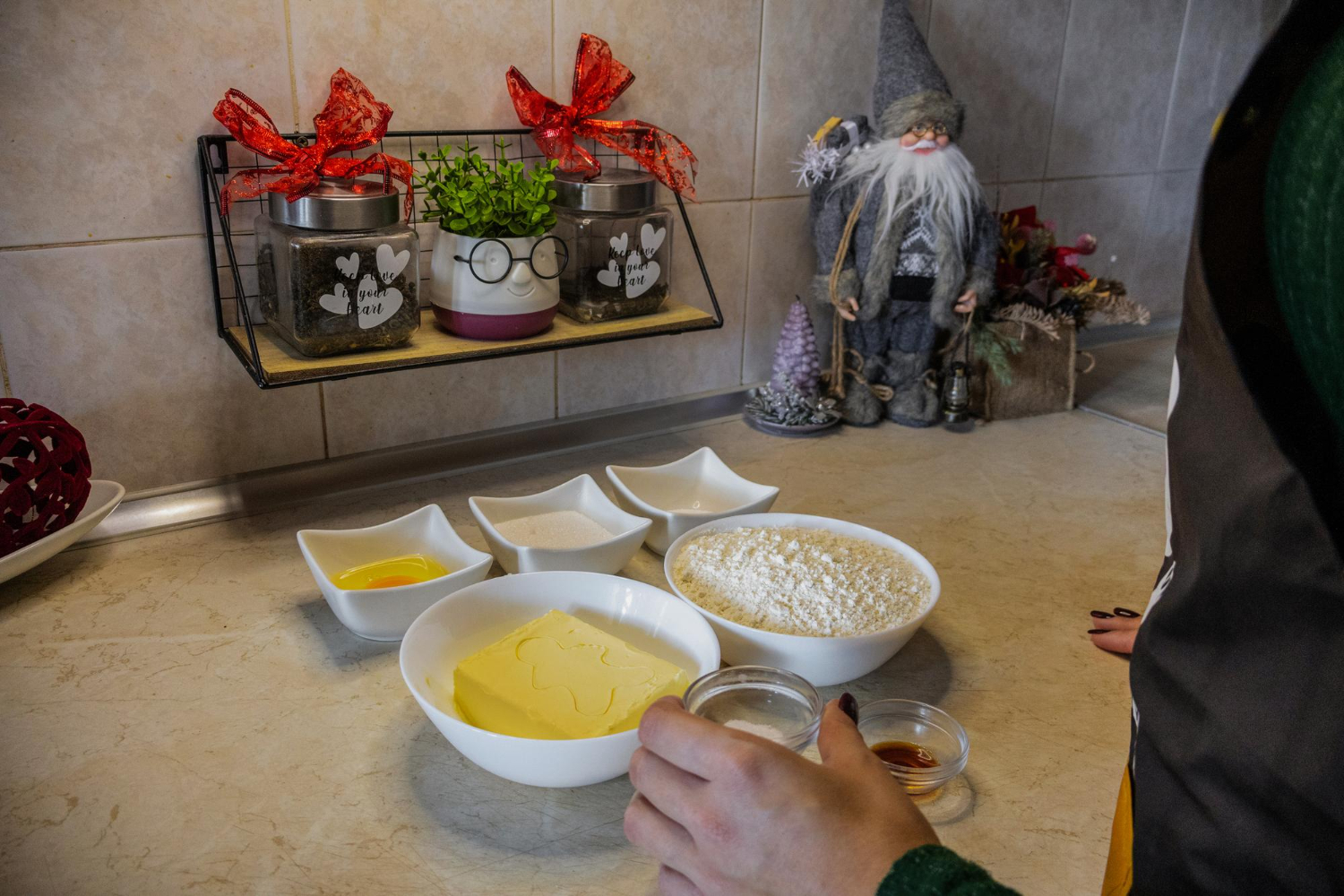
The entire technique exists because bones, trimmings, peel and stalks contain a great deal that water can extract, and discarding them wastes it.
That is why every cuisine developed a version. Using the offcuts is the origin of the whole practice.
Extraction at the Right Temperature
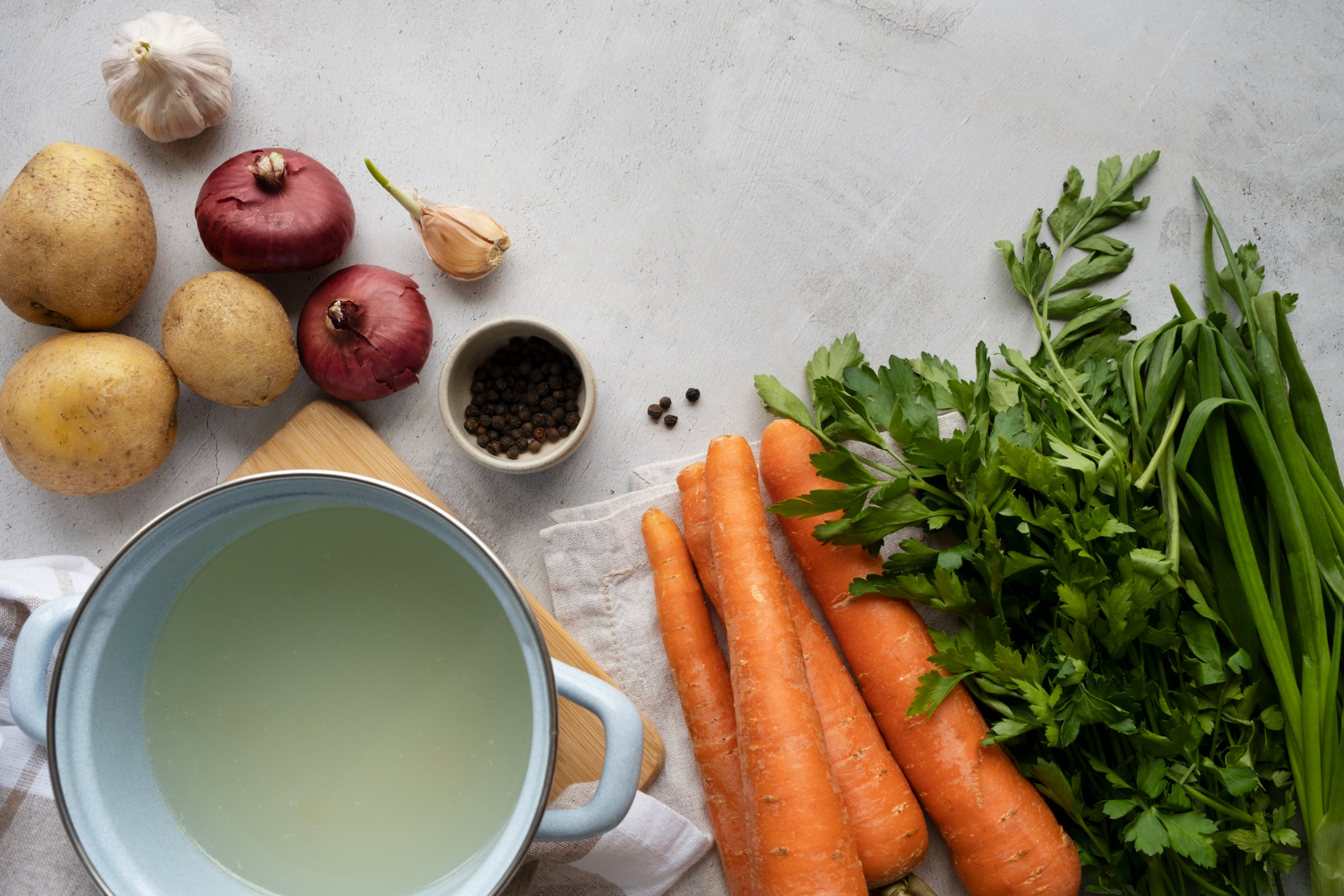
Which substances come out, how quickly, and whether they stay dissolved or get beaten into suspension – those three questions account for nearly every difference between one stock and another.
One necessary note: how a stock is cooled, stored and reheated has real consequences, varies by jurisdiction and is properly a matter for official food-safety guidance rather than for an article about extraction chemistry. Everything above concerns what happens in the pot while the heat is on.
Like our content? Follow us for more.