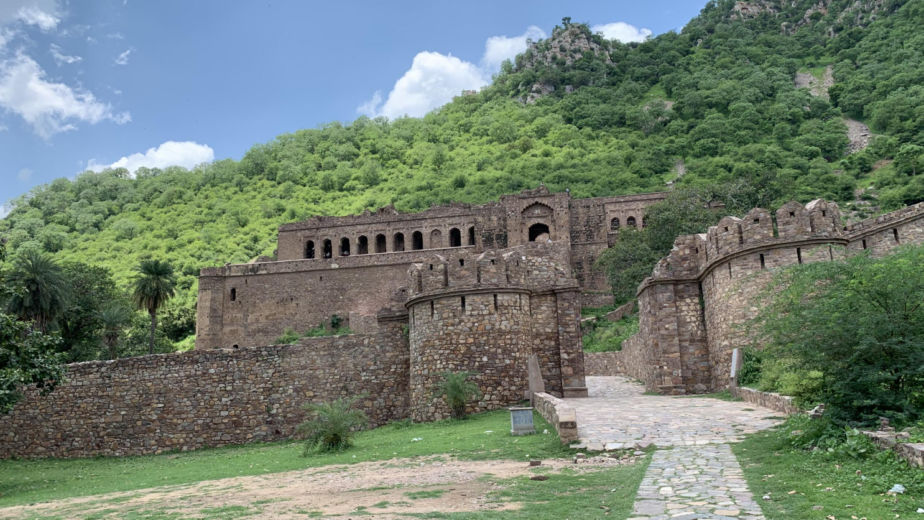
The useful habit is to ask what each feature is for rather than what it looks like. Nearly every one addresses a specific difficulty, and several address problems that are not obvious until they are pointed out. Here are seventeen.
1. The Mound With a Tower On It
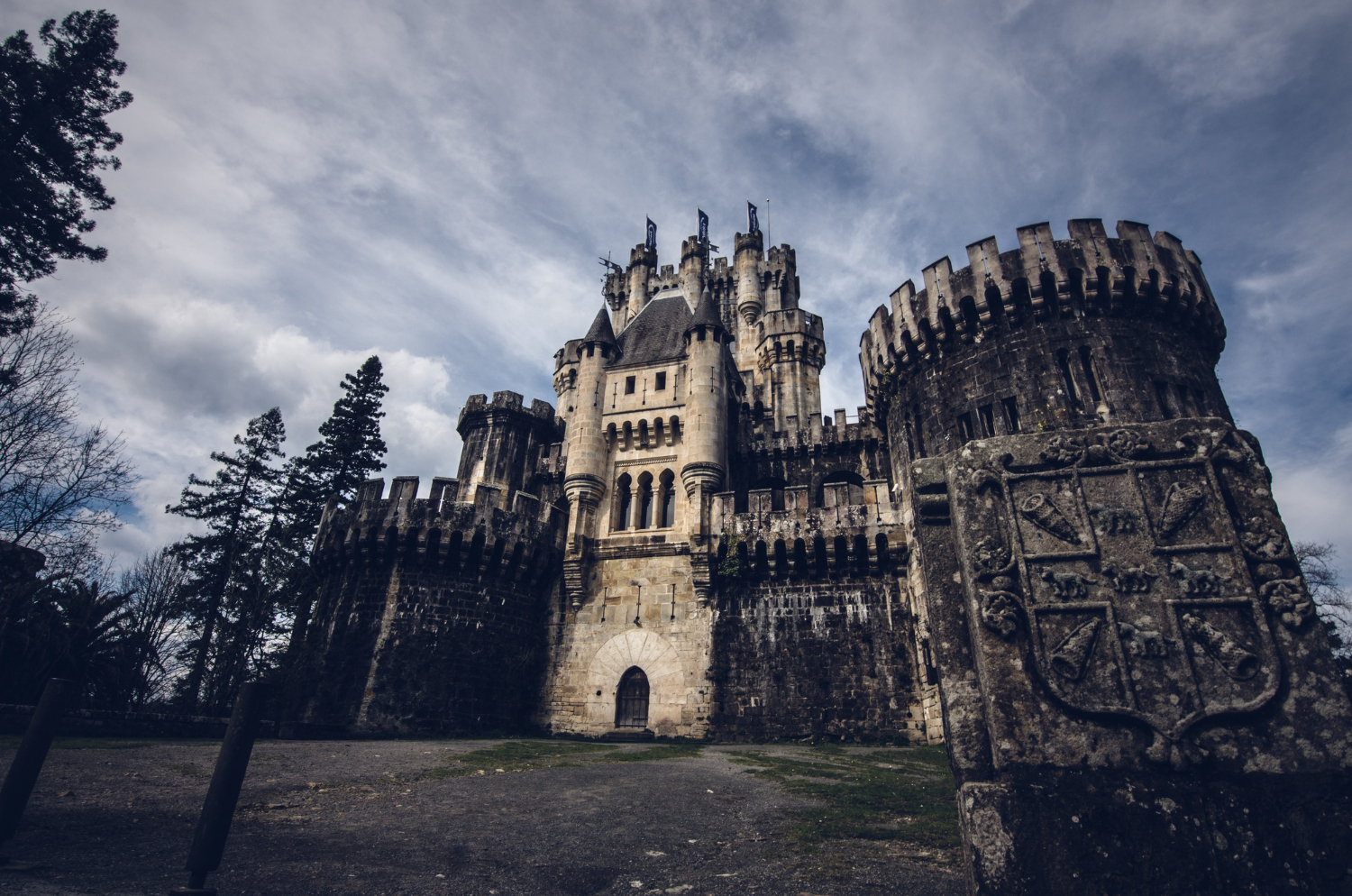
The earliest widespread form was an earth mound carrying a timber tower, with an enclosed yard below – and its great advantage was speed, since it could be raised in weeks using unskilled labour.
Stone came later where it was worth the investment. The earthwork and tower is the form chosen for how fast it could be built.
Like our content? Follow us for more.
2. The Enclosed Yard Below
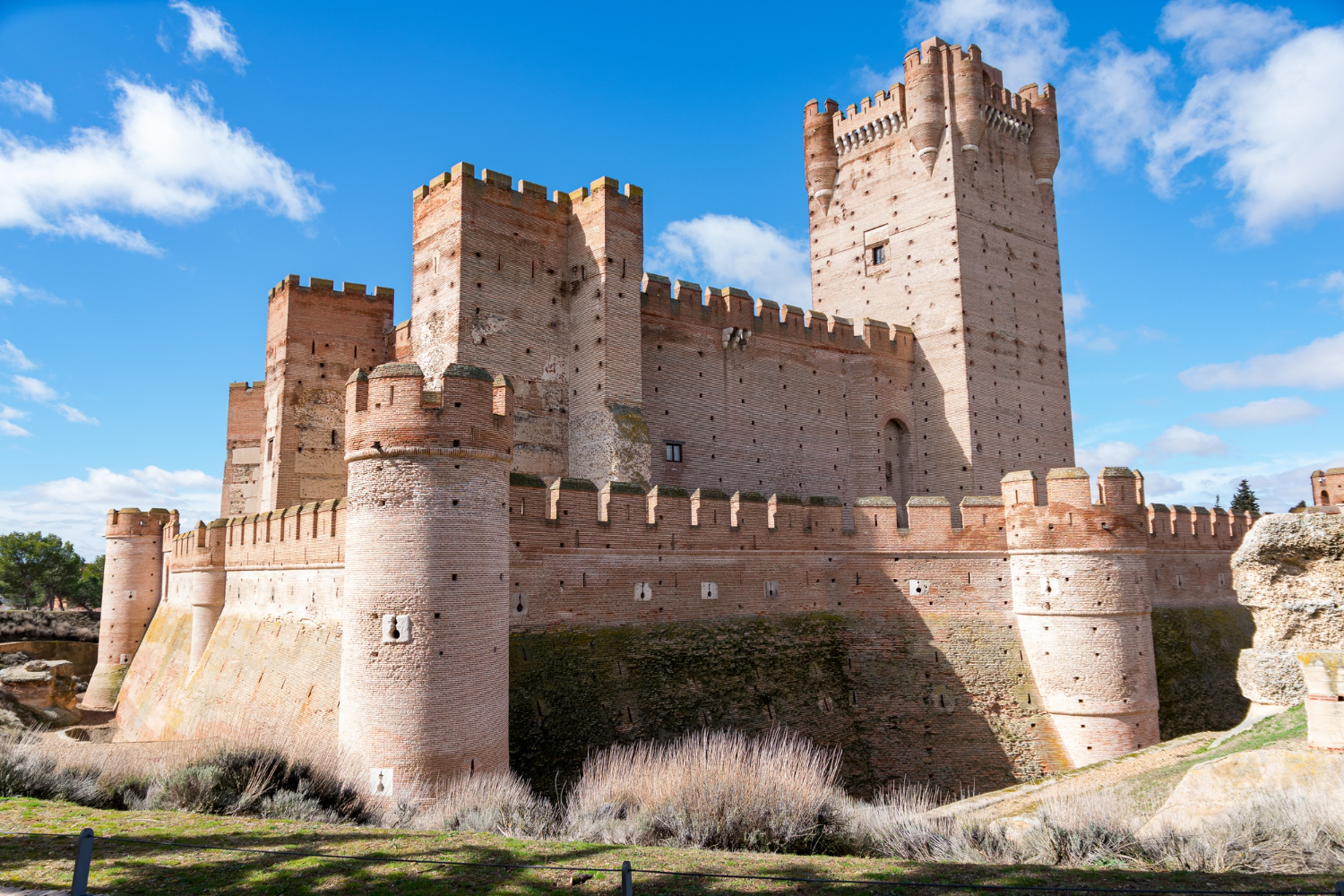
The yard held the buildings that actually made the place function – stores, workshops, stables, accommodation – because a tower alone cannot support anybody for long.
The tower was the strong point and the yard was the settlement. The enclosure is the part where daily life happened.
3. Towers Sticking Out From the Wall

A flat wall cannot be defended along its own face, because anybody standing at the base is out of reach. Towers projecting outward allow the wall itself to be covered from the side.
That single geometric fact explains their placement. Projecting towers are the solution to a blind spot in a straight line.
4. Round Rather Than Square
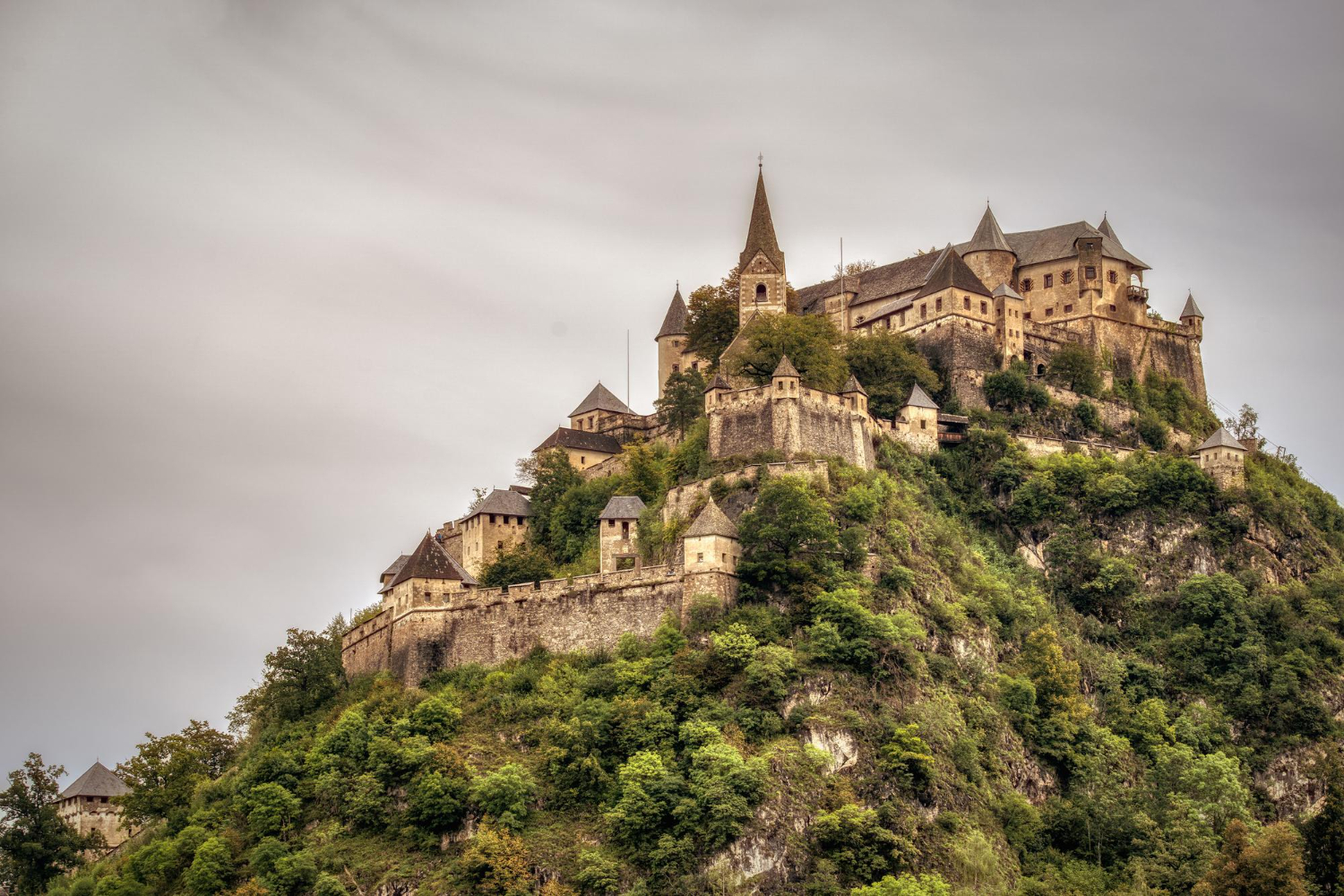
Square towers have corners, and a corner can be attacked by removing stones from a narrow area to bring down a large section. A round tower presents no corner and distributes force around the curve.
The change from square to round was a direct response. Circular towers are the design that removed the weak point.
5. The Base That Slopes Outward
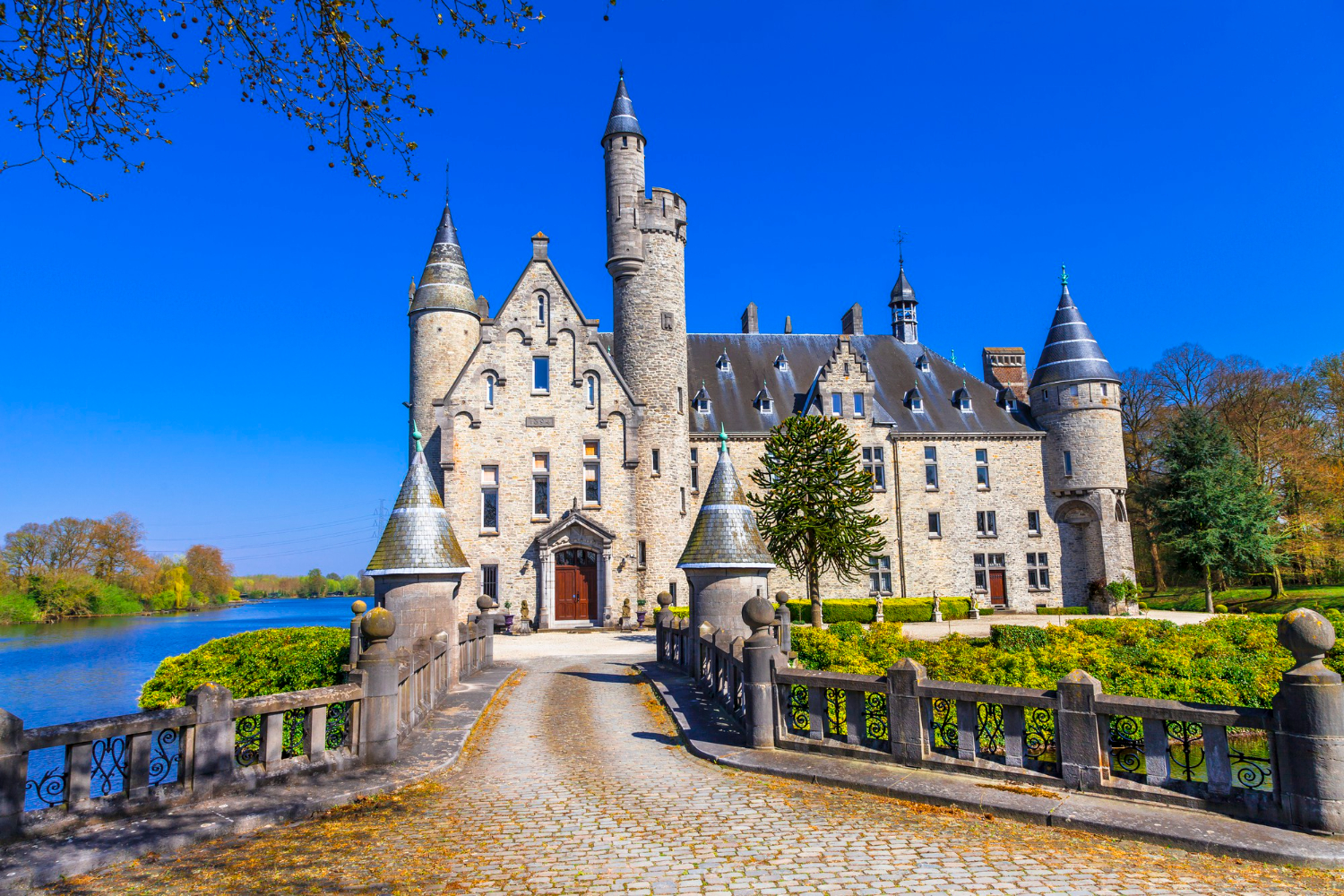
A thickened outward-sloping base makes the wall harder to undermine, adds mass where it matters most and deflects anything dropped from above outward rather than straight down.
It is doing three jobs at once. The battered base is the feature people read as decorative and is not.
6. Everything Concentrated at the Gate
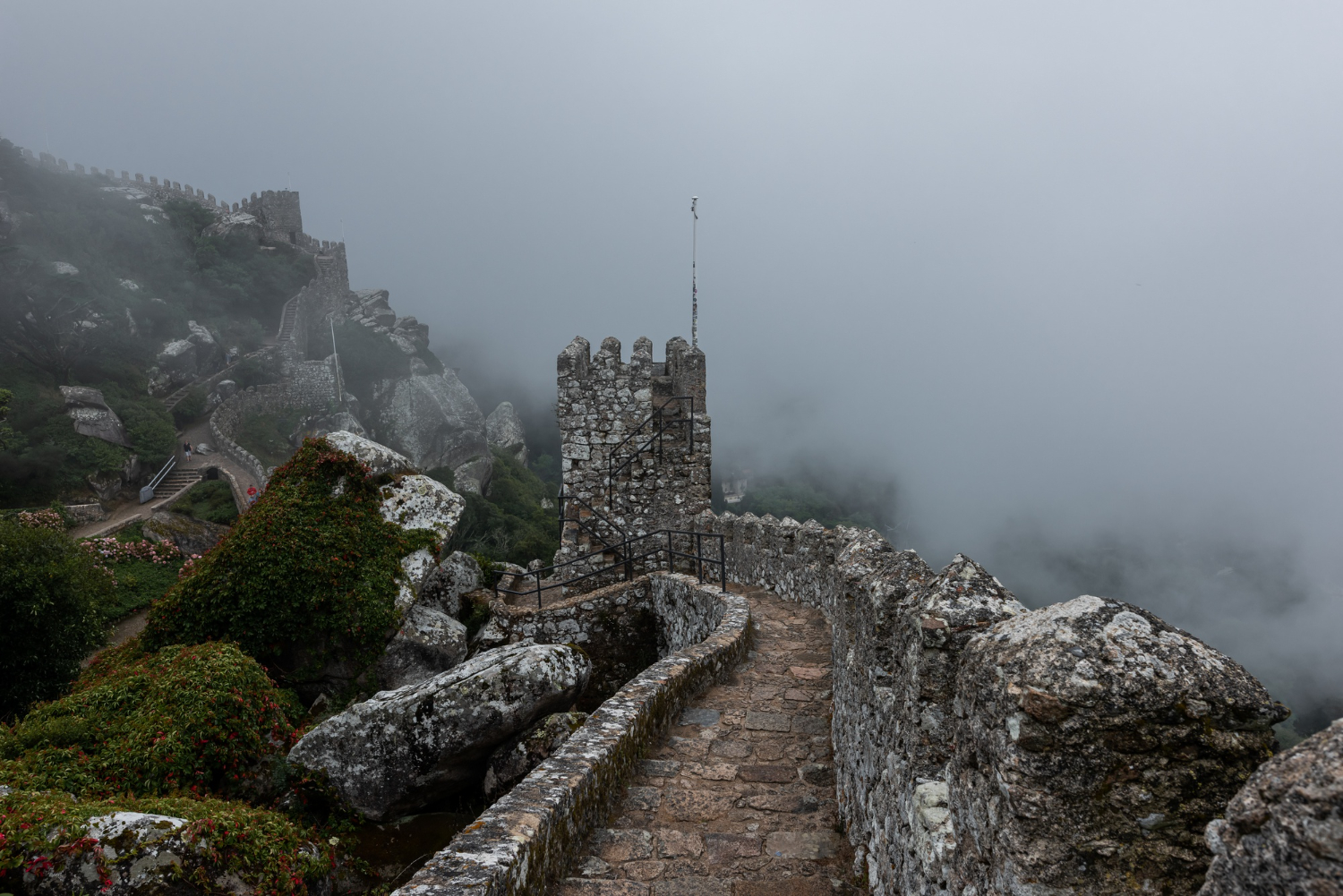
An opening is necessarily the weakest point, so defensive effort concentrates there – which is why gatehouses are frequently the largest and most elaborate structures in the whole building.
The strength is where the hole is. The gatehouse is the point that receives the disproportionate investment.
7. The Extra Structure in Front
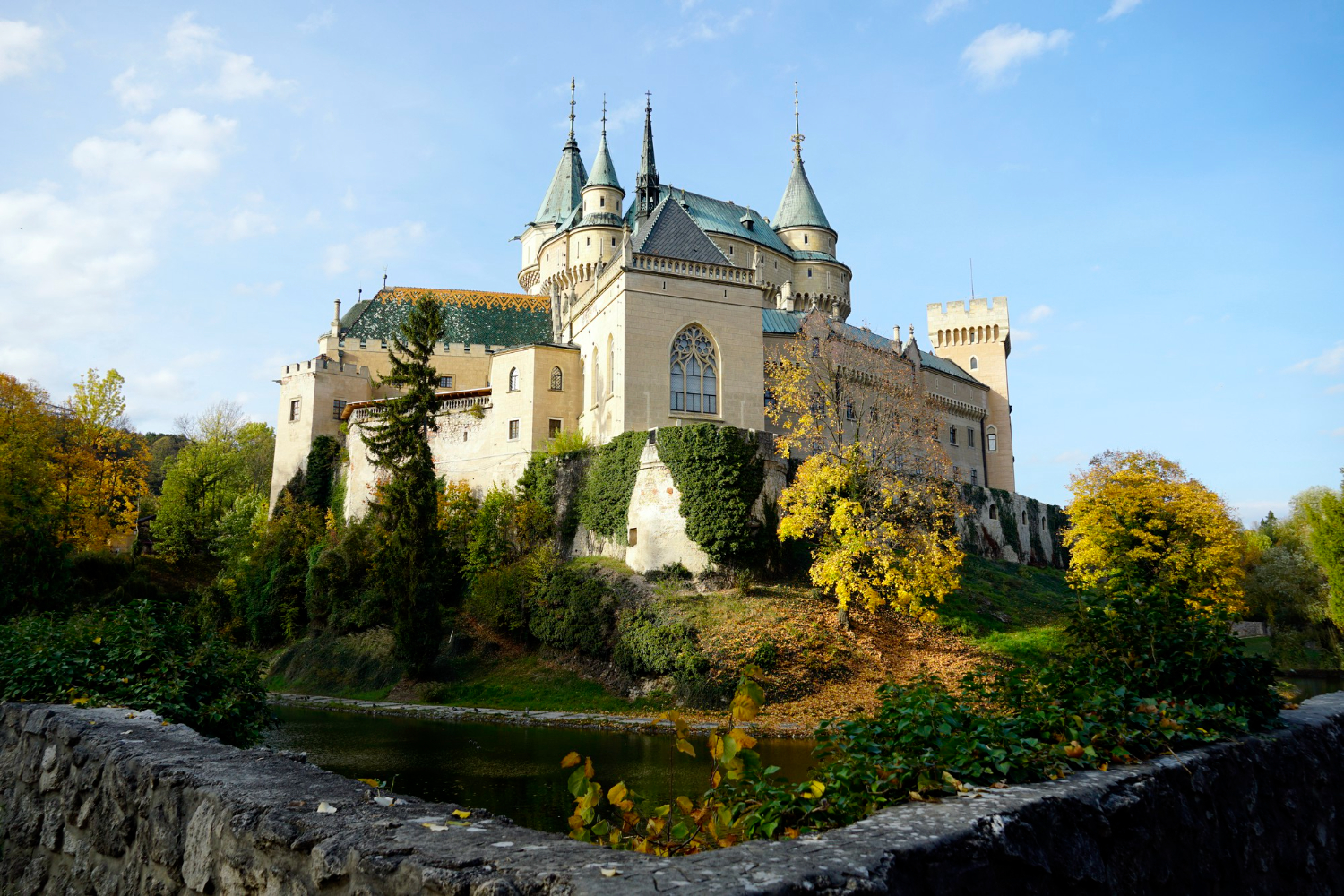
A barbican extends the approach to the gate, forcing anybody arriving to travel further under observation before reaching the opening itself.
It buys distance and time. The forward work is the feature that makes the entrance longer than it needs to be.
8. The Passage That Turns
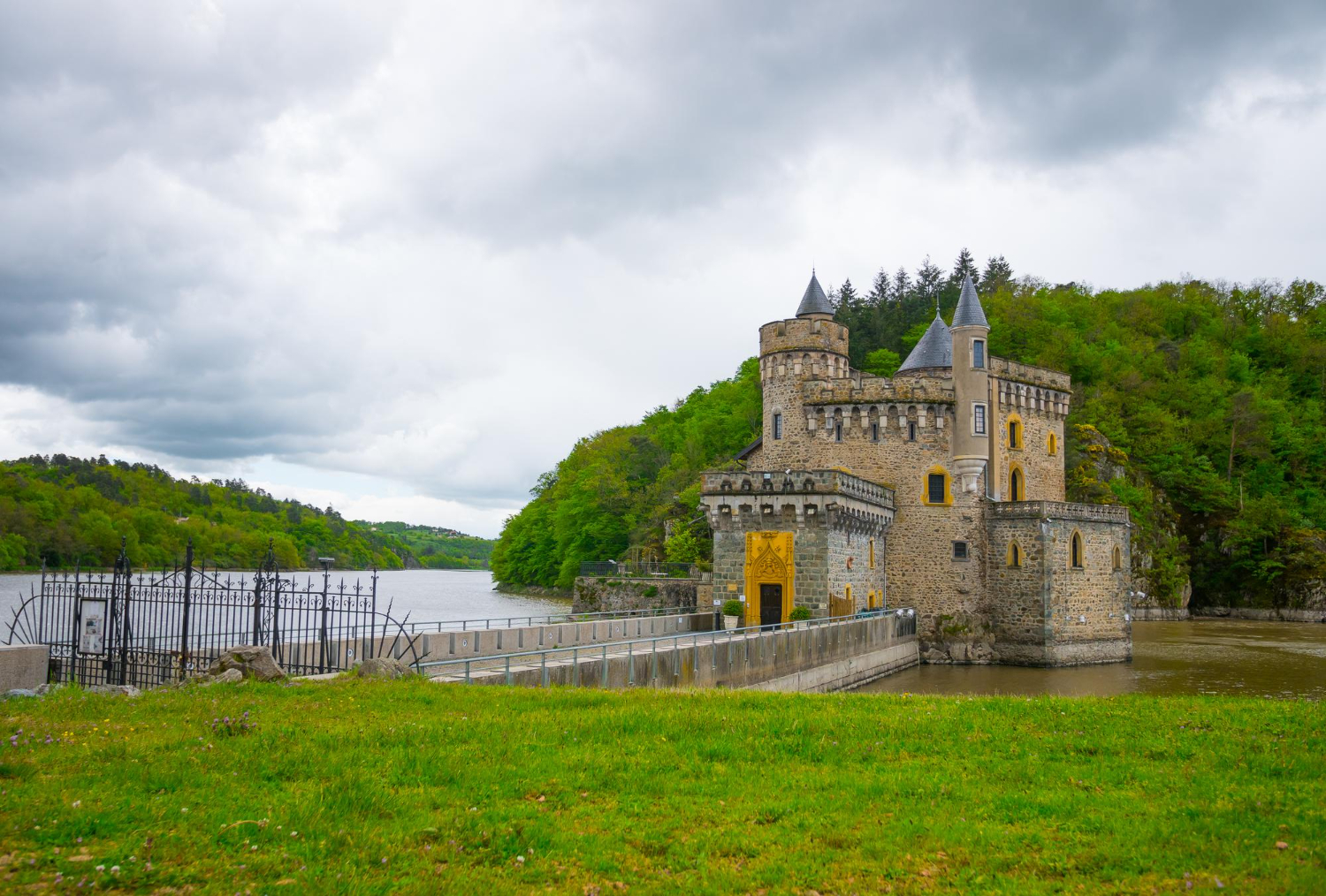
Entrance passages frequently bend, which prevents a straight run at the gate and slows anything being brought through.
Straight approaches are rarer than people assume. The angled passage is the design that removes the run-up.
9. The Openings That Widen Inside
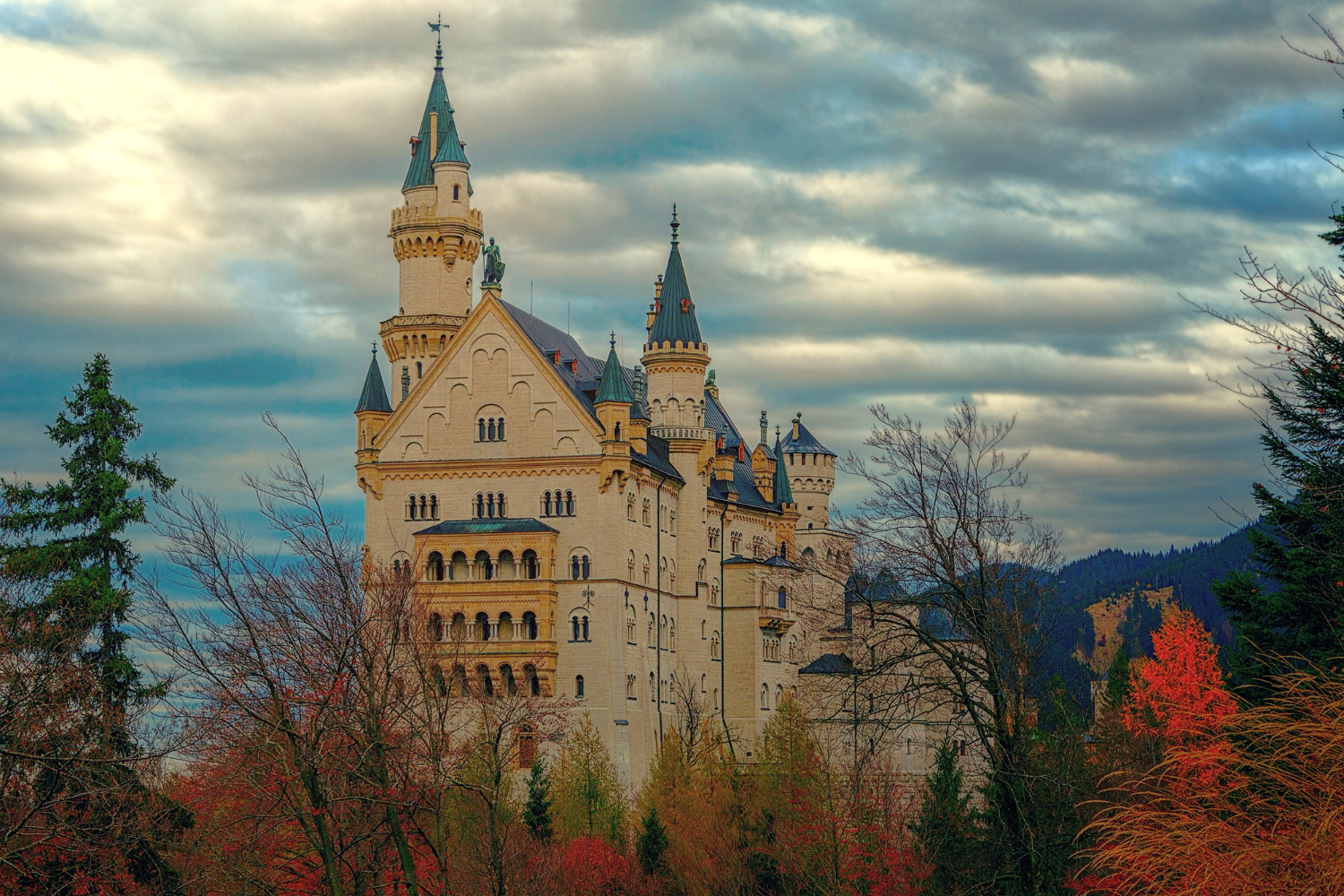
Arrow slits are narrow outside and open into a wide recess within, giving somebody inside a broad angle of view and fire while presenting almost nothing from outside.
The shape is entirely functional. The splayed opening is the compromise between seeing out and being exposed.
10. The Walkway Along the Top
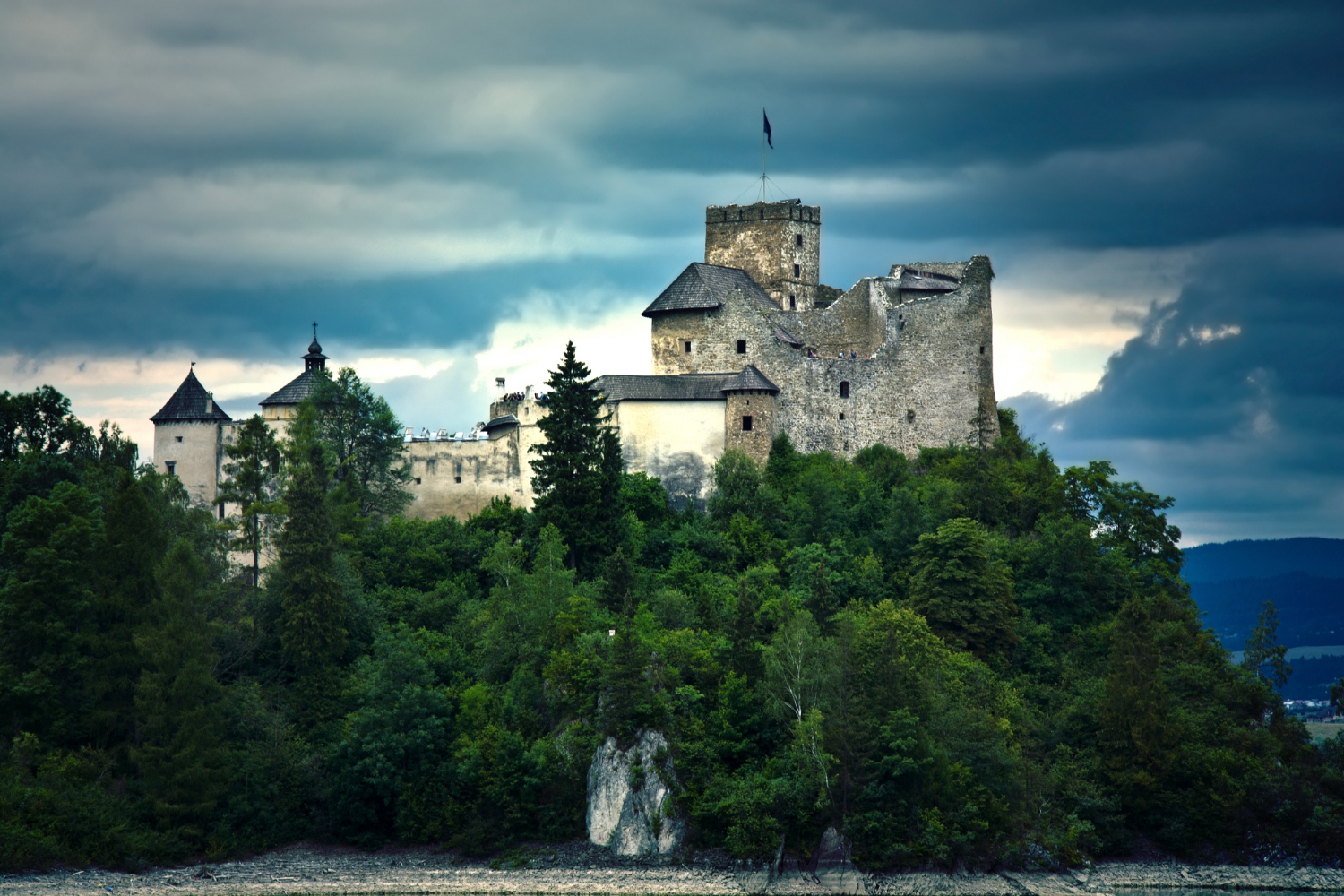
A wall is only useful if people can move along it and stand behind cover, which requires a walkway with a parapet, and the shape of that parapet allows both shelter and observation.
Without it the wall is an obstacle rather than a position. The wall walk is what turns a barrier into a defence.
11. The Ditch That Was Not Always Wet

A ditch prevents undermining and approach with equipment far more than it prevents people crossing, and a great many were dry by design rather than by failure.
Water was a bonus rather than the purpose. The ditch is the feature whose function is mostly underground.
12. The Small Door Nobody Notices
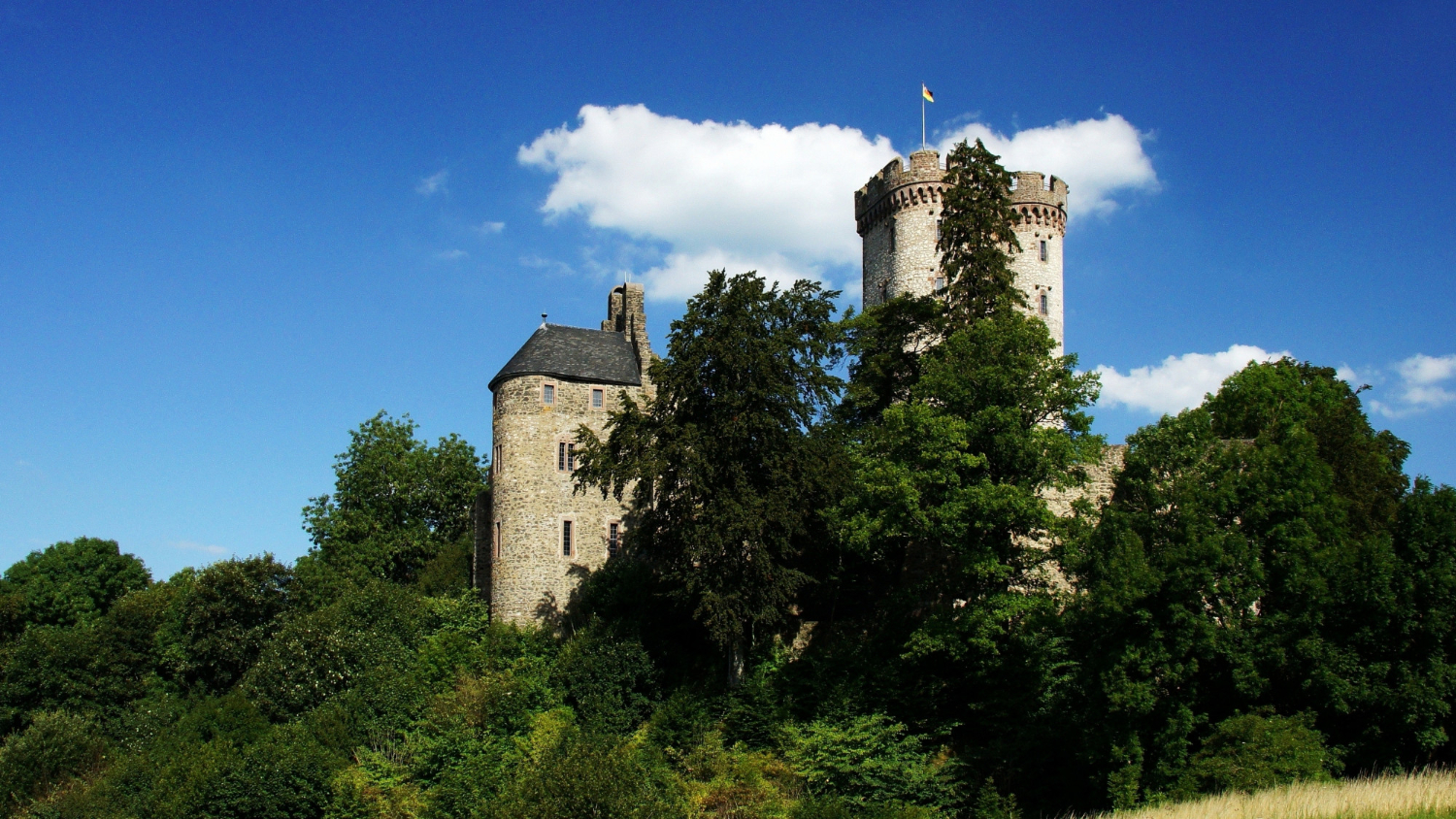
A concealed or minor opening allows controlled movement out and back without opening the main gate, which is essential for supply, communication and moving people.
It is the opposite of a weakness if properly managed. The postern is the door designed for getting out.
13. The Wall Inside Another Wall
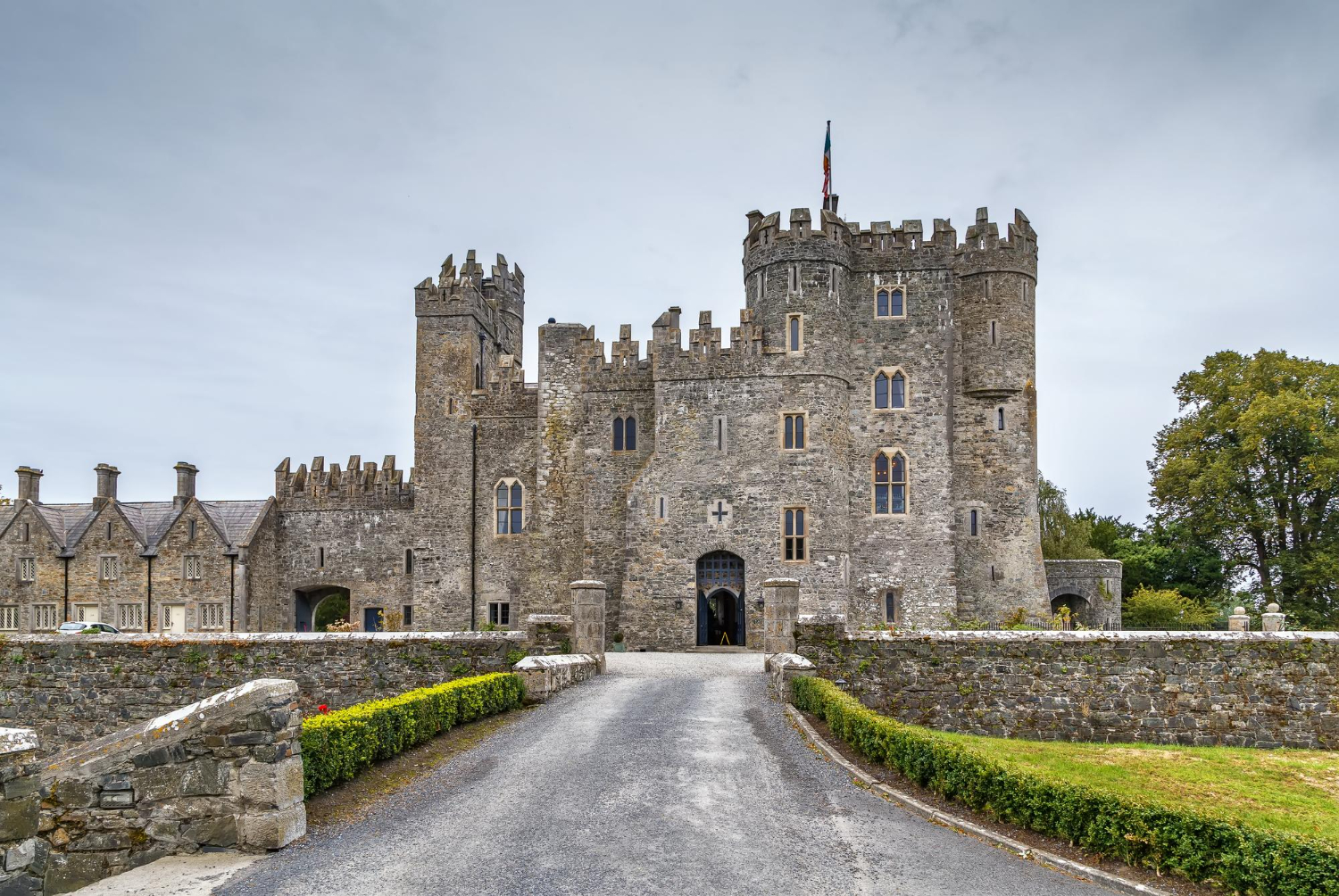
Concentric designs place a lower outer wall in front of a higher inner one, so both can be occupied simultaneously and the inner overlooks the outer.
Neither wall is redundant. The concentric arrangement is the design where the defence has depth.
14. The Well
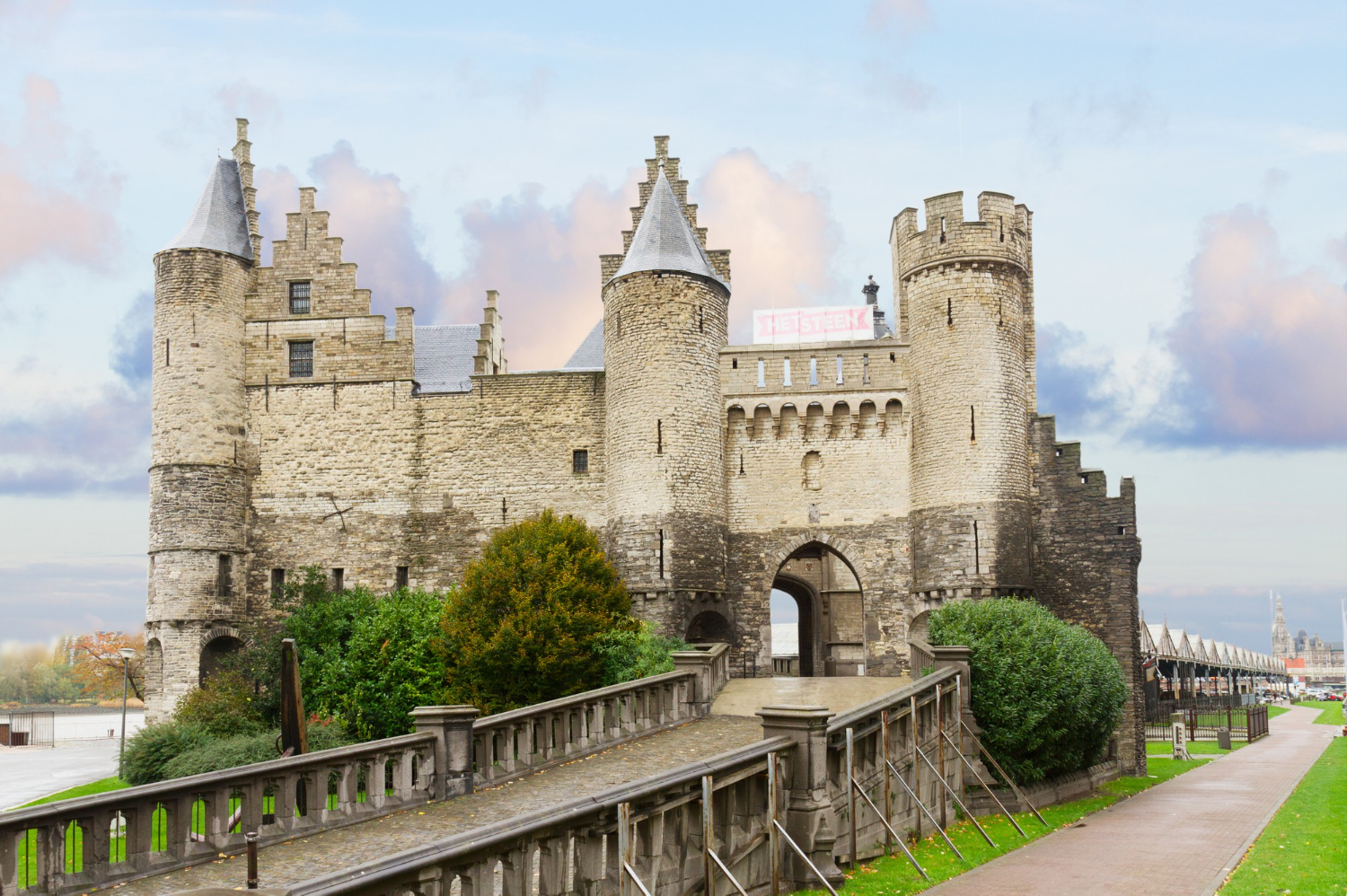
Water is the constraint on how long anybody can remain, so a reliable internal supply is more important to a castle than almost any structural feature.
Some were sunk to extraordinary depths through rock. The well is the feature that determines everything about endurance.
15. The Enormous Kitchens and Stores
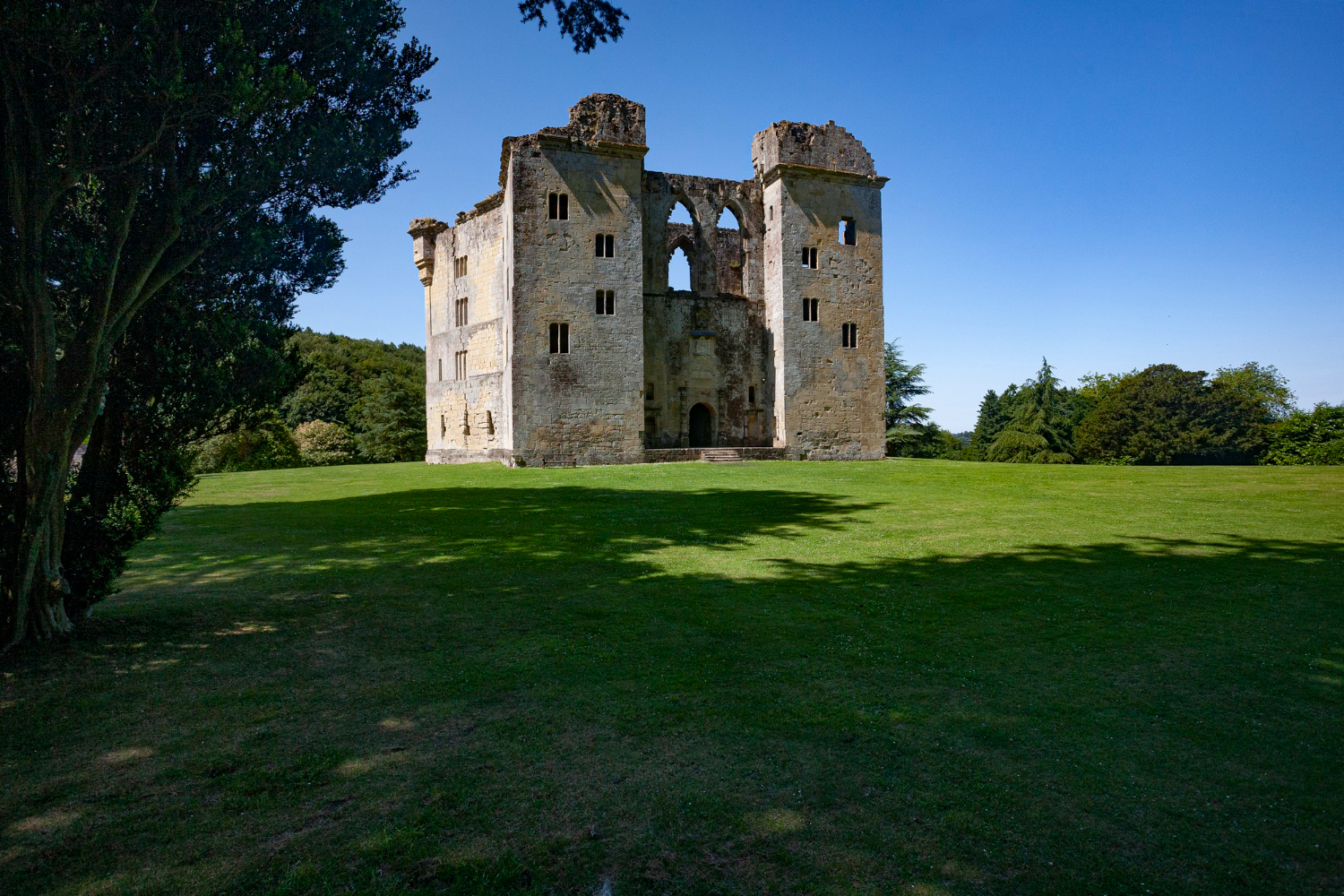
Feeding a household and a garrison required substantial permanent facilities, and the space given to kitchens, cellars and storage frequently exceeds anything defensive.
Supply is the actual problem. The service buildings are where most of the volume went.
16. The Comfortable Rooms
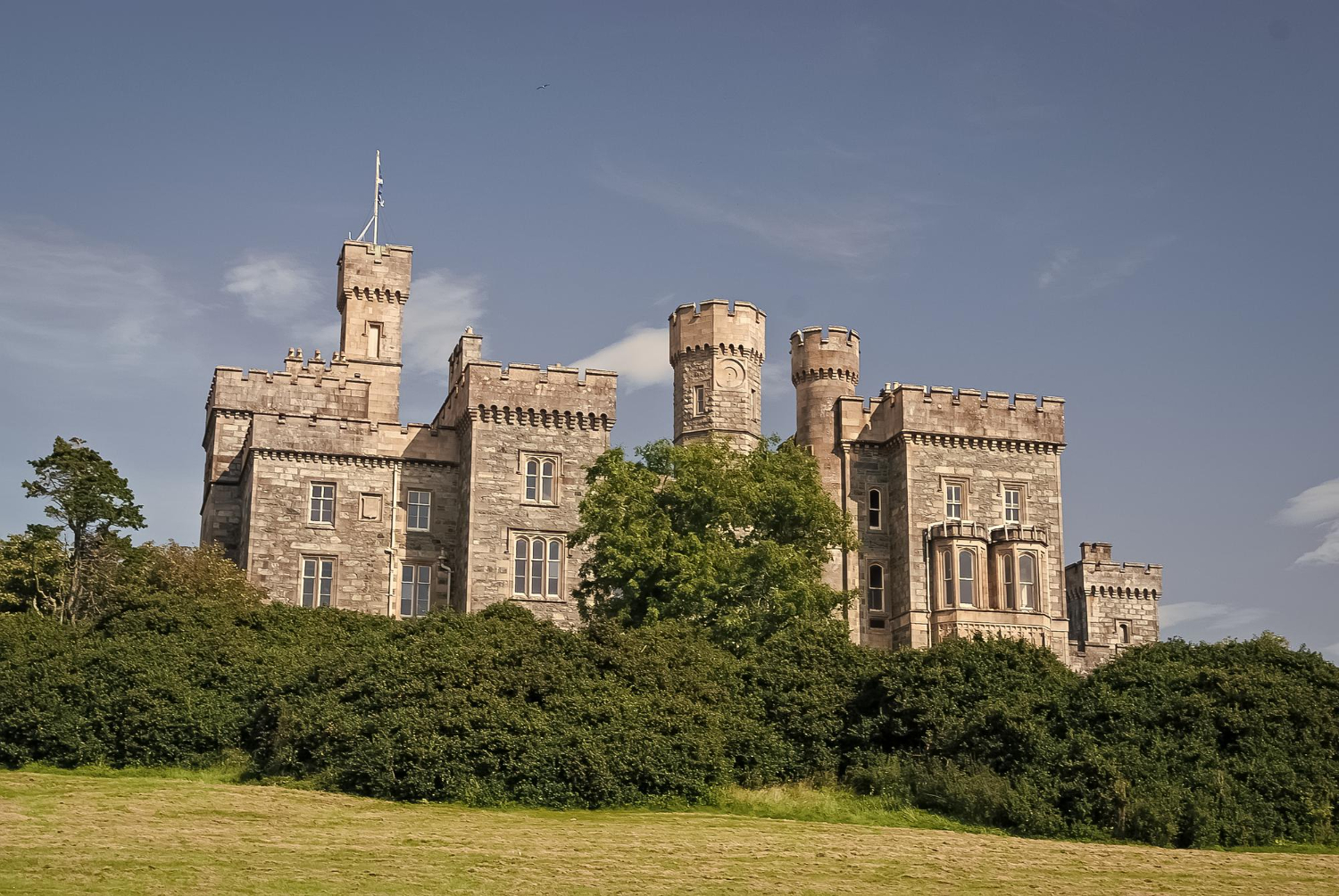
Castles were residences and administrative centres, so the accommodation includes fireplaces, windows, private chambers and latrines built into the walls.
They were homes and offices as much as fortifications. The domestic ranges are the part visitors walk through without registering.
17. The Later Windows Cut Into the Walls
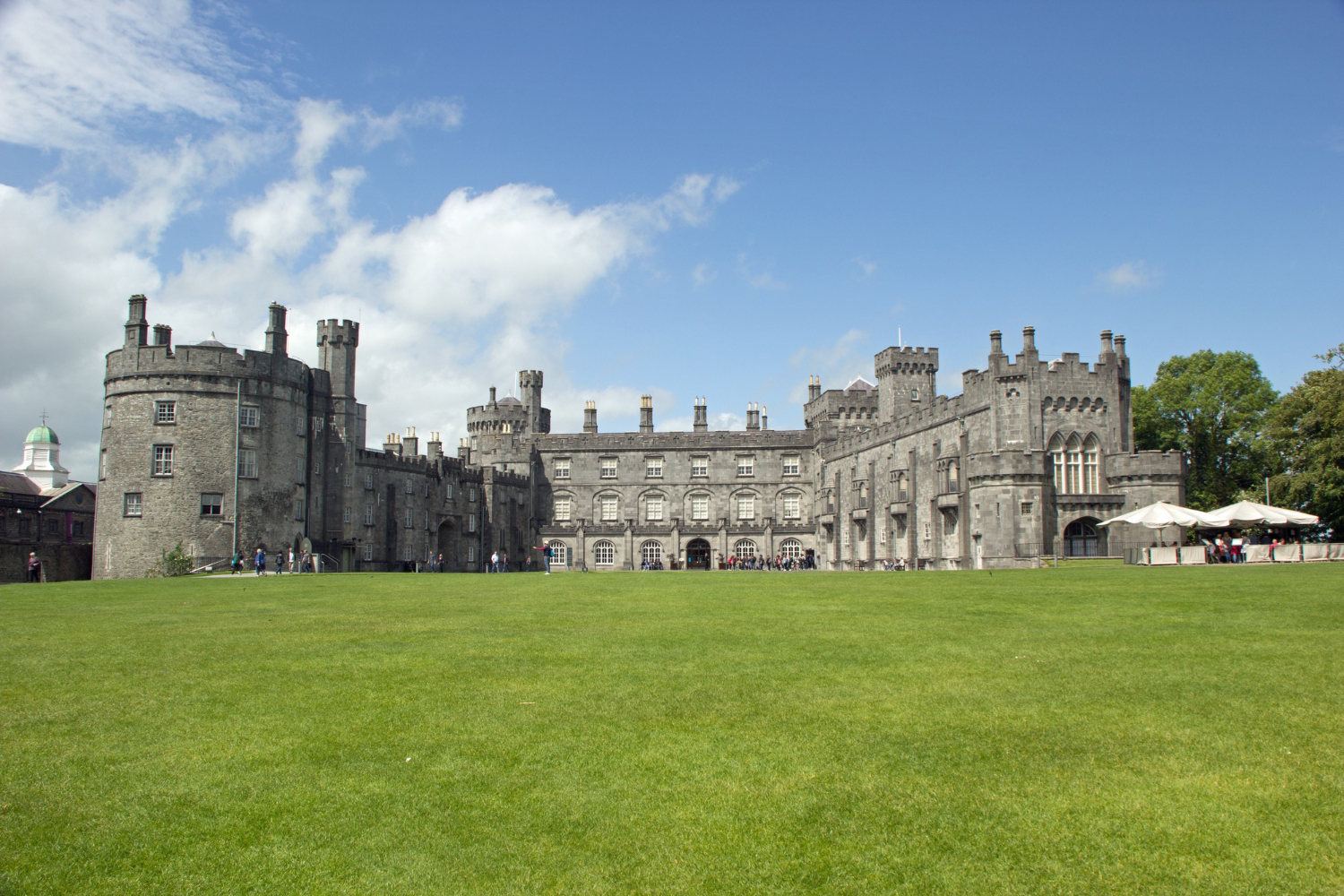
Large windows appearing in an otherwise defensive wall generally date from a later period, when the building had ceased to be defensive and comfort mattered more.
They are the clearest evidence of a change in purpose. Inserted windows are the feature that dates the moment defence stopped mattering.
Every Feature Answers a Problem

Blind spots along a wall, corners that can be removed, an opening that must exist, an approach that should be long, and a supply that has to last – and each has a structure built specifically to address it.
Practical notes for visiting: ruined castles have uneven floors, unguarded drops, worn stone stairs without handrails and masonry that is actively decaying, and the parts that look most impressive are frequently the least stable. Stay on marked routes, and treat anything roped off as roped off for a reason rather than for tidiness.
Like our content? Follow us for more.