There is an old puzzle about a ship whose planks are replaced one at a time until none of the original timber remains, and the question of whether it is still the same ship.
It is usually presented as an abstract exercise. It is not abstract at all — it is a working problem faced by every institution responsible for a historic structure, and different countries have arrived at different answers with substantial consequences for what visitors actually see.
The interesting part is not the puzzle. It is that the various answers are all defensible, they are incompatible with one another, and the choice between them determines whether a building is a preserved object or a maintained practice.
Why the Problem Is Unavoidable
Buildings decay, and this is not optional.
Timber rots and is eaten. Stone erodes, particularly where it is exposed or where pollution accelerates the chemistry. Mortar fails. Iron fixings rust and expand, splitting the stone they were meant to secure. Roofs let water in, and water destroys everything underneath.
The rate varies enormously with material and climate, and nothing stops entirely. A structure left alone does not remain as it is; it becomes a ruin and then a mound.
So the choice is never between intervening and not intervening. It is between different kinds of intervention, and the option of leaving something untouched exists only as a decision to let it go.
That framing matters because it removes the comfortable position. Anybody preserving anything is replacing material, and the only questions are how much, how visibly and how often.
Like our content? Follow us for more.
The Approach That Rebuilds Continuously
One tradition treats a structure as something maintained rather than something preserved.
Under this approach, components are renewed on a cycle as they age, using the same materials and the same techniques, by people trained in the original methods. Over centuries, everything is replaced, sometimes repeatedly.
What is being preserved is the form, the technique and the knowledge required to produce it — a continuous practice rather than a set of physical objects.
The strongest argument for it is that the knowledge is itself the heritage. A tradition of construction that is still practised is arguably more valuable than a decaying object nobody can any longer make, and periodic rebuilding is what keeps the skills alive.
The strongest objection is that the physical evidence is lost. An archaeologist cannot examine a timber that was replaced three centuries ago, and information about the original is gone rather than merely worn.
The Approach That Preserves the Fabric
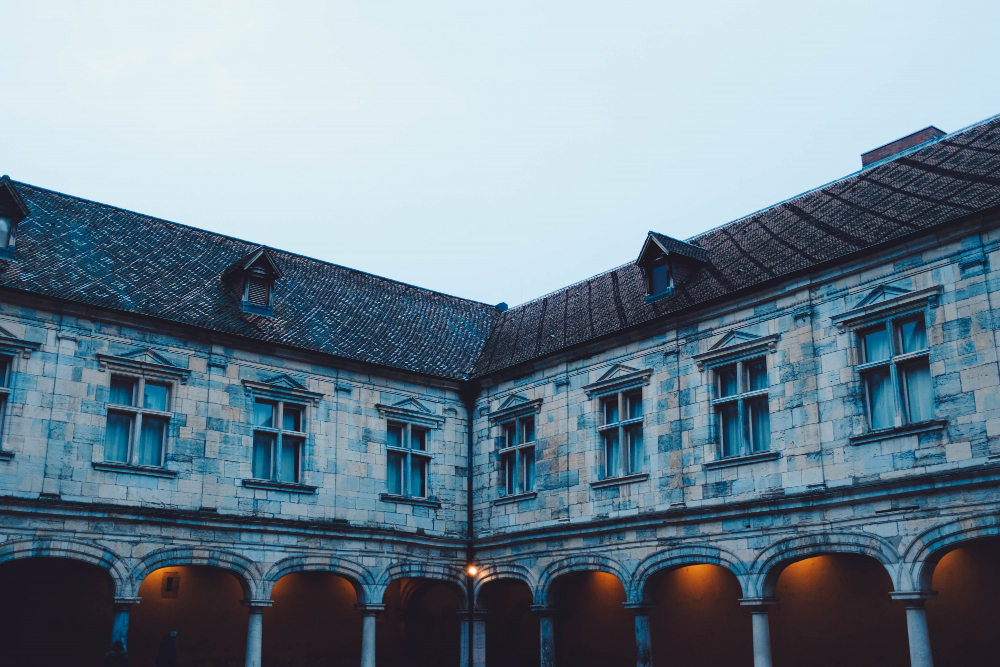
A different tradition prioritises the original material, on the reasoning that it is the only irreplaceable component.
Under this approach, intervention is minimised, repairs are made in materials that are compatible but distinguishable, and new work is visibly new so that a later observer can tell what is original.
Deterioration is slowed rather than reversed. Missing elements are generally not replaced speculatively, because doing so means inventing something and presenting it as history.
The strongest argument is honesty. What the visitor sees is truly old, and the record of the building’s actual history — including its damage — is preserved rather than edited.
The strongest objection is that it produces ruins. Buildings maintained this way are frequently incomplete, propped, and unusable, and a structure preserved as a fragment has lost the thing it was for.
There is a practical dimension that shapes the choice more than the philosophy does. Repair requires materials and skills, and both can become unavailable.
A stone from the original quarry may no longer be obtainable, a timber of the required dimension may no longer grow, and a technique may have no living practitioners. At that point the choice between approaches is settled by what can actually be done.
Where the Approaches Collide
The disagreement becomes concrete in specific situations, and none of them has an obvious answer.
A structure destroyed and rebuilt from documentation is either a legitimate continuation or a replica, depending entirely on which framework is applied.
A building where a nineteenth-century restoration substantially altered the original raises the question of whether that restoration is now part of the history worth preserving or a distortion to be corrected. Both positions have been argued, and reversing an old restoration destroys real historic fabric of a later date.
A structure that has been continuously altered over centuries has no original state to return to, so choosing which period to present is an editorial decision about which history matters.
And where a building is still in use for its original purpose, the requirements of that use frequently conflict with preservation of the fabric, which forces a choice between a working building and an intact one.
There is a further complication in modern practice. Materials introduced during twentieth-century repairs – particularly cement-based mortars used on buildings originally built with softer lime – have in many cases accelerated the decay they were meant to arrest, by trapping moisture in walls designed to breathe.
Undoing that work is itself a major intervention, which means a great deal of current conservation consists of correcting well-intentioned repairs made within living memory.
Why Both Answers Are Right
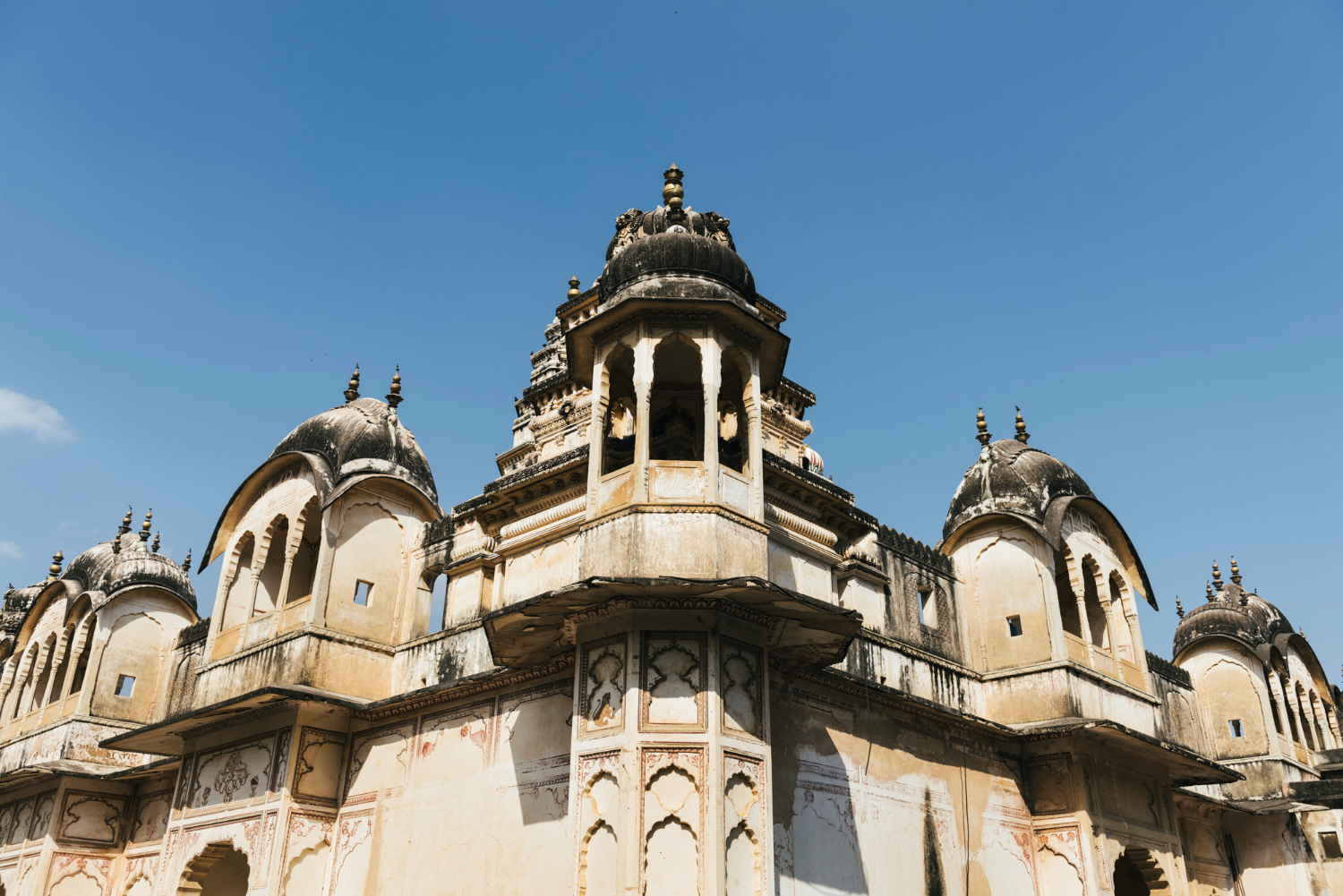
The reason this cannot be resolved is that the two approaches are answering different questions.
If the value of a historic structure lies in its physical continuity with the past — the fact that these specific stones were placed by those specific people — then replacing material destroys the value, and preservation of fabric is correct.
If the value lies in the form, the function, the meaning and the practice, then the material is a medium rather than the thing itself, and renewal preserves what matters.
Neither of those is wrong. They are different accounts of what heritage is, and a society’s choice between them reflects a view about whether the past is an object to be conserved or a practice to be continued.
That the two traditions developed in different places, with different materials and different climates, is not a coincidence. Where the building material is durable stone, preserving fabric is achievable. Where it is timber in a wet climate, it is not, and a maintenance tradition is the only option available.
The philosophy follows the material more closely than anybody likes to admit.
The Four Words That Get Confused
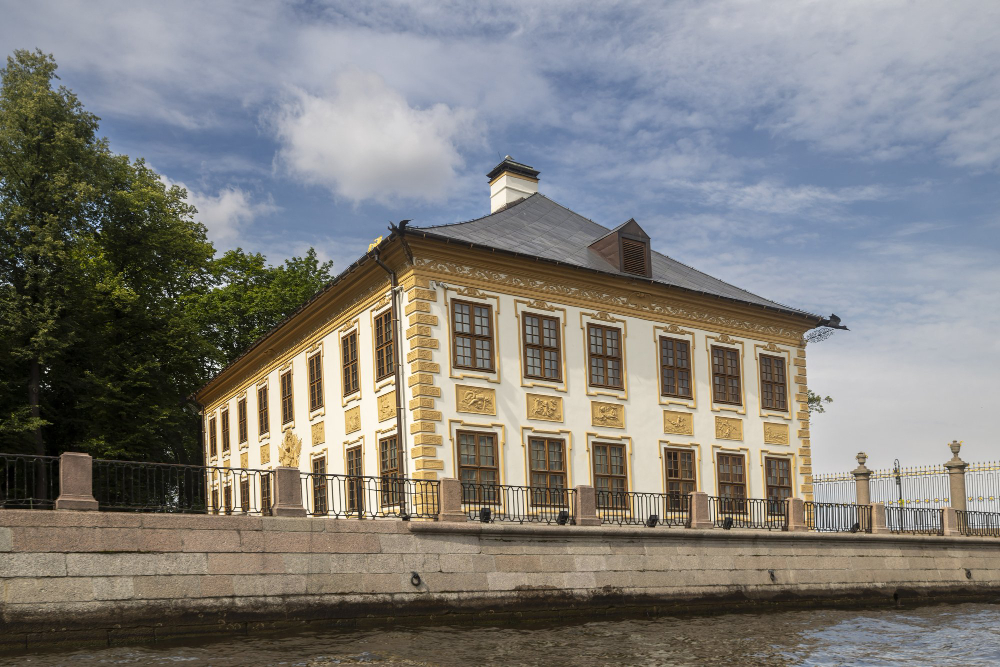
There is a vocabulary problem underlying most public arguments about historic buildings, and separating the terms resolves a surprising amount.
Preservation means arresting decay and keeping what is there. Nothing is added, nothing is returned to an earlier state, and the aim is that the object should change as slowly as possible.
Conservation is broader and includes intervention to secure a structure, using repair where necessary, with the aim of keeping the fabric functioning rather than merely stable.
Restoration means returning a structure to a known earlier state, which requires removing later additions and replacing missing elements — and therefore requires deciding which earlier state is correct.
Reconstruction means building something that no longer stands, from evidence, on the original site or elsewhere.
Those are four distinct activities, and the same building can have all four applied to different parts of it. Most disagreements about heritage are actually disagreements about which of the four is appropriate, conducted without anybody naming the distinction.
There is a further term worth knowing. A facsimile is a deliberate copy made so that an original can be protected, which is a separate decision again — and one increasingly used where visitor numbers themselves are the threat.
Being able to say which of these is being proposed makes the argument substantially clearer, and it frequently reveals that two people apparently disagreeing about a building actually agree about the principle and differ about the category.
What This Means for Looking at Things
The practical consequence for a visitor is a change in the question worth asking.
Instead of asking how old a building is, ask what has been done to it — which parts are original, which are repair, which are restoration, and which are reconstruction. Those are four different things and most buildings contain all of them.
Good sites tell you. Interpretation that explains where the boundaries are is a mark of confidence rather than an admission of weakness, and it makes the structure more interesting rather than less.
And the puzzle at the centre is not a trick. Standing in a building that has been continuously renewed for a thousand years, you are looking at something truly ancient — a form, a purpose, an unbroken commitment to keeping it there — even where scarcely any of the material has been present for more than a century.
Which may be a better definition of survival than the alternative, or may be an elaborate way of preserving nothing. Both have been argued for a very long time, by people who knew a great deal about it, and the argument is not close to finished.
Like our content? Follow us for more.