The composition explains the behaviour. Three components, each doing something different, in a material most people treat as one substance. Here are fourteen results.
1. It Is Three Things, Not One
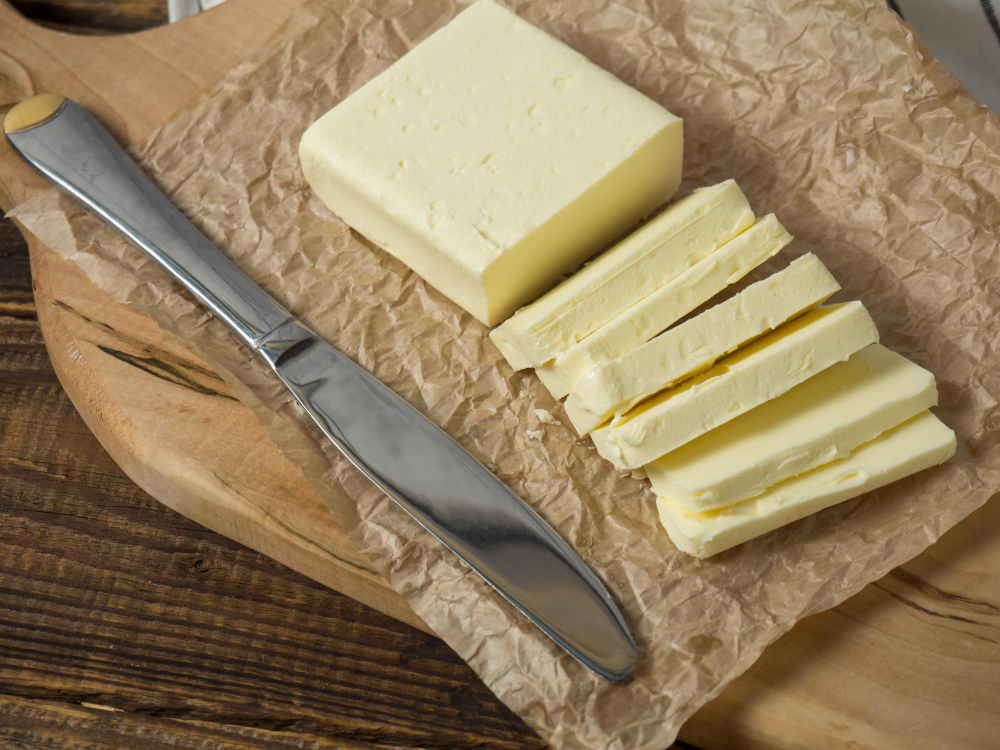
Butter consists of fat, water and milk solids, with water making up roughly a fifth of it and the solids a small but consequential fraction.
Every behaviour below traces to one of the three. Composite structure is the fact that explains why butter is not just a fat.
Like our content? Follow us for more.
2. Churning Turns the Mixture Inside Out
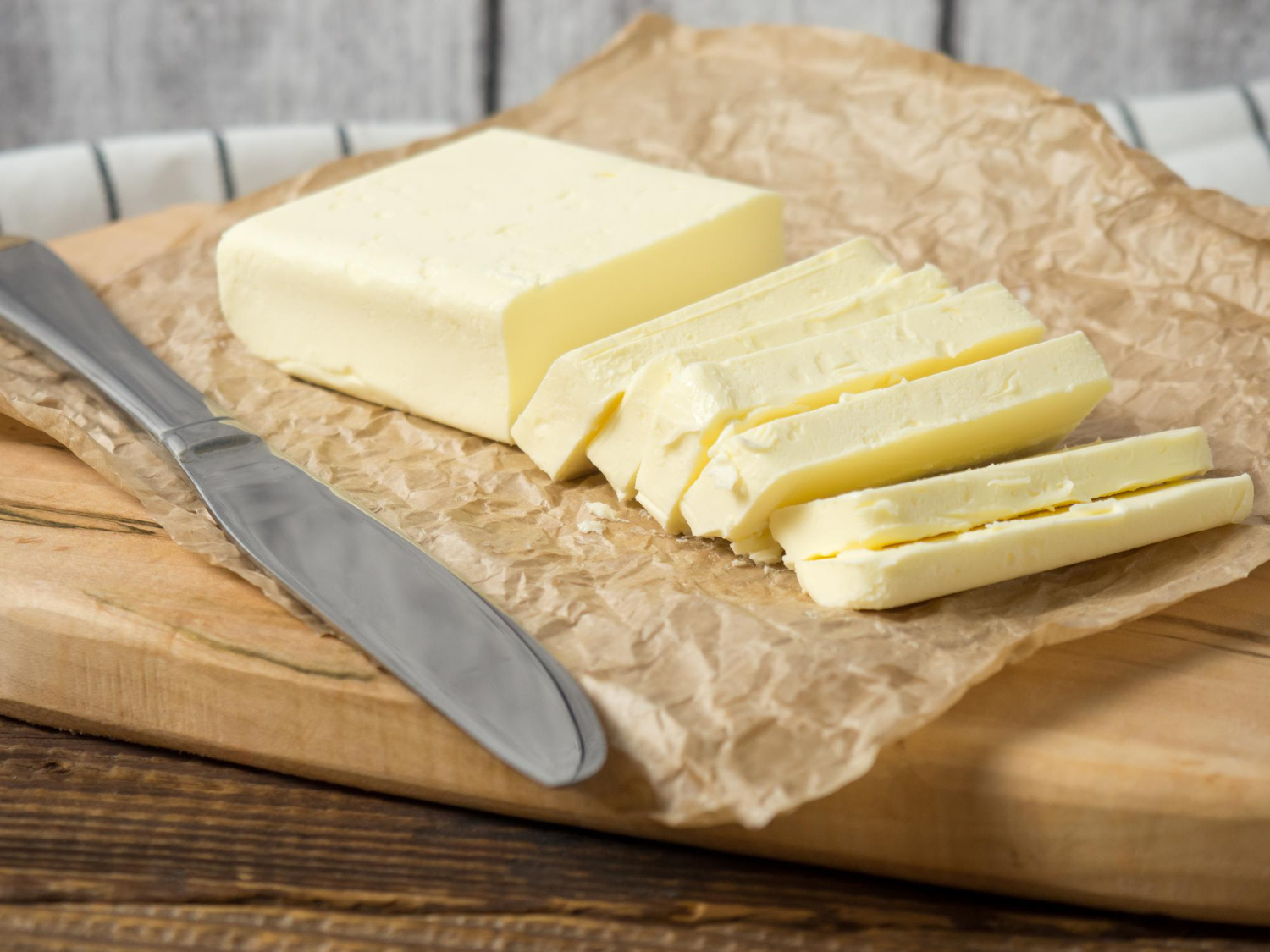
Cream is fat suspended in water. Churning forces the fat globules together until the arrangement inverts, producing water suspended in fat with liquid separating out.
It is a phase inversion rather than a separation. Emulsion inversion is what churning actually accomplishes.
3. The Solids Are What Burns
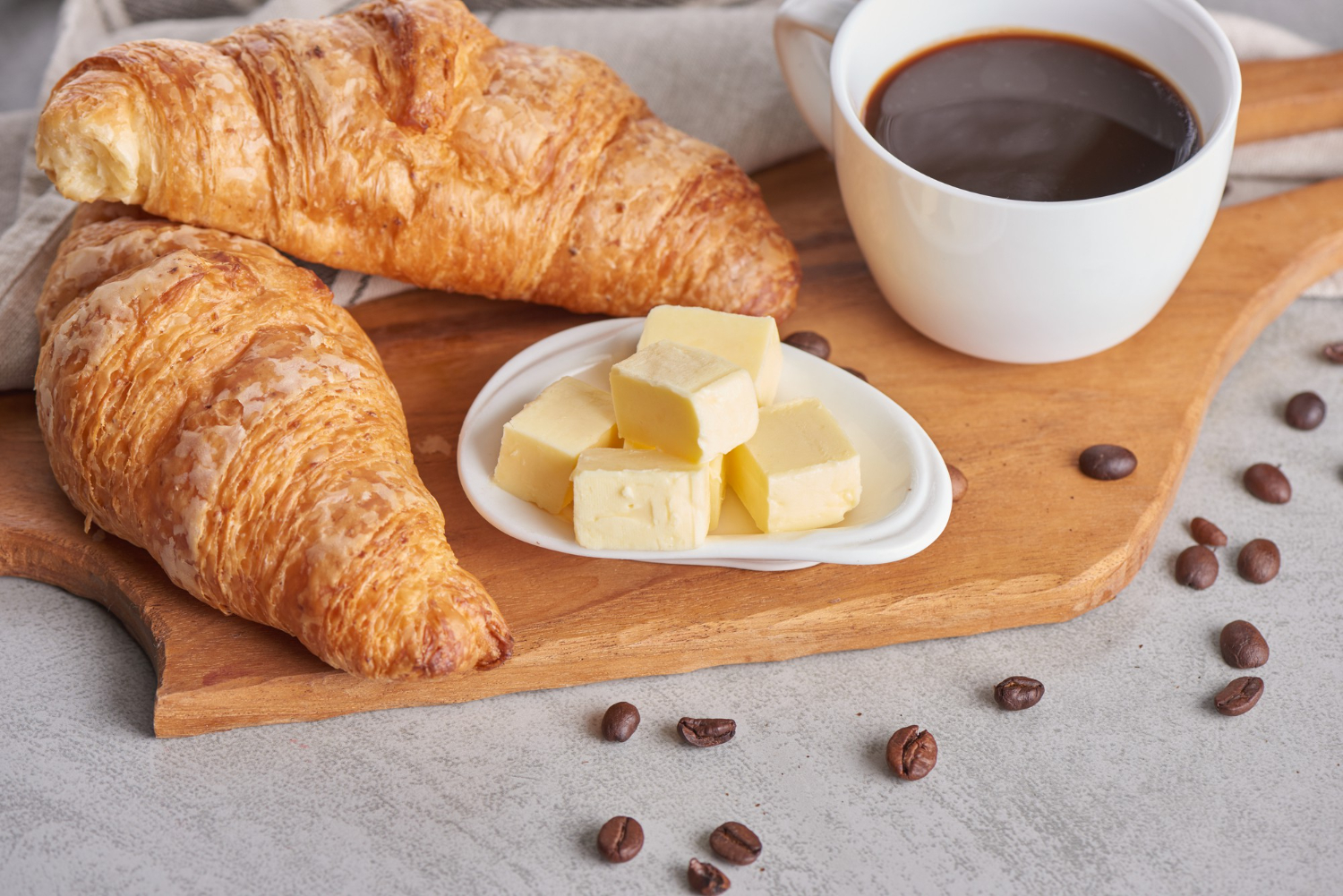
Butter smokes and darkens at a lower temperature than pure fats because the milk proteins and sugars brown and then burn while the fat is still perfectly stable.
The fat is not the problem. Solids burning is why butter has a low usable temperature.
4. Removing Them Raises the Ceiling
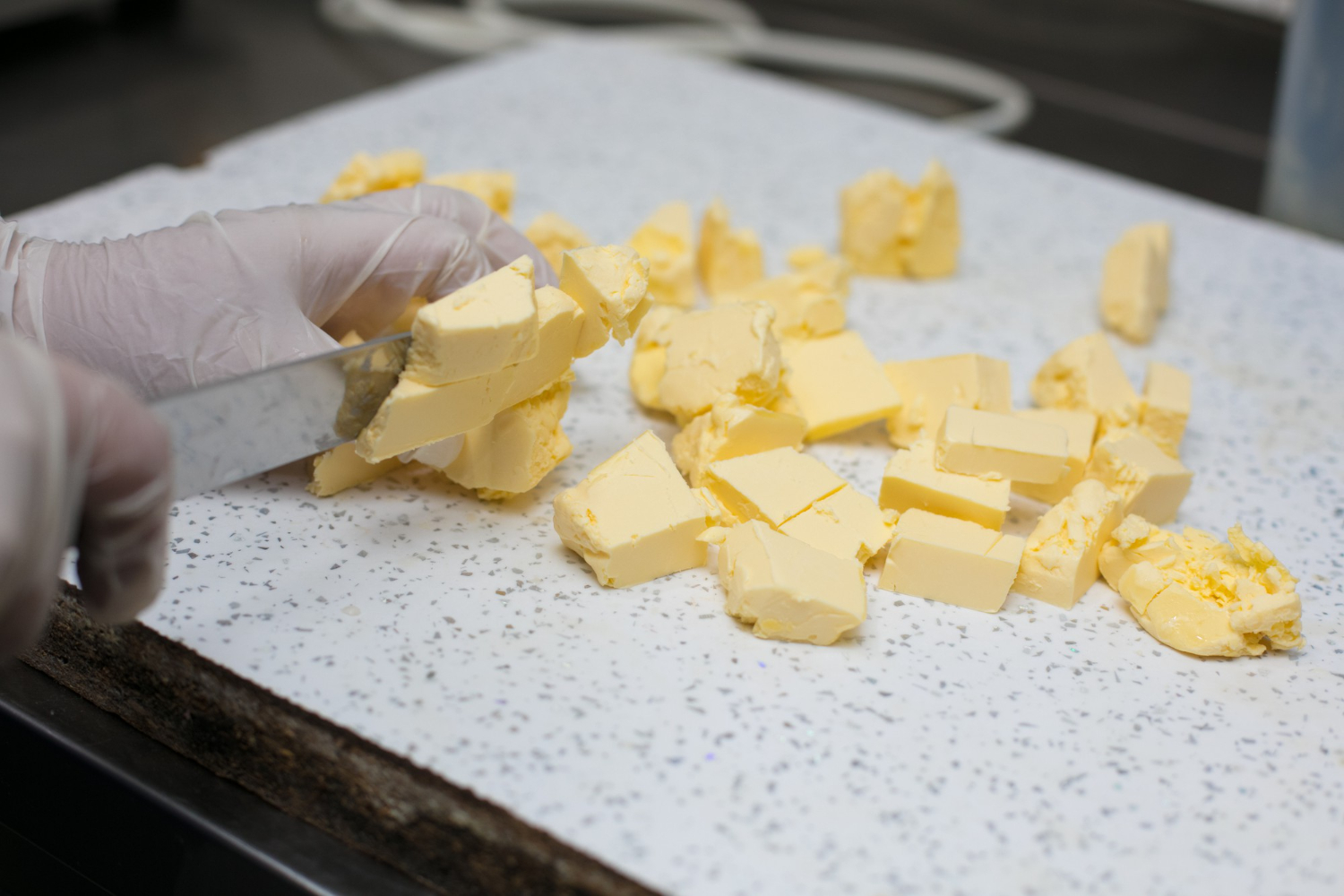
Melting butter and removing the water and solids leaves nearly pure fat, which tolerates substantially higher heat without burning.
Several cuisines use that form as their standard cooking fat. Clarifying is the modification that removes the limitation.
5. The Water Makes Steam
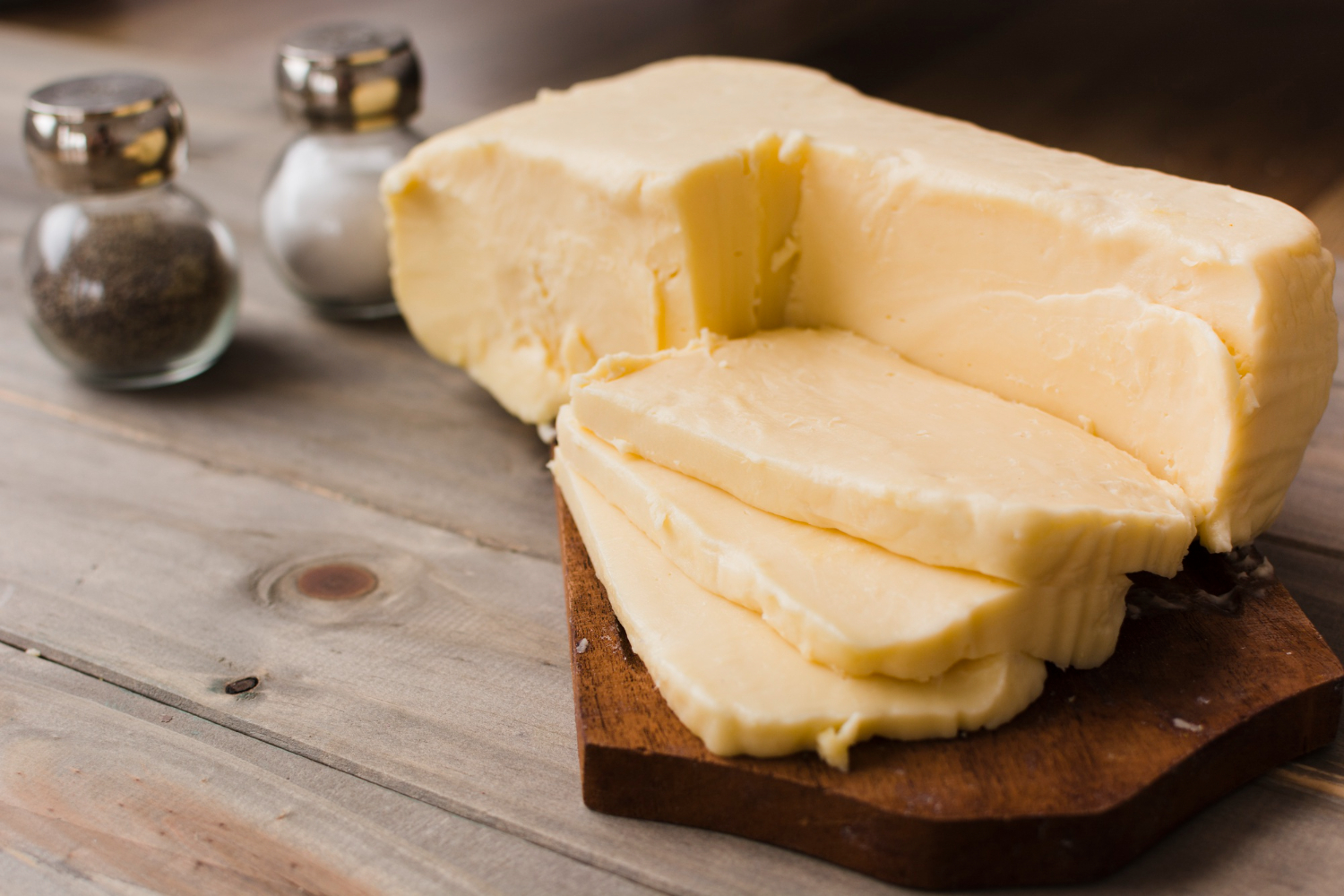
In baking, the fifth of butter that is water turns to steam and pushes layers apart, contributing lift that a pure fat cannot provide.
That is why the water is not a defect. Steam generation is a structural contribution disguised as a dilution.
6. Cold Butter Makes Layers
Solid pieces of butter worked into flour remain as discrete pieces, and in the oven each melts and steams, forcing the dough apart where it sat.
The pieces have to survive until baking. Discrete solid fat is the mechanism behind every flaky texture.
7. Which Is Why Everything Must Stay Cold
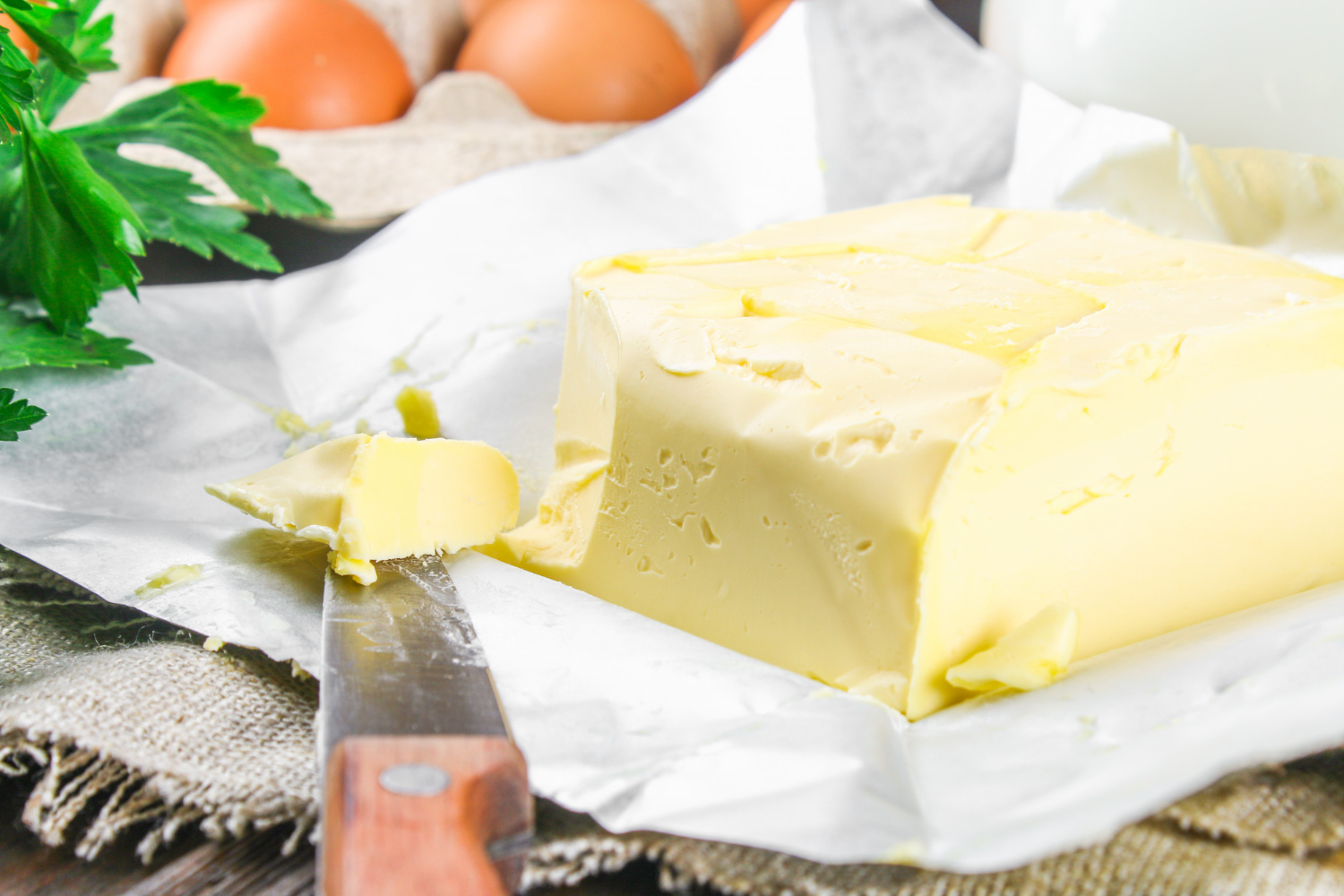
If the butter softens and merges into the flour before baking, no discrete pieces remain, no layers form and the result is uniform rather than flaky.
Warm hands are the standard obstacle. Temperature discipline is the requirement the layering method imposes.
8. Fat Coats Flour and Prevents Toughness
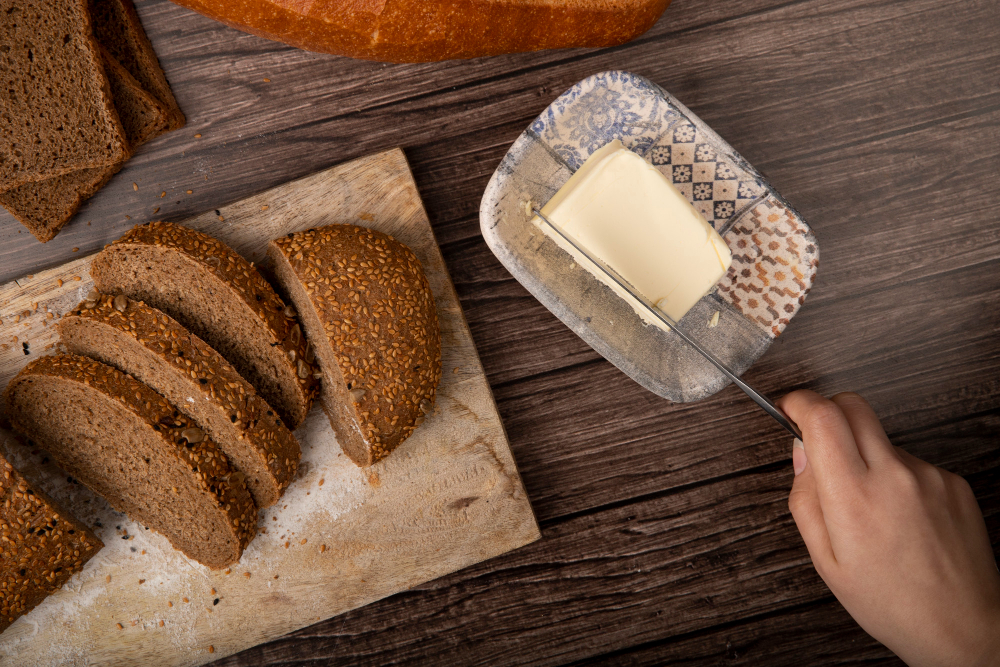
Butter worked thoroughly into flour coats the particles and blocks protein linking, which produces a short crumbly texture rather than an elastic one.
That is the opposite technique from the previous item using the same ingredient. Coating versus layering are two methods with contrary aims.
9. It Has Three Useful States
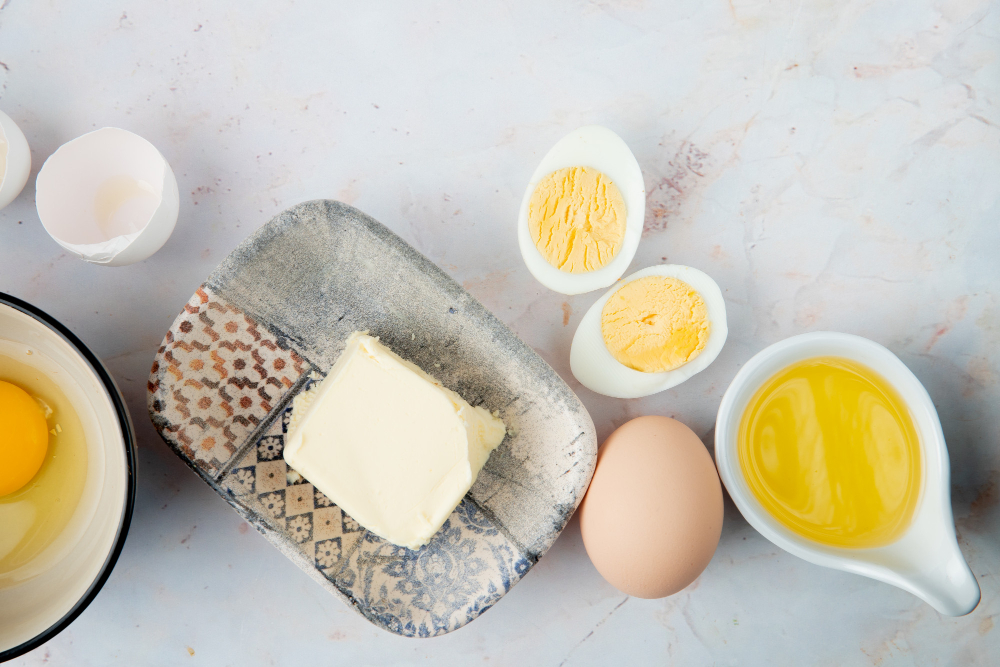
Cold and solid, plastic and workable, or fully melted – and each does a completely different job, which is why recipes specify the state rather than just the quantity.
Substituting one state for another changes the result entirely. State specification is the instruction people most often ignore.
10. Browning the Solids Creates New Flavours
Cooking butter until the milk solids toast produces nutty aromatic compounds that were not present before, in a reaction distinct from simply melting it.
It is chemistry rather than concentration. Solid browning is the transformation that makes butter into a different ingredient.
11. It Carries Flavour Because Fat Dissolves It
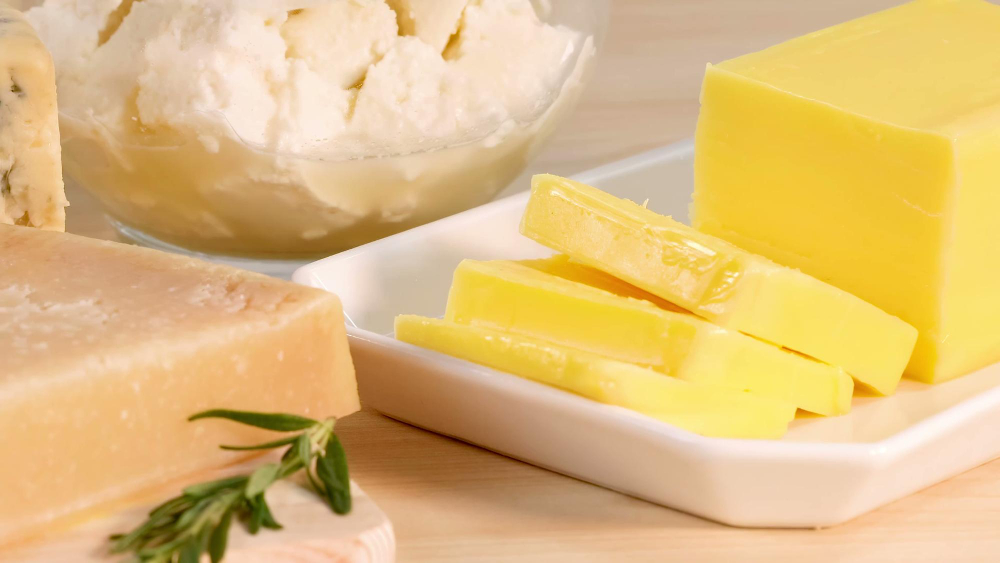
A great many aroma compounds are fat-soluble and poorly soluble in water, so butter absorbs and holds them and releases them gradually.
That is why butter tastes of what it was cooked with. Fat solubility is the property that makes it a flavour vehicle.
12. It Emulsifies Sauces
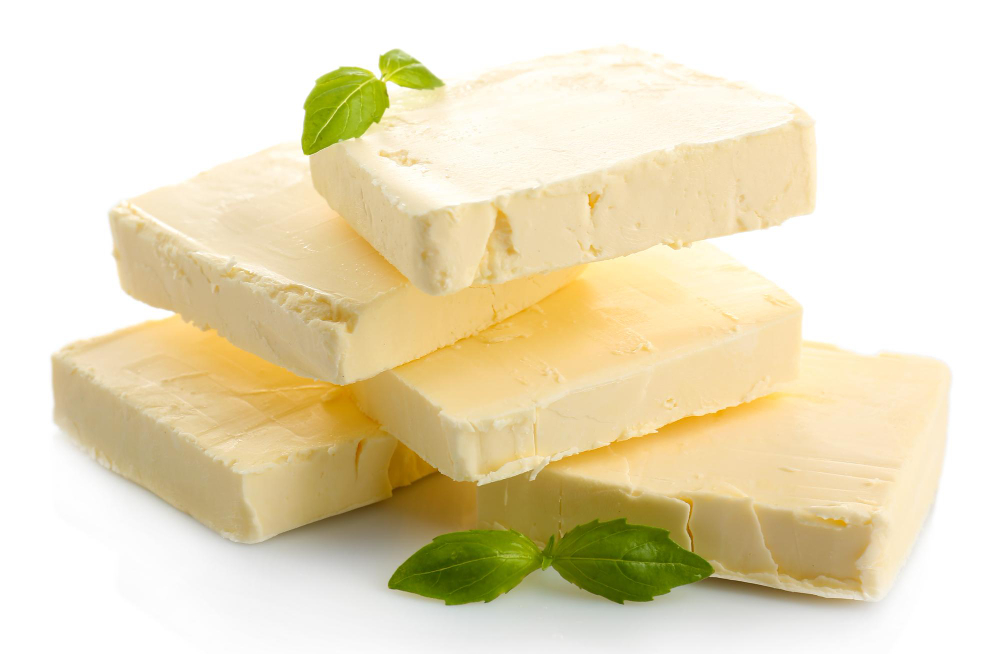
Cold butter whisked into a warm liquid disperses as fine droplets that give body and gloss, held together by components in the milk solids.
Too much heat breaks it and the fat separates out. Emulsifying capacity is the job that requires the solids to be present.
13. Cultured Butter Tastes Different Because of Fermentation
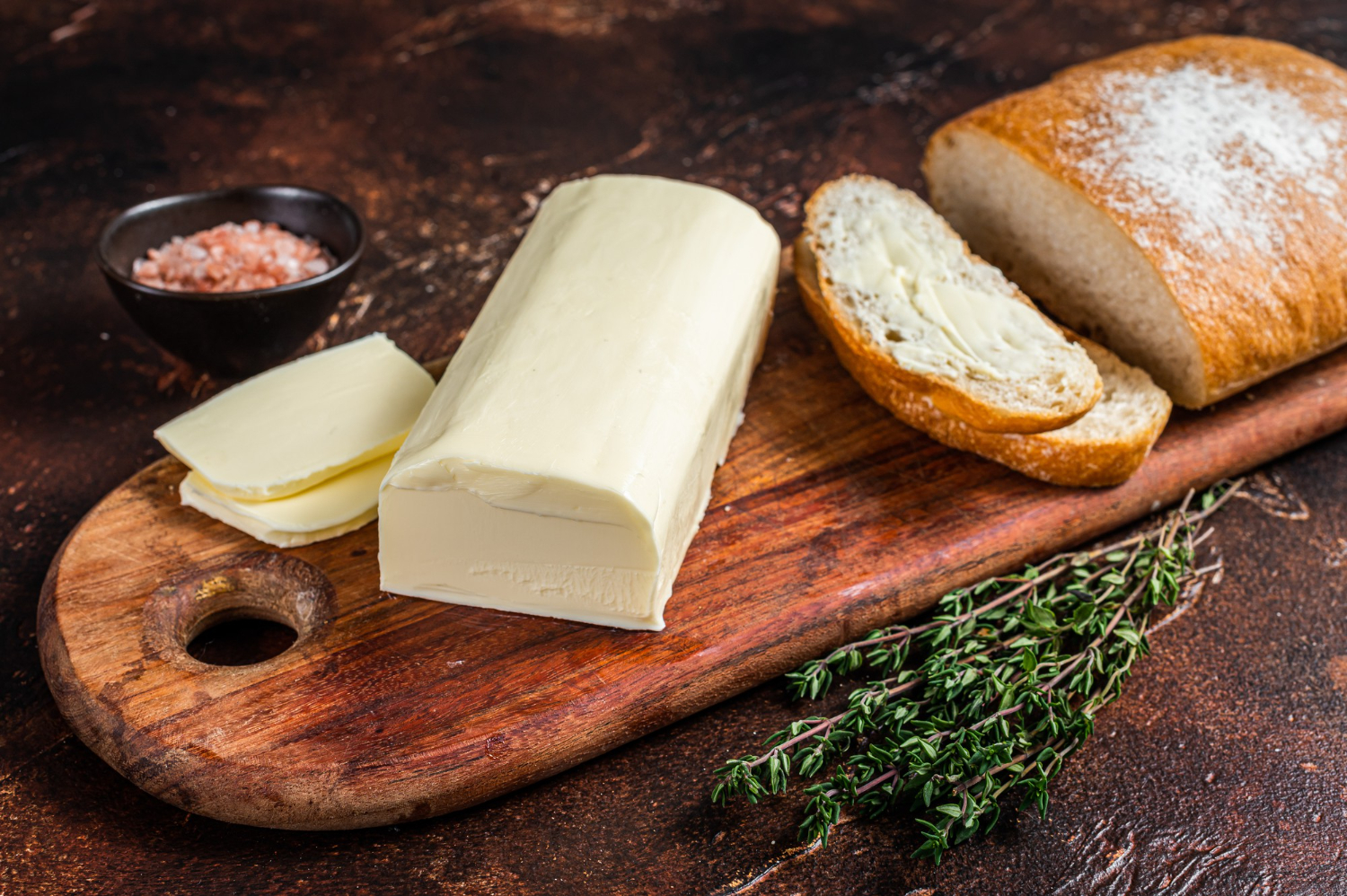
Where the cream is fermented before churning, bacteria produce compounds that give the finished butter a tangier and more complex character.
It is a different product rather than a better one. Fermented cream is the variable behind the flavour difference.
14. Salted and Unsalted Differ in More Than Seasoning
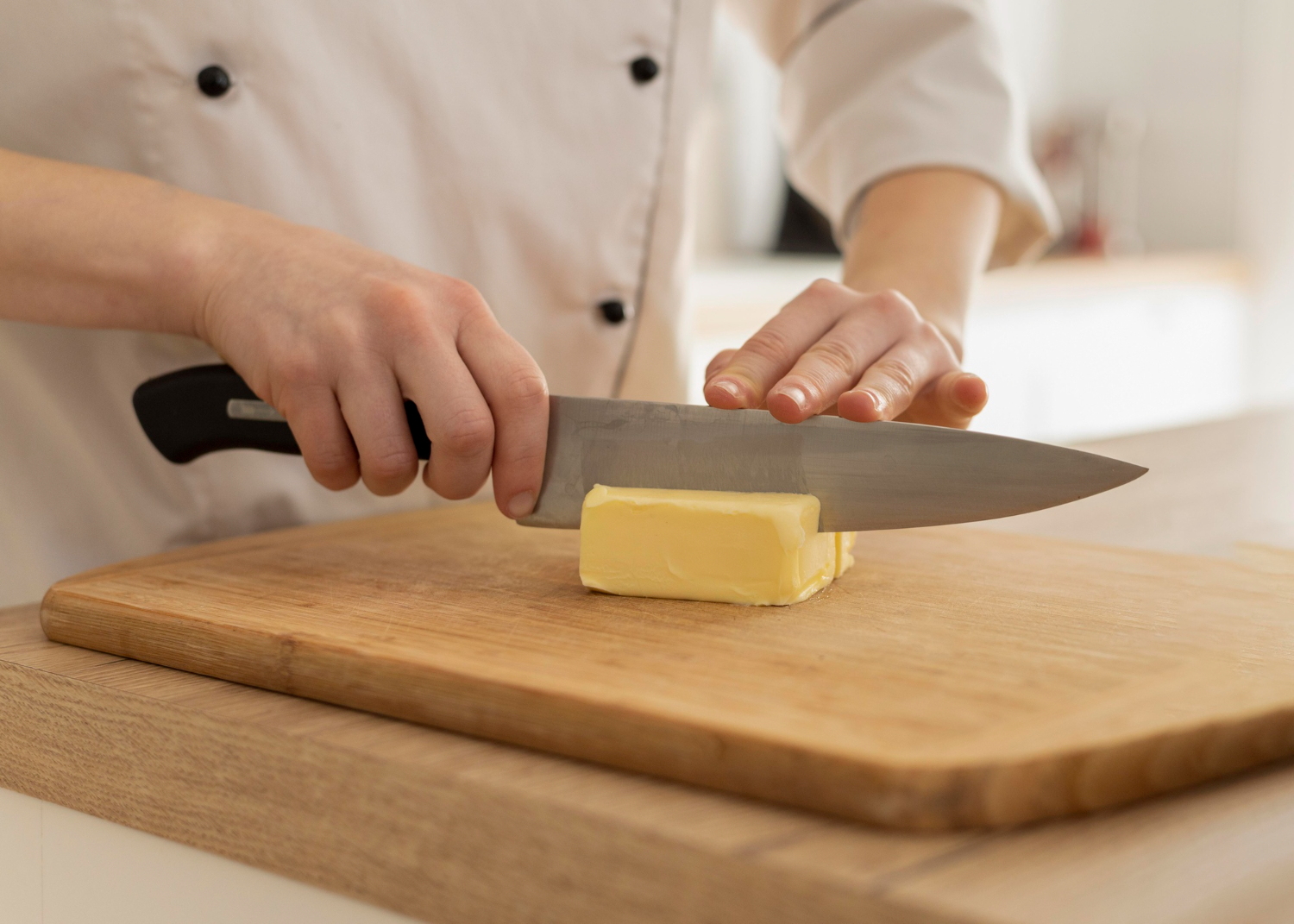
Salt affects keeping as well as taste, which is why the salted version exists at all – and why recipes specifying unsalted are controlling the total salt rather than expressing a preference.
The difference matters most in baking. Salt content is a formulation variable rather than a flavour choice.
Fat, Water and Solids Doing Three Jobs
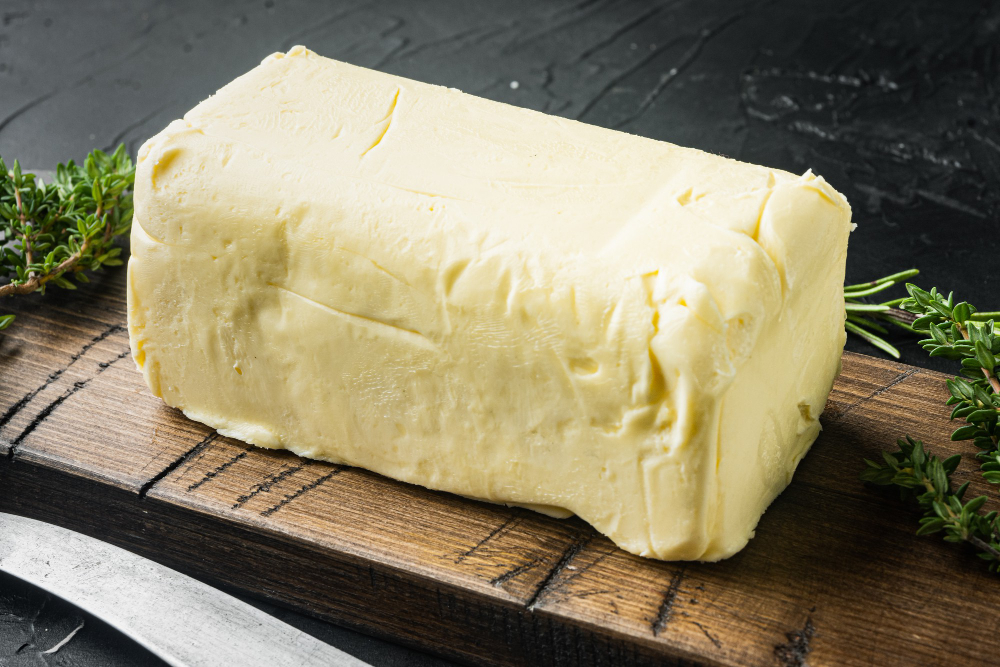
The fat carries flavour and shortens texture, the water makes steam, and the solids brown, burn and emulsify – which is why butter behaves like nothing else in a kitchen.
The pairing worth noticing is items six and eight. The same ingredient, worked into flour two different ways, produces either flaky layers or a short crumbly texture – and the entire difference is whether the butter stayed in pieces or was rubbed through, which is a remarkable amount of control from one decision.
Like our content? Follow us for more.