The organism does one thing: it consumes sugars and produces gas and alcohol. Bread keeps the gas and loses the alcohol; brewing keeps the alcohol and loses the gas. Everything else follows. Here are fifteen.
1. It Is Alive
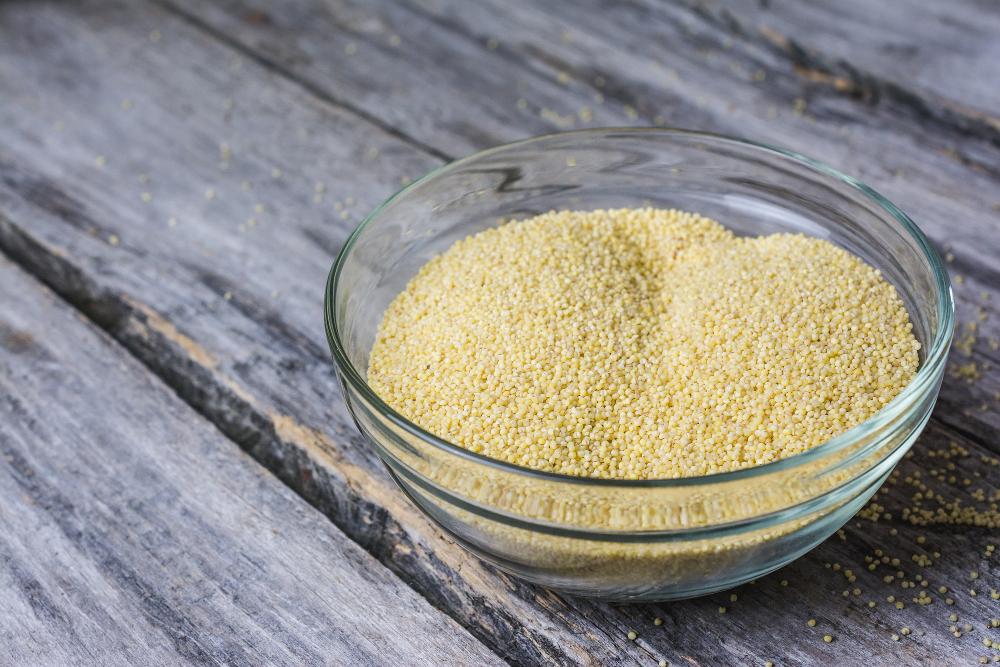
Yeast is a single-celled fungus, present in enormous numbers in any active dough or ferment, consuming and reproducing rather than reacting chemically.
That is why it responds to conditions. Living activity is what separates it from a chemical raising agent.
Like our content? Follow us for more.
2. It Eats Sugar and Breathes Out Gas
Given accessible sugars, it produces carbon dioxide and alcohol as waste products, continuously, at a rate depending on how good the conditions are.
Both outputs are waste from its point of view. Metabolic byproducts are what every application uses.
3. Bread Wants the Gas
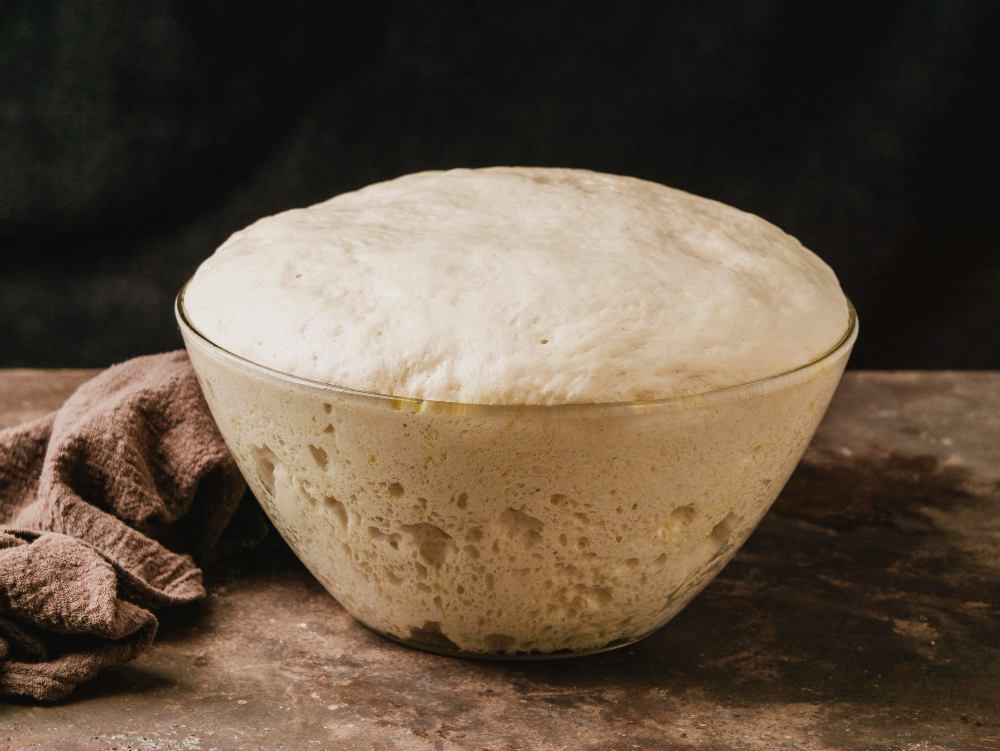
In dough, the carbon dioxide is the product – it inflates the mixture – and the alcohol produced alongside it evaporates during baking.
You are collecting one waste product and discarding the other. Selective use is what makes the same organism serve two industries.
4. And Brewing Wants the Alcohol
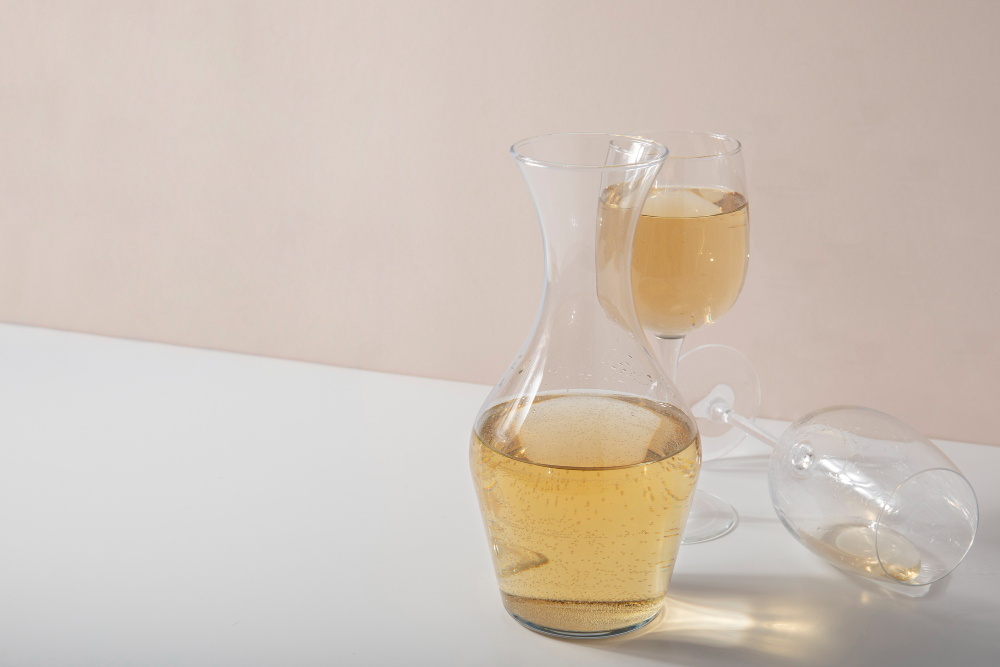
In a fermenting liquid, the alcohol is the product and the gas is either vented away or deliberately retained to carbonate.
It is the same organism doing the same thing. Inverted priorities are the only difference between the two uses.
5. The Gas Needs Something to Hold It

Yeast in a liquid produces bubbles that escape; yeast in dough produces bubbles trapped by an elastic protein network, which is what allows the mixture to rise.
Without that structure nothing inflates. Gas retention is why flour matters as much as yeast.
6. Which Is Why Kneading Matters
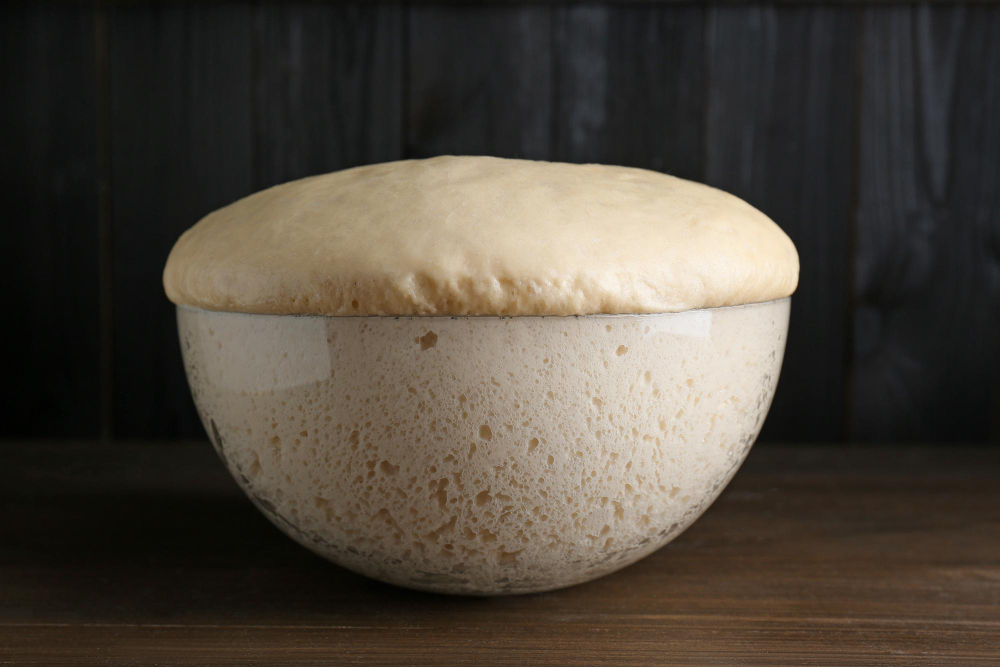
Working dough develops the protein network into something continuous and elastic, and a poorly developed one leaks gas rather than holding it.
The yeast is not the problem in a flat loaf. Structure development is the usual cause of failure.
7. Temperature Sets the Speed
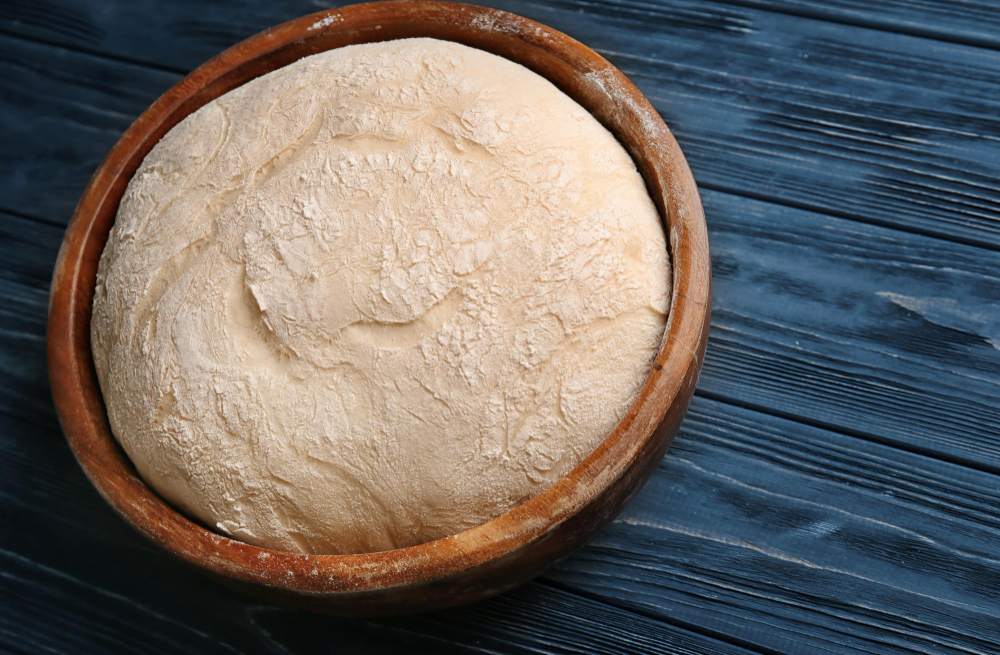
Activity rises with warmth up to a point, which is why dough rises faster in a warm room, and falls off sharply as it cools.
It is a rate control rather than a switch. Thermal dependence is the variable everybody uses without thinking.
8. Cold Stops It Without Killing It
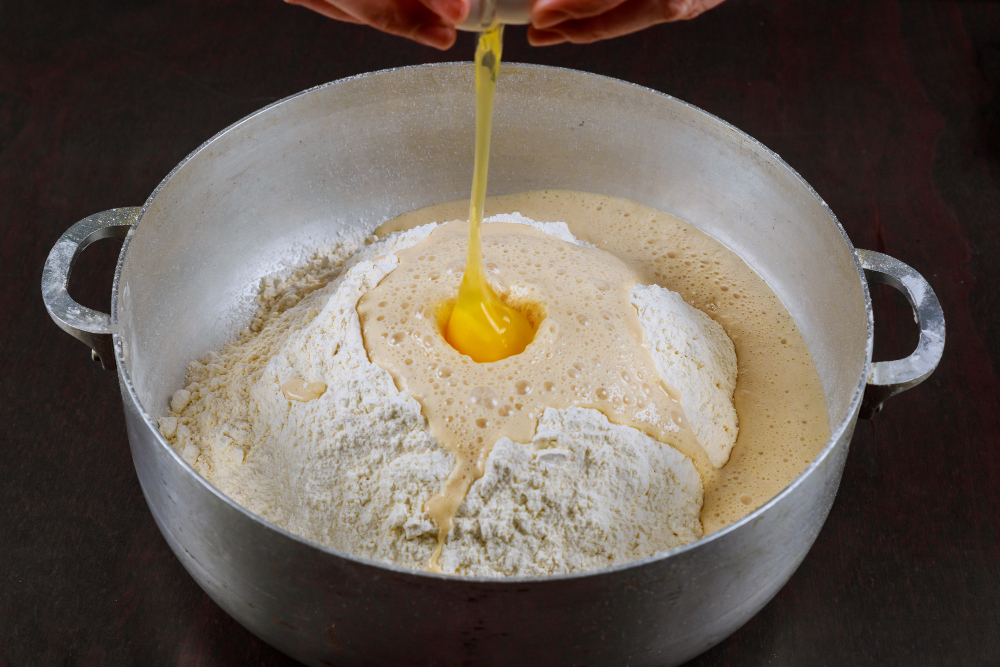
Refrigeration slows activity to almost nothing, which suspends the process and allows it to be resumed later by warming.
The organism is waiting rather than dead. Dormancy is why a ferment can be paused.
9. And Heat Kills It Outright
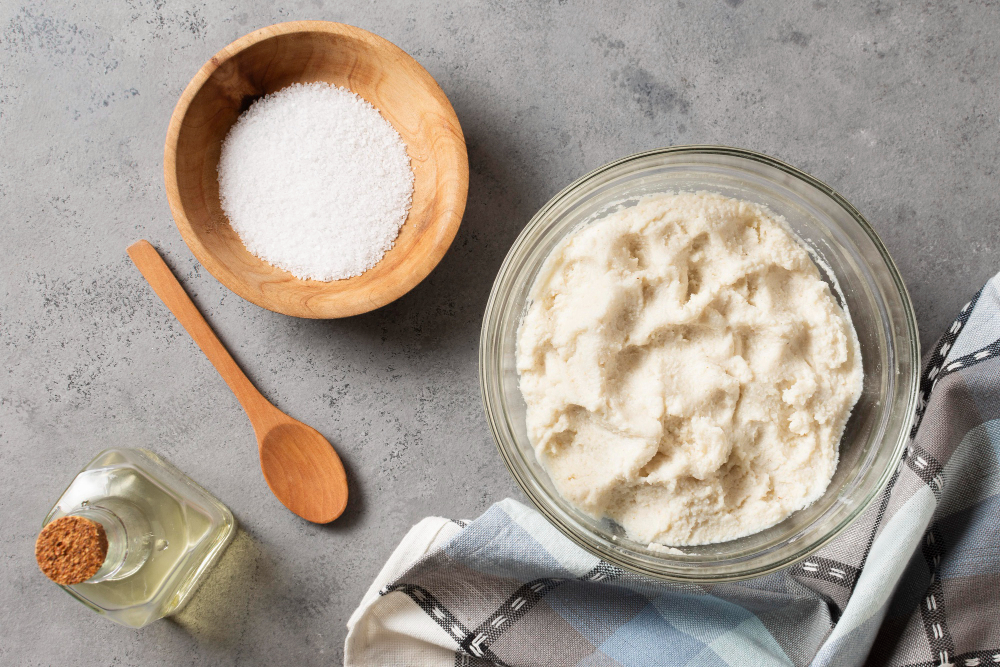
Above a certain temperature the cells are destroyed, which is what ends the rise in an oven and why liquid that is too warm ruins a mixture before it starts.
There is no recovery from that. Thermal death is the one irreversible mistake.
10. Salt Slows It Down
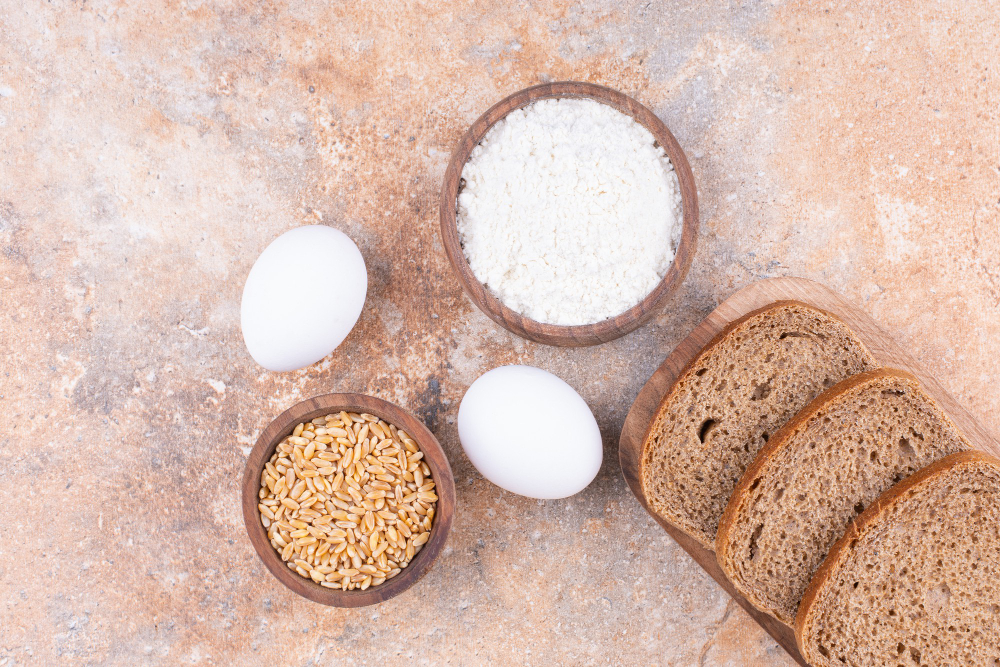
Salt reduces yeast activity, which is why a salted dough rises more slowly than an unsalted one and why the two are generally not combined directly.
It is a moderating influence rather than a poison. Osmotic inhibition is why salt affects timing.
11. And So Does Too Much Sugar
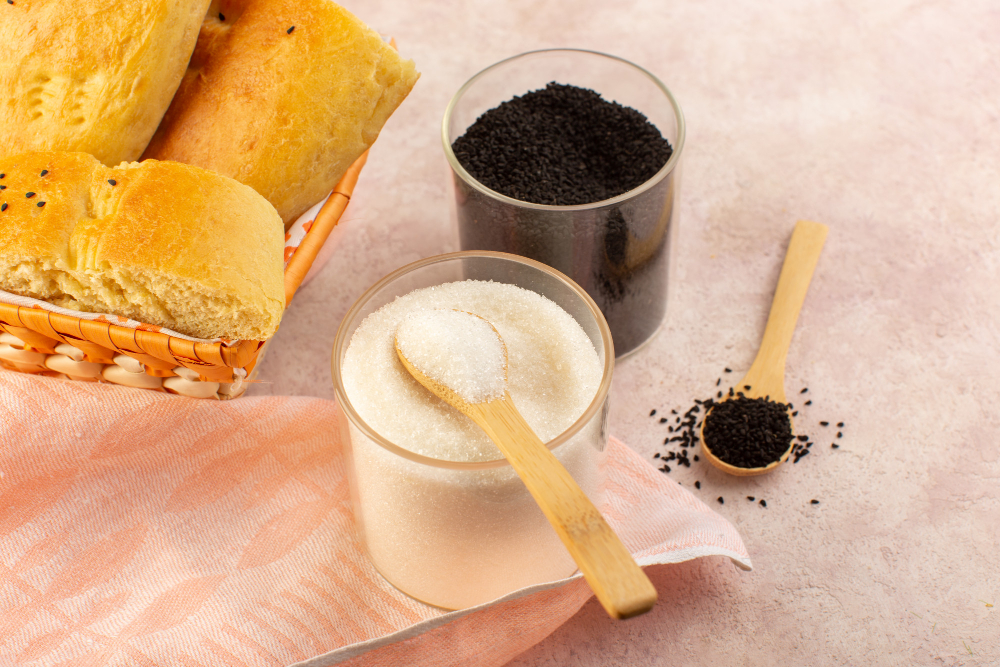
Although sugar is the food, a very high concentration draws water out of the cells and inhibits them, which is why enriched sweet doughs are slow.
The relationship is not linear. Excess substrate is the counterintuitive brake.
12. Slow and Cold Produces More Flavour
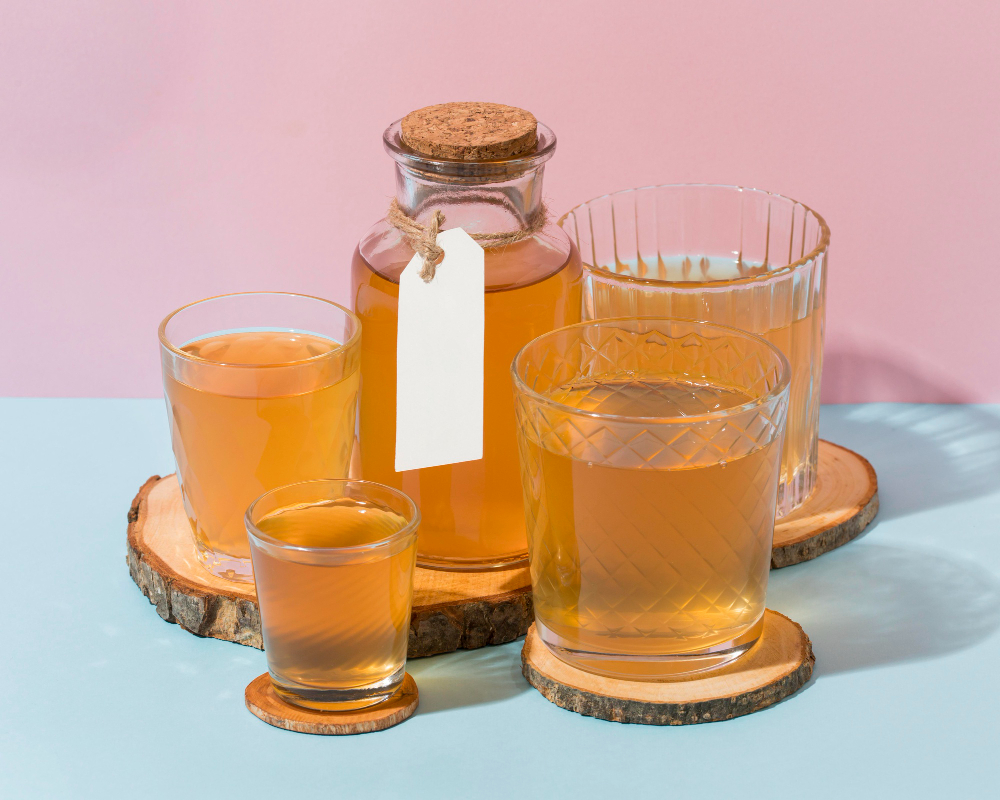
Alongside gas and alcohol, the organism produces a range of aromatic compounds, and a long slow ferment accumulates far more of them than a fast warm one.
Speed and flavour are directly opposed. Extended fermentation is the technique behind most flavour improvement.
13. Dried Yeast Is Dormant Rather Than Dead
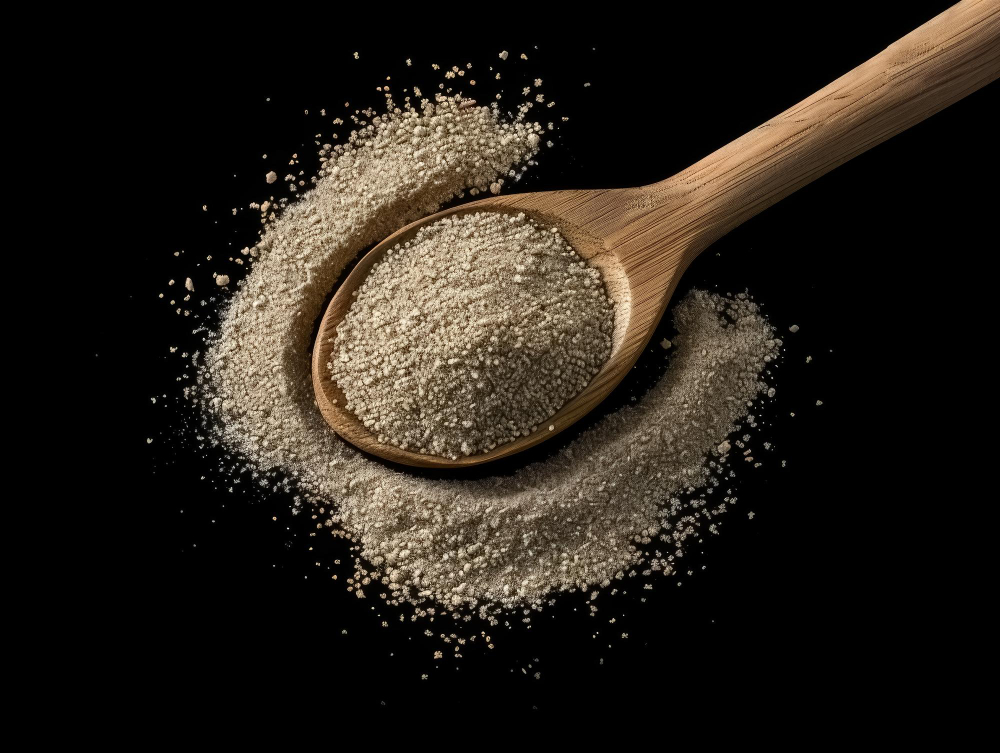
Drying removes water and suspends the organism, which can be revived by rehydration – so a packet is a population waiting rather than a chemical.
Old or badly stored packets have truly died. Suspended animation is what a sealed sachet contains.
14. Wild Yeasts Are Everywhere
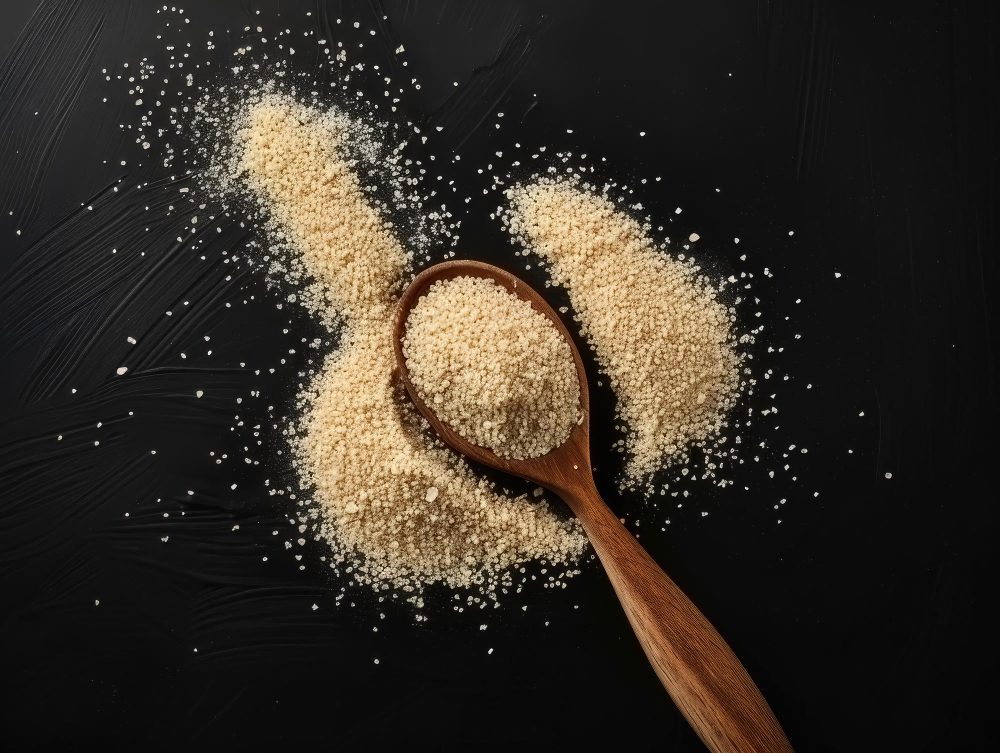
Yeasts occur naturally on grain, fruit and surfaces, which means a mixture of flour and water left alone will eventually ferment by itself using whatever was present.
No addition is required. Ambient organisms are what a maintained culture captures.
15. A Culture Is a Population, Not an Ingredient
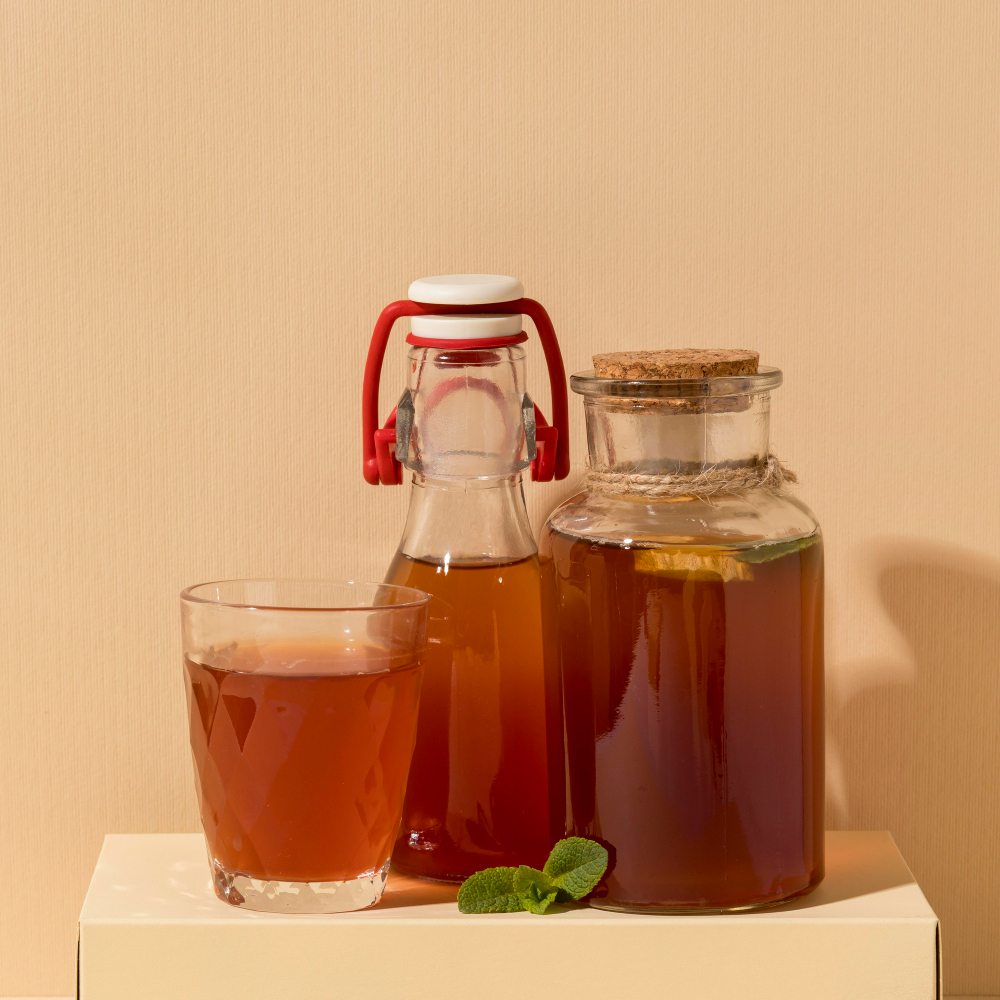
A maintained ferment contains yeasts and bacteria together, in proportions that shift according to how it is fed, kept and used – so it changes over time rather than staying fixed.
It is managed rather than stored. Living population is why two people with the same culture get different results.
One Organism, Two Useful Wastes
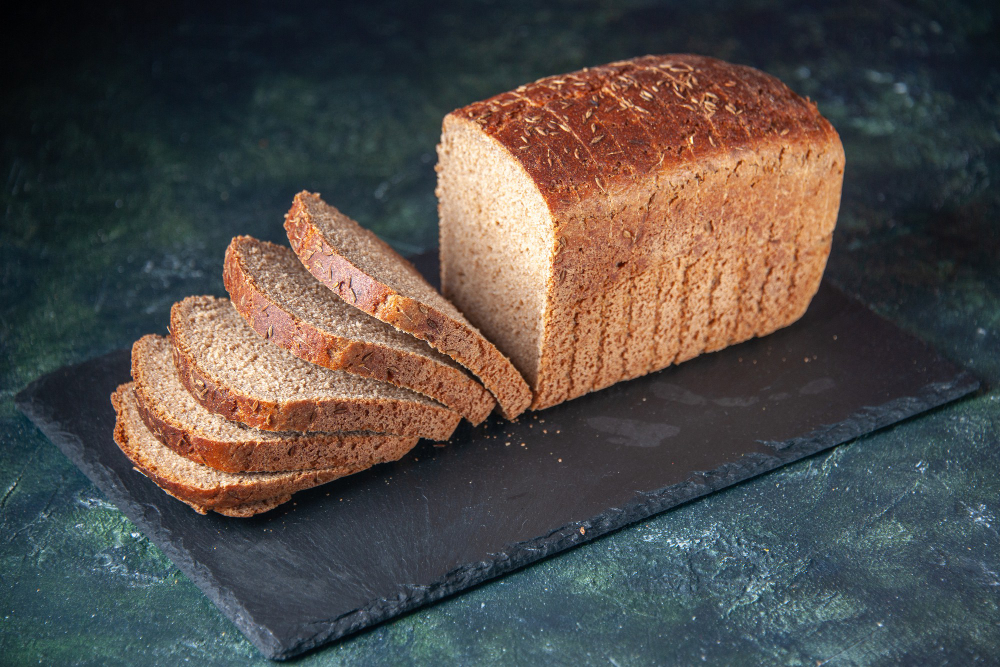
A fungus eating sugar and excreting gas and alcohol, a structure that traps one of them, a temperature that sets the speed and a population that changes depending on how it is kept.
The twelfth item is the one that changes results most. Flavour compounds accumulate over time and gas does not need long to be produced, which means almost every improvement available in a fermented product comes from giving it longer and colder rather than from anything added to it.
Like our content? Follow us for more.