The tissue is dense and most flavour molecules are large, so the liquid stays near the outside. Once that is understood, what a marinade is good for changes completely. Here are fifteen.
1. It Barely Gets In
Muscle tissue is dense and most aroma compounds are large molecules, so penetration after hours is measured in a few millimetres rather than throughout.
Overnight does not change that substantially. Limited penetration is the fact everything else follows from.
Like our content? Follow us for more.
2. So Thickness Decides Everything
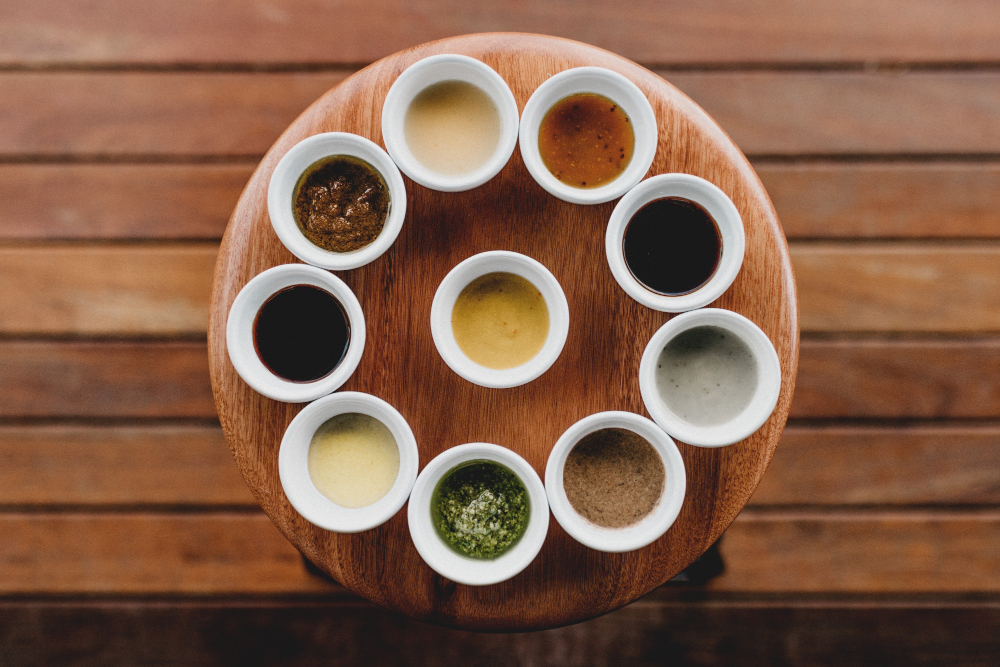
On a thin piece, a few millimetres is a substantial proportion of the whole; on a thick one it is a coating. The same treatment therefore does entirely different things depending on the cut.
Cut thickness is the variable nobody adjusts for. Surface-to-volume ratio is what determines whether a marinade matters.
3. Salt Is the Exception
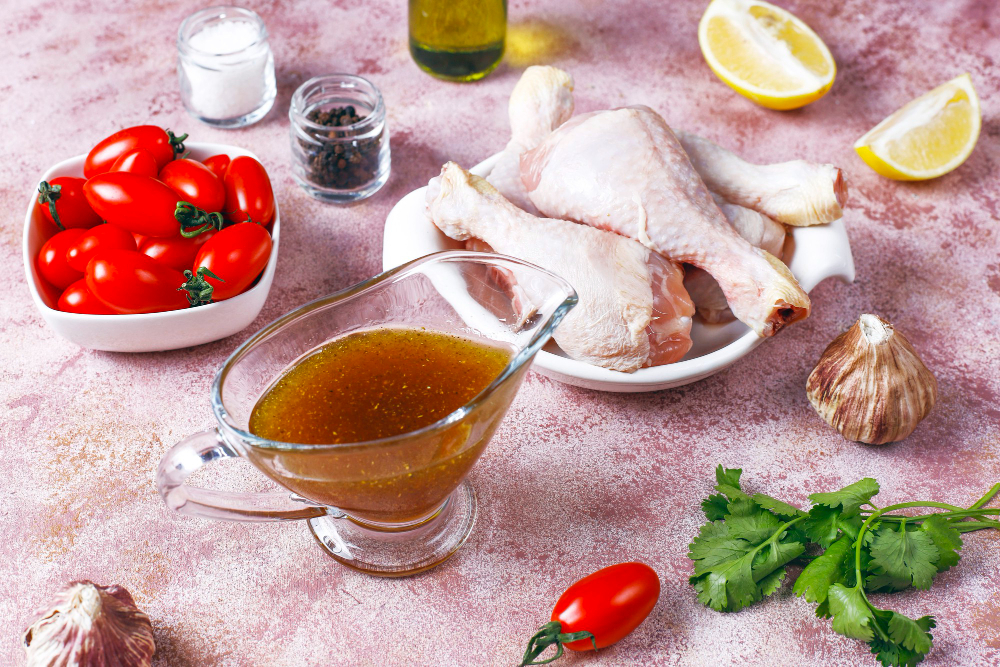
Salt ions are extremely small and travel far further and faster than anything else in the mixture, which means salt reaches the interior when nothing else does.
It is doing a different job from the rest. Ionic mobility is why salt is the only component that truly penetrates.
4. And It Changes the Texture Inside
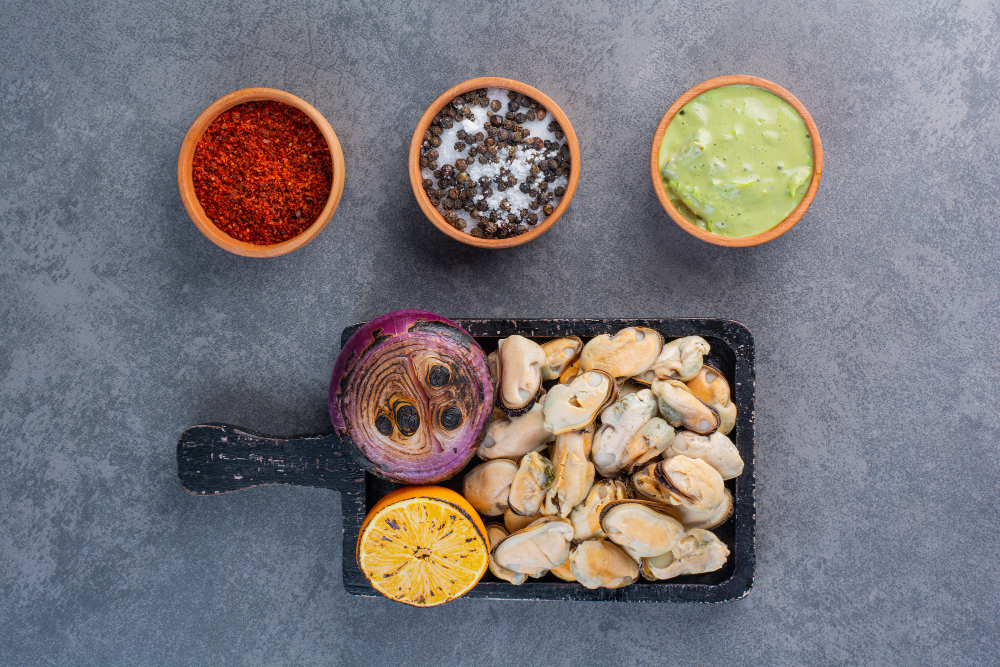
Salt alters how muscle proteins hold water, which means salted food retains more moisture during cooking and is firmer and juicier – an effect on the interior that no other component achieves.
That is a structural change rather than a flavour one. Protein modification is the actual mechanism behind salting.
5. Acid Works Only Where It Touches
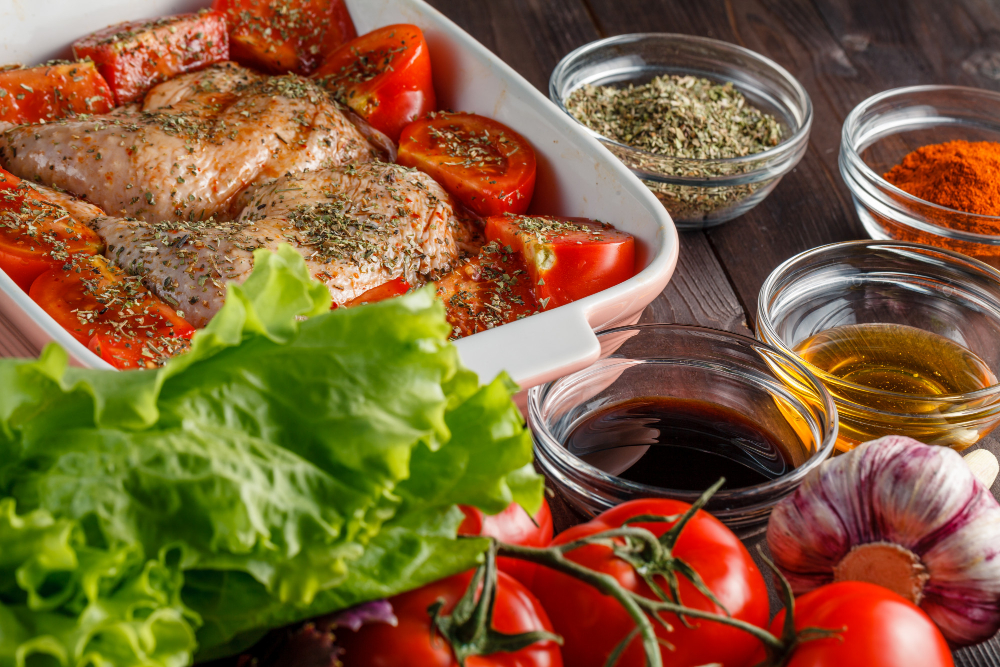
Acid denatures proteins on contact, changing the surface texture – and because it does not penetrate meaningfully, it cannot tenderise an interior it never reaches.
The tenderising claim is about the surface. Contact-limited action is why long acid marinades disappoint.
6. And Too Long in Acid Makes It Worse
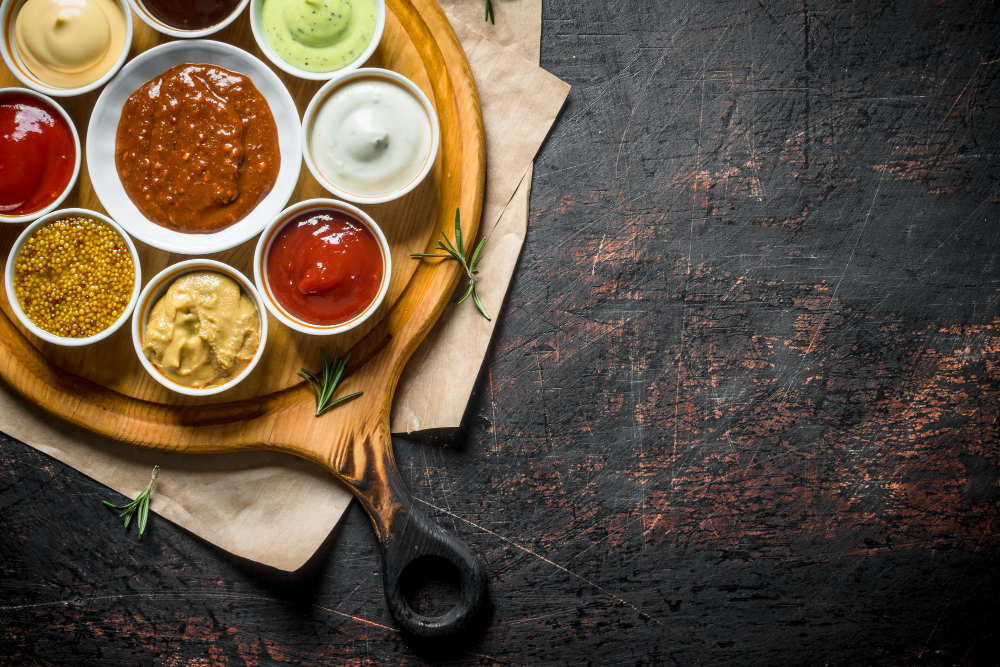
Prolonged exposure continues denaturing the surface until it becomes pale, mushy or chalky, which is a texture problem rather than a tender result.
More time makes it worse rather than better. Surface overexposure is the commonest marinade failure.
7. Enzymes Do the Same Thing Faster
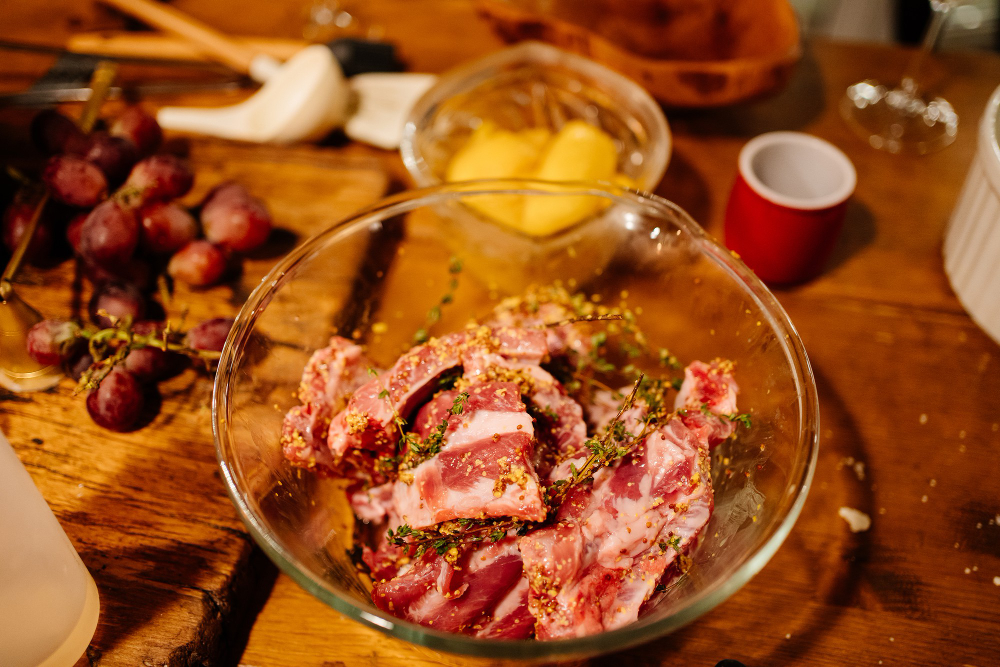
Certain fruits contain enzymes that break protein down aggressively, and they act only where they contact – producing the mushy surface far more quickly than acid does.
They are powerful and hard to control. Enzymatic breakdown is the most aggressive option and the least forgiving.
8. Oil Carries the Aromatics
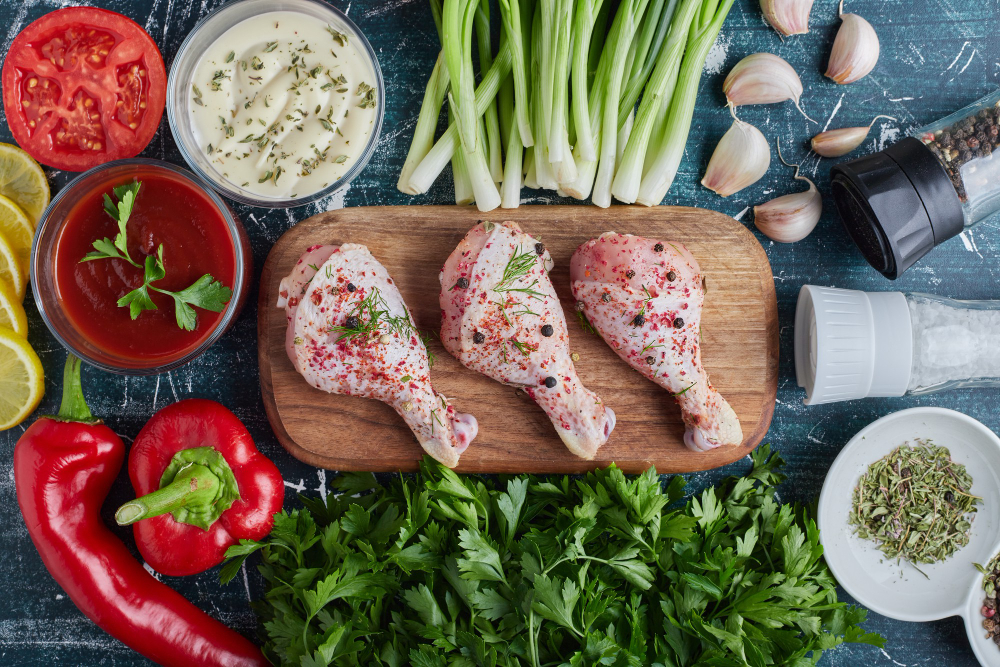
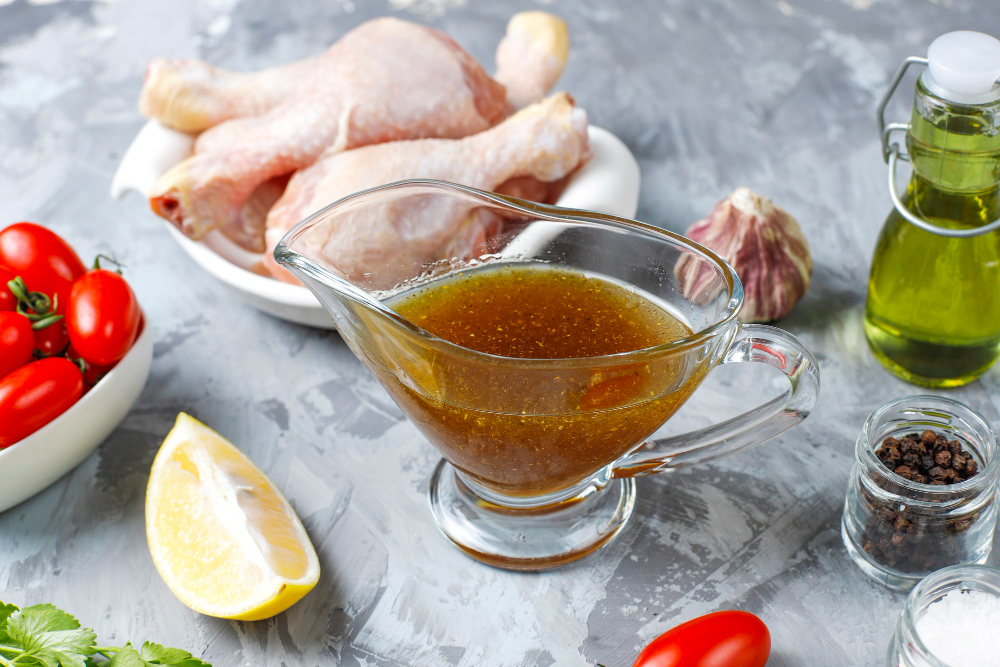
Many flavour compounds dissolve in fat rather than water, so oil in a marinade is a solvent that holds them against the surface rather than an ingredient in itself.
Without it those compounds sit in the liquid. Fat solubility is why a marinade is not simply water and seasoning.
9. And It Helps the Surface Cook Evenly
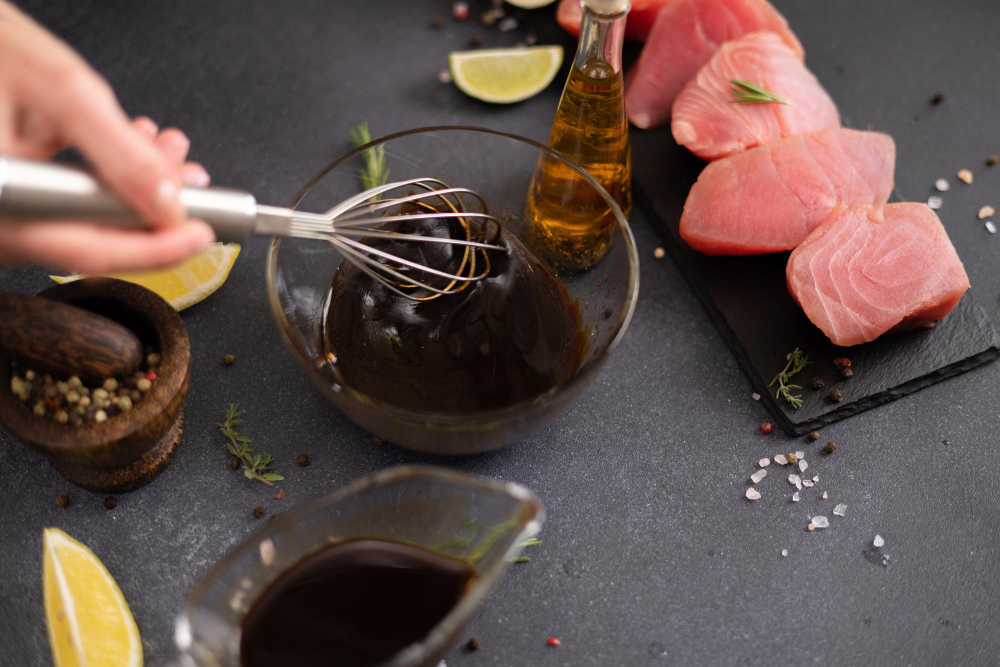
A film of oil conducts heat across the surface more evenly than bare food in contact with a pan, which reduces patchy browning.
It is a cooking aid rather than a flavour one. Thermal contact is the second thing oil contributes.
10. Sugar Browns and Then Burns
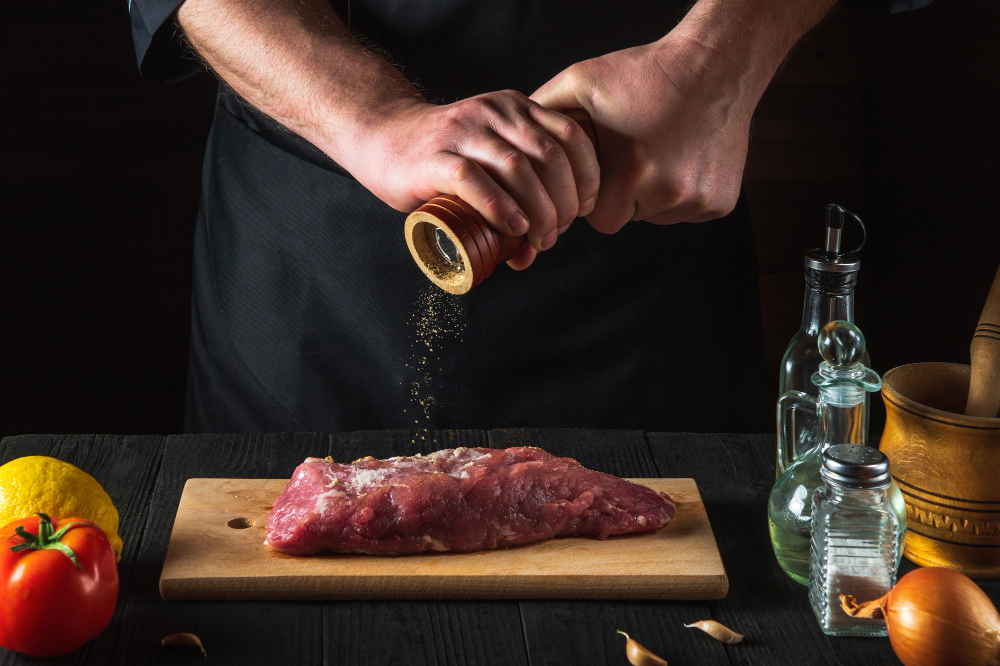
Any sugar present promotes surface browning, which is generally wanted – and burns at a lower temperature than everything else, which under high heat happens before the food is cooked.
Sweet marinades and fierce heat conflict directly. Early burning is the trade a sugar component makes.
11. The Surface Is Where Flavour Is Created Anyway
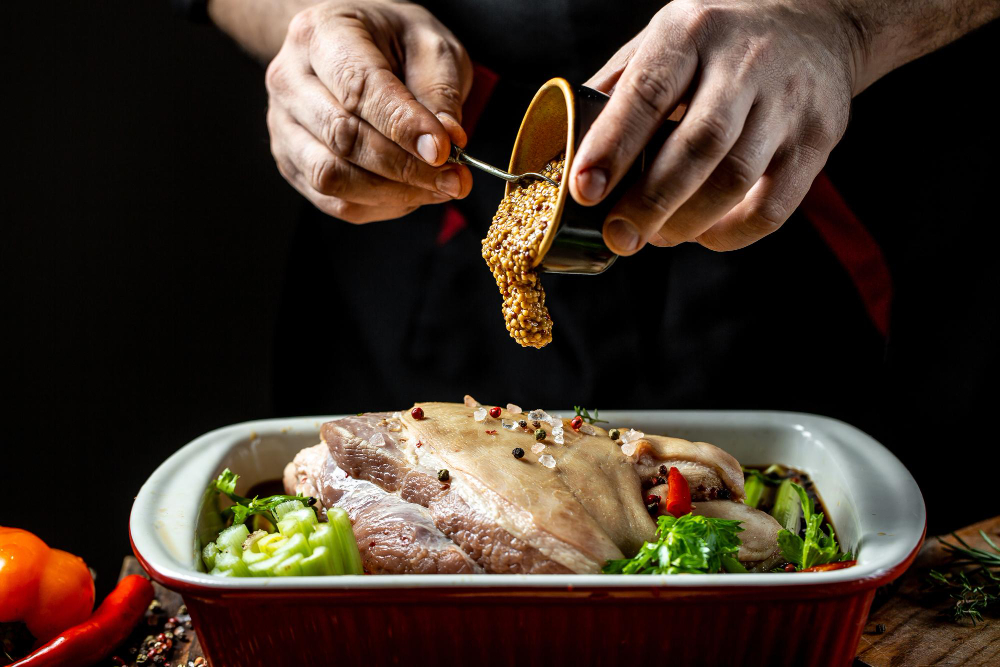
Browning reactions during cooking generate the majority of the flavour compounds in the finished dish, and those reactions happen at the surface – which is exactly where the marinade is.
The limitation turns out not to matter. Surface concentration is why a marinade works despite not penetrating.
12. A Wet Surface Will Not Brown
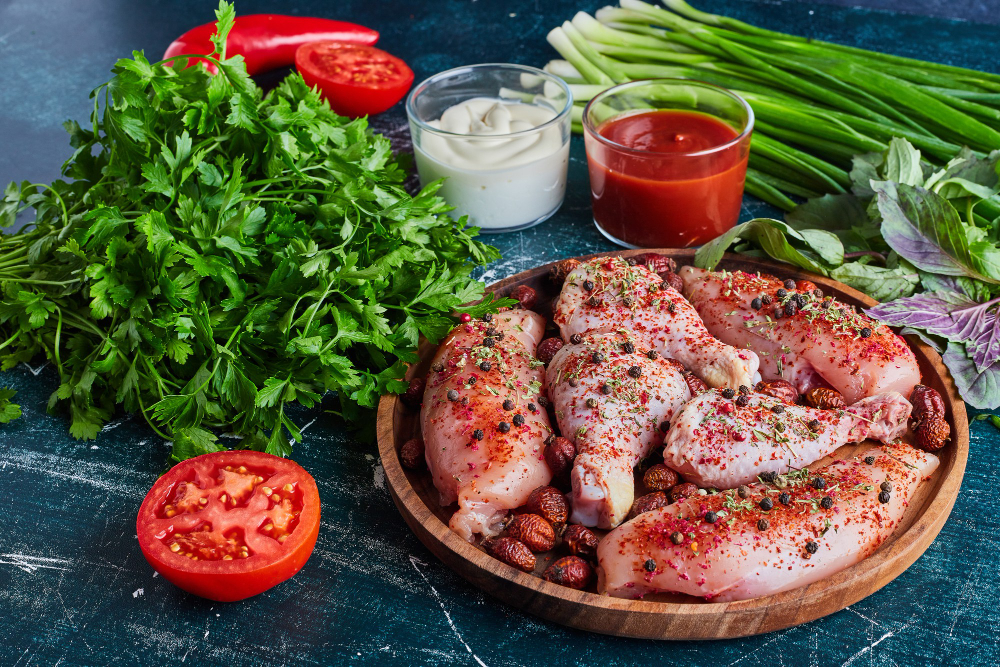
Water must evaporate before the surface can reach browning temperature, so food going into a pan straight from a marinade steams for several minutes instead of colouring.
Drying it first is not optional. Surface moisture is the step that undoes the marinade.
13. Thickness on the Surface Changes What Happens
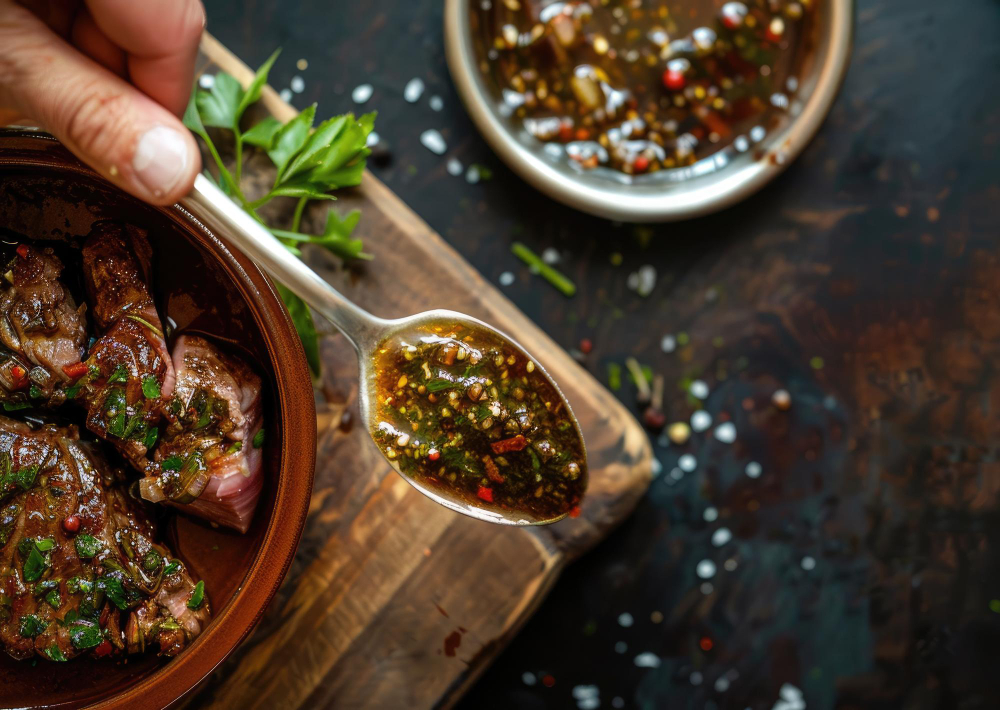
A thin coating flavours; a thick clinging one forms a layer that behaves like a glaze, browning and sometimes burning separately from the food beneath.
They are different techniques with the same ingredients. Coating thickness is a decision rather than an accident.
14. Time Has a Ceiling
Beyond a certain point, penetration has essentially stopped while surface damage continues – so extra hours add nothing useful and eventually subtract.
The useful window is shorter than most people assume. Diminishing returns are why longer is not better.
15. Most of It Ends Up in the Bin
The majority of a marinade never enters the food at all and is discarded, which means most of what is made is a carrier rather than an ingredient.
That reframes how much to make. Carrier function is what the volume is actually for.
Almost All of It Happens at the Surface
A few millimetres of penetration, salt as the only component that truly gets in, acid and enzymes working where they touch, oil carrying what water cannot, and a surface that has to be dried before it can brown.
One necessary note: how long food can safely be marinated, at what temperature, and what to do with liquid that has been in contact with raw food are food-safety questions with real consequences, guidance differs by jurisdiction, and nothing above addresses any of them. The appropriate source is current food-safety guidance rather than an article about penetration depth.
Like our content? Follow us for more.