Texture is not a minor component of eating. It is perceived through an entirely different set of senses from flavour, and it decides more about whether something is acceptable than taste ever does. Here are fifteen.
1. It Is Touch Rather Than Taste
Texture is registered by pressure and movement sensors in the mouth, jaw and tongue, which are the same systems used anywhere else on the body.
No taste receptor is involved. Mechanical sensing is what texture actually is.
Like our content? Follow us for more.
2. Crispness Requires Dryness
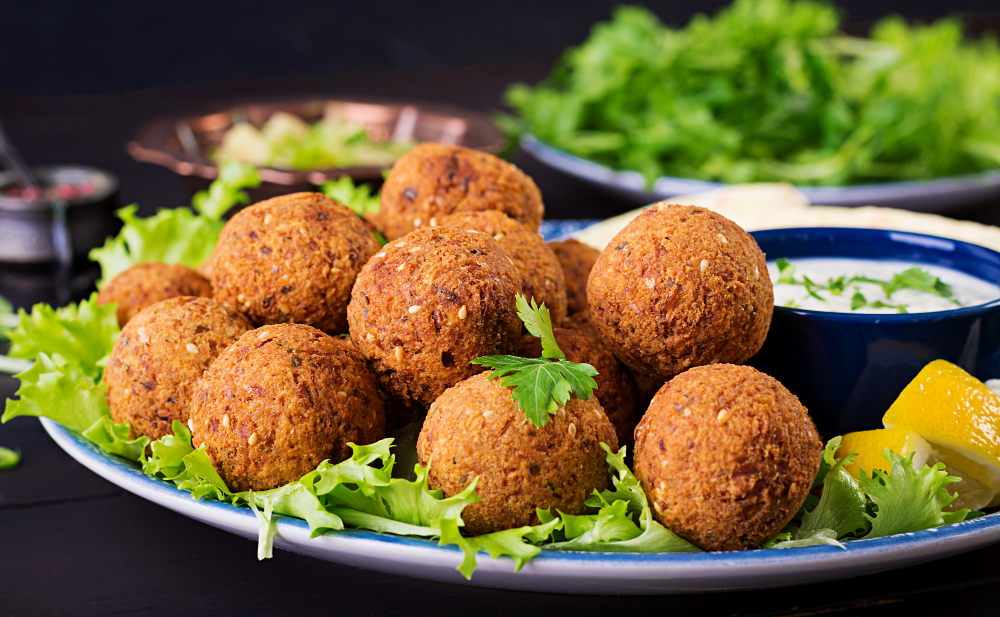
A crisp structure is rigid and brittle, and it fractures suddenly under pressure – which only happens when the material is dry, because water makes it bend instead of break.
Moisture removes brittleness. Low water content is the precondition for crispness.
3. So Everything Crisp Is Losing It
Dry structures take up moisture from the air, from whatever they are resting on and from their own interior, which softens them progressively from the moment they are made.
The clock starts immediately. Moisture migration is why crisp things have a short window.
4. Half of Crispness Is Sound
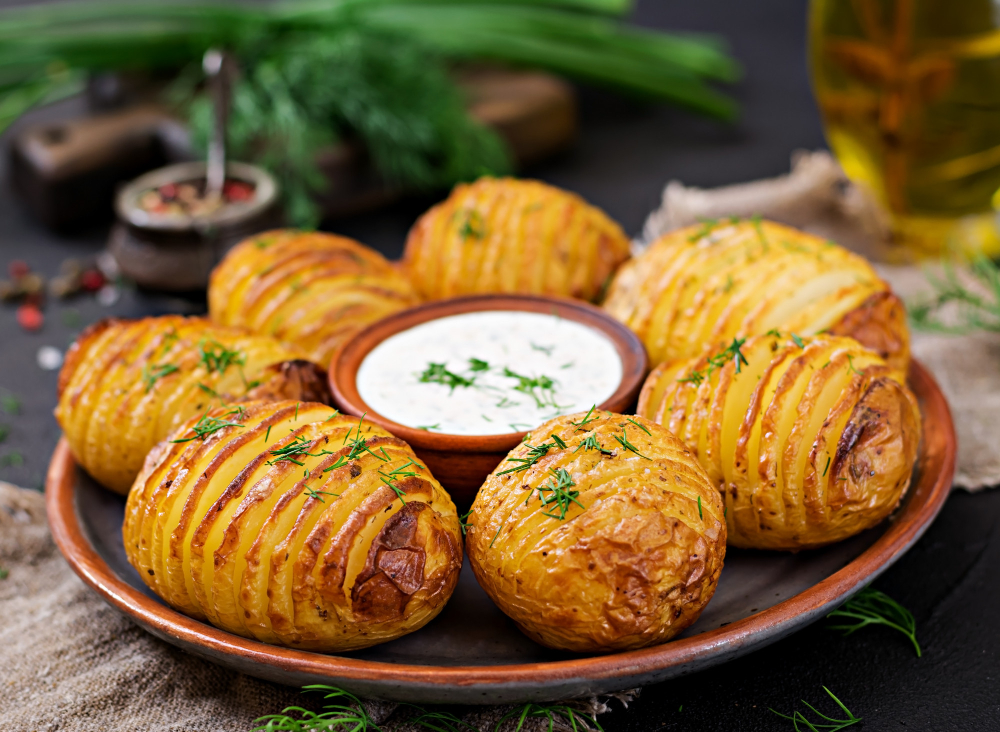
The noise a food makes as it fractures contributes substantially to how crisp it is judged to be, and the same food assessed without that sound is rated as less crisp.
You are hearing the texture. Auditory contribution is the part nobody expects.
5. Fat Is Felt Rather Than Tasted
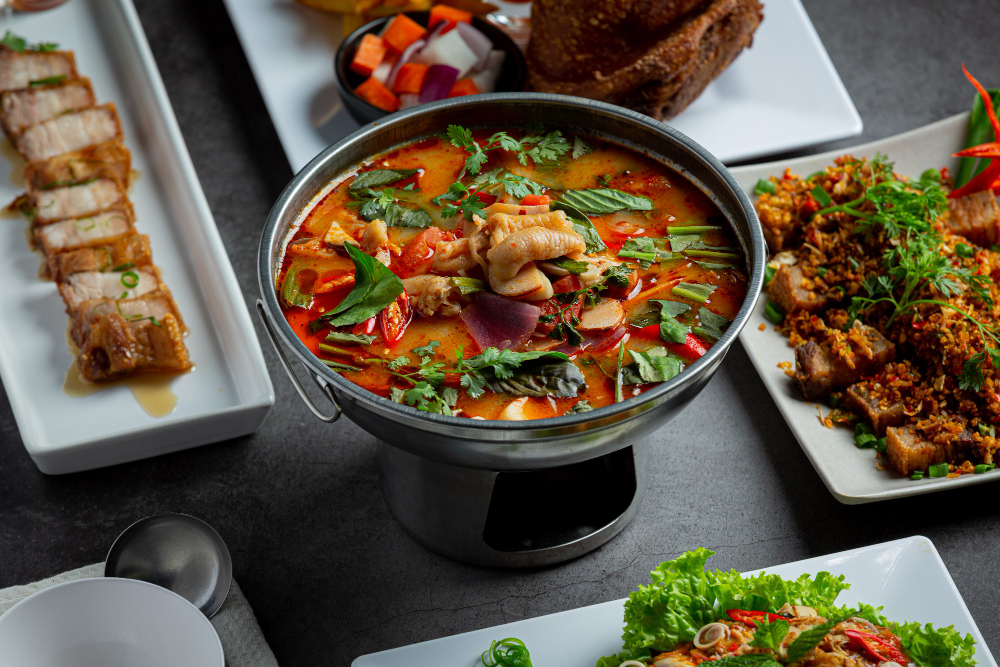
Fat produces a coating sensation and a smoothness that are physical rather than chemical, which is why a reduced-fat version tastes correct and feels wrong.
It is a texture ingredient. Coating sensation is what fat mainly contributes.
6. Particle Size Has a Threshold
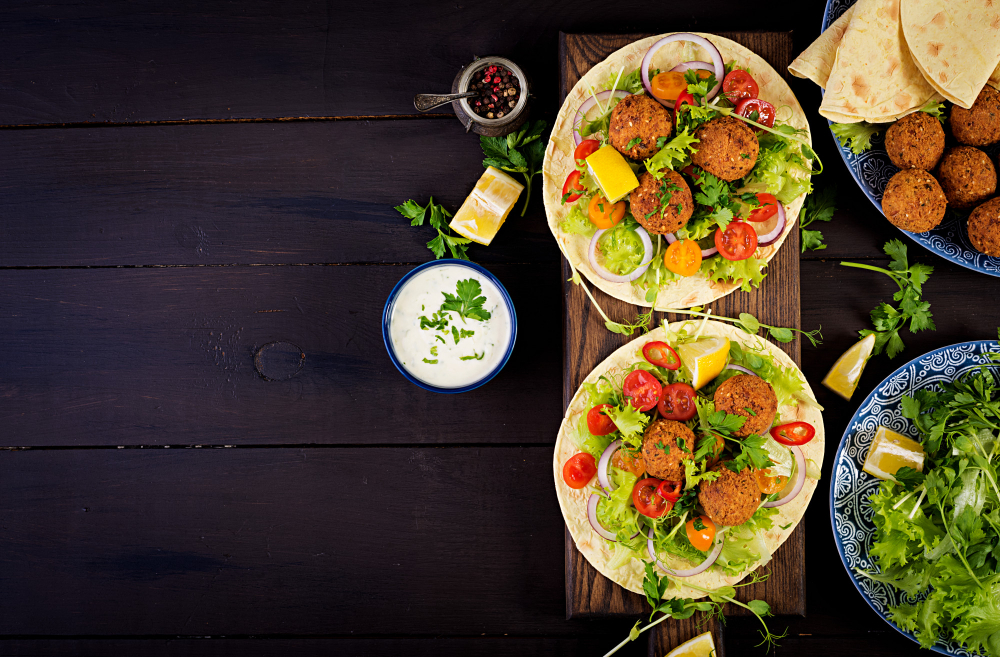
Below a certain size, particles cannot be detected individually and the material is perceived as smooth; above it, the same material is perceived as gritty.
The transition is abrupt rather than gradual. Detection threshold is what separates smooth from grainy.
7. Temperature Changes the Structure
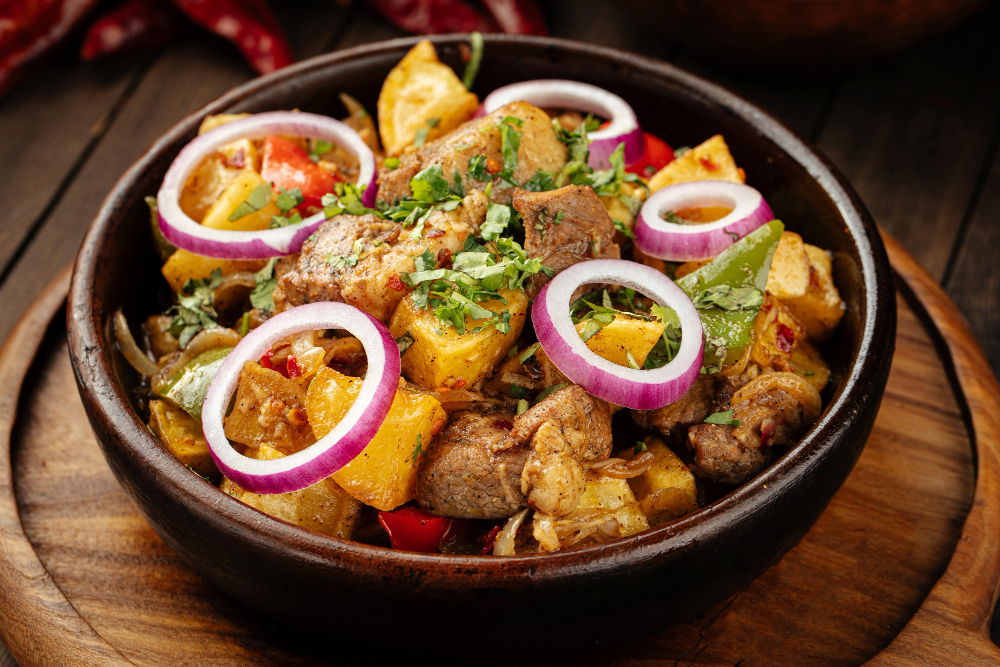
Fats soften, gels relax and structures loosen as temperature rises, which means the same food has different texture warm and cold without anything else changing.
It is a physical change rather than a perceptual one. Thermal softening is why serving temperature matters.
8. Contrast Does More Than Any Component
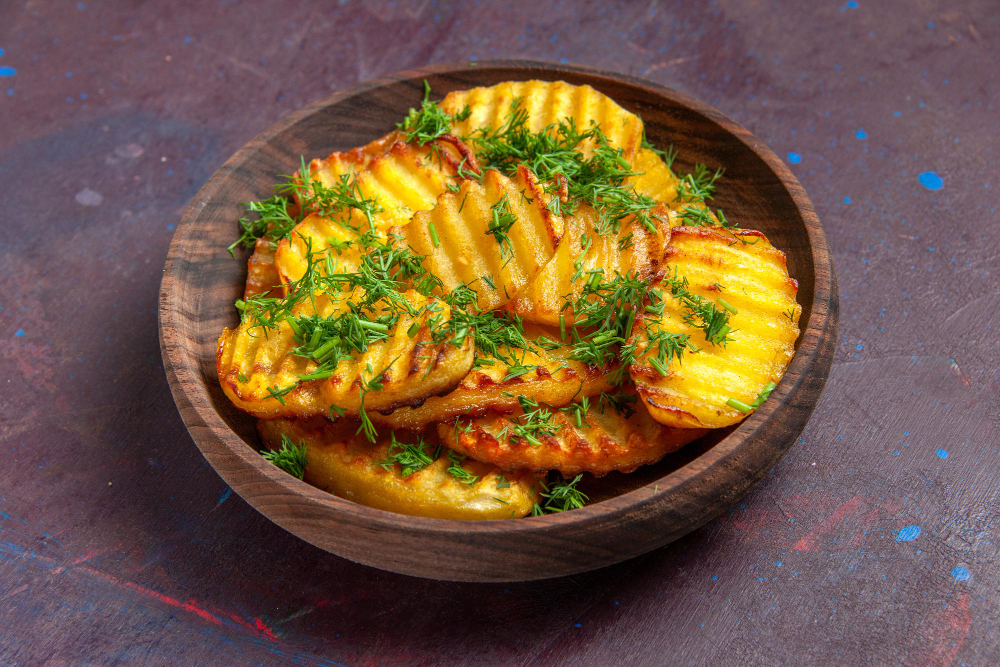
A dish combining something yielding with something resistant is perceived as more interesting than either alone, which is why a topping, a crust or a scattering transforms a soft dish.
The variety is the point. Textural contrast is the cheapest improvement available.
9. Cooked Starch Firms Up as It Cools
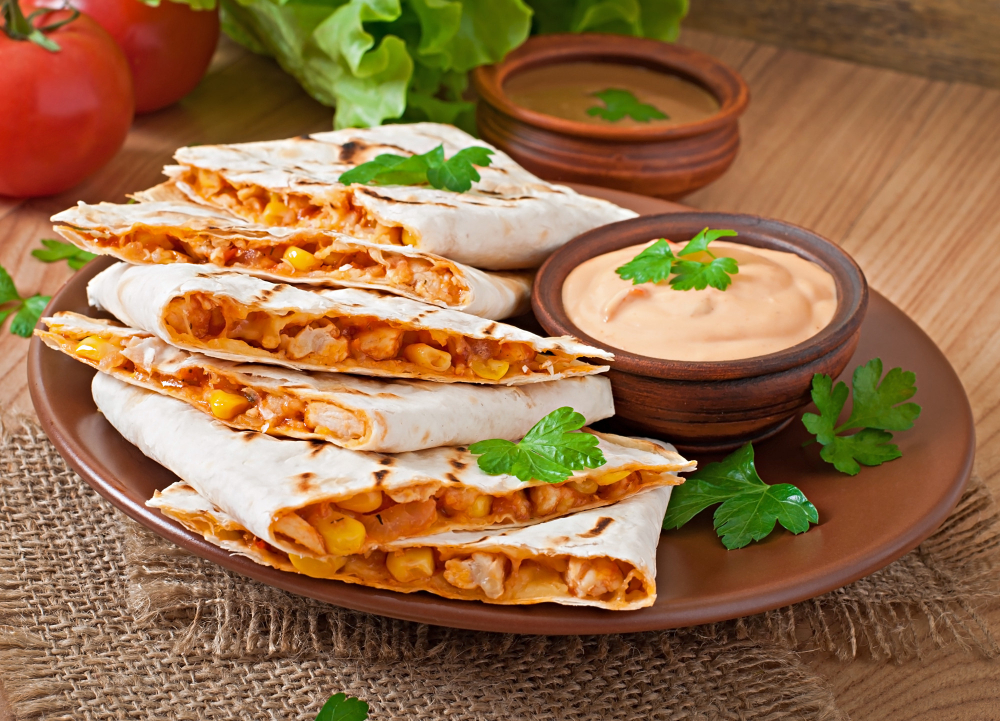
Starch that has absorbed water and swollen during cooking recrystallises as it cools, which firms and dries the structure from within.
It is not evaporation. Retrogradation is what firms bread and cooked grains.
10. Which Is Why Bread Goes Stale Rather Than Dry
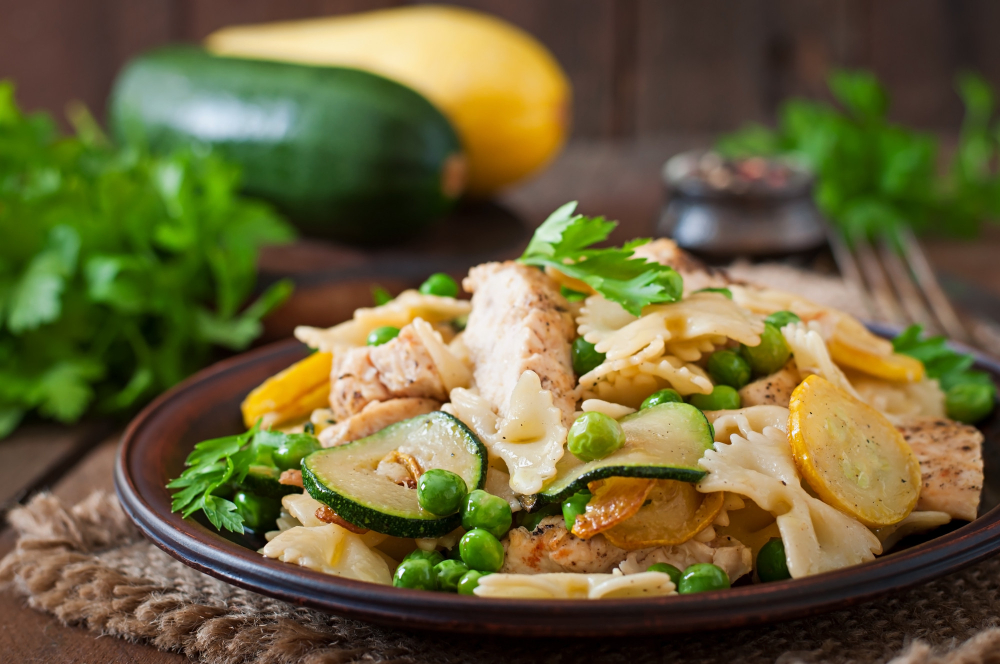
A loaf sealed against moisture loss still firms, because the change is the starch reorganising internally rather than water leaving.
Wrapping does not prevent it. Internal restructuring is what staling actually is.
11. And Why Warming It Reverses It Briefly
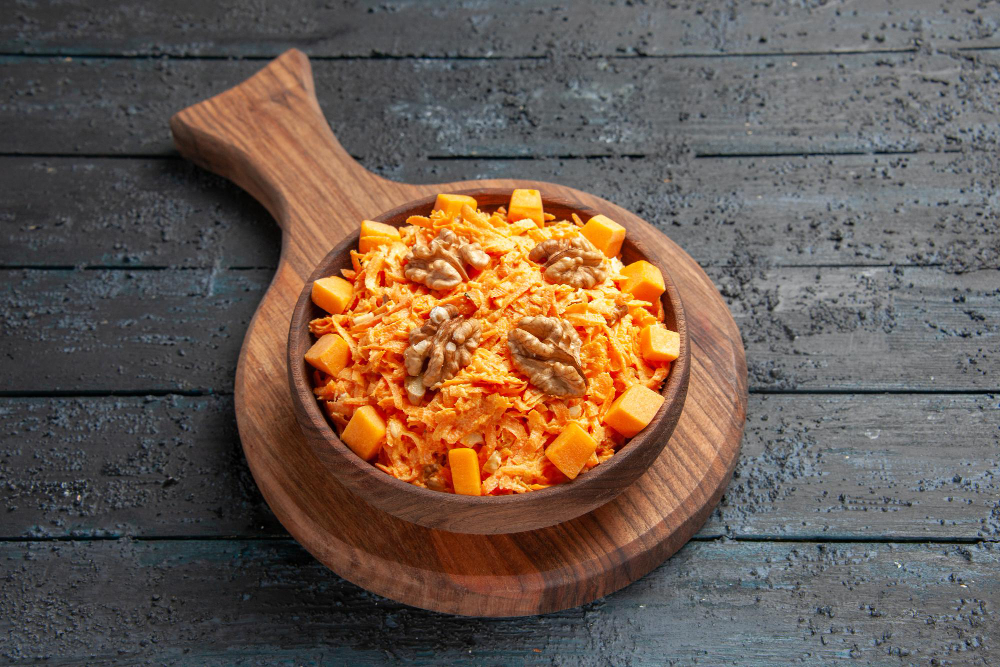
Heating disrupts those crystals and returns the starch temporarily to a softer state, which is why reheated bread improves and then deteriorates faster.
The reversal is partial and short. Temporary recovery is what warming achieves.
12. Chewing Changes What You Are Eating
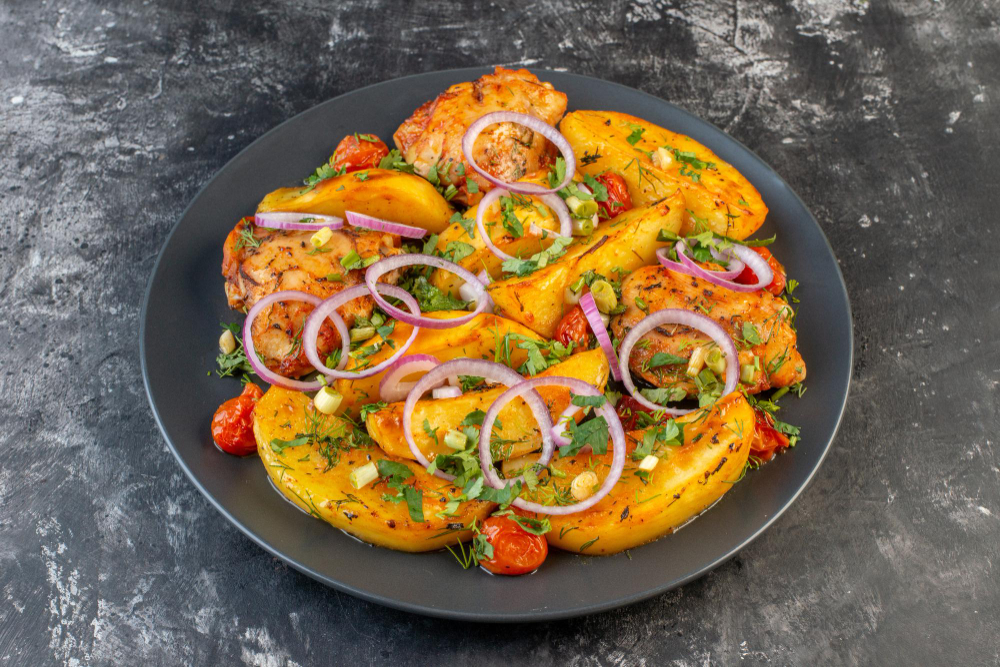
Food is broken down, mixed with saliva and warmed throughout the process, so the texture at the end of a mouthful is entirely different from the texture at the start.
The experience is a sequence rather than a state. Progressive change is what a mouthful actually consists of.
13. Some Things Are Designed to Vanish
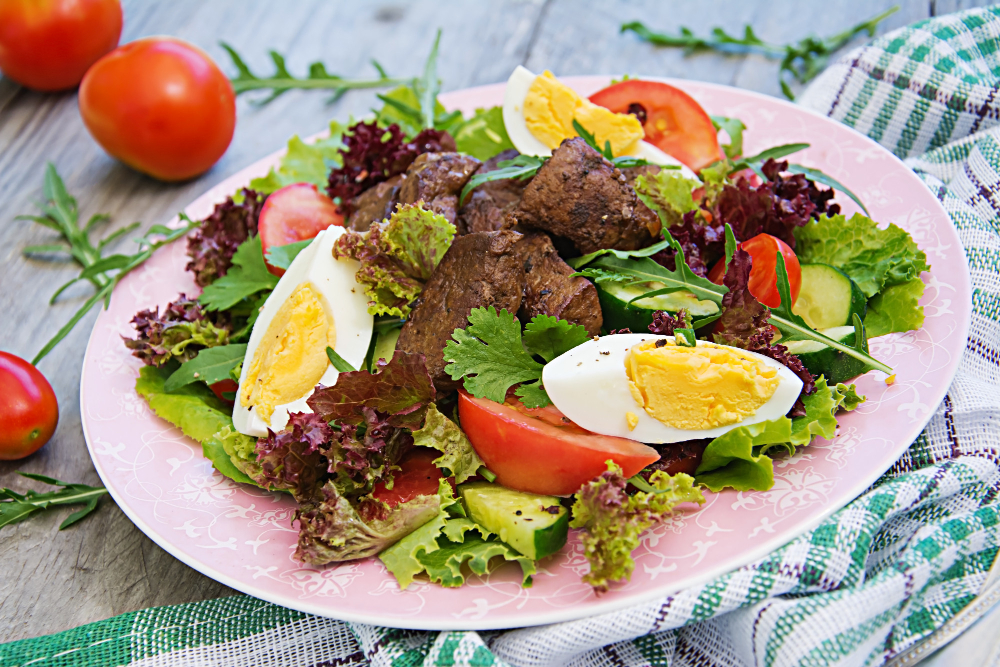
Structures built to collapse rapidly in the mouth produce a specific sensation of disappearing, which requires an open structure that water penetrates instantly.
It is engineered rather than incidental. Rapid collapse is a deliberate textural effect.
14. Thickness Is Perceived Rather Than Measured
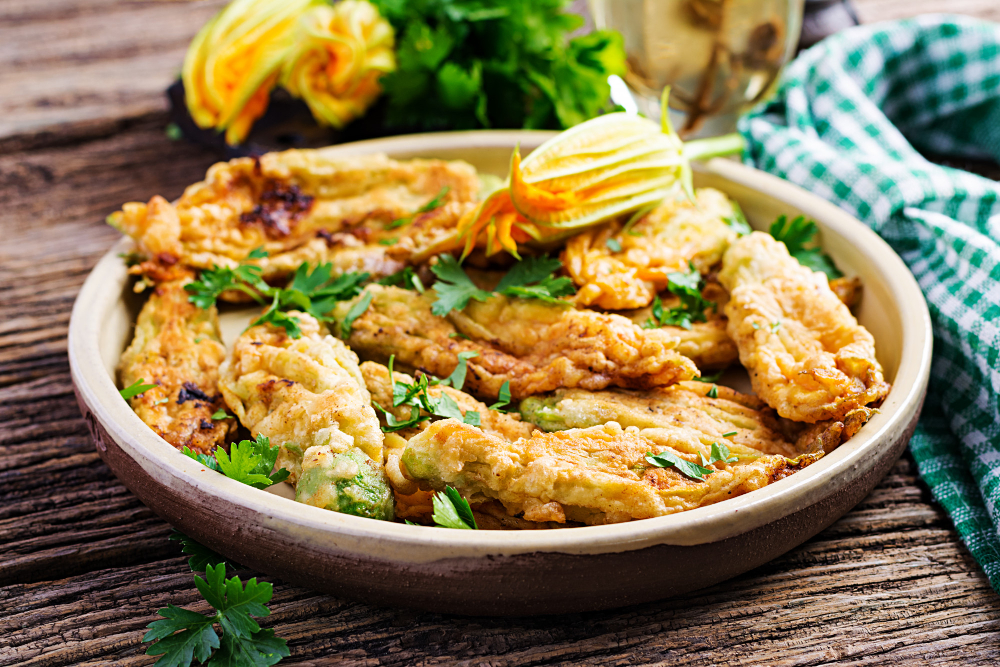
How thick a liquid feels depends on how it behaves under the pressure and shearing of the mouth, and two liquids of identical thickness by measurement can feel entirely different.
The mouth is not a simple instrument. Behaviour under shear is what thickness perception tracks.
15. And Texture Decides Most Refusals
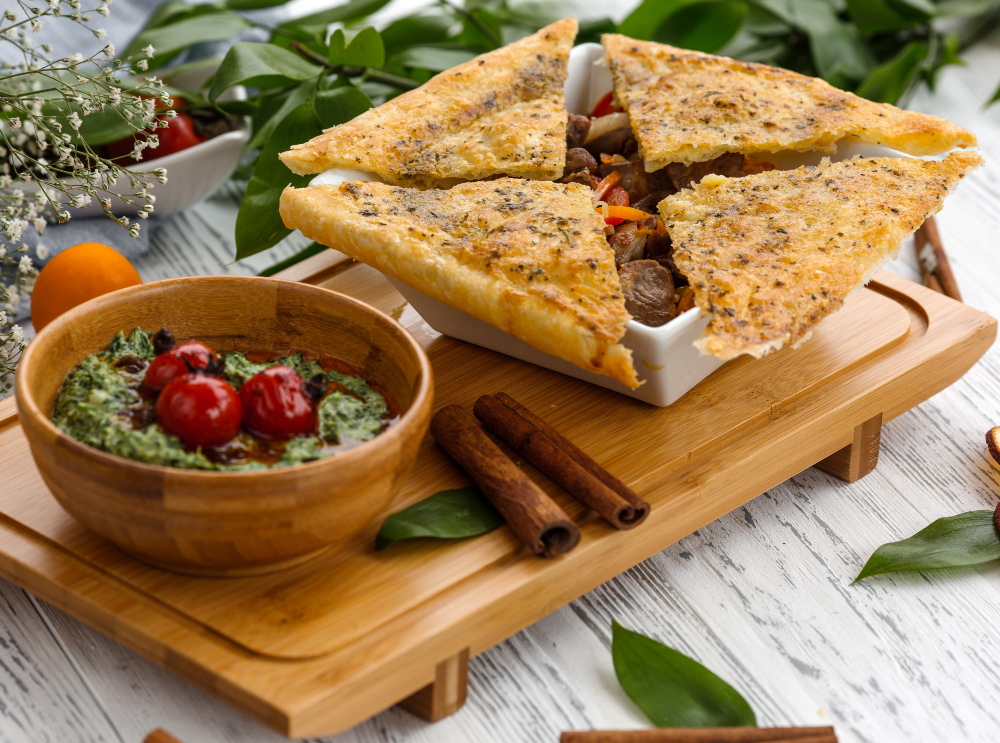
Foods people will not eat are overwhelmingly refused for how they feel rather than how they taste, which is why describing the flavour rarely persuades anybody.
The objection is physical. Texture rejection is the pattern behind most strong dislikes.
Pressure, Sound and the Way Things Break
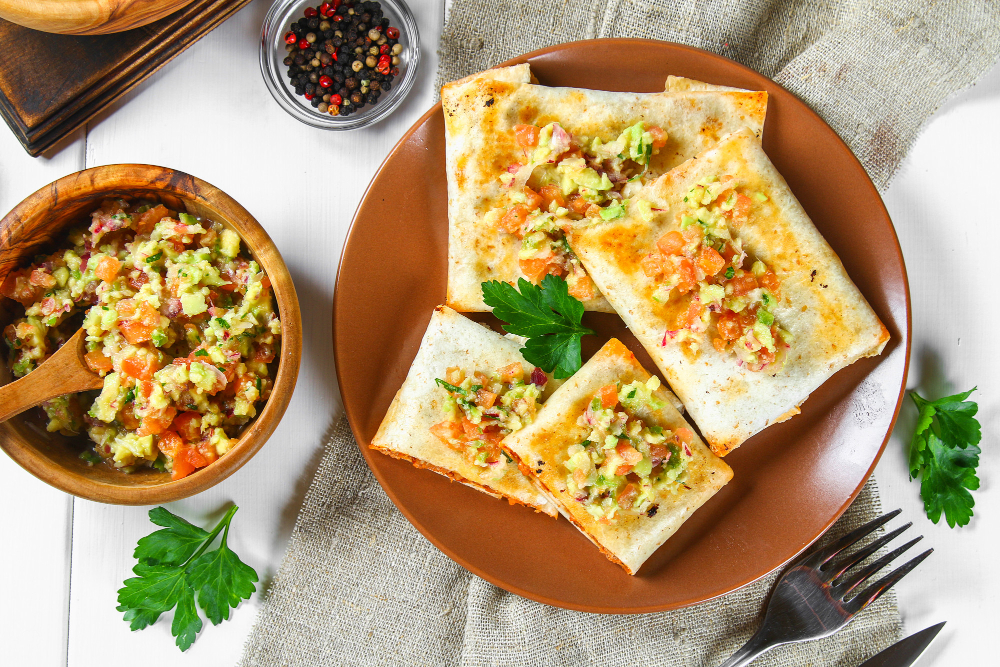
A sense that is touch rather than taste, crispness that requires dryness and starts losing it immediately, sound doing half the work, and starch firming from within rather than drying out.
The fourth item is the one worth testing. A substantial part of how crisp something seems is the noise it makes, which means crispness is partly something you hear rather than feel – and that a quieter version of the same food is judged to be less crisp even when nothing about it has changed.
Like our content? Follow us for more.