Cocoa butter can set in several different ways, and only one of them produces chocolate that behaves the way people expect. Almost everything below follows from that. Here are fifteen.
1. The Fat Can Set Several Ways
Cocoa butter can crystallise into several distinct forms, each with a different structure and a different melting point.
It is the same fat throughout. Multiple crystal forms are the root of everything chocolate does.
2. Only One Form Gives the Right Result
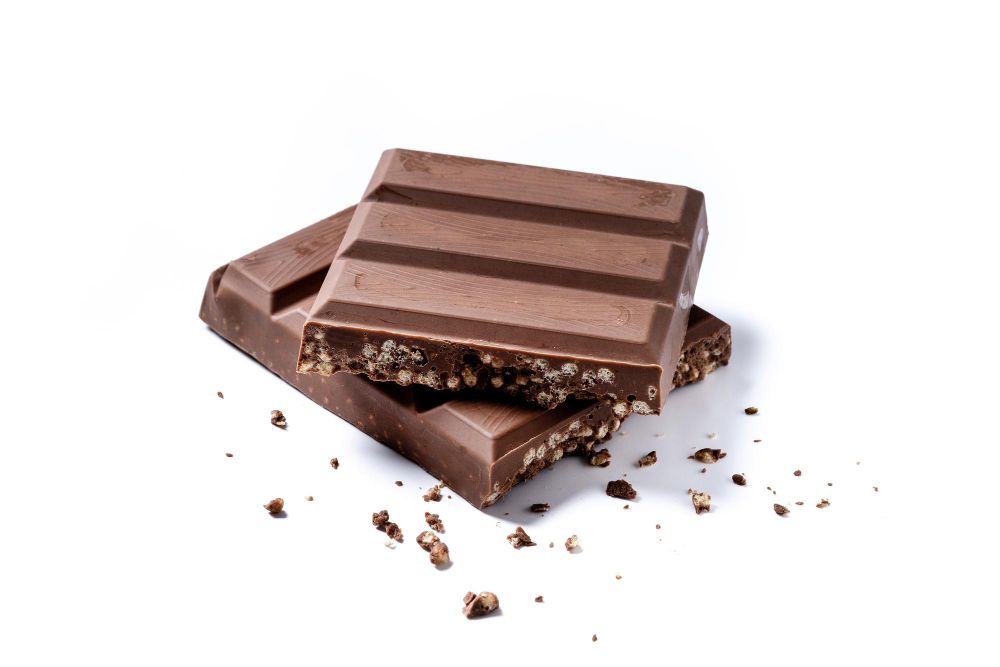
One particular form produces a glossy surface, a clean snap and a melting point just below body temperature, and good chocolate is set in that form.
The others are all inferior. The right crystal is what quality chocolate means.
3. Which Is Why It Melts in the Mouth
That form stays solid at room temperature and melts just below the temperature inside the mouth, which is why good chocolate feels solid and then disappears.
The timing is precise. Melting point is the reason for the sensation.
4. Tempering Is Choosing the Crystal
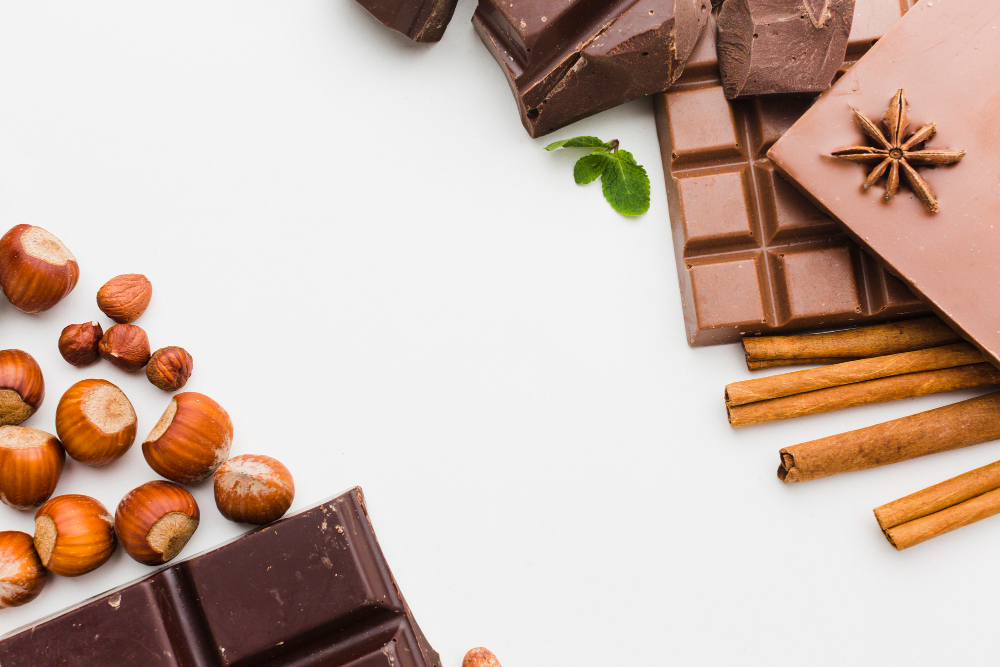
Controlled heating and cooling encourages the desired form and melts out the unwanted ones, so the chocolate sets in the right structure.
It is guidance rather than an ingredient. Tempering is crystal selection.
5. Untempered Chocolate Sets Badly
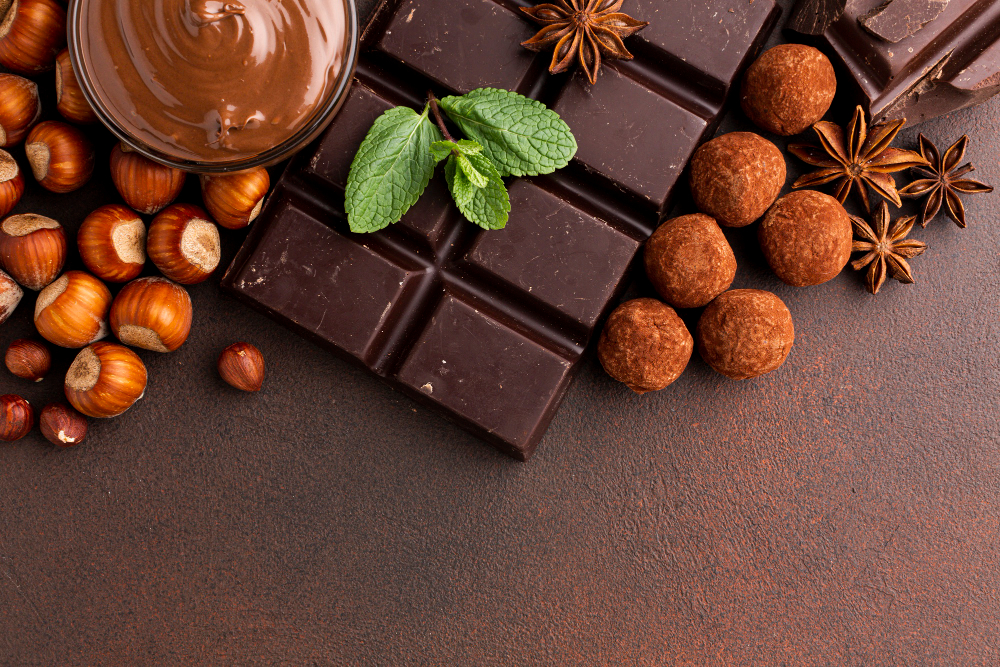
Chocolate melted and left to cool without control sets in a mixture of unstable forms, producing a dull, soft, crumbly result.
It tastes the same and behaves differently. Uncontrolled setting is what spoils it.
6. The Snap Is the Structure
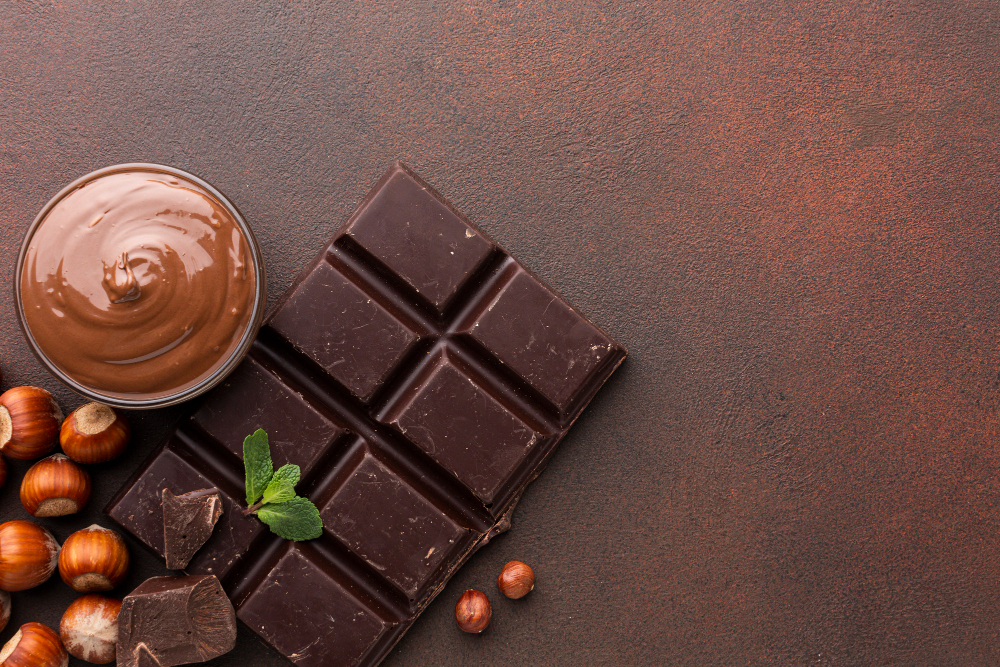
A well-tempered bar breaks with a sharp clean snap because the crystal network is regular and brittle, while a poorly set one bends or crumbles.
The sound is a quality test. Crystal order produces the snap.
7. The Shine Is Too
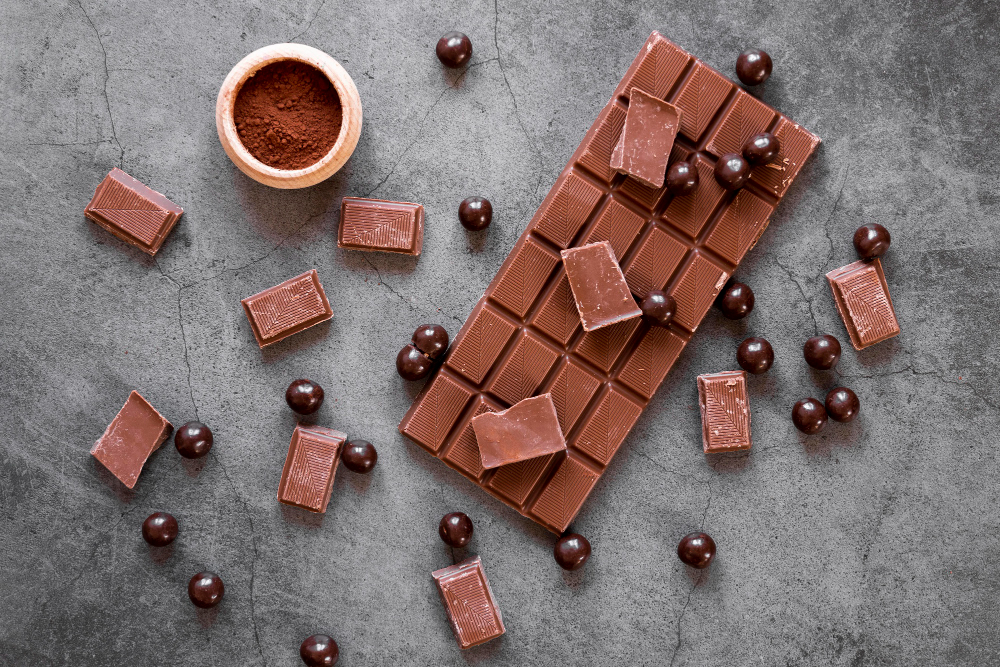
A regular crystal surface reflects light evenly and looks glossy, while an irregular one scatters light and looks matt.
Appearance reflects structure. Gloss is a sign of the right form.
8. Grey Streaks Are Fat Moving
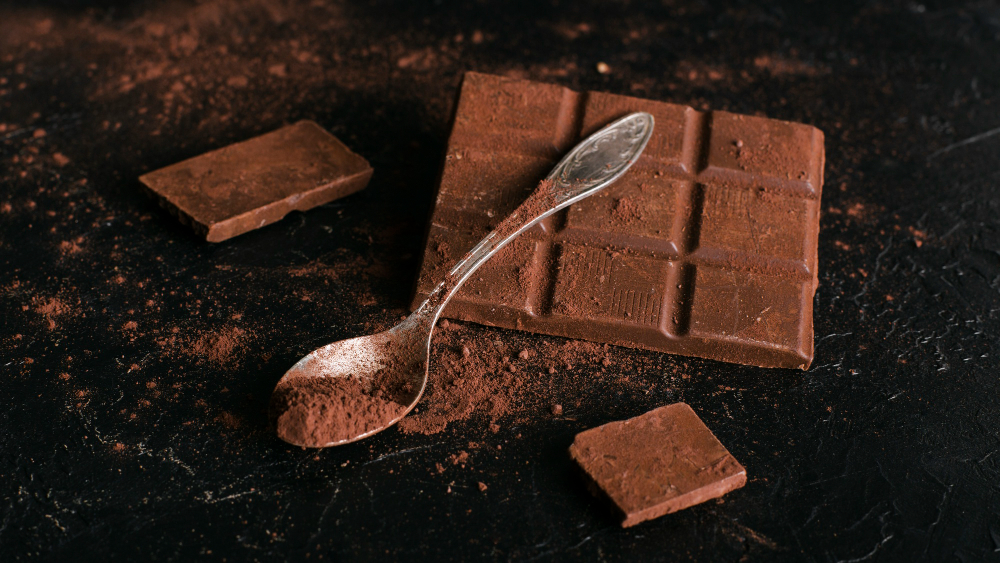
A pale greyish film on old chocolate is cocoa butter that has migrated to the surface and set again in a different form.
It is fat bloom, not mould. Migrating fat produces the grey.
9. A Dusty Film Is Sugar
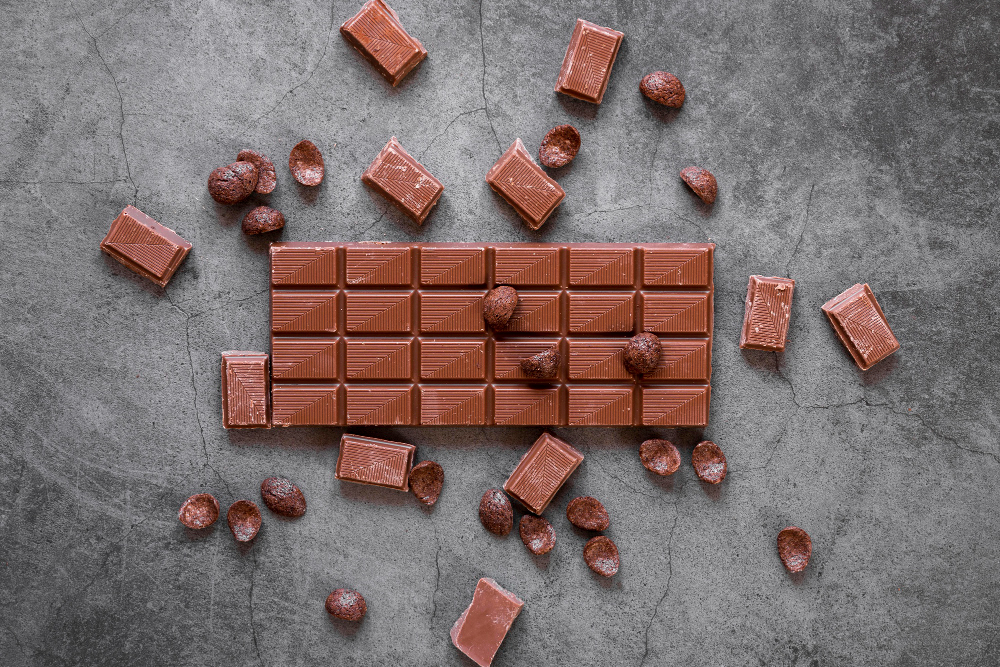
A dry, powdery white surface comes from moisture dissolving sugar at the surface and leaving it behind as crystals when the water evaporates.
It follows condensation. Sugar bloom is a moisture effect.
10. Temperature Swings Cause Both
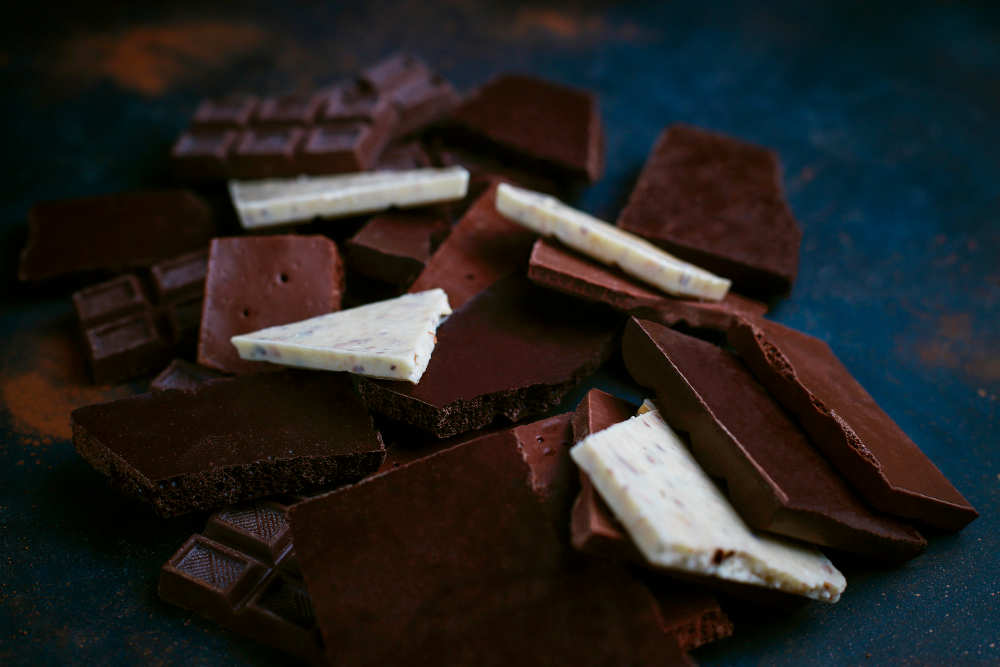
Storing chocolate somewhere that warms and cools repeatedly encourages fat to migrate and moisture to condense, which is why bloom appears on chocolate kept in unstable conditions.
Steady storage prevents it. Fluctuation is the enemy of chocolate.
11. A Drop of Water Ruins Melted Chocolate
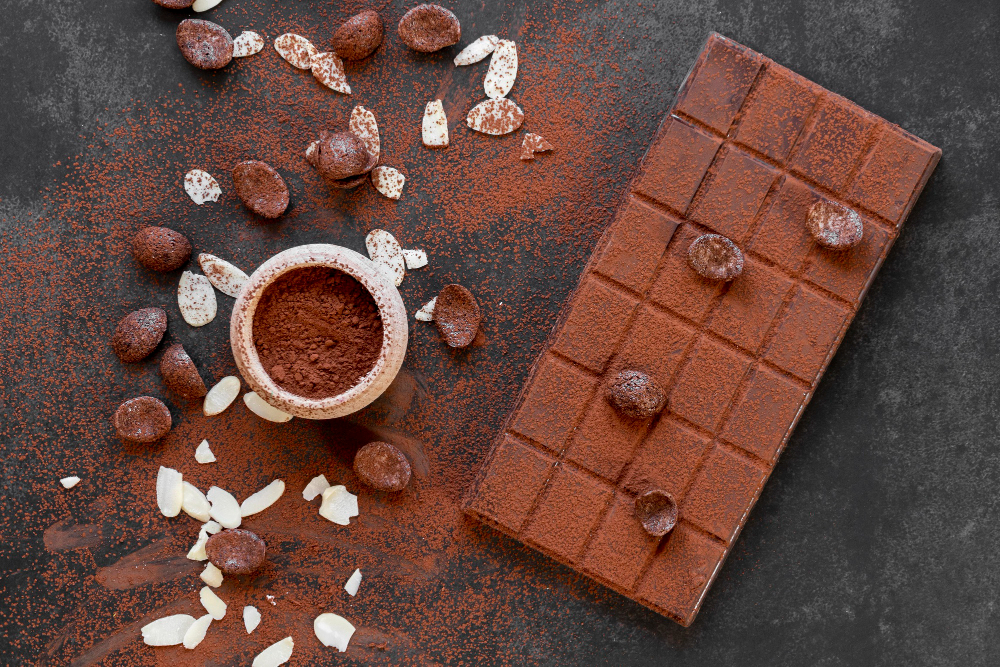
A small amount of water in melted chocolate makes the sugar and cocoa particles clump together, turning a smooth liquid into a thick grainy paste.
It happens almost instantly. Seizing is the particles sticking together.
12. But a Lot of Liquid Does Not
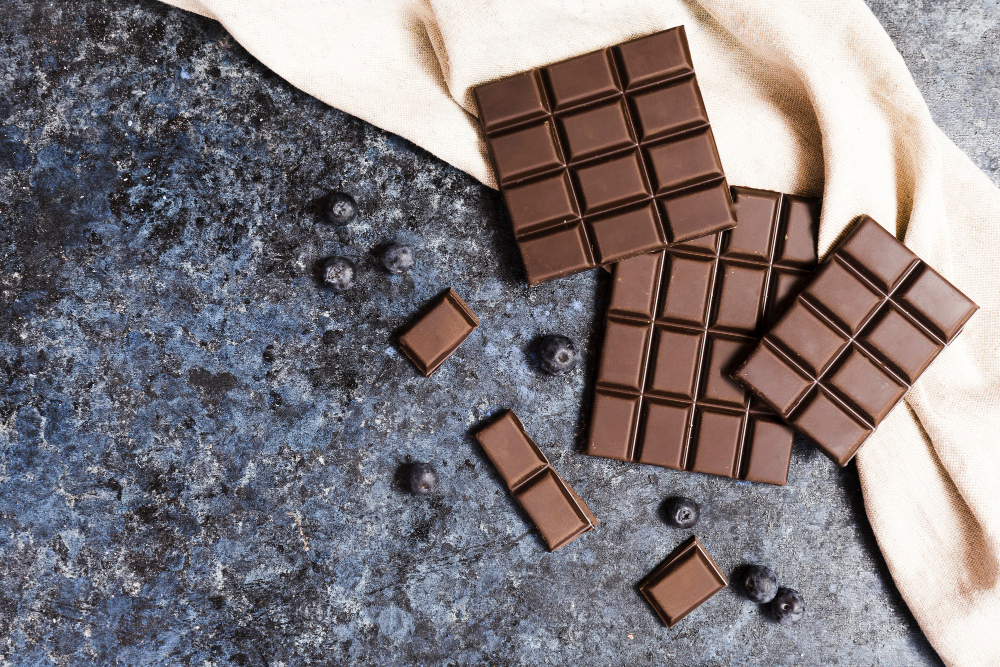
Adding a larger quantity of liquid disperses the particles fully instead of clumping them, which is how smooth sauces and drinks are made.
Too little is the problem, not too much. Full dispersion avoids seizing.
13. Milk Chocolate Is Softer
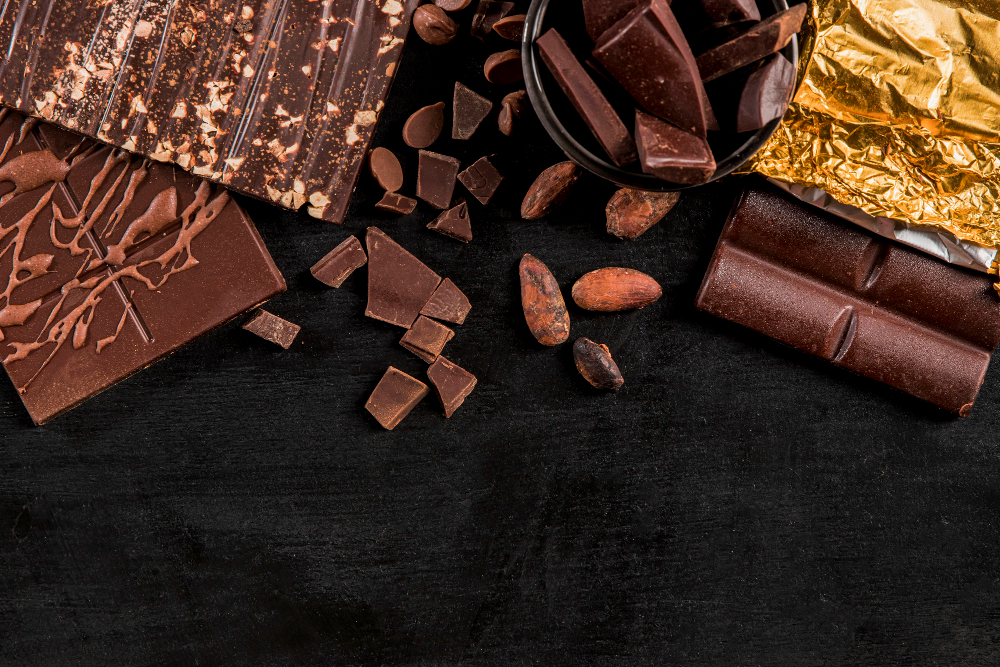
Milk fat interferes with cocoa butter crystallisation and lowers the melting point, which is why milk chocolate melts more readily than dark.
The added fat changes the structure. Mixed fats make softer chocolate.
14. White Chocolate Has No Cocoa Solids
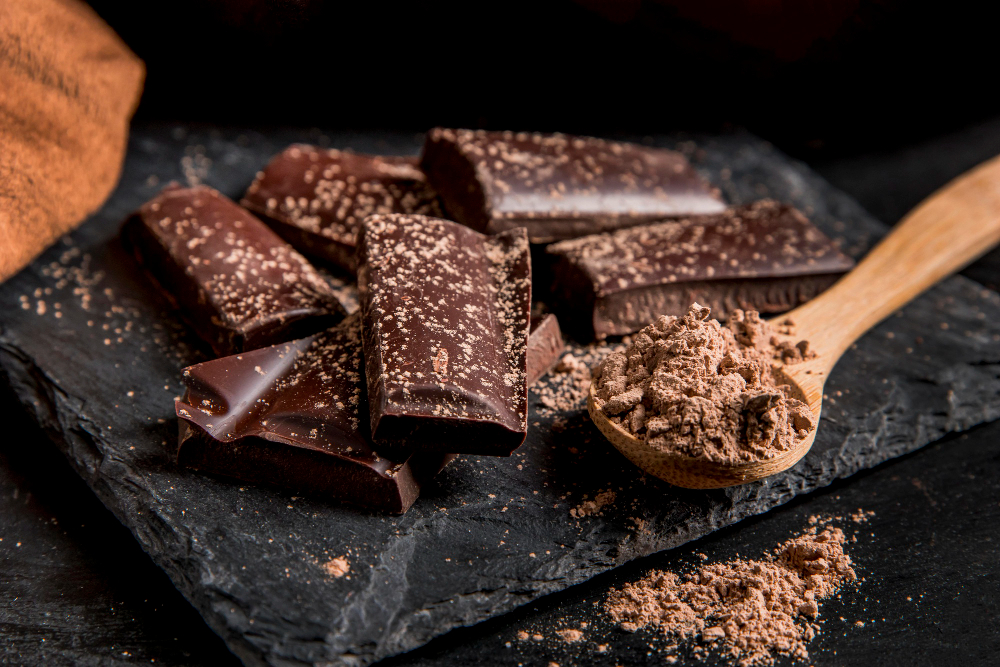
It contains cocoa butter, sugar and milk, but none of the dark cocoa solids that give ordinary chocolate its colour and much of its flavour.
It is the fat without the solids. Composition explains the difference.
15. Bloomed Chocolate Is Still Edible
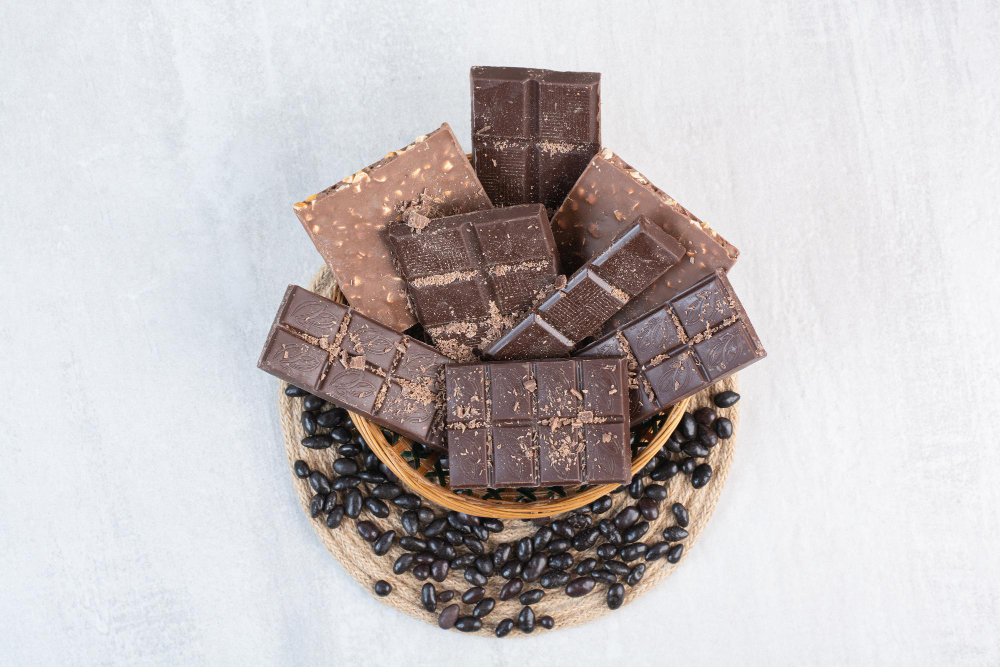
Chocolate with fat or sugar bloom has changed in appearance and texture, and can be melted and re-set in the correct form to restore it.
The problem is structural rather than spoilage. Re-tempering reverses bloom.
Six Crystals and Only One Is Right
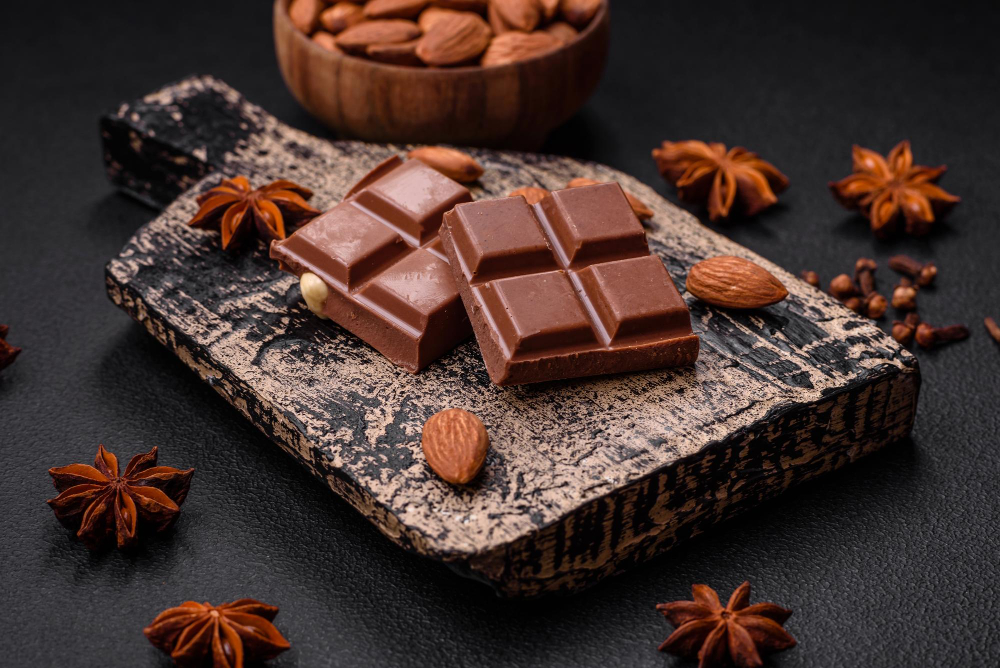
A fat that can set several ways, one form that gives the snap, the shine and the melt, grey streaks that are fat moving and a single drop of water that seizes the lot.
The eighth item is the one worth knowing. The grey film on old chocolate is almost always fat that has moved to the surface and set again, not mould – which means chocolate that looks spoiled is usually just chocolate that set in the wrong crystal form.