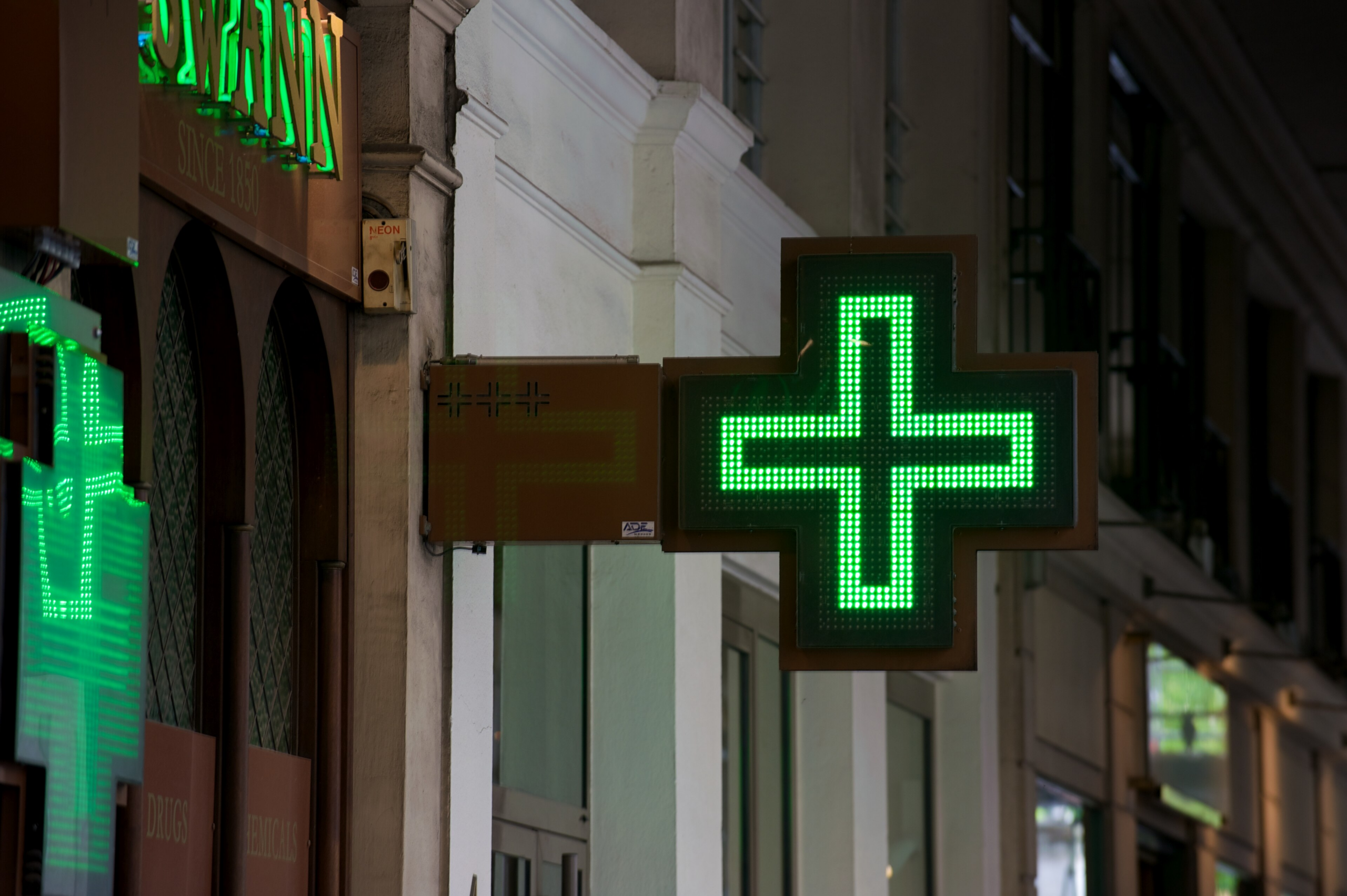
A balance, a soda fountain and a label that did not name the drug. Here are twelve.
1. The Pharmacist Made the Medicine Rather Than Counting It Out
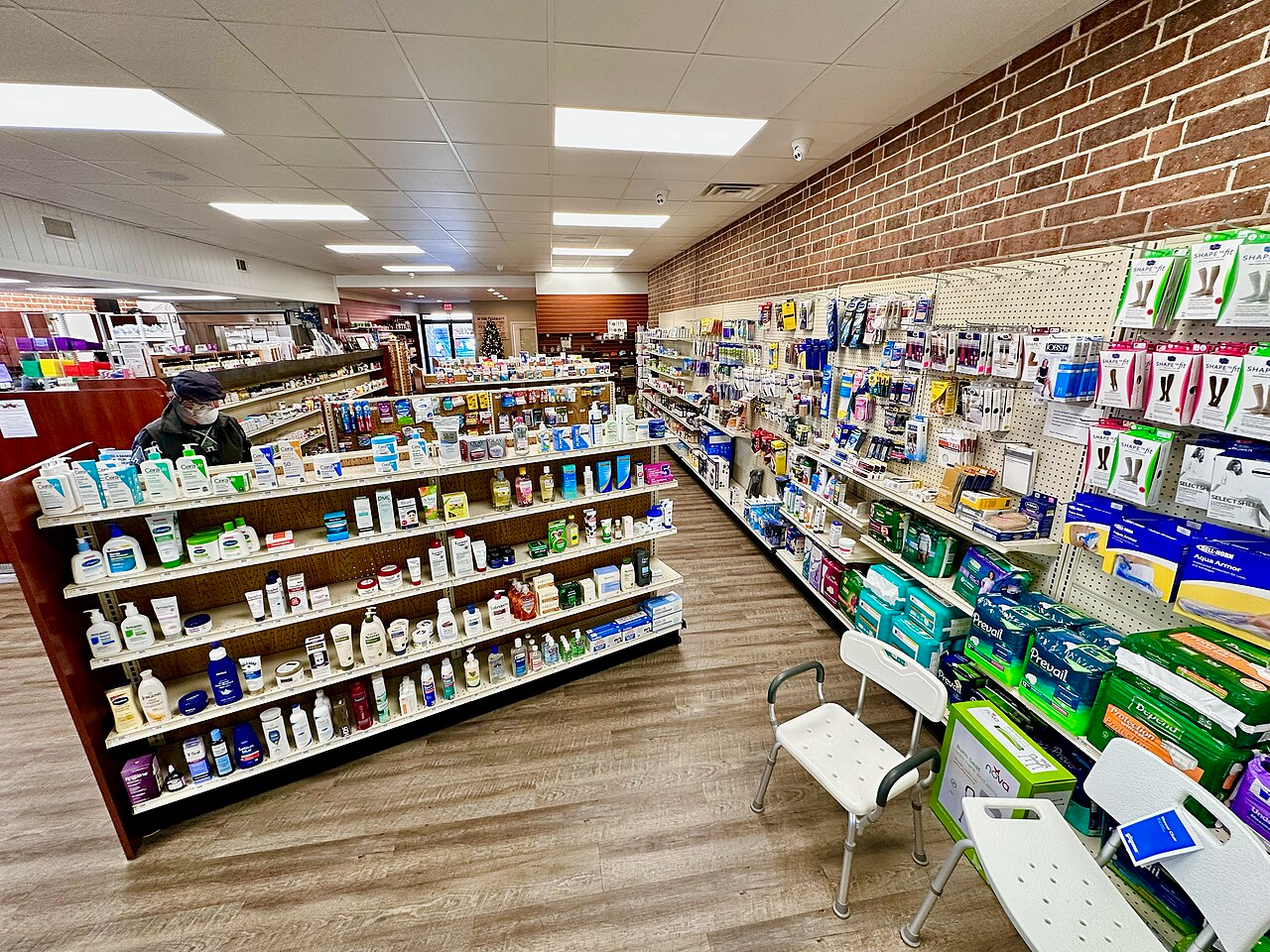
Compounding was a daily activity. Powders were weighed on a balance, mixed, divided and folded into papers; ointments were worked on a slab with a spatula; capsules were filled and liquids were measured and flavoured to order.
Pre-manufactured dosage forms replaced nearly all of it, and the skill went with the practice. What a pharmacist does now is enormously more about interaction checking, counselling and verification, which is more useful – but the mortar and the pill tile on the back shelf were working tools rather than decoration.
Like our content? Follow us for more.
2. There Was a Lunch Counter Selling Food Twelve Feet From the Dispensary
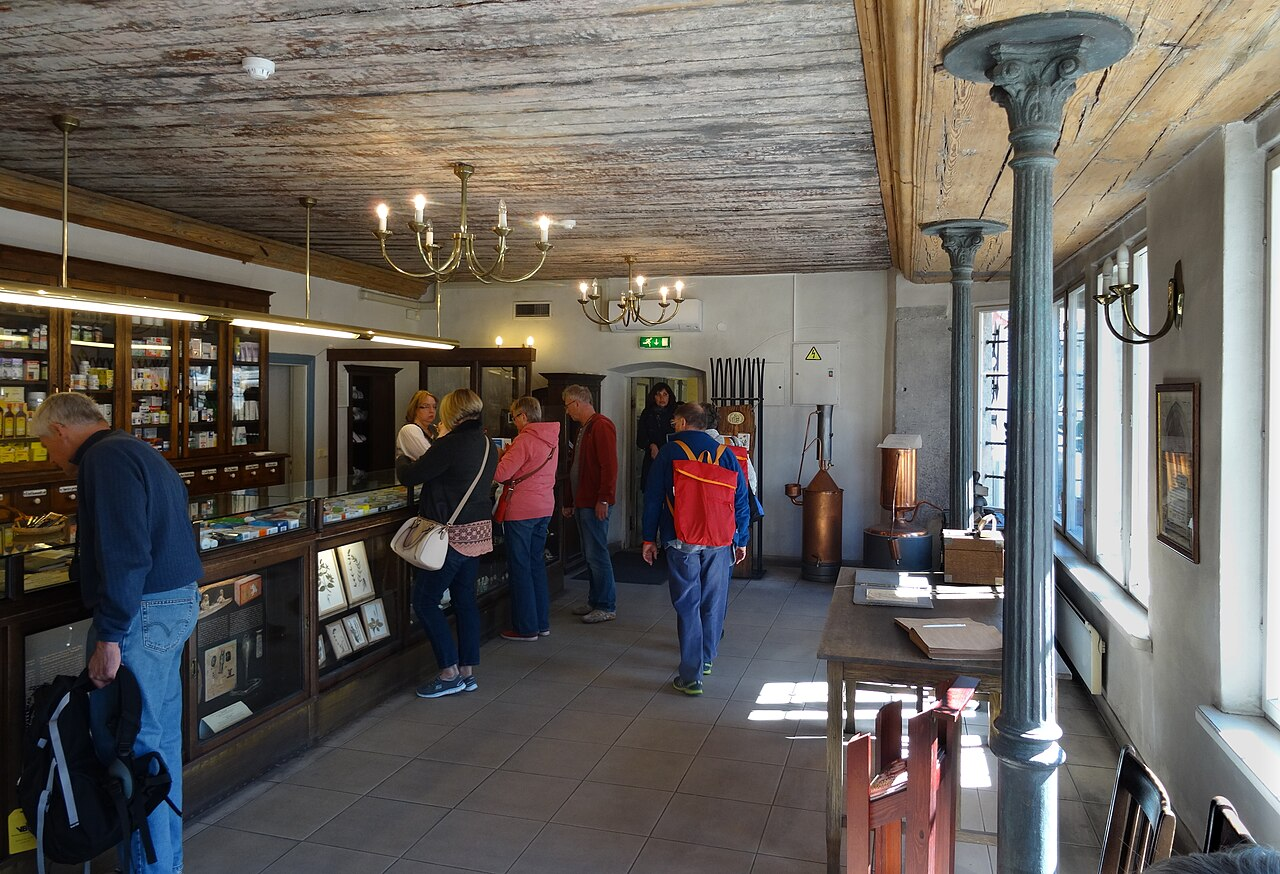
A soda fountain with stools, a short-order grill, a marble or laminate counter and a full menu operated inside the same room as the prescription department.
The combination looks bizarre now and it was the business model. The fountain brought people in daily and the dispensary made the margin, and the two subsidised each other. Separating food from pharmacy was a regulatory and operational decision rather than a commercial one.
3. The Soda Was Mixed From Syrup and Carbonated Water in Front of You
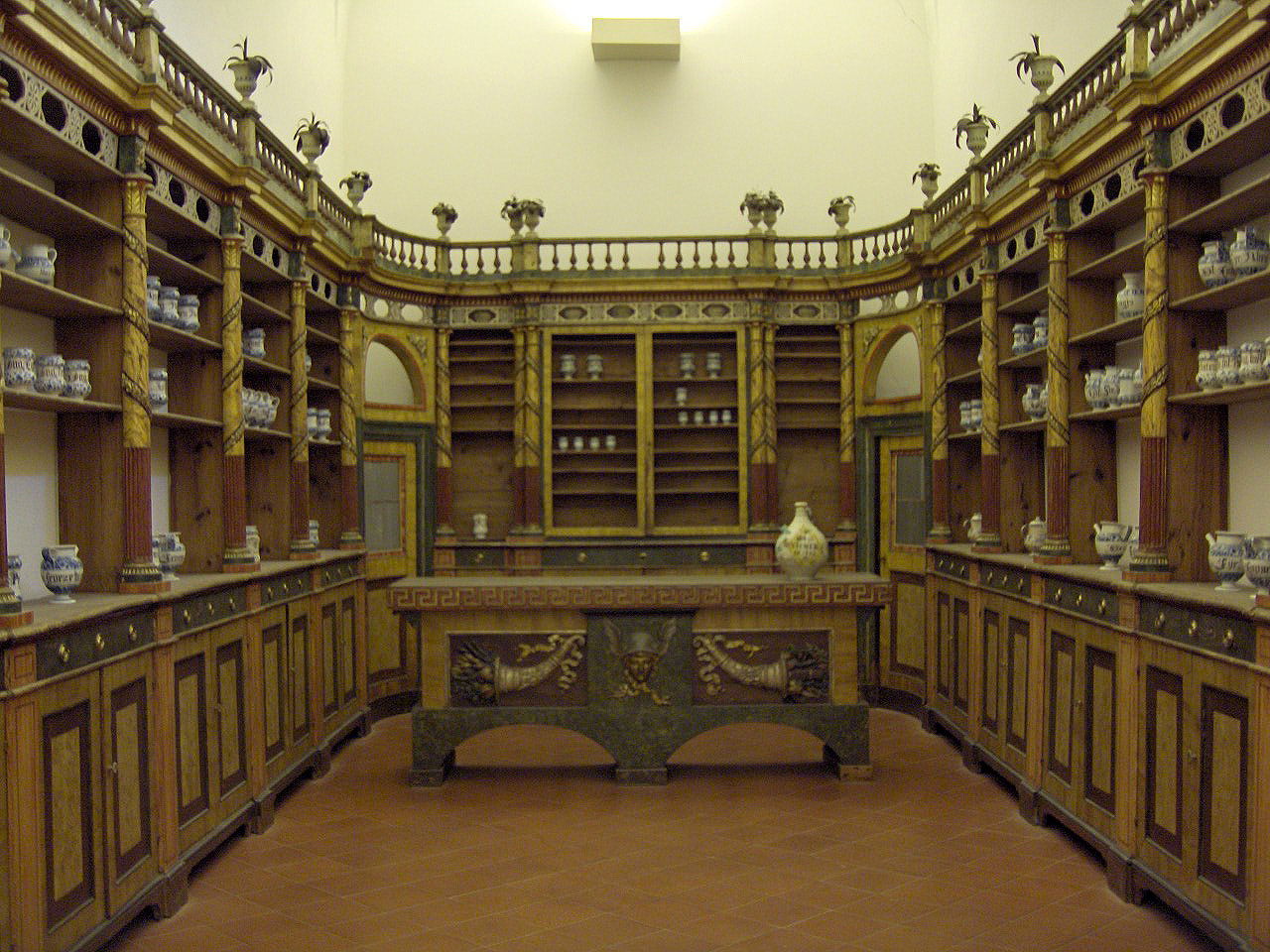
Flavoured syrup was pumped into a glass, charged water was added from a tap, and the whole thing was stirred with a long spoon by somebody who did it two hundred times a day.
Bottled and canned product ended it on cost and labour. The thing that was lost is adjustability – a fountain operator could vary the mix, combine flavours and make a drink to order, which is precisely the feature that modern specialist soda bars sell as a novelty.
4. You Could Buy a Great Many Things Without a Prescription That Are Now Controlled
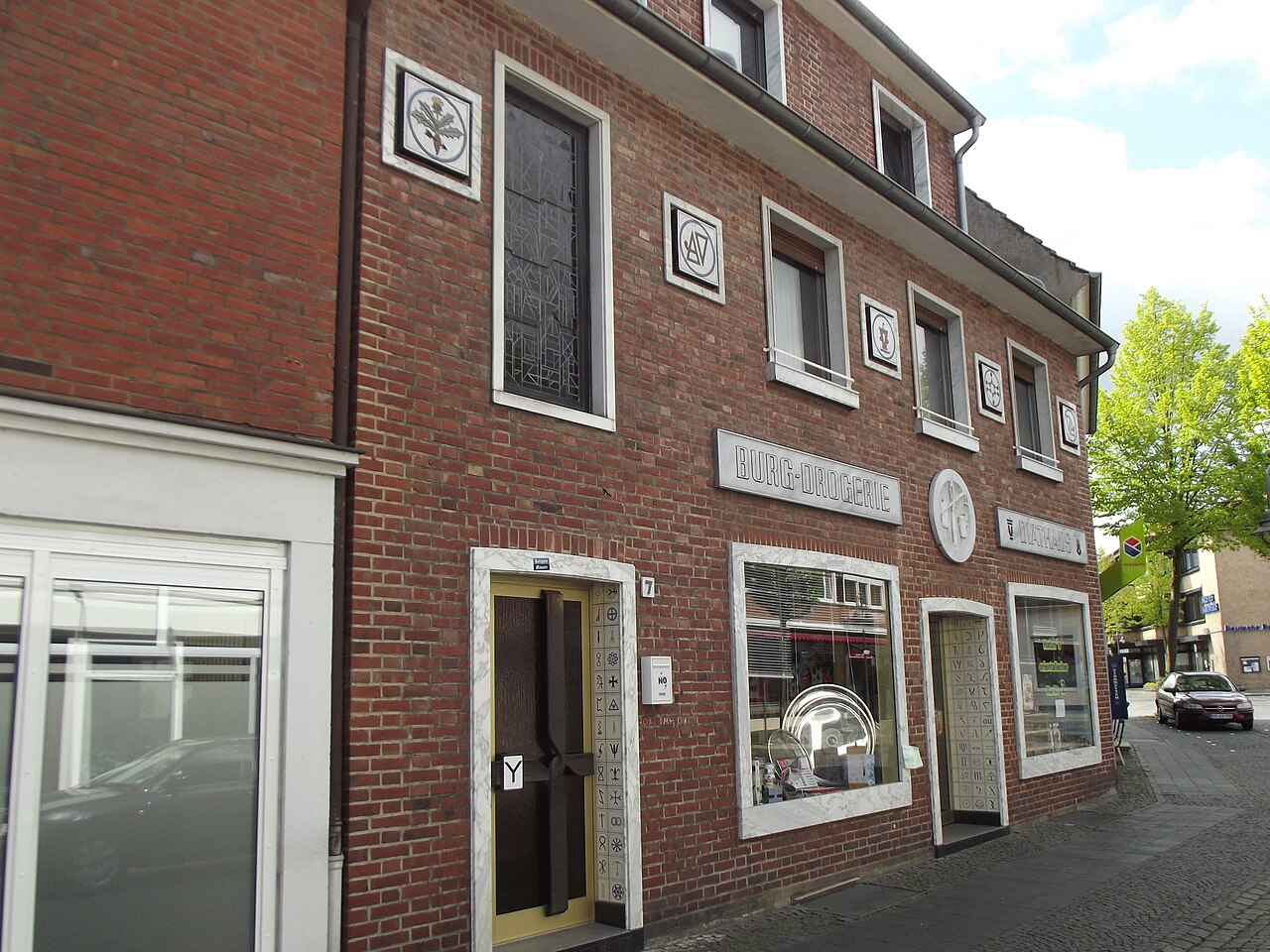
Preparations containing codeine, compounds now behind the counter or prescription-only, and a range of products since reformulated or withdrawn sat on open shelves.
The reclassification of medicines is continuous and almost invisible from outside. A drugstore shelf of 1964 is not a story about recklessness; it is a snapshot of where the line between self-medication and professional supervision happened to sit at that moment.
5. The Pharmacist Was the First Place People Went Instead of a Doctor
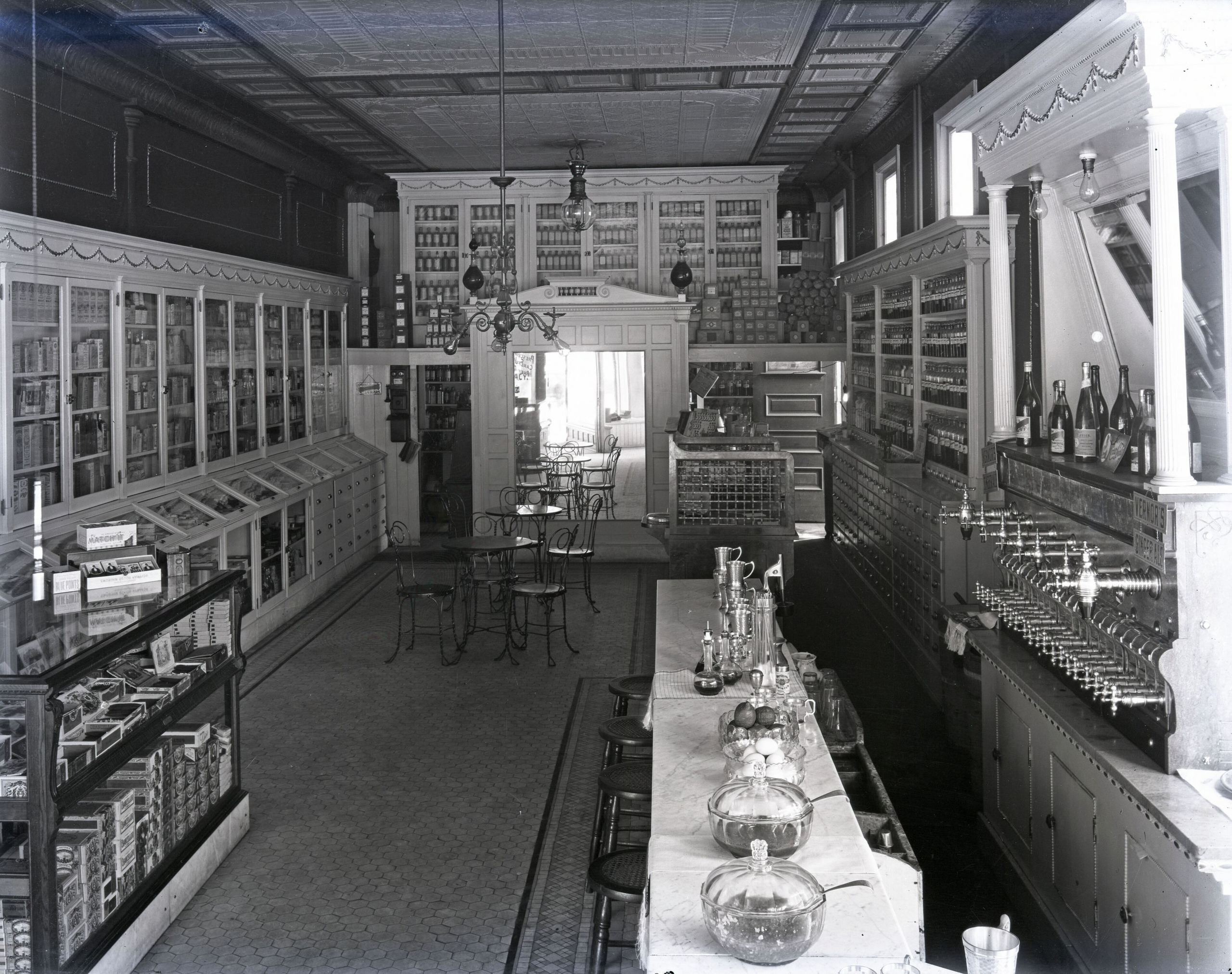
A customer described a complaint across the counter and the pharmacist advised, recommended a preparation, made one up, or said that this needed a physician.
That triage function was substantial and informal and it existed because a doctor’s visit was expensive and the pharmacist was free. The function survives in a formalised version – pharmacist consultation, minor ailment schemes, vaccination in some jurisdictions – and the formal version is better, but the volume was higher when it was a conversation.
6. There Was a Window at the Back for Prescriptions and a Screen in Front of It
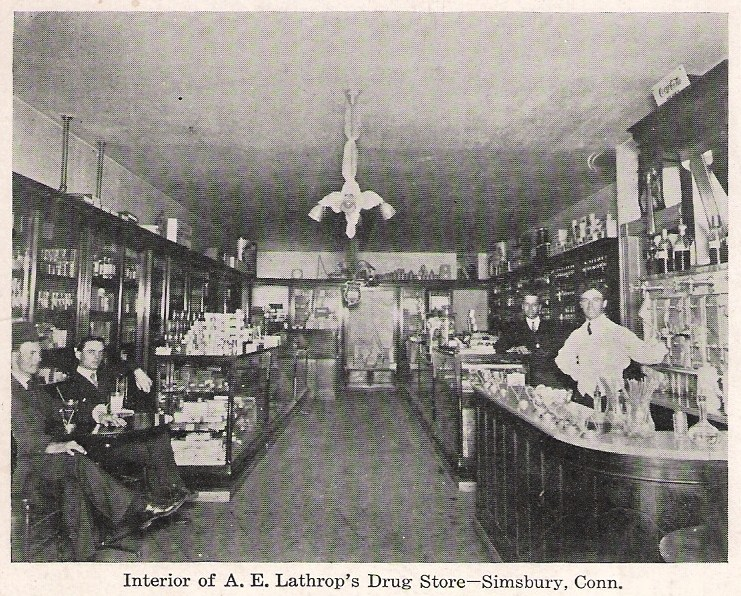
The dispensary was physically separated, raised, and frequently screened or frosted, so that the preparation of a medicine happened out of sight.
The separation was partly practical and partly theatrical. Hidden preparation reads as expertise, which is the same reason an open kitchen reads as honesty – the choice of what to show a customer is always a claim about what the business wants to be trusted for.
7. The Shop Sold Film and Developed It
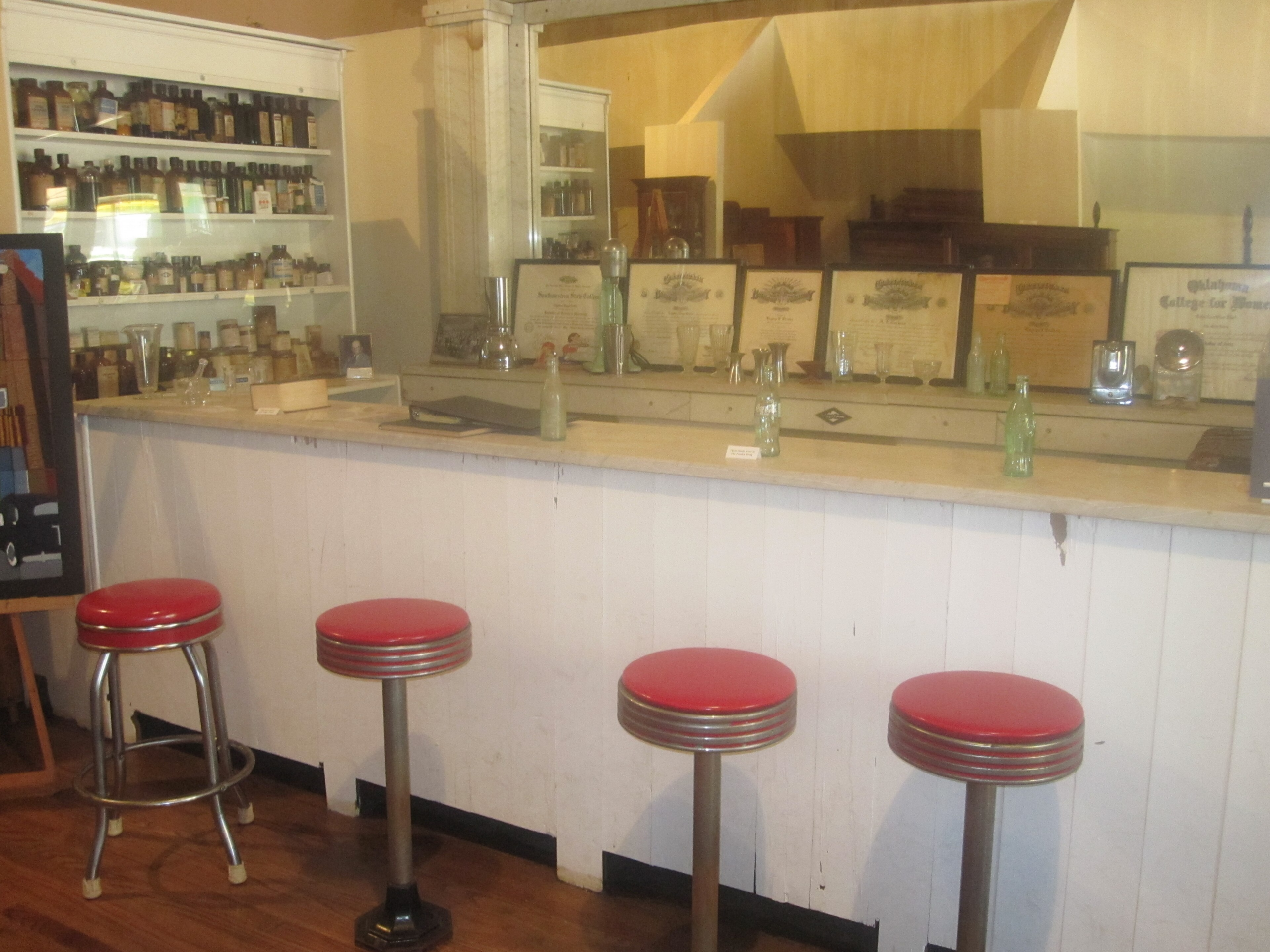
Photographic film, cameras, flashbulbs and a developing service were a serious department, with prints returned in paper envelopes a few days later.
Photo processing was one of the most profitable things a drugstore did and it funded a great deal else. It vanished within about a decade of digital imaging, and the empty counter at the back of a modern pharmacy is frequently where the photo desk was.
8. Half the Floor Was Not Medicine at All
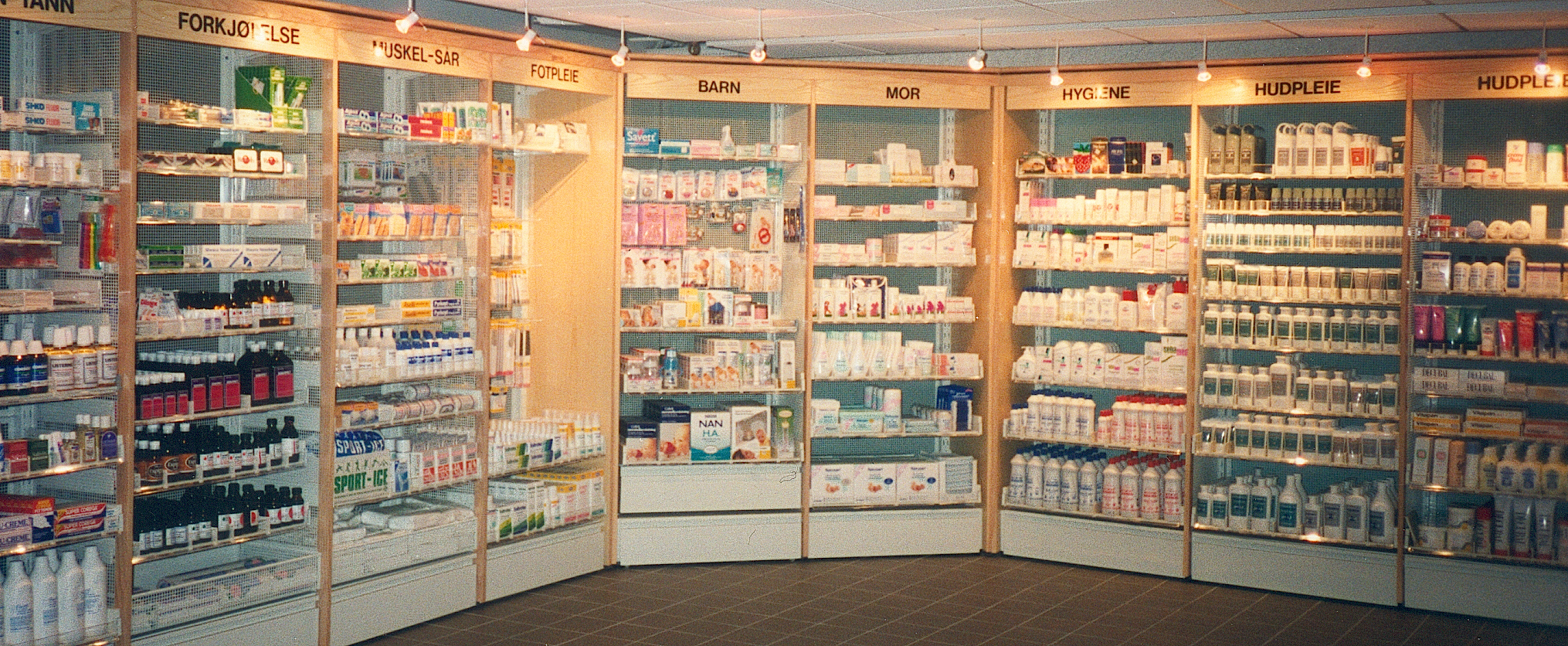
Cosmetics, greetings cards, tobacco, magazines, confectionery, toys, stationery, hot water bottles and gifts occupied a substantial share of the shop.
The general merchandise was not a dilution of the business; it was the traffic. People came in weekly for a newspaper and a bar of chocolate, which is how the pharmacy stayed in the front of their minds for the week they needed it – a logic every modern chain still follows.
9. Everything Was Behind Glass and You Asked For It
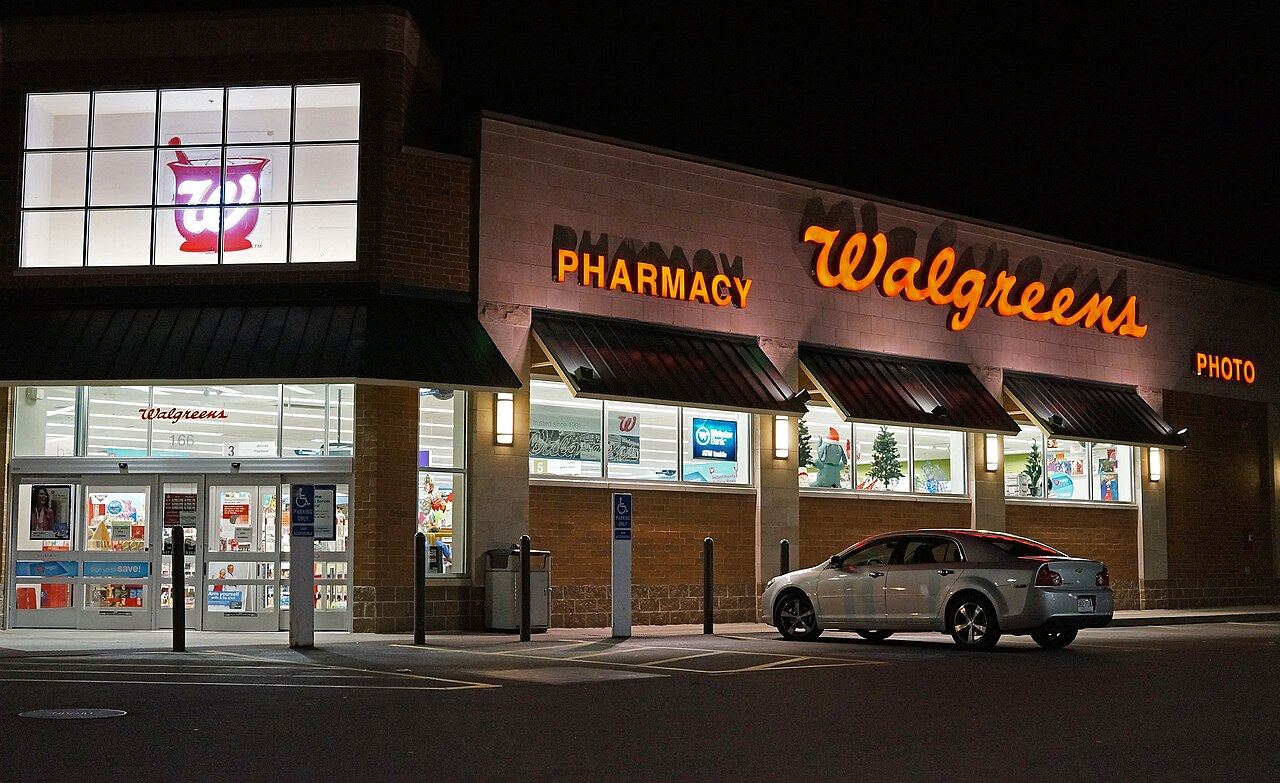
Open self-selection was limited. Much of the stock sat in glass-fronted cases and cabinets, and a customer pointed and a clerk retrieved.
Self-service was a deliberate retail innovation and it arrived late in pharmacy because the stock was valuable, small and easily pocketed. The move to open shelves traded shrink for volume, and the calculation went in favour of volume everywhere it was tried.
10. The Prescription Was Filed on a Spike and Kept for Decades
Completed prescriptions were impaled on a metal spike on the counter, then transferred to numbered files and retained, forming a continuous paper record of the town’s health.
Those files are a serious historical resource and most of them were destroyed. A complete prescription archive for a community across fifty years would be extraordinarily informative, and in all but a handful of cases it went in a skip when the shop changed hands.
11. The Label Was Typed and Said Almost Nothing
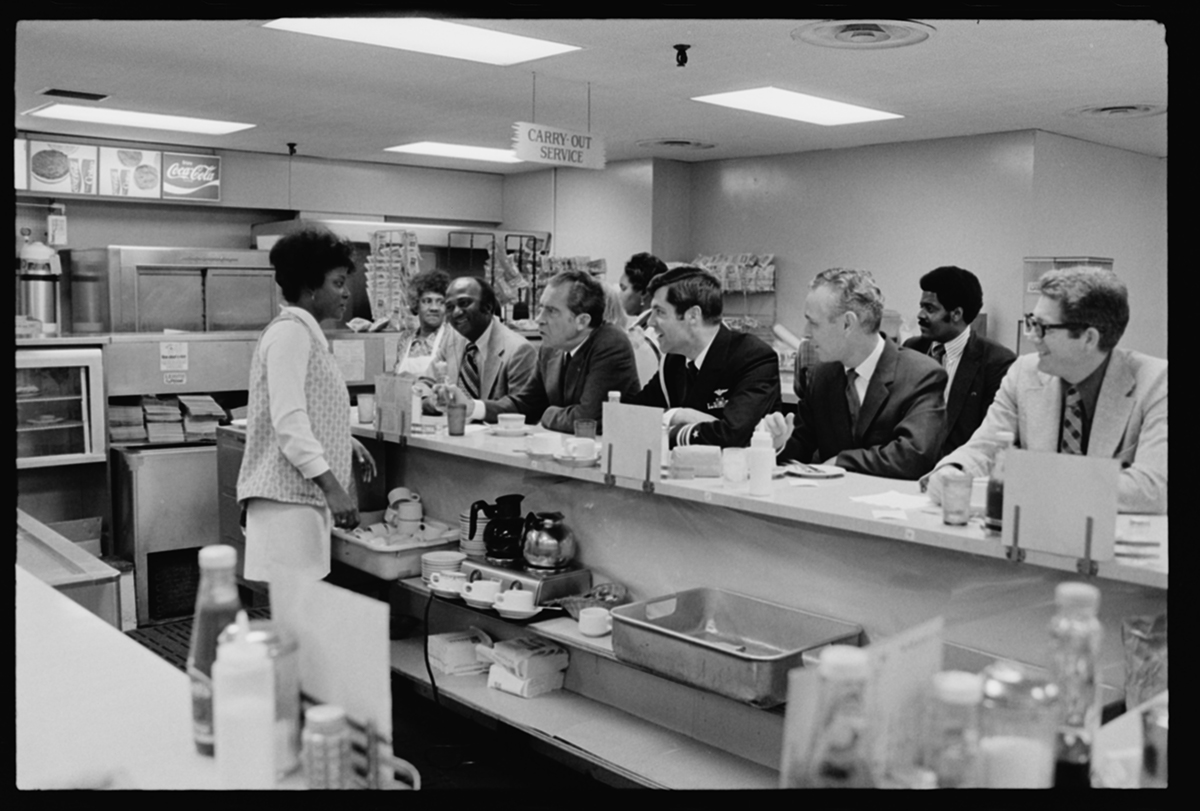
A typed label gave the patient’s name, the directions and the pharmacist’s details, and frequently did not name the medicine it was on at all.
Withholding the drug name was normal practice and was considered appropriate, on the same reasoning that withheld diagnoses from patients in the same decade. Labelling the contents, the strength, the quantity and the warnings is a comparatively recent requirement and it reflects a complete change in who the information is understood to belong to.
12. The Whole Shop Was Built Around One Person’s Judgement
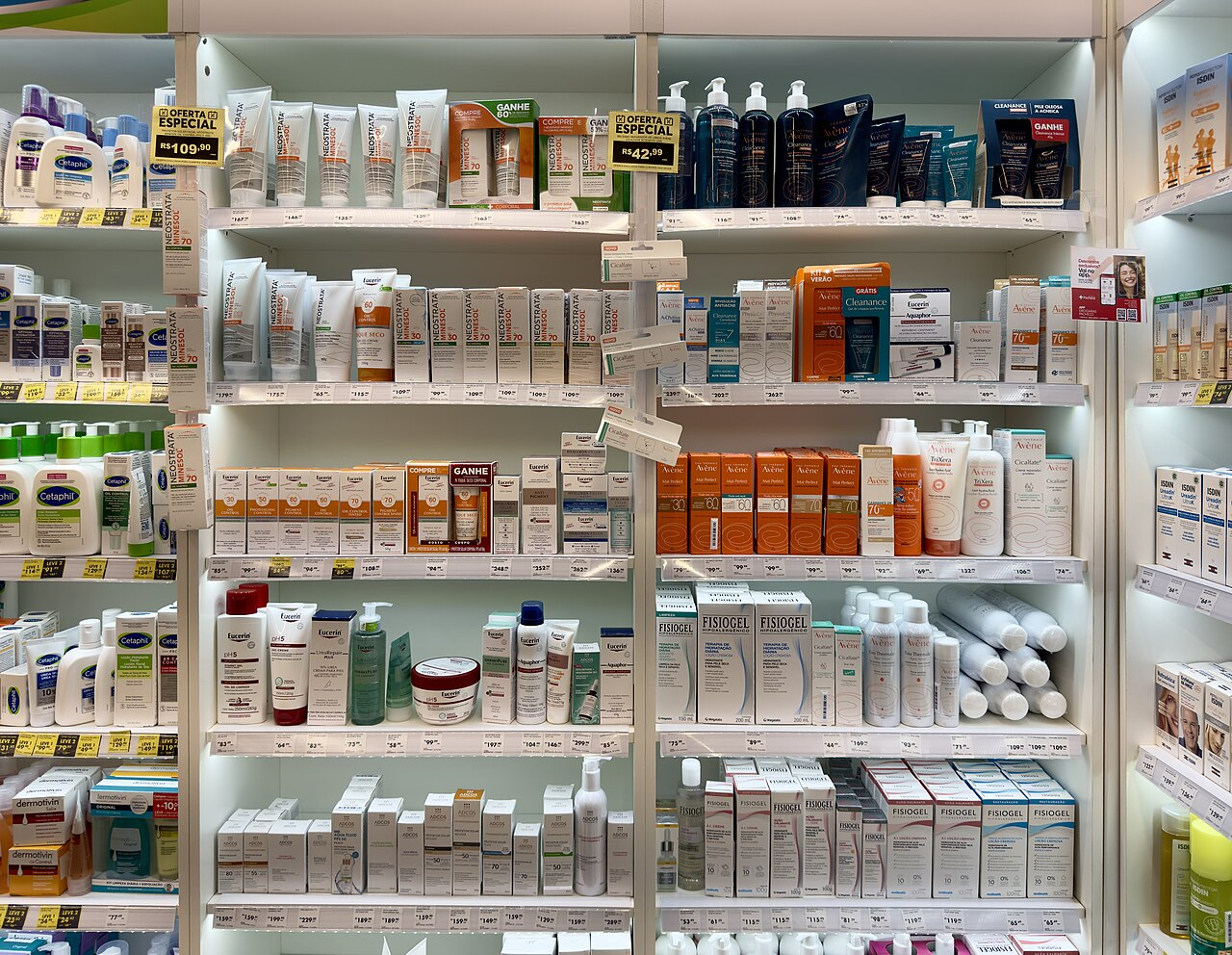
Read the list again. The compounding, the counter advice, the triage, the screened dispensary, the open shelf of now-controlled preparations and the label that did not name the drug.
Every one of them rested on a single trained individual exercising judgement in private, and the customer’s protection was that he had a licence and a reputation in the town. What replaced that is a system of documented interaction checks, mandatory labelling, scheduled controls and recorded counselling – which is unambiguously safer, and which no longer requires anybody to trust a particular man behind a particular screen.
One Licence and a Reputation
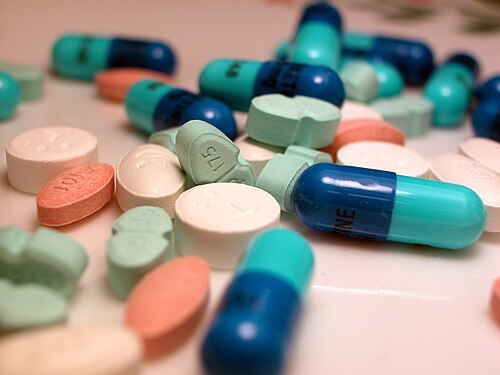
The American drugstore of 1964 was three businesses in one building and they held each other up. The fountain and the general merchandise brought people in weekly, the photo department made money, and the dispensary at the back was the thing that required the licence and justified the rest.
What has changed is not primarily the shop. It is where the safety sits.
In 1964 nearly every safeguard in that building was one trained person’s judgement: what to compound, what to advise, what to recommend, what to refer to a physician, what to put on a label and what to leave off it. The customer’s protection was that he was licensed and that he lived in the town.
The modern equivalent is a system rather than a person – documented interaction checking, mandatory labelling of contents and warnings, scheduled controls on what may be sold and to whom, recorded counselling and a prescription record that follows the patient. It is better, straightforwardly, and it is also why the mortar on the shelf is now an ornament.
The one real loss is the triage. A pharmacist who would listen to a complaint for nothing, in a decade when a doctor’s visit was expensive, was doing an enormous amount of unrecorded primary care. The formal versions that exist now are better designed and considerably harder to walk into.
If you find an old prescription in a family drawer, look at the label. There is a reasonable chance it does not tell you what the medicine was, and that was deliberate.
Like our content? Follow us for more.