

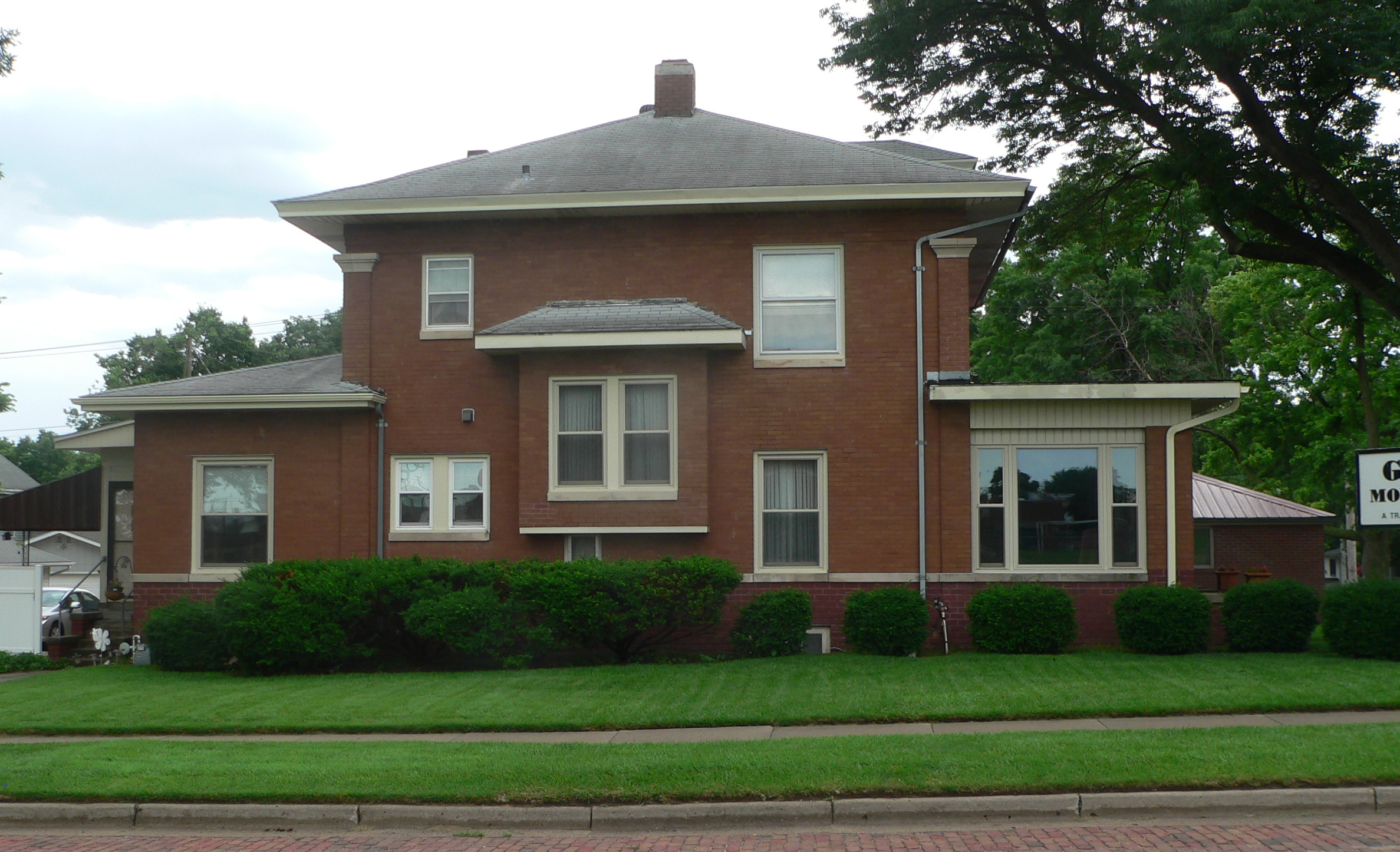
The parlour, the ribbon on the door, and the one thing no business ever took over. Here are ten.
1. Before the Funeral Home Existed, All of This Happened in the Front Room
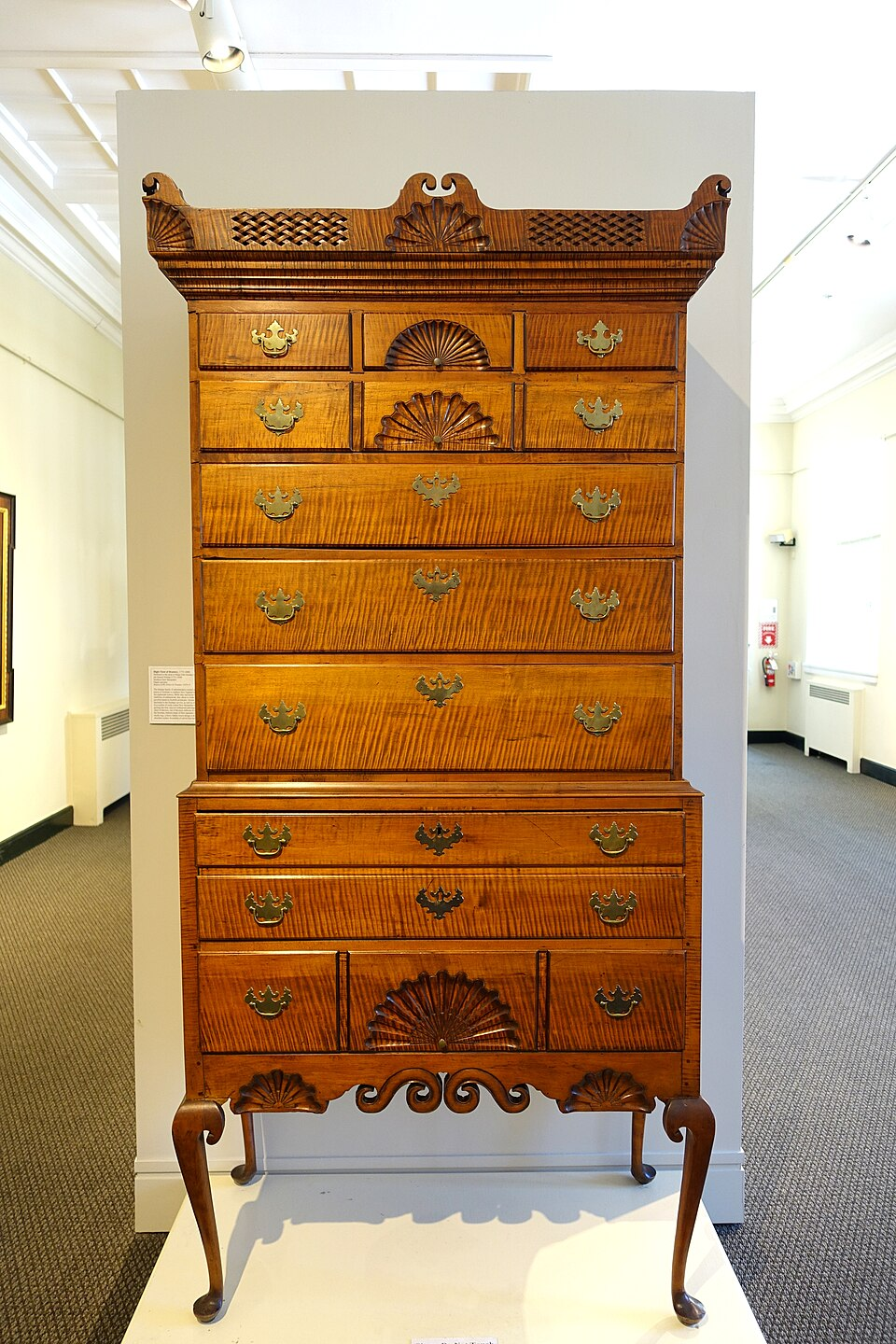
A death was managed by the household. The body was washed and dressed at home by family and neighbours, laid out in the parlour, and visitors came to the house for several days.
That is why American houses of a certain age have a formal front room nobody used, and why it was sometimes called the death room. The move of the whole business out of the house and into a dedicated building is the single largest change here, and it was substantially complete by 1963 – which is why the room had already become the living room.
Like our content? Follow us for more.
2. The Funeral Director Was Frequently the Furniture Maker
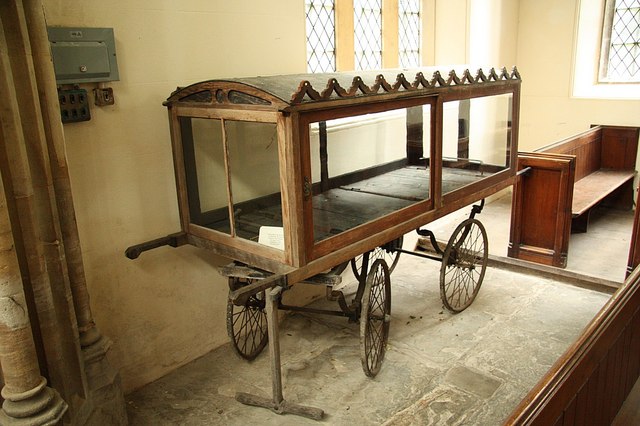
The trade grew out of cabinetmaking, because the person in town who could build a coffin was the person who worked in wood.
The progression from furniture to coffins to managing the whole occasion is documented in a great many American businesses, and it is why so many old funeral homes have a family name over the door that also appears on a nineteenth-century furniture advertisement. The skill transferred; the business expanded around it.
3. The Building Was a Large House Because It Had Been One
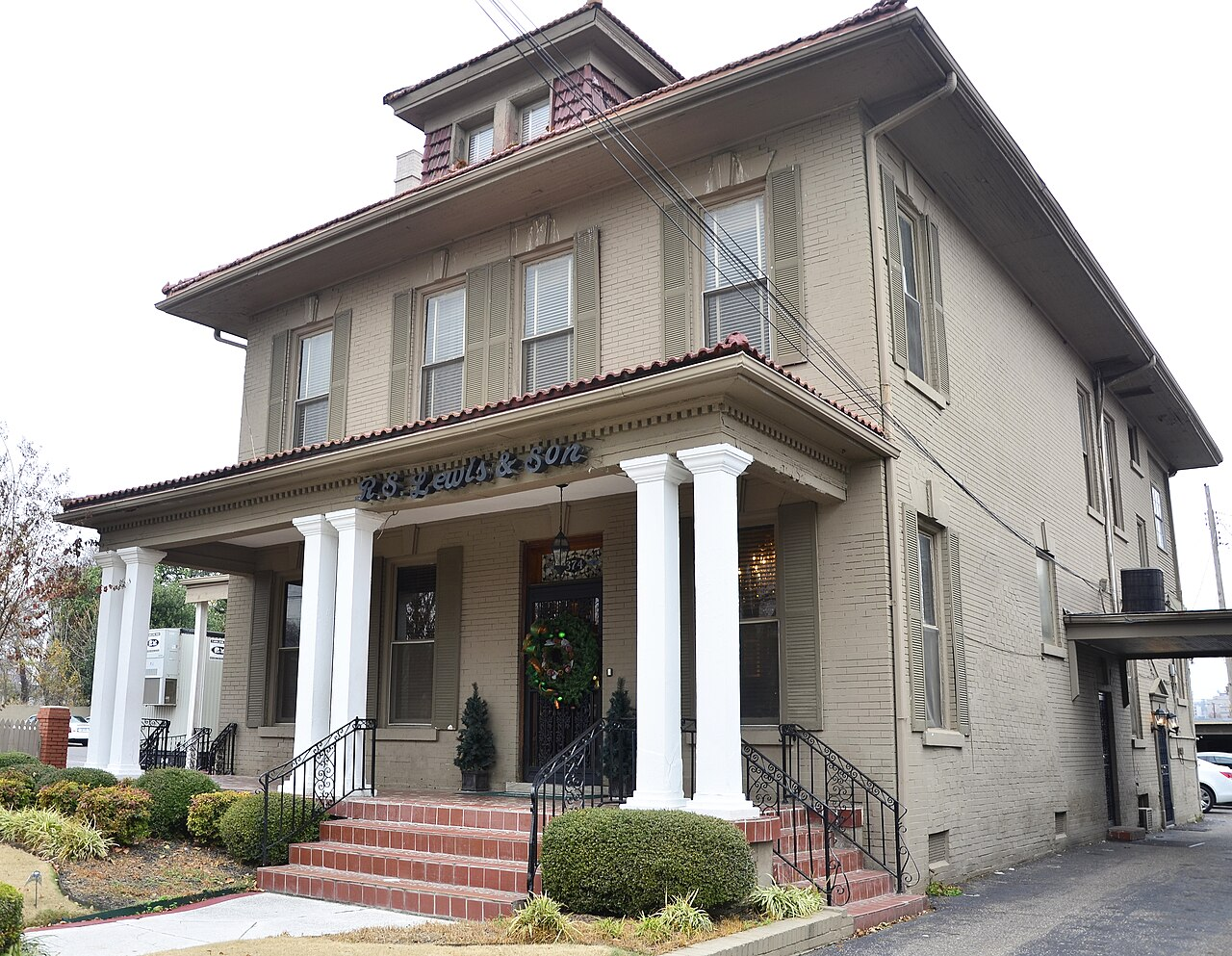
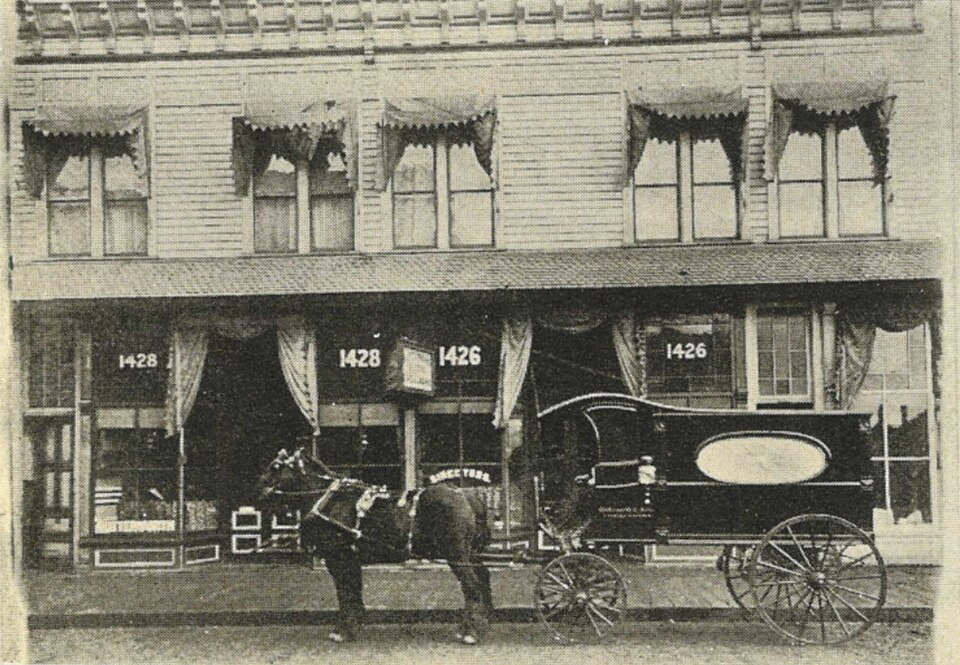
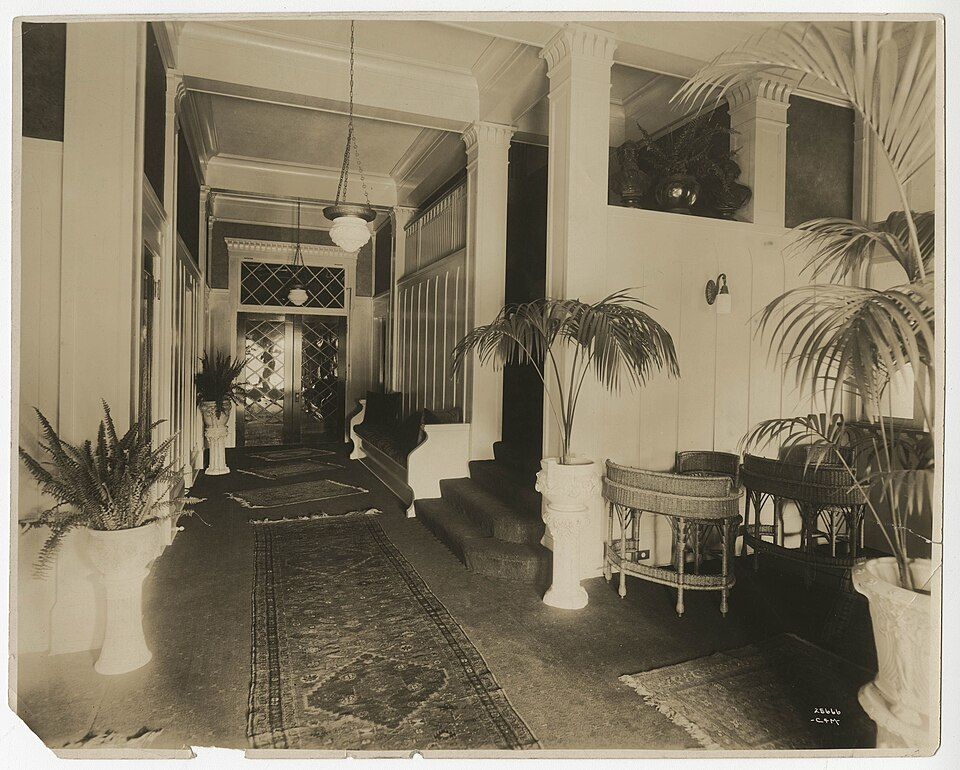
Funeral homes were commonly converted residences – a substantial house on a good street with a porte-cochere, reception rooms and a wide staircase.
The conversion is deliberate rather than economical. A bereaved family is being asked to do something unfamiliar, and a domestic building with parlours and soft furnishings signals that this is a reception rather than a transaction. Purpose-built premises came later and most of them still imitate a house.
4. A Wreath or a Crepe Ribbon on the Front Door Told the Street
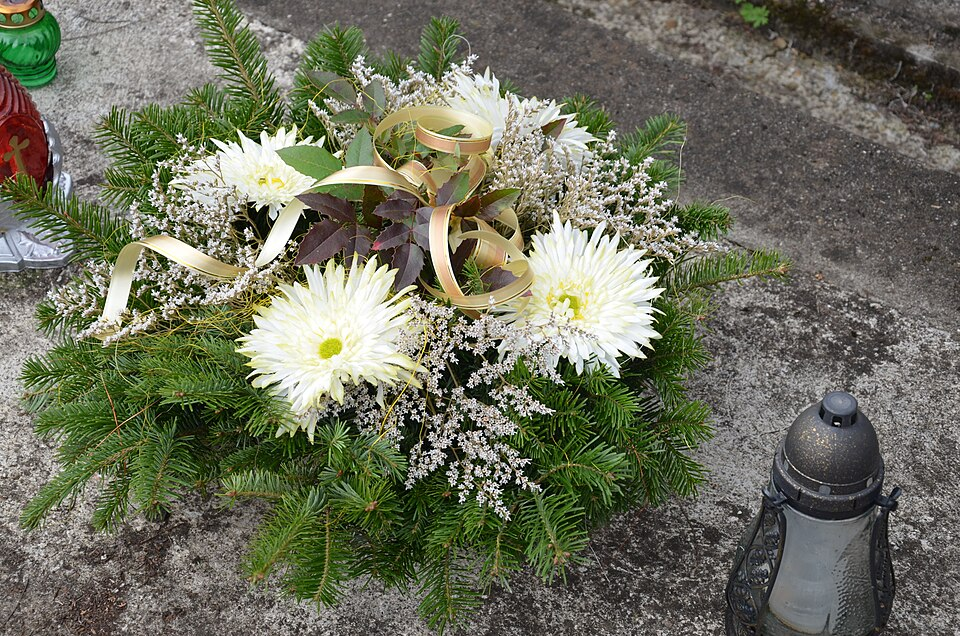
A door badge – a wreath, a bow, a length of black crepe – announced a death in the household to everybody passing, without anybody having to say anything.
It was a public notification system and a request for a particular behaviour: neighbours lowered their voices, children were kept off the lawn, and callers knew to come to the back. The practice faded with the move to funeral homes, since the death was no longer happening at the address.
5. The Hearse Walked at the Front and the Whole Street Stopped
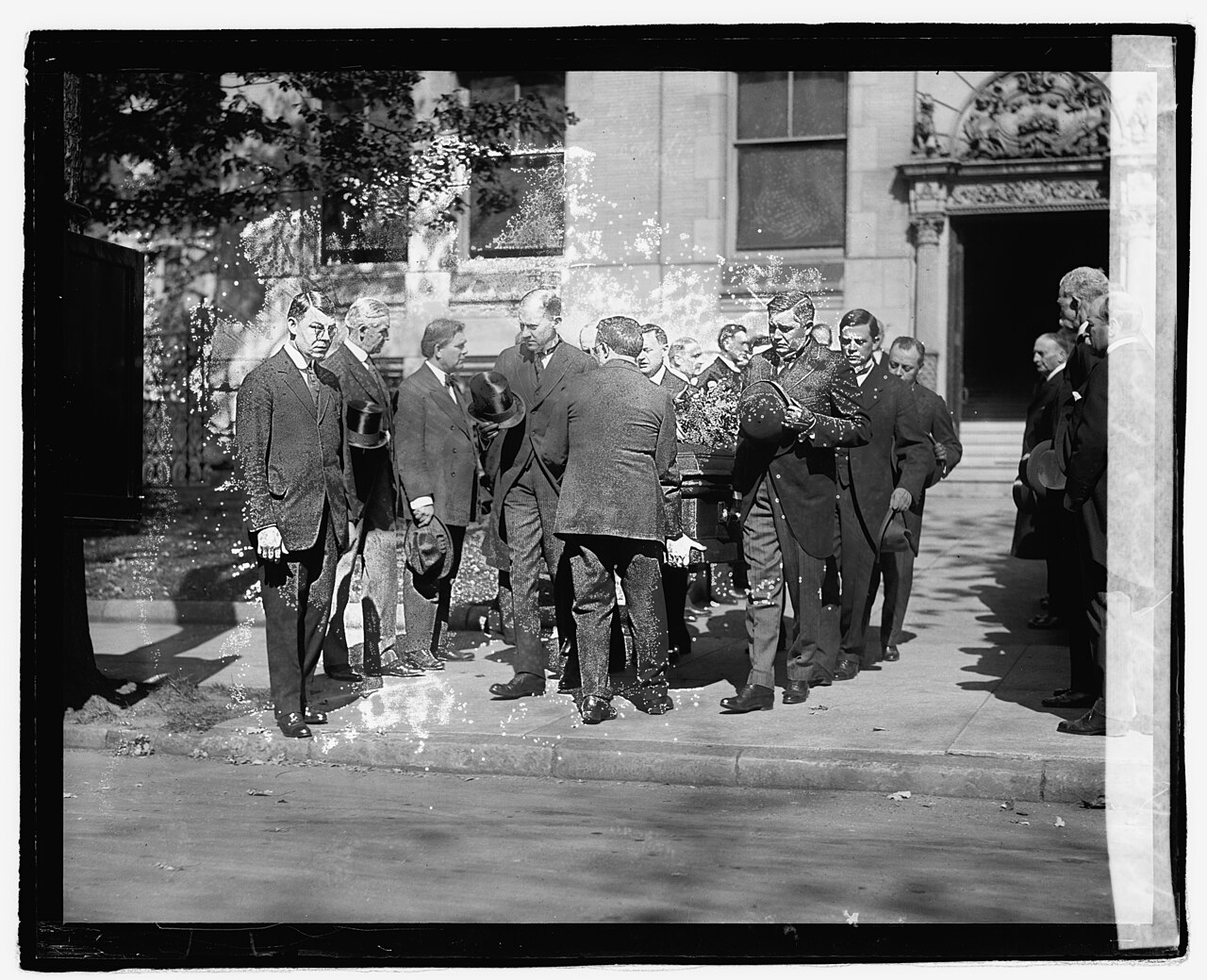
A procession moved at walking pace from the house or the church to the cemetery, and traffic, pedestrians and people in shop doorways stopped and men removed their hats as it passed.
The stopping was universal and was not required by anybody. It survives in a weakened form – some American states still give a funeral procession right of way and some drivers still pull over – and it is one of the last pieces of unwritten public behaviour that a majority of people still recognise.
6. Viewing Was Expected, Extended and Attended by Almost Everybody
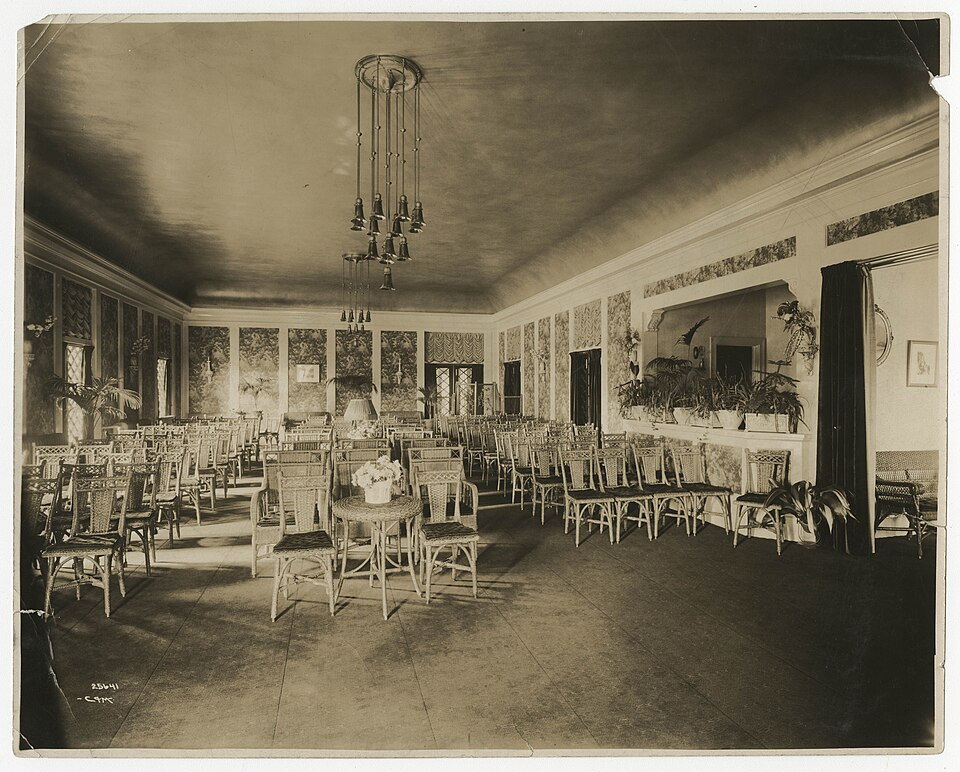
The body was present, in an open casket, over one or more evenings, and attendance was a social obligation that extended well beyond close family.
The open casket and the multi-evening visitation are distinctively American and remain common, where most of Europe moved away from both. The stated reasoning has always been that seeing is part of accepting, and whether that is correct is still debated – but the practice is a deliberate choice rather than an accident.
7. Children Were Brought and Were Expected to Behave
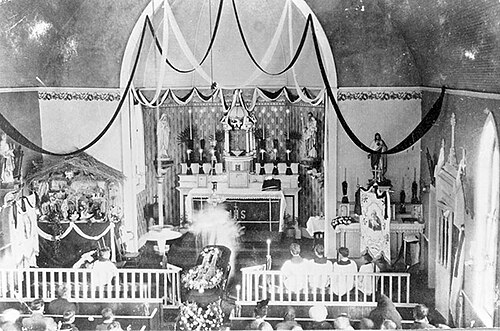
Children attended visitations and funerals as a matter of course, were lifted to see, and were not shielded from the fact or the room.
The shift to excluding children came later and is now partly reversing, on the reasoning that exclusion produces its own difficulties. It is the item on this list where the advice has changed direction twice, which is a reasonably good sign that nobody is certain.
8. The Food Arrived Without Anybody Being Asked
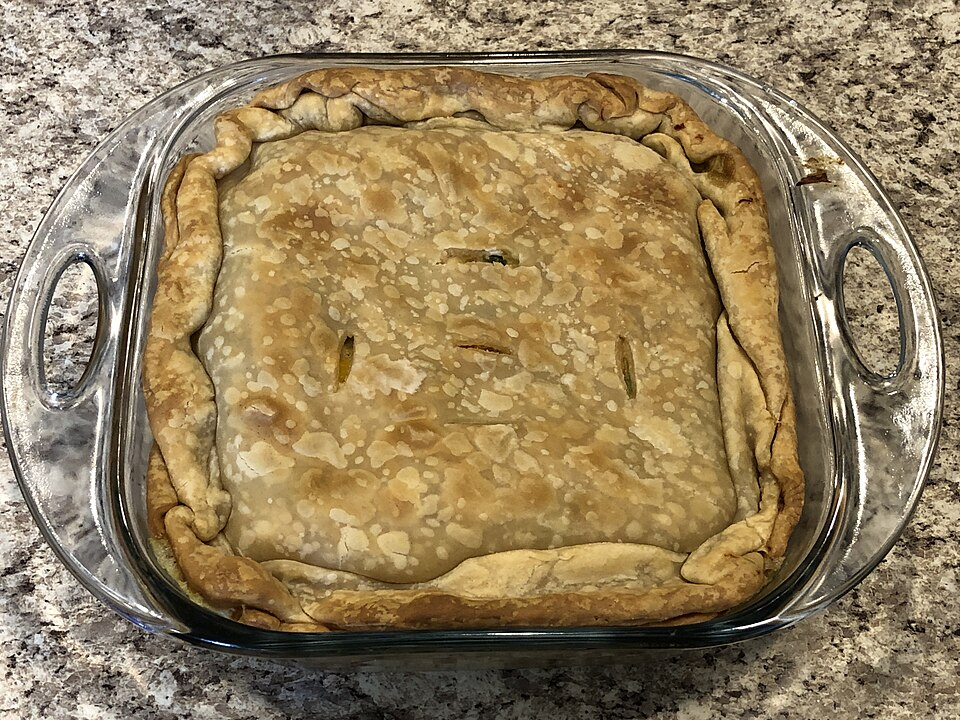
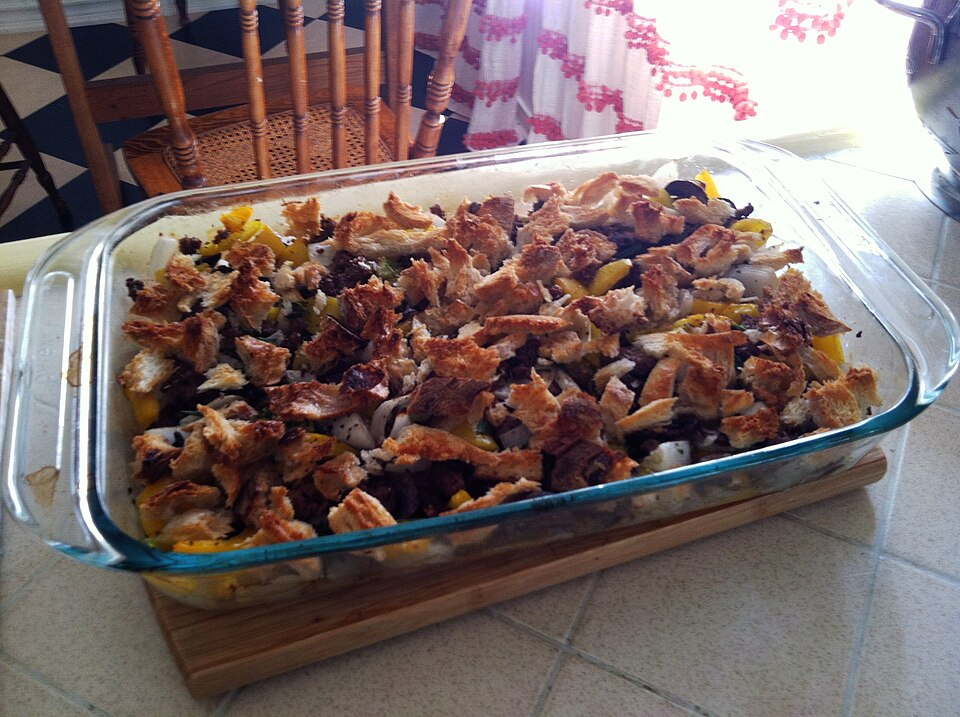
Neighbours and congregation members brought dishes to the house continuously for days, in a coordinated arrangement nobody had organised.
The casserole response is a real and effective piece of social infrastructure. It solves a specific problem – a household in shock cannot cook – and it does so through an informal network with no leader, no list and no instruction, which is why it worked and why it is so hard to deliberately reconstruct.
9. The Whole Town Read the Notice in the Paper
A death notice in the local newspaper was the announcement of record, carried the arrangements, and was read as a matter of routine by people with no connection to the family.
Reading the notices was an ordinary daily habit rather than a morbid one, and in a town of any size it was how you learned what had happened. Its replacement – a notice on a funeral home’s website and a post on a social platform – reaches the people who already know and almost nobody else.
10. Almost Everything Here Moved From the Household to a Business, and the One Thing That Did Not Is the Food
Read the list again. The laying out, the viewing, the reception, the notification, the procession and the arrangements all moved out of the house and into a professional’s building within about two generations.
The transfer was real, it was fast, and it was mostly welcomed – the work is difficult, the household is in no state to do it, and a trained person doing it properly is a kindness. But one thing resisted entirely. The food still arrives, unasked, from neighbours, in dishes that have to be returned – and it is the only part of the whole arrangement that no business has ever taken over, because the point of it was never the food.
Everything Moved Out of the House Except the Casseroles
The American funeral changed address. That is the whole story of this list.
In the nineteenth century a death was household work. The family and the neighbours washed and dressed the body, it was laid out in the front room, the street was told by a ribbon on the door, and callers came to the house for several days. The formal parlour in an older American house exists partly for that purpose, which is why it was sometimes called by a much blunter name.
Within about two generations all of it moved into a dedicated building, typically a converted house run by a family whose business had grown out of cabinetmaking, because the man who could build a coffin was the man who worked in wood. By 1963 that transfer was substantially complete, and the parlour had become the living room.
It is worth saying plainly that this was mostly a good change. The work is hard, it requires knowing things, and a household in the first days after a death is in no condition to manage any of it. Paying a trained person to do it properly is a kindness rather than a loss.
But one element refused to move, and it is the most interesting thing here. The food still arrives. Neighbours still bring dishes, uninvited, in containers that have to be given back, in a coordinated effort that nobody coordinates – and no business has ever managed to take it over, because the dish was never really about feeding anybody. It was a way of being present without having to say anything, and that is not a service you can buy.
If you know an American house built before about 1910, look at the front room with the double doors. That is what it was for, and the reason it has two doors is that something had to be carried through it.
Like our content? Follow us for more.
