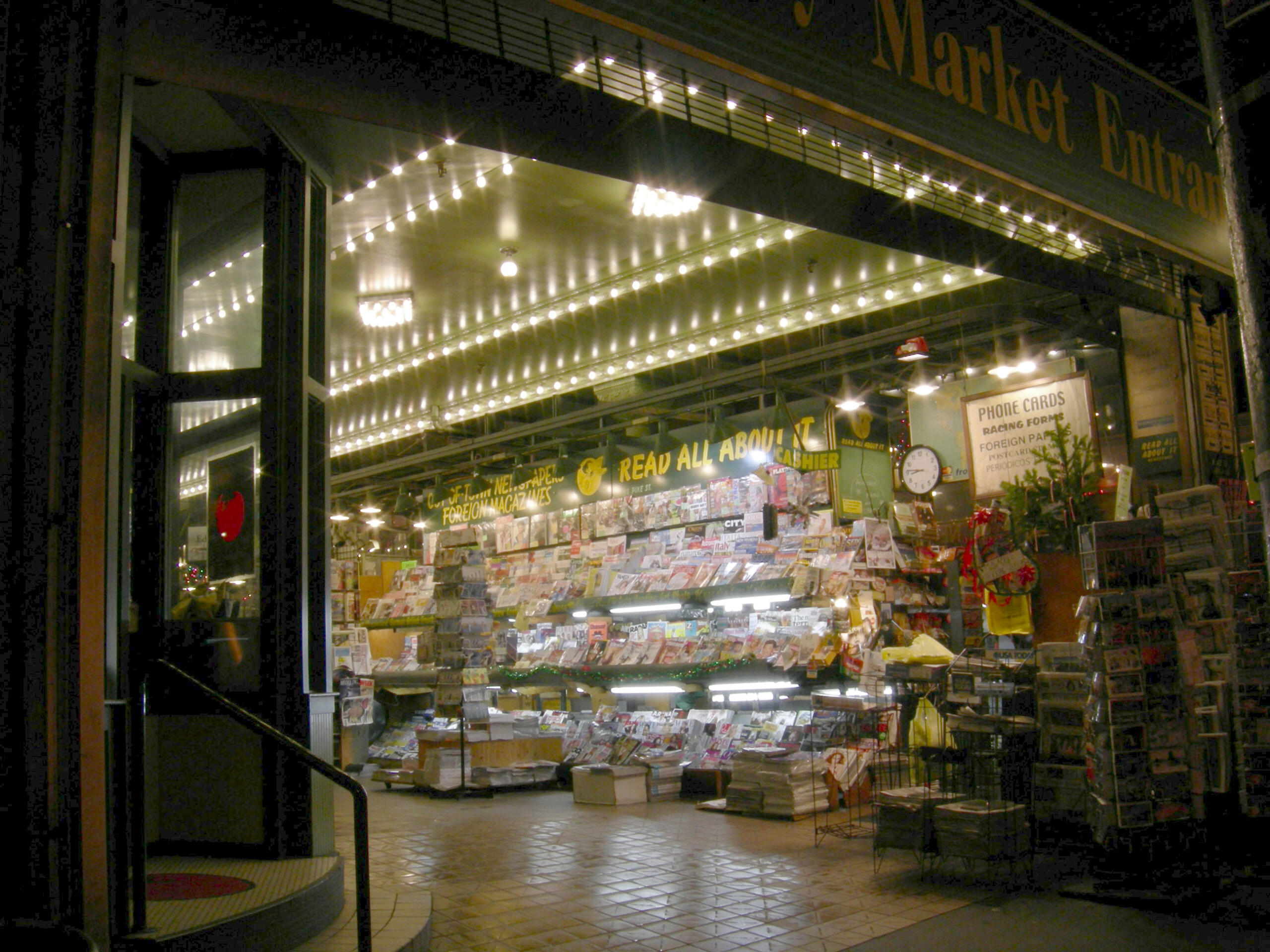
A newsstand was a very small business in a very small building, and in American cities there were thousands of them – on corners, outside stations, in hotel lobbies, built into the sides of buildings and standing free on the pavement.
What it sold has mostly moved to a screen, and the trade that sold it has gone with it. But the way it operated was specific and strange, and several features of it have no modern equivalent at all.
Here are ten things about the American corner newsstand in 1964 that would sound made up to anybody who has only bought a newspaper in a shop.
1. There Were Several Editions a Day and the Price of Being Late Was Real
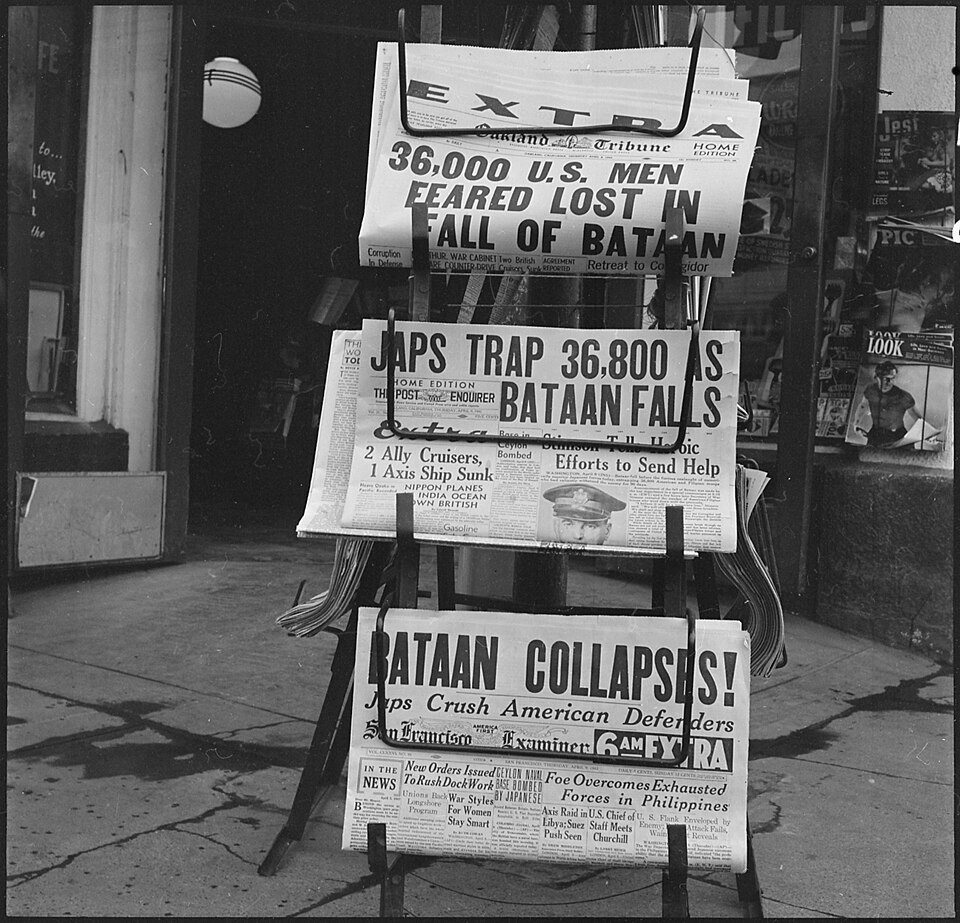
A city paper published multiple editions through the day, each replacing the last, with the plate changed for late news and results. The stand took delivery several times and the proprietor knew which edition he was holding.
Buying a paper in the afternoon got you different content from the morning, and people bought more than once. The afternoon paper was frequently the bigger business, and its disappearance – not the morning paper’s – is what actually emptied the stands.
Like our content? Follow us for more.
2. Unsold Magazines Were Returned by Tearing the Covers Off

Magazines were supplied on a sale-or-return basis, but returning the whole magazine cost more in freight than it was worth. So the proprietor tore off the front cover, returned the cover as proof of non-sale, and destroyed the rest.
The system was universal and it is why period magazines sometimes survive without covers, and why copies exist that were supposed to have been destroyed. It also made the proprietor the person who physically decided what was unsold, which is a remarkable amount of trust in a cash trade.
3. The Papers Were Held Down by Whatever Was Heavy
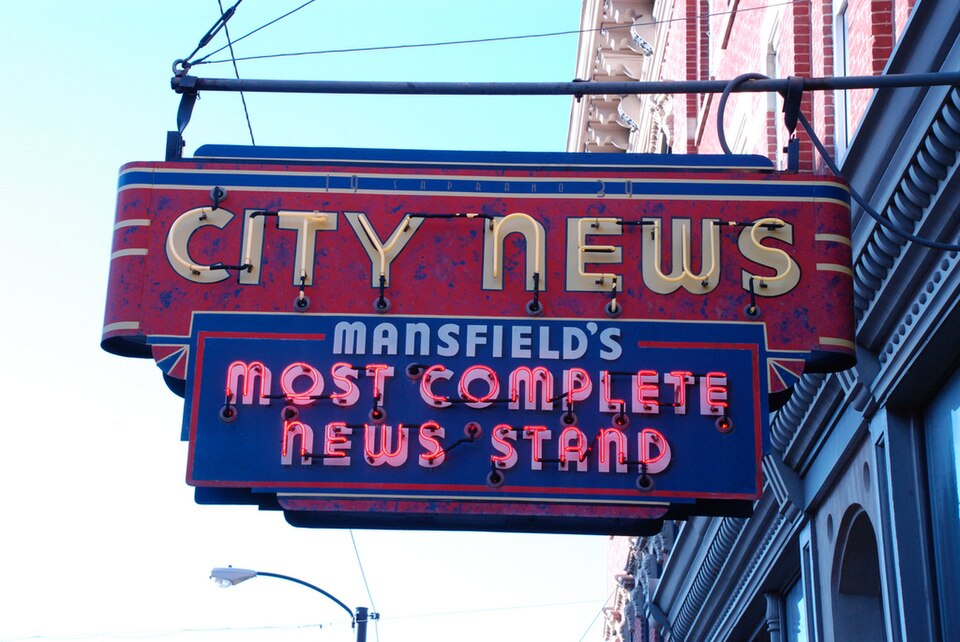
Stock was displayed in the open air, on sloped boards and racks, held against the wind by bars, stones, lengths of pipe and pieces of iron. Rain was fought with oilcloth, plastic sheeting and speed.
A wet stand lost its stock, so weather management was a continuous part of the job. The whole trade was conducted outdoors in a structure barely large enough to turn round in.
4. He Knew Which Paper Every Regular Took
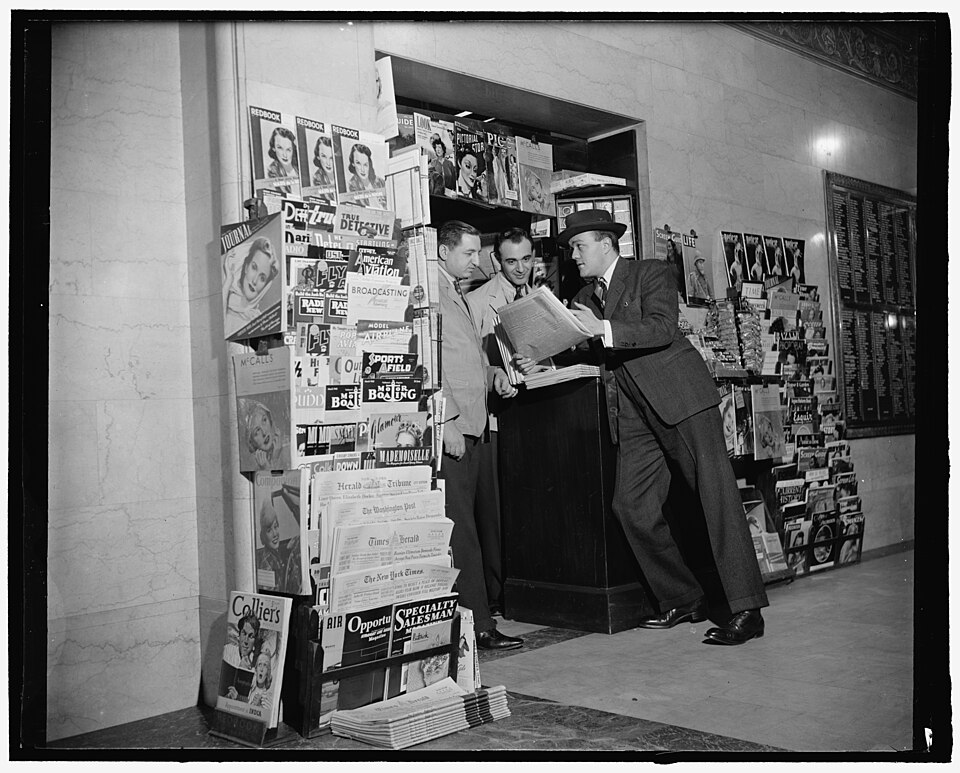
A stand’s business was regulars walking past at the same time daily, and the proprietor had the paper folded and in his hand before the customer reached him, with the right change ready.
This was the trade’s actual skill and the reason a stand held its business against a shop fifty feet away. Several hundred faces, each attached to a title and a coin, held entirely in one person’s memory.
5. Payment Was Frequently an Honour System
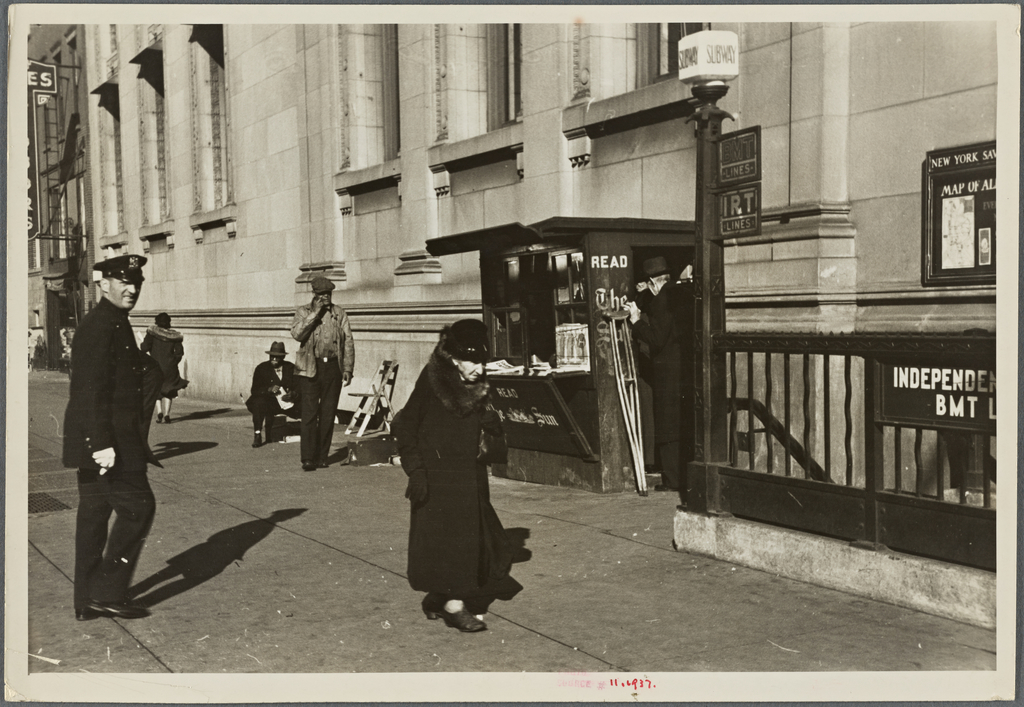
At busy times, and at stands outside stations in the morning rush, customers took a paper and dropped coins in a box or on a board without the proprietor handling the transaction at all.
It worked, which everybody involved found unremarkable and which is the detail modern readers find least believable. The arrangement survived as long as the trade did and the losses were apparently tolerable.
6. Out-of-Town Papers Were a Specialist Business
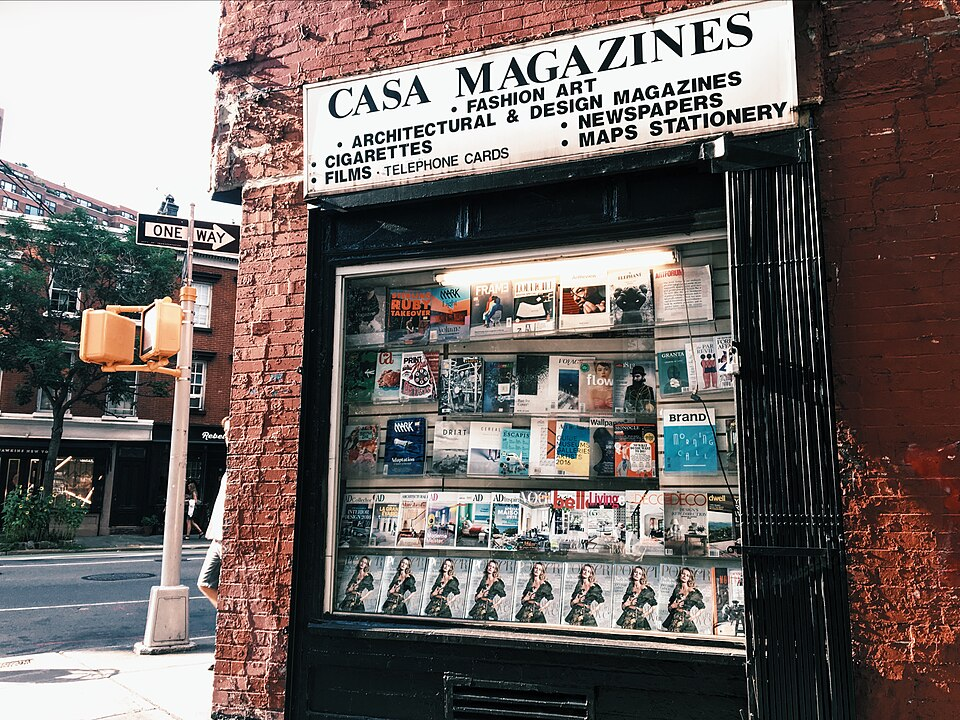
A good American stand carried papers from other cities, arriving by train or air a day or two late, bought by people who had moved, who had business elsewhere, or who followed a team or a market in another place.
This was genuinely valuable. Reading another city’s newspaper required either living there or finding a stand that carried it, and the out-of-town rack was the only way most Americans could follow anywhere else in detail.
7. The Racing Papers and the Tip Sheets Were a Trade of Their Own
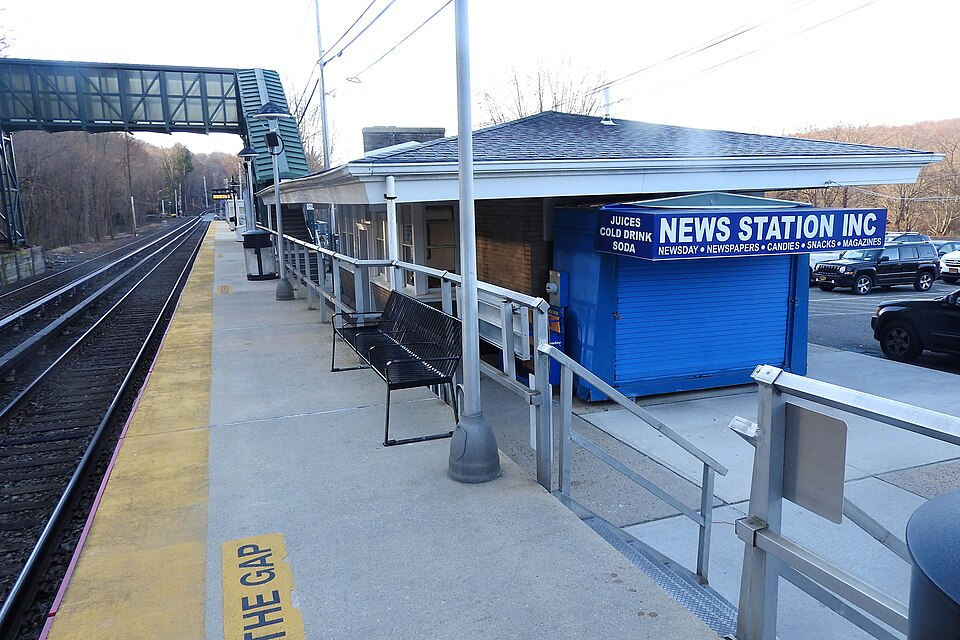
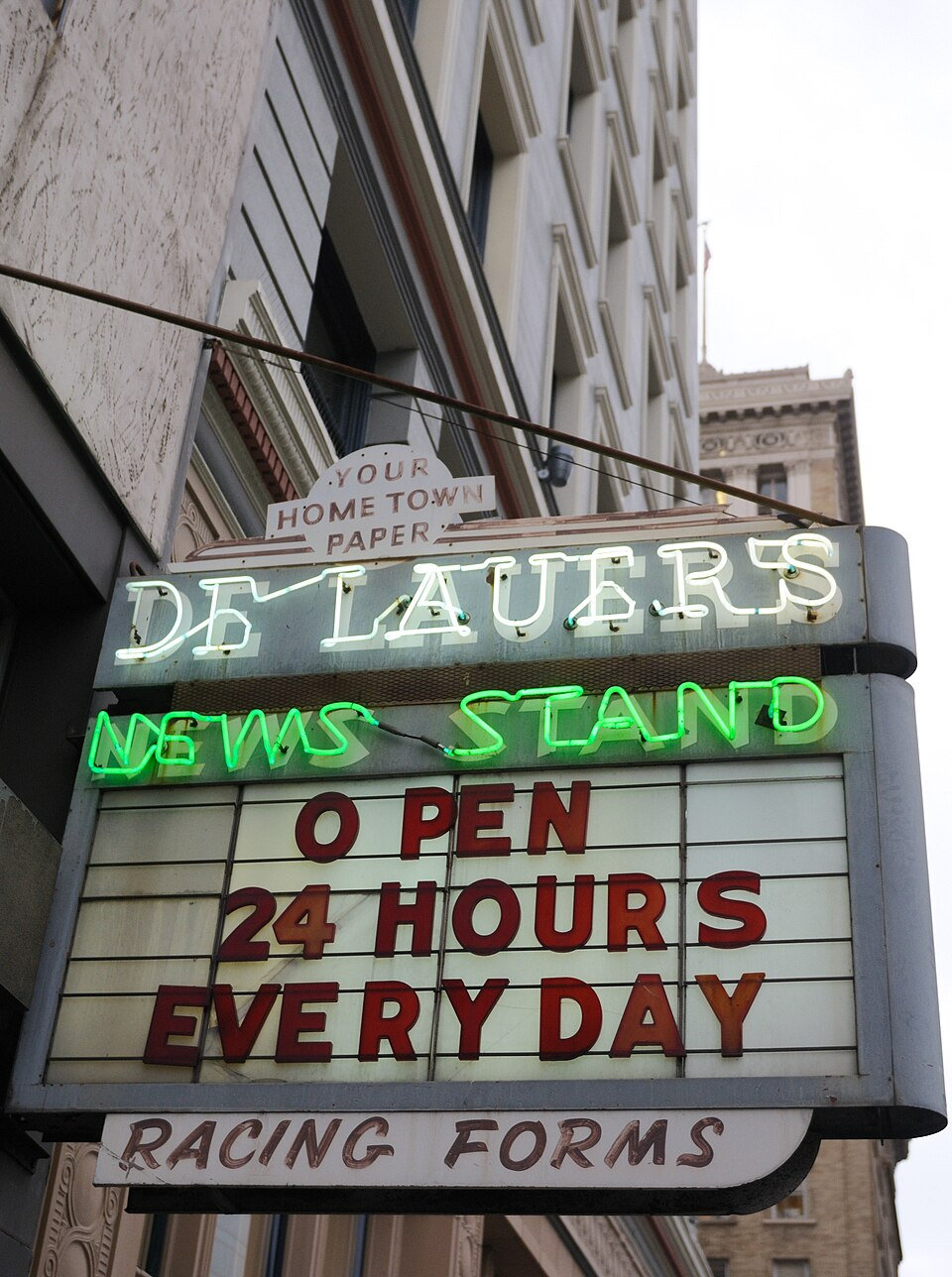
Alongside the newspapers sat racing form papers, scratch sheets and tip sheets, bought early by a regular clientele who read them standing at the stand and discussed them.
The stand functioned as an informal meeting point for that trade, which gave a number of them a second character as somewhere news of a particular kind was exchanged. It is one of the reasons a newsstand was a social institution rather than only a shop.
8. The Proprietor Was Frequently There Because Other Work Was Closed to Him
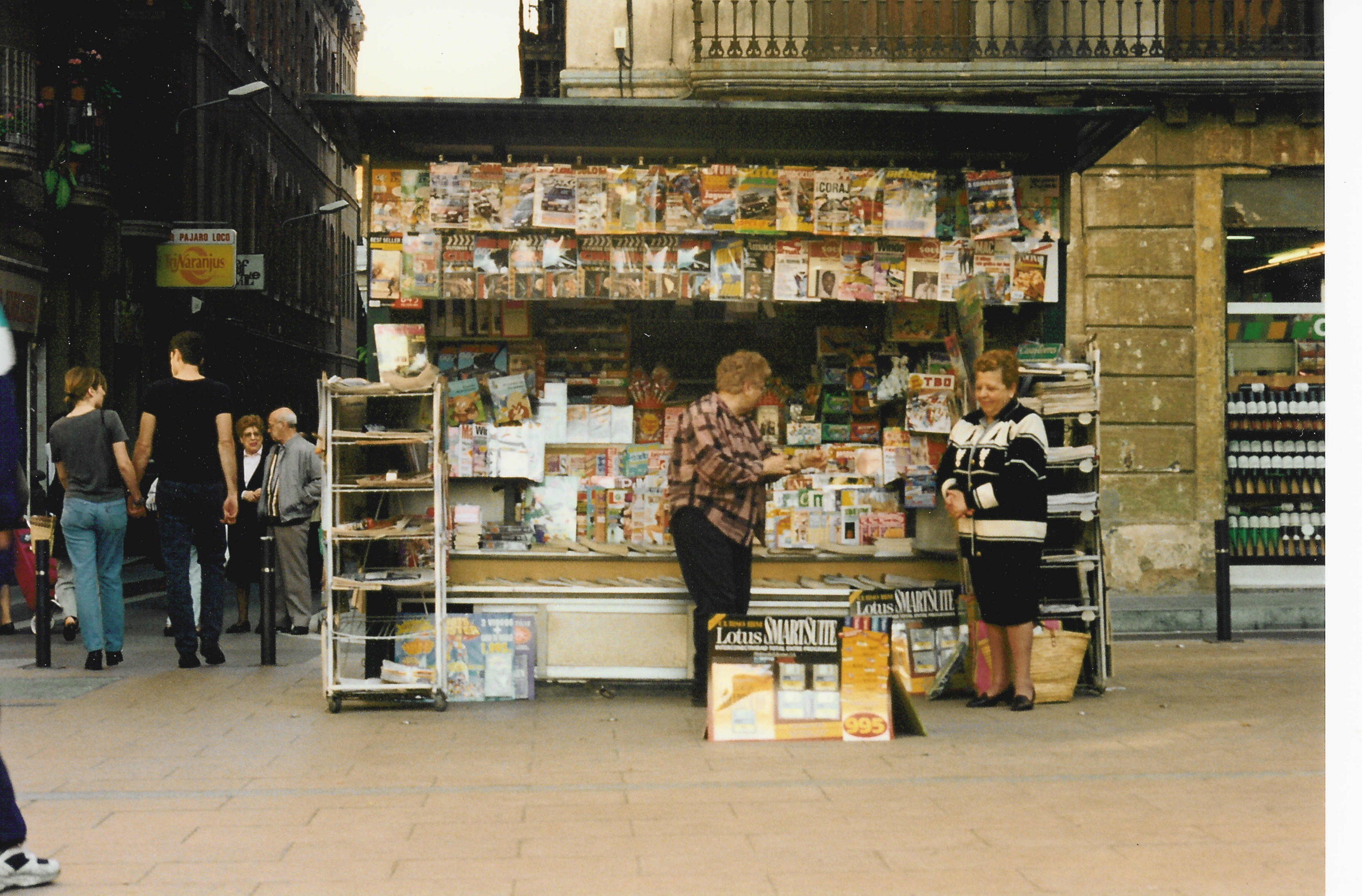
Newsstand licences in several American cities were issued on preferential terms to disabled veterans and to blind proprietors, and a stand was one of a small number of trades a person with a significant disability could run independently.
This was a deliberate arrangement and in several places a statutory one. It meant the stands were a recognised route to an independent living for people whom the rest of the labour market excluded, and it is the reason a newsstand was so often a lifetime occupation rather than a stepping stone.
9. Everything Else on the Counter Was the Actual Profit
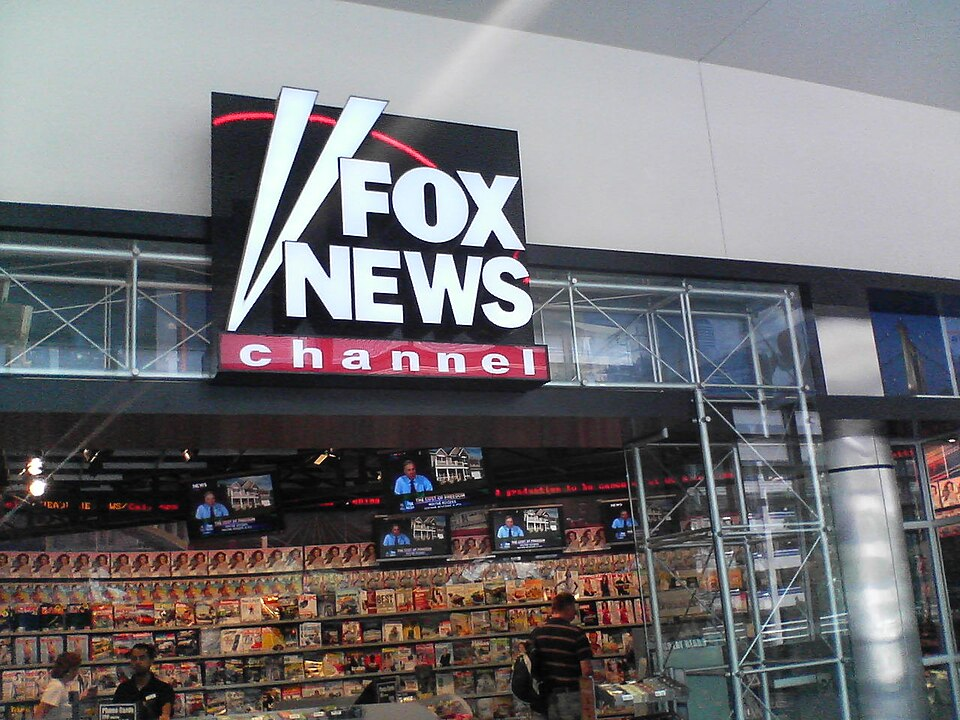
Papers carried a very thin margin. The money was in cigarettes, cigars, sweets, gum, chocolate, shoelaces, combs, aspirin, batteries, maps, postcards and transit tokens, and the paper was the reason people stopped.
This is the key to the economics and it explains the decline precisely. Tobacco was the largest single line in most stands, and the restriction of tobacco retailing in the United States – licensing, display restrictions, age verification and in many places minimum-size requirements for retailers – removed it from the pavement kiosk entirely.
10. Then Television, Then the Vending Box, Then the Screen
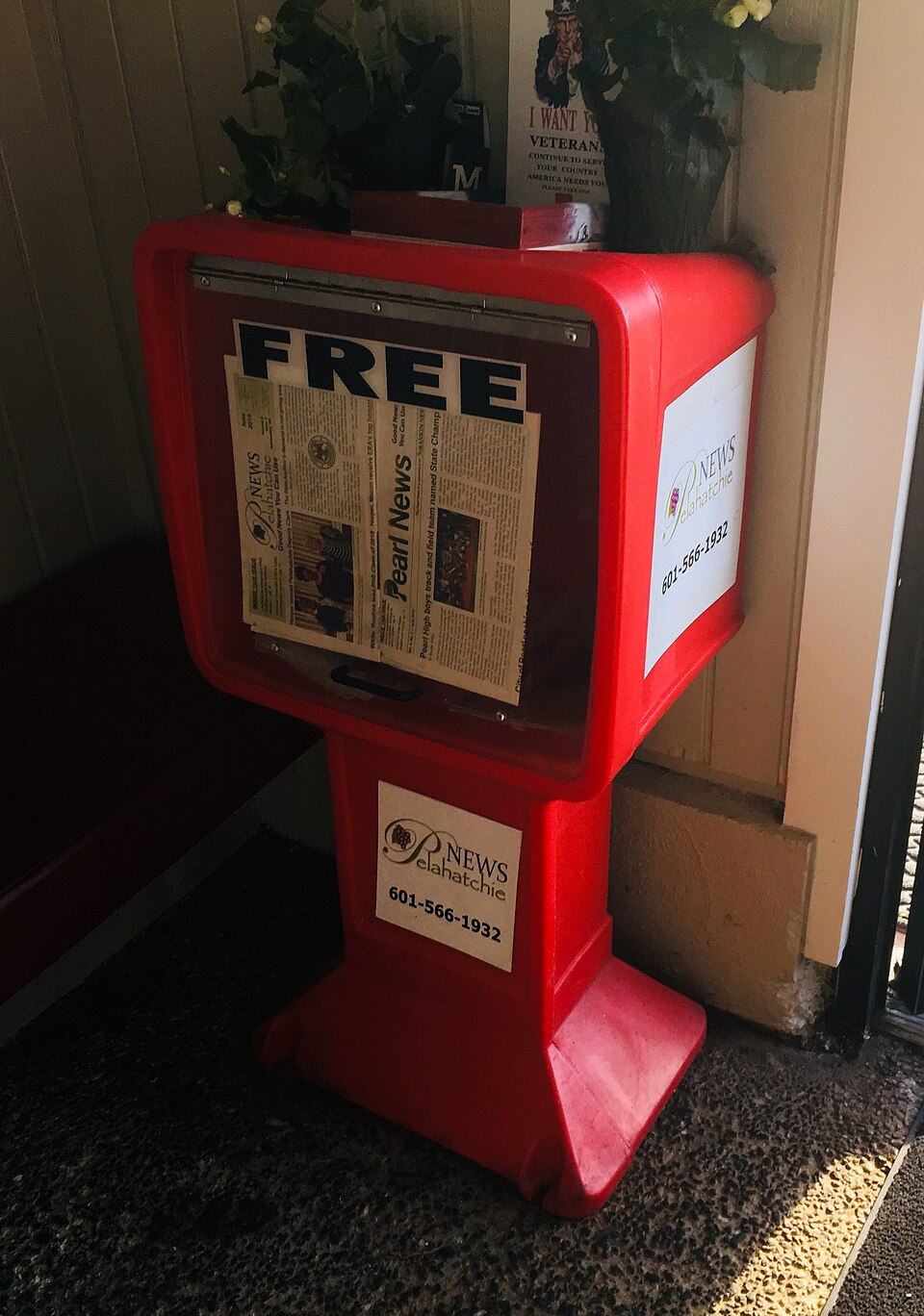
The decline came in three waves. Evening television news removed the afternoon paper, which was the stand’s best business. The coin-operated newspaper vending box, placed on the same corners, took the morning single-copy sale without needing a person in it. And then the entire product moved to a device in the customer’s pocket.
The tobacco restrictions removed the profit underneath all of it. Some American stands survive as kiosks selling drinks, tickets and sundries with a few papers as decoration, and the structures themselves occasionally survive as listed or protected objects – which is an odd end for a building whose whole purpose was to sell something that is now free.
What Was Actually Being Sold
One of these is now effectively impossible: the stand as a tobacco retailer, which is what it financially was. Licensing, display rules, age verification and retailer requirements moved cigarettes off the pavement, and with them went the margin that paid for the stand.
The rest was not regulated away. It was removed in order.
Television took the afternoon paper, which was the product people bought on the way home and the stand’s best line. The vending box took the morning sale, because a single copy of one title needs no human being to sell it. And the smartphone took the product itself.
What is worth noticing is that the newsstand was never really a newspaper business. It was a pavement convenience shop that used newspapers to make people stop, and it made its living on tobacco and sundries. When the stopping went and the tobacco went, there was nothing underneath.
The thing worth remembering is the person in it. Somebody who stood in a box on a pavement for forty years, in every kind of weather, knew several hundred people by the paper they read, and in a great many American cities held the stand under an arrangement specifically created so that a person the labour market had written off could run a business of their own.
The papers were the least interesting thing being sold. What the stand actually provided was a reason to stop on a corner, and a person who was always there when you did.
Like our content? Follow us for more.