


The American health club of 1979 sat between two eras. The old figure-salon model – passive machines, steam, massage, the promise that something would be done to you – was still in the building, and the new fitness culture of aerobics, running and weight training was arriving fast.
The result was a business selling both, to a public with no way of telling which parts worked, staffed by people with no training, under contracts designed to be very hard to get out of.
Here are twelve things every American health club did in 1979. Six of them would now be a lawsuit.
1. The Vibrating Belt Machine Was Still on the Floor
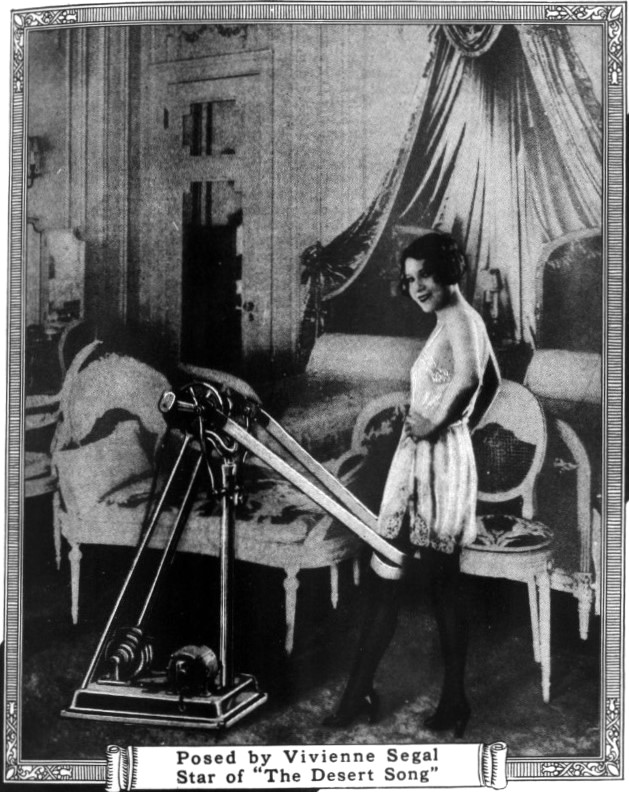
A wide belt on a motorised machine was placed around the waist, hips or thighs and vibrated vigorously. The claim, stated or strongly implied, was that it broke up or shook away fat in the area it was applied to.
It does not do that, and there was never a mechanism by which it could. Claims of that kind about a device are now regulated as health claims in the United States, and marketing a machine on the basis that it removes fat from where it is applied would bring action from federal consumer-protection and device regulators.
Like our content? Follow us for more.
2. The Front Desk Sold You a Rubber Sweat Suit
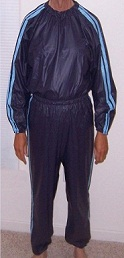
Non-breathable suits of rubberised or plastic-coated fabric were sold and worn to increase sweating during exercise, on the understanding that the weight lost was progress.
The weight lost is water and returns on drinking. The practice also prevents the body from shedding heat, which is the actual danger rather than the ineffectiveness. Selling or encouraging the use of impermeable sweat suits for weight loss is now treated as a serious safety matter in American fitness settings, and the weight-loss claim attached to them is not one any operator could lawfully make.
3. There Was No Qualified Person Anywhere in the Building

Floor staff were salespeople. There was no certification requirement, no anatomy or physiology training, no screening of new members and frequently no first-aid provision beyond a box on a wall.
Advice was given confidently and it was frequently wrong. American health clubs now operate with certified instructors as a matter of commercial and insurance necessity, and in many jurisdictions with specific requirements for emergency equipment and trained staff.
4. Nobody Asked About Your Heart

A new member signed a contract and walked onto the floor. There was no health questionnaire, no blood pressure check, no enquiry about cardiac history, medication or previous injury, and no graduated introduction.
Middle-aged men arriving after decades of inactivity went straight to maximal effort. Pre-participation screening is now standard practice in American fitness facilities and is effectively required by insurers, and the absence of it is the single clearest liability exposure on this list.
5. The Sauna and Steam Room Had No Supervision and No Limits

Saunas and steam rooms ran hot, unattended, with no posted time limits enforced, no attendant, no emergency call and no restriction on entering after exercise or after drinking.
People stayed in far too long, and the combination with alcohol and with post-exercise dehydration is genuinely dangerous. American facilities now post and enforce limits, fit emergency call systems, control temperature by regulation and supervise access, and an unattended unlimited sauna would not satisfy any modern operator’s insurance.
6. Free Weights Were Unracked, Unguarded and Unspotted
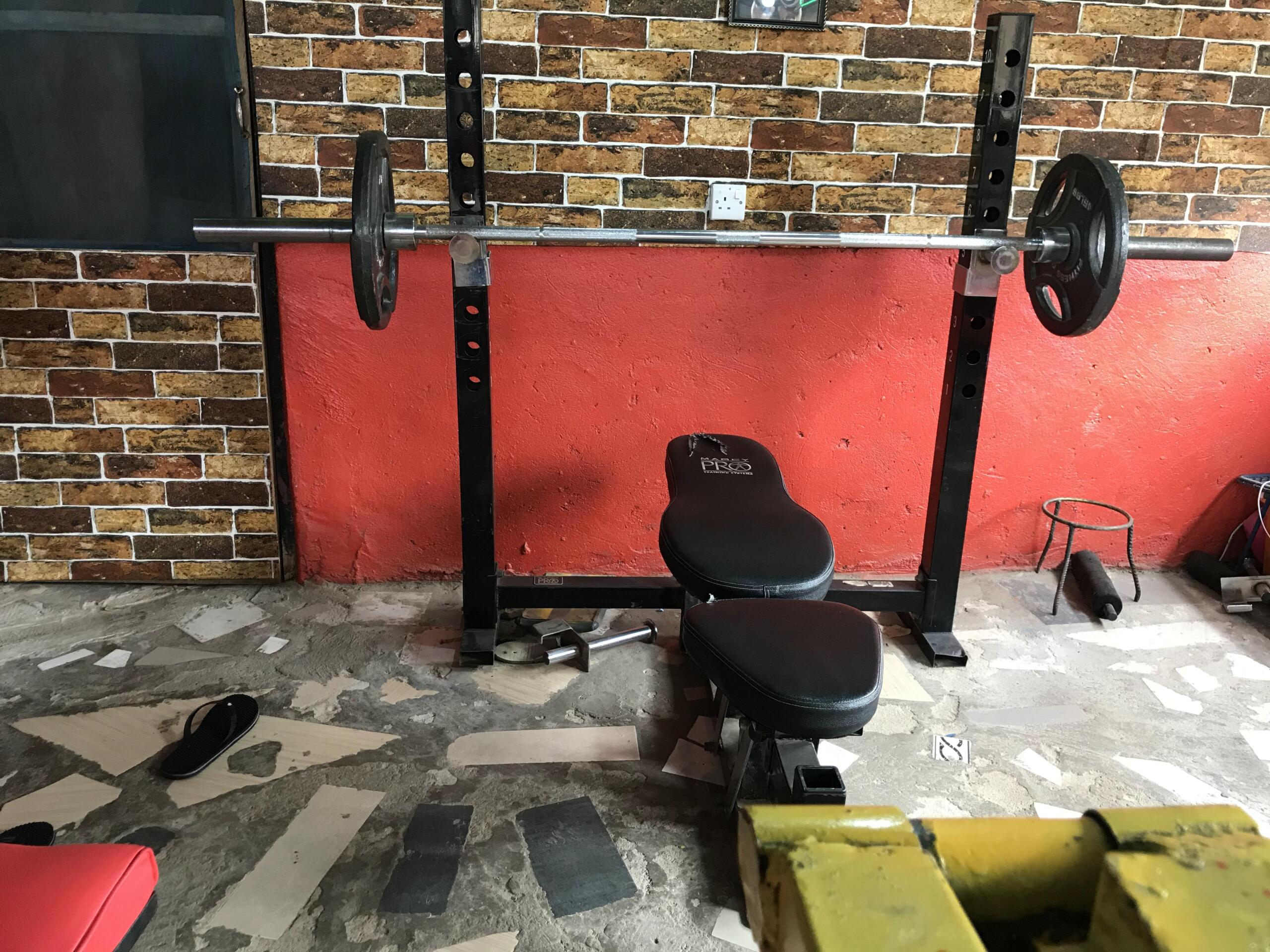
Heavy weights were used with no safety frames, no collars in many cases, no spotting arrangement and no instruction. Bars were loaded by whoever was using them, plates were left on the floor, and benches had no uprights.
The injuries were predictable and some were severe. Modern American facilities use power racks with safety bars, require collars, arrange spotting, and lay out floors to defined standards – changes driven almost entirely by insurance and litigation rather than by regulation.
7. The Contract Was Designed to Be Impossible to Leave

Memberships were sold on long terms, frequently financed through a third party, with automatic renewal, no cancellation right, no transferability and continuing liability if the club closed – which a great many of them did.
This was the trade’s most notorious feature and it generated enormous complaint. Most American states now have specific health club contract statutes providing a cooling-off period, cancellation rights on relocation, injury or club closure, limits on contract length and bonding or escrow requirements to protect prepaid members – legislation written specifically because of what this industry did in the nineteen-seventies.
8. The Sales Process Was High-Pressure and Took Hours

A visitor was given a tour, taken to a closing room, offered a price that expired that day, and worked on by a succession of salespeople for as long as it took. The techniques were systematic and trained.
It was the same playbook as any high-pressure sale of the period, applied to a product the buyer could not evaluate. The statutes that fixed the contracts also addressed the selling, which is why a modern club’s offer has to be available in writing and survive the day.
9. Everybody Smoked, Including in the Building

There were ashtrays in the lounge, in the changing rooms and sometimes on the gym floor, and the juice bar sold cigarettes. Members smoked between sets.
The contradiction was not remarked upon because the connection between the two things was not yet culturally settled. Indoor smoking in American fitness facilities is now prohibited everywhere.
10. Water Was Discouraged and the Salt Tablets Were on the Counter
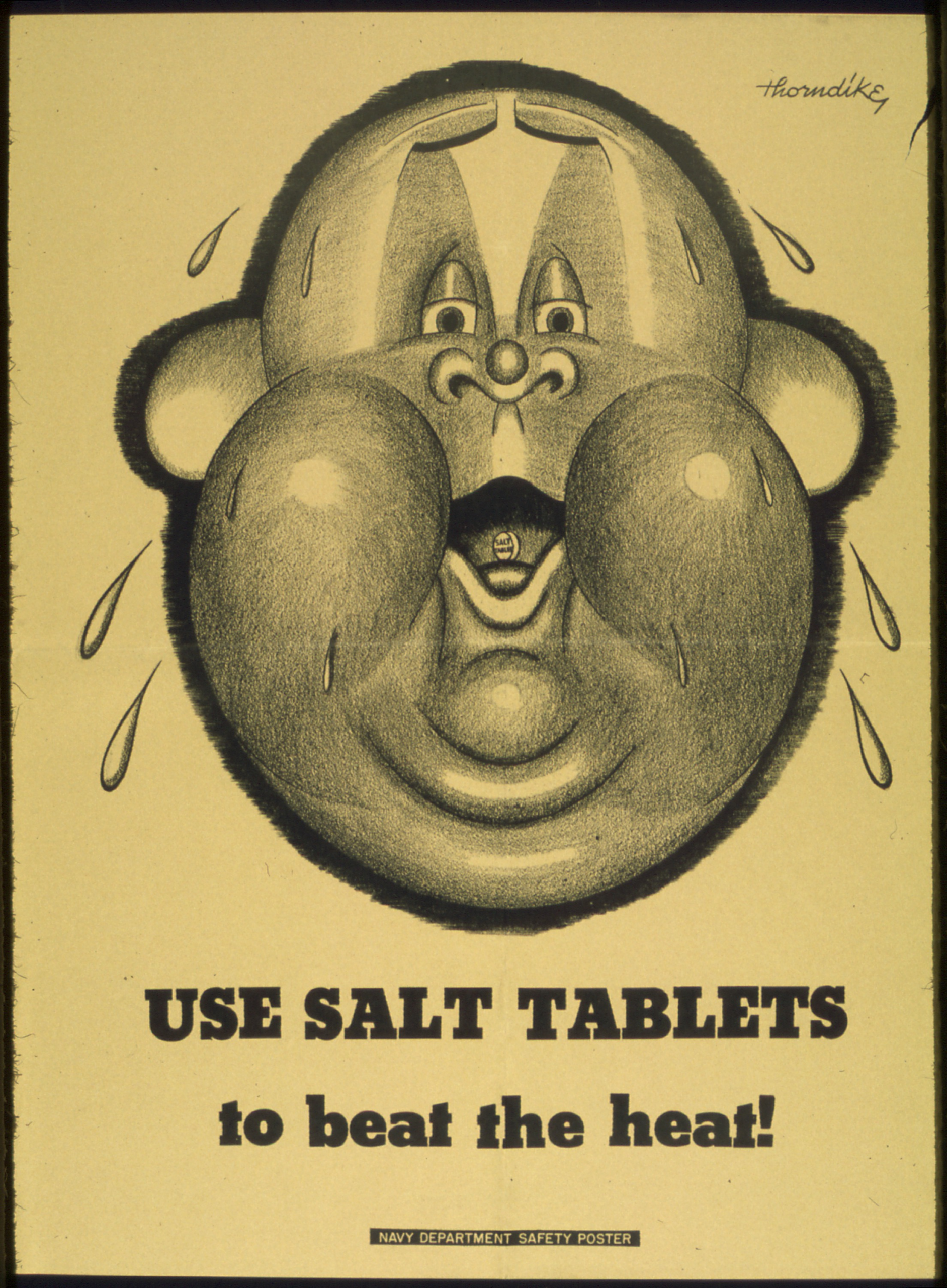
The prevailing instruction was to limit water during exercise, and salt tablets were widely sold and recommended for anybody sweating heavily.
Both pieces of advice were wrong in ways that are now well established, and the salt tablet in particular was genuinely hazardous. Fitness operators in the United States could not now give either instruction, and encouraging fluid restriction during exercise would be indefensible in any claim arising from it.
11. The Weight-Loss Claims Were Specific, Numerical and Unsupported
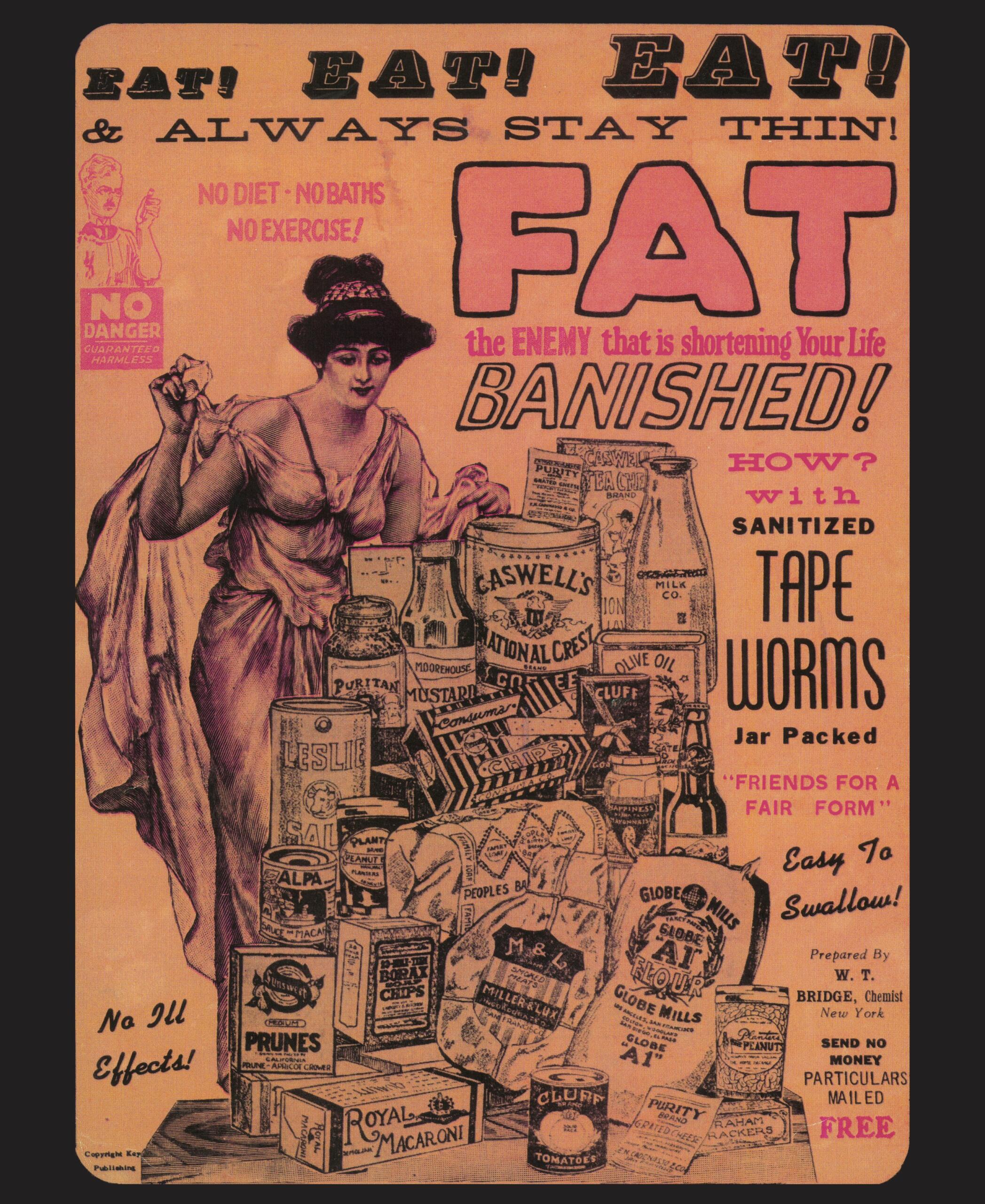
Clubs advertised and promised defined results in defined periods – inches off a named body part by a named date – and sold programmes, wraps, machines and regimes on that basis.
Spot reduction of fat from a chosen area is not achievable by any of the methods sold. The claims were made confidently because nobody was checking them, and the regulatory attention that eventually arrived is the reason modern American advertising in this sector is hedged to the point of vagueness.
12. Then Aerobics, Running and the Lawsuits Changed the Entire Business

Three things arrived at once. The aerobics and running boom created a mass market that wanted to exercise rather than be exercised, which made the passive machines unsellable. The state health club statutes removed the contract model the industry’s economics had depended on. And liability insurance became the binding constraint on how a club could operate, which imported screening, certification, equipment standards and supervision faster than any regulator did.
The passive-treatment salon disappeared almost completely. What replaced it was a business selling access to equipment and instruction, with the risk priced by an insurer – and nearly every difference between a 1979 club and a modern one traces back to that single change in who bore the cost of an injury.
Why Insurance Did More Than Regulation

Six of these would now be a lawsuit: the vibrating belt sold on a fat-removal claim, the impermeable sweat suit, the absence of any qualified staff, the absence of any health screening, the unsupervised unlimited sauna, and the instruction to restrict water combined with salt tablets. The contracts were dealt with by statute rather than by litigation, which is its own story.
The interesting thing about this list is how little of it was fixed by a regulator.
Consumer-protection and device regulators did act on the claims, and the state health club statutes dealt with the contracts comprehensively – that legislation is one of the clearer cases of an industry legislating itself into decency after its own behaviour became indefensible.
But screening, certification, equipment standards, sauna supervision, spotting and floor layout all arrived through insurance. Once a club could not operate without liability cover, and cover came with conditions, the insurer became the effective regulator of the industry – and insurers moved faster and demanded more than any legislature was going to.
That is why a modern American gym asks about your heart before it asks for your money.
There is genuine affection for the 1979 club, and some of it is earned. It was cheap, it was unpretentious, nobody filmed anything, and the equipment was simple enough that you could not get it wrong in an interesting way.
But the machine with the belt around your waist did nothing at all, the suit they sold you stopped you cooling down, nobody in the building knew what to do if you collapsed, and the contract you signed would outlast the club itself. The gym got less fun and considerably more careful, and the reason is that somebody eventually had to pay when it went wrong.
Like our content? Follow us for more.
