An American sits down in a restaurant abroad, orders a cola, drinks it, and asks for another one. The second one arrives and so does a second charge, and there is a brief moment of mutual incomprehension at the table.
To the American, charging twice for something that is mostly water is close to petty. To everybody else, the idea that a restaurant would give away unlimited quantities of a product it is selling makes no sense at all.
The explanation is not generosity on one side or stinginess on the other. It is that the two markets are selling a structurally different thing, under different cost conditions, with different pricing logic behind it.
What Is Actually in the Cup
Start with the economics, because everything else follows from it.
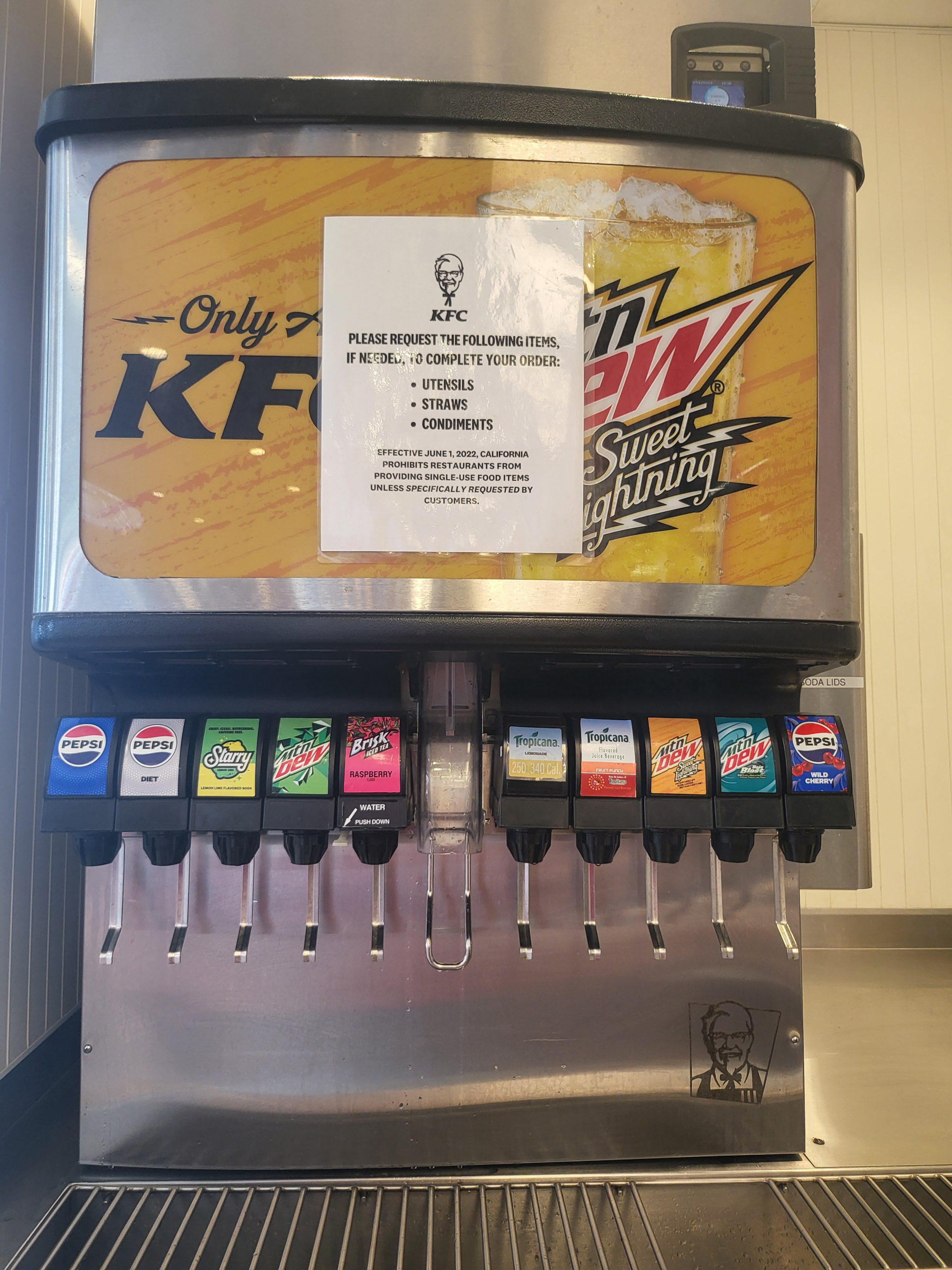
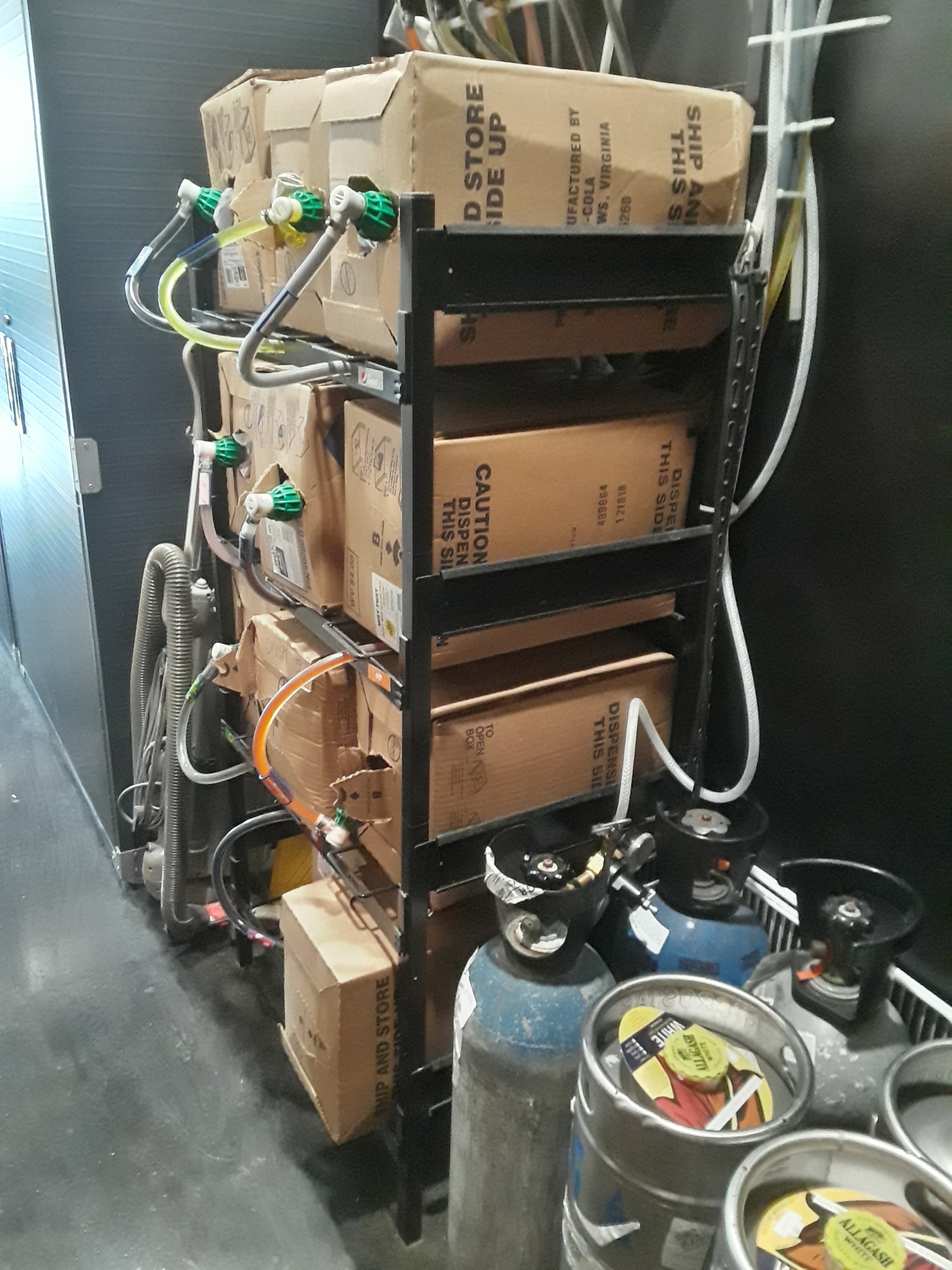
A fountain drink is assembled at the point of sale from three inputs: concentrated syrup, filtered water and carbon dioxide. The restaurant buys the syrup in bulk, the water comes from the mains, and the gas comes in cylinders. At the scale a restaurant operates, the cost of the liquid in a large cup is measured in single-digit cents.
The packaging frequently costs more. A printed paper or plastic cup, a fitted lid and a straw can together exceed the cost of what they contain, which is why the free refill is almost always free only if you keep the same cup.
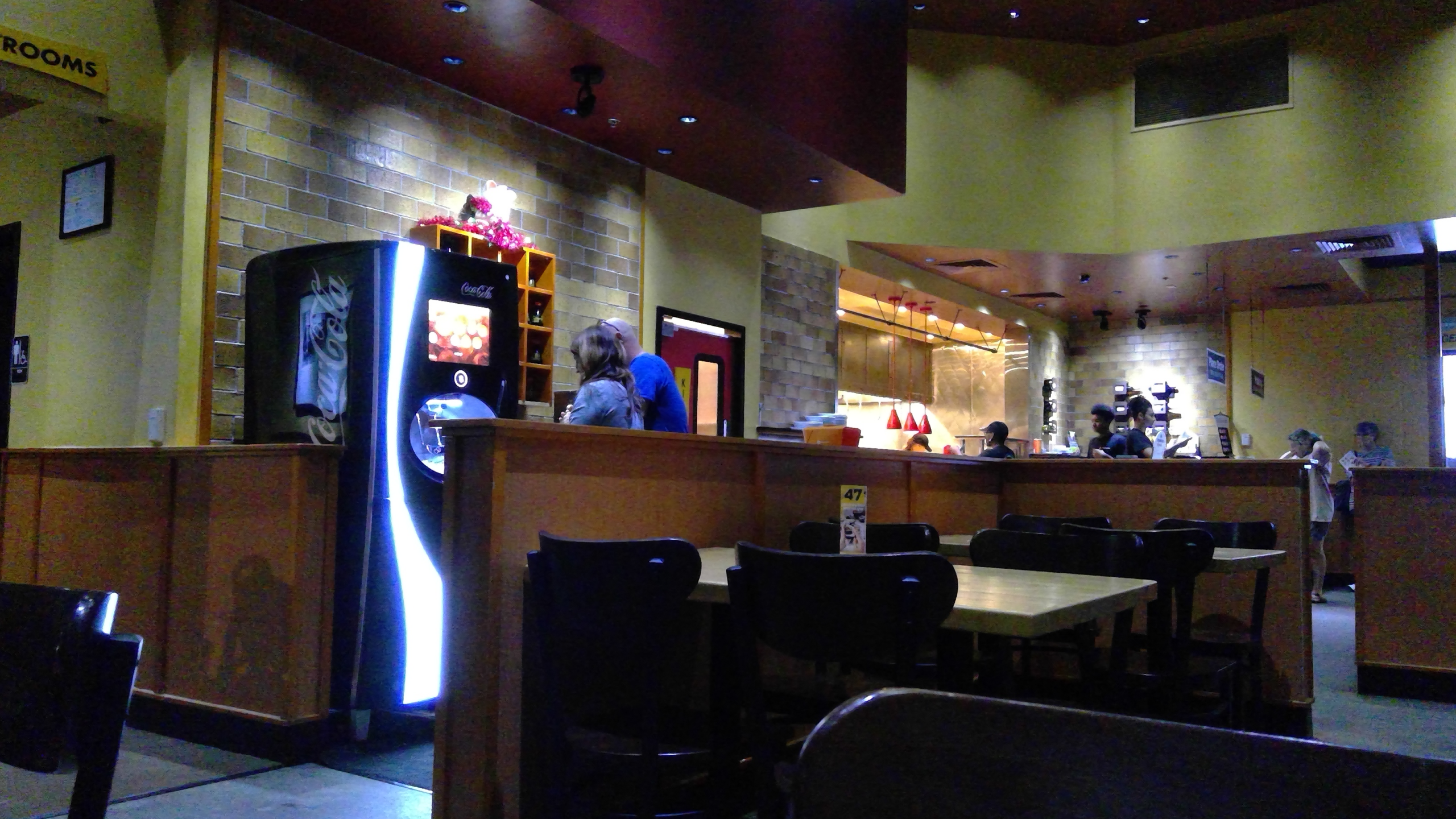
And the labour cost is near zero in the self-service model, because the customer does the work. The machine is on the customer’s side of the counter, the customer fills the cup, and the restaurant’s marginal cost of the second drink is the syrup and nothing else.
So what a restaurant sells when it sells a fountain drink is not really the liquid. It is the cup, the ice, the convenience and the seat.
Like our content? Follow us for more.
Why Giving It Away Makes Money
Once the marginal cost is almost nothing, the refill becomes a tool rather than a loss.
The margin on a fountain drink is extraordinary by the standards of any other item on a menu. Food has real ingredient costs, real preparation labour and real waste. A drink has almost none of those, which means it carries a disproportionate share of a restaurant’s profit.
That makes the drink worth promoting, and free refills promote it in several ways at once. They make the drink feel like value, which encourages ordering one at all rather than drinking tap water. They justify a price for the first cup that would look high for a single serving. They encourage larger sizes, because the refill is only free from the cup you bought. And they are a visible, memorable giveaway that costs a trivial amount – the single cheapest piece of customer goodwill available to a restaurant.
Salt is the quiet partner in this. Food engineered toward the salty end of the range increases thirst, thirst increases drink ordering, and the refill makes saying yes to a drink easy. That is a real and well-understood relationship, and it is one reason the practice is concentrated in the restaurant formats where it appears.
Why It Did Not Travel
Several conditions have to hold at once for the refill to make sense, and outside the United States they mostly do not.
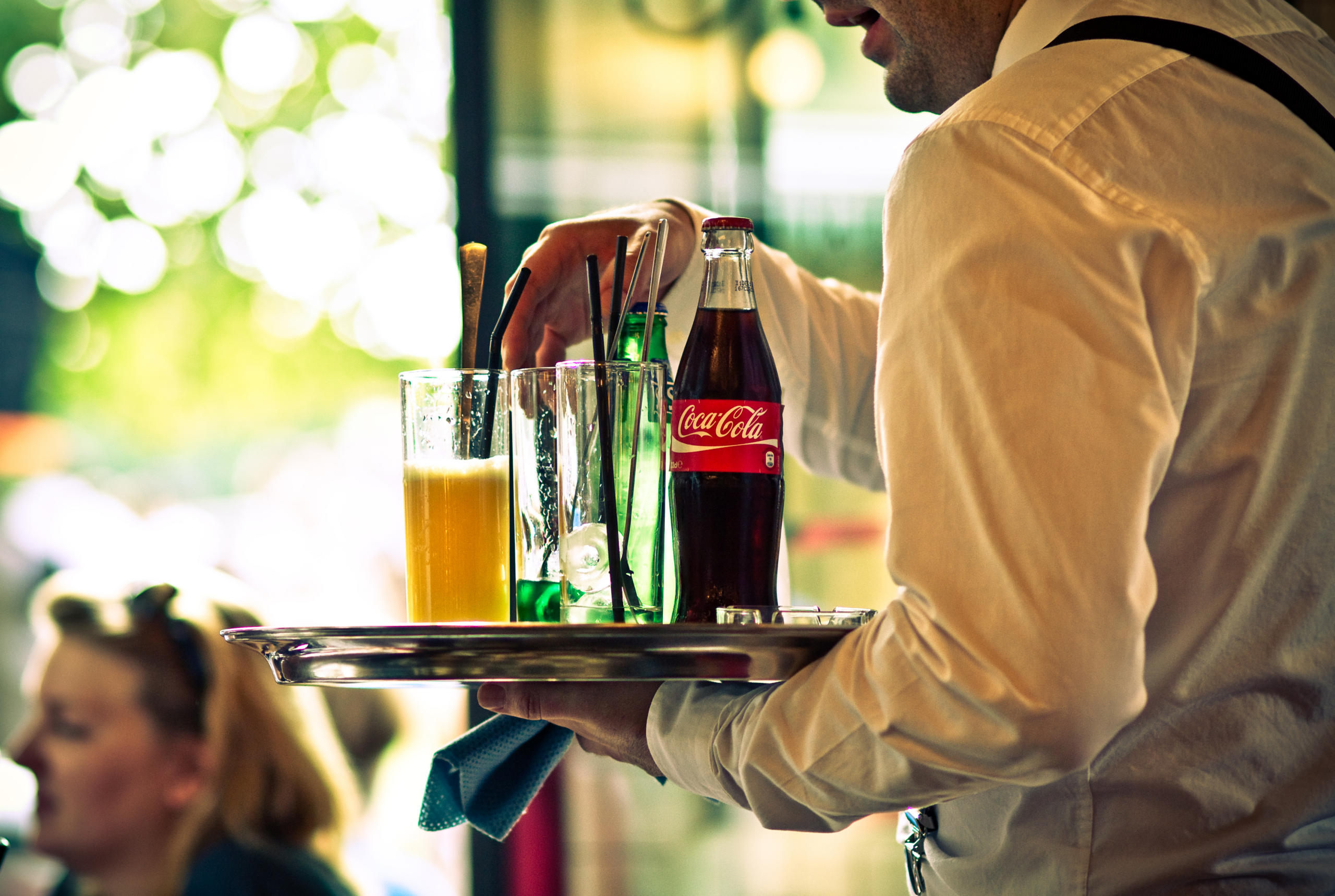
The dispensing model is the first. Free refills require a fountain system, and a fountain system requires volume to justify the equipment, the syrup contracts and the cleaning regime. A great many restaurants elsewhere serve soft drinks in bottles or cans, where there is no concentrate and no marginal-cost advantage – the second bottle costs the restaurant exactly what the first one did, and giving it away is simply giving away a unit of stock.
The service model is the second. Self-service refilling requires a counter-service layout where customers move around with their own cups. In table-service restaurants, which are a far larger share of the market in many countries, a refill requires a member of staff to carry it, which converts a free product into a paid labour cost.
Portion expectations are the third. The default drink size in much of the world is considerably smaller, served in glass, and treated as a single serving rather than as a vessel to be topped up.
And the tax and pricing structure matters. Where soft drinks carry a levy by volume or sugar content, every additional serving has a real cost attached to it regardless of what the syrup costs, which removes the near-zero marginal cost that makes the whole thing work.
The Health Argument, Stated Fairly
This is the part of the subject that generates the most heat, and it deserves to be set out without a verdict.
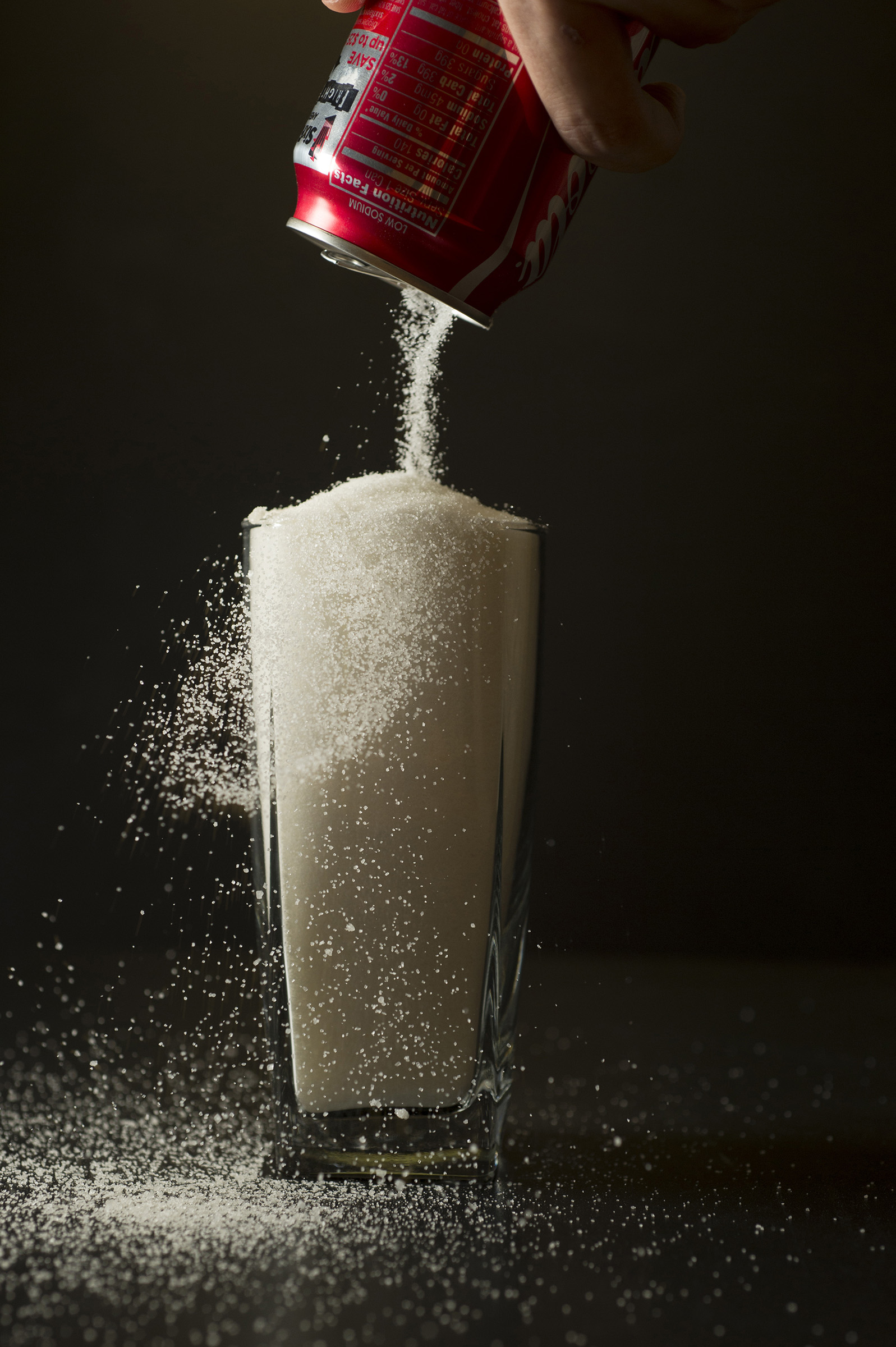
The case against free refills is that they remove the natural stopping point in consuming a sweetened drink. A person who has bought one serving stops when the serving is finished. A person with an unlimited cup stops when they decide to, which is a weaker constraint, and the evidence that consumption rises when a marginal unit is free is not seriously disputed in any product category.
Several jurisdictions have acted on that reasoning. At least one country has prohibited unlimited free refills of sugary drinks in food service outright, and various others have approached the same question through sugar levies, portion restrictions or labelling rather than by banning the refill as such.
The case the other way is that the refill is not the variable that matters most, that the same drink is available in any quantity from any shop at low cost, that restricting a restaurant practice addresses a small share of total consumption, and that the levy approach of changing the price is a more honest instrument than regulating how a cup is filled.
Both arguments are seriously held. What is not in dispute is the mechanism: the refill exists because the marginal cost is near zero, and it increases consumption because free things are consumed more.
The Quiet Retreat
The practice has been narrowing even where it is established, and mostly for commercial reasons rather than health ones.
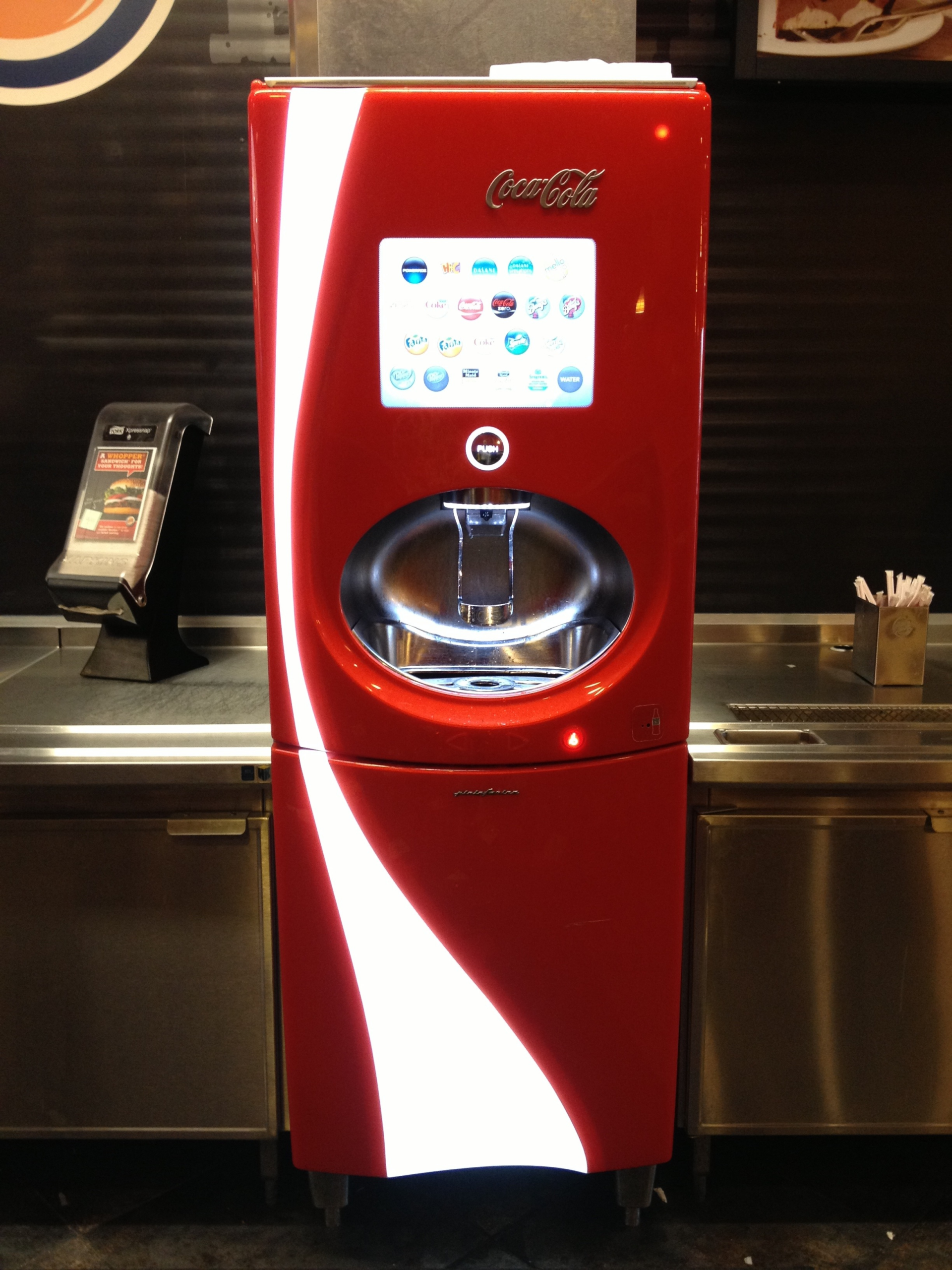
Self-service dispensers were removed from a great many outlets for hygiene reasons and in several cases did not come back. Where they remain, the free refill is increasingly bounded – a single refill rather than unlimited, a time limit, or a system in which the cup itself carries a chip or code that the machine reads and will only serve a set number of times.
The newer dispensers are the most interesting development, because they can meter precisely and they generate data. A machine that knows exactly how many refills a cup has taken turns an unlimited offer into a measured one without any announcement, and the customer experience barely changes.
So the direction is toward a refill that is still presented as free and is quietly finite – which is the usual fate of a giveaway once the giver can measure it.
The Same Logic Explains Everything Else That Is Bottomless
Once you see the mechanism, the pattern turns up everywhere, and it is always the same calculation.
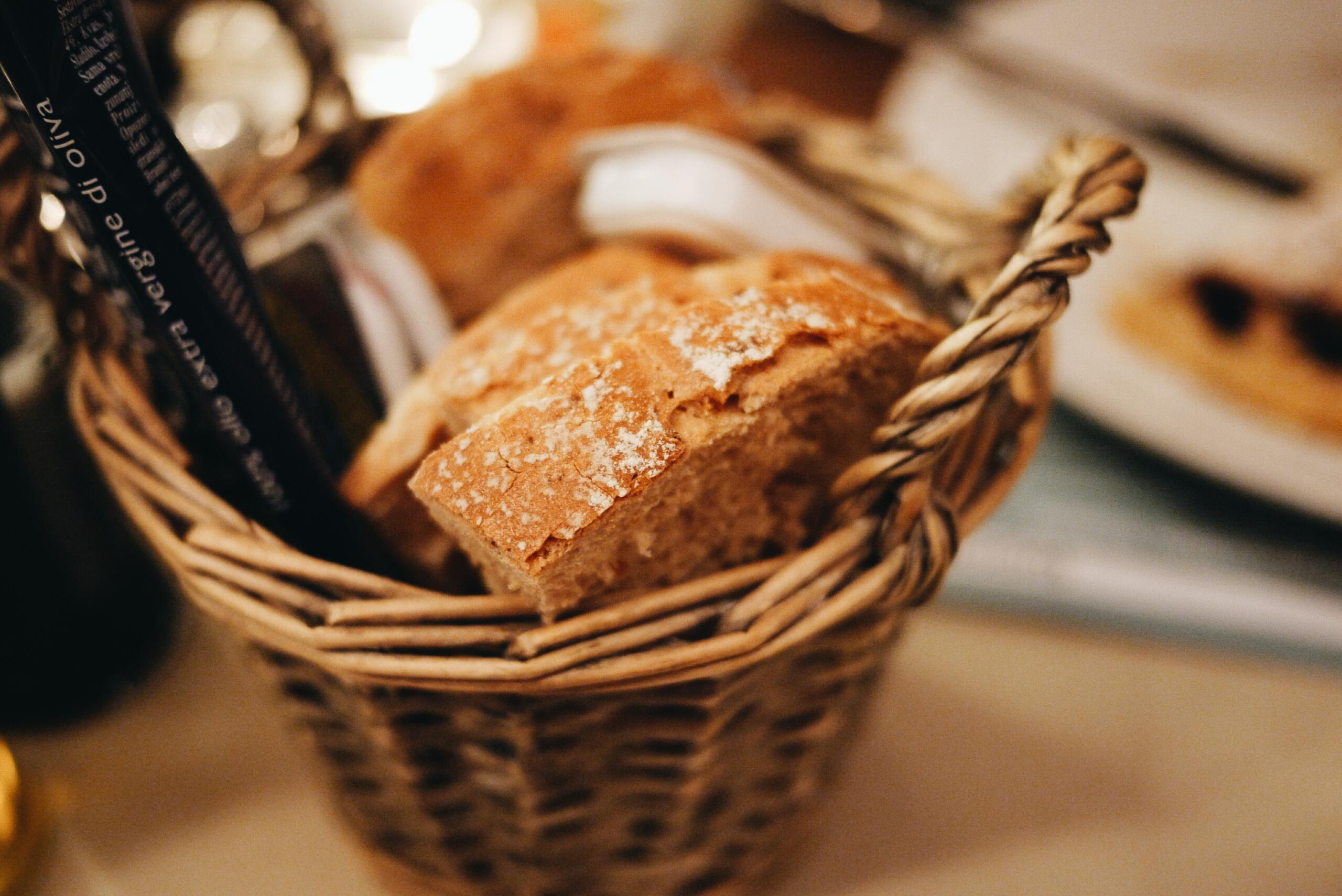
Bread before a meal is free in a great many restaurants because flour is cheap, the bread is frequently made from the same dough as something else on the menu, and it occupies a diner who would otherwise be waiting and growing impatient. Chips and salsa in a certain kind of restaurant work identically. So does the bowl of peanuts on a bar, which has the additional property of being salty, for the same reason the food is.
Coffee refills follow the fountain-drink logic almost exactly. Brewed coffee costs very little per cup, a pot is already made, and the second cup requires no additional preparation – which is why bottomless coffee is common in exactly the formats where bottomless soft drinks are and rare where neither is.
The rule running through all of them is that a restaurant will give away unlimited quantities of anything whose marginal cost is close to zero and whose consumption encourages something profitable. It will never do it with anything that has to be cooked, portioned or carried individually, which is why the bread is free and the butter is sometimes counted.
And it explains the one apparent exception that confuses people, which is the all-you-can-eat buffet. That is not the same mechanism at all. A buffet is not giving away a near-free marginal unit – it is pricing an uncertain quantity in advance and relying on averages across customers, which is an insurance calculation rather than a promotional one.
The Honest Summary
The free refill exists because a fountain drink costs almost nothing to make. Syrup, water and gas at restaurant scale come to a few cents, the cup and lid frequently cost more than the contents, and in self-service formats the customer supplies the labour.
That near-zero marginal cost turns the refill from a loss into a promotional tool. It makes the drink feel like value, supports the price of the first cup, encourages larger sizes, and buys goodwill more cheaply than anything else a restaurant can offer – with saltier food quietly doing its part on the demand side.
It did not travel because the supporting conditions did not. Bottled and canned service removes the marginal-cost advantage entirely, table service converts a free refill into a paid labour cost, default portions elsewhere are smaller and treated as single servings, and volume or sugar levies attach a real cost to every additional drink.
The health objection is real and so is the response to it, and the honest position is that both are arguing about a mechanism nobody disputes.
And the practice is narrowing on its own, into metered cups and bounded offers, because an unlimited giveaway stops being unlimited as soon as somebody can count it.
Like our content? Follow us for more.