

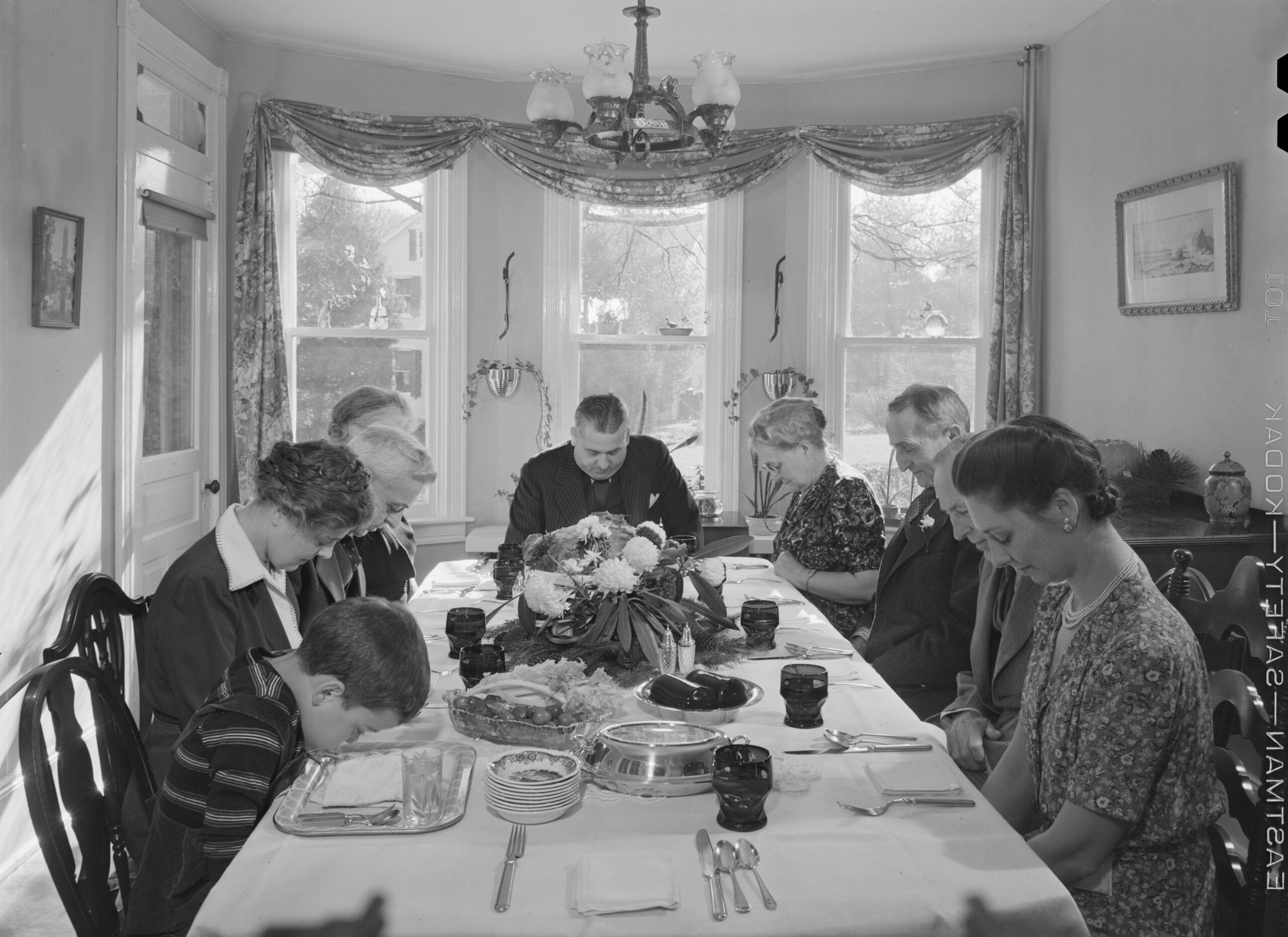
The holiday itself has not changed. The same date, the same bird, the same arithmetic of too many people in a house built for fewer.
What has changed is almost everything around it: who cooked, who was allowed to help, where the children sat, what was said at the table, what was in people’s hands, how long everybody stayed and what happened the next morning.
Here are seventeen things that happened at Thanksgiving in 1965 and would not get through the day now.
1. One Woman Cooked All of It and Nobody Offered
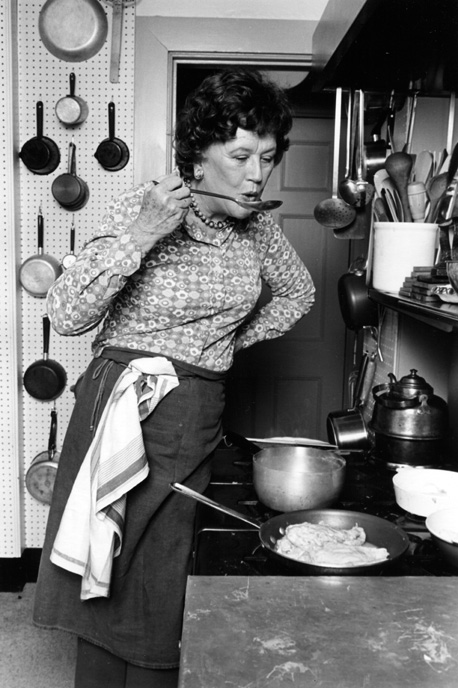
The entire meal – the bird, every side, the gravy, the rolls, the desserts – was produced by one person, usually starting before dawn and frequently the day before as well. Other women might be permitted to carry things. Men were not in the kitchen at all.
The division was so complete that it did not read as a division to anybody. It simply was how the day worked, and the person doing it generally ate last, sat down last and got up first. The redistribution of that labour is the single largest change in the entire holiday, and it took about forty years.
Like our content? Follow us for more.
2. The Bird Went In Before Dawn and Cooked for Most of the Day
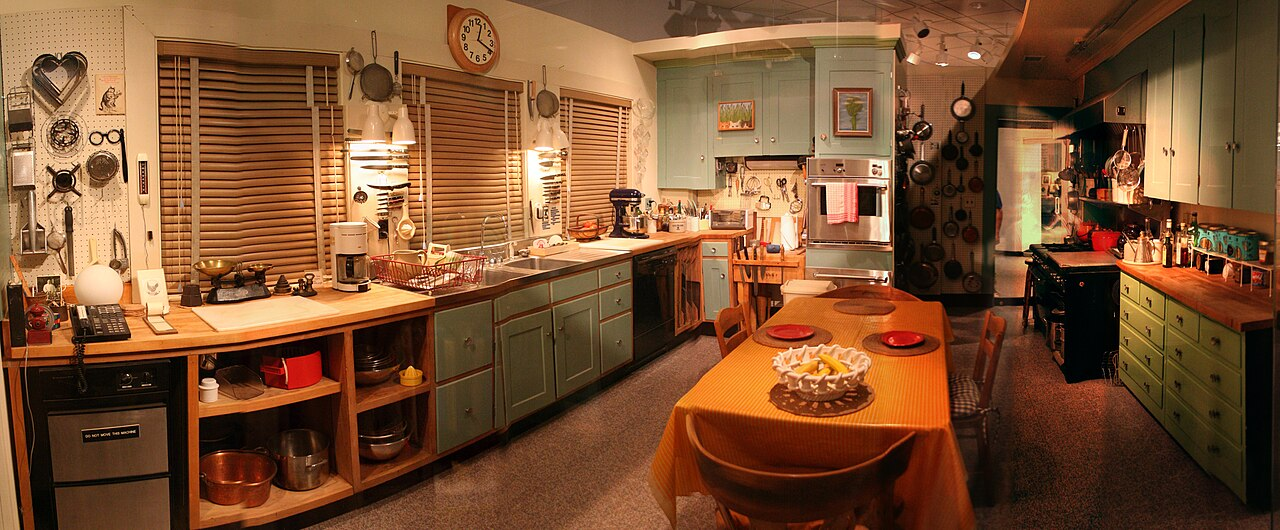
Period guidance called for roasting times that are now understood to be far longer than necessary, at lower temperatures, with the bird frequently cooked until a fork test rather than a thermometer said it was ready.
The result was a reliably dry breast, which is why so much of the period’s cooking energy went into gravy. Shorter times, higher heat and a thermometer have transformed the outcome, and the running joke about dry turkey is substantially a joke about a specific era’s instructions.
3. There Was a Card Table and You Were On It Until Somebody Died or Married
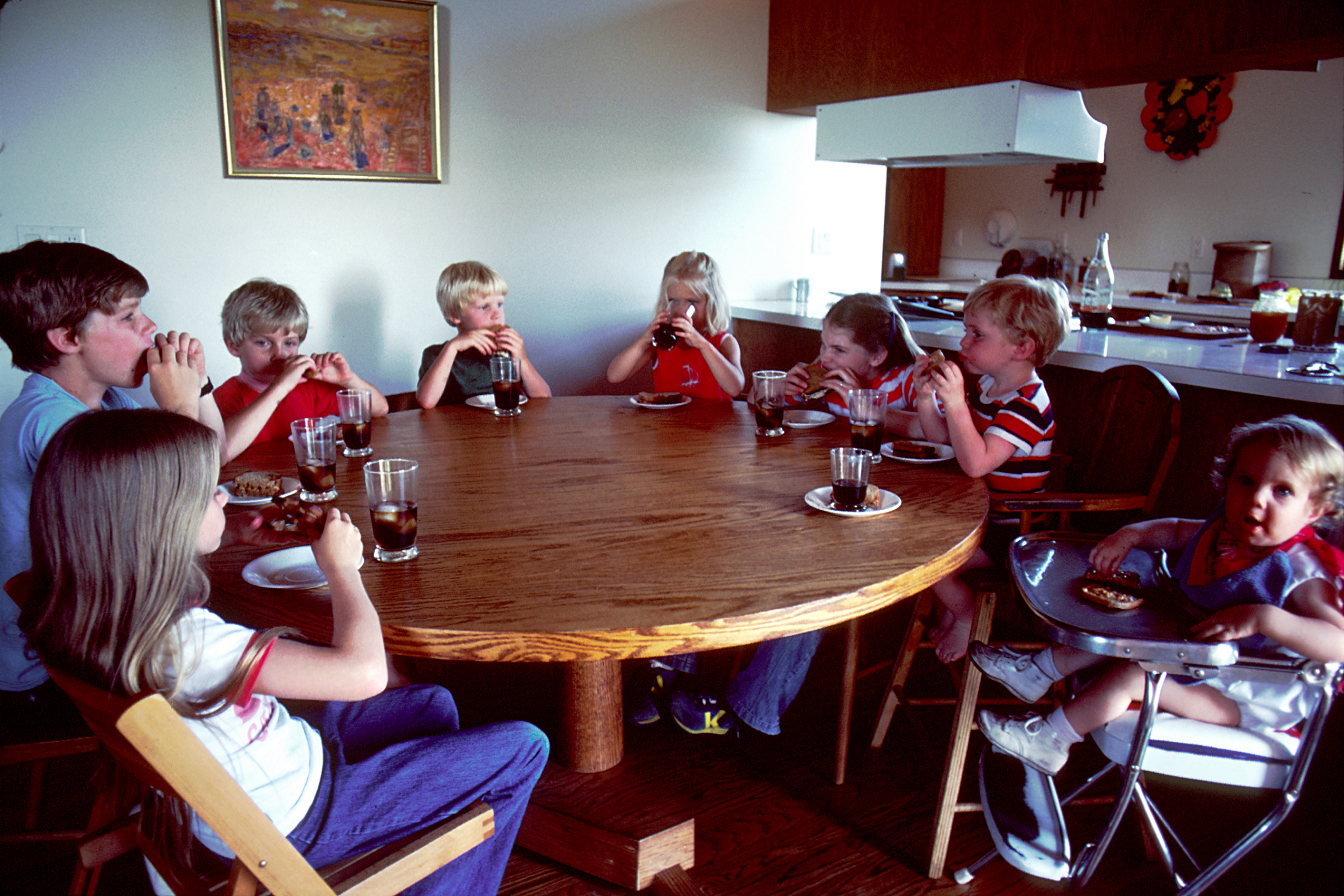
Children ate at a separate table, usually a folding card table in an adjoining room, set with the ordinary plates. Promotion to the main table was not age-based. A seat came free when the household changed.
Everybody who was ever on it remembers it, and remembers exactly how old they were when they got off. It survives in plenty of households, but the rigidity has gone, and the modern instinct to seat a teenager with the adults would have struck a 1965 host as odd.
4. The Relatives Drove for Hours and Then Stayed
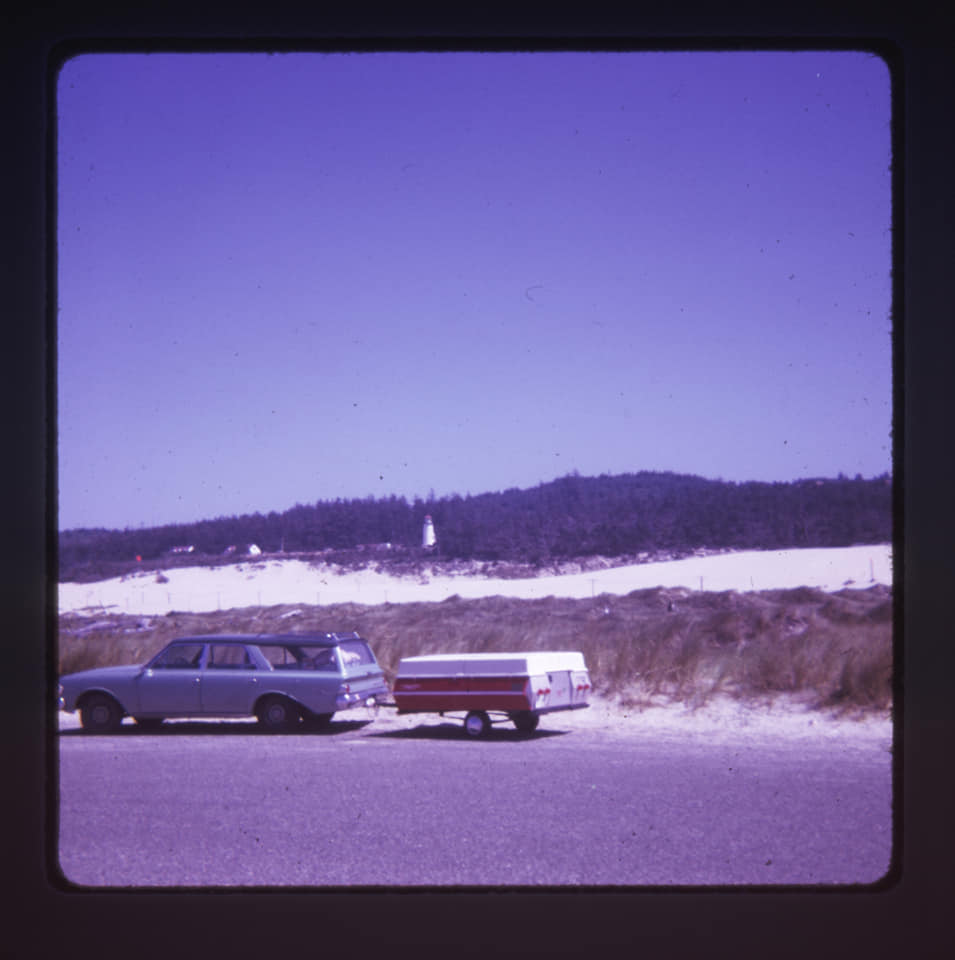
Travel was by car over long distances on the day or the day before, and the visit was a visit – people slept in the house, on sofas, in children’s rooms, for several nights.
Air travel at the holiday was expensive and uncommon, and the modern pattern of flying in and out inside forty-eight hours did not exist. Houses absorbed numbers that would now seem impossible, and the children were moved wherever there was floor.
5. A Great Deal of It Came Out of Cans and Packets

The period kitchen leaned heavily on condensed soups, canned vegetables, packet mixes, frozen components and prepared products, and this was a source of pride rather than apology – it was modern, it was reliable, and it had been marketed hard.
The current expectation that a holiday meal should be made from raw ingredients is a reversal of what the period considered progress. Several of the most traditional-seeming dishes on an American Thanksgiving table are mid-century convenience-product recipes that have simply been around long enough to read as heritage.
6. Everybody Smoked, Including at the Table
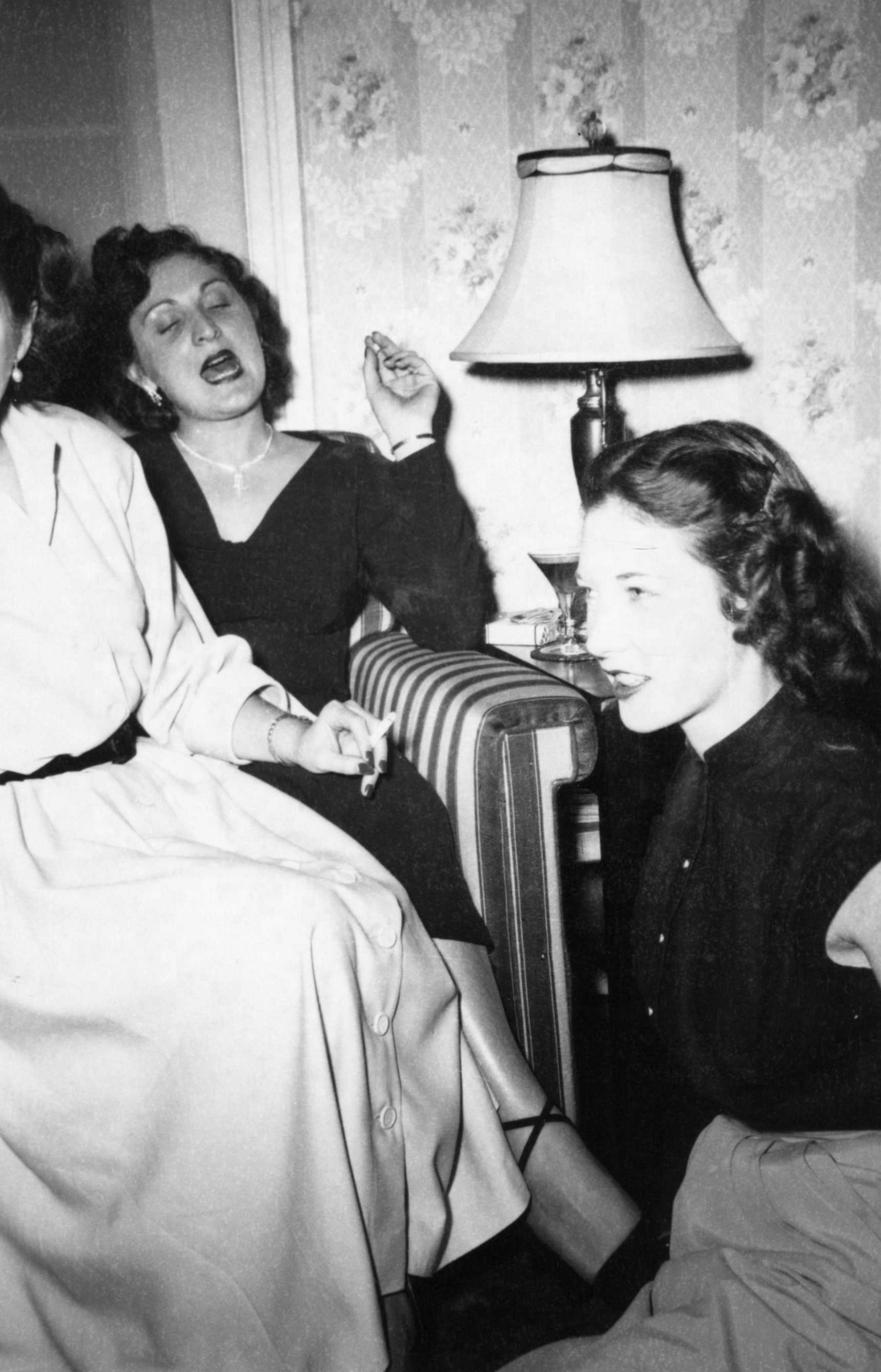
Cigarettes were lit between courses, ashtrays were part of the table setting, and a house full of people with the windows shut in November was thick with it by the afternoon. Guests who smoked were offered ashtrays as a courtesy.
Indoor smoking at a family gathering has effectively ended in American homes, driven by awareness of secondhand smoke rather than by any law reaching a private house, and it is the change that older people describe as most striking when they look at photographs of the period.
7. The Children Were Sent Outside and Not Checked On
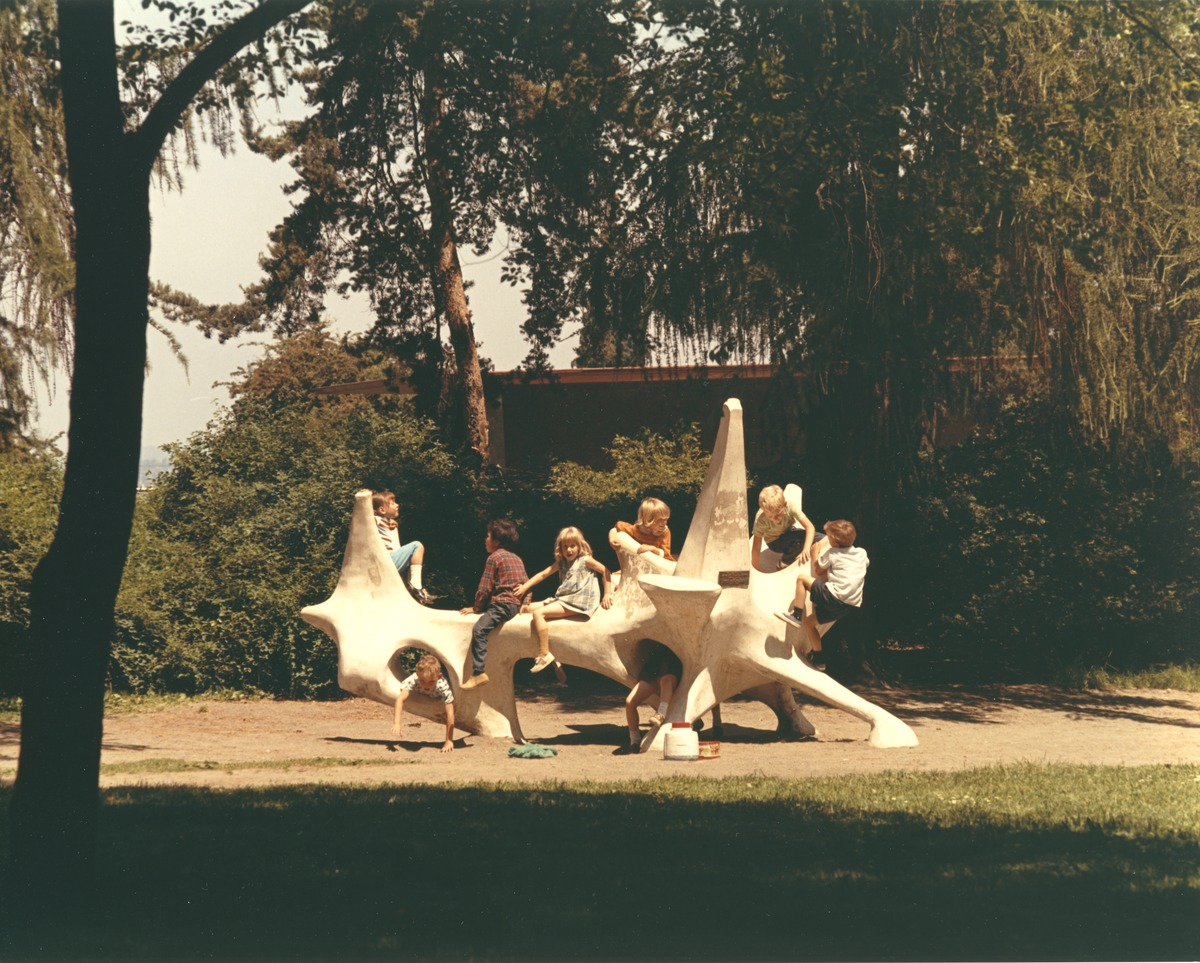
After eating, children were put outdoors regardless of weather and expected to stay there, unsupervised, for hours, across whatever ground surrounded the house.
This was universal and it was not considered neglectful in any way. The modern version – organised, supervised, indoors or in sight – reflects a change in expectations rather than in the weather.
8. The Television Was On and It Was the Parade, Then the Game
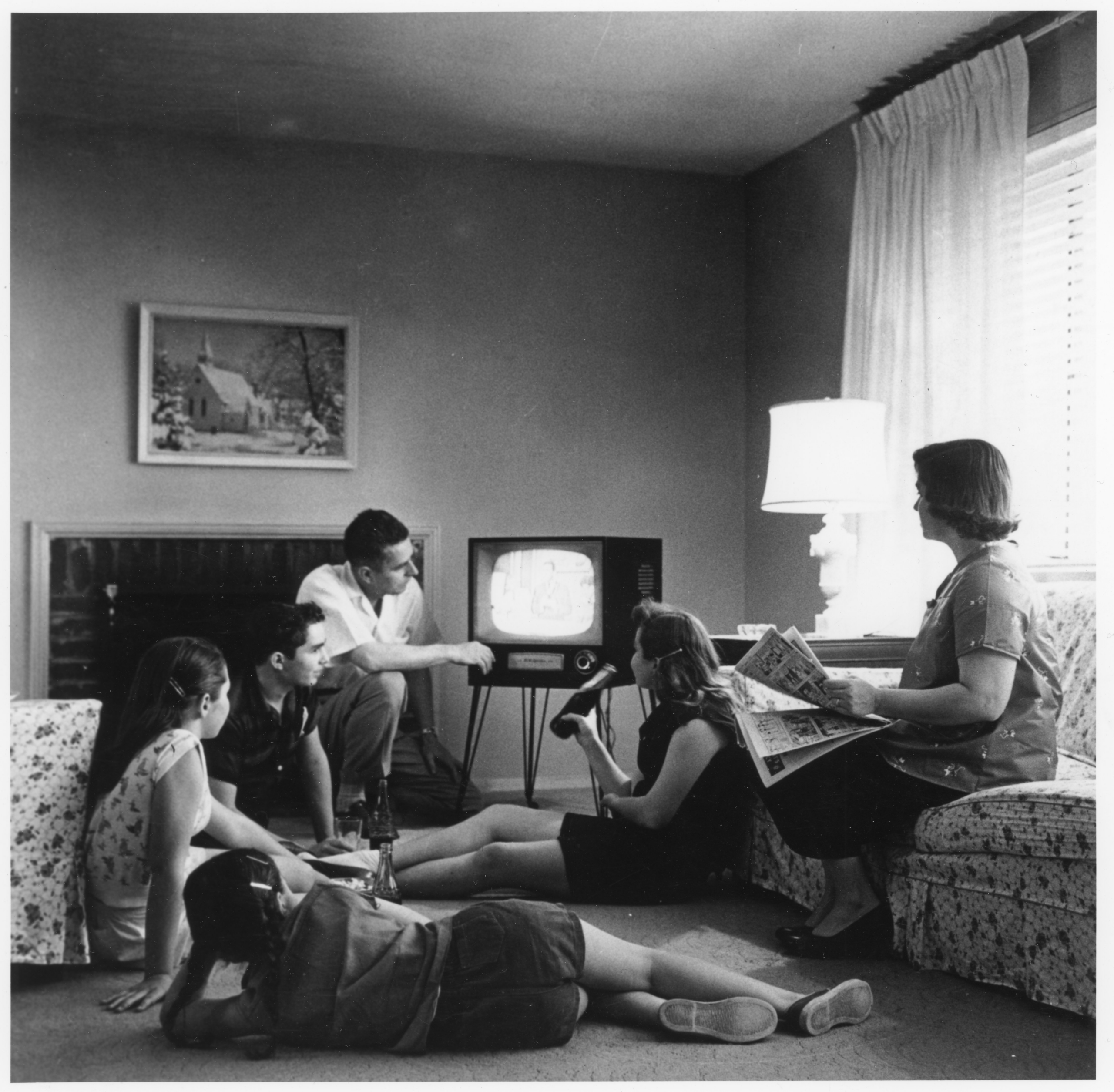
The set ran all day, showing the parade in the morning and football in the afternoon, with the sound up, while people talked across it.
It is one of the few elements of the day that has barely changed. What has changed is that there was one set, in one room, so the viewing was communal and argued over rather than distributed across devices – which is why the period’s complaint was about who controlled the television rather than about everybody being on their own screen.
9. The Good China Came Out and Somebody Washed All of It by Hand
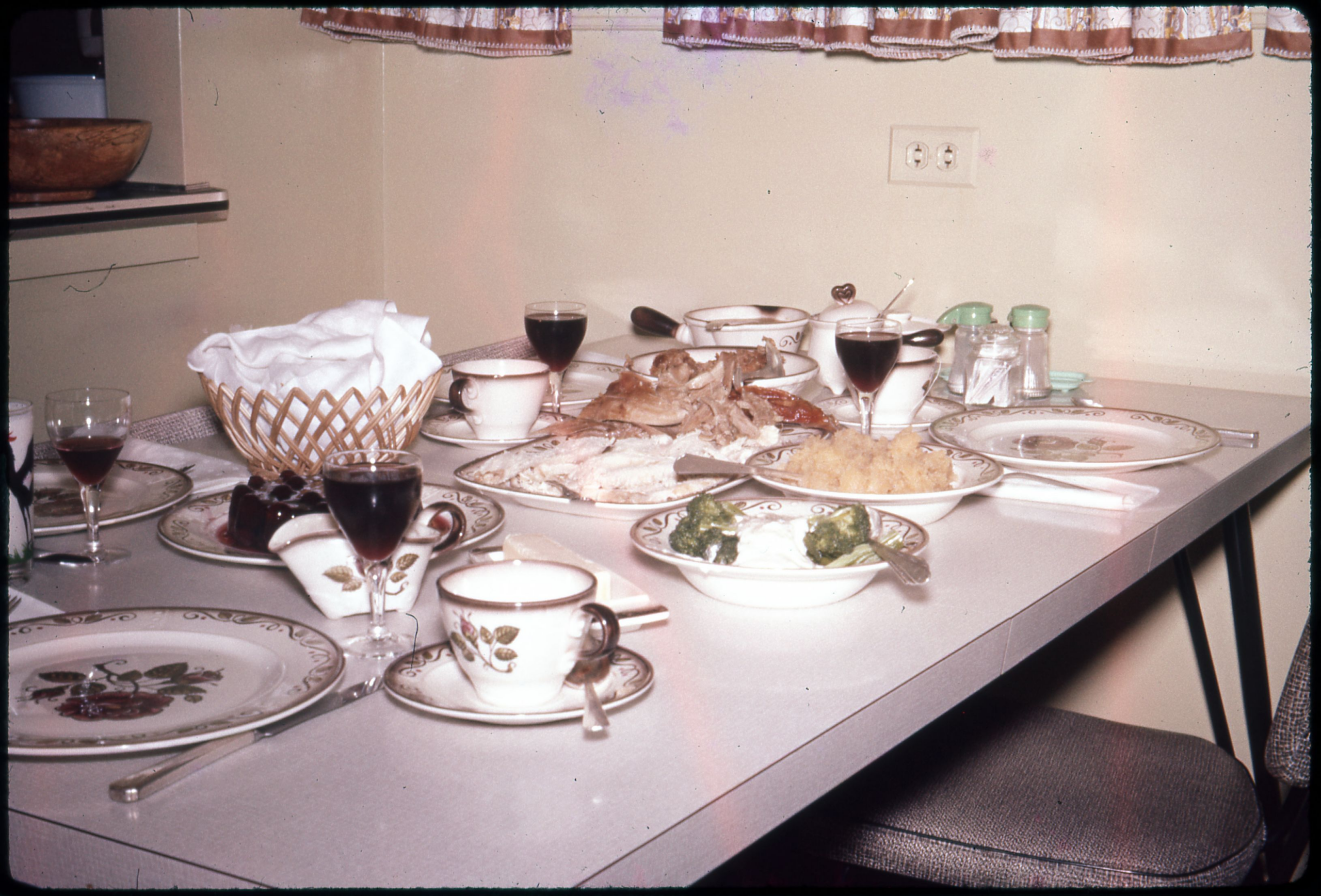
The service used for the day lived in a cabinet for the rest of the year, was not dishwasher-safe and in most houses would not have gone in one if it had been, and was washed, dried and put away by hand afterwards by the same group who had cooked.
The washing-up was a second shift of several hours that happened after everybody else had sat down. That is the part that tends to be left out of the warm recollection.
10. The Men Watched and the Dishes Happened Somewhere Else
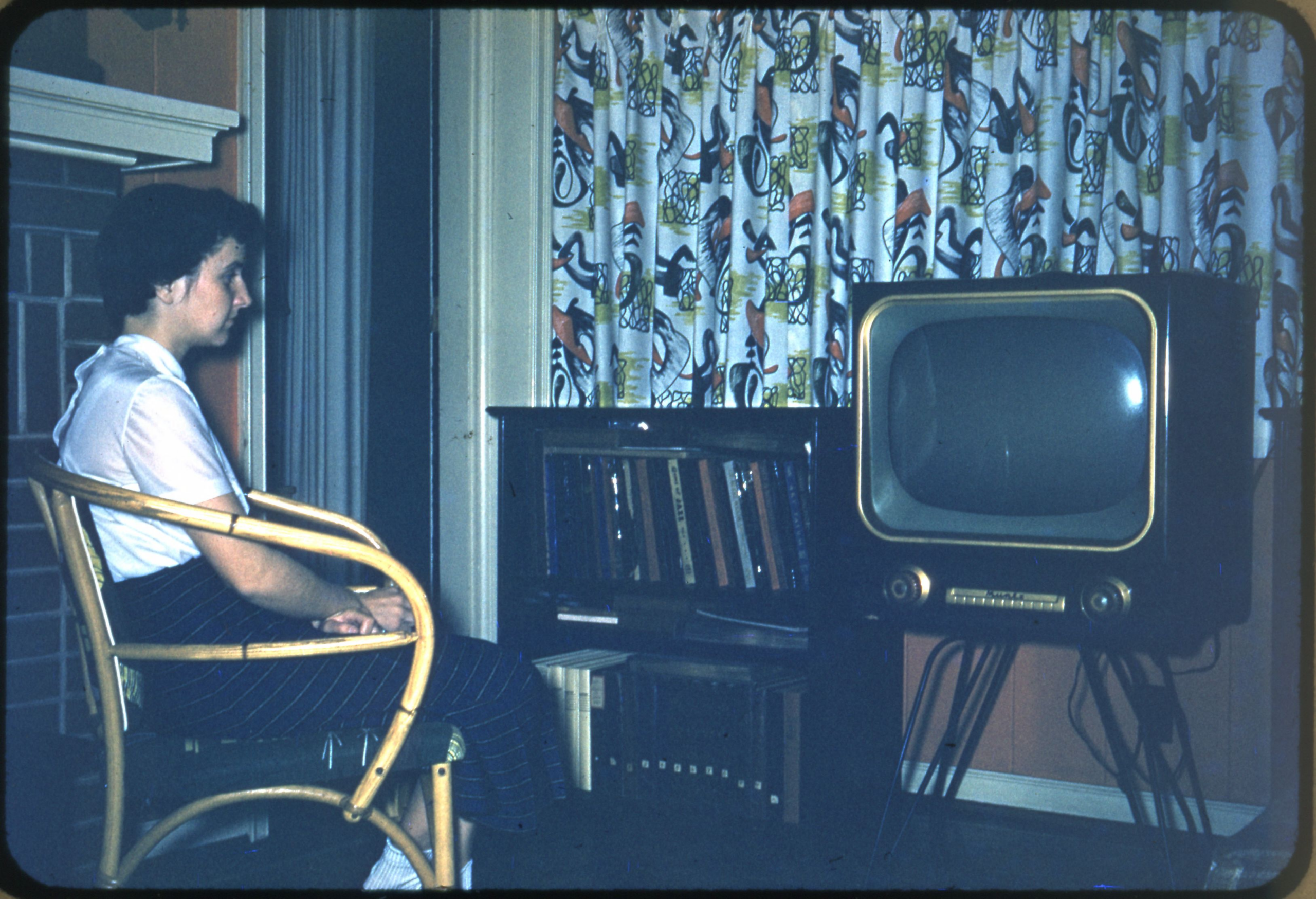
The post-meal division was as fixed as the cooking one. Men moved to another room, the television or outside. Women cleared, washed and dealt with leftovers.
It was not experienced as unfair by everybody at the time, which is a complicated fact rather than an exonerating one, and it is the thing the daughters of that generation changed most deliberately.
11. Grace Was Said and Everybody Stopped
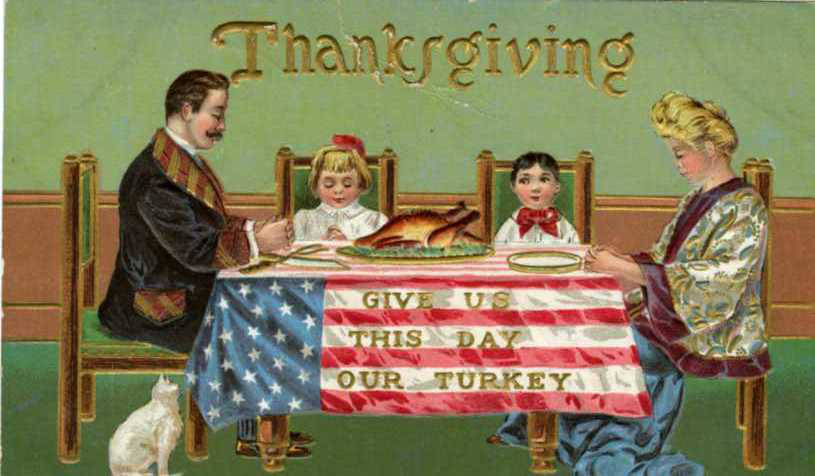
A blessing before the meal was near-universal, including in households that were not otherwise observant, and nobody treated it as optional or as a statement about anybody’s beliefs.
It has become a question rather than an assumption in a great many families, negotiated in advance or quietly dropped, which is a real change in the texture of the day.
12. Nobody Asked About Anybody’s Food

There was one meal. Dietary requirements, allergies, vegetarianism and anything else were not catered for and frequently not mentioned, and a guest who could not eat something ate around it.
Food allergy is now understood and managed in a way it was not, and a host who served a single undisclosed menu to a room of people would now be taking a risk that nobody in 1965 knew existed. The accommodation of different diets is one of the more straightforwardly good changes on this list.
13. The Leftovers Were the Point and They Lasted Days
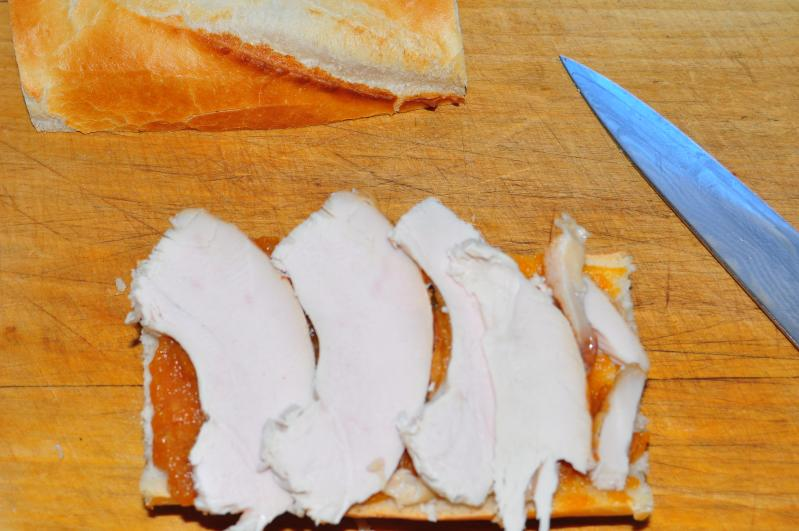
The quantity cooked was calculated for days of leftovers, the carcass went into stock or soup, and the sandwich made that night was treated by a large number of people as better than the meal.
This has survived almost intact, and the leftover sandwich remains one of the few parts of the holiday nobody has tried to improve.
14. The Day After Was an Ordinary Day
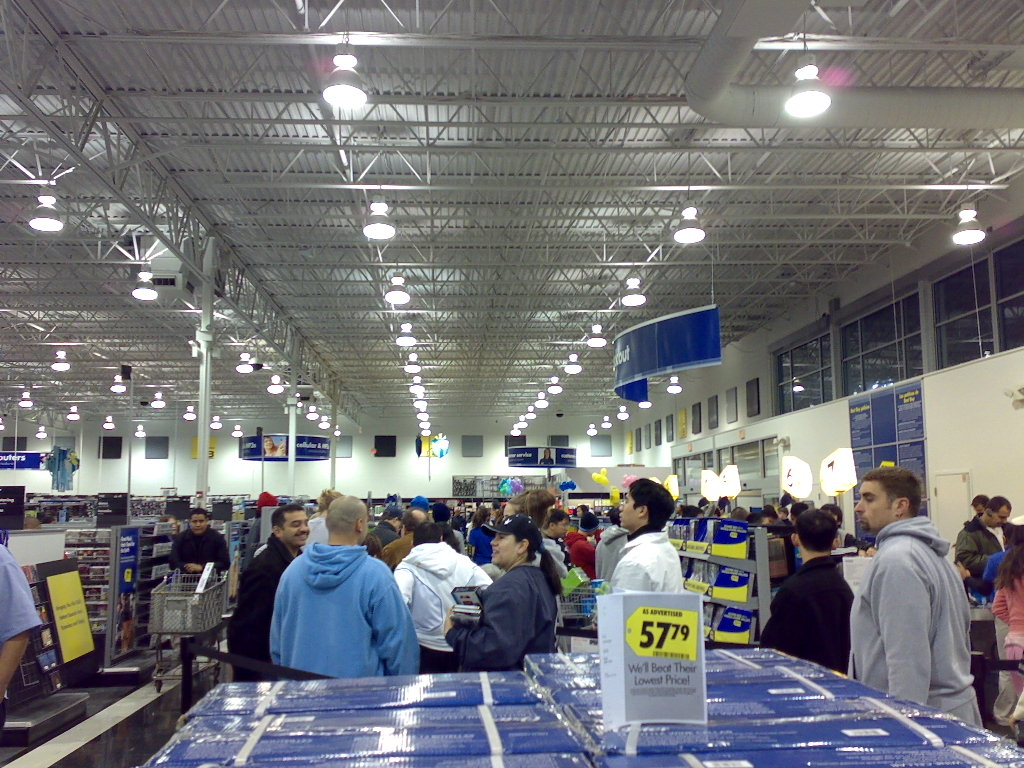
The Friday after was a working day for most people. There was no shopping event attached to it, no overnight queueing, no particular commercial significance and no four-day weekend as a general expectation.
The transformation of that Friday into a retail occasion happened later and happened fast, and it has pulled the holiday’s centre of gravity forward in a way the period would find baffling.
15. Everybody Drove Home After Drinking

Alcohol was served through a long afternoon and the guests who were not staying drove home afterwards, often with children in the car and no particular comment from anybody.
Drink-driving enforcement, legal limits and the social position of the practice have changed completely since, and a 1965 Thanksgiving departure would involve several decisions no host or guest would now make.
16. Long Distance Was Expensive and the Call Was Short
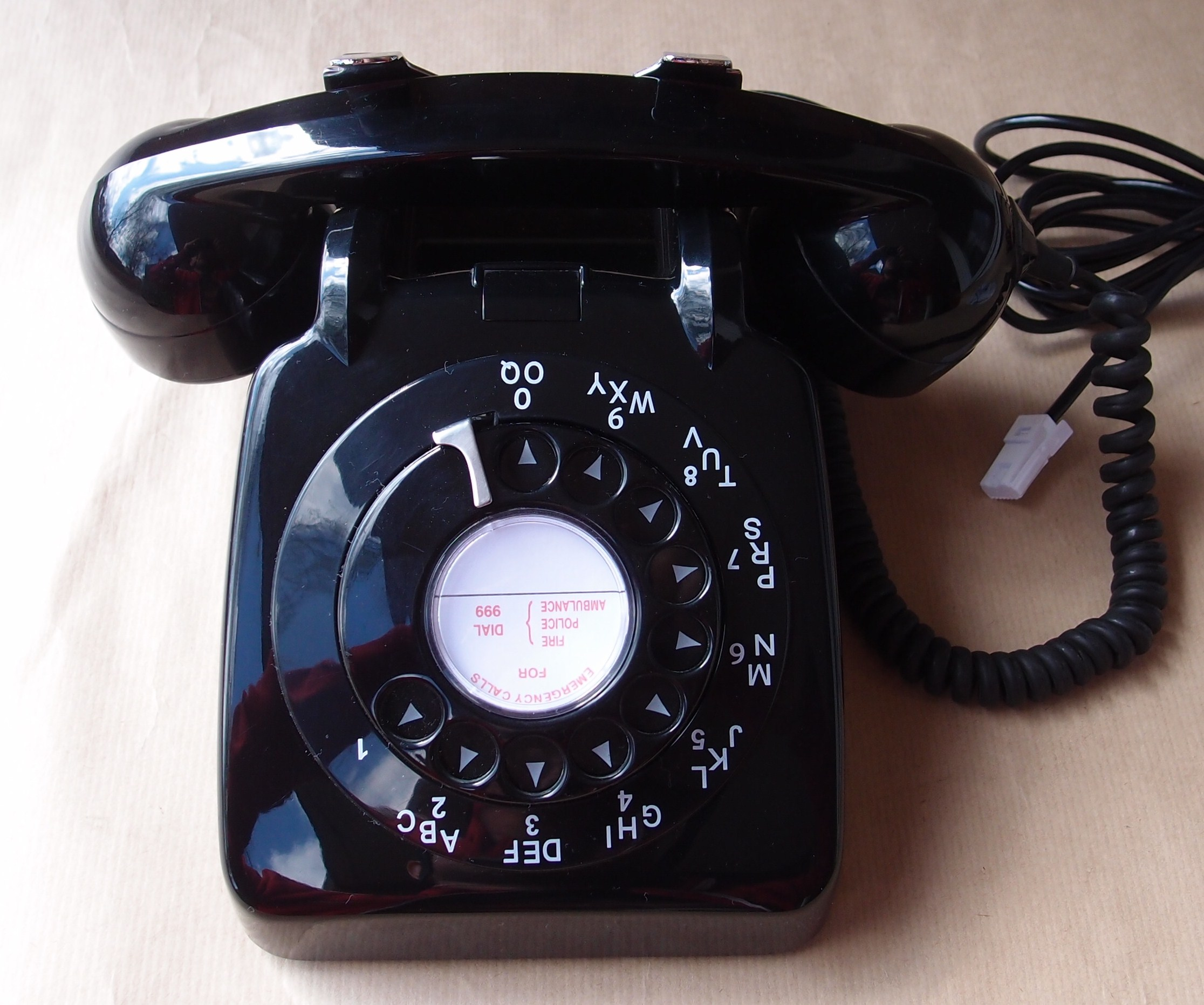
Relatives who could not come were telephoned, on a long-distance call that was charged by the minute at rates that mattered, so the call was brief and everybody queued to say one thing.
The queue at the telephone is a specific and widely shared memory, and it exists entirely because of a pricing structure that no longer exists. The modern equivalent costs nothing and lasts as long as anybody wants, which has removed both the queue and the urgency.
17. The Whole Thing Was Assumed and Not Negotiated
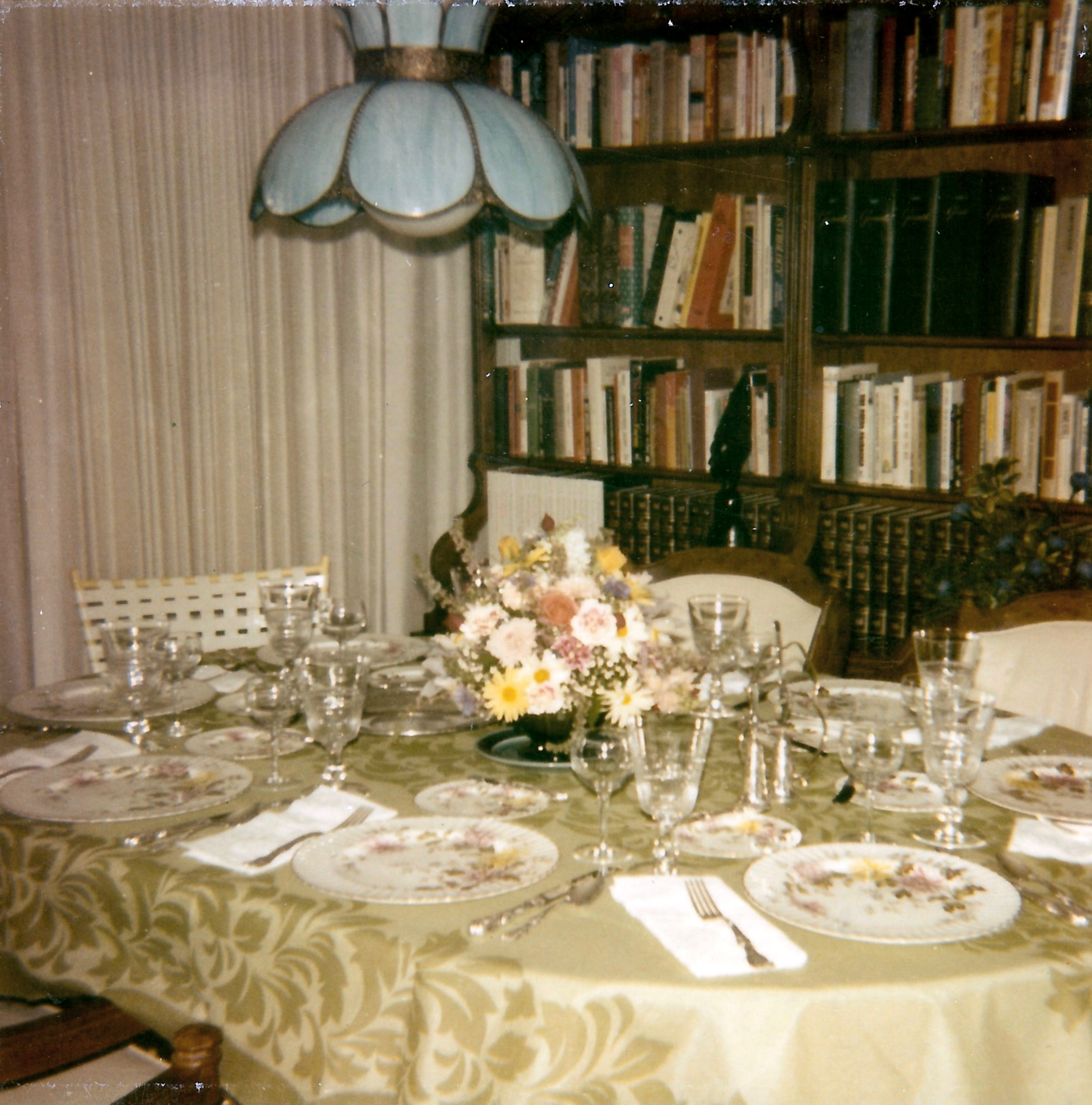
Nobody discussed in advance who was hosting, which family’s house, how long people would stay or whether anybody would rather not come. The pattern was fixed, the obligation was understood, and attendance was not optional in any practical sense.
The modern holiday is negotiated extensively – alternating years, split days, declined invitations, chosen arrangements. That is more humane and considerably more work, and the people who miss 1965 are frequently missing the absence of the negotiation rather than anything on the table.
What Actually Changed
Three of these would now be genuinely different in kind rather than in degree: indoor smoking at the table, serving a single undisclosed menu to a room that may contain a serious allergy, and the whole company driving home after an afternoon of drinking.
But the largest change on this list is not any of those. It is the first item, and it took about forty years.
A holiday that was produced start to finish by one person, who cooked alone, ate last and then washed everything, is a different event from one where the work is distributed. Everything else people describe about the period – the warmth, the scale, the number of people the house absorbed, the sense that it simply happened – rested on that arrangement without naming it.
The rest divides into genuine improvements and genuine losses. Allergy awareness, the end of indoor smoking and the changed position of drink-driving are improvements with nothing to argue about. The negotiation that has replaced assumption is better for the people who were obliged and harder for everybody organising it.
And the leftover sandwich is exactly the same, which is the correct outcome.
The nostalgia is real and it is mostly about scale and certainty – a house with too many people in it, nobody checking their phone, an afternoon with nowhere else to be, and a pattern so fixed that nobody had to decide anything.
It is worth remembering who paid for that certainty. Somebody was in the kitchen from five in the morning, ate when everybody else had finished, and was still at the sink when the television went off. The holiday everybody remembers so fondly was built on one person’s working day, and the thing that has changed most is that she is now sitting down.
Like our content? Follow us for more.
