It Arrived Every Autumn and Cost Almost Nothing
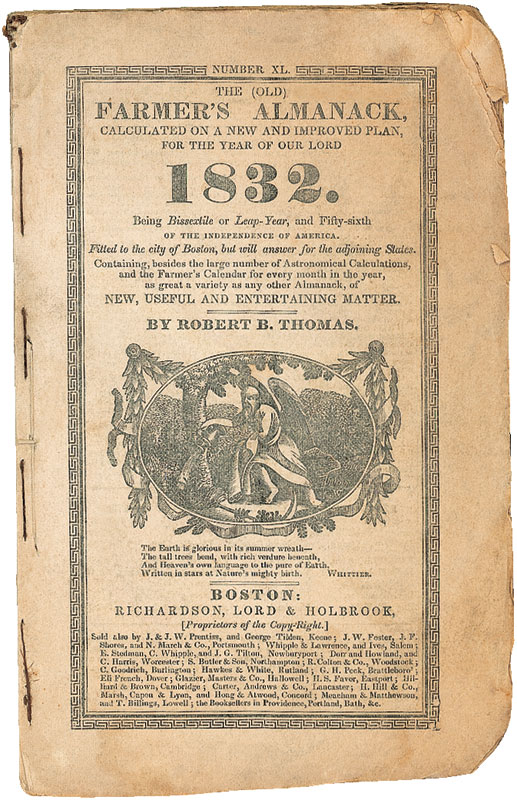
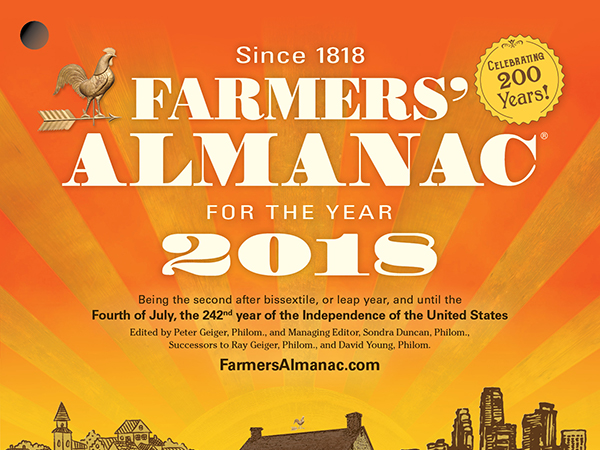
Sometime in the fall a thin paper book appeared – bought for a few cents at the feed store, the drugstore or the hardware, or handed over free by a business with its name printed on the cover.
It was small, about the size of a magazine folded once, printed on cheap paper in dense small type, with a cover that had looked the same for as long as anybody could remember.
And there was a hole punched through the corner.
The hole was not an afterthought and it was not for a nail on a kitchen wall. It was put there so the book could be hung on a wire in the privy, where the pages served a second purpose once their month had passed. That is the genuine origin of a feature that a great many people now assume is decorative, and the publishers put it there on purpose because they knew exactly where the book was going to end up.
Like our content? Follow us for more.
The Thing It Sold Itself On Was a Year of Weather
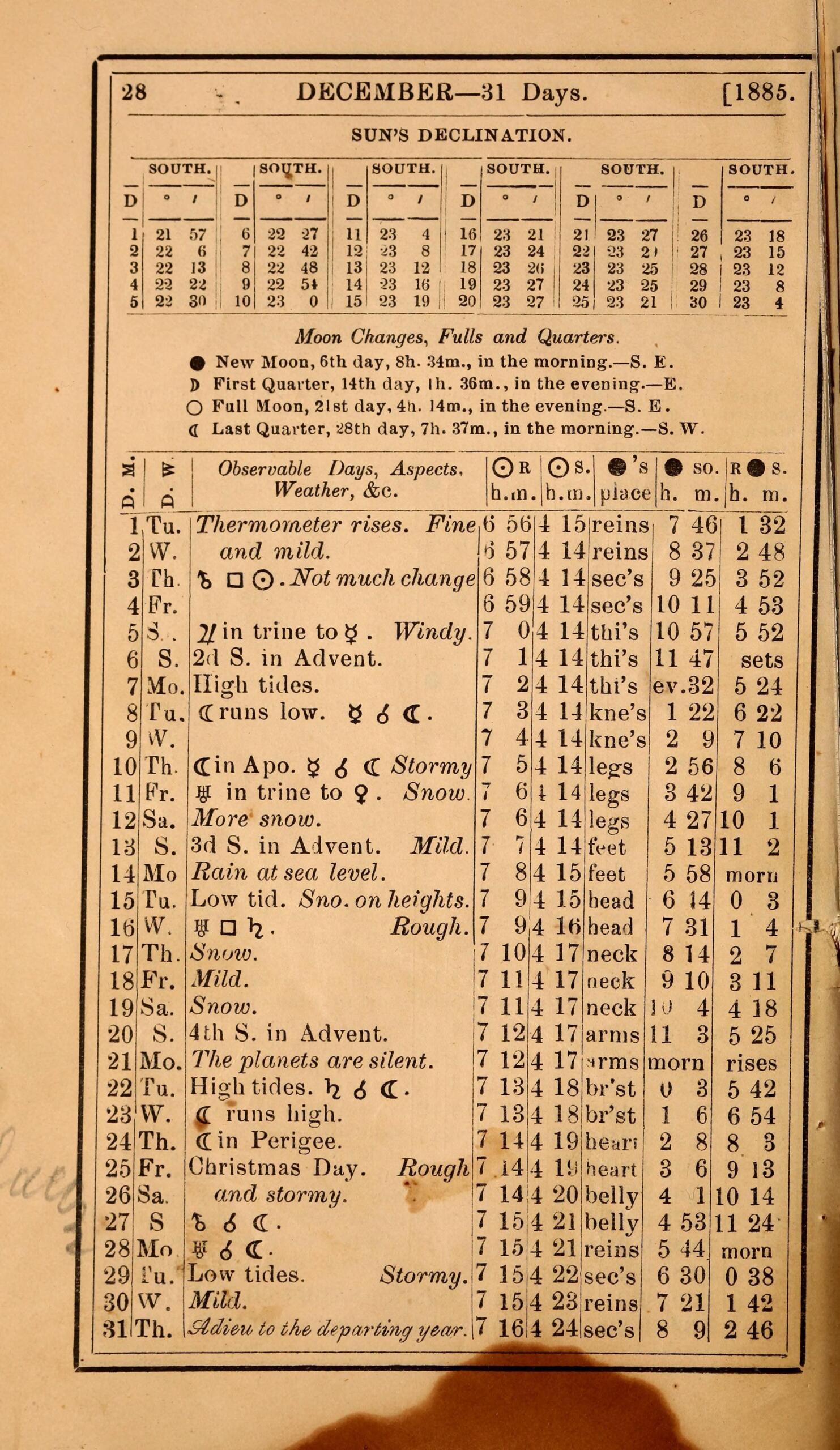
The headline attraction, printed in the front and referred to all year, was a weather forecast for every region of the country, month by month, for the following twelve months – published before the year had started.
It was arrived at by a method the publishers declined to explain, described in general terms involving sunspot activity, planetary positions and tidal influences, and held as a proprietary secret. Nobody outside the operation has ever seen the formula.
Households referred to it constantly. A farmer deciding when to cut hay, a family planning a wedding, somebody wondering whether to plant early – all of them looked, and all of them remembered afterwards whether it had been right.
And the Honest Answer About the Forecasts Is Not Flattering
This needs stating plainly, because the whole subject is usually handled either with reverence or with a sneer, and neither is useful.
The publishers have long claimed accuracy rates well above chance. Independent examinations of those claims – academic and journalistic, conducted over decades – have generally found the long-range predictions to perform at or near what random guessing would produce, once you account for the fact that any month’s weather in any region is going to resemble that month’s historical average most of the time.
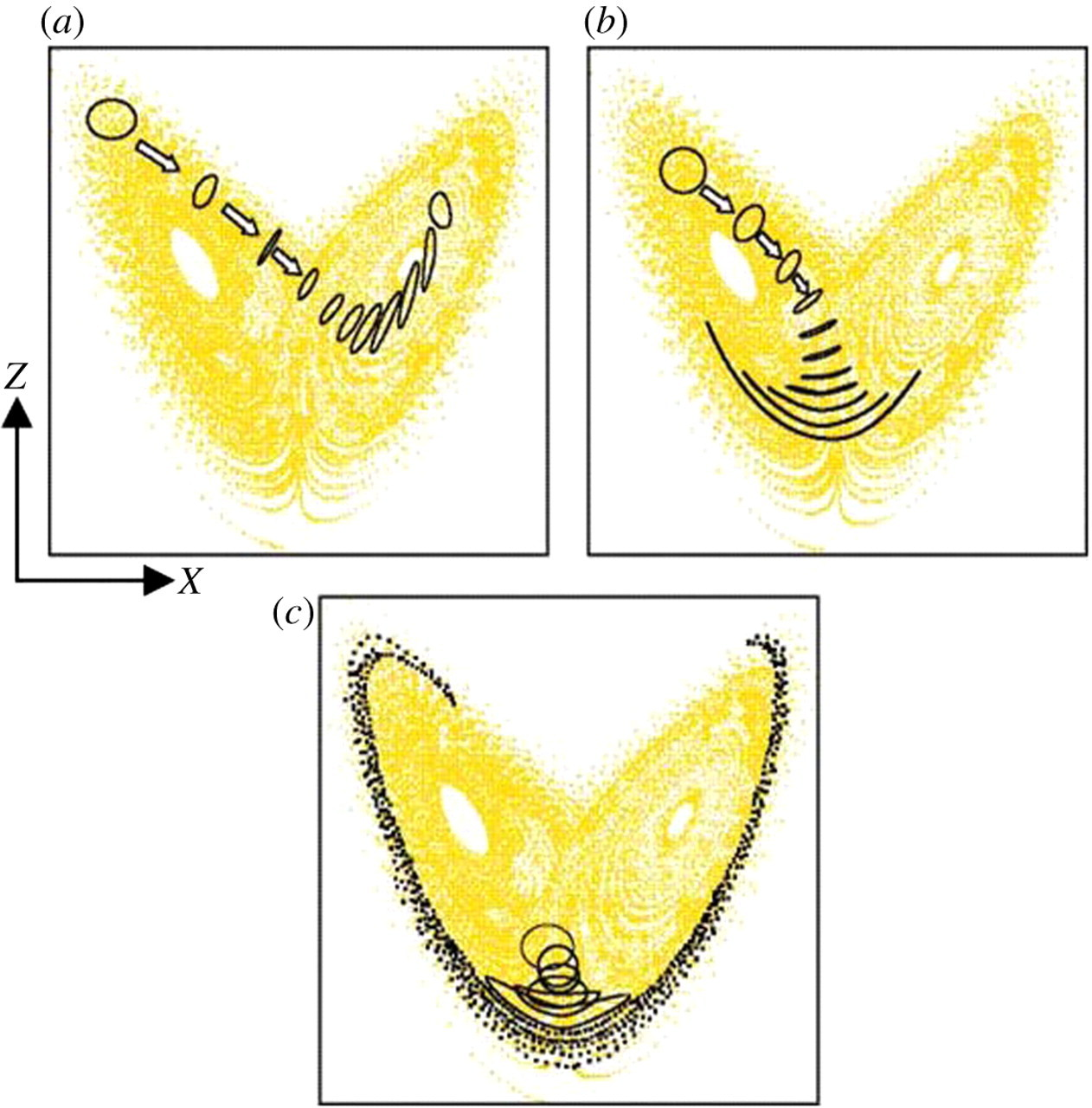
That is the finding, and it is not a scandal. Long-range weather forecasting beyond a couple of weeks remains genuinely difficult for institutions with satellites and supercomputers, for reasons that are fundamental rather than technological: the atmosphere is a chaotic system, and small errors in a starting state grow until the forecast is worthless. Nobody in 1850 or 1974 could have done it, and nobody can do it now.
So the almanac’s signature feature did not work, and the reason it did not work is a hard physical limit rather than a failure of effort.
What It Got Exactly Right Was the Sky
Here is the part that gets lost, and it is the part that made the book genuinely valuable.
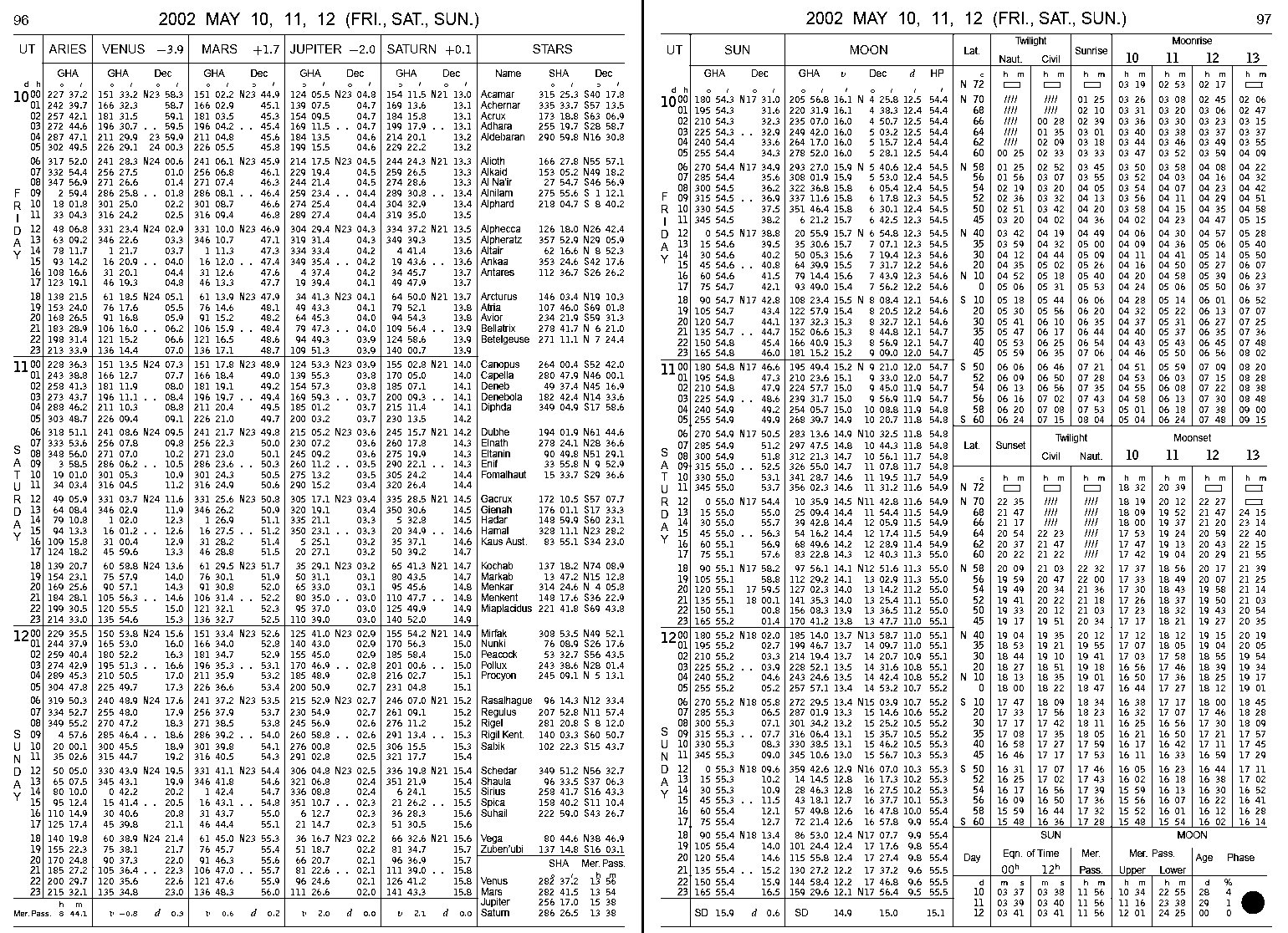
Alongside the forecasts was a large body of astronomical information, and every bit of it was correct to the minute. Sunrise and sunset for each day of the year. Moonrise, moonset and the phases of the moon. The length of the day. Eclipses, with their times and their visibility. The positions of the visible planets. And, in coastal editions, tide tables.
None of that is prediction in any uncertain sense. It is computation. The motions of the earth, moon and sun are known with extraordinary precision, the arithmetic has been doable for centuries, and an almanac’s astronomical tables were and are simply accurate.
Which means a household with one cheap book knew, for every single day of the coming year, when the sun would come up, when it would go down, how much light there would be, what the moon was doing and – on the coast – when the water would be high.
For a farm with no electricity, a fishing family, anybody working outdoors or travelling by road at night, that is not trivia. It is a year’s planning data, and there was nowhere else to get it.
The Frost Dates Were Real and They Were Useful
The planting content sat in between the two, and it deserves separating out carefully.
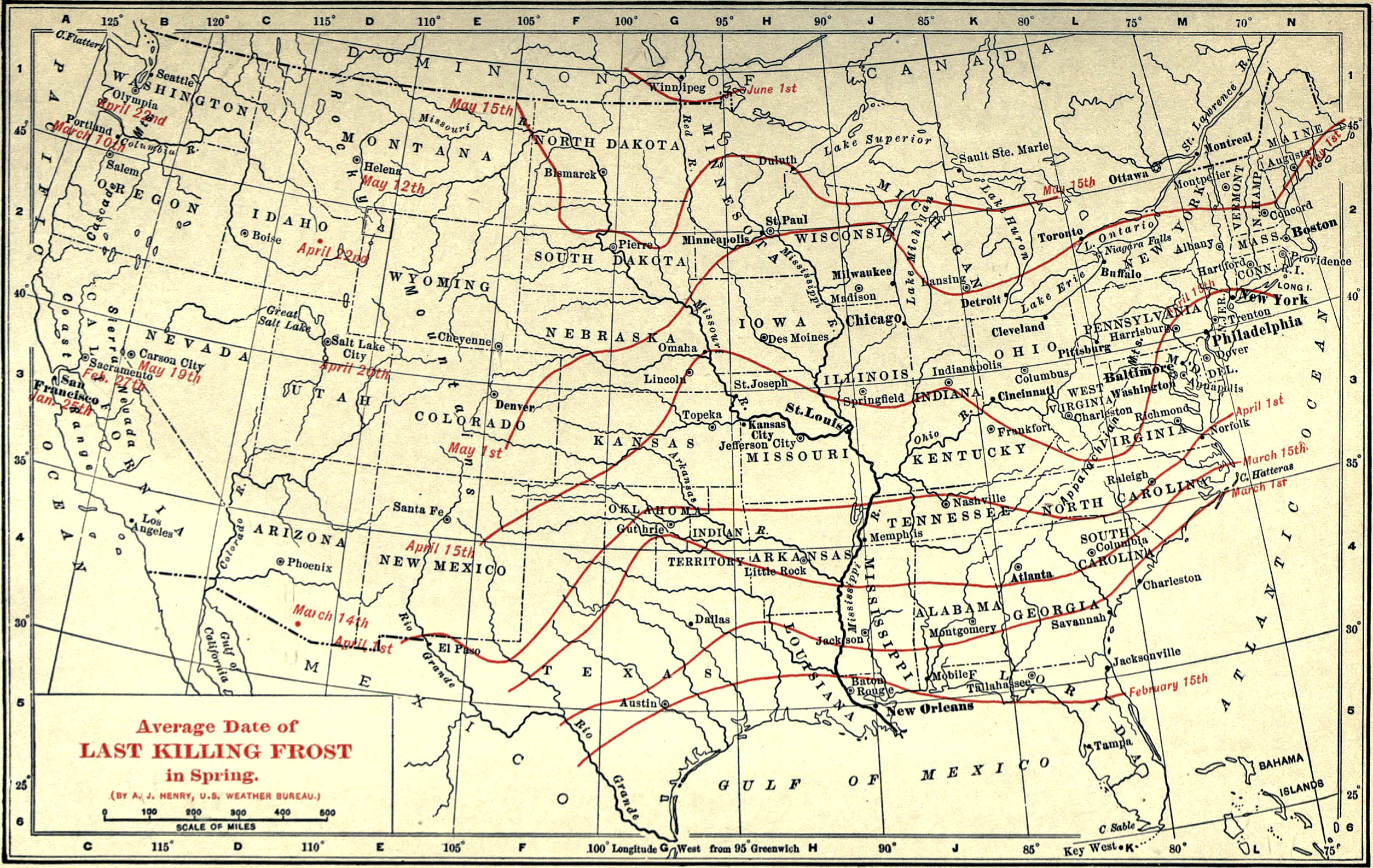
The frost tables – average dates of the last spring frost and the first autumn frost, by region – are compiled from recorded observations over many years. They are statistics rather than predictions, they are genuinely informative, and they are the single most practically useful page in the book for anybody growing anything.
Alongside them were planting calendars, best-days charts and gestation tables for livestock, which mixed sound horticultural timing with a quite different tradition.
That tradition is planting by the moon: the long-standing practice of sowing root crops in one phase and leafy crops in another, setting fence posts or slaughtering or weaning according to where the moon stood. It is ancient, it was widely followed, and it has not held up under controlled testing – there is no established mechanism by which lunar phase would affect germination, and studies looking for an effect have not found one.
What is true is that the moon-phase calendar functioned as a schedule. A household following it planted on particular days rather than drifting, which is a real benefit arriving from an unrelated cause.
Most of the Book Was Not About Weather at All
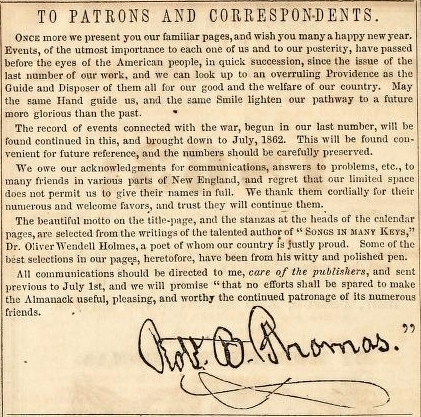
Flip past the front and the almanac became a miscellany, and that miscellany is why it was read cover to cover.
There were essays and anecdotes. Puzzles, riddles and mathematical teasers. Recipes. Fishing advice. Lists of holidays, including the obscure ones. Dates of state fairs and agricultural events. Postal rates. Conversion tables. Articles on history, on oddities, on how things worked.
And there was household advice of every description, including a large quantity of folk remedy, which this piece is not going to reproduce or recommend because a great deal of it ranged from useless to genuinely unwise.
The whole thing was written in a plain confident voice at a reading level any adult could manage, and it was one of the very few books in a great many American farmhouses – which meant it was read by everybody, repeatedly, including children who read it because it was there.
The Advertising Was the Business Model
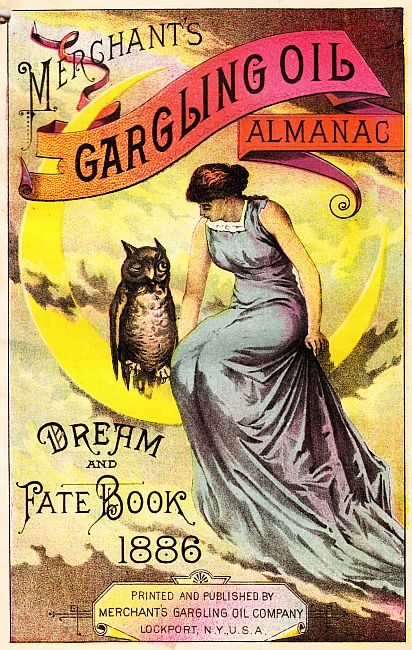
Running through every page was advertising, and it is worth understanding because it explains how the book could cost a few cents.
The advertisers were specific and consistent: seed houses, nursery stock, poultry suppliers, trusses and supports, hearing aids, hair preparations, mail-order remedies, correspondence courses, farm equipment, and an enormous quantity of small mail-order products aimed squarely at rural households who shopped by post.
Those advertisers were paying for access to an audience that was otherwise hard to reach. A rural family in 1900 or 1940 read very little, received almost nothing through the mail, and lived nowhere near a shop that carried specialty goods – but it had an almanac on a nail and it read all of it.
So the economics were plain. The forecast sold the book, the book carried the advertising, and the advertising paid for everything.
The Other Half of the Trade Was the Giveaway Edition
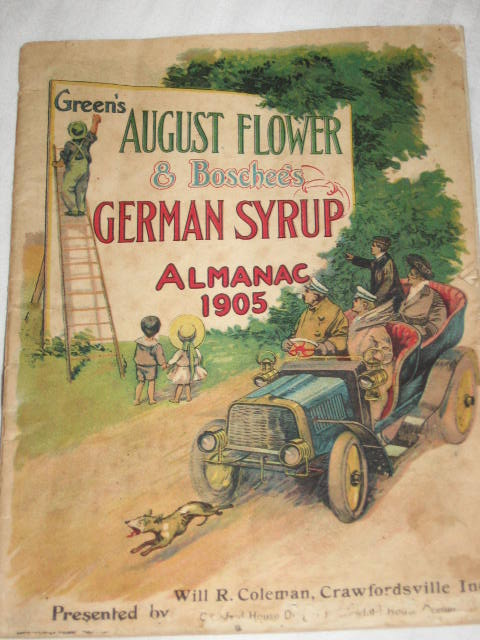
Alongside the newsstand version there was a second, larger business: almanacs printed for businesses to hand out with their own name on the cover.
A bank, a hardware store, a funeral home, an implement dealer, a drug store, a feed mill or an insurance agent ordered a quantity with its name and address printed on, and gave them away to customers through the autumn.
That worked for exactly the same reason the advertising did. A book that stays in a kitchen or a barn for twelve months, referred to weekly, with a business name on the front, is a remarkably efficient piece of local advertising – and far better value than a newspaper notice that is read once.
Which means a great many American households never bought an almanac at all. They were given one, every single year, by whoever they did business with.
Why It Is Still on Sale
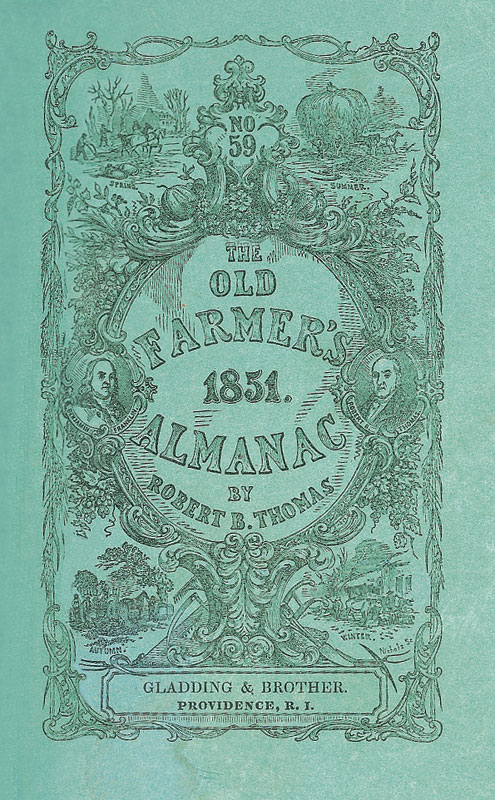
The almanac did not die, which is unusual for anything in this series, and the reasons are worth being clear-eyed about.
Part of it is brand. A publication with an unbroken run going back to the early republic has a claim that nothing else in American publishing can make, and that continuity is itself the product.
Part of it is that the astronomical content is still correct, still computed, and still genuinely handy in print for anybody who wants a year’s sunrise and moon data on a shelf rather than in a search box.
And part of it is affection. People buy it because their grandfather had one, because the cover has not changed, because reading the forecast for next July in October is a pleasure whether or not it is accurate, and because it is cheap.
It is, in other words, now sold substantially as a tradition – which is a perfectly honourable thing for a book to be and is not what it was in 1900.
The Twist: The Part That Works Got Free, and the Part That Does Not Is What Is Left
Set out what the book actually contained and the real story becomes visible, and it is the opposite of how the almanac is usually described.
Eleven-twelfths of its genuine value was reference data. Sunrise, sunset, day length, moon phase, eclipses, tides, frost dates, holidays, fair dates, postal rates, conversions, gestation periods. Every one of those is correct, computed or compiled from records, and every one of those was, in 1940, obtainable nowhere else by a rural household at any price.
One-twelfth was the long-range weather forecast, which was the thing on the cover, the thing people talked about, and the thing that did not work.
So the almanac was a reference book sold on the strength of its least reliable feature. The forecast was the hook; the tables were the merchandise.
And now look at what happened. Every single piece of the reference content is free, instant and more detailed on a telephone. Sunrise to the second for any location on earth. Moon phase, tides, eclipses, day length, frost probability by postcode, every holiday, every conversion. The eleven-twelfths that were the book’s actual worth have been given away, to everybody, at no cost, in better form.
What remains is the forecast – the one component that was never reliable and still is not, because it cannot be.
Which is why the almanac is still printed and the reason is not sentimental confusion. It is the only thing in the book that nobody else can supply, precisely because nobody can supply it at all. A publication that once sold indispensable data on the back of an unreliable promise now sells the unreliable promise, with the data thrown in for free, to people who like having it on paper.
The hole is still punched in the corner, incidentally. Nobody hangs it in a privy any more, and they punch it anyway
Like our content? Follow us for more..