There Was a Low Building With Roosts in It
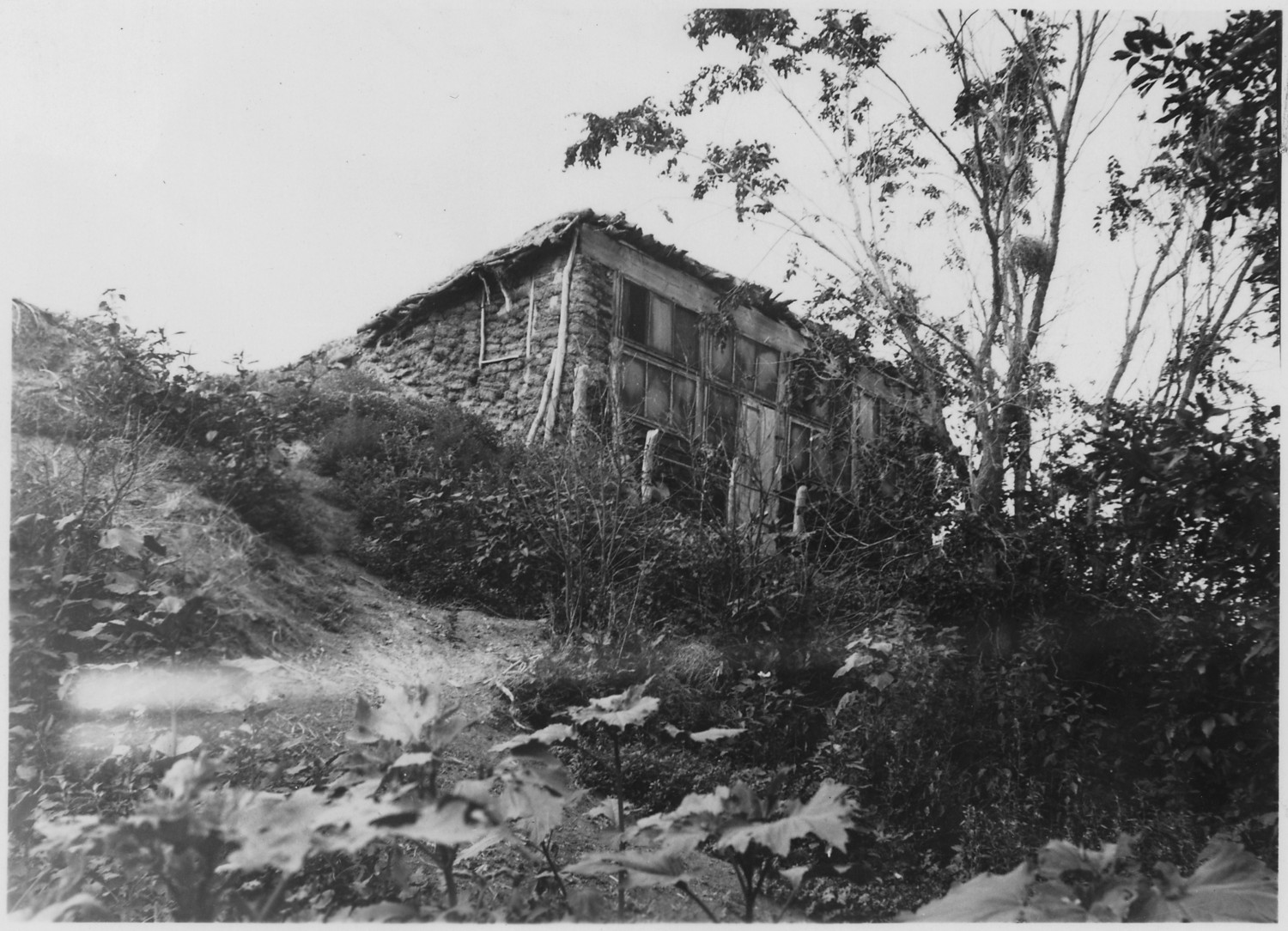
The chicken house stood apart from the other buildings – low, long, with a shed roof, a south-facing wall of windows, a people door at one end and a small hinged pop hole at the bottom for the birds.
Inside, along the back wall, were the roosts: horizontal poles at descending heights, with a board underneath to catch what fell. Along one side was a bank of nest boxes, open-fronted, a foot square, bedded with straw or shavings. There was a feeder, a waterer, a grit box and a container of oyster shell.
Outside was a wire run, and a gate the birds came out of in the morning and went back into at dusk without being told.
Like our content? Follow us for more.
The Flock Was Thirty to a Hundred Birds and It Was the Woman’s
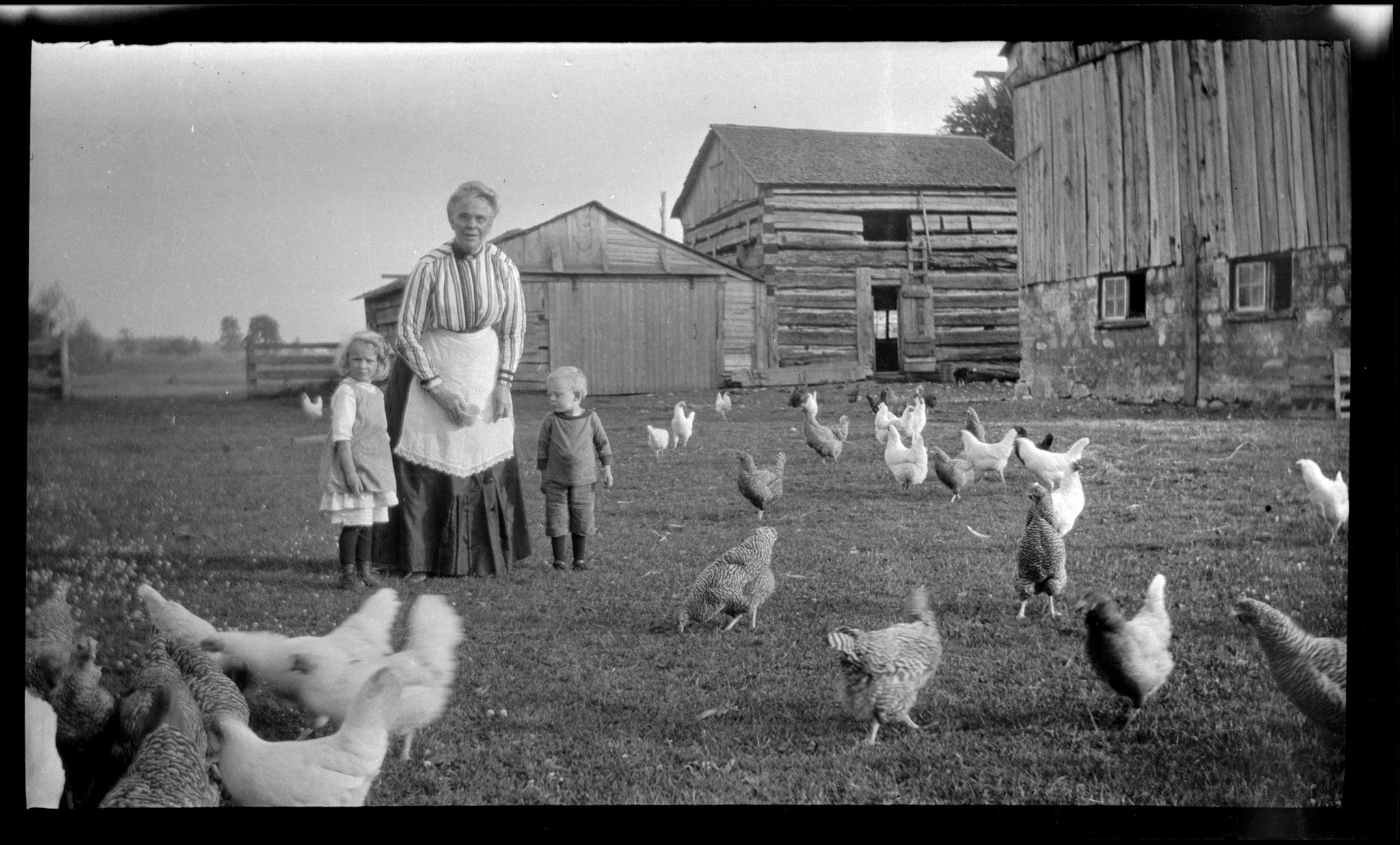
A household flock was modest and it was general-purpose. Birds that laid reasonably well and were also worth eating, rather than either a laying specialist or a meat specialist – because a farm needed both and could not justify two flocks.
The whole operation was, in the overwhelming majority of American farm households, run by the woman of the house. She chose the birds, fed them, collected, candled, graded, cleaned, packed and sold them, and the proceeds were understood as hers. That attribution was explicit and widely recognised at the time.
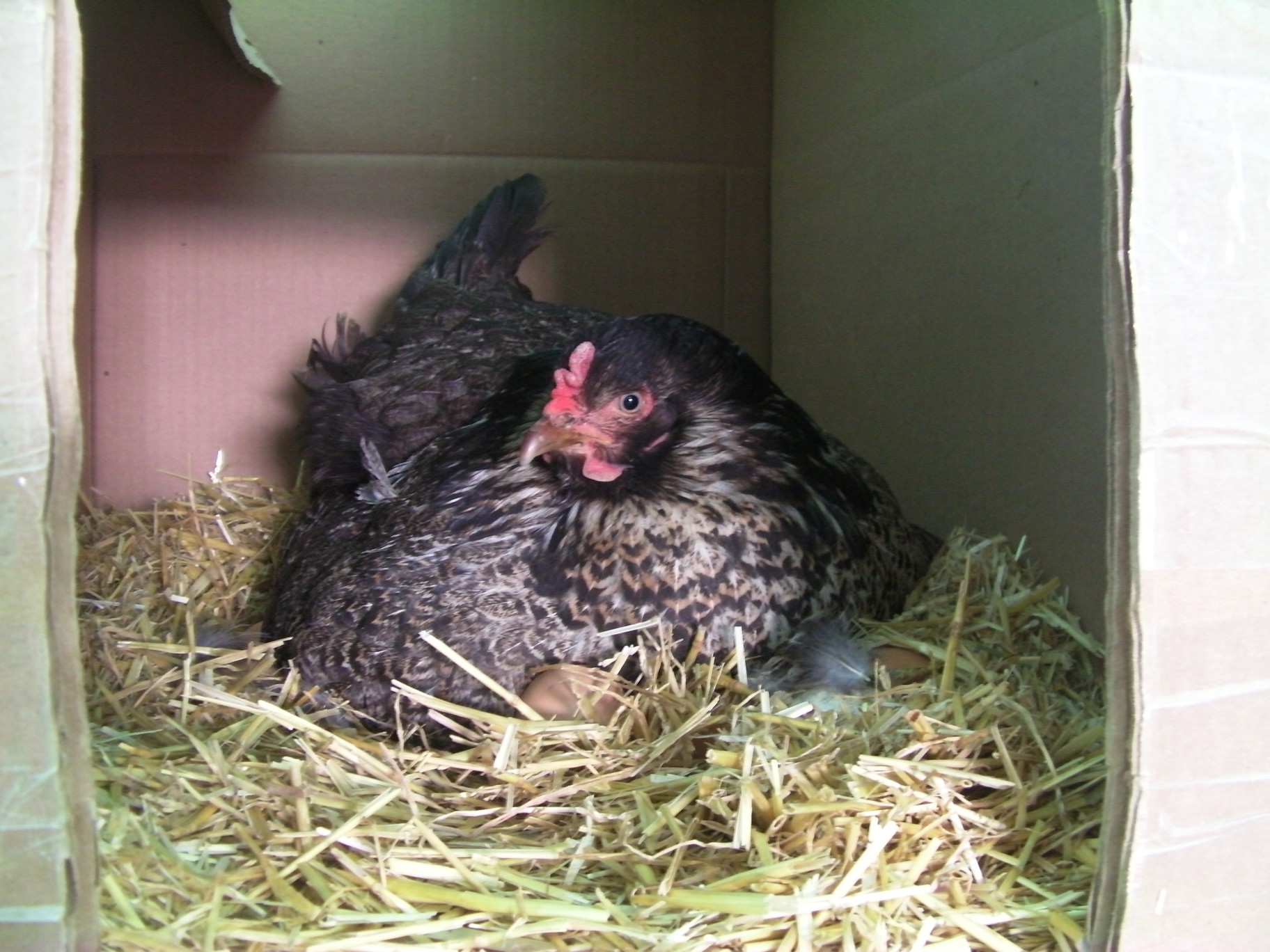
Children did the collecting. It was one of the first real chores a child was given, twice a day, with a basket, and it had a specific hazard that everybody remembers, which is a hen sitting on the nest who intended to stay there.
Collection Happened Twice a Day for Good Reasons
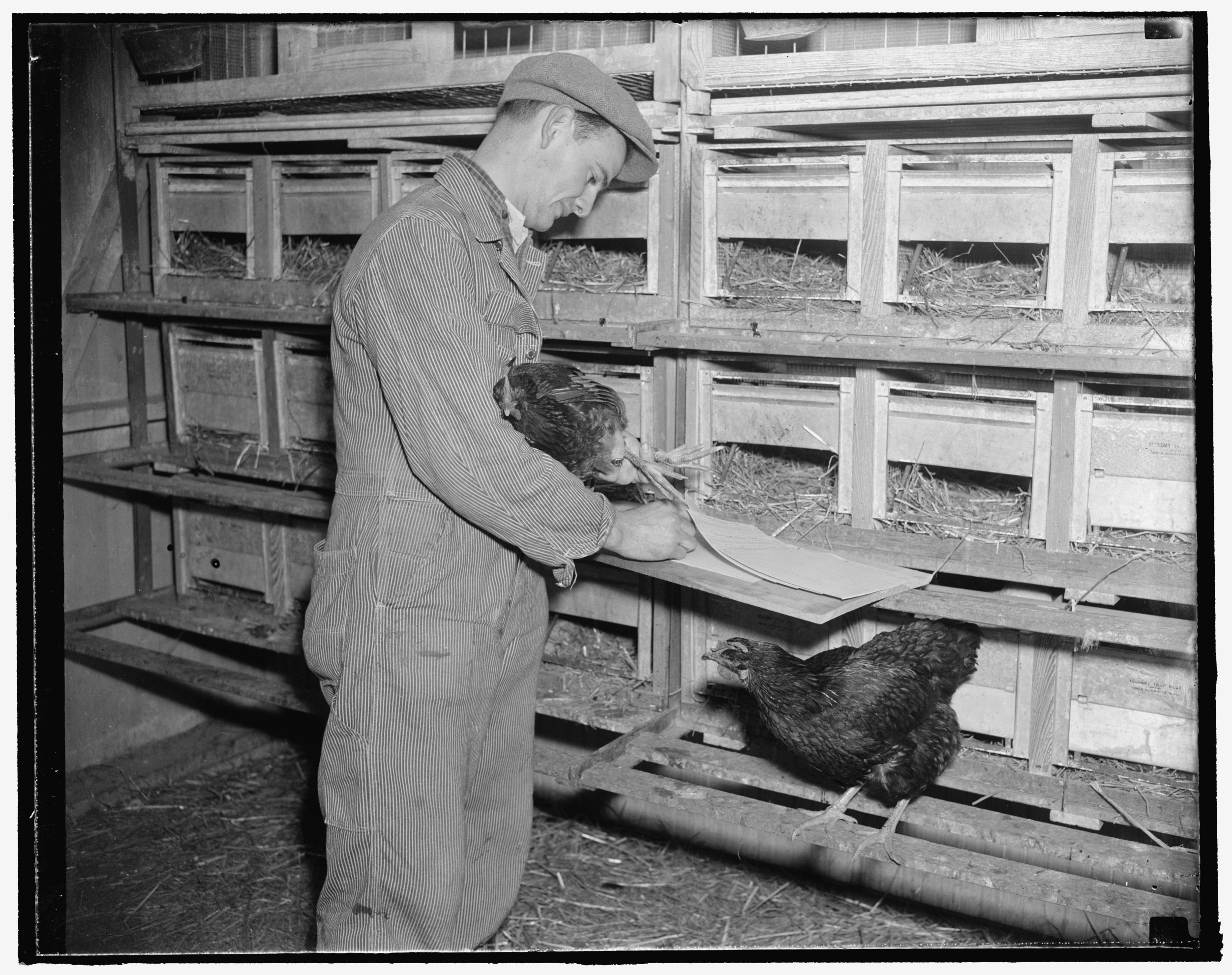
Eggs were gathered morning and afternoon rather than once, and the reasons are practical rather than fussy.
An egg left in a nest gets sat on, gets dirty, gets cracked by the next bird, and in warm weather starts to deteriorate. It also tempts a hen to go broody, and in some flocks it tempts birds to break and eat them, which is a habit that spreads and is very hard to stop once it starts.
So the basket went out after breakfast and again in the afternoon, and the nests were kept clean and well bedded because a clean nest is the cheapest possible way of getting a clean egg.
The Setting Hen Was a Separate Problem
A hen that decides to brood stops laying, sits on the nest continuously, defends it, and will not be reasoned with.
That was useful if you wanted chicks, in which case eggs were left under her, she was moved somewhere quiet, and in three weeks there were chicks. It was a nuisance if you did not, because she was occupying a nest box and had taken herself out of production.
Households with no interest in hatching also bought chicks – delivered by mail in a ventilated box, raised under a heated brooder in a shed or a corner of the kitchen – which is how most replacement birds arrived once hatcheries became widespread.
Candling Is Looking Through the Shell at What Is Inside
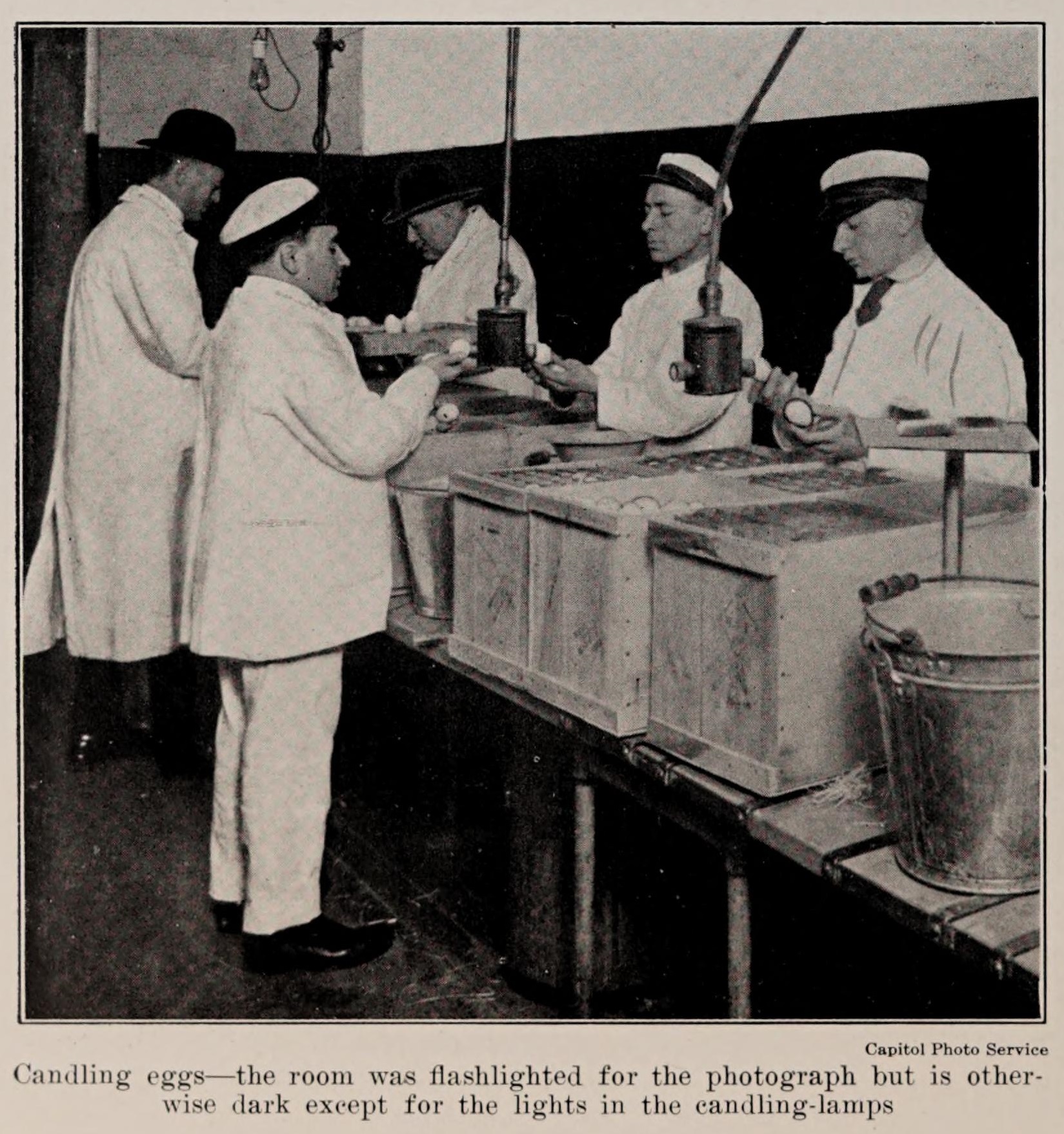
Here is the skill, and it is the one that has completely disappeared from American households.
An egg shell is translucent. Held against a strong light in a dark room, with the light confined so it passes through the egg and not around it, the inside becomes visible – and a practised person could read a great deal from it.
The air cell at the blunt end was the main thing. It grows as the egg ages, because moisture escapes through the shell and air replaces it, so the size of that space is a direct measure of how old the egg is and how it has been kept. A small tight air cell meant fresh and well stored; a large one meant otherwise.
You could also see the yolk – whether it was firm and centred or loose and mobile, which indicates the condition of the membranes – and the white, whether it was thick or watery. You could see blood spots and meat spots. You could see hairline cracks that are invisible in ordinary light. And in a fertile egg you could see whether development had started, which is the one thing that absolutely had to be caught before an egg went to town.
The equipment was a candle or a lamp behind a hole in a box, later a bulb in a tin can with a hole in it, and later still a proper candling lamp – and the whole job was done standing in a dark room with a crate at your elbow.
The Grading Was Done at Home Too
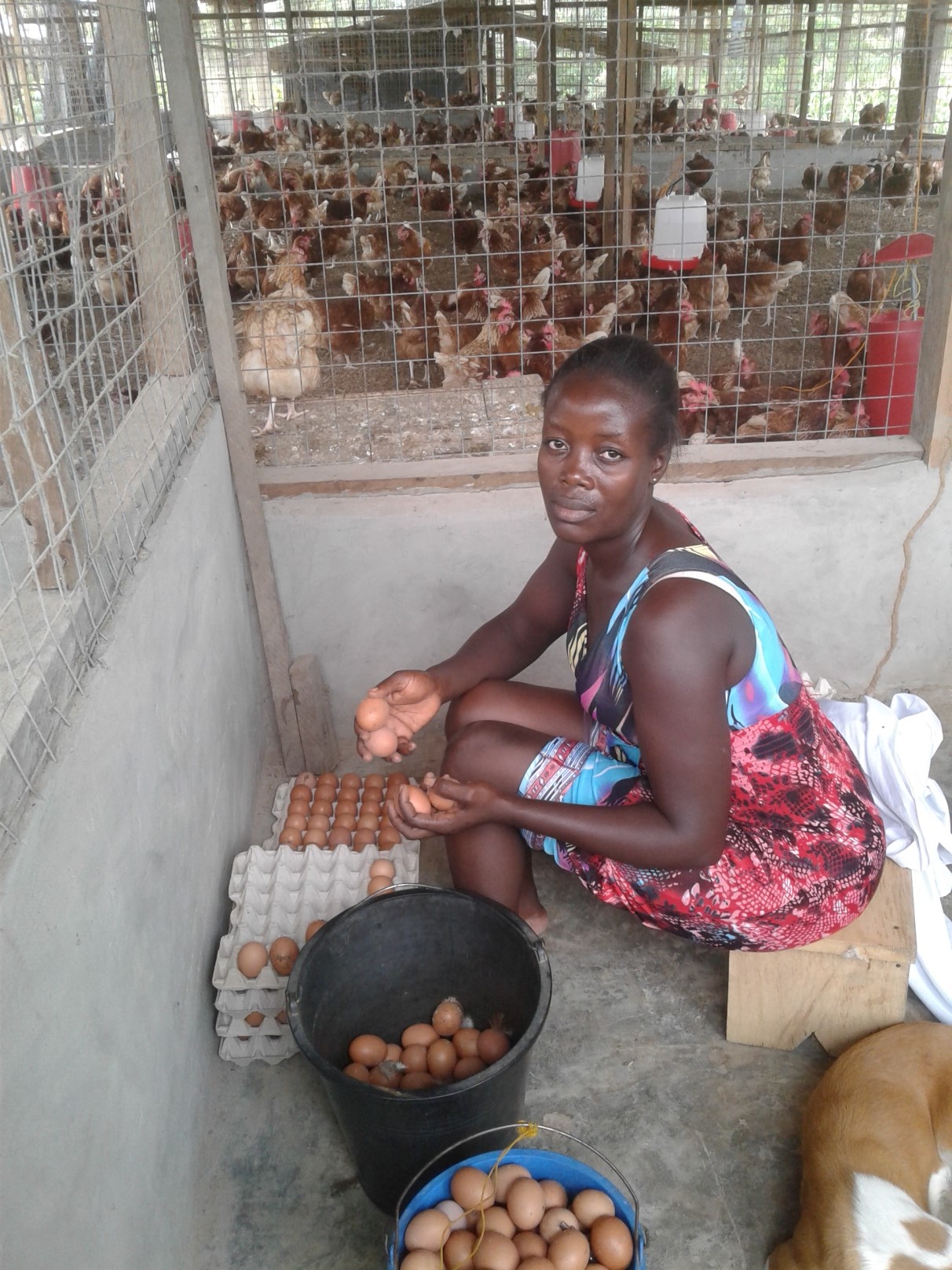
Candling sorted the acceptable from the rejected. Weighing sorted the acceptable into sizes.
Households weighed eggs, or judged them by eye against a known standard, and packed them accordingly – because eggs were paid for by grade and size, and a crate of mixed sizes was paid at the lowest one in it.
Which made the sorting worth doing carefully. A woman who candled properly, graded honestly and packed cleanly got a better price per dozen than one who did not, consistently, over years – and the buyers knew exactly whose eggs were reliable.
Cleaning Was Dry, and That Matters Enormously
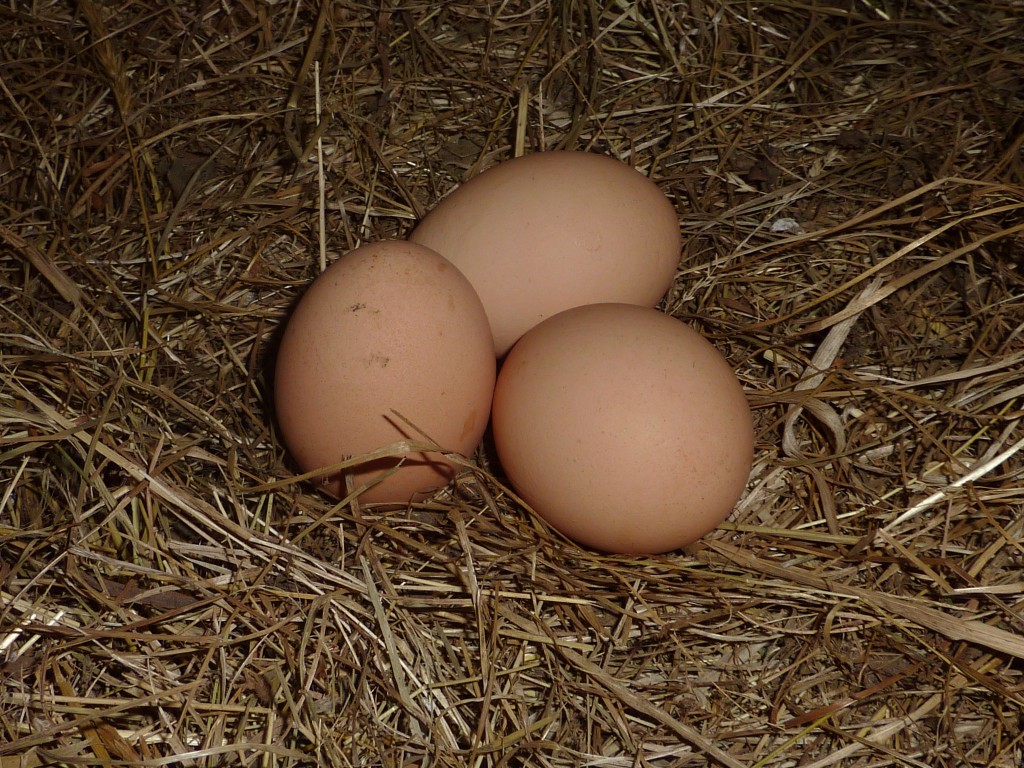
This is the single most important technical fact in the whole subject, and almost nobody now knows it.
An egg comes out of the hen coated in a thin natural layer over the shell. That coating seals the pores, and a shell has thousands of them. Its job is to slow the loss of moisture from inside and to keep things on the outside from getting in.
Which means an egg with that coating intact is a sealed package, and an egg with it removed is a porous one.
Period practice followed from this directly. A dirty egg was cleaned dry – wiped, brushed, or rubbed with a fine abrasive – rather than washed, because washing in water takes the coating off and defeats the purpose. Badly soiled eggs were used at home rather than sold. And eggs were kept cool rather than cold, in a basket, a crate or a cellar, because the coating was doing the preserving.
This piece gives no procedure and no handling advice, because egg handling is properly a matter for current published guidance rather than a nostalgia article. The point here is only that the practice was built on a real property of the shell, and that the people doing it understood exactly why.
They Went to Town in a Thirty-Dozen Crate
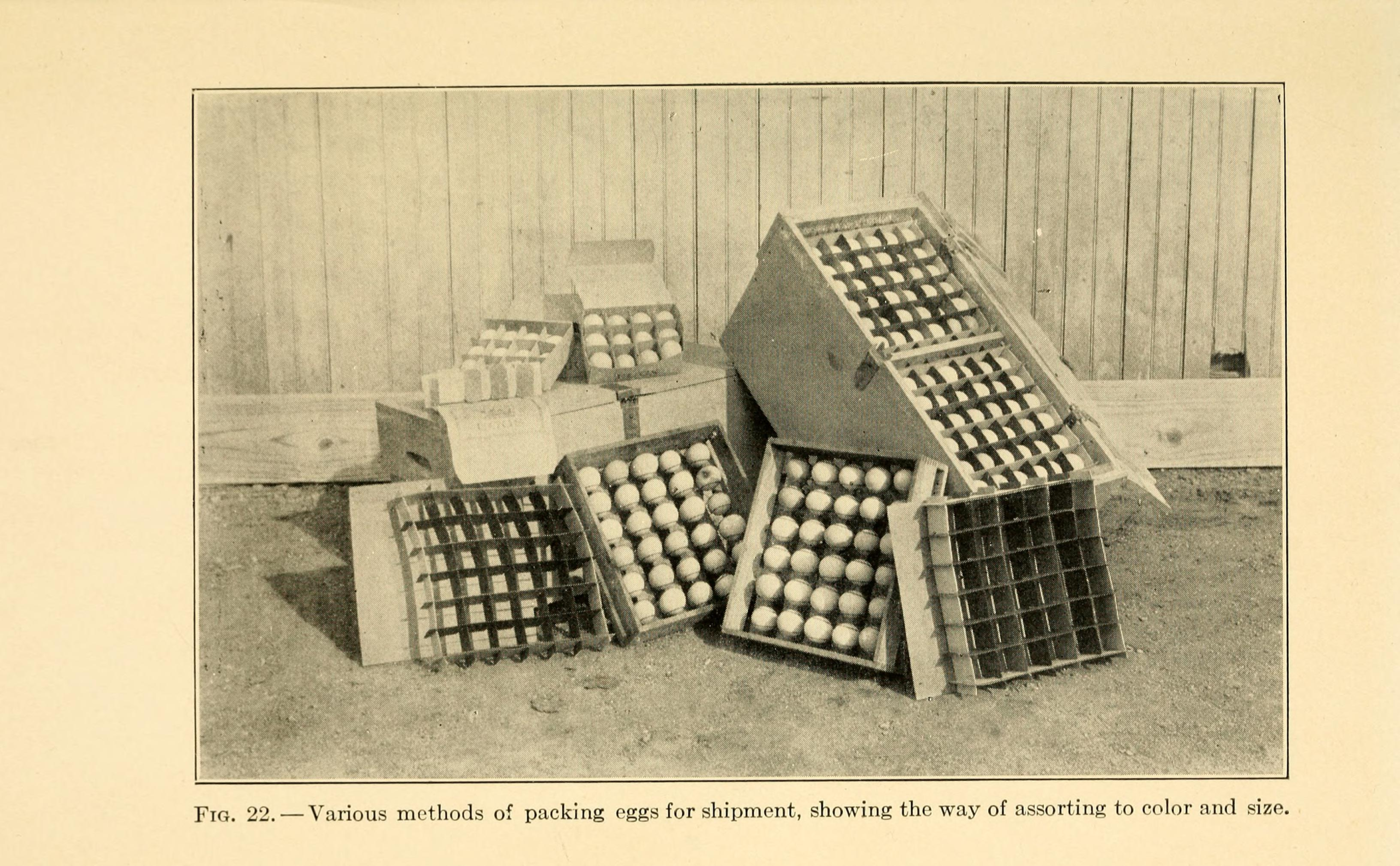
The container was standardised and it was clever. A wooden or heavy cardboard crate holding thirty dozen – five dozen to a layer, six layers deep – separated by die-cut cardboard fillers and flats that held every egg upright in its own cell with nothing touching anything.
Full crates went to town on the regular trip and were traded at the produce house, the creamery, the general store or the rolling store, against cash or against credit on the account. Empty crates, fillers and flats came home to be used again.
At the receiving end the eggs were candled again by somebody whose job it was, graded, repacked and sent on – which is where a household’s reputation was made, because a crate that candled badly was paid at a lower grade and the buyer remembered.
The Birds Did Not Lay Forever
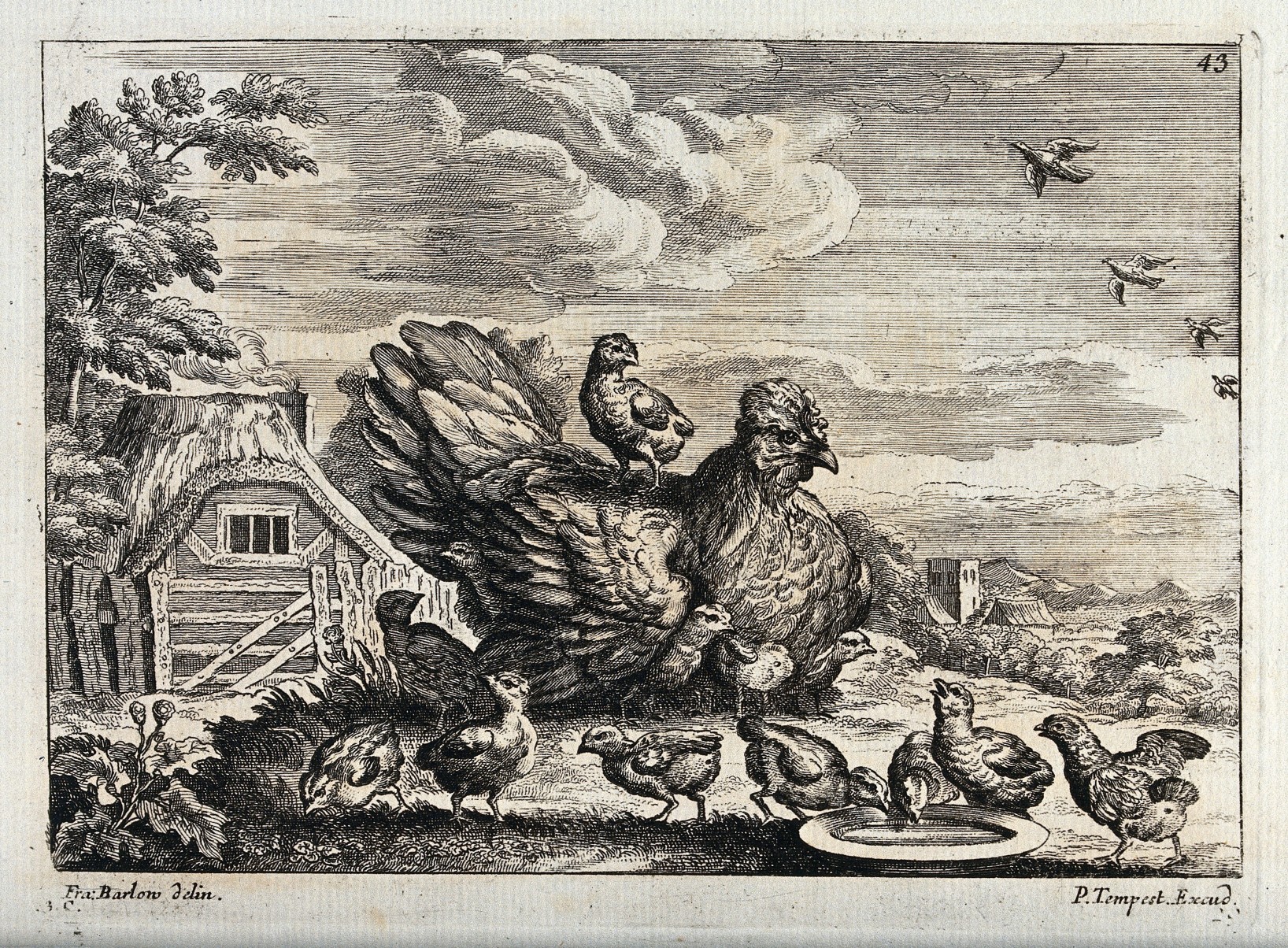
A hen lays heavily for a year or two and then declines, and a household flock was managed accordingly. Older birds were removed and younger ones brought in, continuously, so that the flock stayed productive.
The removed birds were eaten, and it should be said plainly rather than skirted: a farm flock was a food-producing operation at both ends, the household knew that from the beginning, and the birds that stopped laying became dinner. Nothing about it was hidden from the children who had been collecting the eggs.
This piece describes nothing of how that was done, which is not a nostalgia subject and is not needed to explain anything here.
The Twist: We Stopped Being Able to Look Inside Our Food
The household flock went for straightforward reasons. Commercial production got enormously more efficient, eggs got cheap, sanitary regulation around the sale of eggs properly tightened in ways a kitchen operation could not meet, farms consolidated, and keeping thirty hens to save money stopped making sense when a dozen eggs cost less than an hour of anybody’s time.
None of that is a loss worth mourning. But something else went with it, and it is more interesting than the chickens.
Follow the coating on the shell, because the two halves of the world went in different directions on it and both are internally consistent.
American commercial eggs are washed and sanitised at the packing plant. That removes the natural coating, which means the shell is now porous – so American eggs are oiled to replace some of the protection, are refrigerated from the plant onward, and must stay refrigerated all the way to the kitchen. That system works, and it is built around washing.
Much of Europe does the opposite. Eggs are not washed, the coating stays on, and they are sold and kept at room temperature on a shelf. That system also works, and it is built around not washing.
Neither is wrong. They are two coherent answers that are mutually incompatible, which is why a European visitor finds American eggs in a refrigerated case baffling and an American visitor finds European eggs on a warm shelf alarming.
And the 1964 American farm kitchen was running the European system. Dry cleaning, coating intact, kept cool rather than cold – because that is what the properties of a shell actually support when nobody is washing anything.
Which brings us to what was really lost. A woman candling eggs in a dark room was reading her food directly. She could see the age of an egg from the size of its air cell, the condition of its membranes from the behaviour of its yolk, a crack invisible in daylight, and whether anything had started growing in it. She was not trusting a label. She was looking inside, with a light, and deciding.
Nobody can do that now, and the reason is not lost skill. It is that the information has been moved. An egg in a carton carries a packing date and a sell-by date printed on the box, which is a perfectly reliable system administered by people who are much better at it than any farmhouse ever was.
But it is a number about the egg rather than a look at the egg, and it is somebody else’s judgement rather than yours. We traded the ability to inspect our own food for a printed code that is almost always right – and the trade was so obviously worth making that nobody noticed it was a trade.
The chicken houses are still standing all over rural America, mostly full of something else.
Like our content? Follow us for more.