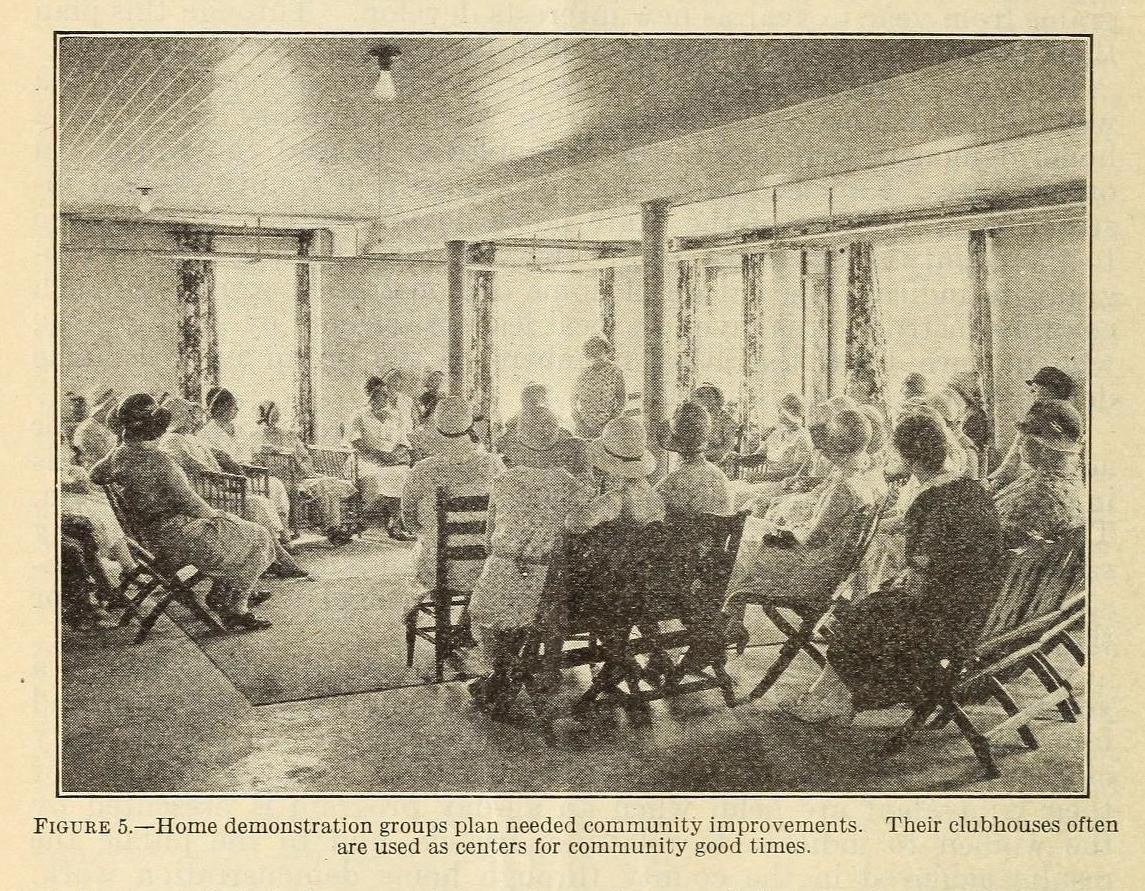
In 1964 an American farm woman belonged to a club that met once a month in a neighbour’s front room, took minutes, elected officers, kept a project book and sent delegates to a county council.
It was not a social circle. It was the household half of a federally funded, university-backed adult education system – with a trained agent for the women, a separate agent for the men’s farming and a third for the children’s clubs – and it reached millions of people across the middle of the twentieth century.
It built rest rooms on courthouse squares. It got water piped into houses. It redesigned kitchens using actual research. And it is almost completely unremembered. Here are fifteen things every member did.
1. There Was a County Agent Whose Whole Job Was the Women
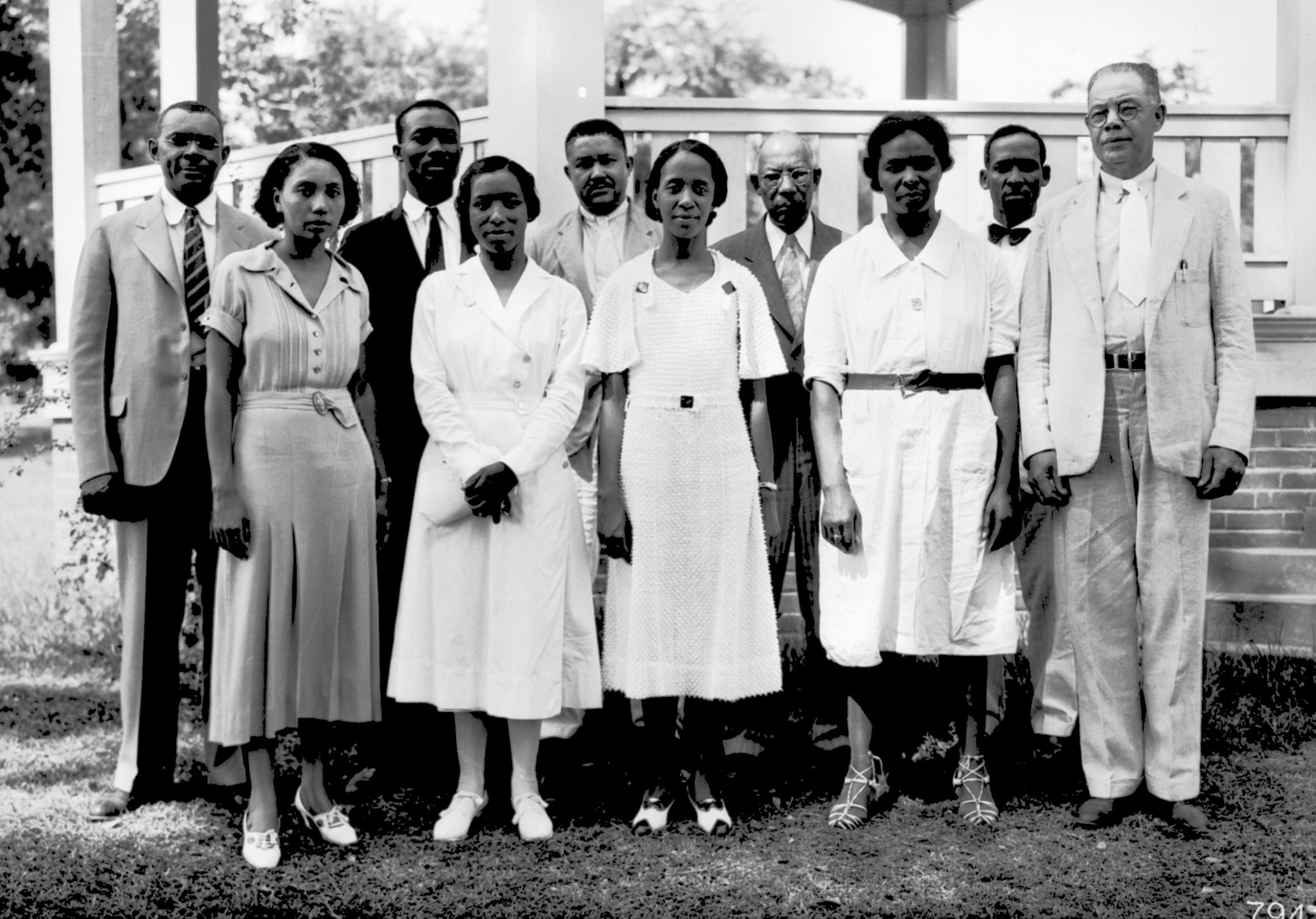
Alongside the county agricultural agent who worked with the men and the youth agent who ran the children’s clubs, every county had a home demonstration agent – a trained woman, employed through the state’s land-grant university and the federal extension service, whose assignment was the household.
Extension still employs educators in nutrition, family resources and community development, with far fewer of them, serving a general public rather than an organised membership of farm women.
That three-agent structure was a deliberate design and it is worth seeing whole. The crops and livestock went to one agent, the children to another, and the house – food, clothing, sanitation, money, child-rearing – to a third, on the explicit theory that a farm was an enterprise with two halves and both halves needed research behind them.
Like our content? Follow us for more.
2. The Club Met Once a Month in Somebody’s Front Room
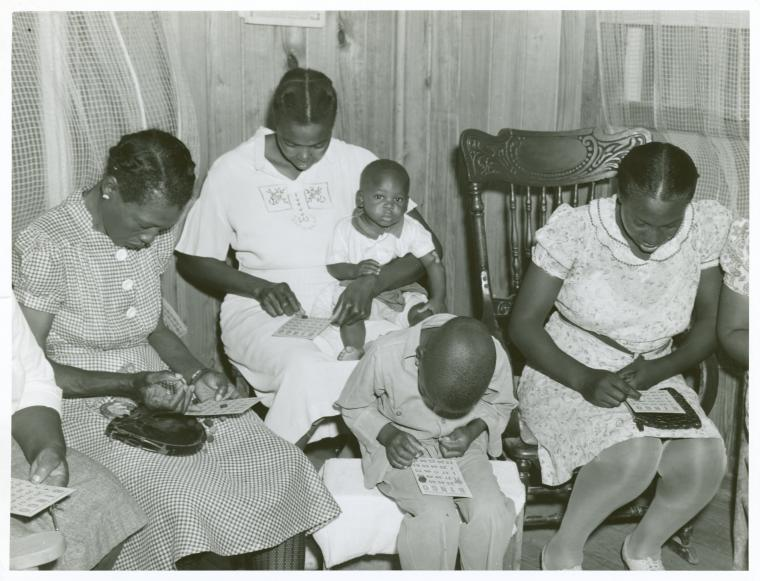
The neighbourhood club of ten to thirty women met monthly, rotating through members’ houses, with a hostess, a called meeting, minutes, a treasurer’s report and a programme – and then refreshments.
Nothing comparable. There is no monthly meeting of the women of a rural neighbourhood anywhere in the structure of American life.
The rotation through houses was not incidental. Hosting meant your house was seen, which was a powerful and not always comfortable incentive toward the improvements the club was teaching – and it also meant every member knew, in detail, what everybody else’s kitchen and water supply and children looked like.
3. The Meeting Had a Demonstration, Which Is Why It Was Called That
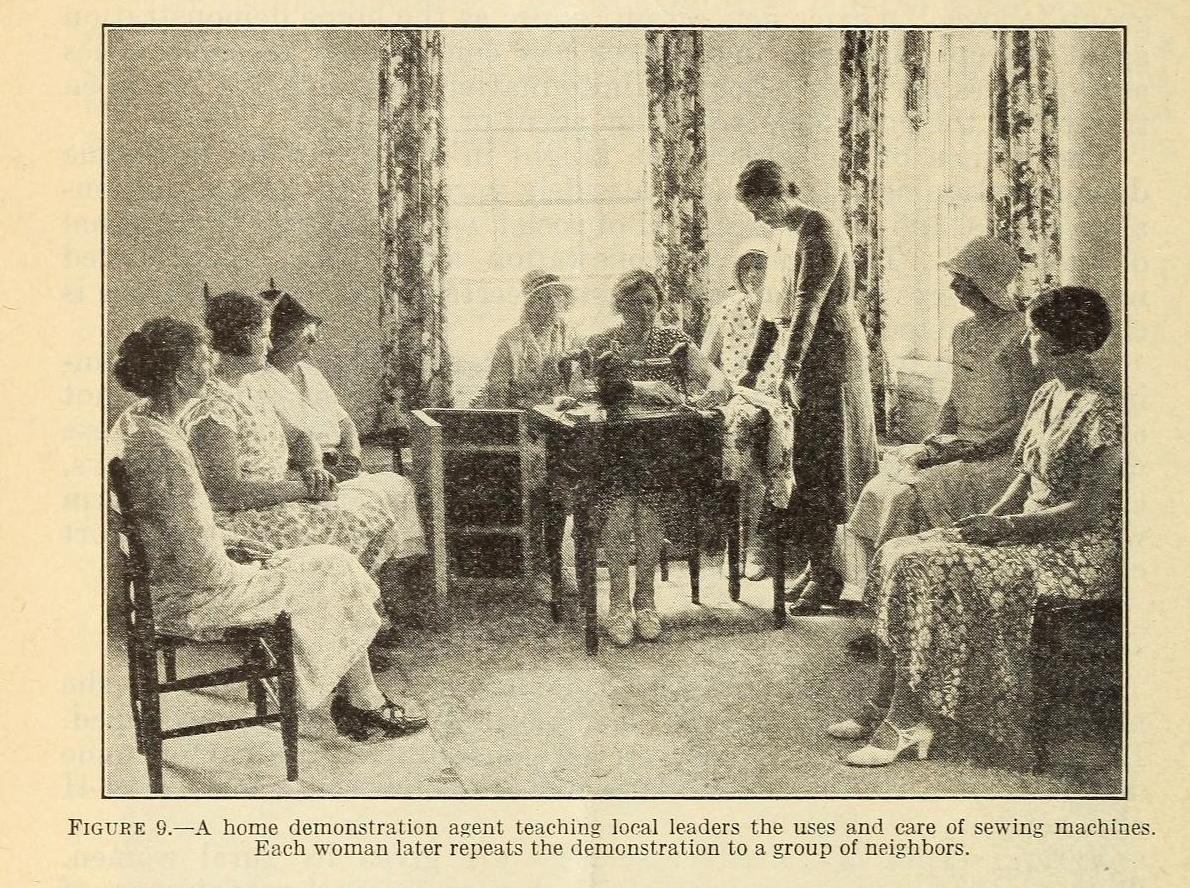
The centre of every meeting was a demonstration: somebody – the agent, or a member trained by the agent – did a specific thing in front of everybody, start to finish, with the members then doing it themselves.
Video, written instruction and online courses, which reach vastly more people and transmit nothing by hand.
The demonstration method was chosen on purpose and the reason is uncomfortable but sound. Extension was founded to reach adults with limited formal schooling, for whom a printed bulletin was a poor channel and a watched-then-copied procedure an excellent one – so the whole system was built around showing rather than telling.
4. Members Took a Project for the Year
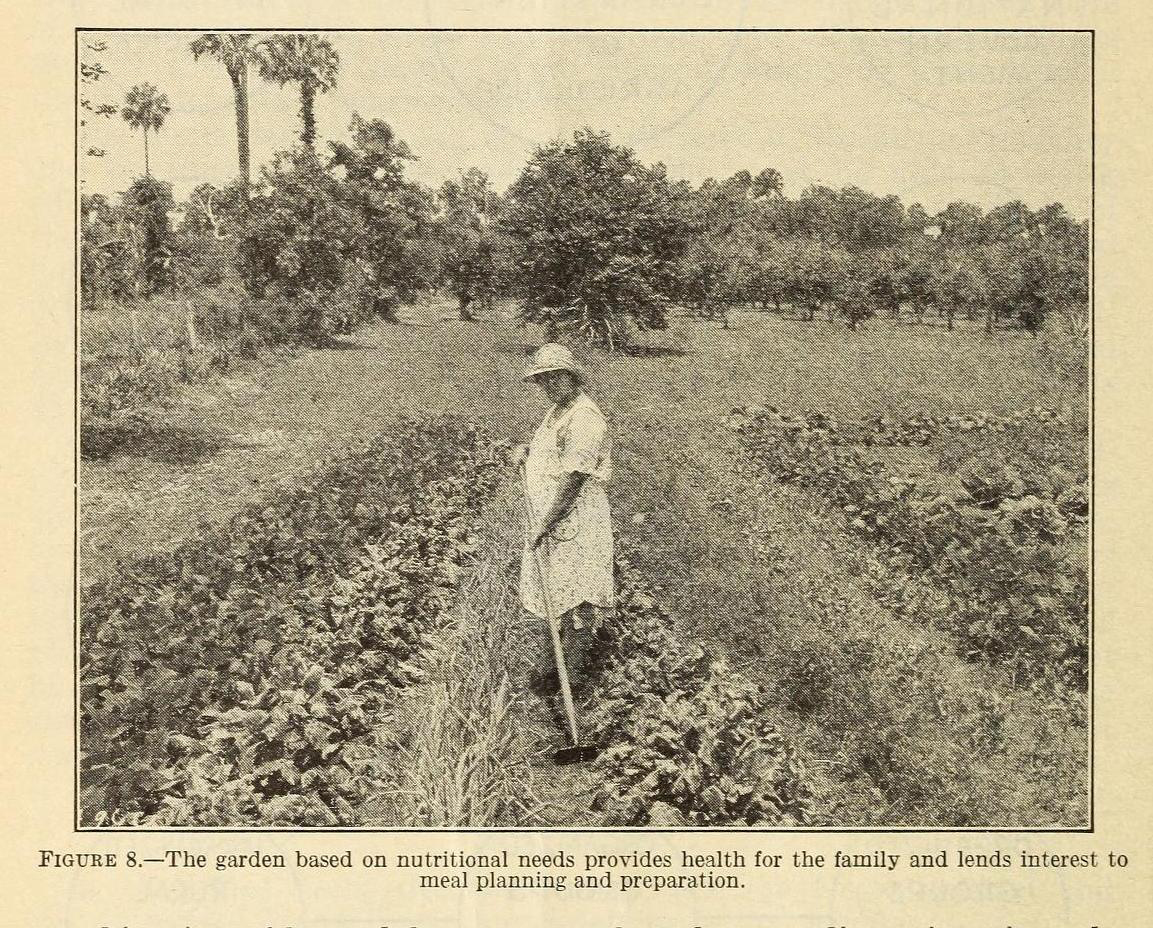
Each member signed up for a project – a specific area of work for the twelve months, with record-keeping, a goal and something to show at the end.
No equivalent. Adult learning is now self-directed and unrecorded, with nobody signing anybody up for a year of anything.
The year-long project with records is the mechanism that made the whole thing stick, and it was borrowed deliberately from the children’s clubs. A demonstration you watch is forgotten in a month; a project you keep records on for a year becomes a habit – and the records were the part the agent actually read.
5. The Bulletins Came Free in the Mail
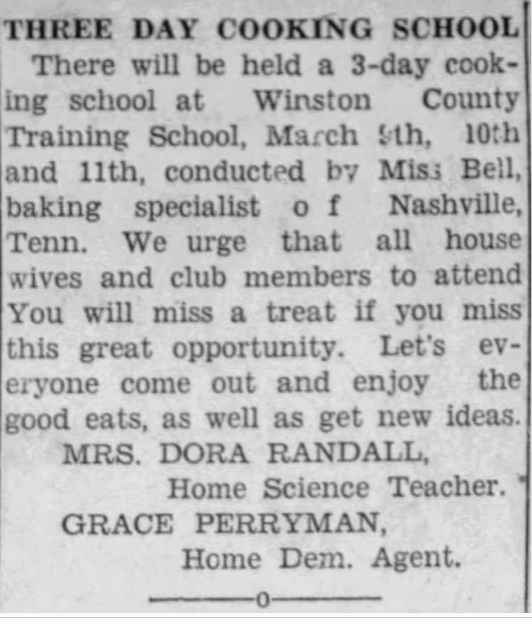
The land-grant universities and the federal department published bulletins – plain pamphlets on canning, nutrition, water systems, clothing construction, household accounts, child development, poultry, sewage – and any member could request them at no cost.
The same institutions publishing the same material online, free, in far greater volume, read by a far smaller proportion of the people it is written for.
The free bulletin was one of the most effective publishing operations in American history and almost nobody remembers it. The material was written in deliberately plain language, revised against actual research, and distributed on request by mail to anybody who asked – which for decades made a state university the single most trusted source of practical information in a rural county.
6. There Was a County Council and the Clubs Sent Delegates
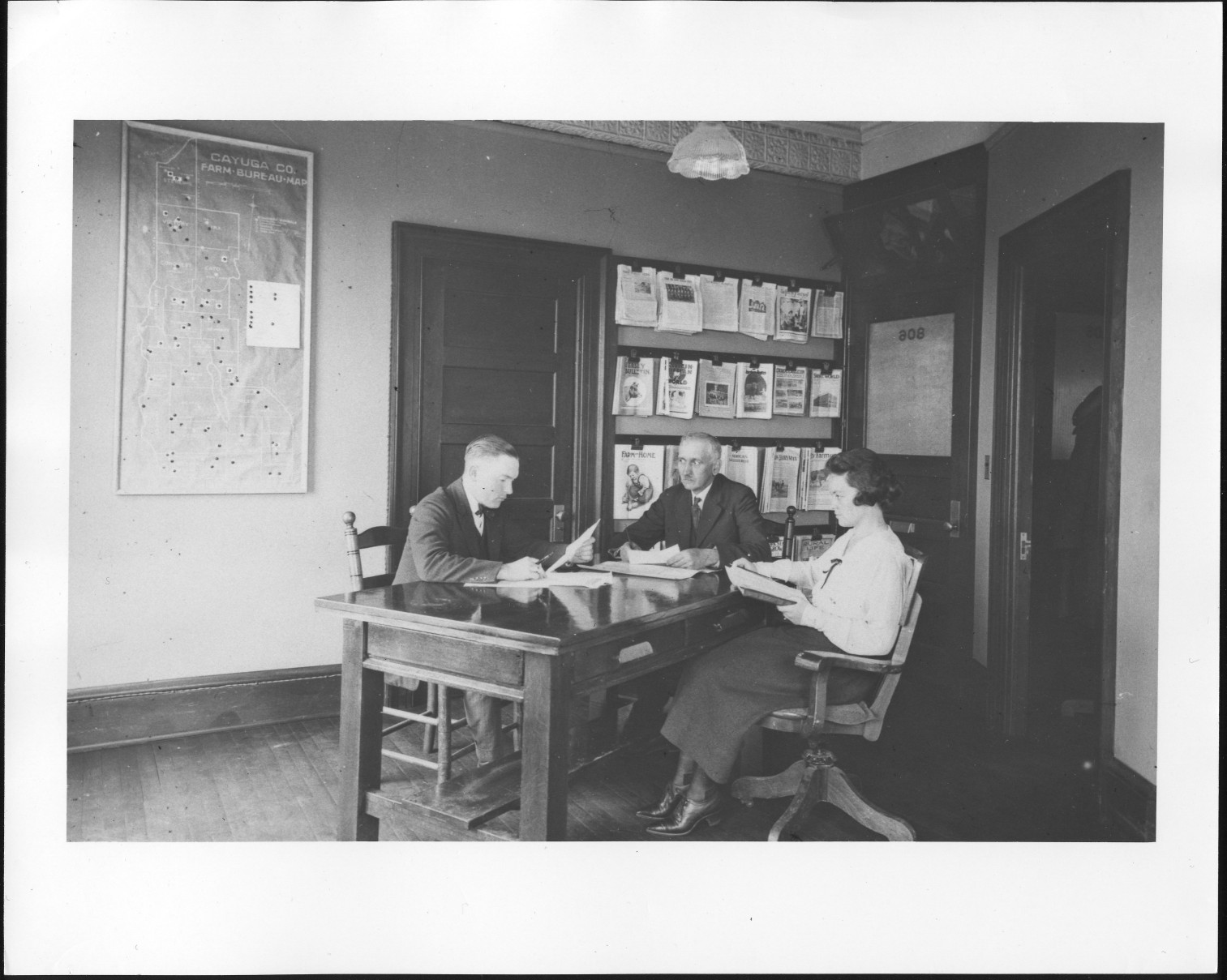
The neighbourhood clubs federated into a county council, which met quarterly, elected officers, set county-wide projects, and sent its own delegates upward to district and state meetings.
Nothing. The entire tiered structure from front room to state capital no longer exists for this population.
The federated structure gave an ordinary farm woman a ladder, and a surprising number climbed it. A member became club secretary, then club president, then a county council officer, then a district delegate – which is a training course in public speaking, meeting procedure, budgeting and organising, delivered to women who in many cases had never held any office anywhere.
7. Achievement Day Was the Year’s Public Accounting
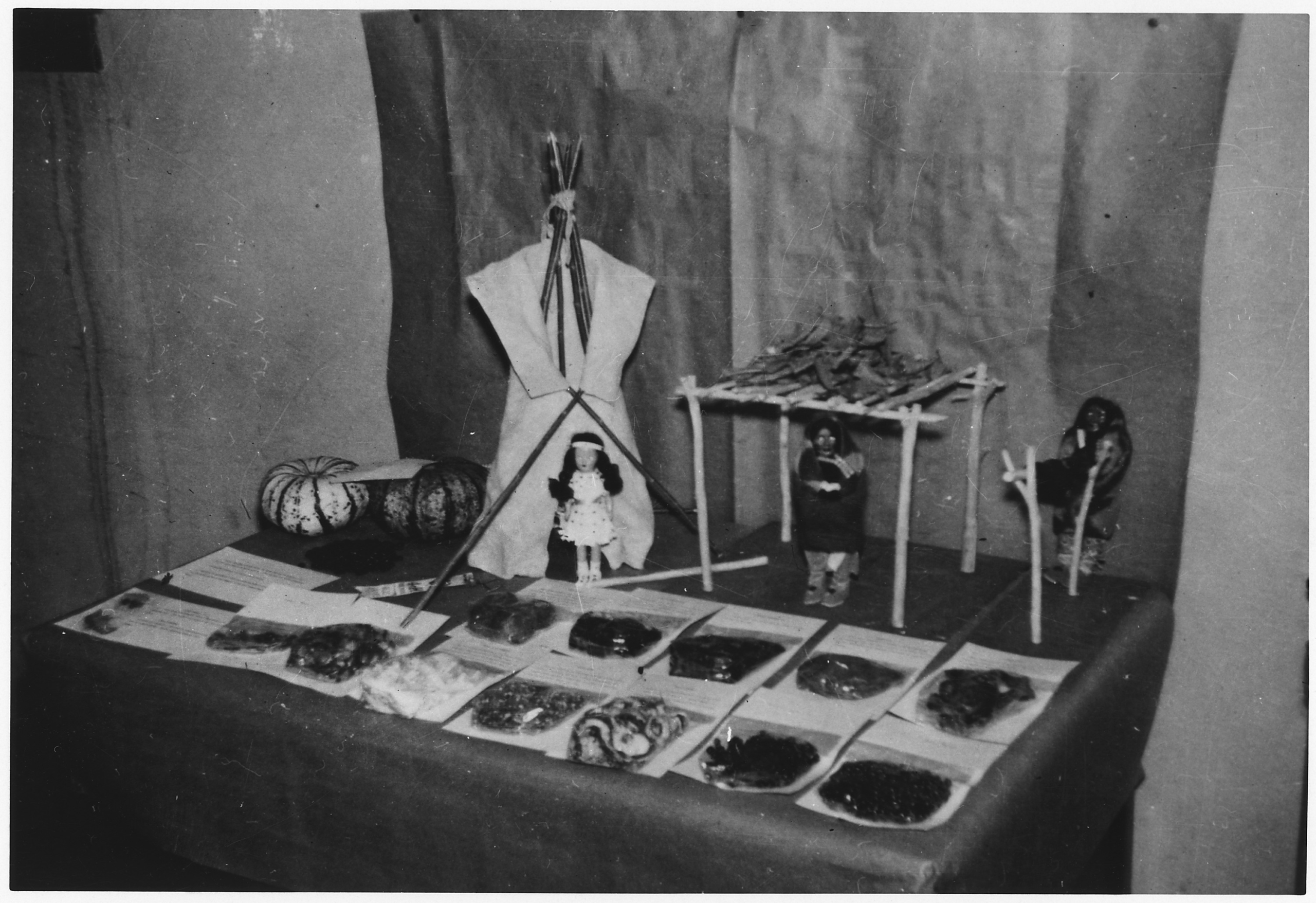
Once a year the county clubs held an achievement day – exhibits of the year’s project work, demonstrations given by members, reports read, awards given, and a meal.
County fairs still exhibit household work, with the project-and-report structure gone and the exhibitors far fewer.
Achievement day was the day the records turned into standing. A woman who had kept her project book, finished her work and could give her demonstration in front of the county was somebody afterwards – and that was the point of running the whole year toward a public day.
8. The Clubs Built Things the County Would Not
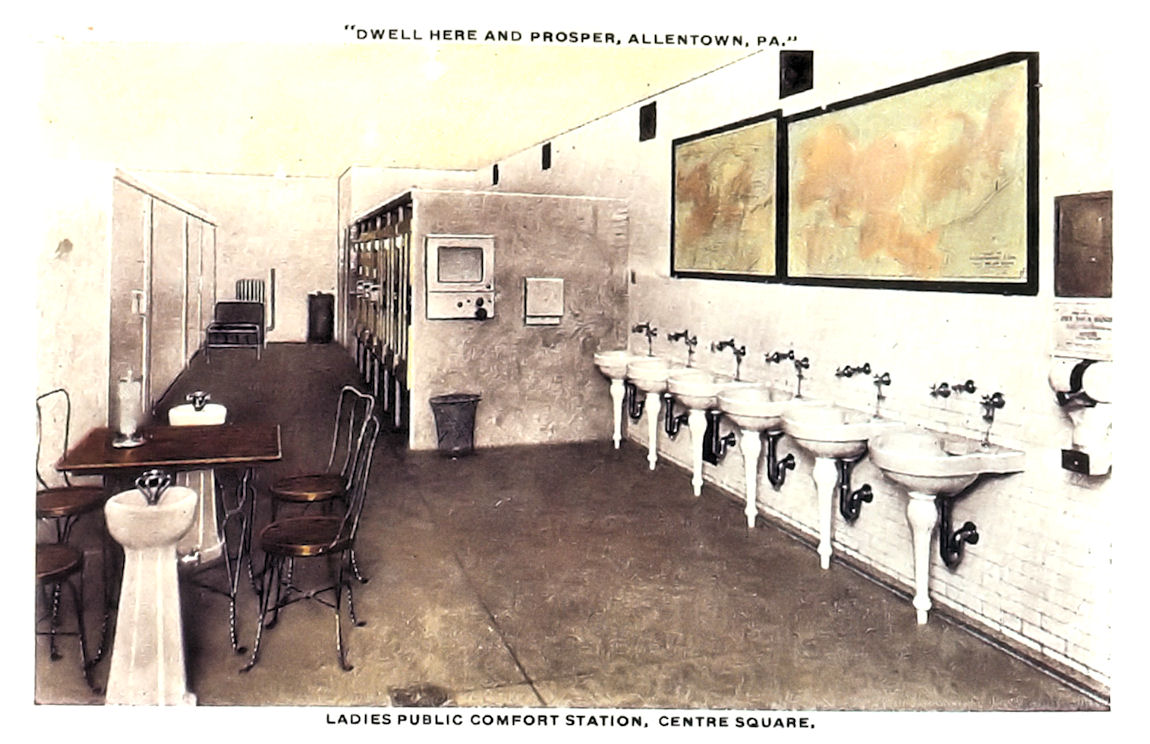
Community improvement was a standing project category, and clubs raised money and did the work for specific physical things – a community building, a library collection, playground equipment, a cemetery fence, street signs, a school kitchen.
Some of the same work done by service organisations and parent groups, with the systematic county-wide version gone.
This is the part that surprises people most. The clubs were not a social circle that occasionally held a bake sale – community improvement was a formal project with records, goals and county-level coordination, and a great deal of small-town physical infrastructure in the rural United States was built by organised women who had decided it was needed.
9. The Rest Room Project Is the One Nobody Believes
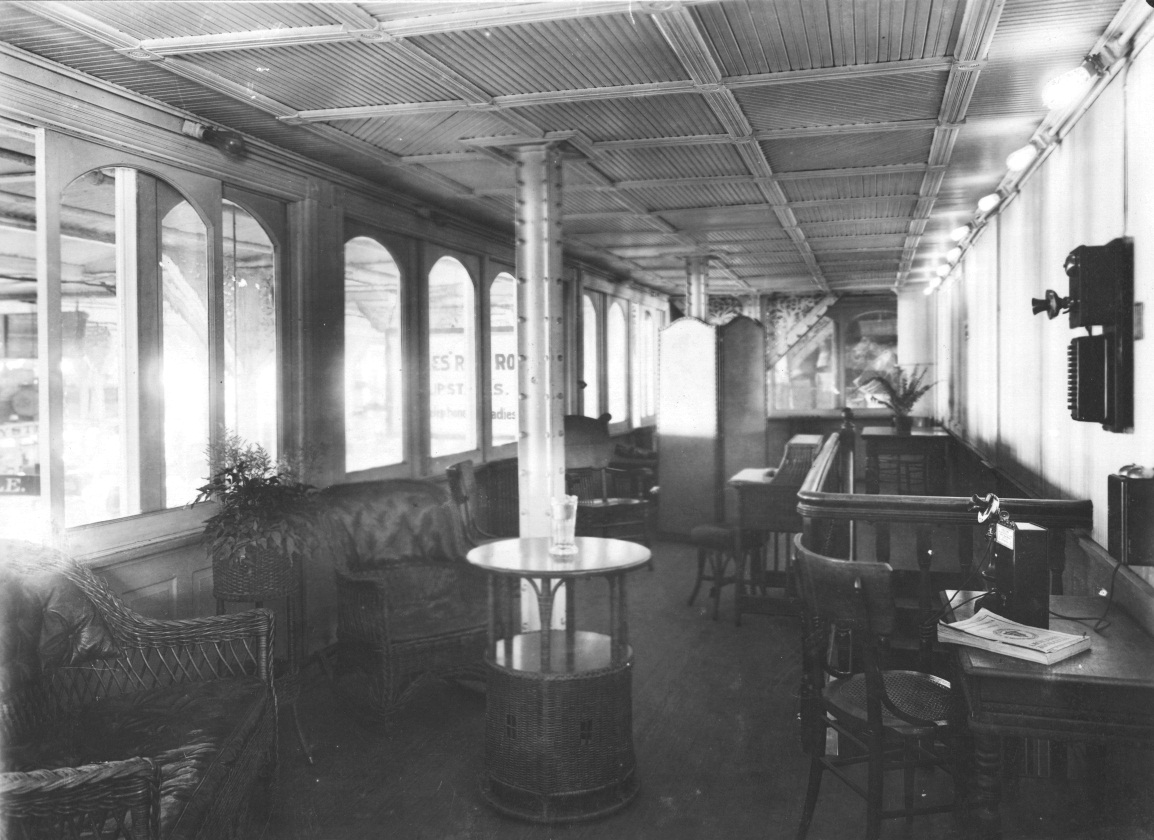
In town, a farm woman who came in to trade had nowhere to sit, nowhere to feed a baby and nowhere to use a toilet – so clubs in county after county raised money, rented or built a room on the square, and furnished it with chairs, a stove, a table and a lavatory.
Nothing, because the need vanished with the car, the shorter trip and the public facilities that eventually followed.
The farm women’s rest room is a real and widespread piece of American history and it tells you exactly how the trip to town worked. A family drove in for the day, the man did his business and had the feed store and the courthouse square to stand in, and the woman had the sidewalk – until the clubs decided that was unacceptable and built the alternative themselves.
10. The Kitchen Campaigns Were Specific and Relentless
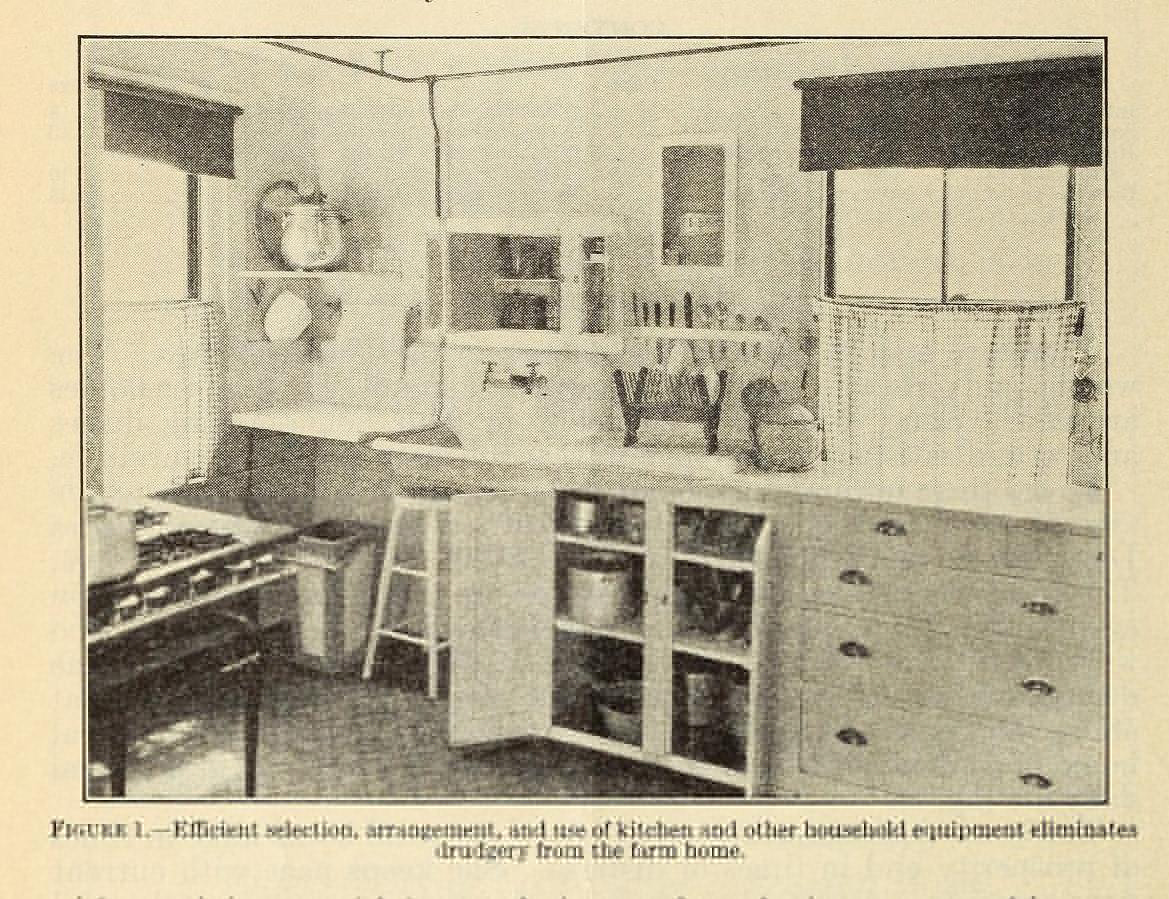
Clubs ran coordinated campaigns on single household improvements – counter height, a sink with a drain, a work triangle, better lighting, a step stool, a labour-saving arrangement – with members measuring their own kitchens and reporting changes.
The same ergonomic principles now standard in every built kitchen, arrived at commercially and taken for granted.
Those campaigns were applied research and the research was real. University home economics departments studied how many steps a meal took and at what height a woman could work without stooping, and extension pushed the findings into actual kitchens – which is why the dimensions in your kitchen right now descend from studies done for farm women.
11. Water in the House Was a Club Project
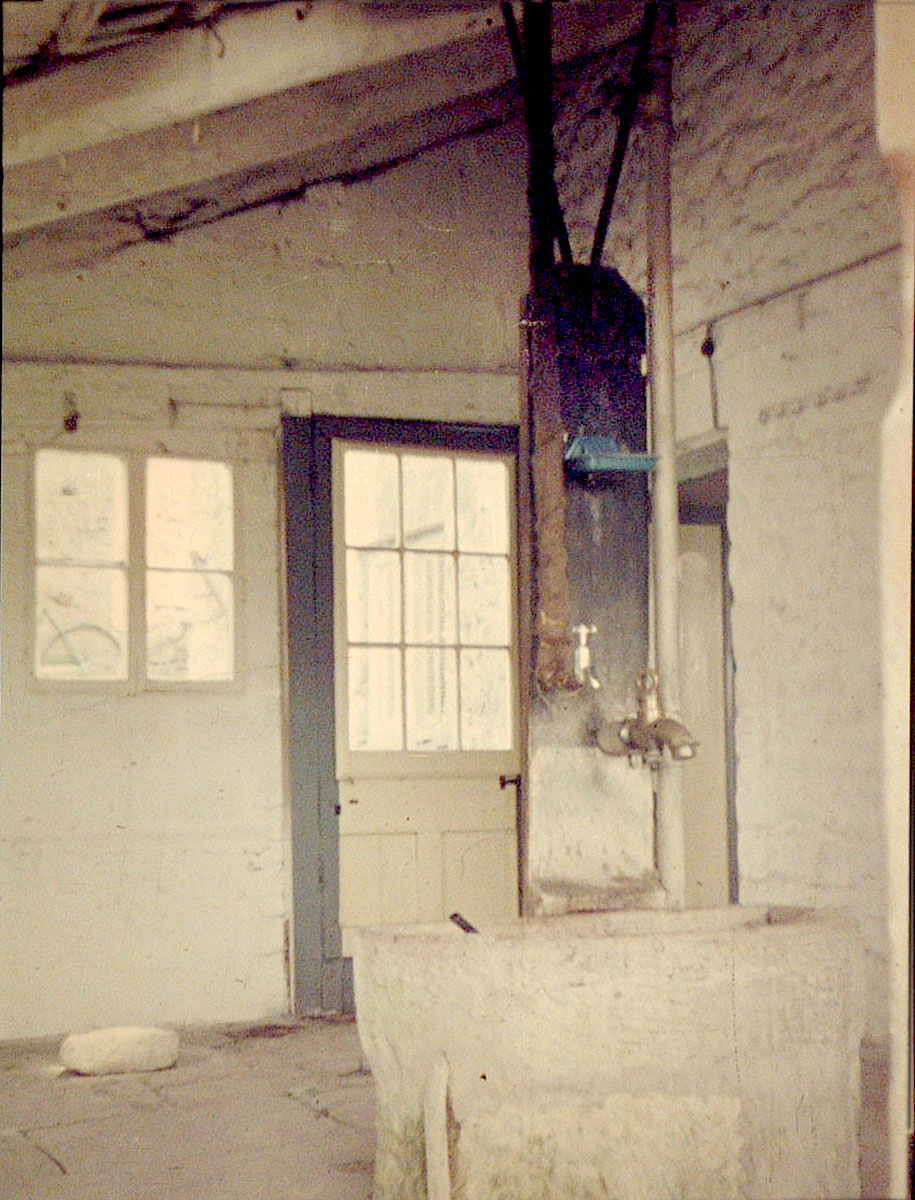
Getting water piped indoors – a pump, a pressure tank, a sink, a drain, eventually a bathroom – was pushed club by club, with members comparing costs, visiting each other’s installations and reporting what it changed.
Universal indoor plumbing, assumed absolutely, with no memory of the campaign that got the last rural holdouts there.
This was the single biggest change in rural women’s work and the clubs knew it. Hauling water is the heaviest routine labour in a household without plumbing, it fell almost entirely on women and girls, and the clubs treated getting it piped in as a measurable, reportable, year-on-year project rather than as a private matter of household finance.
12. Clothing Construction Was Taught as a Technical Subject
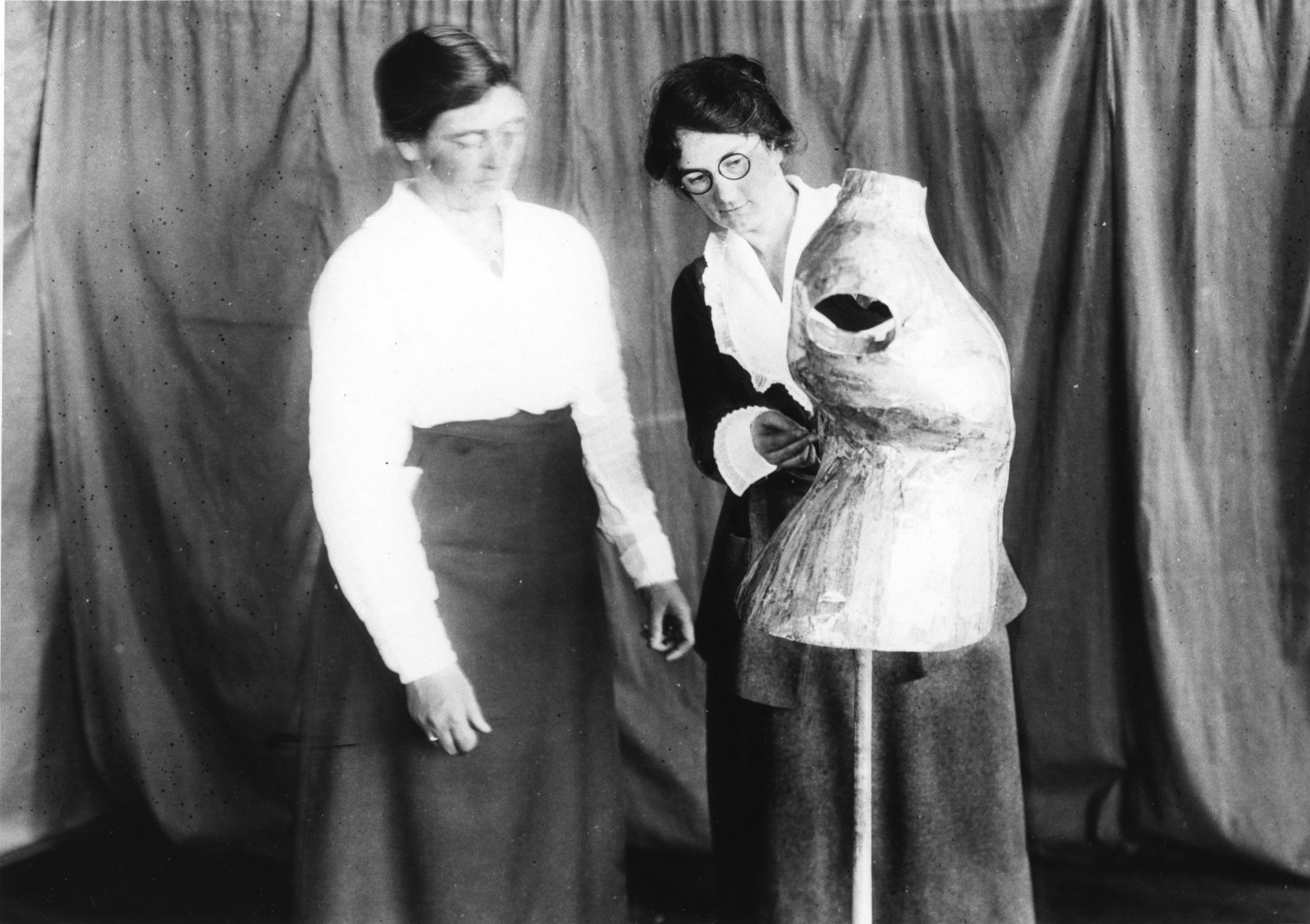
Dressmaking was taught by demonstration as a set of specific skills – fitting a pattern to an actual body, setting a sleeve, finishing a seam, altering for posture, judging fabric – with members bringing work to be criticised.
Clothing bought ready-made at prices that make home construction more expensive, with the skills held by a small number of hobbyists.
The critical part was fitting, which is the part the pattern cannot do for you. A commercial pattern is drafted to a standard body nobody has, and the whole of good home dressmaking is the alteration – which is a genuine technical skill that was taught, demonstrated and criticised at monthly meetings for decades.
13. Food Preservation Came With the Reason Attached
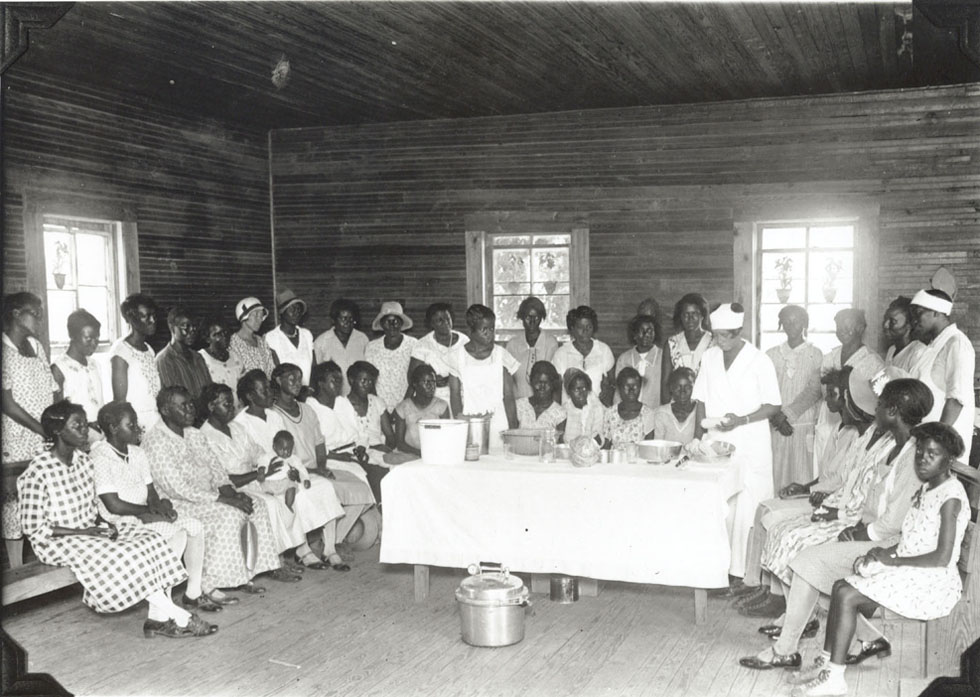
Canning and preserving were taught with the method and the explanation together – which foods needed which process, why timing mattered, what the risk actually was – rather than as family recipe passed along unexamined.
Current authoritative guidance from the same institutions, available free, updated against ongoing research, and widely ignored in favour of inherited practice.
Teaching the reason rather than only the method is the most important thing extension ever did in this area, and the reason is specific: inherited family practice contained genuinely dangerous errors, and the only way to displace them was to explain the mechanism rather than issue an instruction. This piece gives no method, process, timing or guidance of any kind – that properly belongs to current authoritative sources, which is exactly where the clubs sent people.
14. Reading Circles and Study Courses Ran Alongside
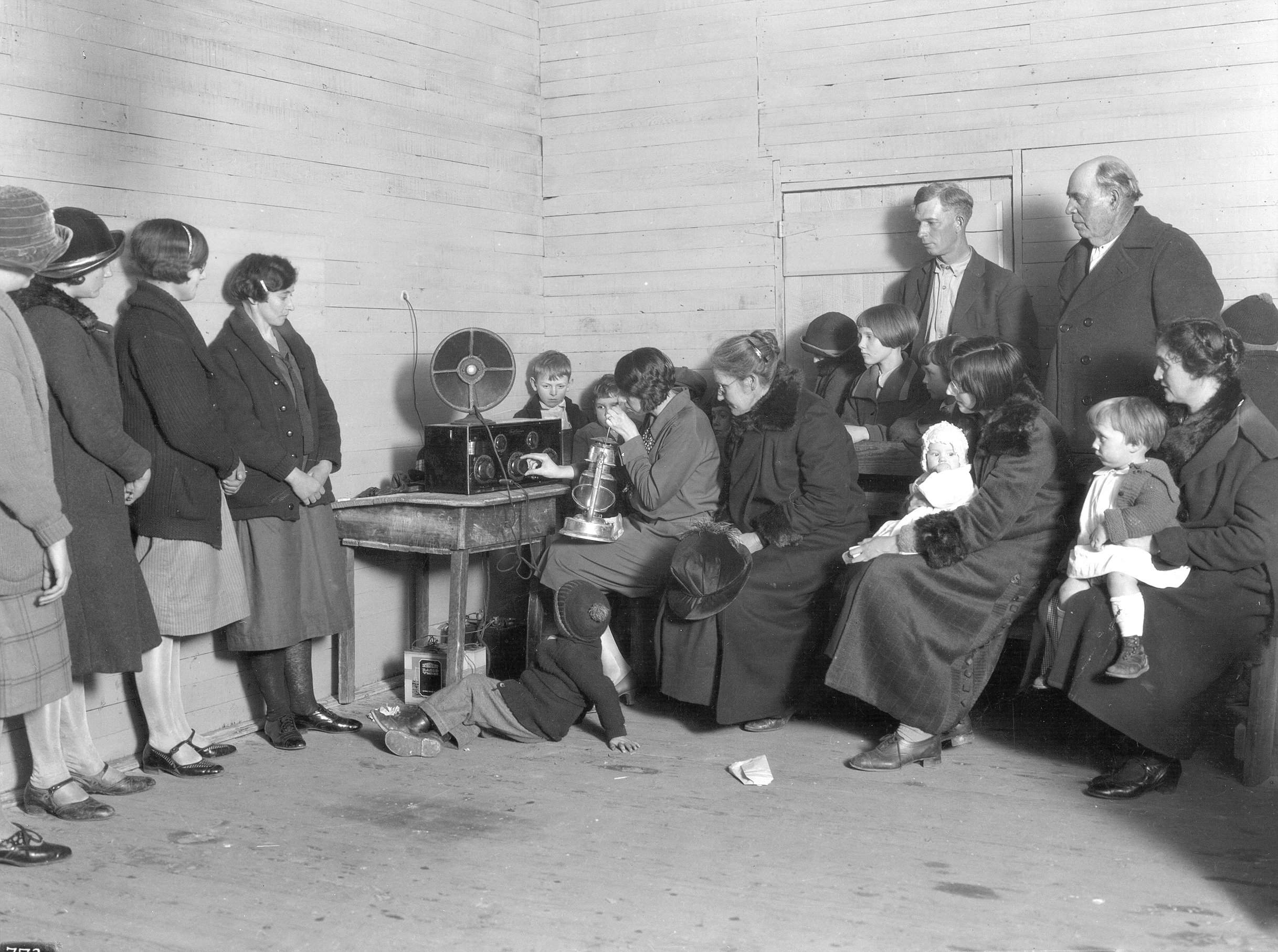
Many clubs ran a reading programme – a book list, a discussion at meetings, sometimes a travelling library box sent out from the state – alongside the practical work.
Book clubs as a private social activity, with no institutional supply and no connection to an educational structure.
The reading circles existed because the agents understood what the clubs actually were. A monthly meeting of adult women with a programme and a secretary is a school, and once it exists you may as well use it for literature and current affairs as well as for kitchen measurements.
15. Then the Audience Got an Education
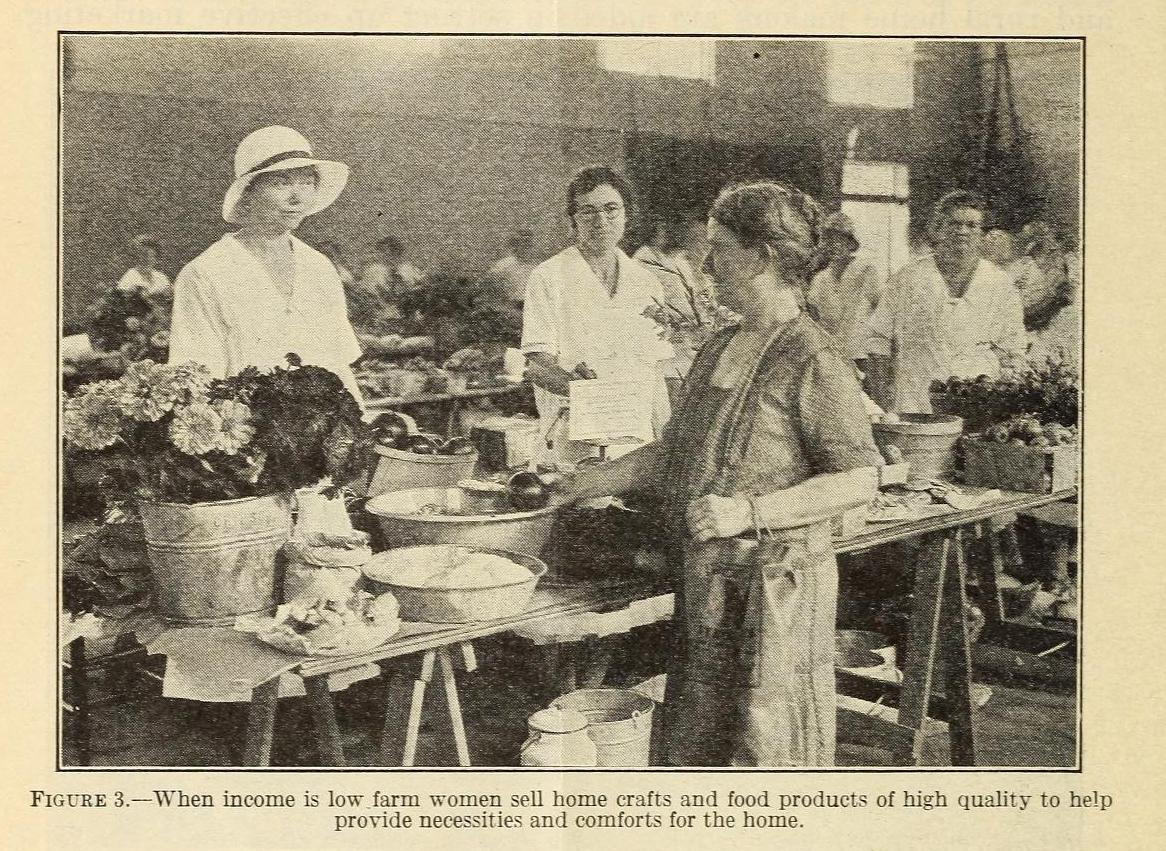
The home demonstration club was the principal adult education most rural American women ever received, and it reached millions across the middle of the twentieth century.
Gone, almost without trace. The organisation that ran it still exists and still does excellent work, but the neighbourhood club of adult women meeting monthly in each other’s houses is finished.
And it did not end because the information stopped being needed or because anybody decided to shut it down. It ended because its audience changed into people who no longer needed it in that form. The clubs were built for a specific population: rural women with limited formal schooling, no television, no telephone in many cases, little money, a working farm to run and no other channel to research-based practical knowledge. Within two generations every one of those conditions reversed. Finishing high school became normal and then college became common. Television arrived, then cable, then the internet, which put every bulletin the universities ever published within reach of anybody who wanted one. Rural women increasingly worked off the farm, which removed the daytime hours a monthly meeting required. Families got smaller, farms got larger and fewer, and the neighbourhood that supplied ten to thirty members within driving distance thinned out. Against all of that, a monthly afternoon meeting at which a county agent demonstrated a household skill could not compete, and it did not. Extension adapted – the same organisation now runs master gardener programmes, nutrition education for low-income families, 4-H and a great deal else, and it is probably reaching more people than it ever did. What went was not the information. It was the guaranteed monthly meeting of the women of one neighbourhood, with an agenda, a treasurer, a project book and a reason to be in each other’s front rooms. Nobody replaced that, and nobody has tried.
It Did Not Fail. Its Audience Graduated.
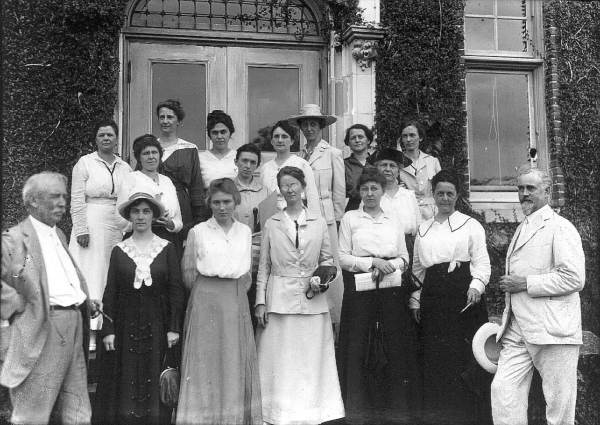
The home demonstration club is one of the strangest gaps in American memory.
It was enormous. For most of the twentieth century, in every county in the United States, there was a trained woman employed through the state land-grant university whose entire job was the rural household – and under her there were neighbourhood clubs, federated into county councils, federated into districts, federated into state organisations, with officers, minutes, treasurers, annual project books and a public achievement day. Millions of women passed through it. And if you ask most Americans under sixty what a home demonstration club was, you get nothing.
Part of that is because the work was household work, and household work is reliably under-recorded. But part of it is that the thing did its job and then its job disappeared.
Consider what it was actually built for. The target population was rural women, a great many of whom had not finished high school, most of whom had no television and some of whom had no telephone, who were running a working household with limited money and a great deal of physical labour, and who had no other route to research-based practical knowledge about food safety, nutrition, sanitation, water, money or child development. For that population, a monthly meeting where a trained agent demonstrated a specific procedure, and where you signed up for a year-long project with records, was an outstanding piece of educational design. The demonstration method was chosen precisely because printed material was a poor channel for the audience. The project book was chosen because habits form over a year and not over an afternoon. The federated structure was chosen because it gave ordinary members a ladder – secretary, president, council officer, district delegate – which taught public speaking, procedure and organising to women who had never held office anywhere.
Then every condition it was designed around reversed.
High school completion became normal. College became common. Television arrived, then cable, then the internet – which put every bulletin those universities ever published within reach of anybody with a question, free, instantly, updated. Rural women increasingly took work off the farm, which eliminated the weekday afternoon a meeting required. Farms consolidated and rural populations thinned, so the neighbourhood that could produce twenty members within a reasonable drive stopped existing in a lot of places. Water came into the house. The kitchen research got absorbed into commercial kitchen design and nobody had to campaign for counter height any more.
Against all of that, there was no version of the monthly front-room meeting that could survive, and it did not.
Extension itself adapted and is still working. The same institutions still publish, still employ educators, still run 4-H, still run master gardener programmes, still run nutrition education – and by raw numbers reached they are almost certainly doing more now than they did in 1964.
What went was not the knowledge. The knowledge is more available than it has ever been.
What went was the guaranteed monthly meeting of the women of one neighbourhood, in each other’s houses, with a hostess and an agenda and a treasurer’s report and a project book and a reason to look closely at each other’s kitchens. The club was a school, and it was also the only standing institution that reliably put those particular women in a room together on purpose, every month, for a stated purpose that was not church and was not family.
Nobody replaced that. Nobody has really tried.
If your mother or grandmother was in a home demonstration club, there is a project book somewhere in the house in her handwriting.
And if you ever wondered who paid for the little room on the square with the chairs and the stove in it – that was them.
Like our content? Follow us for more.