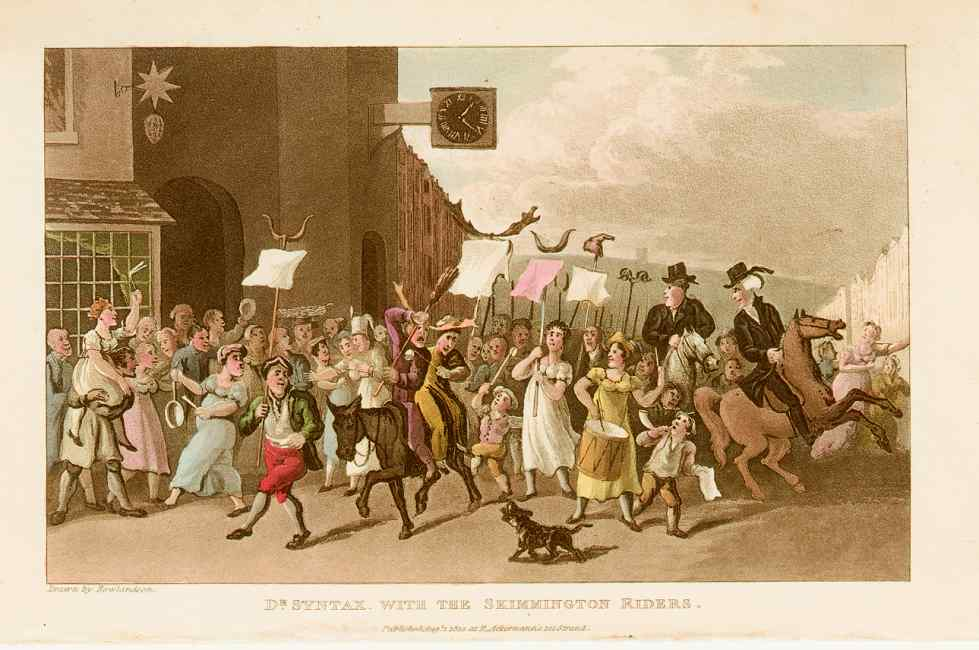
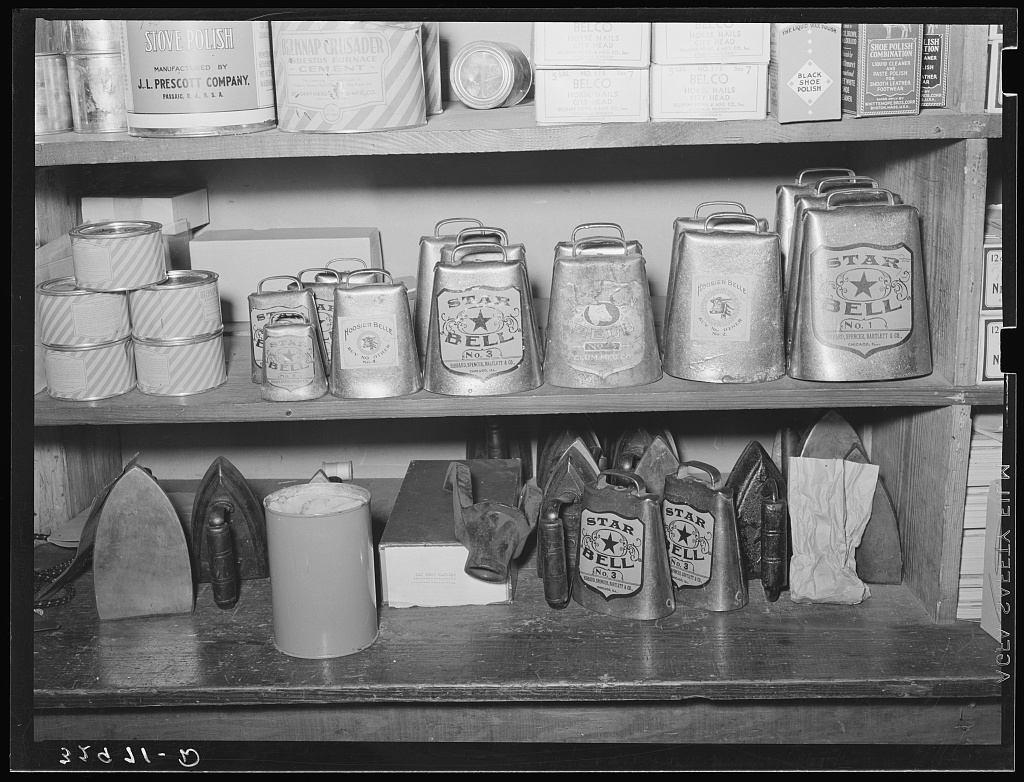
In 1964 a newly married couple in parts of the United States could expect a crowd to turn up outside the house after dark, unannounced, and make as much noise as possible with pots, washtubs, cowbells, saw blades and car horns until they came out.
Coming out was obligatory. A couple who stayed inside got more noise, for longer. And when they appeared they were expected to treat the crowd – cigars, candy, cake, coffee, a drink, money – at which point the noise stopped.
It was called a shivaree, and it is the softened remnant of something considerably older and harder. Here are fourteen things every newlywed knew.
1. It Happened at Night and Without Warning

A crowd assembled after dark at the house where a newly married couple had gone, arriving unannounced, and began making as much noise as possible outside the windows.
Essentially extinct across the United States, surviving in isolated pockets and in some communities in a gentler and pre-arranged form.
The unannounced arrival was the whole structure of the thing. A shivaree was not an event a couple was invited to; it was an event that happened to them, and the surprise was understood by everybody as an essential part of it.
Like our content? Follow us for more.
2. The Noise Was Made With Whatever Would Make It
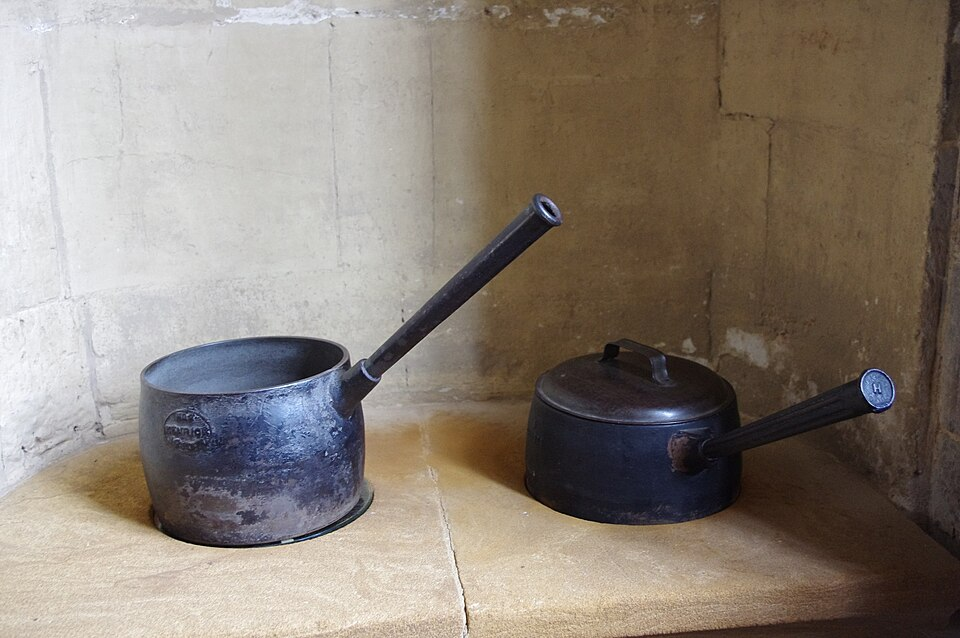
Pots, pans, washtubs, cowbells, dinner bells, saw blades struck with hammers, tin cans on strings, car horns, whistles and anything else that produced a racket – played badly and loudly for as long as it took.
Gone, with the noisy send-off from a wedding reception being the only surviving fragment in most of the country.
The deliberate ugliness of the sound is the detail that marks this as something older than a party. This was not music and was never meant to be – it was a rough, discordant, insistent noise, which in the practice’s original form was the point rather than an accident.
3. The Couple Was Expected to Come Out
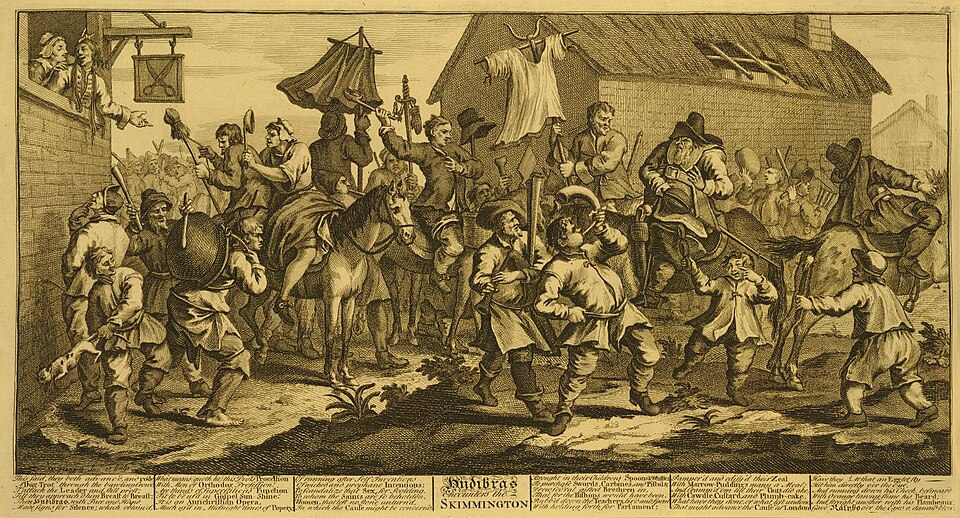
The noise continued until the couple appeared, and appearing was obligatory – a couple who stayed inside and refused simply got more noise, for longer.
Not applicable, since the practice has gone.
The obligation is where this stops being purely affectionate. The crowd had placed itself outside a private house, at night, with the explicit intention of not leaving until the occupants submitted to being brought out – and that is a form of pressure however friendly the faces were.
4. Then They Had to Treat the Crowd
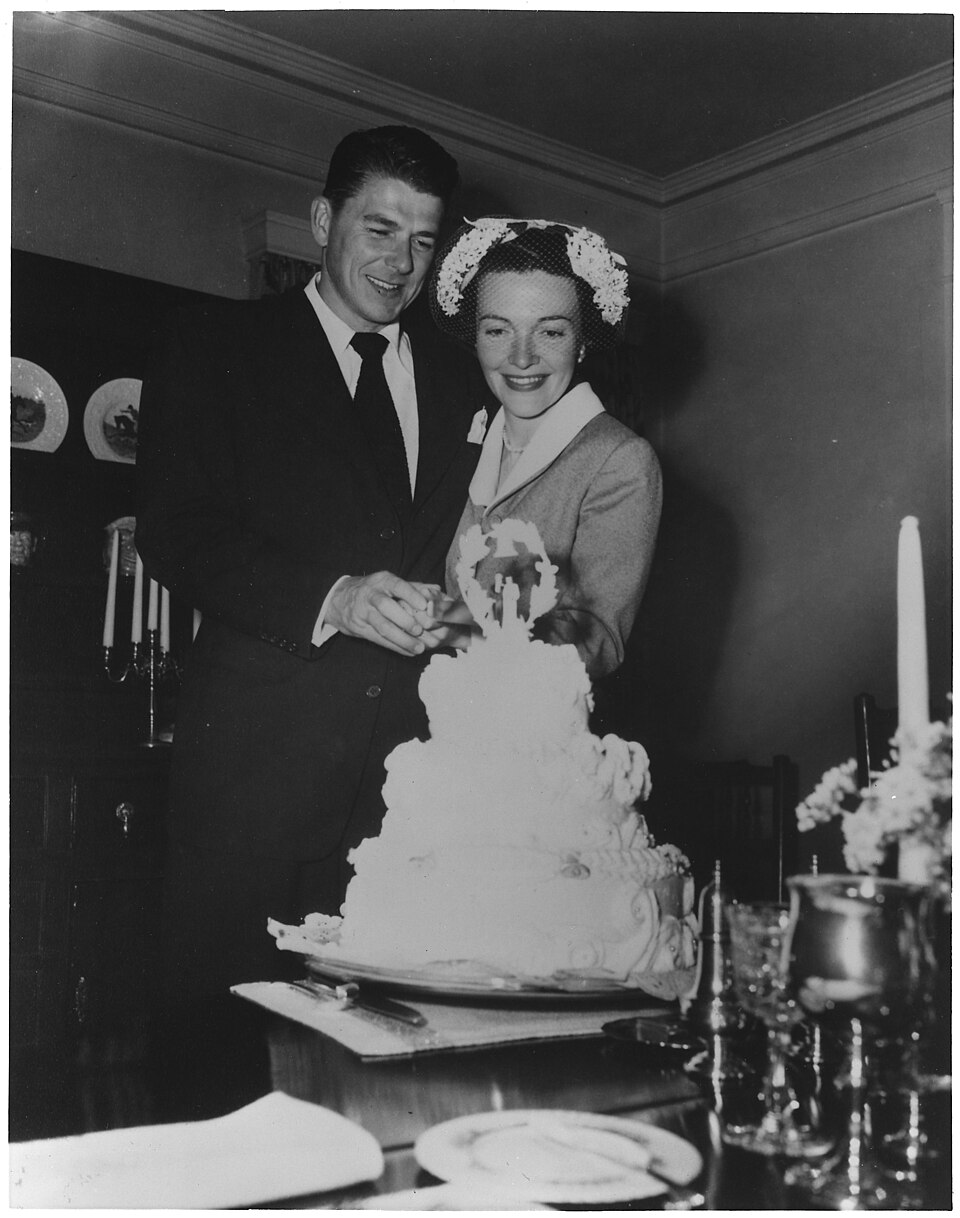
The couple was expected to produce something – cigars, candy, cake, a drink, coffee, money for the group, or an invitation inside – and the noise stopped when the treat appeared.
Not applicable.
The treat is the transaction at the centre of the custom and it has a very long history. A crowd makes noise, the household pays to make it stop, and the payment converts an imposition into a welcome – which is a structure found in folk practices across a great deal of Europe and for a very long time.
5. There Were Frequently Stunts Attached
The groom might be carried off, wheeled through town in a wheelbarrow, made to push the bride in one, dumped in a creek or a stock tank, or handcuffed to a post, with the bride occasionally included.
Gone, and the behaviour would in many cases now be unlawful rather than merely unwelcome.
This is where the practice ranged from mildly humiliating to genuinely coercive, and both ends existed. Some of it was affectionate roughhousing among friends who had agreed in advance by implication; some of it was a crowd doing something to two people who had no way to decline, and there is no good reason to be sentimental about the second kind.
6. Beds Were Interfered With Beforehand

Friends with access to the house arranged things in advance – bells under the mattress, the bedframe loosened, rice or crumbs in the sheets, the furniture rearranged, alarm clocks hidden and set.
The modern equivalent survives in harmless form at receptions and with decorated vehicles, with the intrusion into the house itself gone.
Those preparations required somebody to have been inside the house, which locates the practice precisely. A shivaree was organised by people close enough to the couple to have keys and standing – which is also why it was possible to refuse to take part and almost impossible to stop.
7. It Was Aimed at Couples Who Had Just Settled Nearby
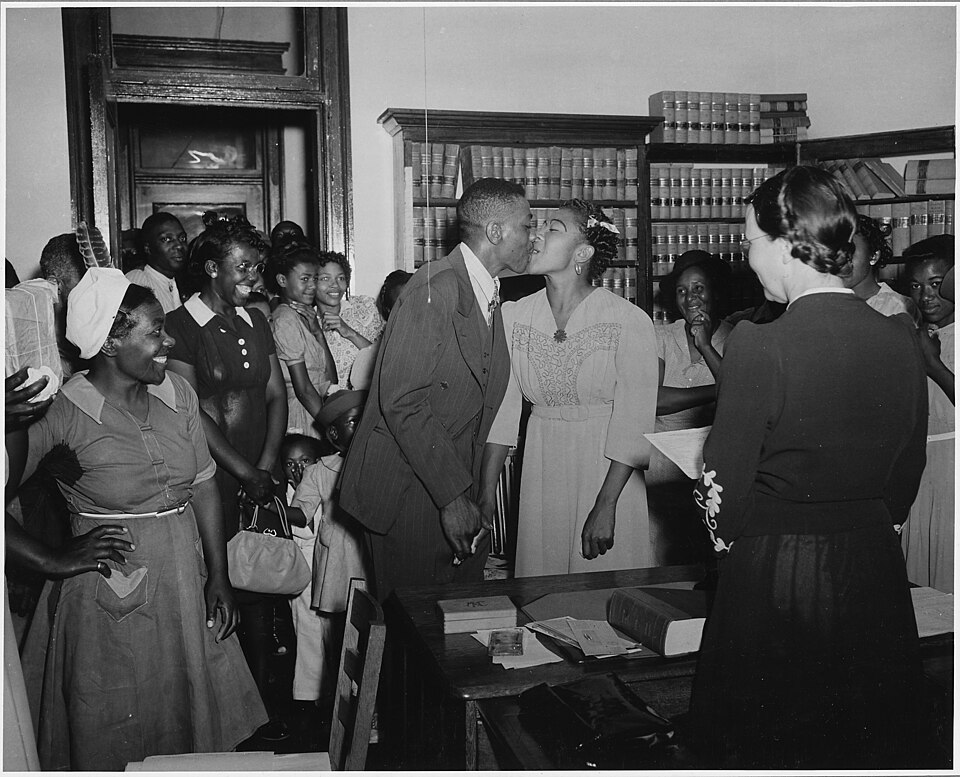
The target was a couple beginning married life in the community – which in 1964 was still the normal pattern, with most people marrying somebody local and setting up house within a short distance of both families.
Not applicable, since couples now frequently live at a distance from both families and may not be in the community at all after the wedding.
The custom required the couple to be physically available on the night, in a known house, in a place where a crowd could gather – which is a set of conditions that simply stopped obtaining. A couple on a honeymoon two states away cannot be shivareed.
8. The Original Function Was Community Judgement
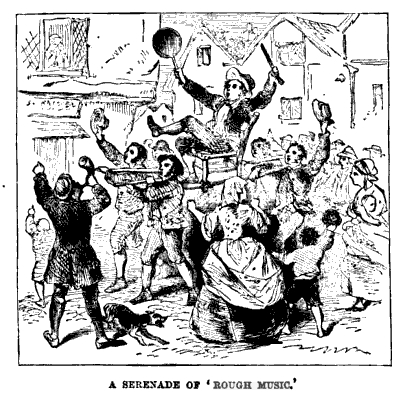
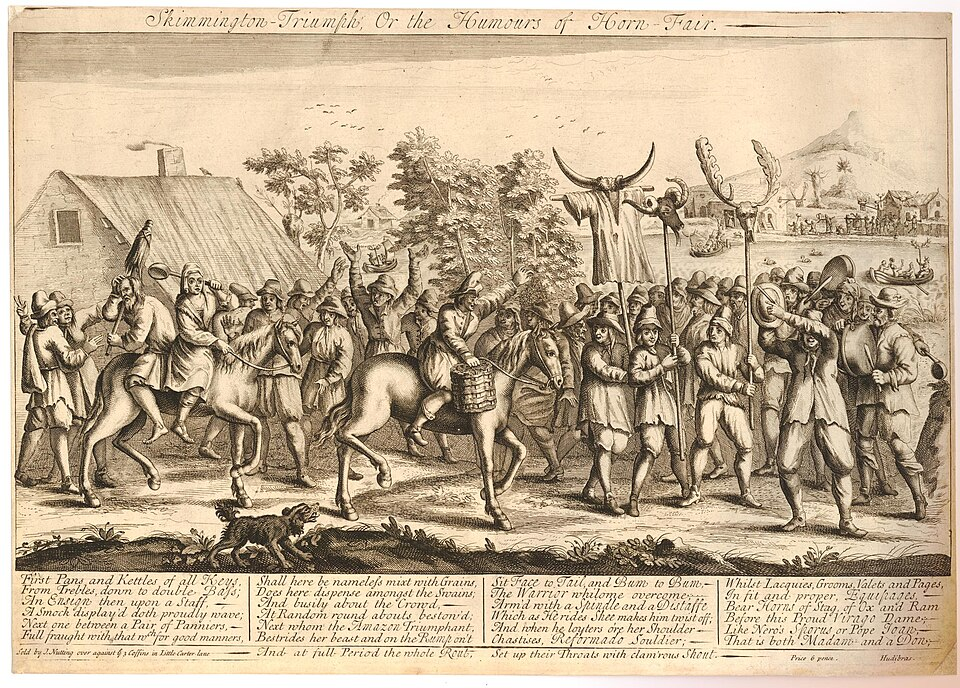
The practice descends from a very old European folk custom in which a disorderly crowd made noise outside the house of somebody whose marriage or conduct the community disapproved of – a sanction rather than a celebration.
Entirely forgotten, with the surviving American memory being of affectionate hazing and no sense of the judgemental ancestry at all.
That origin explains every strange feature of the custom. The deliberate ugliness of the noise, the crowd’s assumed right to stand outside a private house, the obligation on the occupants to come out and pay – these are the mechanics of a community sanction, softened over centuries into a joke whose shape nobody questioned.
9. The Old Targets Were Specific Kinds of Marriage
In its earlier forms the practice fell particularly on matches a community considered irregular – a widow or widower remarrying soon, a large difference in age, an outsider marrying in, a second marriage, or a couple who had married without the expected approval.
Gone with the custom, and the underlying attitude it expressed has substantially gone too.
Which is the part of this history that should be stated rather than skipped. A practice whose original purpose was to let a crowd express disapproval of somebody else’s marriage is not a charming lost tradition in that form, and its disappearance is straightforwardly good.
10. By 1964 It Was Mostly Affectionate
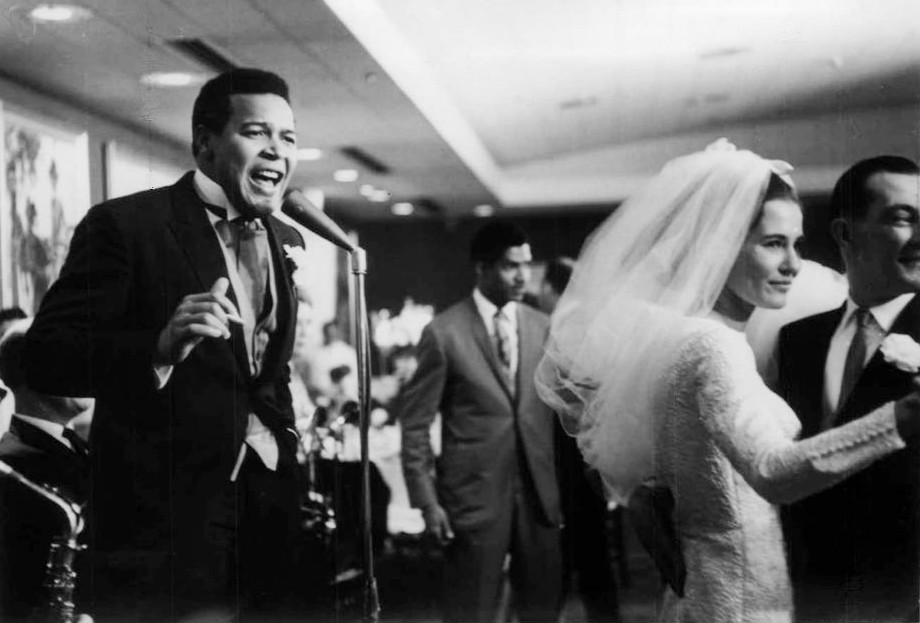
The American version by then had largely lost the judgemental edge and had become a boisterous welcome – rough, loud, intrusive, but generally meant warmly and generally received that way.
Not applicable.
That softening is real and worth crediting. By the middle of the twentieth century most shivarees were performed by friends and neighbours as a way of marking that a couple now belonged to the community, which is a genuinely different thing from a sanction even though the mechanics were identical.
11. Not Everybody Enjoyed It and Some People Dreaded It
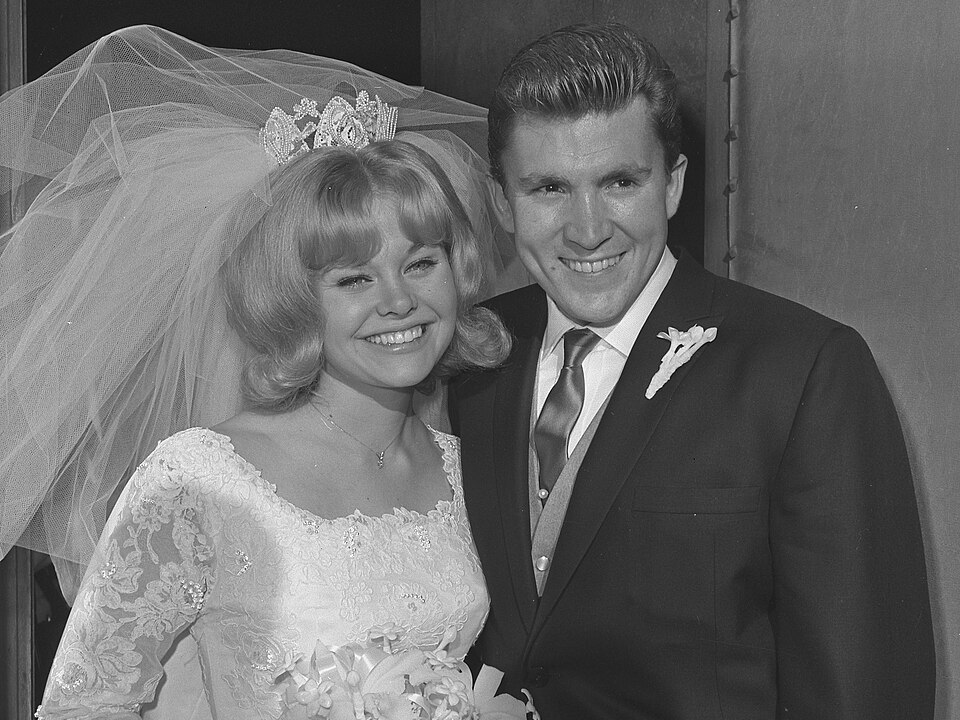
Accounts from the period include couples who found it funny, couples who found it tedious, couples who were frightened by a crowd outside their house at night, and couples who went to some trouble to avoid it.
Not applicable.
The range of reactions is the honest record and it should not be flattened. A custom that arrives unannounced, cannot be declined and ends only when the recipients comply will land very differently on different people, and in 1964 there was no socially available way to say no.
12. The Noise Carried Across the Whole Neighbourhood
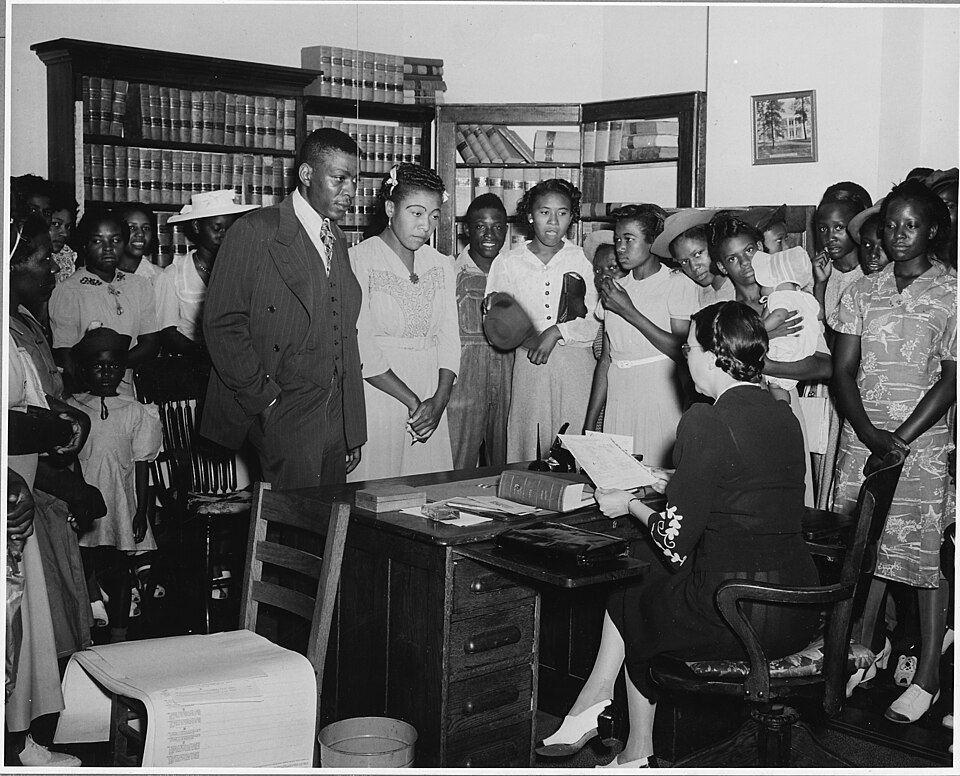
A shivaree was audible for a long distance in a quiet rural night, which meant everybody within earshot knew it was happening, who it was for, and roughly how long it lasted.
Not applicable.
Public audibility was part of the mechanism rather than a side effect. The announcement to the whole neighbourhood that this couple was being marked was the purpose, in both the sanctioning and the welcoming versions – which is why doing it quietly would have made no sense.
13. The Honeymoon Killed It as Much as Anything

As taking a trip immediately after the wedding became standard across American social classes, the couple was simply not at home on the night the crowd would have assembled.
Universal, and the single most practical reason the custom had nowhere to happen.
Of all the causes of its disappearance, this is the most mundane and possibly the most effective. A custom that requires its subjects to be in a specific house on a specific night cannot survive the normalisation of leaving town immediately.
14. Then Marriage Stopped Being the Community’s Business
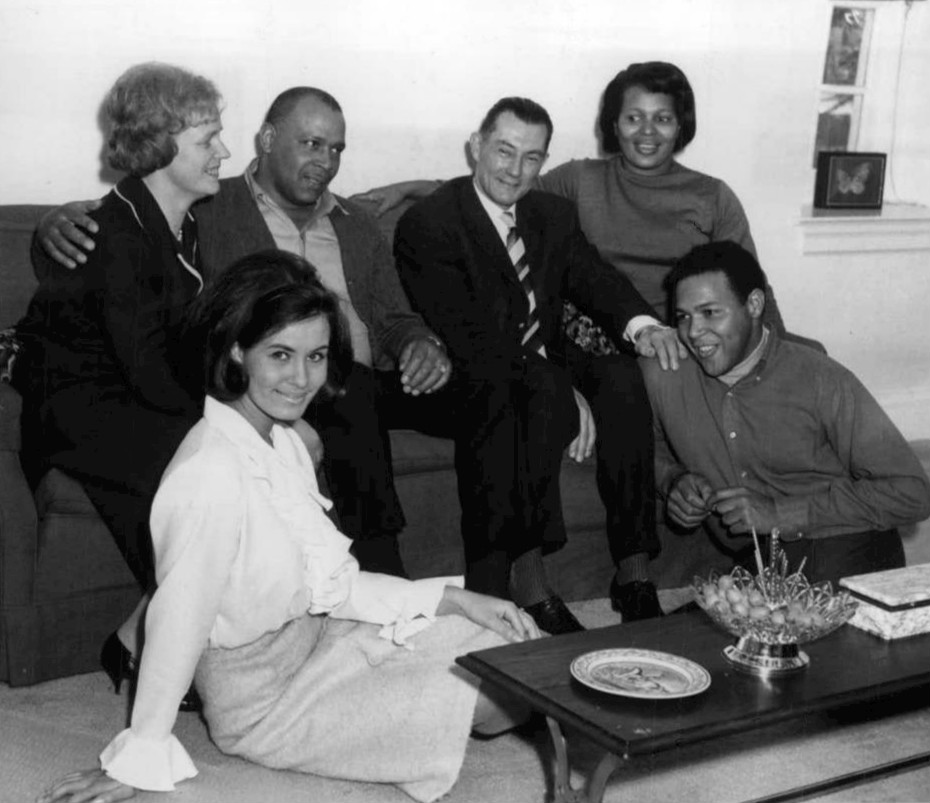
In 1964 a shivaree still happened in parts of the United States because a marriage was understood as an event that concerned the whole neighbourhood, which therefore had standing to show up outside the house and demand to be acknowledged.
Gone, along with the assumption underneath it. A marriage is now treated as the private business of the two people in it, and no crowd has any standing to assemble outside anybody’s house about it.
And the ending is neater than most, because the thing that killed the custom is exactly the thing the custom had originally existed to assert. A charivari – the old European practice this descends from – was a community telling a couple that their marriage was a matter of public concern and that the public had opinions about it. The noise was the mechanism, the obligation to come out was the assertion of authority, and the treat was the payment that settled it. By 1964 the American version had been softened almost beyond recognition into a boisterous welcome, performed by friends, generally meant kindly and generally taken that way – but the machinery was unchanged, and the machinery only works if everybody accepts that a crowd may turn up at a private house at night and stay until the occupants comply. That acceptance went, from several directions at once. Couples stopped settling within walking distance of both families, so there was frequently no house to go to and no neighbourhood to assemble. The honeymoon became standard, so the couple was not there on the night. Rural populations thinned, so the crowd was harder to raise. And, decisively, the idea that a marriage is anybody else’s business at all weakened to the point of disappearing. Once a wedding became a private matter between two people, a practice built on the opposite premise had no foundation left – and the harsher forms of it, the stunts and the coercion and the old business of singling out marriages the community disapproved of, lost whatever cover they had ever had. The noise stopped because nobody had the standing to make it any more.
The Custom Died of the Thing It Existed to Assert
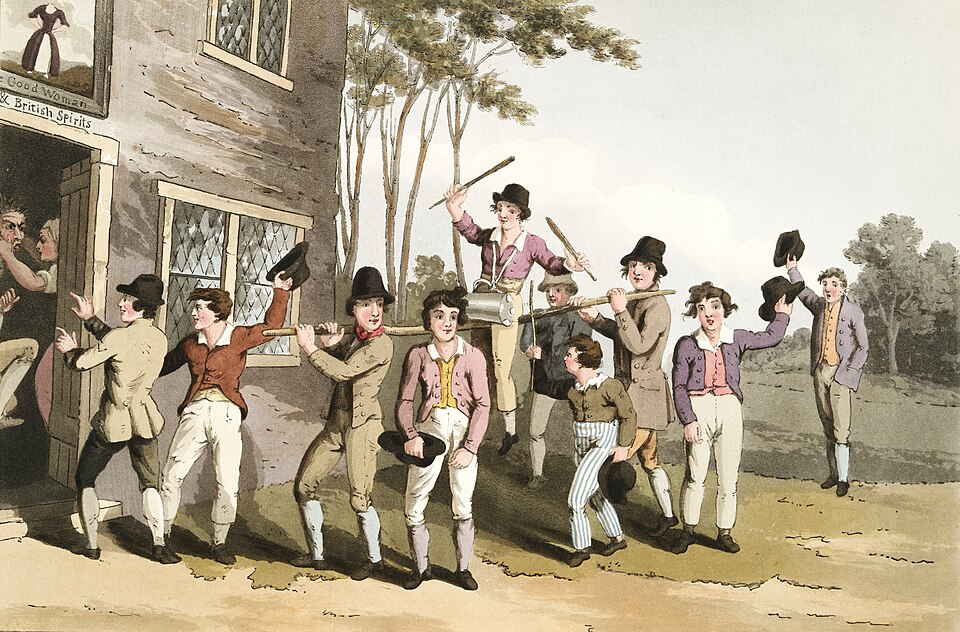
The shivaree looks like a piece of rural American whimsy and it is in fact the tail end of a European folk institution several centuries old, with its original purpose almost completely forgotten.
Work backwards from the mechanics, because the mechanics are strange and the strangeness is informative.
A crowd assembles after dark outside a private house, unannounced. It makes a deliberately ugly noise – not music, not singing, but a discordant racket of pans, bells, tubs and struck metal. It does not leave when asked. It continues until the occupants come out, which they are obliged to do. And it stops only when the occupants hand over something: cigars, cake, drink, money, or an invitation inside.
Now ask what kind of practice has that shape. Not a celebration. Celebrations are invited, scheduled and pleasant to listen to. What that shape describes is a sanction – a community asserting that it has a right to stand outside your house, that your private business is its business, and that you will acknowledge its authority before it goes away. And the treat is the settlement: a payment that converts an imposition into a welcome.
Which is exactly what the practice originally was. It descends from an old European custom of rough, noisy, public shaming, in which a disorderly crowd gathered at the house of somebody whose marriage or conduct the community disapproved of. And the marriages it fell on were specific: a widow or widower remarrying too soon, a large age gap, an outsider marrying in, a second marriage, a couple who had married without the expected blessing.
That is worth stating plainly rather than glossing over. In its original form this was a mechanism for a crowd to express disapproval of somebody else’s marriage, to their face, at their house, at night. Nothing about that is charming, and its disappearance is a straightforward gain.
By 1964 in the United States, the judgemental function had largely drained out of it. Most shivarees were performed by friends and neighbours as a loud, intrusive, good-humoured way of marking that a couple now belonged to the place – and the great majority were meant warmly and received warmly. That softening is real and deserves crediting.
But the machinery never changed. And the machinery only works as long as everybody accepts the premise underneath it: that a crowd may turn up at a private house after dark, uninvited, and stay there until the people inside submit to being brought out.
The honest record from the period reflects exactly that. Some couples found it hilarious. Some found it tiresome. Some were frightened by a crowd outside their house at night. Some went to real trouble to avoid it. And there was no socially available way to decline, which is the part that makes the harsher versions – the groom carried off, somebody dumped in a stock tank, a person handcuffed to a post – difficult to defend even as a joke among friends.
Then the premise collapsed, from four directions at once.
Couples stopped settling within walking distance of both families, so frequently there was no house to go to and no neighbourhood to raise a crowd from. The honeymoon became standard across American social classes, which meant the couple simply was not home on the only night the thing could happen – mundane, and possibly the most effective single cause. Rural populations thinned. And the underlying assumption weakened to nothing: the idea that a marriage is in any sense the community’s business has substantially disappeared from American life.
Which is a tidy ending. The shivaree was a practice built on the premise that a marriage concerns everybody. It died when marriage became private – which is to say, it was killed by the exact proposition it had existed to deny.
The noise stopped because nobody had the standing to make it.
If this happened to anybody in your family, there is a story about it and the story has a fixed ending.
And somebody still has the cowbell.
Like our content? Follow us for more.