In 1964 interior walls in a great many American houses were papered rather than painted, and redecorating a room meant new paper rather than a new colour out of a can.
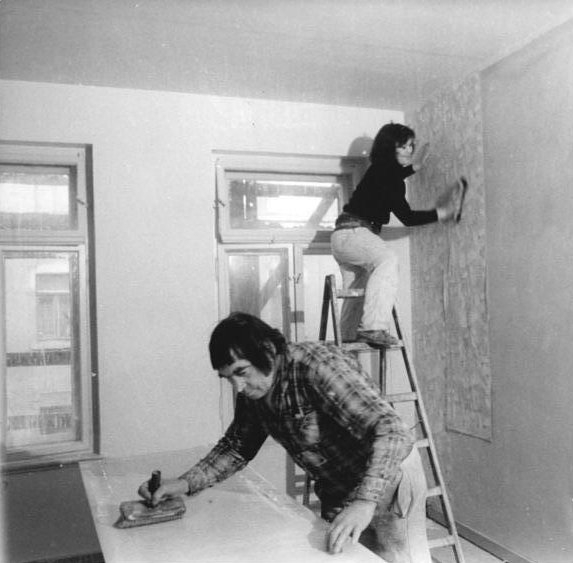
It was a day’s work for several people. Somebody mixed paste from powder in a bucket, judging the consistency by eye. Somebody laid each strip on a long pasting table and brushed it. Older paper came with a blank margin along each edge that had to be trimmed off by hand, strip by strip, with a straightedge and a blade. And then the pattern had to match at every single seam, in a room where no wall is plumb and no corner is true.
The furniture came out into the hall. Here are fourteen things every family knew.
1. Papering Was What You Did Instead of Painting
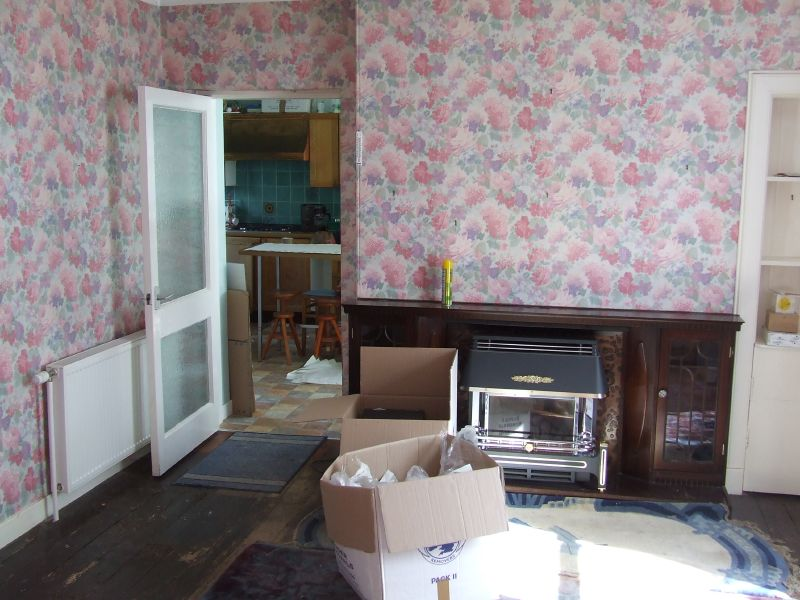
Interior walls in a great many houses were papered rather than painted, and redecorating a room meant new paper rather than a new colour out of a can.
Paint, overwhelmingly. Wallpaper is now an accent treatment used on one wall or in one room if it is used at all.
The default has flipped completely, and that is the thing to grasp before anything else makes sense. Paper was the normal wall covering and paint was the exception, which means papering was a routine household skill rather than a specialist undertaking.
Like our content? Follow us for more.
2. It Was a Whole-Household Operation
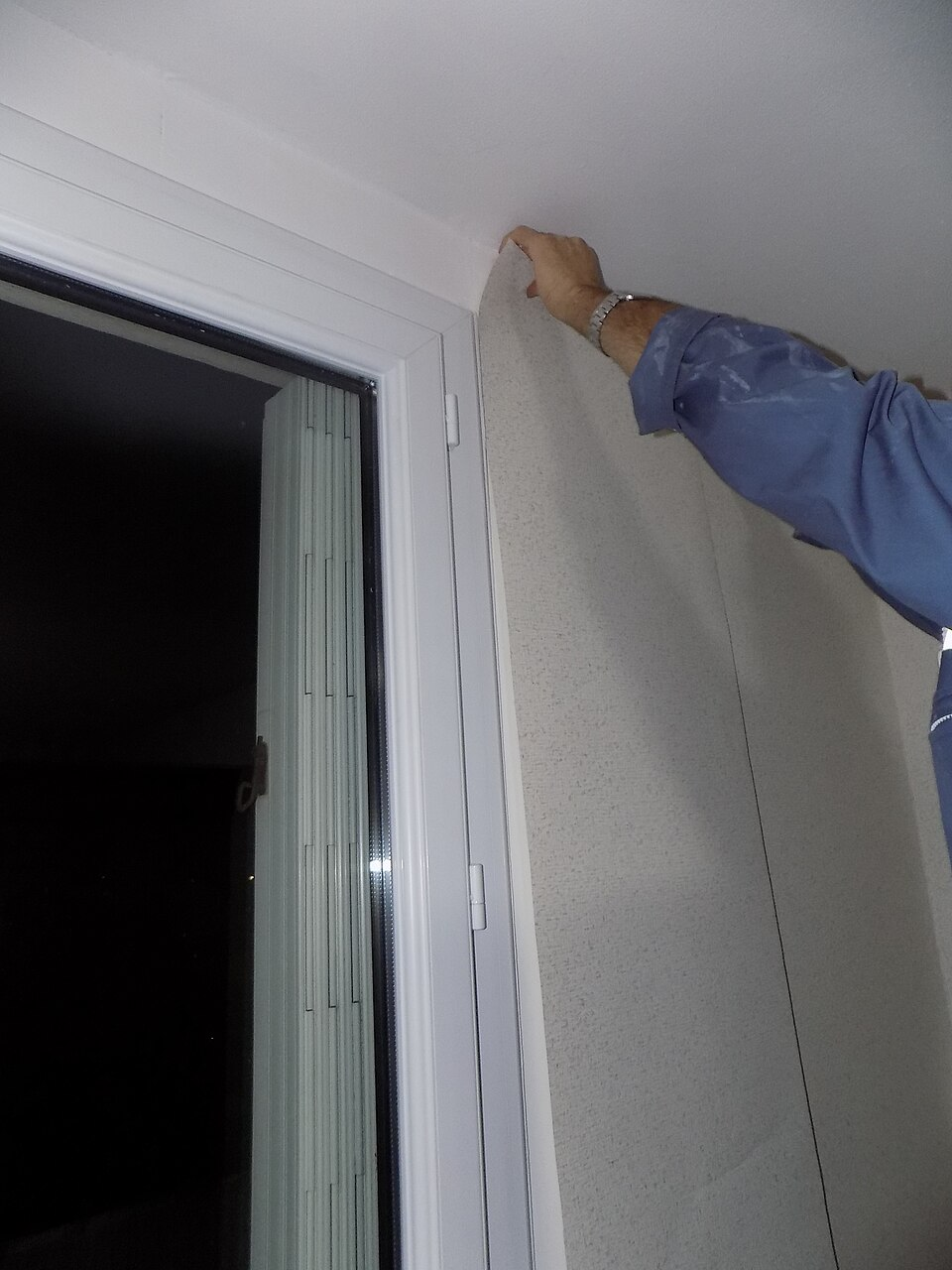
Papering a room took a day or more and involved several people – somebody pasting, somebody carrying, somebody up the ladder, somebody smoothing – and furniture came out of the room entirely.
Painting, done by one or two people over a weekend, or hired out.
The crew size is what separated it from painting. Wet paper is heavy, fragile and has a time limit on it, so you cannot hang a strip alone without a struggle, and the household organised itself accordingly.
3. The Paper Came Unpasted and Often Untrimmed
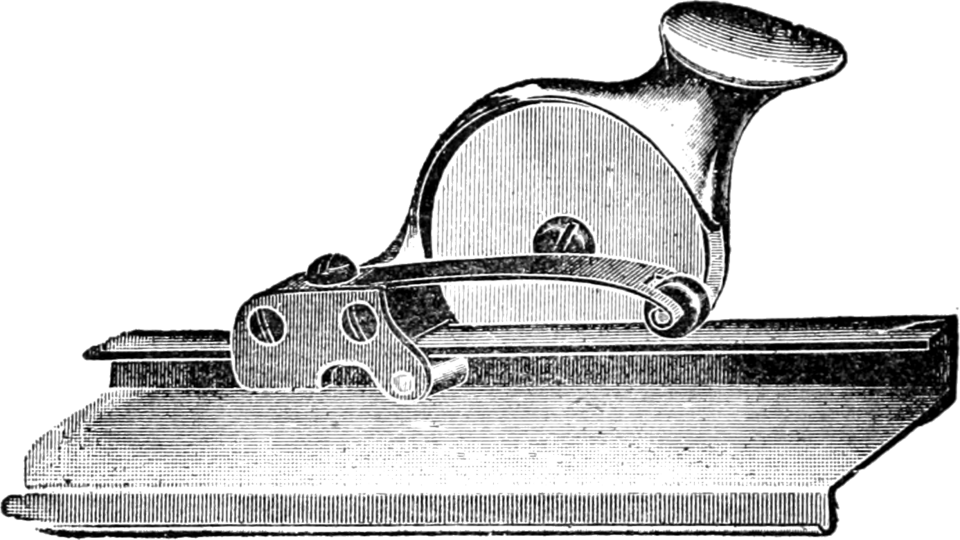
Wallpaper was supplied dry, and older stock came with a blank margin along each edge that had to be trimmed off before hanging.
Pre-trimmed paper is universal, and most paper is either pre-pasted or paste-the-wall.
Trimming by hand was a slow, exacting job on every single strip, done with a straightedge and a blade, and getting it wrong showed up as a visible gap or overlap on a finished wall. It is the kind of step that explains why papering felt like work.
4. Paste Was Mixed in a Bucket
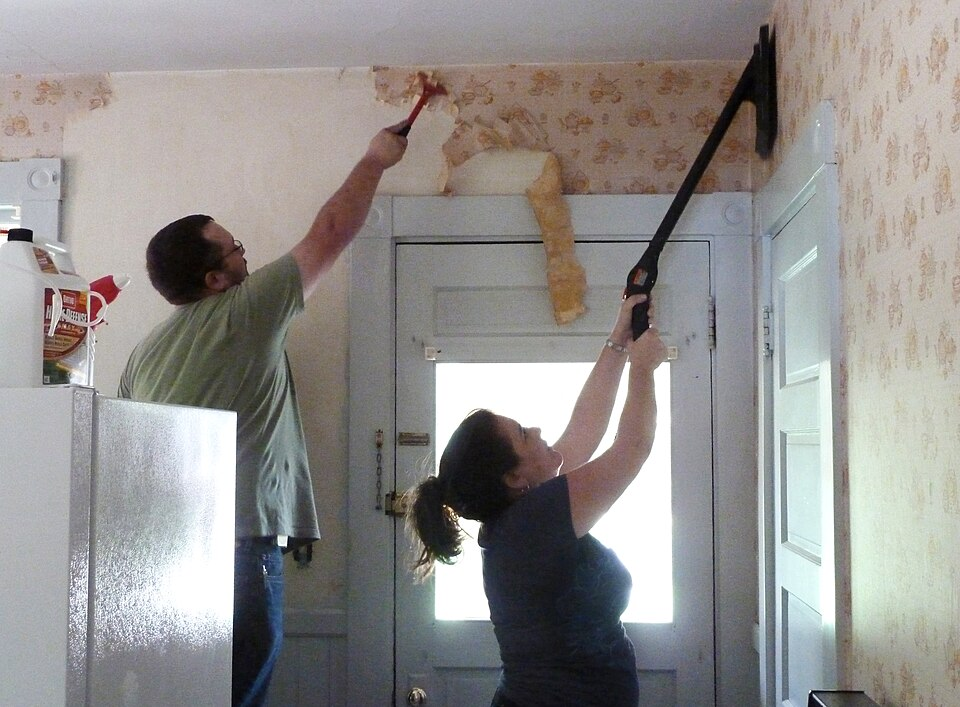
Paste came as a powder or flake to be mixed with water in a bucket to a consistency the household judged by eye, and it was applied to the back of the strip with a wide brush on a table.
Ready-mixed adhesives, pre-pasted papers activated with water, and paste-the-wall systems that never touch the paper.
Mixing by judgement is the part that varied by household, and it mattered. Too thin and the paper would not hold; too thick and it would not slide into position, and the only way to know was experience.
5. The Pasting Table Was a Real Piece of Equipment
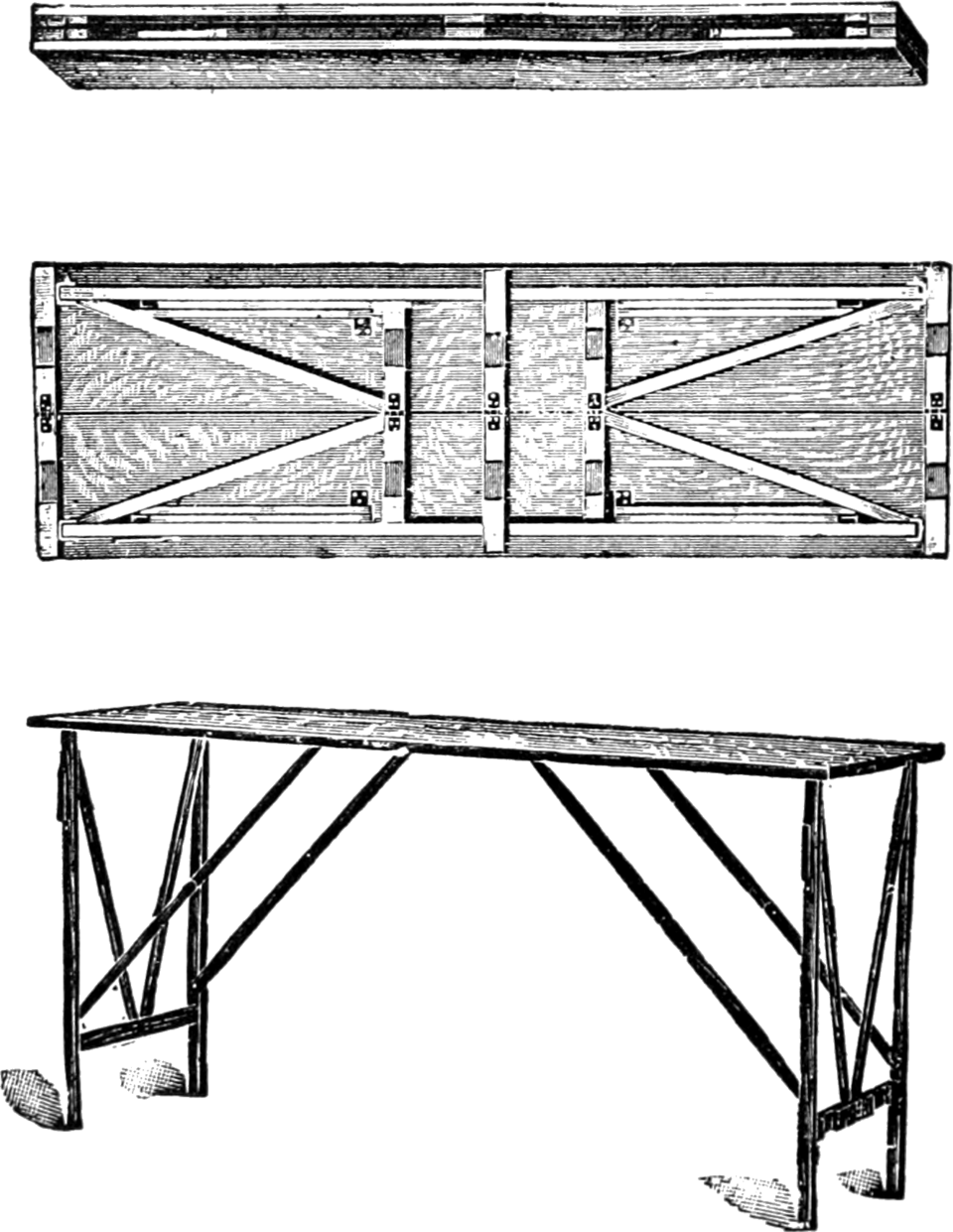
A long narrow table – purpose-made, borrowed, or improvised from boards on trestles – was needed to lay a full strip flat for pasting, and no house could paper without one.
Still used by professionals and serious amateurs, and largely unnecessary for pre-pasted or paste-the-wall systems.
The table is a good index of how much paraphernalia the job needed. Papering required a kit – table, brushes, bucket, straightedge, blade, seam roller, smoothing brush, plumb line – that a household either owned or borrowed, and painting needs almost none of it.
6. The Pattern Had to Match at Every Seam
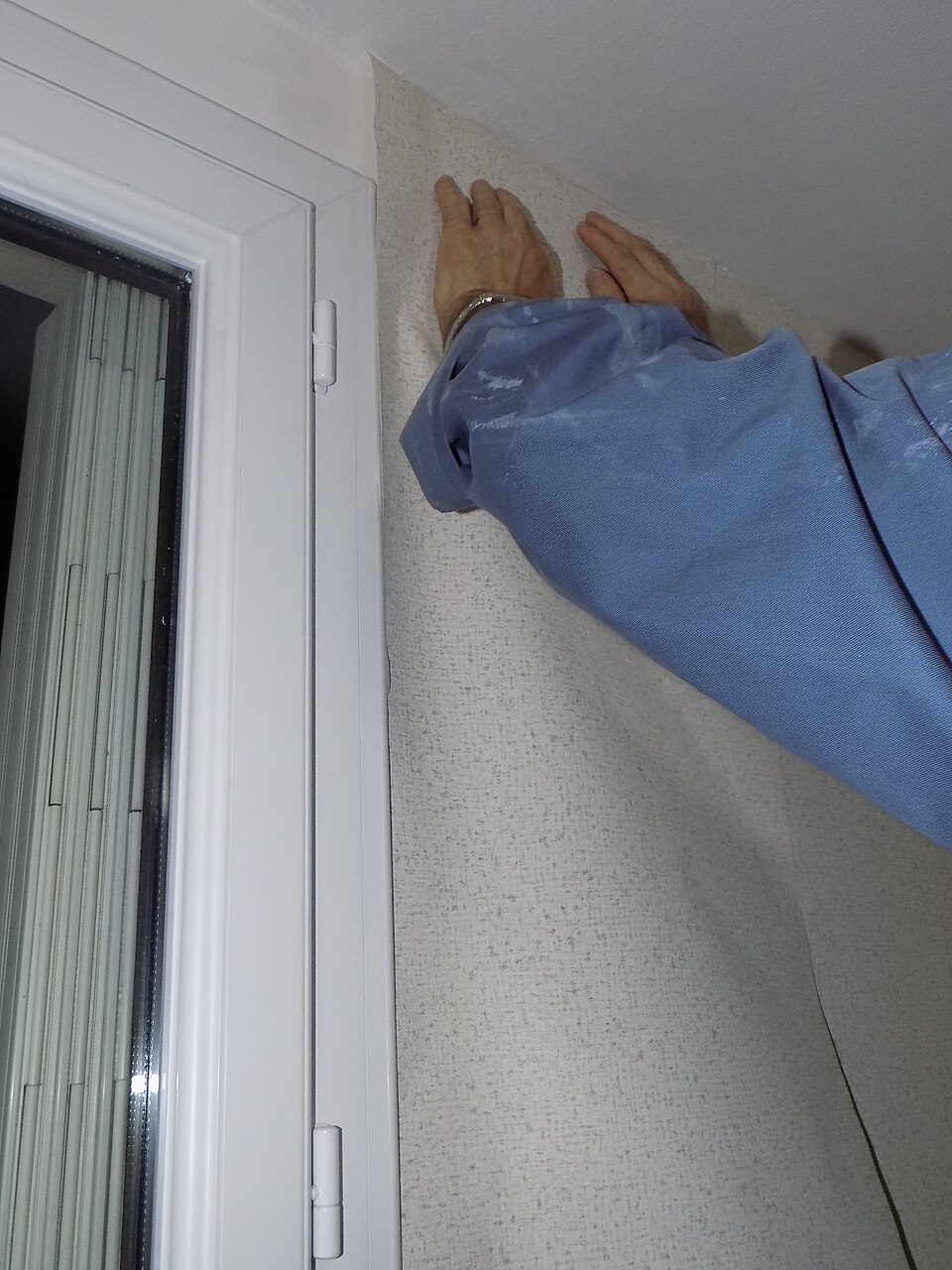
Patterned paper repeats, and adjacent strips must line up – frequently with each strip offset vertically from the last to make the pattern meet, which wastes paper and requires planning.
The same requirement, with much better instructions and considerably more forgiving papers.
Pattern matching is the skill of the whole business and it is where amateurs lose. A seam that is a fraction out is invisible to the person hanging it and permanently obvious to everybody who sits in the room afterwards.
7. Corners and Windows Were Where It Went Wrong
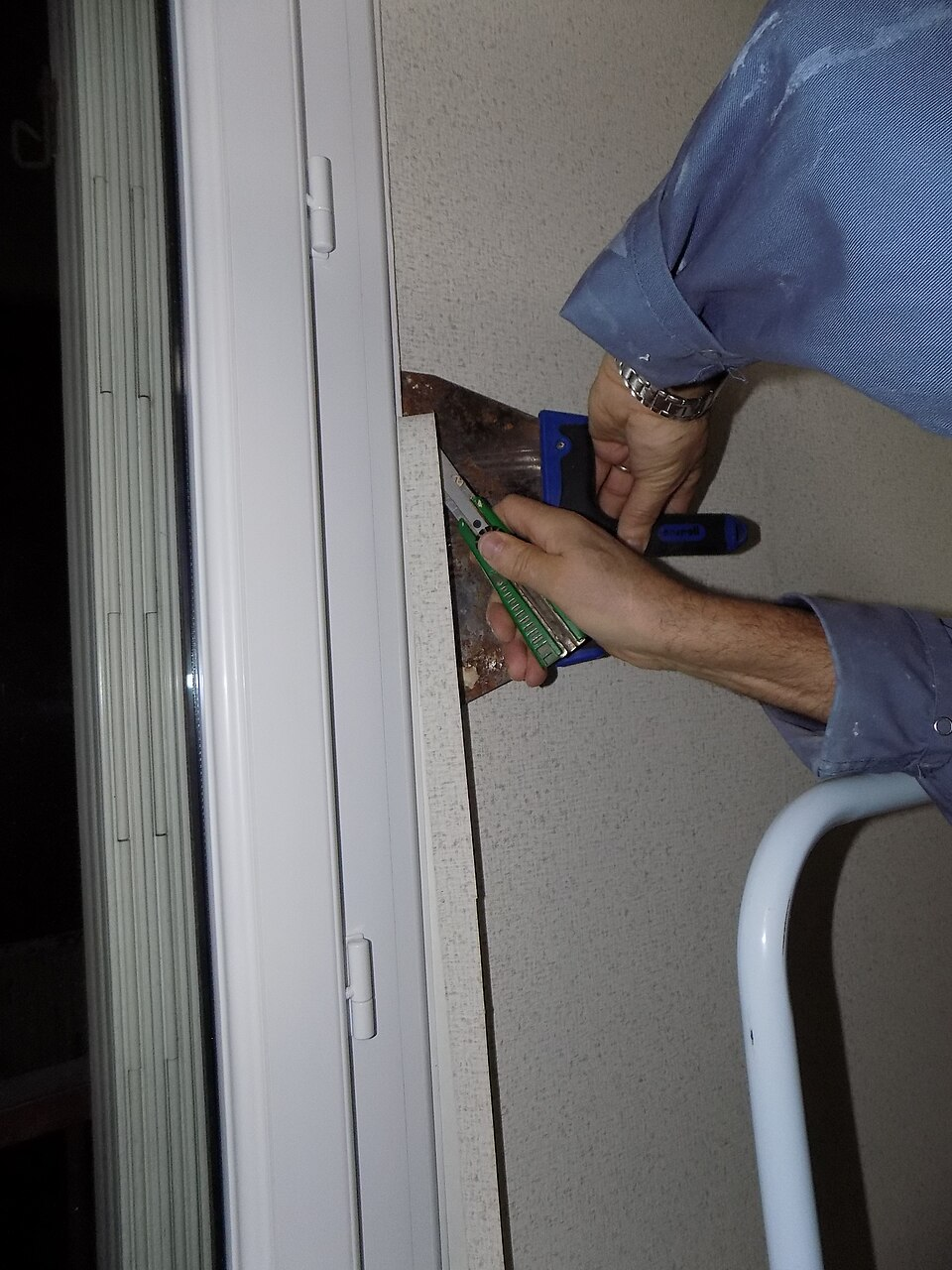
No room is square. Walls lean, corners are not true, and ceilings are not level, which means paper hung plumb does not follow the room and paper that follows the room is not plumb.
Identical, and still the hardest part of the job.
This is the fundamental problem of papering and there is no solution to it, only management. An experienced paperer decides early where the inevitable discrepancy will be hidden, and an inexperienced one discovers it at the last corner.
8. The Old Paper Frequently Stayed On
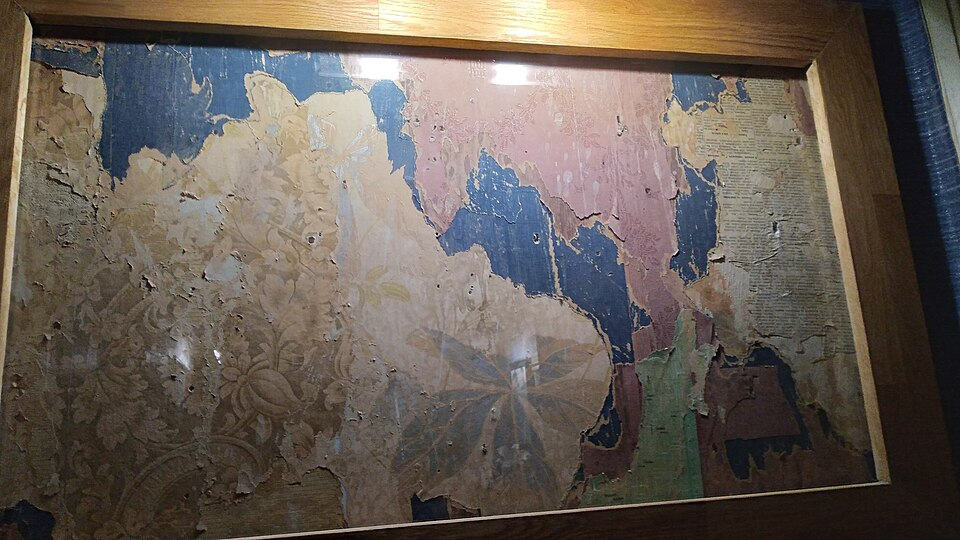
Rather than stripping, households often papered straight over the existing layer, which is why old houses turn up with half a dozen or more layers of paper on the same wall.
Stripping to a sound surface is standard practice and papering over old paper is discouraged.
Those layers are a genuine historical record and they are how old houses get dated by the people who restore them. Each layer is a decorating decision with a date attached, stacked up in order, which is an accidental archive nobody meant to create.
9. Newspaper Went Up as a Liner
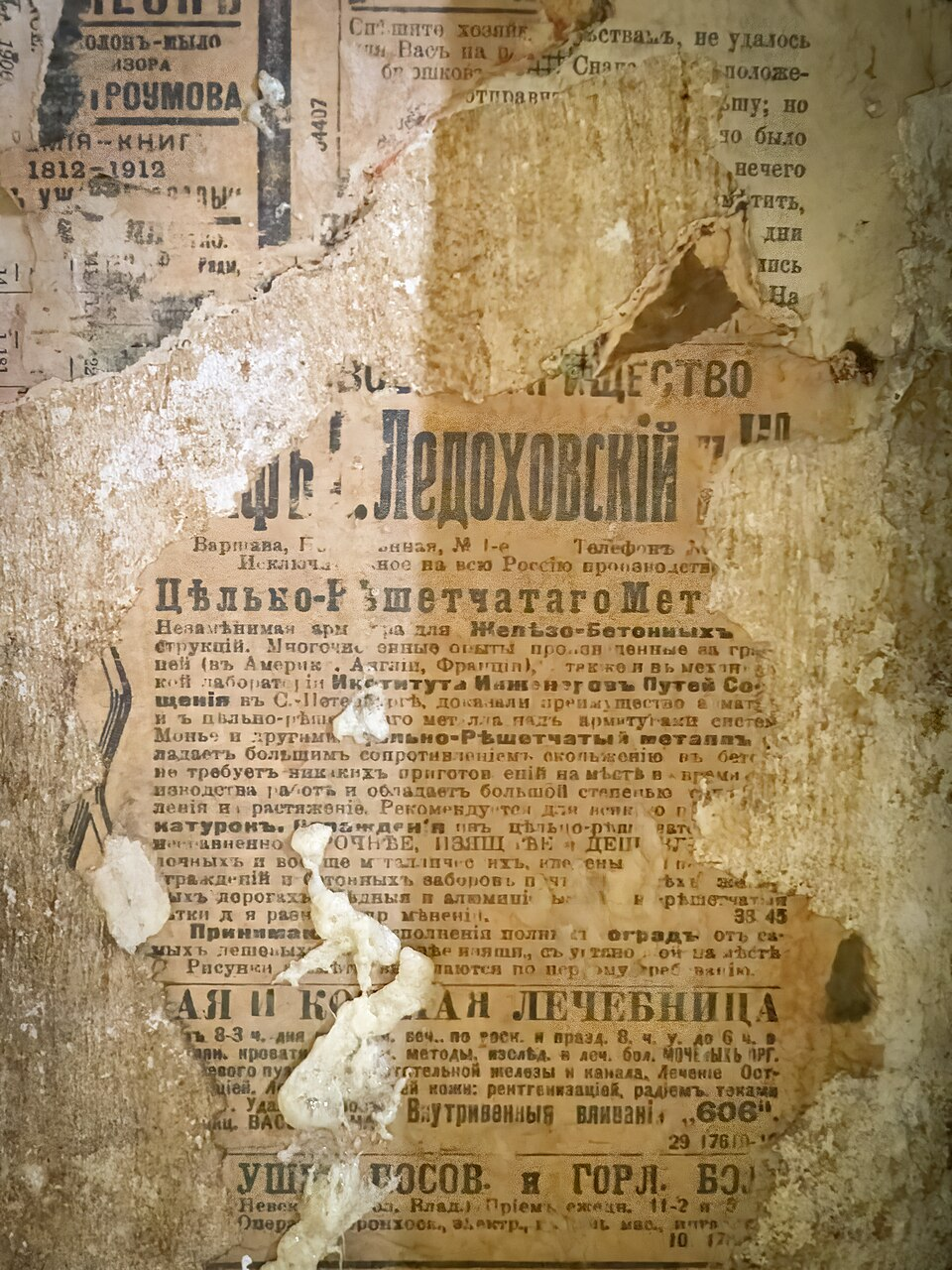
Where walls were rough, open or draughty – board walls, log walls, unplastered partitions – newspaper or heavy paper was pasted up first as a backing, with the decorative paper over it.
Not applicable in finished modern construction, where lining paper is a specialist product used on problem surfaces.
Papering over newspaper is a detail that tells you what the walls were like. Paper was doing structural and insulating work in those houses, sealing gaps and smoothing a rough surface, which makes it considerably more than decoration.
10. Ceilings Were Papered Too, and It Was Awful
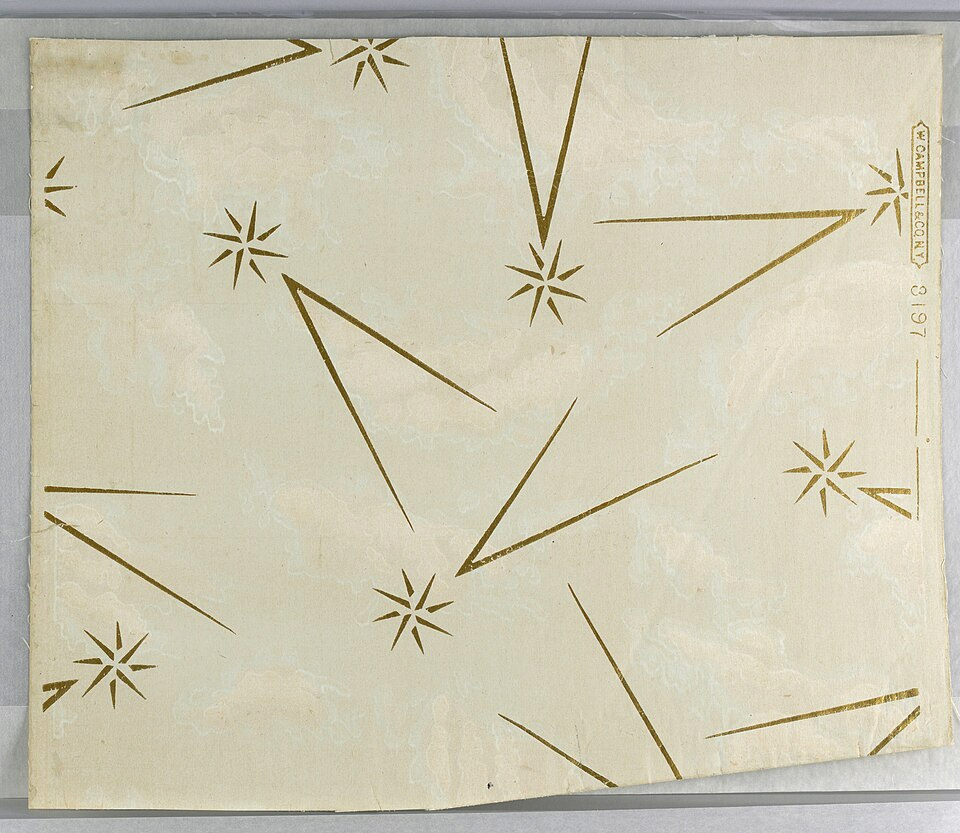
Ceiling paper existed and was used, and hanging a long wet strip overhead – taking the whole weight above your head while matching a pattern – is the single most disliked job in decorating.
Rare. Ceilings are painted in the overwhelming majority of American houses.
Everybody who has done it says the same thing about it and they are right. Wet paper is heavy and wants to come away, gravity is working against you continuously, and there is no comfortable position from which to do any of it.
11. The Patterns Were Loud and Changed Fast
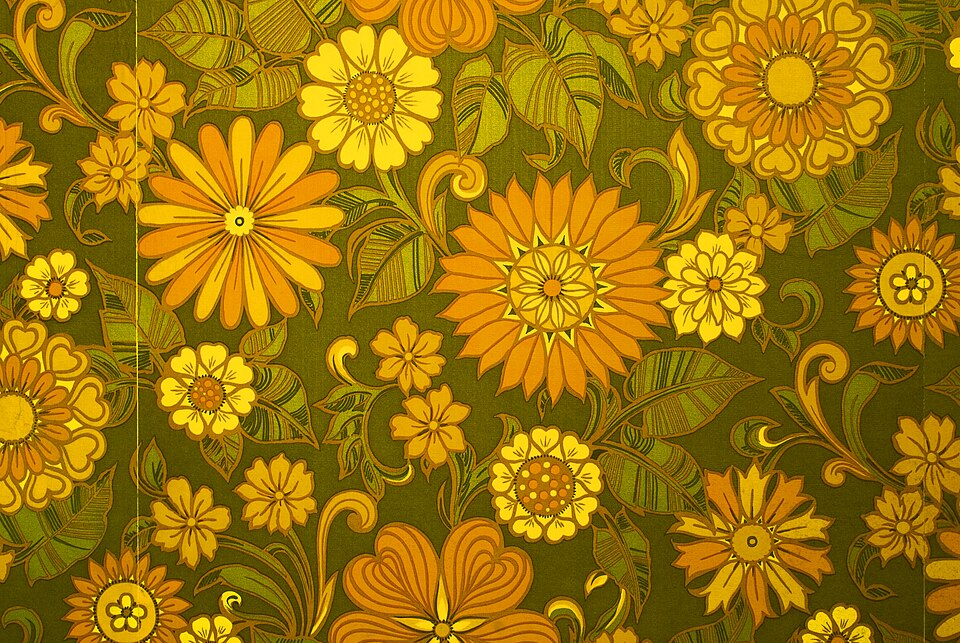
Household papers ran to large florals, stripes, scenics, trellis and geometric designs, in strong colours, and fashion moved quickly enough that a paper could look dated within a decade.
Paint in muted colours, with patterned paper used deliberately and sparingly as a feature.
Fast-moving fashion is precisely the hazard with a wall covering that is difficult to remove. A bold paper commits a room for as long as the household can tolerate it, and the tolerance frequently ran out well before the paper did.
12. Drywall and Rollers Made Painting Easy
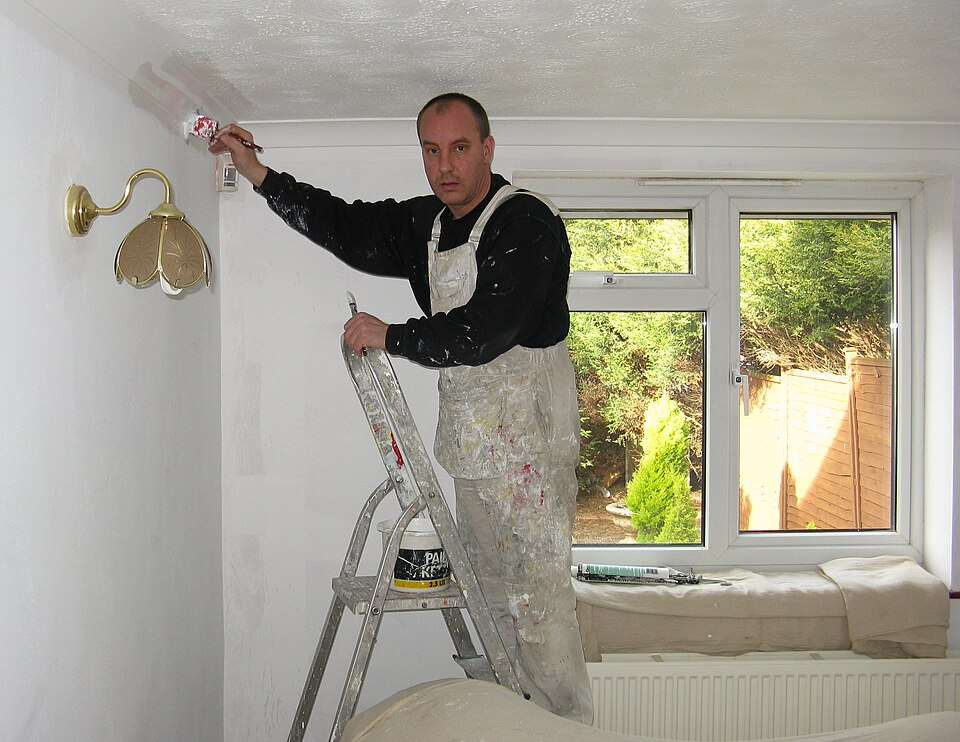
Plasterboard construction produced large flat uniform wall surfaces, and the paint roller made covering them fast enough that painting a room became an afternoon rather than a project.
Standard. The combination is why American interiors are painted.
This is the mechanical cause and it is not complicated. When one wall covering becomes an afternoon’s work with two tools and the other still needs a crew, a table and a day, the contest is over – and papering lost it on convenience alone.
13. Removing It Is Harder Than Hanging It
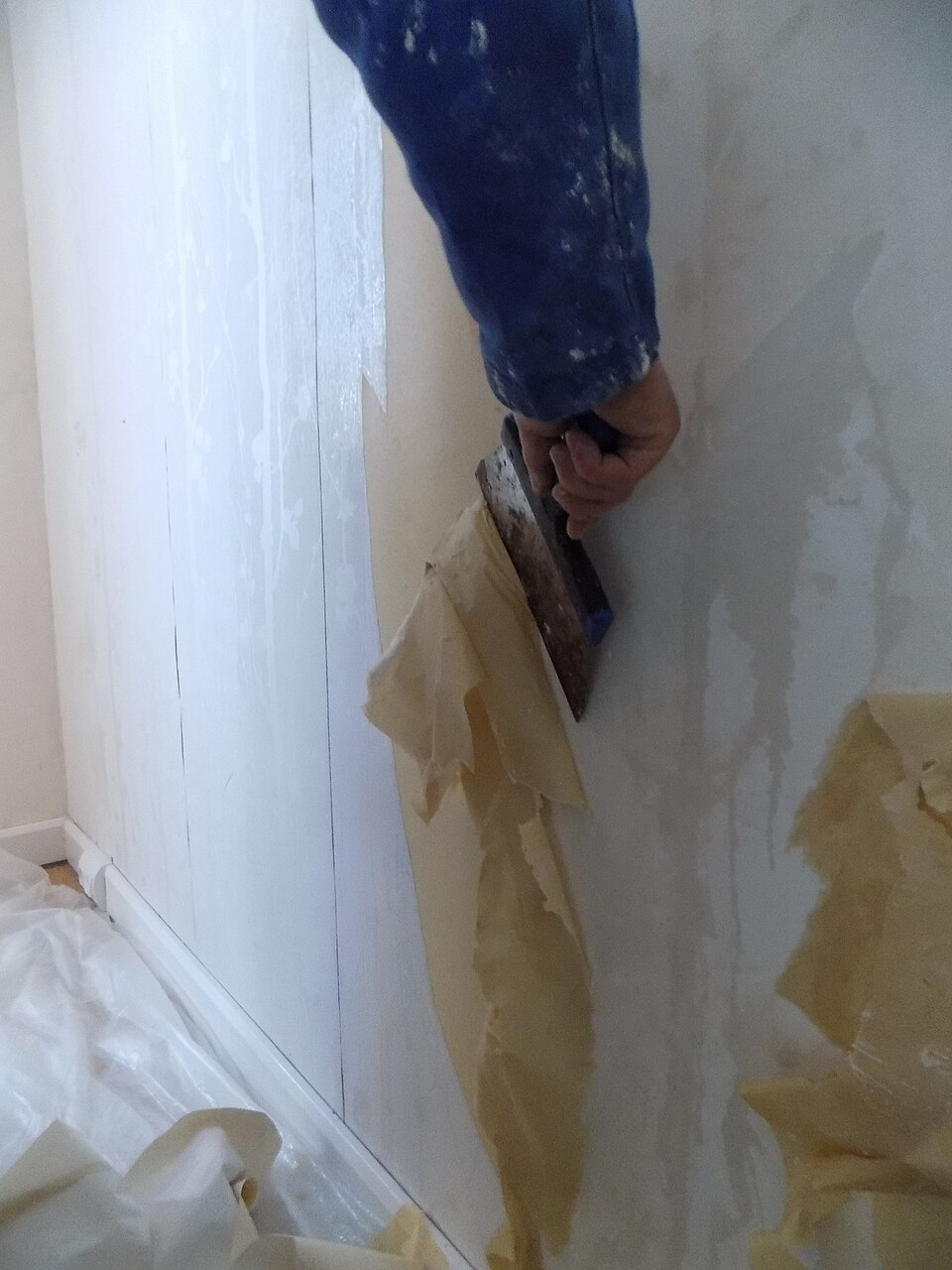
Old paper, in multiple layers, applied to plaster or over previous paper, is slow and unpleasant to strip – and the knowledge that it will eventually have to come off is a reason not to put it up.
Still true, and widely cited as the reason people choose paint.
Reversibility is the quiet consideration that decides a lot of decorating. Paint can simply be painted over in an afternoon, while paper has to be removed before anything else happens, and that asymmetry is enough on its own.
14. Then Paint Won and the Walls Went Plain
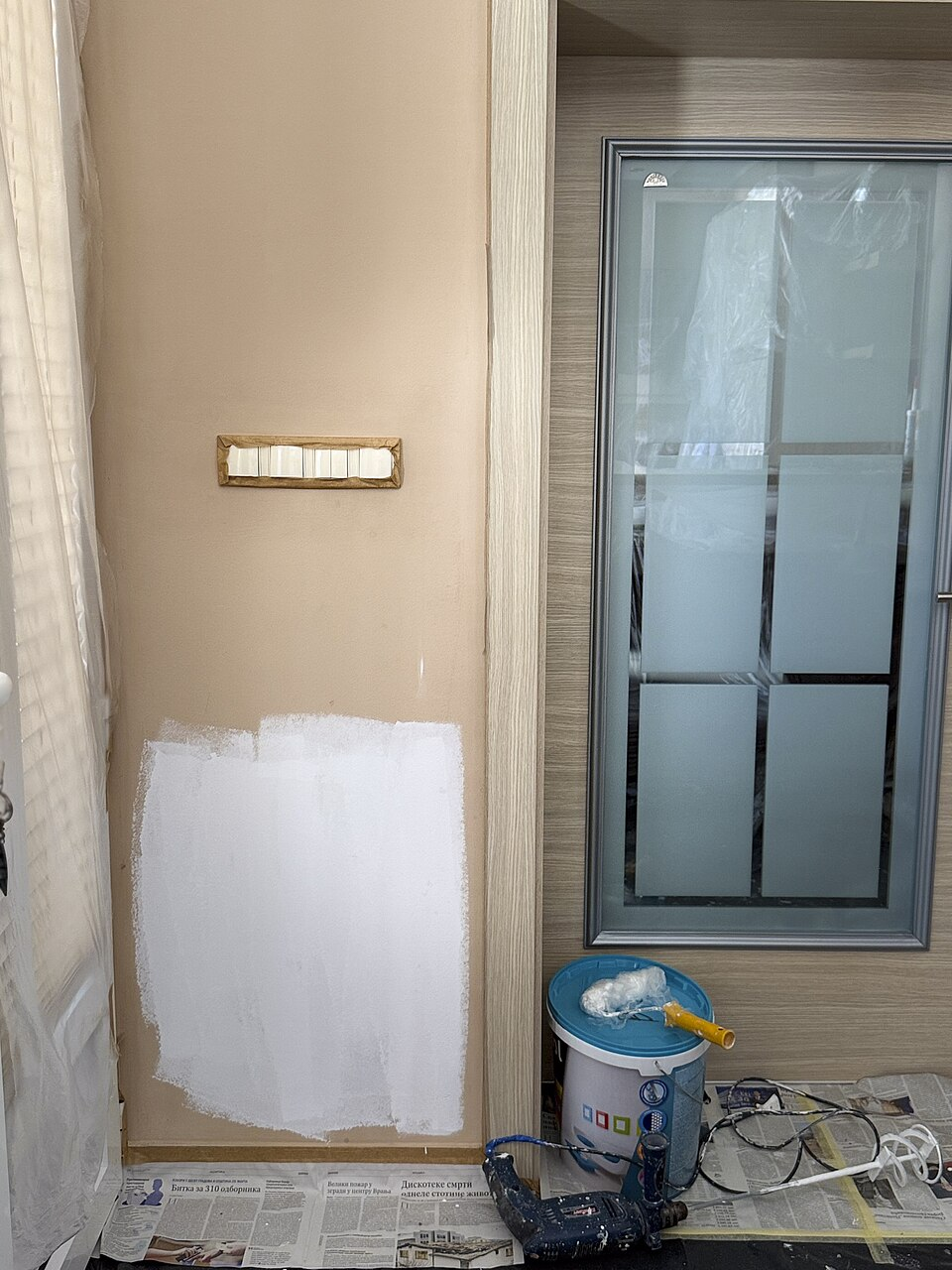
In 1964 papering a room was a routine household job – a crew, a pasting table, paste mixed by eye in a bucket, strips trimmed by hand, patterns matched at every seam, and a whole day with the furniture out in the hall.
American interiors are painted, wallpaper is an accent used in one room if at all, and removing the old paper is the job most people associate with the word.
And what changed is not taste, or not mainly. Papering was the normal way to finish a wall because of what walls were – plaster, board, lath, sometimes bare partitions, frequently rough, open or draughty – and paper did real work on surfaces like that. It smoothed them, it sealed them, it covered cracks, and in the worst cases a layer of newspaper went up underneath purely to close the gaps. On a wall like that, paint is a poor option: it shows every defect and hides nothing. Then plasterboard arrived and produced walls that were flat, uniform and continuous by default, with no cracks to cover and nothing to seal. And at almost the same moment the paint roller turned covering a large flat surface into an afternoon’s work needing two tools and no help. That is the whole contest. One finish became a weekend job for one person; the other still needed three people, a table, a bucket of paste mixed by judgement, a straightedge and a blade for every strip, a pattern matched at every seam, and a plan for hiding the discrepancy that a crooked room guarantees. There was never going to be a different outcome. What remains is the removal. Buy an old American house and somewhere in it there will be a wall with six layers on it, each one somebody’s decision about how a room should look, stacked up in order with dates attached – and getting them off will take considerably longer than any of them took to put on.
Paper Was Doing a Job That Drywall Made Unnecessary
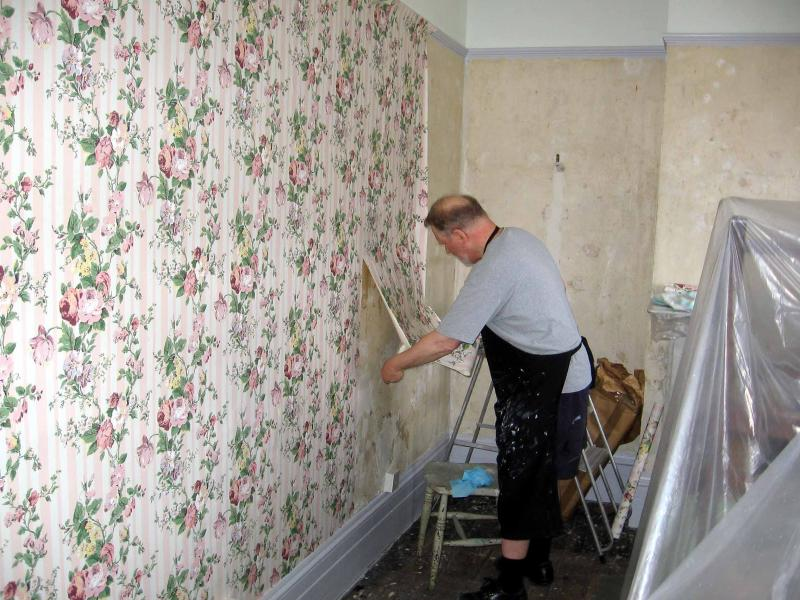
The usual way to tell this story is as a change in taste – loud patterns went out, plain walls came in – and that is not wrong, but it is a long way from the main reason.
Papering was the normal way to finish a wall because of what walls were.
Plaster over lath, which cracks. Board partitions with gaps between the boards. Unplastered walls in rooms that had been finished cheaply or not at all. Surfaces that were rough, uneven, patched, and in the worst cases genuinely draughty. On a wall like that, paint is a bad option: it follows every defect and conceals nothing.
Paper conceals everything. It smooths a rough surface, it bridges a crack, it covers a patch, and it seals a gap – and where walls were really open, a layer of newspaper or heavy paper went up underneath first, pasted on purely to close the holes before the decorative paper went over it. That is not decoration. That is paper doing structural and insulating work, and it is the clearest possible evidence of what those walls were like to live with.
So households papered, and papering was a real job.
It needed a crew, because wet paper is heavy and fragile and has a time limit on it. Somebody mixed paste from powder in a bucket to a consistency judged entirely by eye – too thin and it will not hold, too thick and the strip will not slide into place, and the only way to know is to have done it before. Somebody laid each strip on a long pasting table and brushed the paste on. Older stock arrived untrimmed, with a blank margin along each edge, and every strip had to be cut true with a straightedge and a blade before it went anywhere near a wall.
Then the pattern had to match at every seam, usually with each strip offset vertically from the last so the repeat would meet, which wastes paper and requires planning before the first strip goes up.
And no room is square. Walls lean, corners are out of true, ceilings are not level – so paper hung plumb does not follow the room, and paper that follows the room is not plumb. There is no solution to that, only management, and the whole difference between an experienced paperer and an inexperienced one is that the first decides early where the inevitable discrepancy is going to be hidden and the second finds out at the last corner.
Ceilings were papered too, which everybody who did it remembers as the worst job in decorating, and they are right about that.
Then two things arrived and ended it.
Plasterboard produced walls that were flat, uniform and continuous by default. No cracks to cover, no gaps to seal, no rough surface to smooth – which removes the entire functional case for paper at a stroke.
And the paint roller turned covering a large flat surface into an afternoon’s work with two tools and nobody’s help.
That is the whole contest, and it was never going to go the other way. One finish became a weekend for one person. The other still needed three people, a table, a bucket, a straightedge, a blade for every strip, a matched pattern at every seam, and a plan for a crooked room. Add the fact that paper has to be stripped before anything else can happen, while paint can simply be painted over, and the decision makes itself.
What is left is the removal. Buy an old American house and somewhere in it is a wall with six layers on it – each one somebody’s decision about how a room ought to look, stacked in order with dates attached. An accidental archive that nobody meant to leave.
And getting it off will take far longer than any of them took to put on.
If you helped with this as a child, you carried the pasted strips and you were blamed for the seams.
Somebody in your family had strong opinions about paste.
Like our content? Follow us for more.