

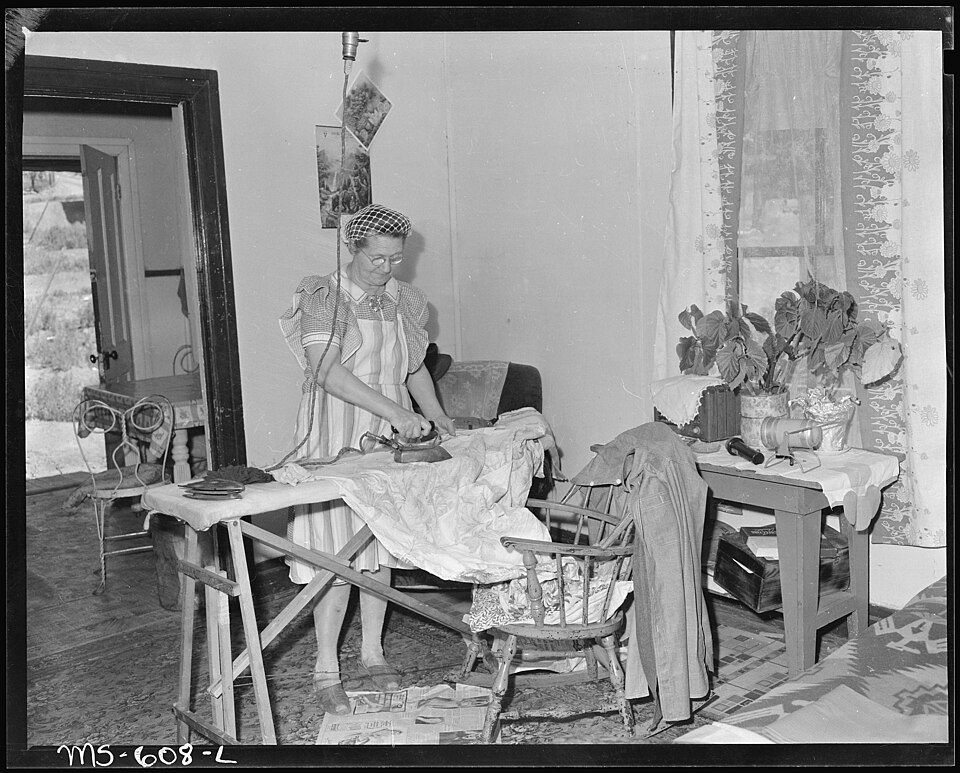
In 1964 an American household gave a full working day every week to ironing – the day after washing, because the clothes had to be dry and because neither job would fit alongside the other.
Everything went under the iron. Not only shirts: sheets, pillowcases, tablecloths, napkins, towels, handkerchiefs, underwear, pyjamas, aprons and curtains. The irons were solid cast iron heated on the stove, used until they cooled and exchanged for hot ones, which meant the stove burned all day whatever the weather. The temperature was judged by holding the iron near a cheek or spitting on the sole plate and watching the drop.
And a scorch meant the permanent loss of a garment the household could not easily replace. Here are fifteen things every housewife knew.
1. Ironing Had Its Own Day
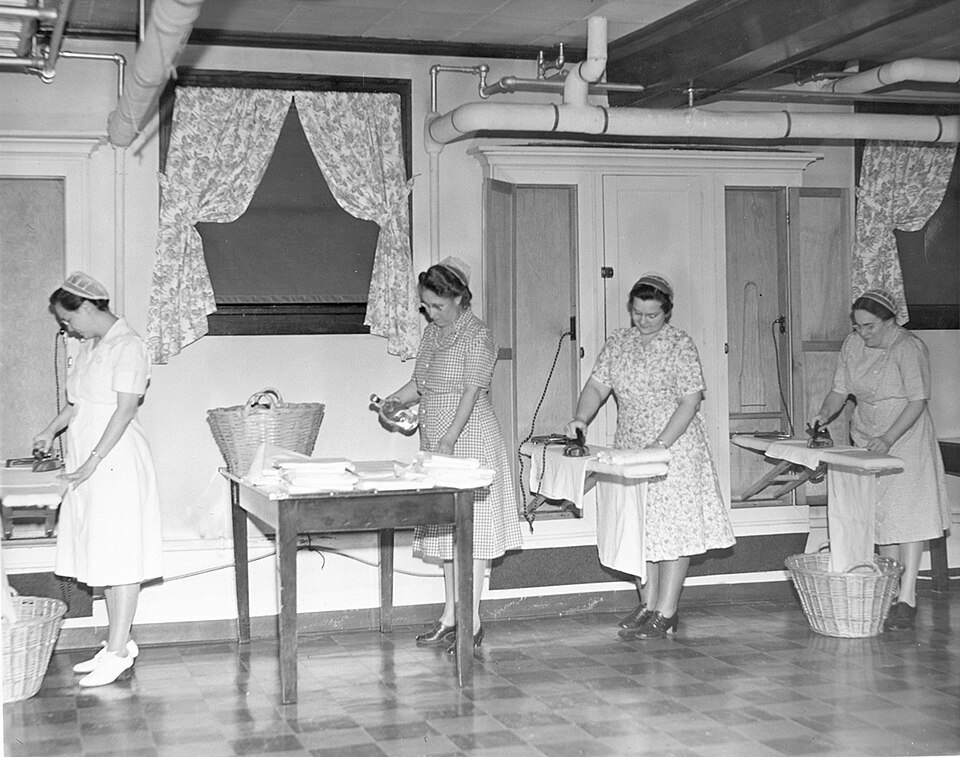
The household week had fixed days for fixed work, and ironing occupied one of them – traditionally the day after washing, because the clothes had to be dry and because both jobs were too large to combine.
No equivalent. Ironing is occasional, done garment by garment as needed, and a substantial number of American households own an iron they almost never use.
A whole day for one task is the measure of the thing. Not an hour, not an afternoon – a working day, every week, for one household’s clothing and linen, performed standing up, which tells you how much of it there was and how long each piece took.
Like our content? Follow us for more.
2. Everything Had to Be Ironed
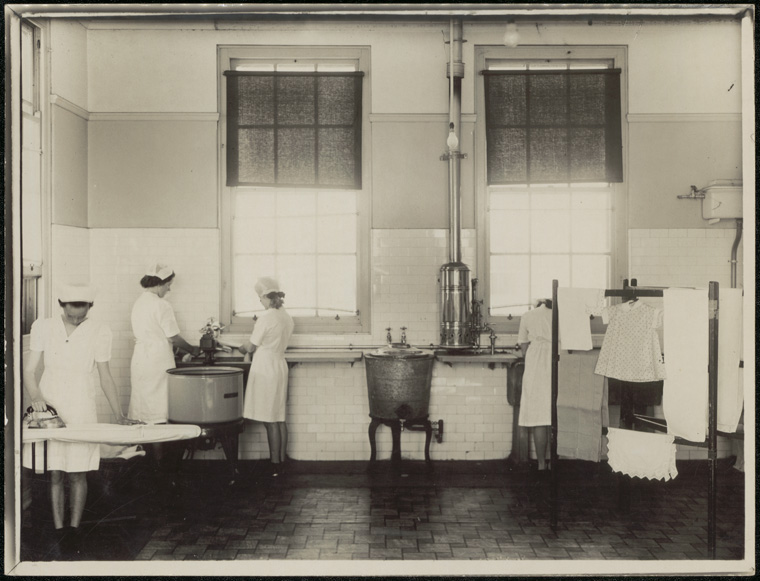
It was not only shirts. Sheets, pillowcases, tablecloths, napkins, towels, handkerchiefs, underwear, pyjamas, aprons, curtains and nearly every garment in the house went under the iron.
Ironing is largely confined to shirts, trousers, some dresses and occasional linen, with sheets, towels and underwear essentially never ironed by anybody.
The scope is what people underestimate. A household ironing its bedding and its towels and its underwear is doing several times the work of a household ironing its shirts, and the quantity rather than the difficulty is what made it a day’s job.
3. The Iron Was Heated on the Stove
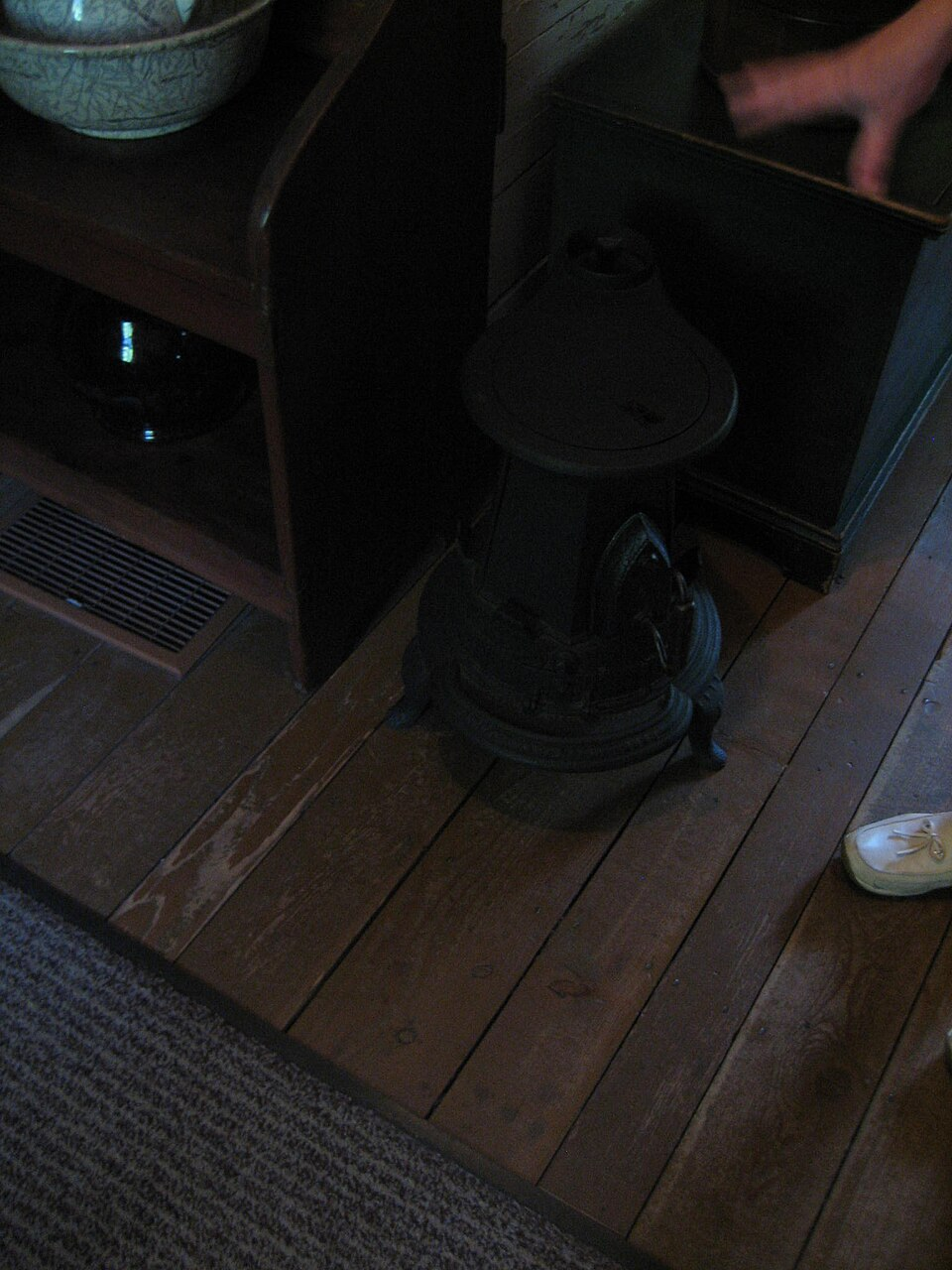
A flat iron was a solid wedge of cast iron with a handle, heated on the stove top, used until it cooled, and then exchanged for a hot one while the first went back to reheat.
Electric irons with thermostatic control, which hold one temperature indefinitely and require no exchange.
That rotation is the detail that organises the whole day. You needed at least two irons and preferably three, the stove had to be going all day regardless of the weather, and the work was interrupted constantly by the exchange – which is why the ironing board stood beside the stove.
4. Judging the Temperature Was a Skill
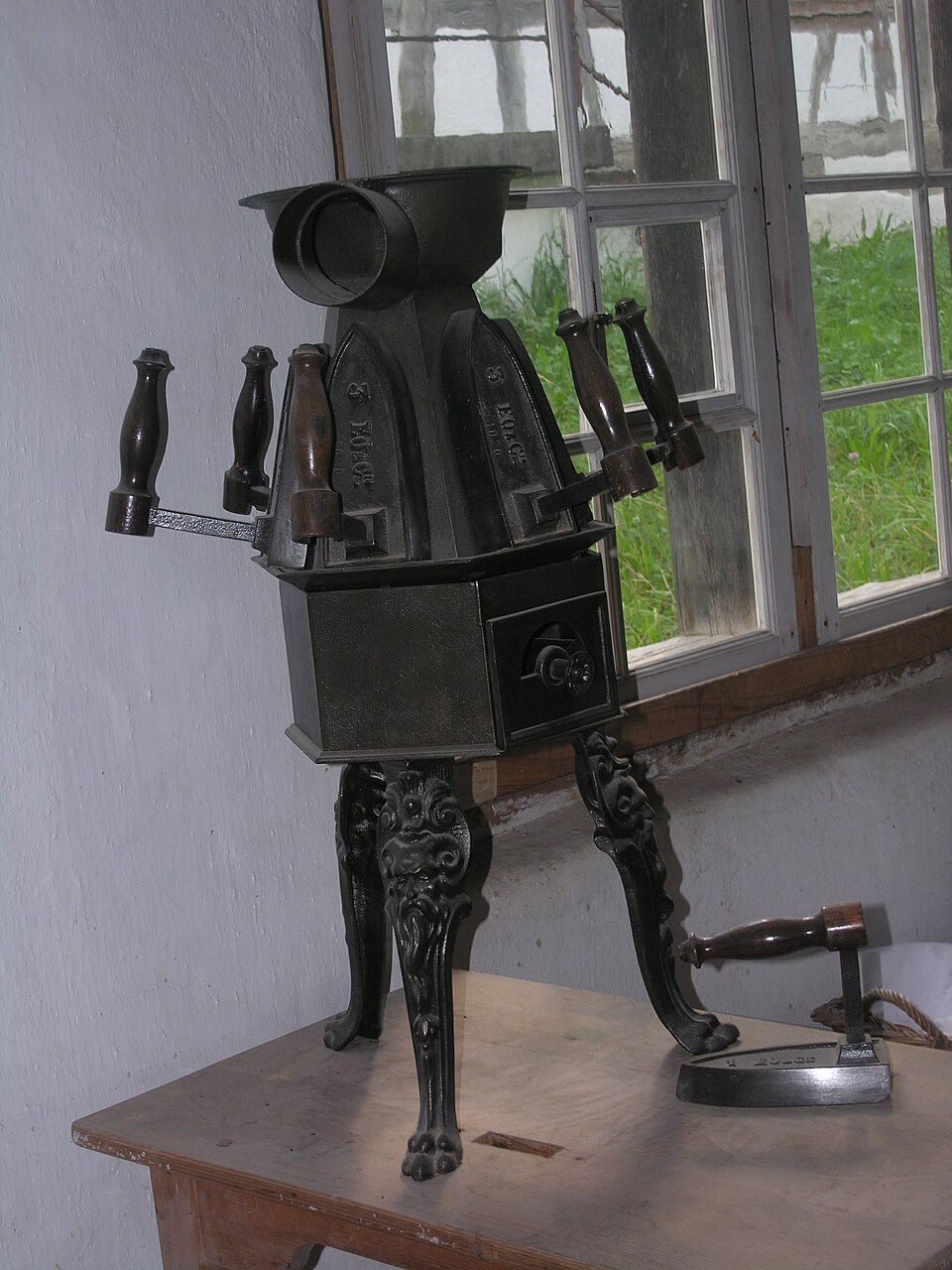
There was no thermostat and no gauge. The heat was judged by holding the iron near the cheek, by spitting on the sole plate and watching how the drop behaved, or by testing it on a scrap – because too cool did nothing and too hot scorched the cloth irreparably.
Thermostatic settings marked by fabric type, with the judgement removed entirely.
The spit test is a genuine measurement and it works on real physics. How a water droplet behaves on hot metal changes sharply with temperature, so an experienced person could estimate a surprisingly narrow range from the way the drop skittered or vanished – which is the kind of practical calibration that disappears the moment a dial exists.
5. A Scorch Was a Catastrophe
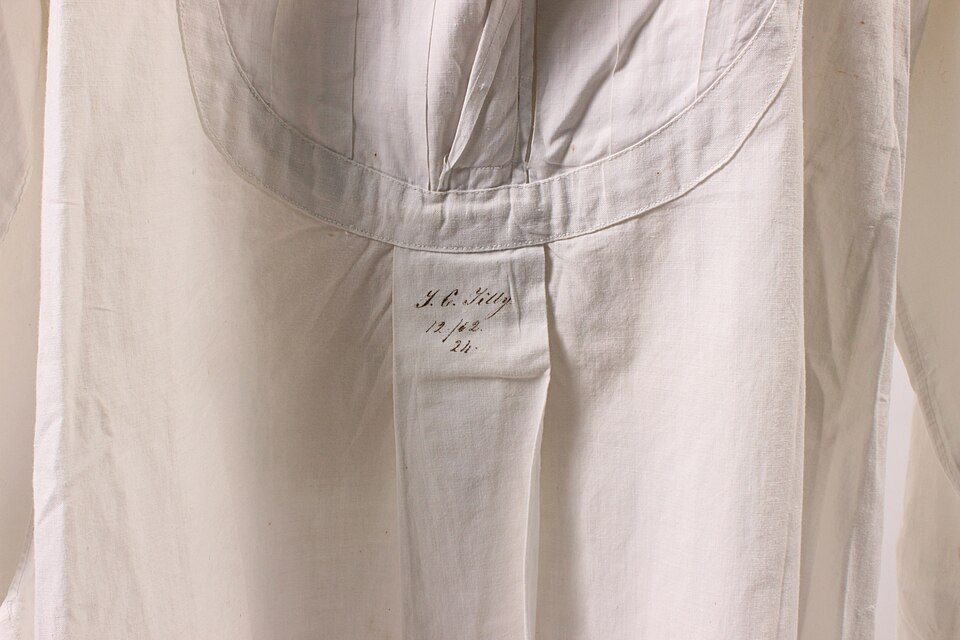
An iron left too long or too hot marked the cloth permanently, and in a household where a shirt represented real money and could not simply be replaced, a scorch was a serious loss.
Clothing is cheap enough in real terms that a damaged garment is an annoyance rather than a financial event.
That consequence explains the care, the constant testing and the anxiety that runs through every account of the job. The person ironing was handling the household’s entire wardrobe with a tool that could destroy any piece of it in three seconds, all day, with no safety margin provided by the equipment.
6. Starch Was Made in the Kitchen and Mixed by Judgement
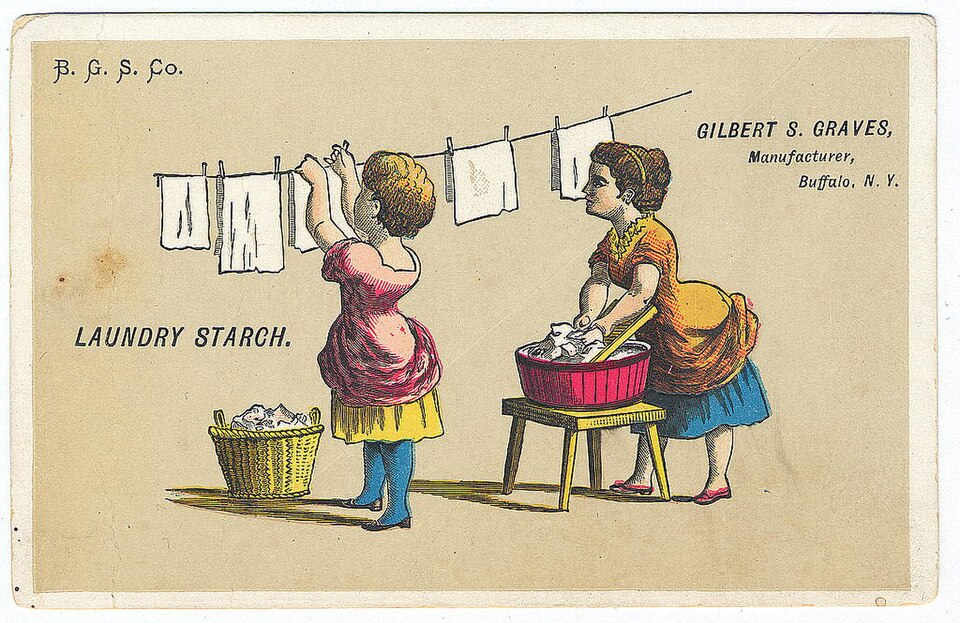
Starch was cooked up from powder and water to a strength the ironer judged, and garments were dipped, wrung and left to dry to the right dampness before being ironed.
Spray starch from a can and fabric finishes applied in the wash, with the preparation stage eliminated.
Starch strength was a matter of real craft and genuine disagreement. Too little and a collar flopped; too much and it was board-stiff, uncomfortable, and cracked at the fold – and getting the whole household’s collars and cuffs consistent across a day’s work was a skill people were judged on.
7. The Clothes Had to Be Damp, Not Dry
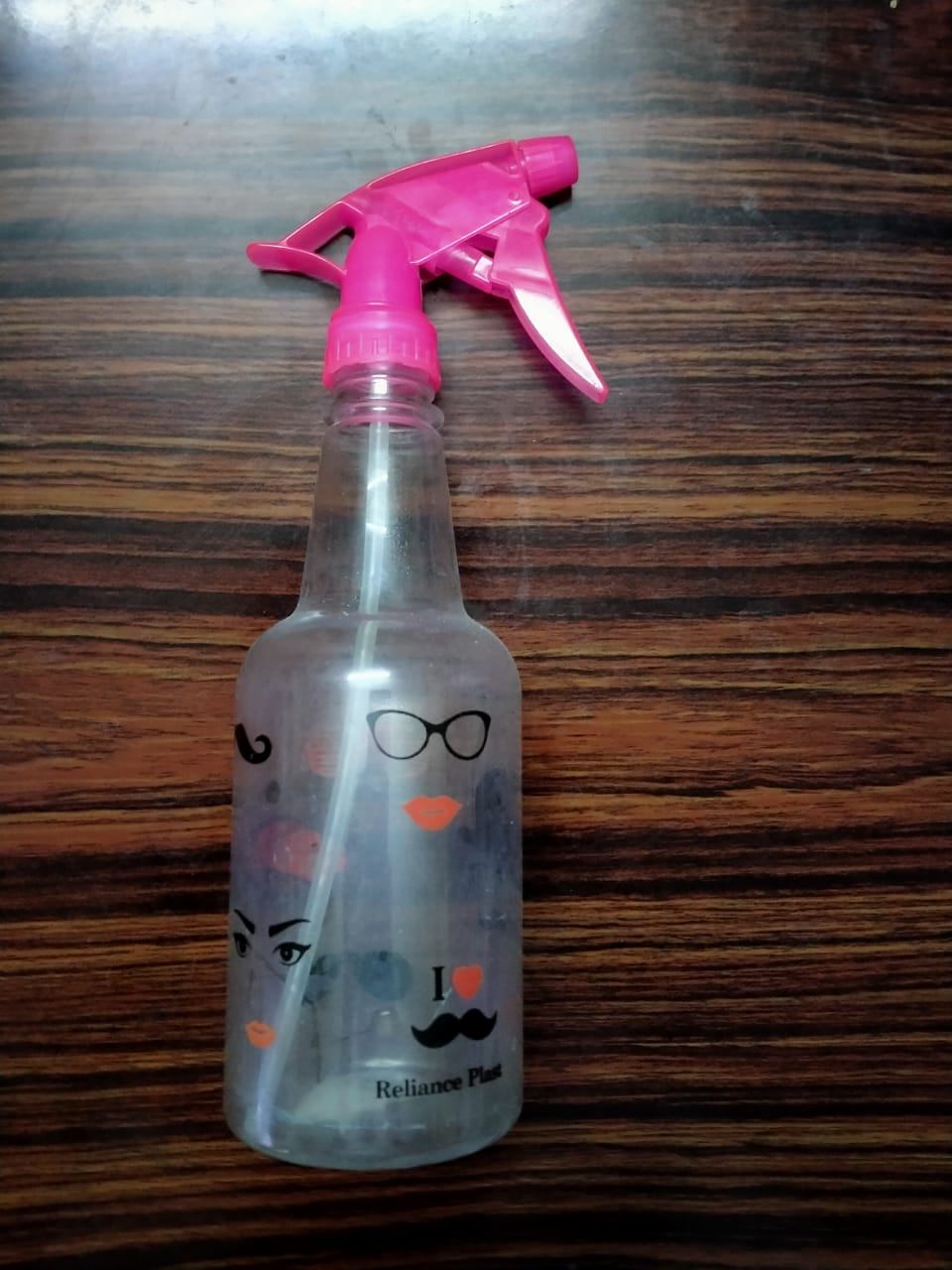
Ironing works by heat and moisture together, so garments were sprinkled with water from a bottle or by hand, rolled up and left to dampen evenly before being worked.
Steam irons that supply the moisture at the point of contact, which eliminated sprinkling, rolling and waiting entirely.
The sprinkling and rolling stage is one of the largest single labour savings in the history of housework and nobody remembers it as one. A household had to damp its clothes, roll them, wait, and then iron them before they dried out – which means the job had a timetable imposed by evaporation.
8. Bluing Went In at the Wash and Showed in the Ironing
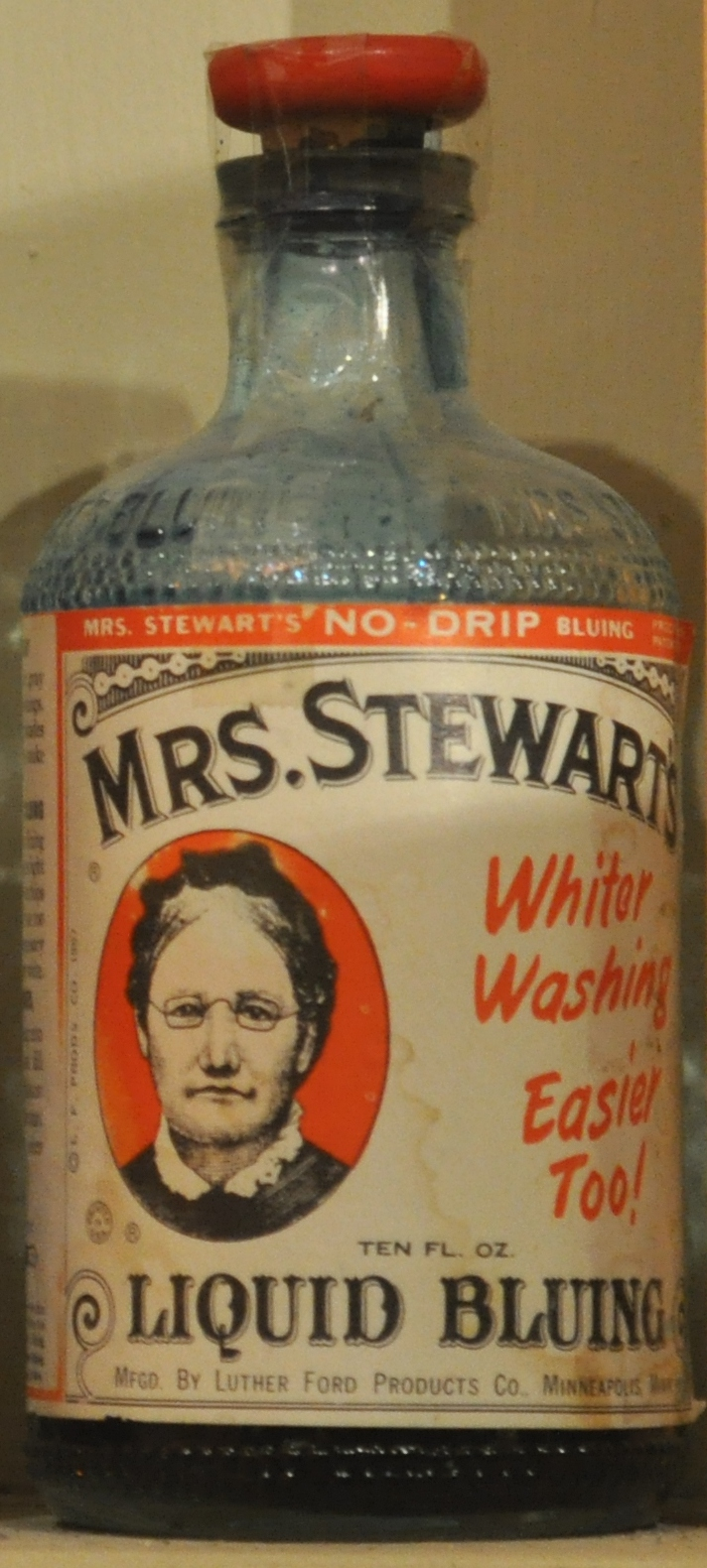
A trace of blue was added at rinsing to counteract the yellowing of white fabric, and the result was judged on the finished ironed article, where any unevenness showed.
Optical brighteners in detergents, which do the same job chemically, automatically and invisibly.
Whiteness was a public measurement and the ironing was where it was finally assessed. A sheet on a line is one thing; a sheet ironed, folded and put away is the finished product, and a household’s whites were a standing judgement on the woman responsible for them.
9. The Board Was a Padded Plank and It Was Heavy
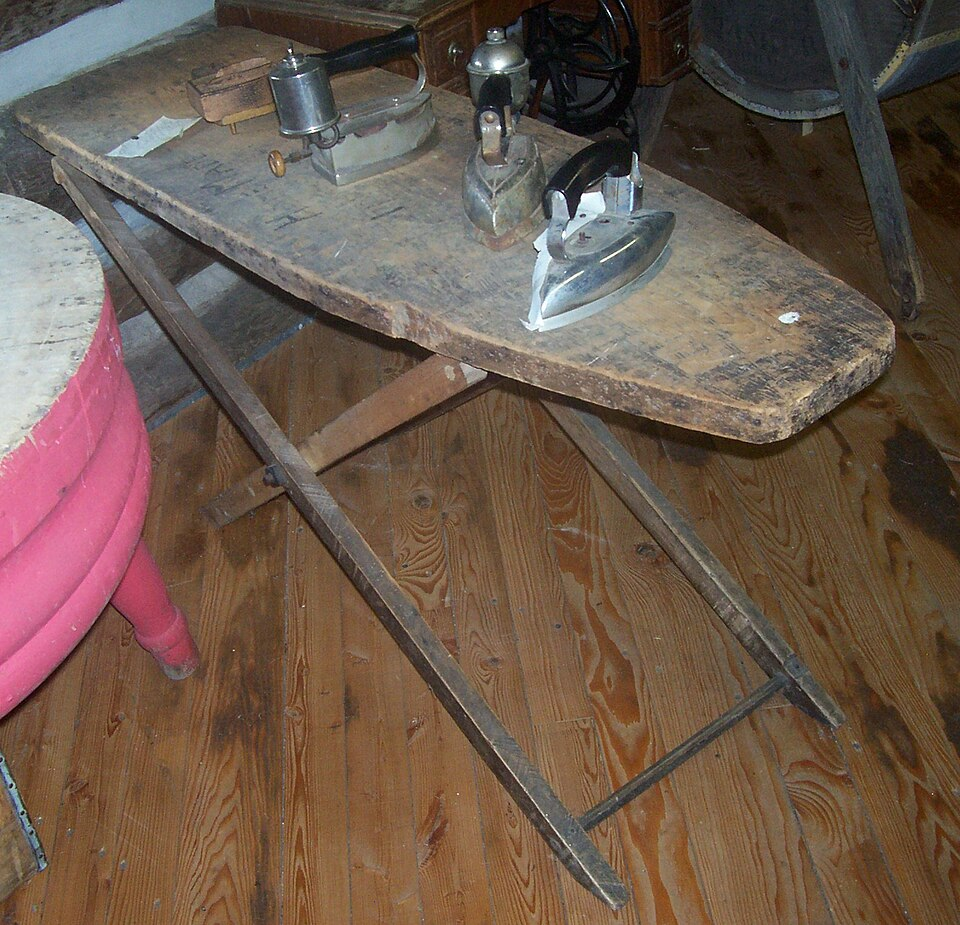
The ironing surface was a wooden board, padded and covered with cloth, set across chair backs or a table or on folding legs, and it had to be set up and taken down.
Lightweight adjustable metal boards, and built-in or wall-mounted boards in many houses.
The setup and breakdown were part of the day rather than incidental. A heavy padded plank that has to be positioned, levelled and later put away is a reason to do all the ironing at once, which is a large part of why the job concentrated into a single day.
10. Collars and Cuffs Were the Hard Part
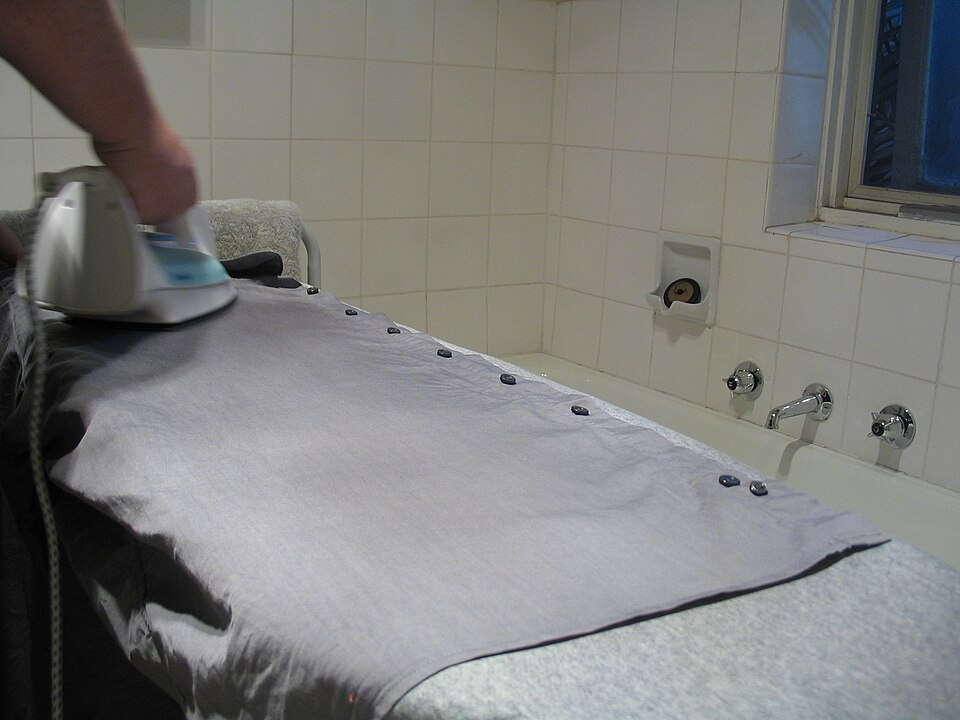
Shirt collars, cuffs, plackets, pleats, gathers and anything with a seam or a curve took far longer than a flat surface, and these were the parts that were visible and therefore judged.
The same geometry, with better irons and far fewer garments requiring it.
Flat surfaces are easy and everything else is not, which is the whole difficulty of ironing. The parts that take the longest are precisely the parts that show, which means the time cannot be saved anywhere that matters.
11. Men’s Shirts Were the Benchmark
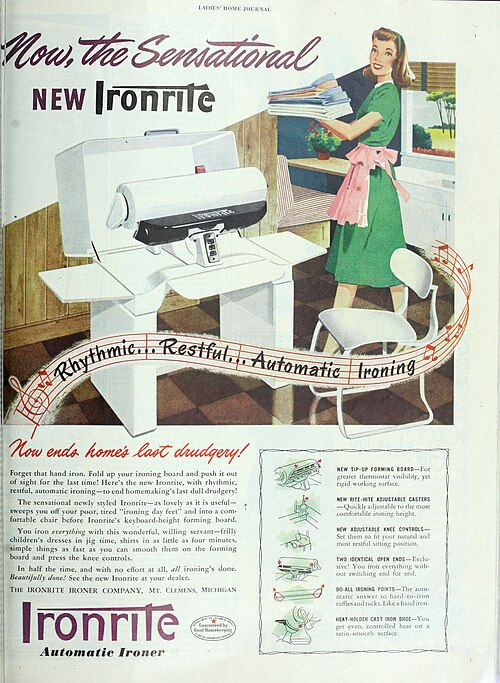
A working man’s shirts had to be right, every week, because he wore them in public and because the state of his collar was read as information about his household.
Commercial laundering, non-iron fabrics and much relaxed workplace dress.
The shirt was the household’s public face and the woman who ironed it knew it. A man going into town in a badly ironed shirt was reporting something about his house to everybody who saw him, which placed the whole week’s ironing under a quite specific kind of pressure.
12. The Mangle Existed and It Was for Flat Work
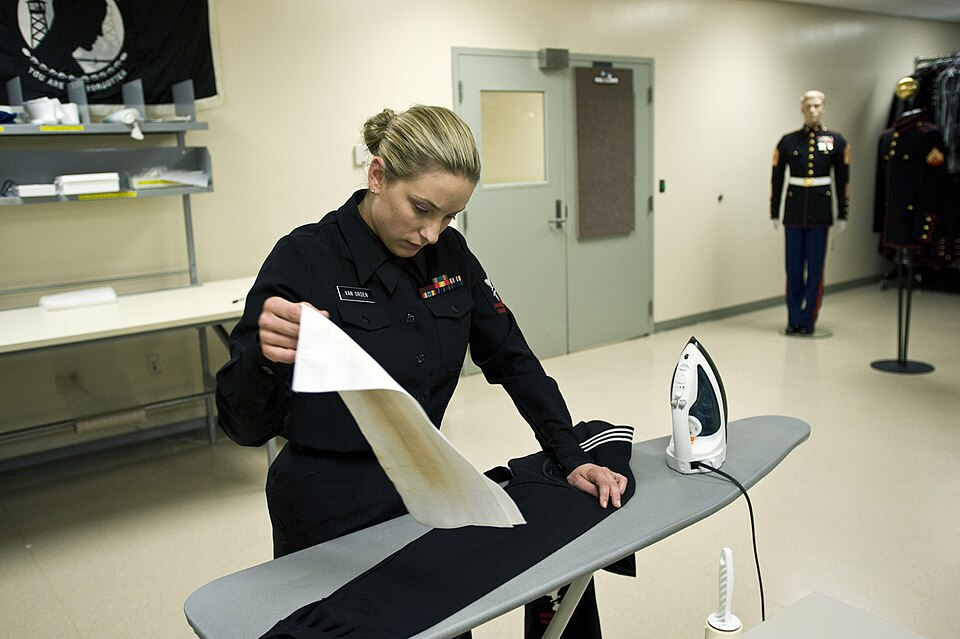
A mangle – two heated rollers with the cloth fed between them – handled sheets, tablecloths and other large flat pieces far faster than an iron could, and households that had one used it for exactly that.
Essentially gone from American homes, surviving in commercial laundries where flatwork volume justifies it.
The mangle is the forgotten appliance of American housework and it was the right answer to the largest part of the problem. Most of the volume in a week’s ironing is flat – sheets and linen – and a machine that presses flat work between rollers deals with that far faster than a hand iron, which is why commercial laundries still use them.
13. Then Chemistry Abolished the Job
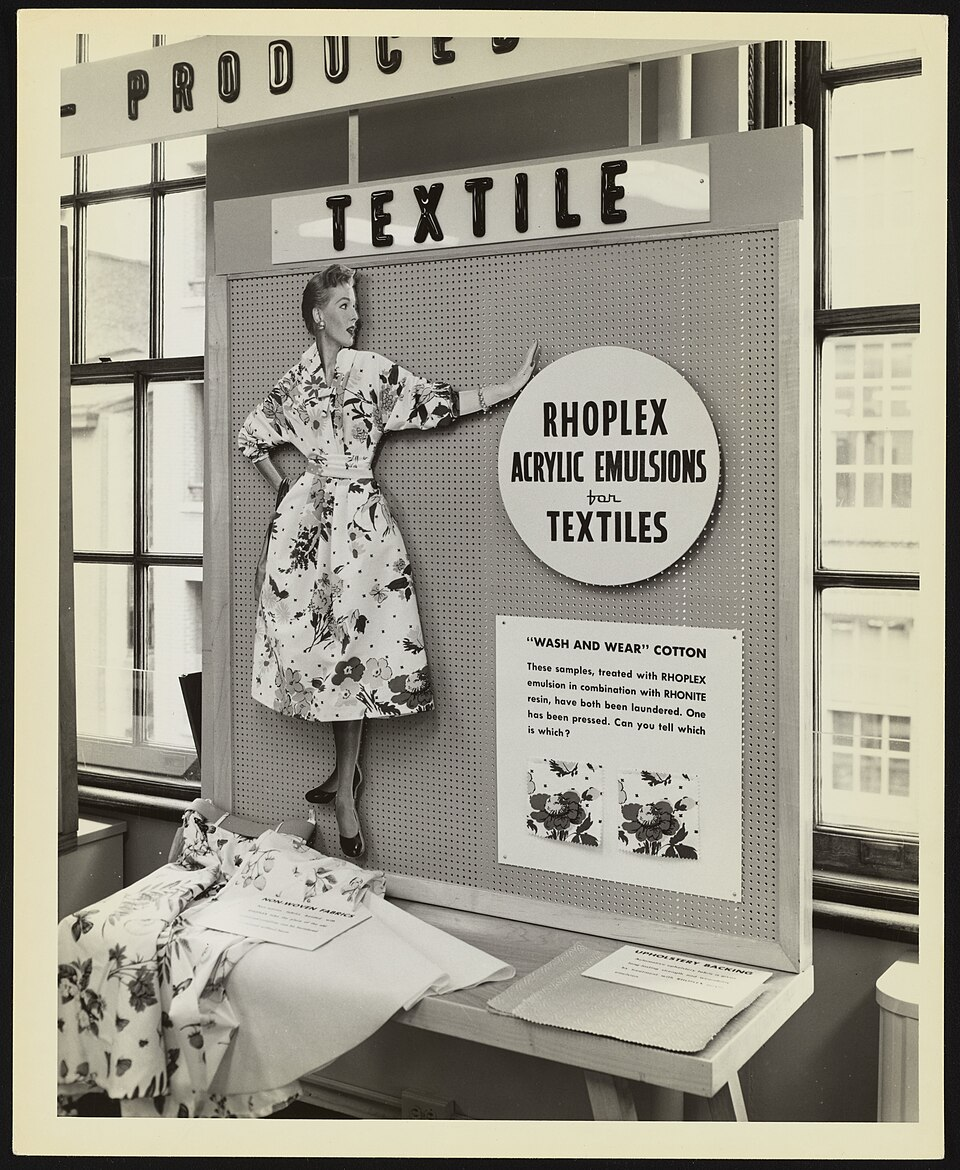
Durable press and permanent press finishes, applied to the fabric and set by heat during manufacture, produced cloth that holds its shape, resists creasing in wear and dries smooth from a machine.
Universal across shirts, sheets, trousers and nearly everything else, to the point where most Americans have never owned a garment that genuinely requires ironing.
This is the cause and it was not an appliance. The electric iron, the steam iron and the automatic washer all made the job easier; the chemical treatment of the cloth made the job unnecessary, which is a completely different kind of solution and a far more powerful one.
14. Synthetics Finished What the Finishes Started
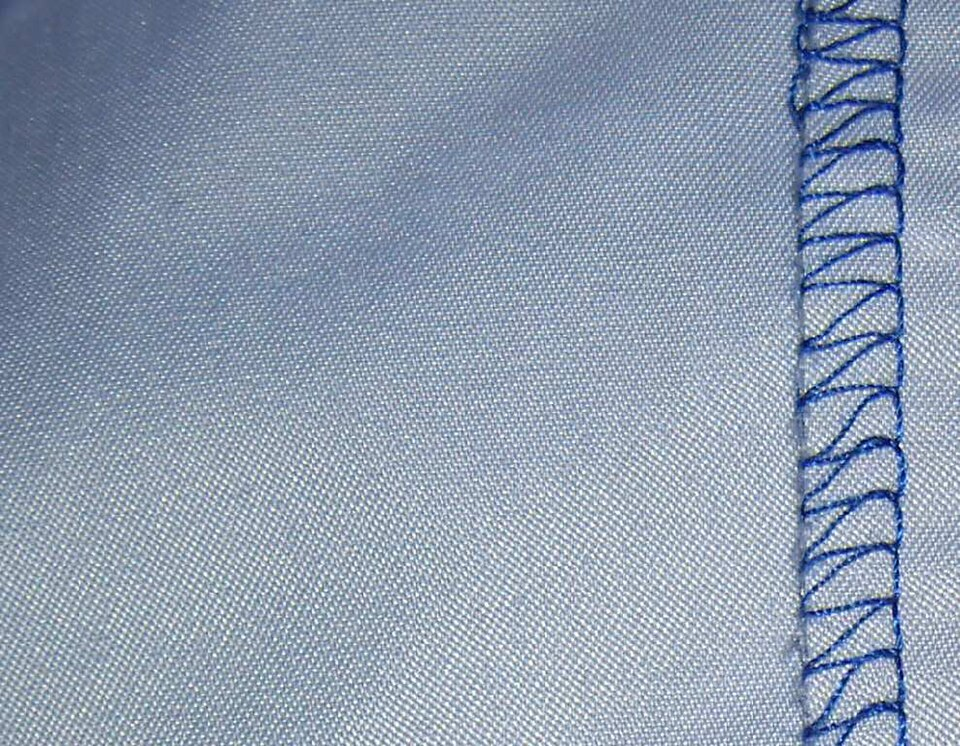
Man-made fibres and blends do not crease the way cotton and linen do, dry quickly, hold a shape and come out of a dryer essentially ready to wear.
Dominant in American clothing and bedding, with pure cotton now frequently a premium choice made deliberately by people who accept the ironing.
The fibre change compounded the finish change and the two together are decisive. A household wearing treated cotton blends and sleeping on blended sheets has almost nothing in the house that creases enough to need pressing – and the iron in the cupboard is for the occasional stubborn item.
15. Then the Day Simply Stopped Existing
In 1964 an American household gave a full working day every week to ironing – the stove lit all day, two or three flat irons in rotation, the heat judged by eye and by spit, starch cooked in the kitchen, every garment damped and rolled in advance, and a scorch meaning the loss of a shirt the household could not easily replace.
Ironing is an occasional task performed on a handful of garments, by a household that owns one thermostatically controlled iron and uses it rarely, with sheets, towels and underwear never pressed by anybody.
And the reason this one deserves attention is that it is the cleanest example anywhere of a vast quantity of domestic labour eliminated not by a machine but by a change in a material. The usual story of twentieth-century housework is about appliances, and appliances genuinely did help here – the electric iron removed the stove and the rotation, the thermostat removed the judgement and most of the risk, the steam iron removed the sprinkling and rolling, and the automatic washer and dryer removed the wet handling that preceded all of it. Every one of those made ironing faster and easier. None of them made it unnecessary. What made it unnecessary was treating the cloth: durable press finishes set into the fabric during manufacture, plus synthetic fibres and blends that do not crease in the first place. Those two changes between them removed not the difficulty of the task but the occasion for it, which is a far more complete kind of abolition – and it happened to a job that had consumed one day in every seven, in every household, performed almost entirely by women, standing up, for as long as anybody could remember. It is probably the single largest reduction in routine domestic labour in the twentieth century, and it has no monument, no appliance to point at and essentially no place in the popular account of how housework changed. The iron is still in the cupboard. There is simply almost nothing left in the house that needs it.
The Appliances Helped. The Chemistry Is What Ended It.
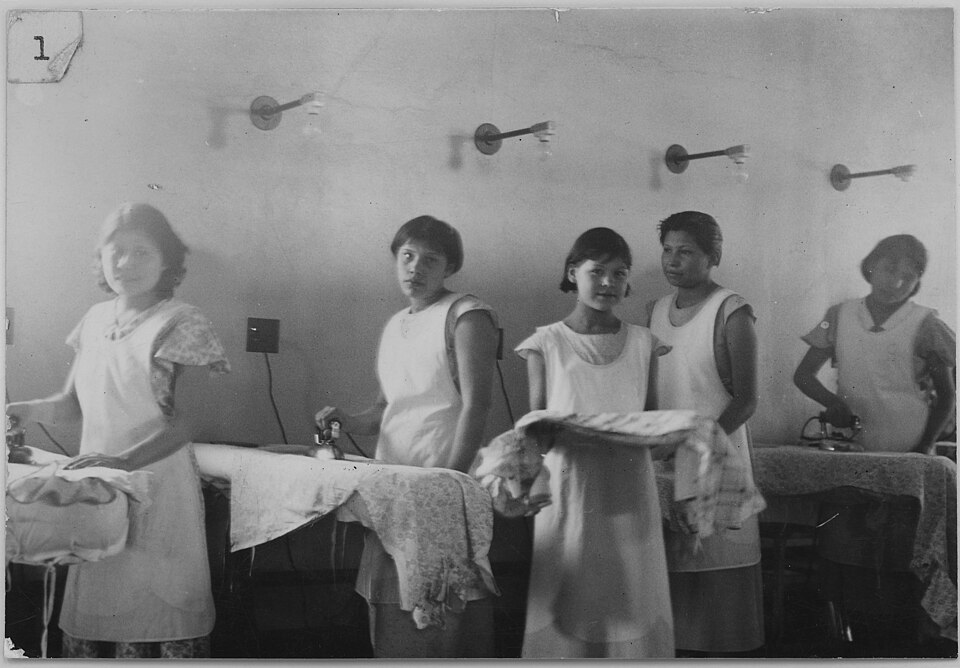
The standard account of how twentieth-century American housework changed is a story about machines, and ironing is the clearest case where that account is wrong.
Start with how much work this actually was. A full day, every week, standing up, for one household’s clothing and linen – and not just garments. Sheets, pillowcases, towels, tablecloths, napkins, handkerchiefs, underwear and pyjamas all went under the iron, which is several times the volume a modern household would recognise. The stove had to be lit all day in any weather because the irons heated on it, and they had to be rotated, because a solid wedge of cast iron holds heat for a few minutes and then has to go back. The temperature had no gauge, so it was judged by holding the iron near a cheek or spitting on the plate and reading the droplet – a genuine measurement that works on real physics, since how water behaves on hot metal changes sharply with temperature. The clothes had to be damped first, sprinkled and rolled and left to even out, because ironing needs heat and moisture together. Starch was cooked in the kitchen to a strength the ironer judged. And a moment’s inattention scorched a shirt permanently, in a household where a shirt was real money.
Now the machines, because they did help, considerably.
The electric iron removed the stove and the whole business of rotation. The thermostat removed the judgement and most of the risk of scorching. The steam iron removed sprinkling, rolling and waiting, which is one of the largest single labour savings in the history of housework and is remembered by nobody as one. The automatic washer and the dryer removed the heavy wet handling that preceded everything. The mangle, for the households that had one, dealt with the flat work – sheets and linen, which is most of the volume – far faster than any hand iron.
Every one of those made ironing faster, safer and less unpleasant.
Not one of them made it unnecessary.
What made it unnecessary was a change in the cloth. Durable press and permanent press finishes are applied to fabric during manufacture and set by heat, so that the material holds its shape, resists creasing in wear and comes out of a machine dryer smooth. Synthetic fibres and blends, which do not crease the way cotton and linen do, compounded the effect. Between them, those two developments mean that a household today wearing treated blends and sleeping on blended sheets has almost nothing in it that creases enough to require pressing.
That is a fundamentally different kind of solution, and a far more powerful one. An appliance reduces the difficulty of a task. Treating the material removes the occasion for the task.
And it happened to a job that had occupied one day in every seven, in essentially every household, performed almost entirely by women, standing, for as long as anybody could remember – with the additional weight that the output was publicly judged. A man’s collar was read as information about his household. A family’s whites were a standing verdict on the woman responsible for them. So the week’s ironing was not merely labour; it was labour under assessment.
All of that is gone, and it is probably the single largest reduction in routine domestic labour achieved in the twentieth century.
It has no monument. There is no appliance to point at, no advertising campaign anybody remembers, and essentially no place in the popular story of how housework changed – because the thing that did it was an invisible chemical treatment applied to cloth in a factory.
The iron is still in the cupboard. There is simply almost nothing left in the house that needs it.
If your mother or grandmother did this, she can tell you which day of the week it was without thinking.
And she can still tell you exactly how hot an iron has to be, by how the water behaves on it.
Like our content? Follow us for more.

