The cold in an American kitchen in July used to be harvested. Not manufactured – cut, like a crop, out of a frozen pond the previous January.
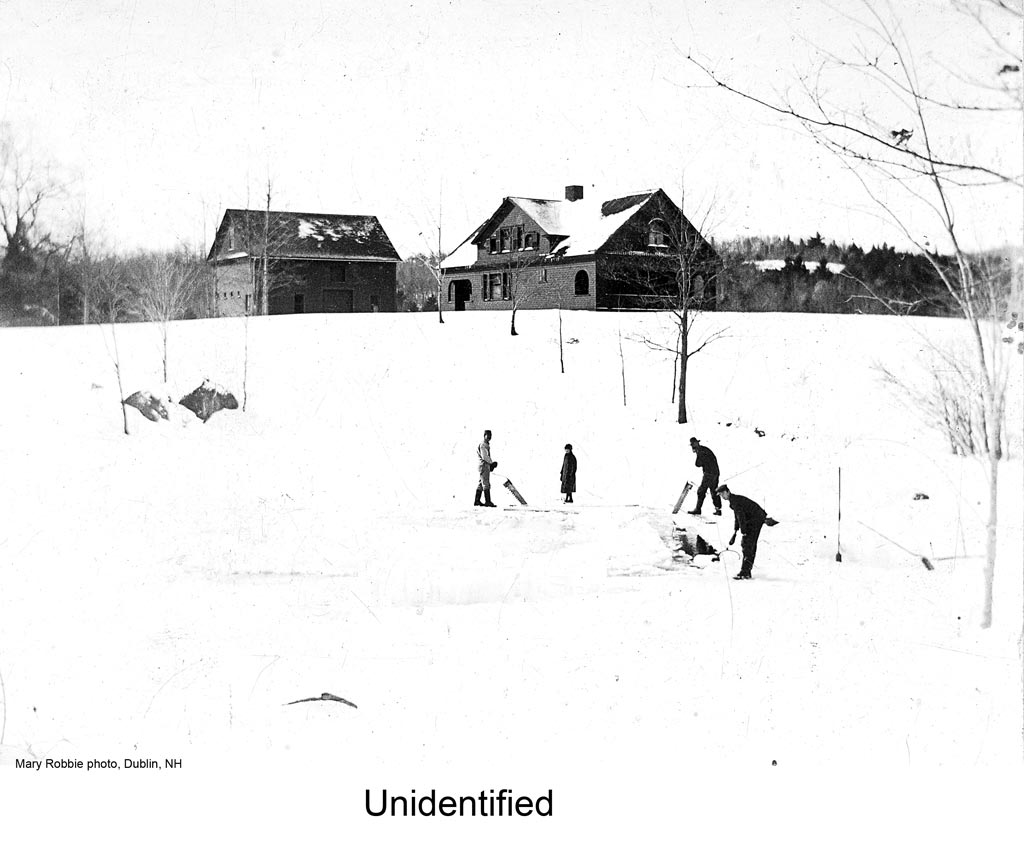
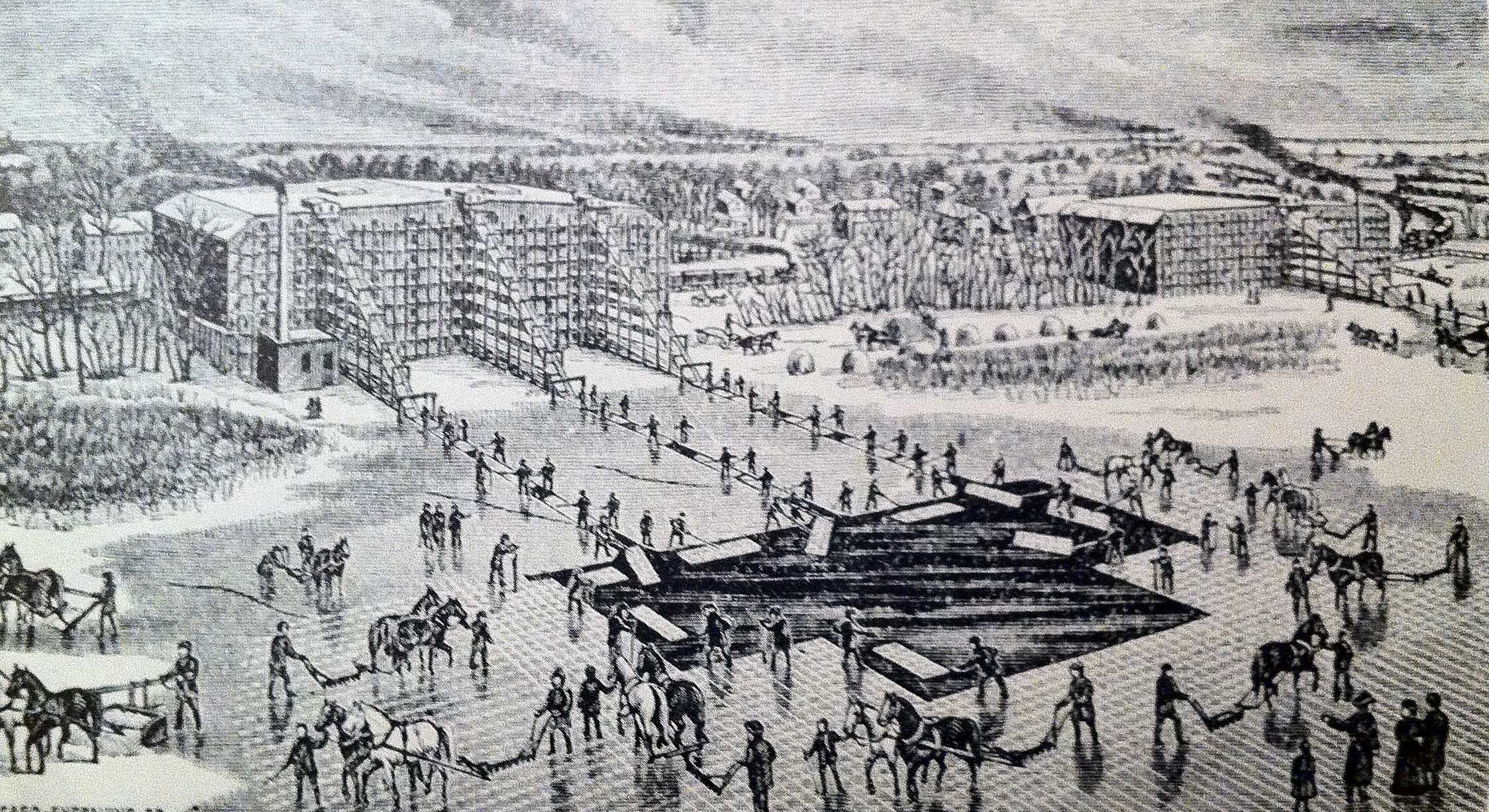
Crews went onto the ice when it was thick enough to carry men and horses, scraped the snow off so it would keep thickening, scored it into a grid so every block came out the same size, and cut it with long hand saws. The blocks were floated along channels to a landing, because a block of ice is nearly weightless to push and extremely heavy to lift, and then a chain conveyor hauled them up a ramp into an ice house packed with sawdust.
There they sat until summer. Here are sixteen things every American town knew.
1. The Ice Was Cut From Ponds and Rivers in January
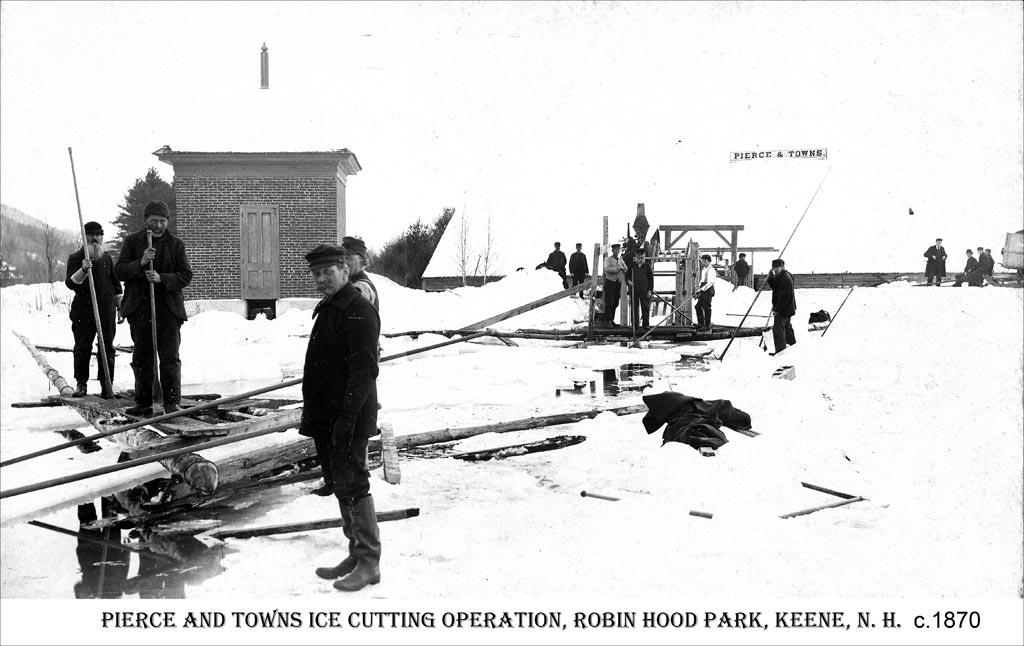
Crews went out onto frozen water when the ice reached workable thickness, marked it into a grid, cut it into blocks and floated them to a landing to be hauled out.
Mechanical refrigeration everywhere, with ice manufactured in plants or produced inside a household appliance.
This is the fact people find hardest to accept now. The ice in an American icebox in summer was not made anywhere – it was harvested, like a crop, from a specific pond in a specific January, and it had been sitting in a building since then waiting for the weather to get warm.
Like our content? Follow us for more.
2. Thickness Was the Only Thing That Mattered
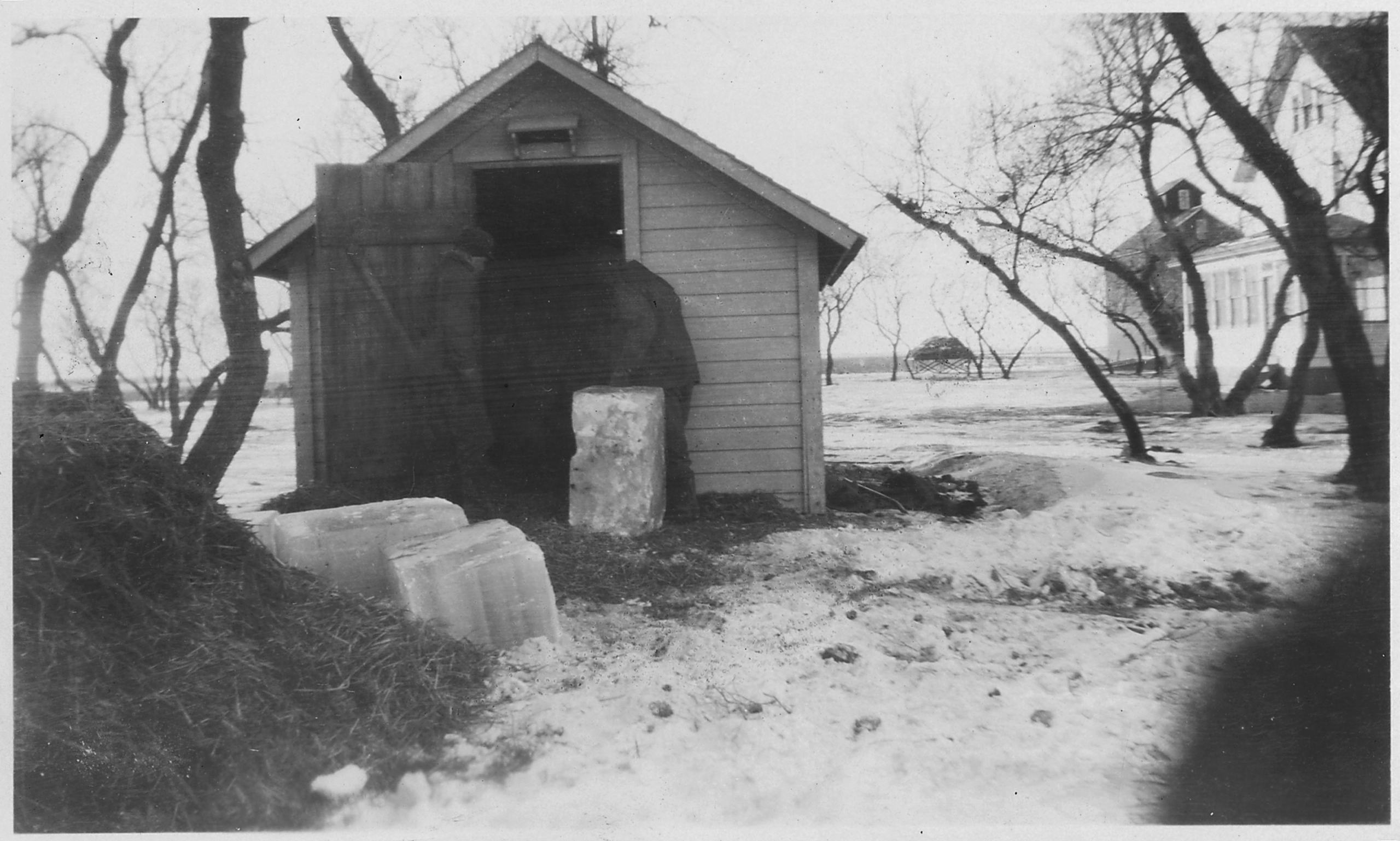
Nobody went on the ice until it would carry men, horses and loaded sledges, and the decision about when it was ready was made by somebody with experience who tested it.
Not applicable. Ice is manufactured under controlled conditions and nobody’s livelihood depends on reading a frozen pond.
The reading of ice was a genuine body of knowledge – thickness, colour, where the current ran, where springs came up, where snow cover had insulated it and left it thin. It was held by the people who did the work, it was learned by watching, and it protected the whole crew. And it was not infallible.
3. The Field Was Marked Out Like a Street Grid
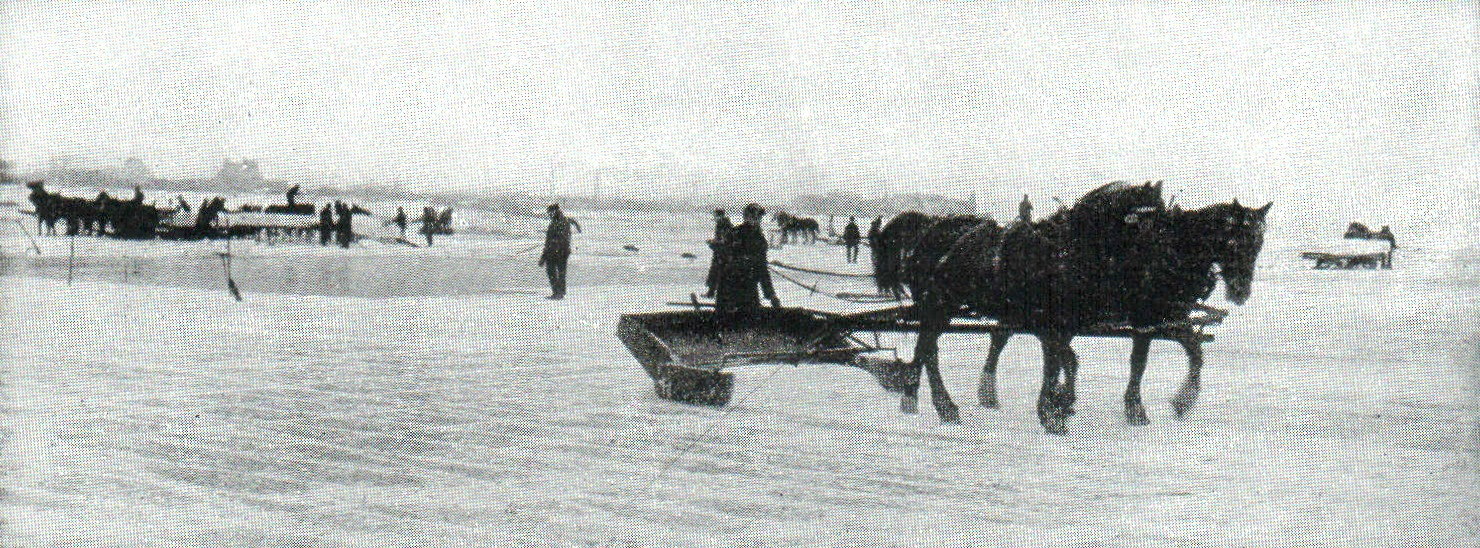
Before cutting, the ice was scored into a grid with a marker drawn across the surface, so every block came out the same size and fitted against its neighbours in storage.
Not applicable, though the logic survives in anything that has to be stacked and shipped.
The uniformity is the part that gets missed. These blocks were a product with a specification, and they had to be regular – because the entire storage method depended on stacking them so tightly that almost no air could circulate between them.
4. Snow Had to Come Off First
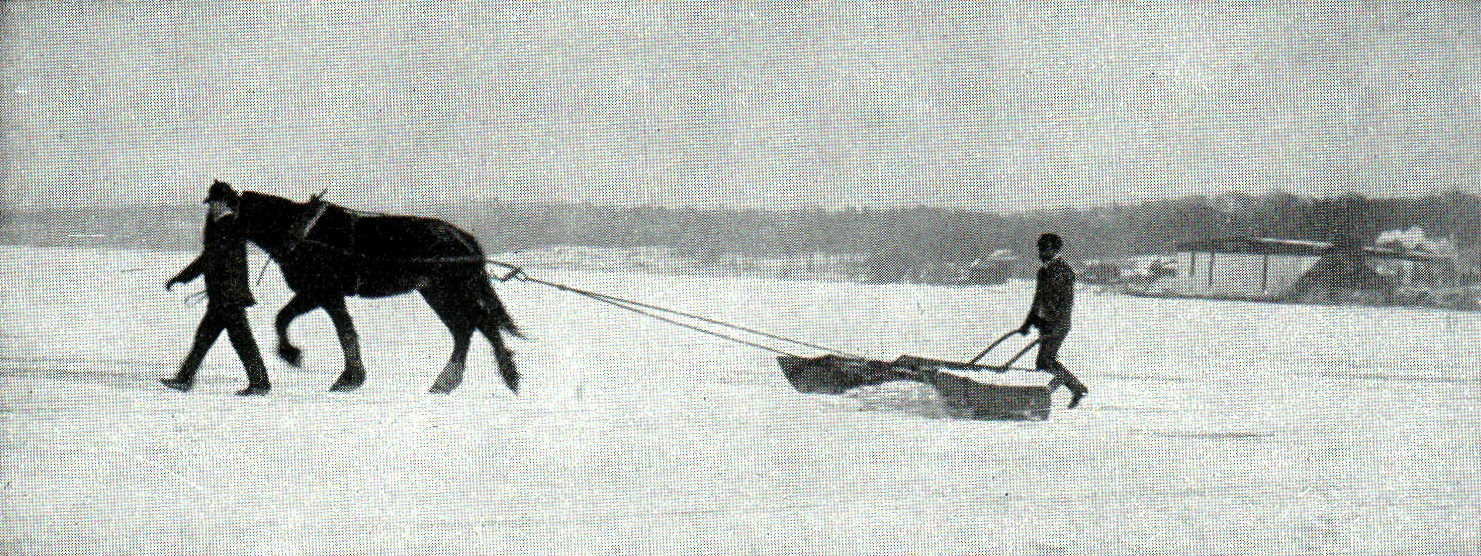
Snow on the ice was scraped away before anything else happened, with horse-drawn scrapers and shovels, and it was cleared repeatedly through the season.
Not applicable.
Clearing snow was not tidiness. Snow insulates, which means ice under a snow cover stops thickening and stays thin, so a crew hoping for a thick harvest kept the field swept all winter. Managing the crop was months of work before the crop was taken.
5. The Saws Were Enormous and Pulled by Hand
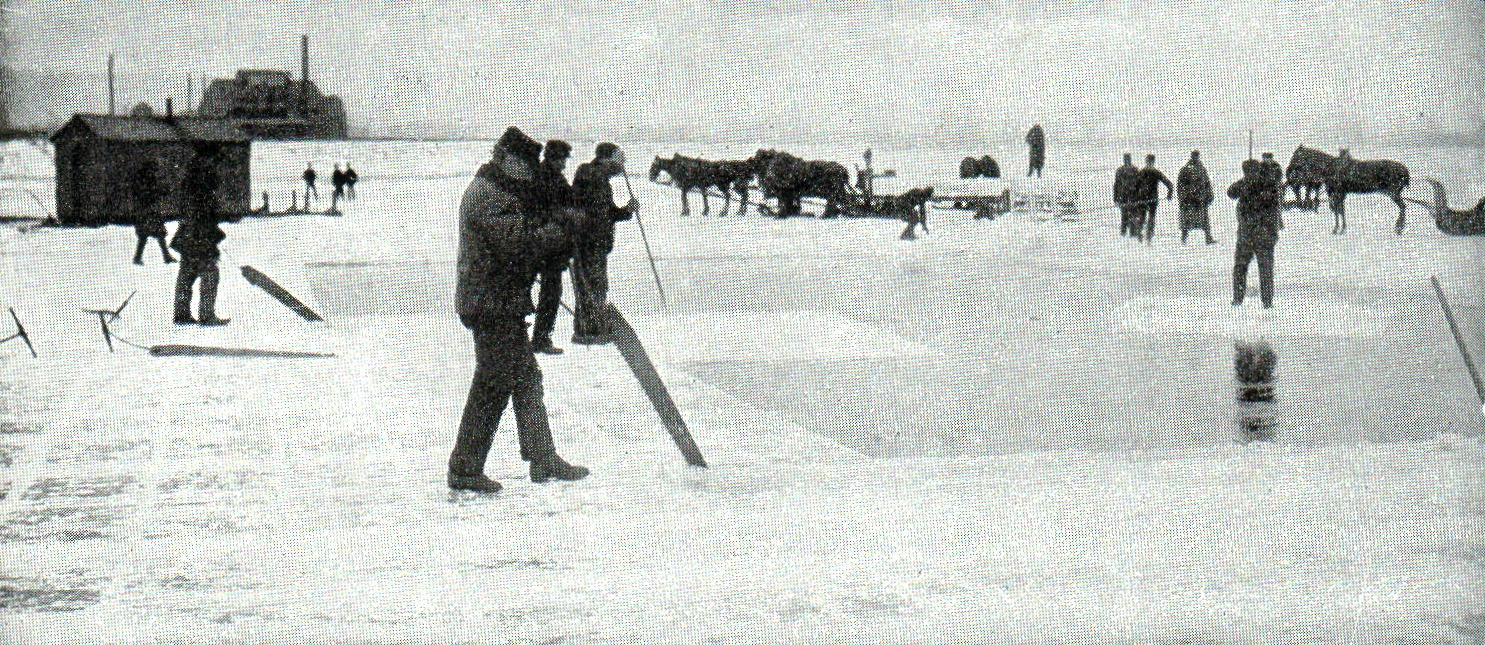
Ice was cut with long single-handled saws worked by one man standing on the surface, following the scored lines, and later with horse-drawn and then powered cutters.
Not applicable.
Cutting by hand on an open pond in January, standing beside an opening in the ice, is as cold and as exposed as American work got. The saws were heavy, the stroke was long, and the man doing it was working in water-saturated air at the coldest time of year.
6. The Blocks Were Floated to the Landing
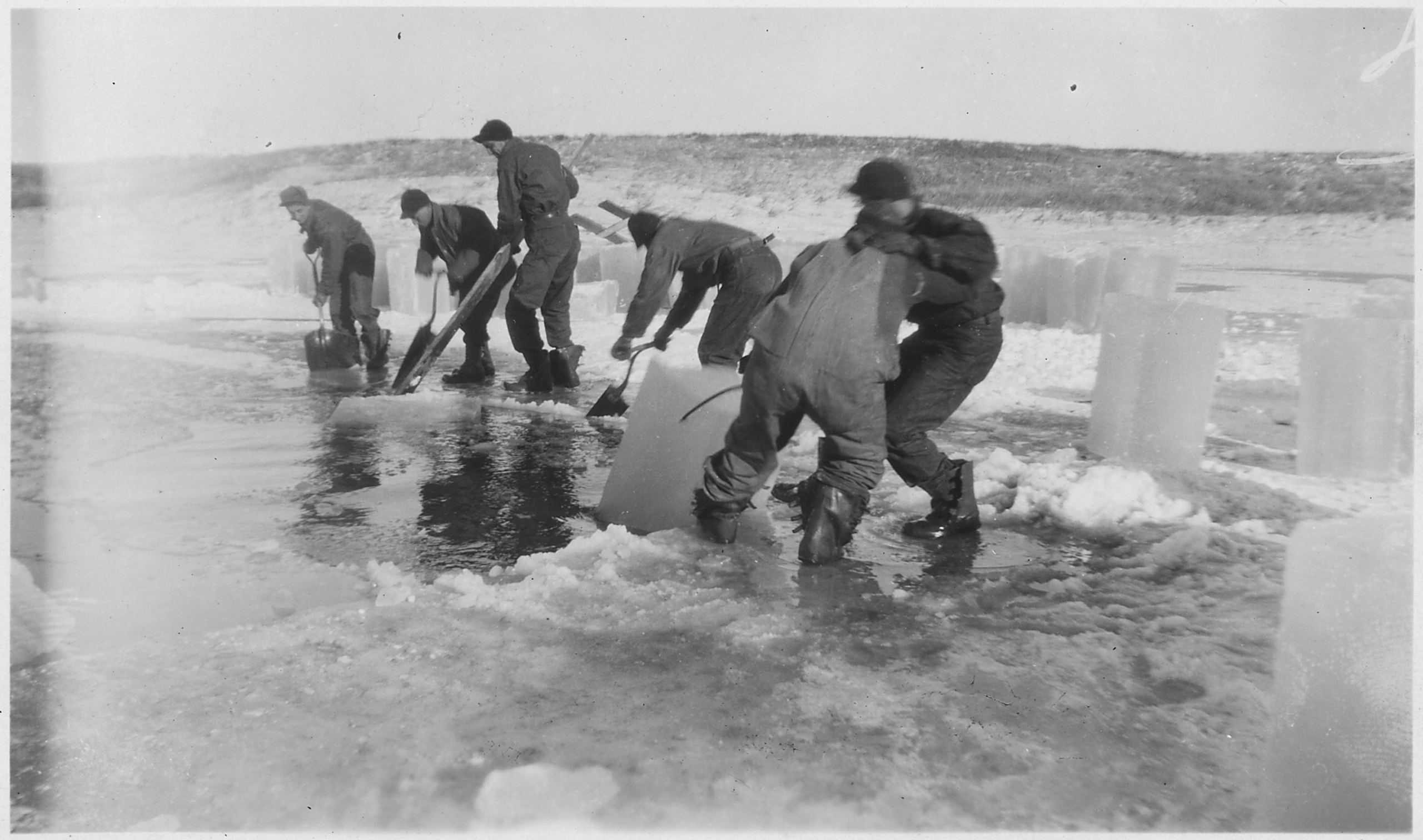
Once cut free, blocks were pushed and poled along open channels in the ice to a ramp, which is far easier than carrying them, because floating ice weighs almost nothing to move sideways.
Not applicable.
Using the water as a conveyor is the elegant part of the whole operation. A block of ice is extremely heavy to lift and nearly weightless to push along a channel, so the work was organised to avoid lifting until the last possible moment – which is the same principle as a stone boat, arrived at independently.
7. An Endless Chain Hauled Them Up
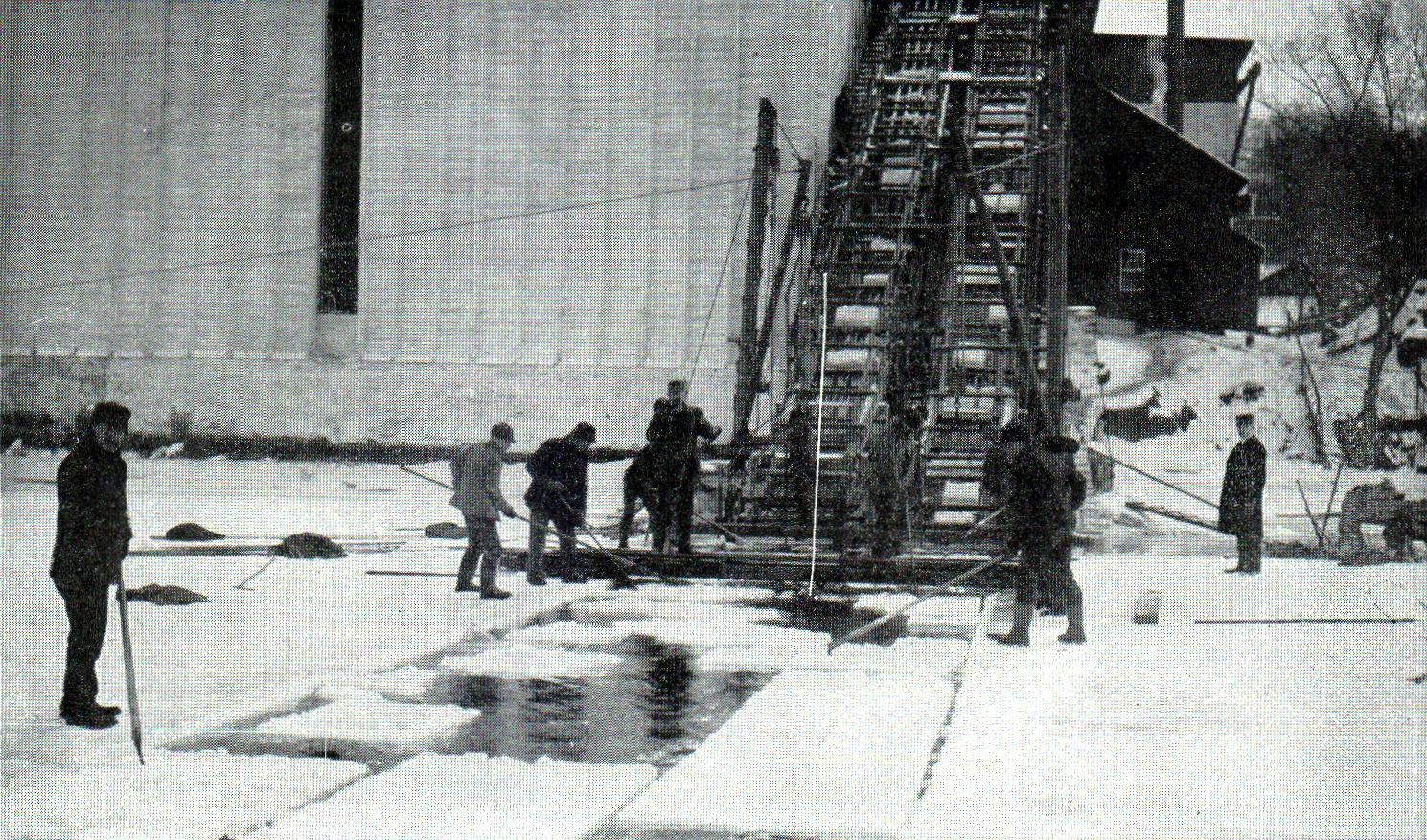
At the landing, blocks were raised out of the water and up into the ice house on an inclined ramp, pulled by a chain conveyor driven by a horse on a sweep or a steam engine.
Not applicable.
The conveyor is where the operation stopped being a crew with saws and became industry. A continuous chain running up a ramp into the top of a building moves a very large tonnage with very few men, and it is the piece of equipment that made large-scale harvest possible.
8. The Ice House Was Insulation and Nothing Else
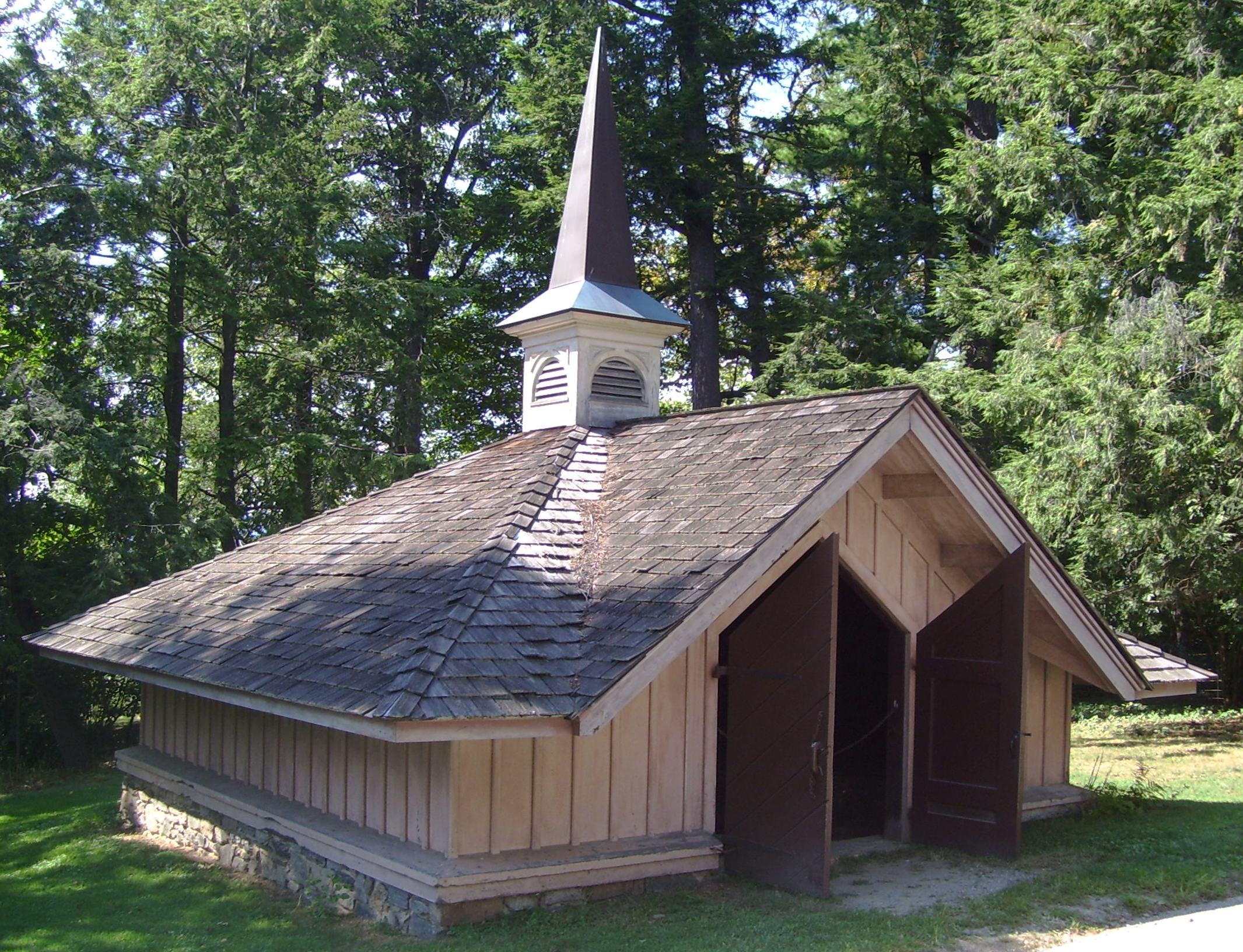
Storage was a large building, frequently double-walled with the cavity packed with sawdust, shavings or straw, holding blocks stacked tightly from the floor up with insulating material around the outside of the stack.
Not applicable. Cold storage is mechanical and the insulation is manufactured.
The building had no cooling of any kind and did not need any. It was a box designed to let heat in as slowly as possible, and the ice inside it was its own refrigerant – which means the whole structure is a piece of thermal engineering working on nothing but the slow arithmetic of heat flow.
9. A Big Block Keeps Itself Cold
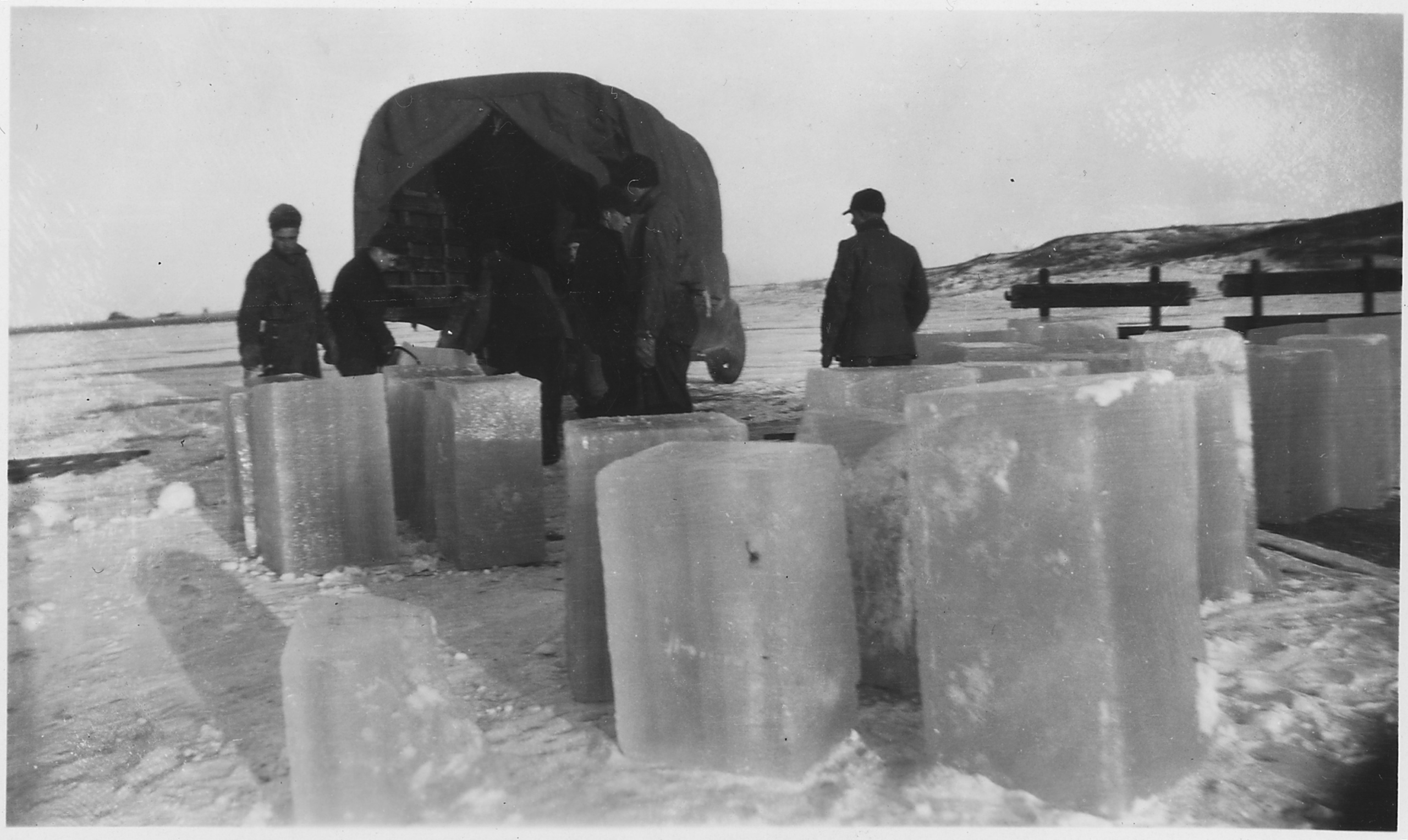
Ice stored in a tight mass of large blocks lasts through a summer, while the same quantity of ice in small pieces would melt in a fraction of the time.
Not applicable, though the physics is unchanged and anybody who has watched a large block and a bag of cubes melt side by side has observed it.
This is the principle the entire industry rested on and it is worth stating plainly. Melting happens at the surface, and a large block has very little surface for its volume. Stack blocks tight and the stack behaves like one enormous block – so the loss is at the outside of the pile, and the inside is still there in August.
10. Sawdust Was the Other Half of It
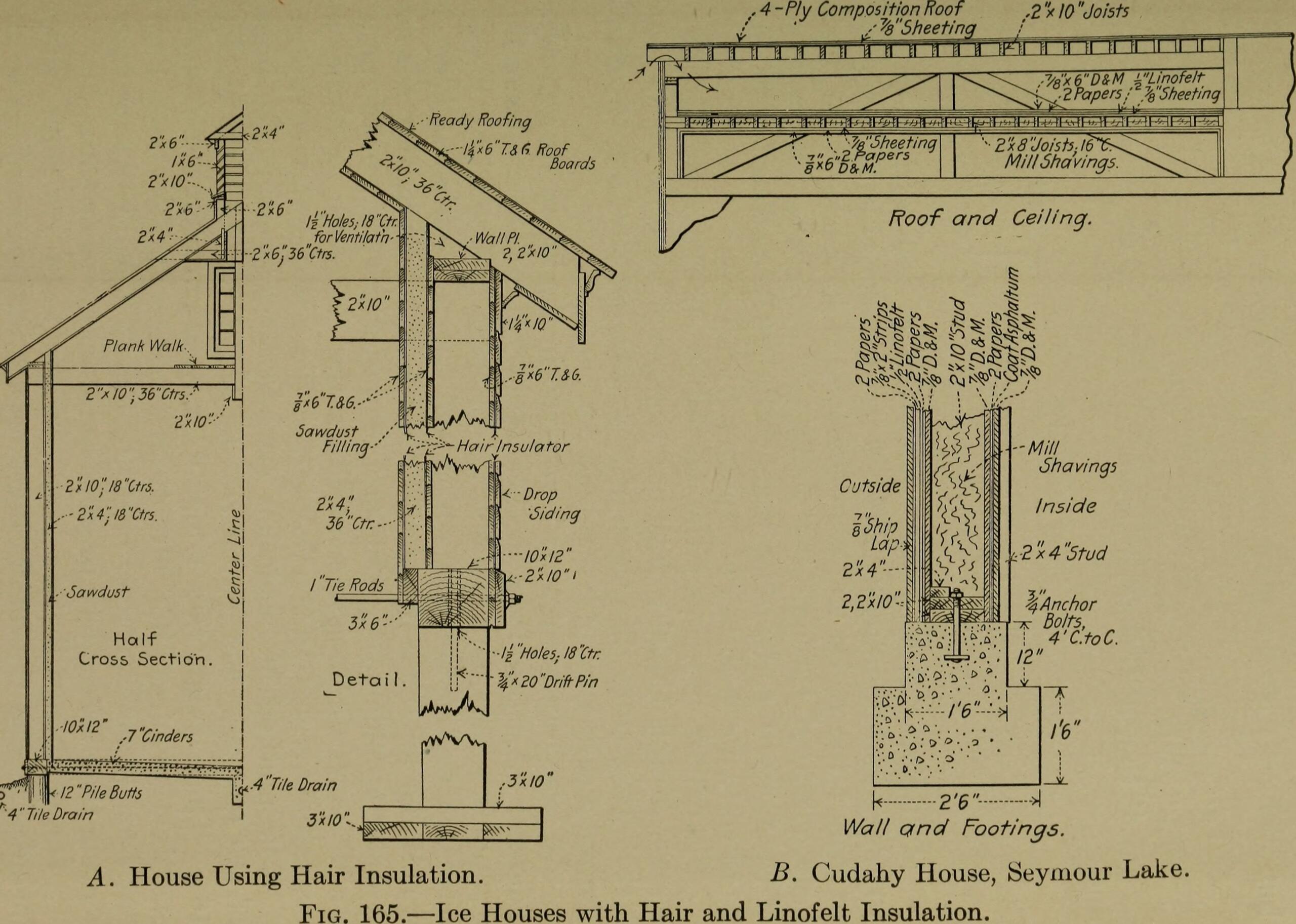
Sawdust, hay, straw and shavings packed around and between stored ice slowed melting enormously, and sawdust from local mills was the standard material.
Not applicable.
The pairing is neat: a timber operation produces sawdust as waste, and an ice operation needs insulation. The two industries fitted together, and a region with sawmills had its ice insulation delivered free as somebody else’s disposal problem.
11. The Ice Came to the House on a Wagon
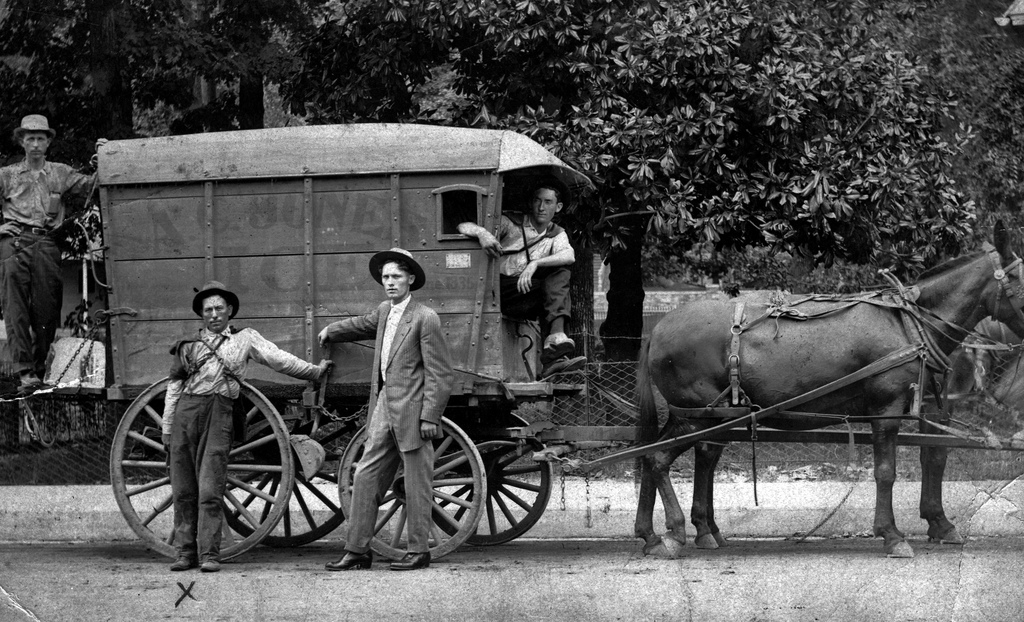
Through the warm months, an ice wagon worked a route, and householders put a card in the window showing how many pounds they wanted that day.
Not applicable. The appliance in the kitchen makes its own.
The card in the window is the detail everybody who lived with it remembers. It is also a well-designed system – the driver reads the order from the street without stopping to ask, cuts the right piece on the wagon, and carries it in with tongs, which means one man servicing a whole street efficiently.
12. Children Followed the Wagon for Chips
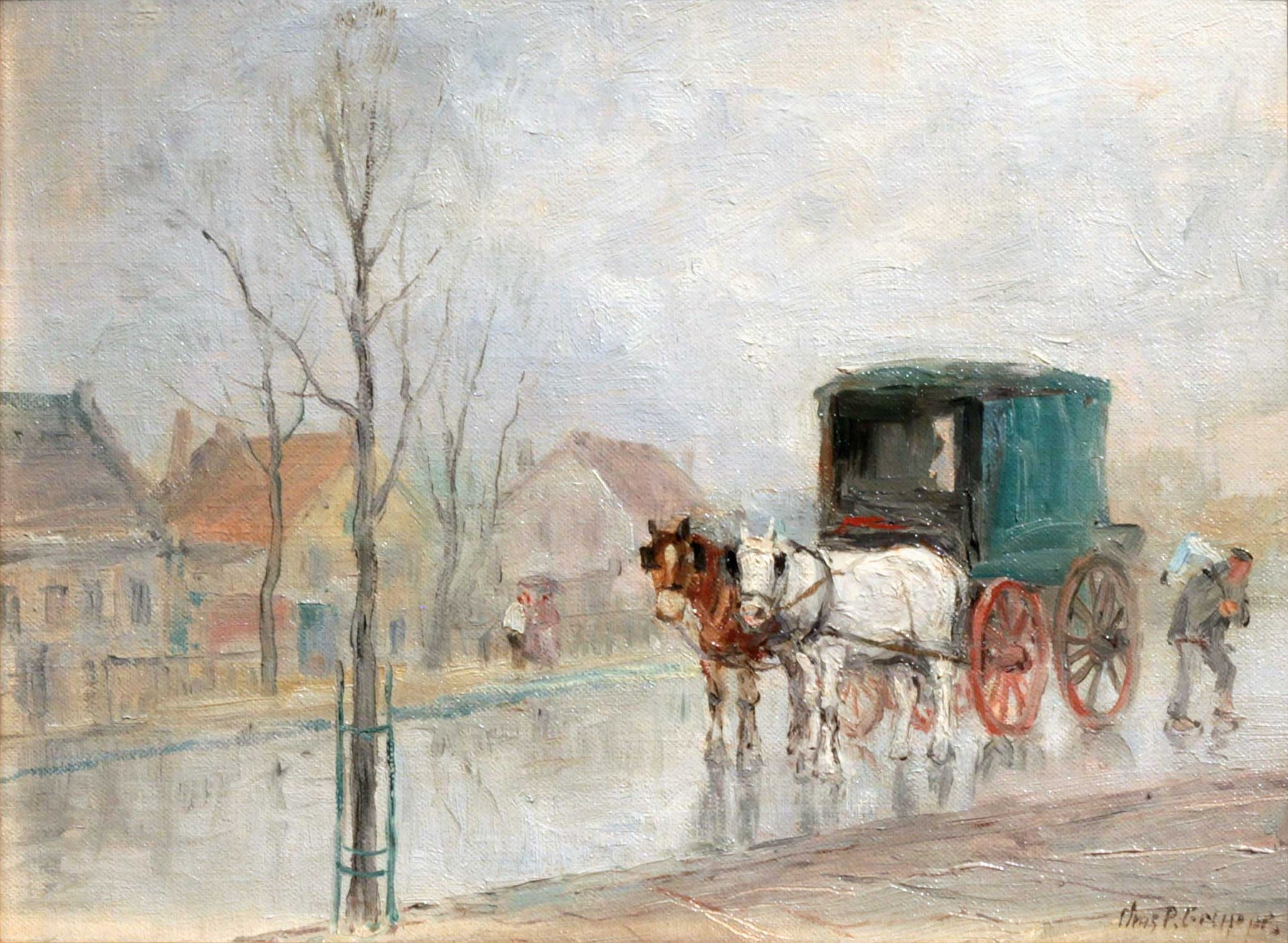
Cutting blocks to size on the wagon produced small fragments, and children collected and ate them.
Not applicable, and the appeal is hard to convey to anybody who can open a freezer.
It is worth remembering what ice meant in a July without refrigeration. Something cold was a genuine novelty rather than a default, and a handful of chips off the back of a wagon was a real treat – which tells you more about the ordinary temperature of a summer than any description of the weather could.
13. It Kept Food, and That Was the Whole Point
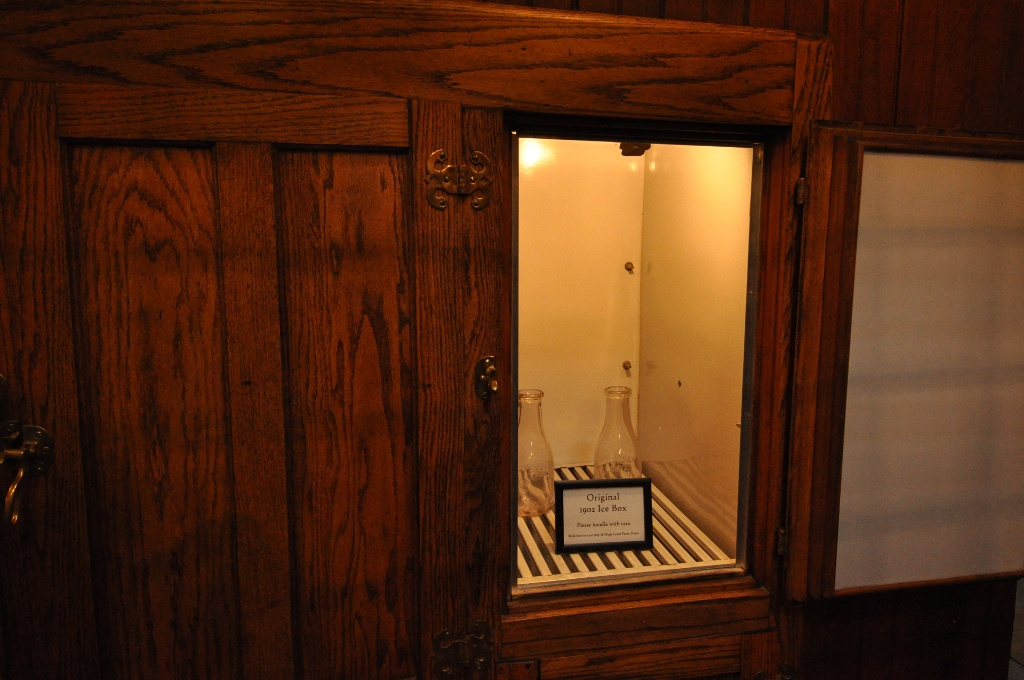
Household ice went into an icebox, where it absorbed heat as it melted and kept the cabinet cold enough to hold milk, butter and leftovers for a few days.
Mechanical refrigeration, which holds a controlled temperature indefinitely and needs no delivery.
The icebox is the reason the harvest existed, and the chain is worth following all the way. A pond froze in January, men cut it, a conveyor stacked it, sawdust held it, a wagon delivered it, and the end result was that a household could keep milk for three days in July. That is a long supply chain for a modest outcome, and everybody along it was paid.
14. The Ice Trade Was Big Business
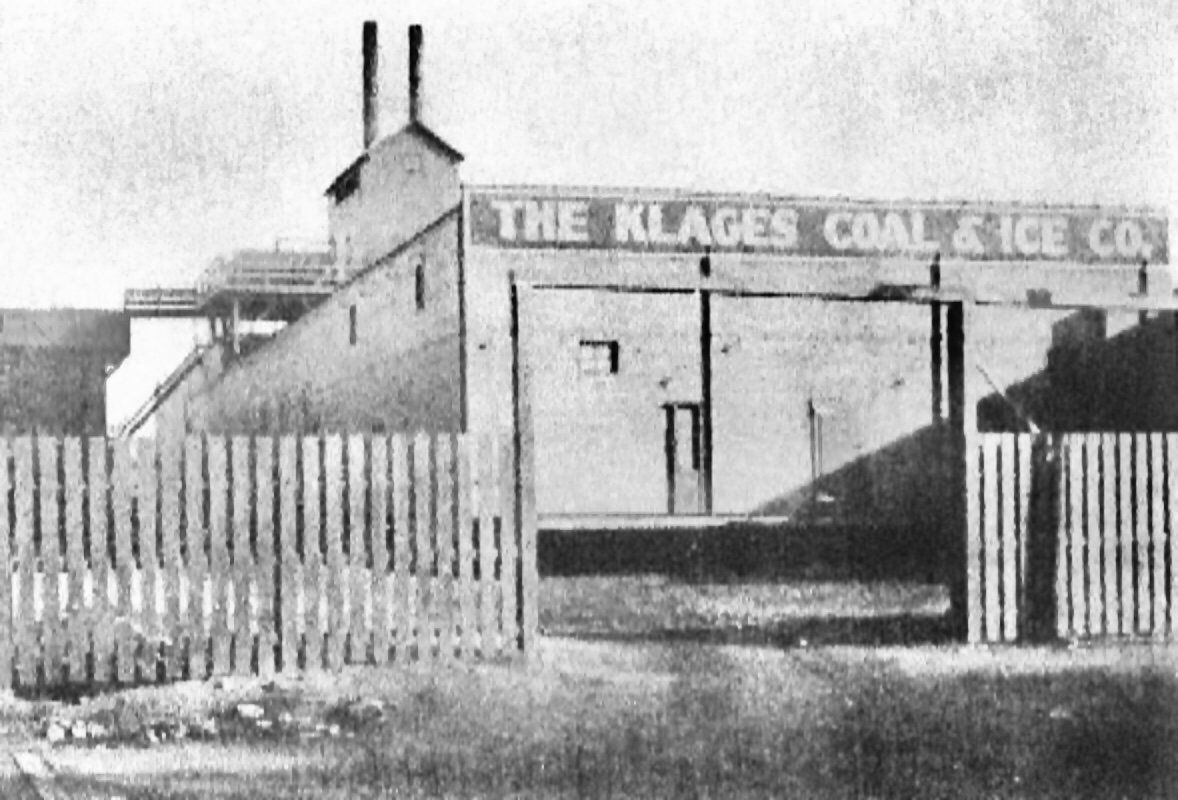
Ice was harvested commercially on a large scale, shipped by rail and by ship, and sold far from where it was cut – with American ice reaching places that had never seen a frozen pond.
Not applicable as a trade in natural ice, though refrigerated transport does the equivalent work.
The scale is the thing that surprises people. This was not a quaint local practice but a genuine industry with capital, routes, contracts and a commodity price, and for a period it was one of the more remarkable things the American economy did – selling winter to places that did not have one.
15. Manufactured Ice Took the Business First
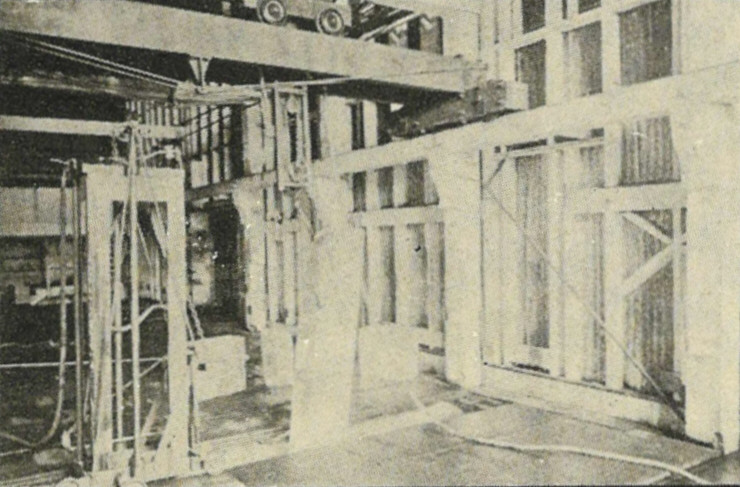
Mechanical ice plants produced ice to order, in any quantity, at any time of year, in clean water, close to where it was wanted – which removed every weakness natural harvest had.
The basis of any remaining commercial ice supply.
Plant ice beat pond ice on every count that mattered and one that mattered more than the rest: it did not depend on the weather. A warm winter was a catastrophe for a natural ice operation and nothing at all to a plant, and no business survives a supply that fails in a mild year.
16. Then the Cold Moved Into the Kitchen
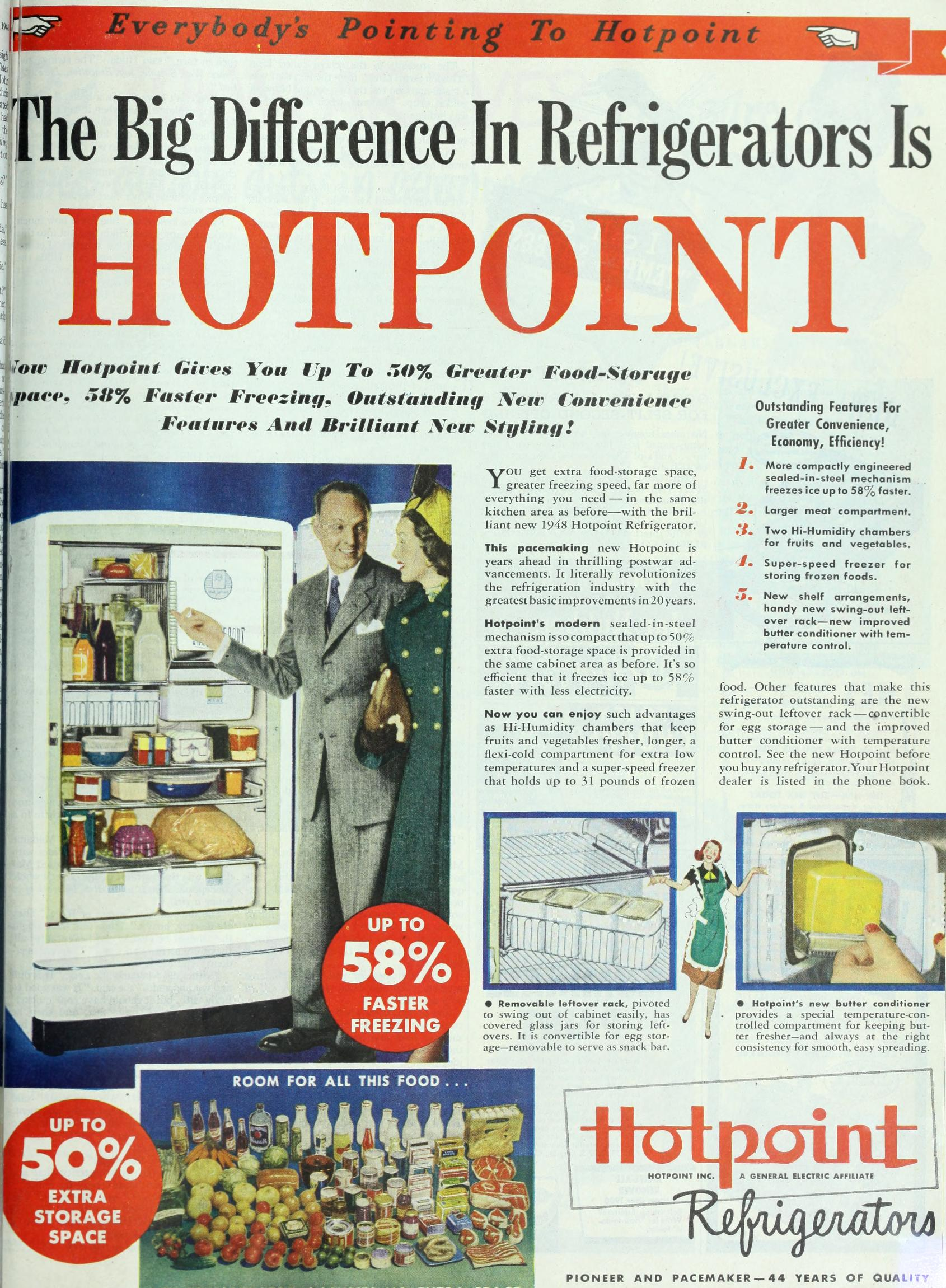
In 1964 the memory was still fresh of a system in which the cold in an American kitchen in July had been cut out of a frozen pond in January, hauled up a ramp by a chain, buried in sawdust, and delivered by a man with tongs.
A sealed appliance makes cold on demand in every kitchen, and the ponds that were once harvested are used for skating and nothing else.
And the thing worth holding onto is how much thought the old system contained. None of it was obvious. Somebody had to work out that ice would keep through a summer if the blocks were large and stacked tight, because melting happens at a surface and a tight stack has almost no surface for its volume. Somebody had to work out that sawdust from the mill up the road was the cheapest insulation available and that a timber region’s waste was an ice region’s raw material. Somebody designed a chain conveyor that could lift a winter’s harvest into a building with a handful of men, and somebody else designed the card for the window that let a driver read an order from the street. It was a complete, functioning, well-reasoned industry built entirely on the fact that water freezes in January and people want cold milk in July – and it was dismantled not because any of the reasoning was wrong but because a machine was invented that made the whole premise unnecessary. The ponds are still there. The buildings are mostly gone, and the ones that survive are usually identified as barns by people who cannot work out why the walls are so thick.
It Worked Because of One Fact About Surfaces
The question everybody asks first is how ice cut in January could possibly still be there in August, and the answer is a single piece of physics that the whole industry was built on.
Ice melts at its surface.
A large block has very little surface relative to its volume. Double the size of a cube and its surface area goes up fourfold while its volume goes up eightfold, which means the bigger the block, the smaller the proportion of it that is exposed. Now stack large blocks tightly together so that almost no air circulates between them and the entire pile starts behaving like one enormous block – with its only real surface on the outside of the stack.
So the loss happens at the edges of the pile. The middle is untouched. Pack insulating material around the outside and the rate of loss drops again, and what you have is a store that will hold most of its contents for the length of a summer.
Everything else in the operation follows from that one fact.
It explains why the blocks had to be a uniform size, which is why the ice field was scored into a grid before anybody cut anything – irregular blocks cannot be stacked tight, and a stack with gaps in it is a stack with surfaces inside it. It explains the double-walled ice house with sawdust in the cavity. And it explains why sawdust specifically: a sawmill produces it as waste, an ice operation needs it in quantity, and a region with timber had its insulation delivered free as somebody else’s disposal problem.
The rest of the operation is logistics, and it is well-designed logistics.
Snow was scraped off the pond repeatedly through the winter, with horse-drawn scrapers, because snow insulates – and ice under a snow cover stops thickening. That is months of work before the crop is taken, done to make the crop thicker.
Cutting was done with long single-handled saws worked by a man standing on the surface beside an open channel, in January, in water-saturated air, which is about as cold and exposed as American work ever got. Then the blocks were poled along the channels to a ramp rather than carried, because floating ice is nearly weightless to move sideways. Lifting was deferred to the last possible moment, which is exactly the thinking behind a stone boat and was arrived at completely independently.
At the ramp, a chain conveyor driven by a horse on a sweep or a steam engine hauled the blocks up into the top of the building. That conveyor is the point at which the operation stopped being a crew with saws and became an industry, because a continuous chain moves an enormous tonnage with very few men.
And it was an industry. Ice was cut commercially at scale, shipped by rail and by ship, and sold a very long way from where it was harvested – American ice reached places that had never seen a frozen pond, which is one of the stranger things the economy of the period managed. Selling winter to the tropics.
At the household end it was equally well thought out. A card in the window told the driver how many pounds were wanted, so he could read the order from the street, cut the piece on the wagon and carry it in with tongs without stopping to ask anybody anything. The fragments from cutting went to whichever children were following the wagon, and in a July with no refrigeration a handful of ice chips was a genuine treat rather than a trivial one.
Then it ended, and the reason is worth being precise about.
Mechanical ice plants could make ice to order, in any quantity, at any time of year, from clean water, close to where it was wanted. Every one of those is a weakness of natural harvest. But the decisive one is the weather: a mild winter was a catastrophe for a pond operation and nothing whatever to a plant, and no business survives a supply chain that fails in a warm year.
After that, the household refrigerator removed the delivery as well, and the entire chain – pond, saw, conveyor, sawdust, wagon, tongs – was replaced by a sealed box in the corner of a kitchen.
None of the old reasoning was wrong. The premise simply stopped being necessary.
If your family had an icebox, somebody in it remembers the card in the window and the sound of the tongs.
And the chips off the back of the wagon on a hot afternoon.
Like our content? Follow us for more.