There was a box beside the kitchen stove, and keeping it full was the first real job most American children were given.
It held split wood cut short enough to fit the firebox, brought from under cover because wet wood will not burn properly. And the defining feature of the chore was that it never stayed done – the stove burned continuously, so the box emptied continuously, and you could fill it to the top, walk away and come back to find it half empty.
Running out was a real failure with a visible result. The cooking stopped, the kitchen cooled, and somebody had to go out in whatever weather there was. Everybody knew whose job it had been. Here are fourteen things every American child knew.
1. There Was a Box in the Kitchen and It Had to Be Full
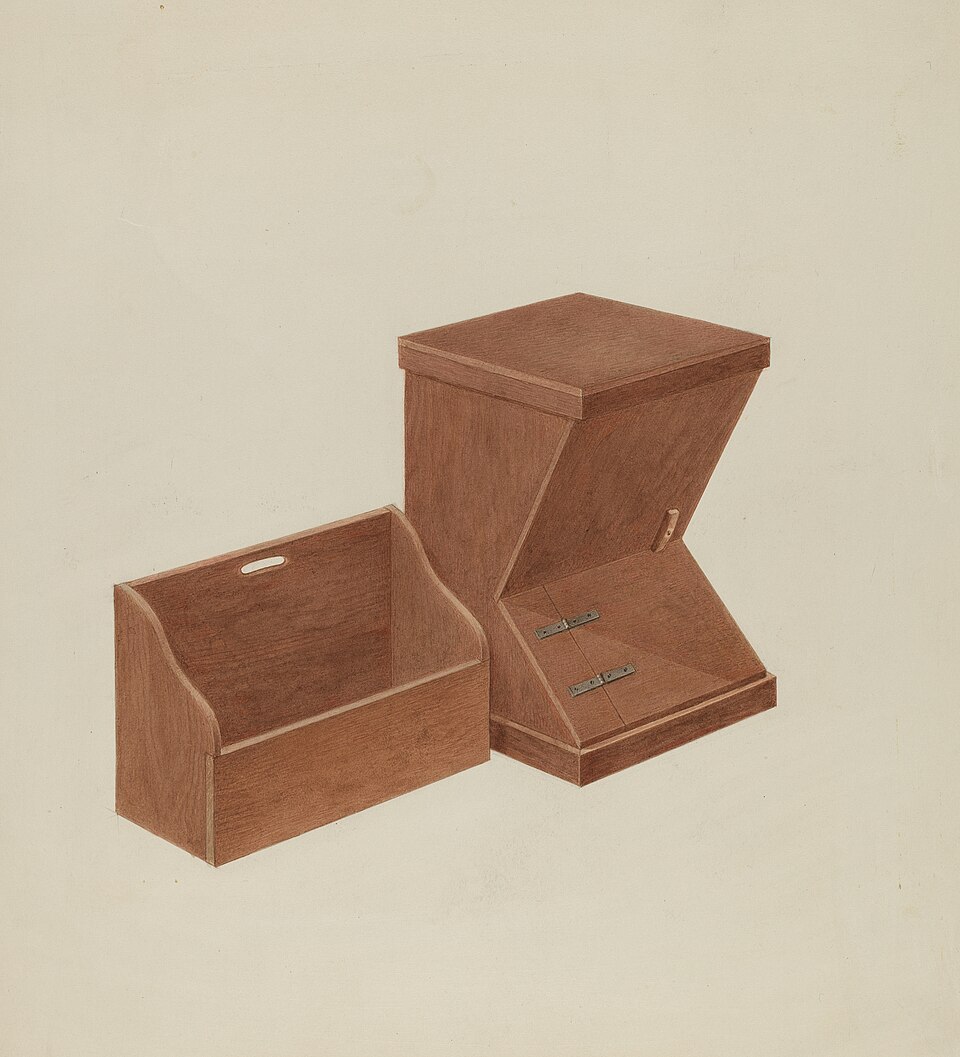
A wooden box, bin or basket stood beside the kitchen range, holding enough split wood for the next several hours of cooking and heating, and keeping it full was somebody’s standing job.
Gas, electricity and oil, delivered automatically, with nothing in a kitchen that anybody has to refill.
The box is the interface between a house and its fuel supply, and that is the right way to see it. Everything upstream – the woodlot, the felling, the hauling, the splitting, the stacking – ends at a container beside a stove, and somebody had to close that last few yards every single day.
Like our content? Follow us for more.
2. It Was a Child’s Job Almost Everywhere
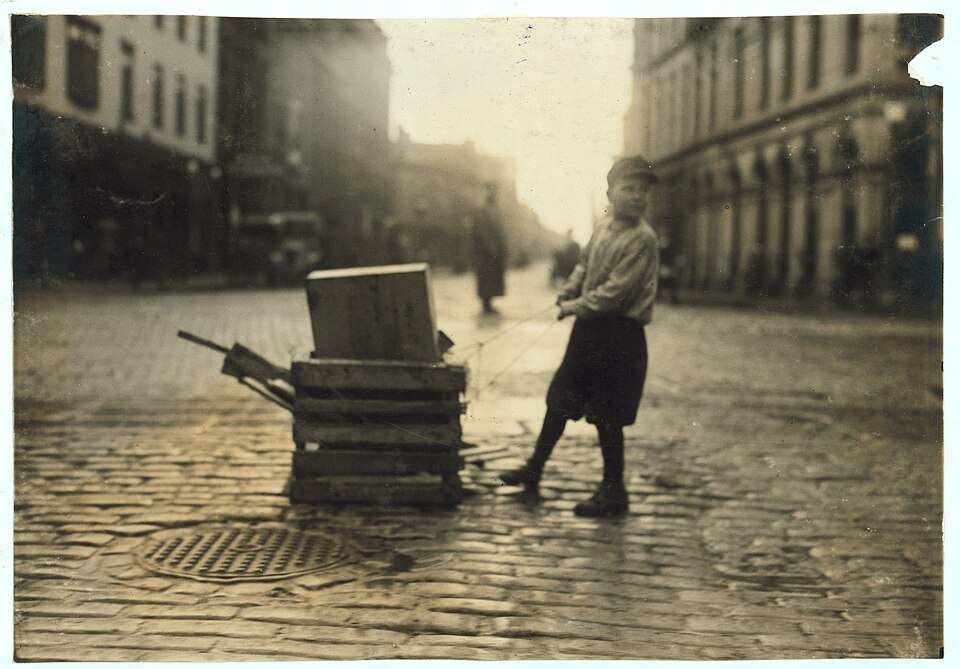
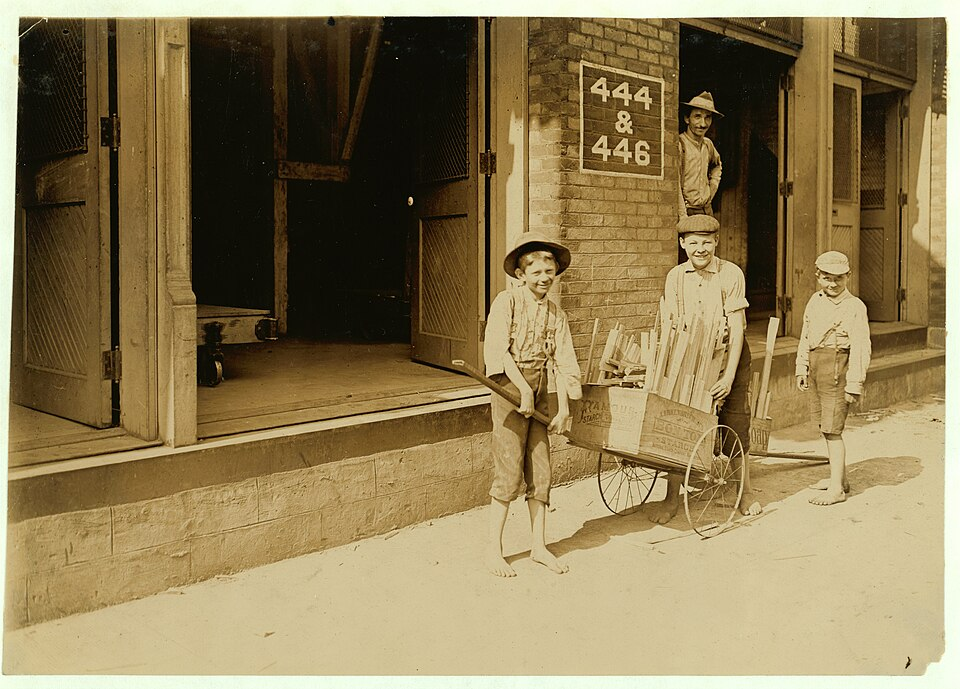
Filling the woodbox was the standard chore given to children, frequently the first real responsibility a child was handed.
Not applicable. Household chores for children are lighter and have no consequence attached.
The delegation was universal and the reason is structural rather than cruel. The job needs no skill, no judgement and no strength beyond carrying an armload, it has to happen several times a day, and anybody capable of walking across a yard can do it – which in any household with children has exactly one solution.
3. It Never Stayed Done
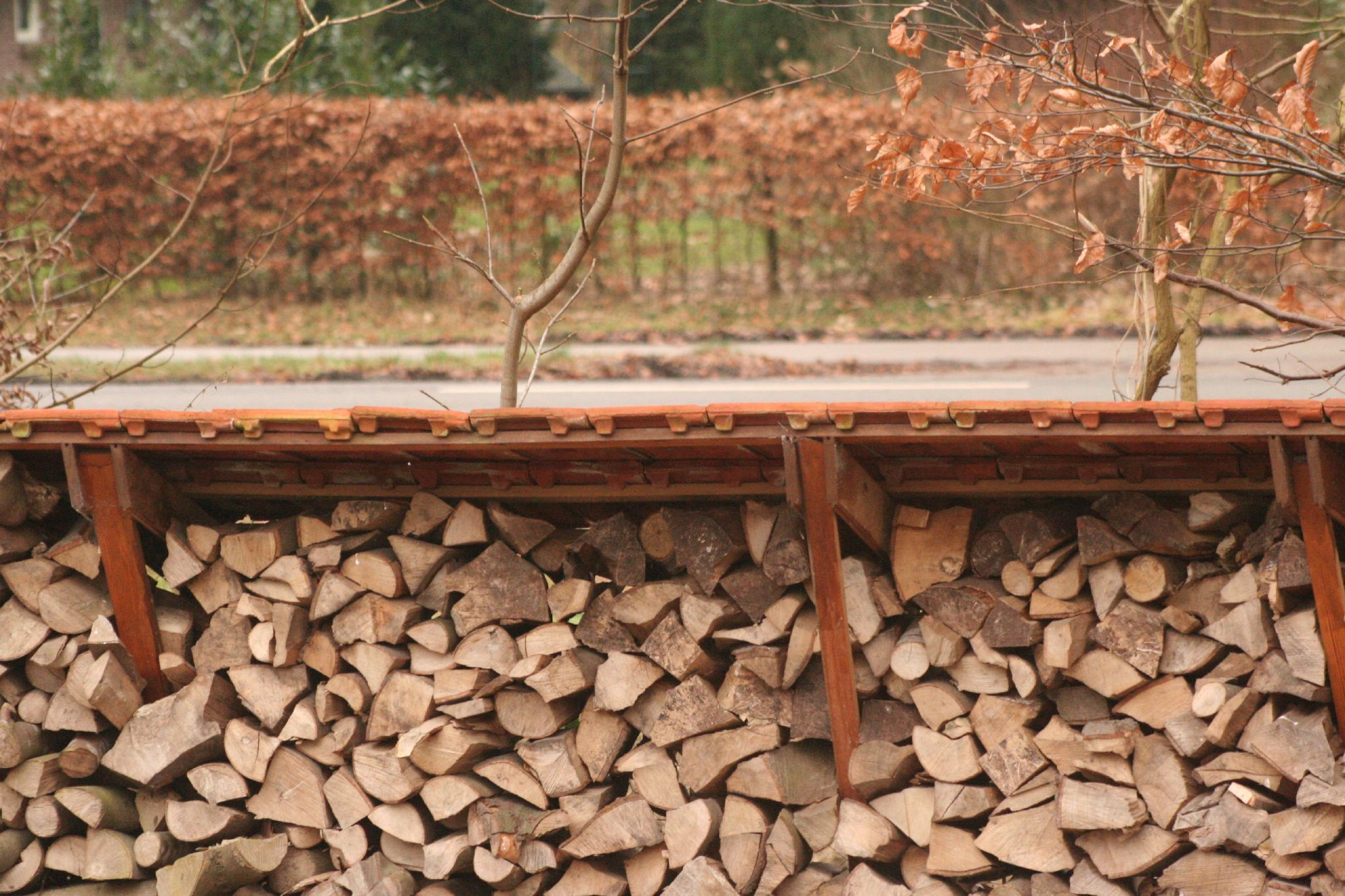
The box emptied continuously because the stove burned continuously, so filling it was not a task that could be completed but a condition that had to be maintained.
Not applicable.
This is the specific misery of the chore and everybody who had it says the same thing. You could fill it to the top, walk away, and come back to find it half empty – which means there was no version of the job in which you were finished, and that is a different psychological experience from a chore with an end.
4. Running Out Was a Real Failure
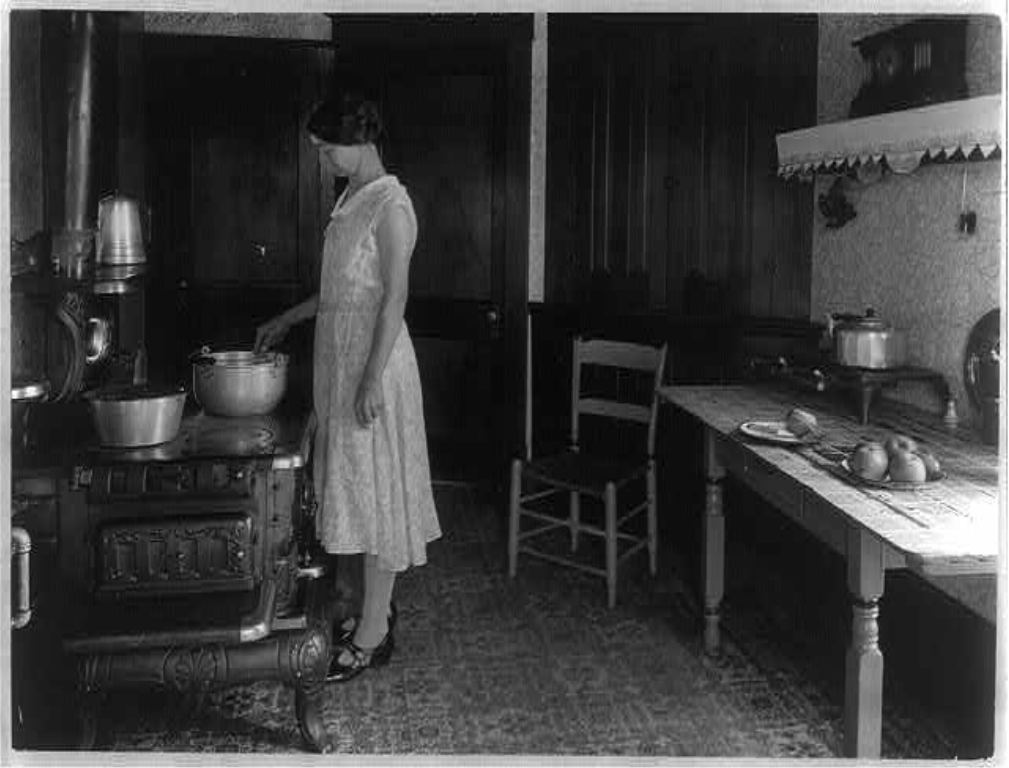
An empty box when the fire needed feeding meant the cooking stopped, the kitchen cooled and somebody had to go out in whatever weather there was.
Not applicable.
Consequence is what separated this from a token chore. A child who had neglected the box was not merely in trouble for not doing a job – the dinner was late and everybody knew why, which is a far more effective arrangement than any amount of being told.
5. The Wood Had to Be the Right Size
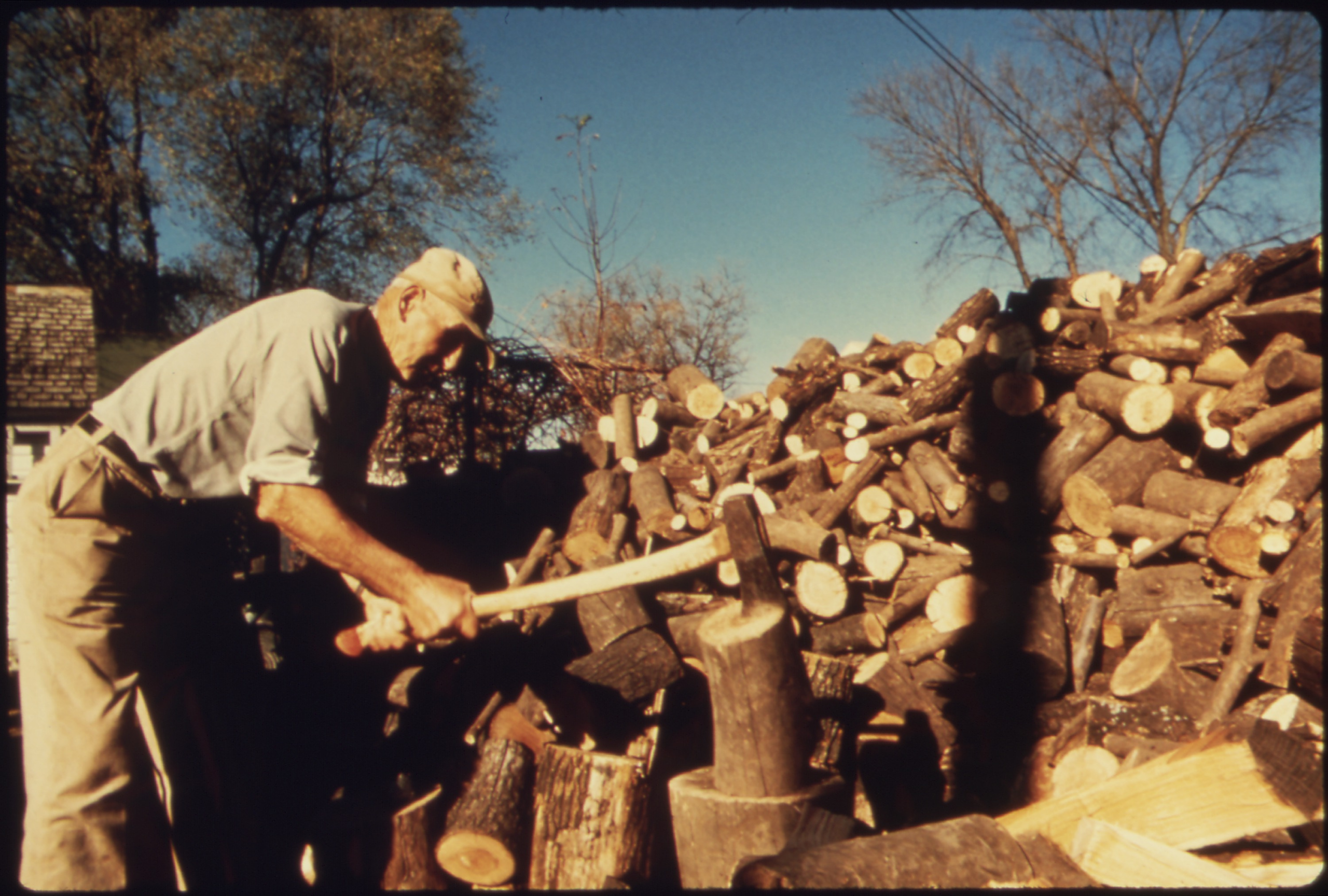
A kitchen range takes short split pieces that fit its firebox, which means the wood in the box was a different product from the wood in the pile.
Not applicable.
Sizing is the part that people forget, and it is why the box could not simply be filled from the nearest heap. Stove wood is cut short and split small, and a child sent to fill the box had to bring back pieces that would actually go in – which meant knowing the difference.
6. Dry Wood Was the Whole Point
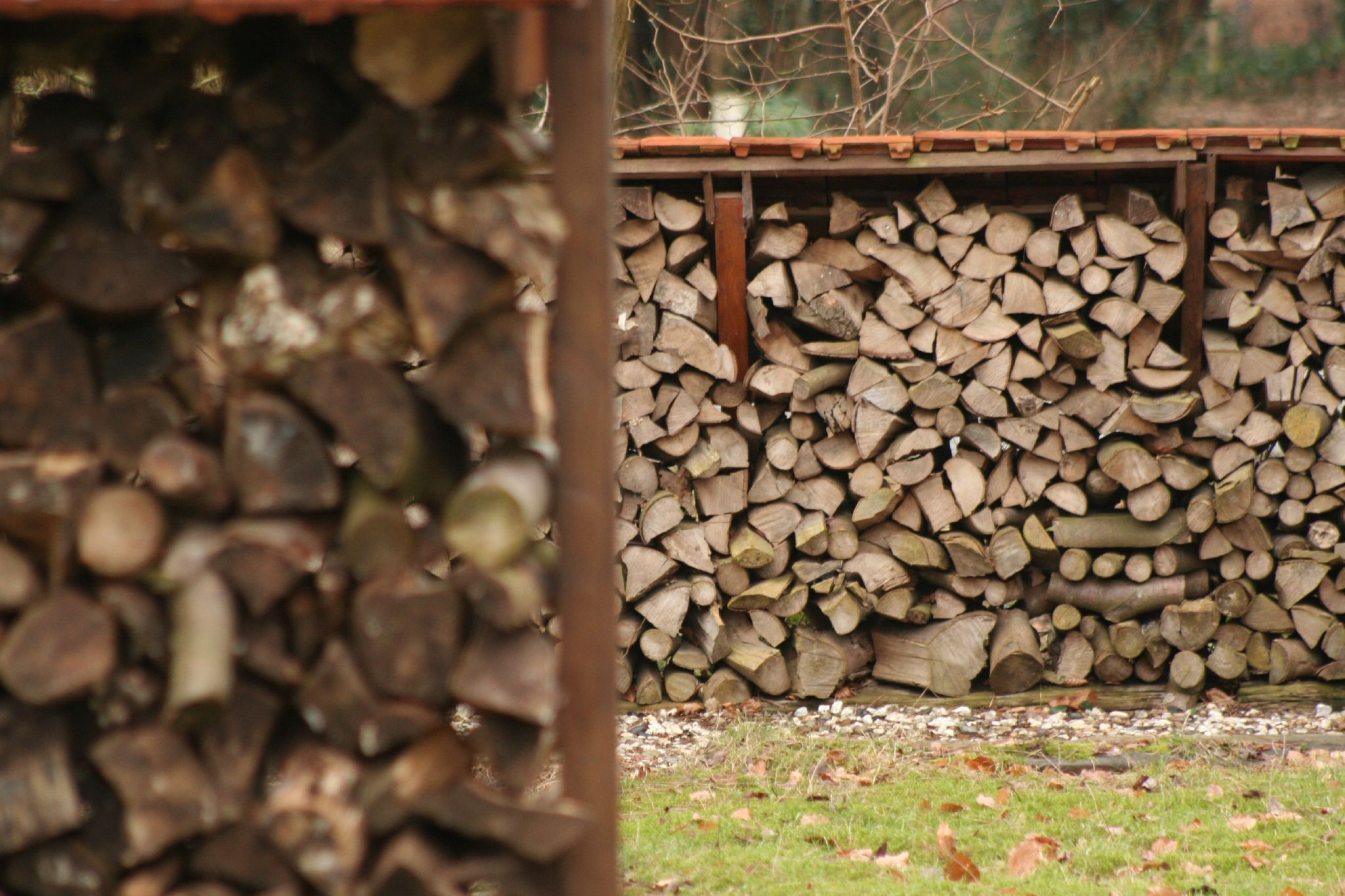
Wood for the box came from under cover, because wet or green wood will not burn properly, produces little heat and fouls a stove and chimney.
Not applicable.
The dry requirement is the reason for every woodshed and every covered pile on an American farm. Wood is not fuel until it is dry, which means the fuel supply had to be organised a year in advance – and the box at the end of that chain was drawing on a decision made twelve months earlier.
7. The Woodshed Was Built for This
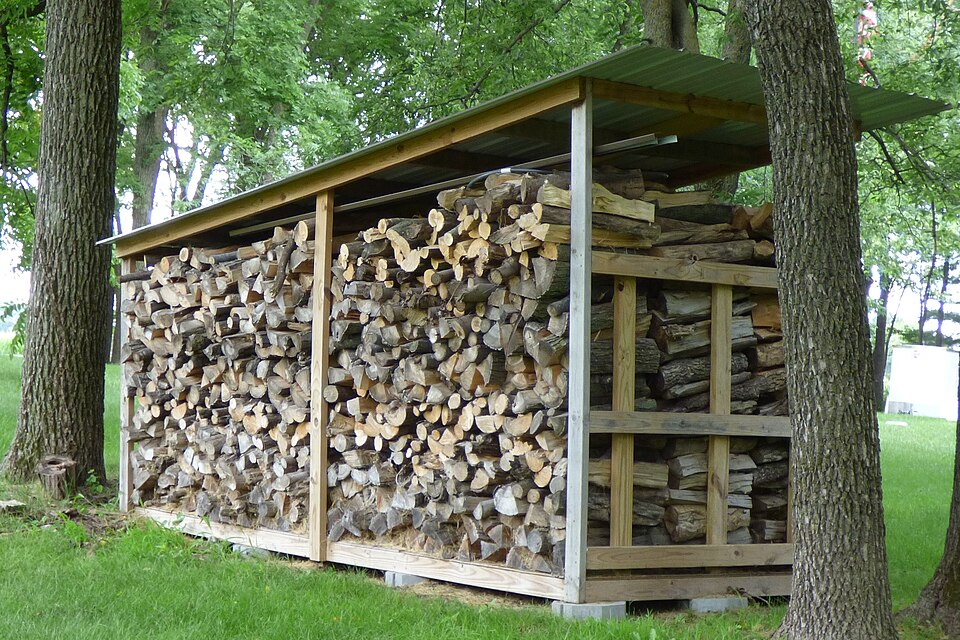
A shed, a porch, a lean-to or a section of the barn held the dry split wood close to the kitchen door, specifically so the box could be filled quickly in bad weather.
Not applicable.
Distance was the design constraint. Carrying wood is work, so the dry supply was placed as near the door as possible – which is why so many old houses have a small roofed structure a few steps from the kitchen that serves no purpose anybody can now identify.
8. You Carried It in Your Arms
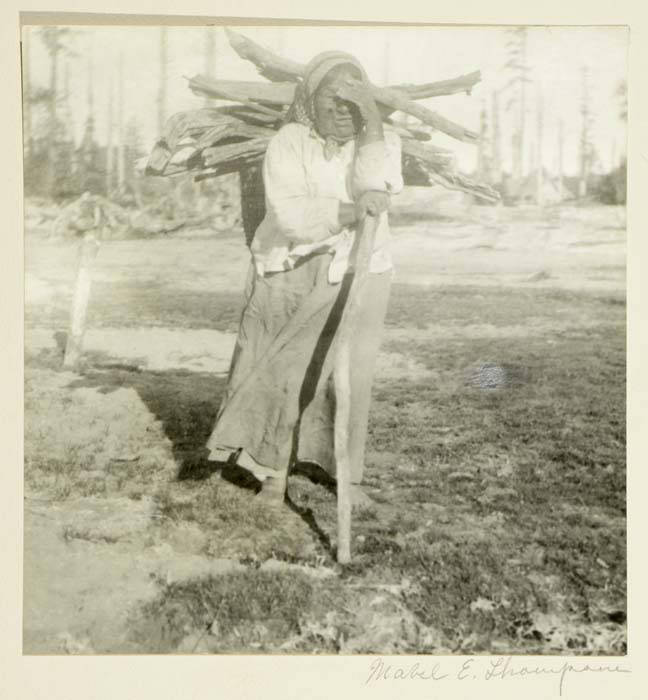
Wood was carried in an armload against the chest, which is awkward, dirty and the reason everybody who did it has an opinion about splinters and bark down the front of a coat.
Not applicable.
The carrying method is the detail that makes the memory physical. A canvas wood sling or a carrier existed in some households and most people used their arms, which means the chore left marks – on clothing, on hands and in the memory of cold bark against a chin.
9. Kindling Was a Separate Supply
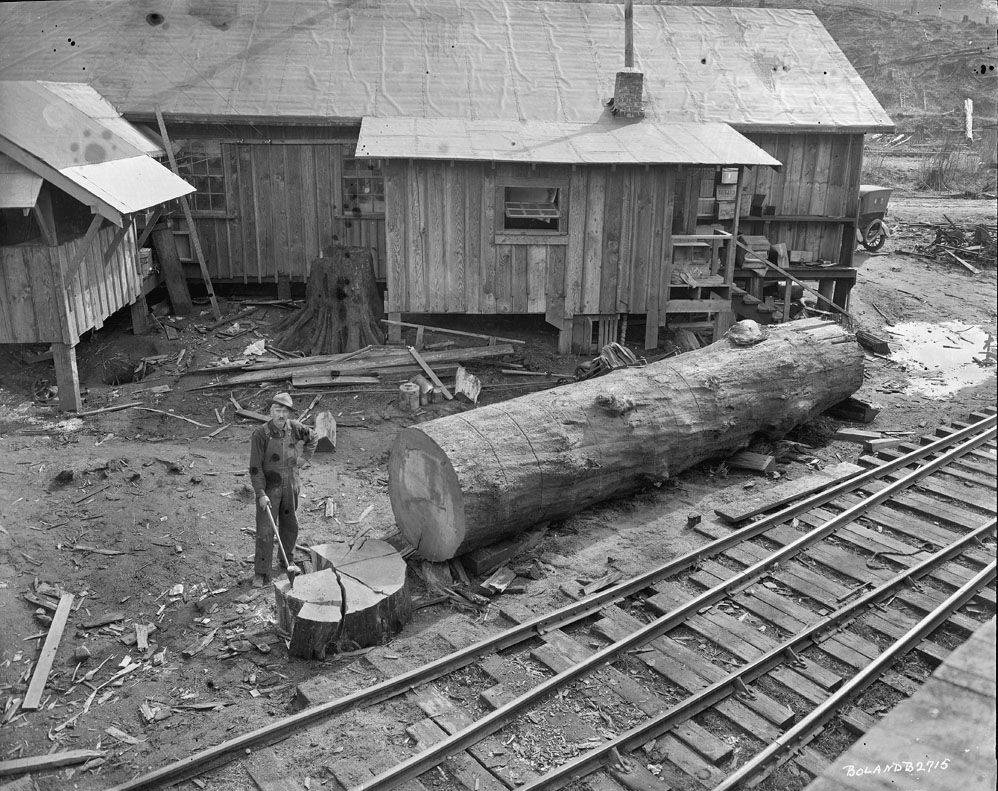
Small split sticks, shavings, bark and cobs were kept apart from the main wood, because starting a fire needs something that catches easily.
Manufactured firelighters, where anybody lights a fire.
Two grades of fuel means two things to keep stocked, and the kindling was the one that got forgotten. A box full of good solid wood and no kindling is an unlightable fire, which is a particular kind of morning nobody enjoyed.
10. The Box Was a Piece of Furniture
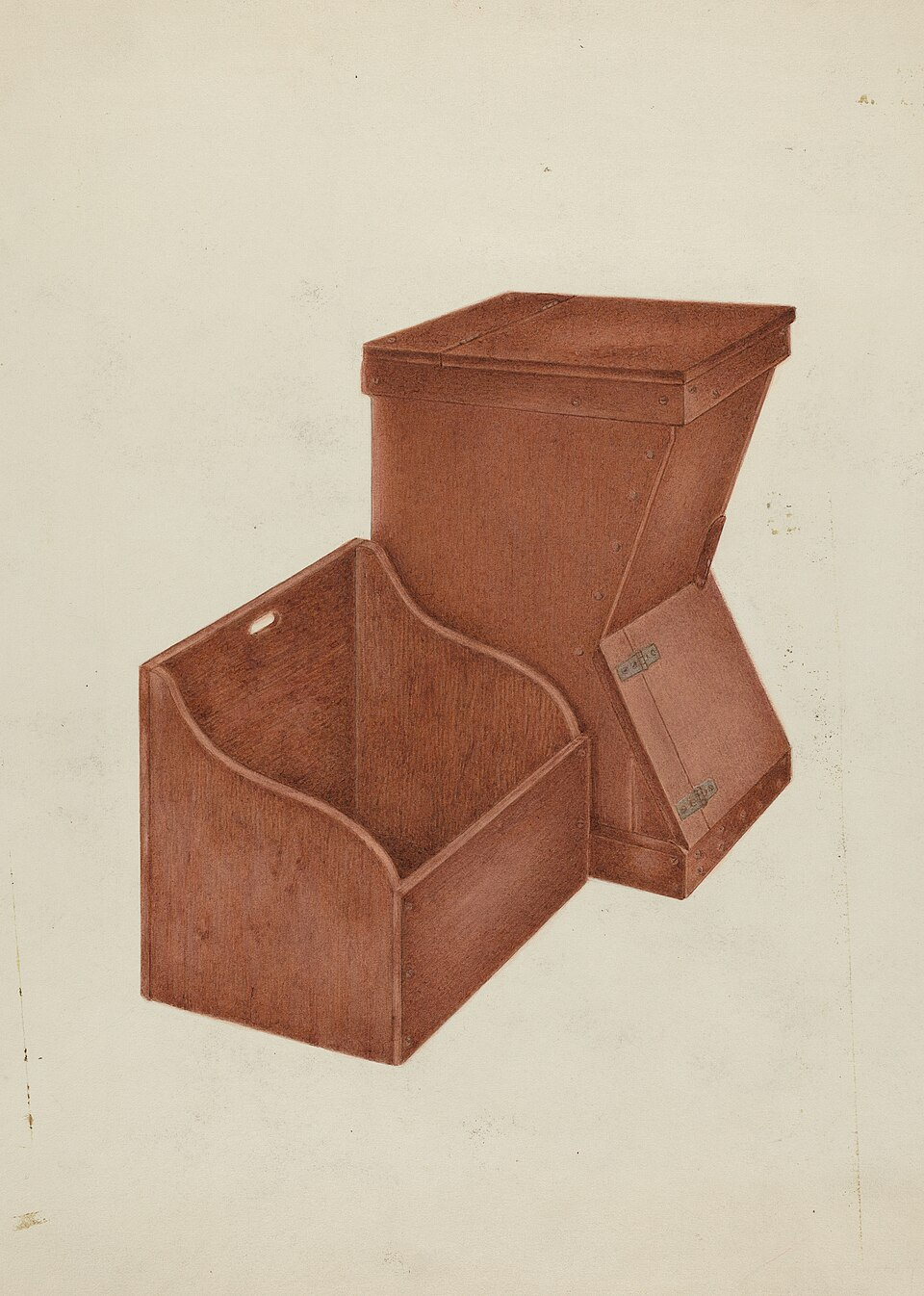
Woodboxes were built in, built as benches with hinged lids, or made as proper cabinets, because something permanently beside a stove holding a dirty bulky material needs to be designed.
Not applicable.
Building it properly is the mark of a household taking the problem seriously. A hinged-lid bench keeps the mess contained and gives somebody a place to sit, which is a sensible answer to a fixture that is going to be in the kitchen forever.
11. Girls Carried It Too
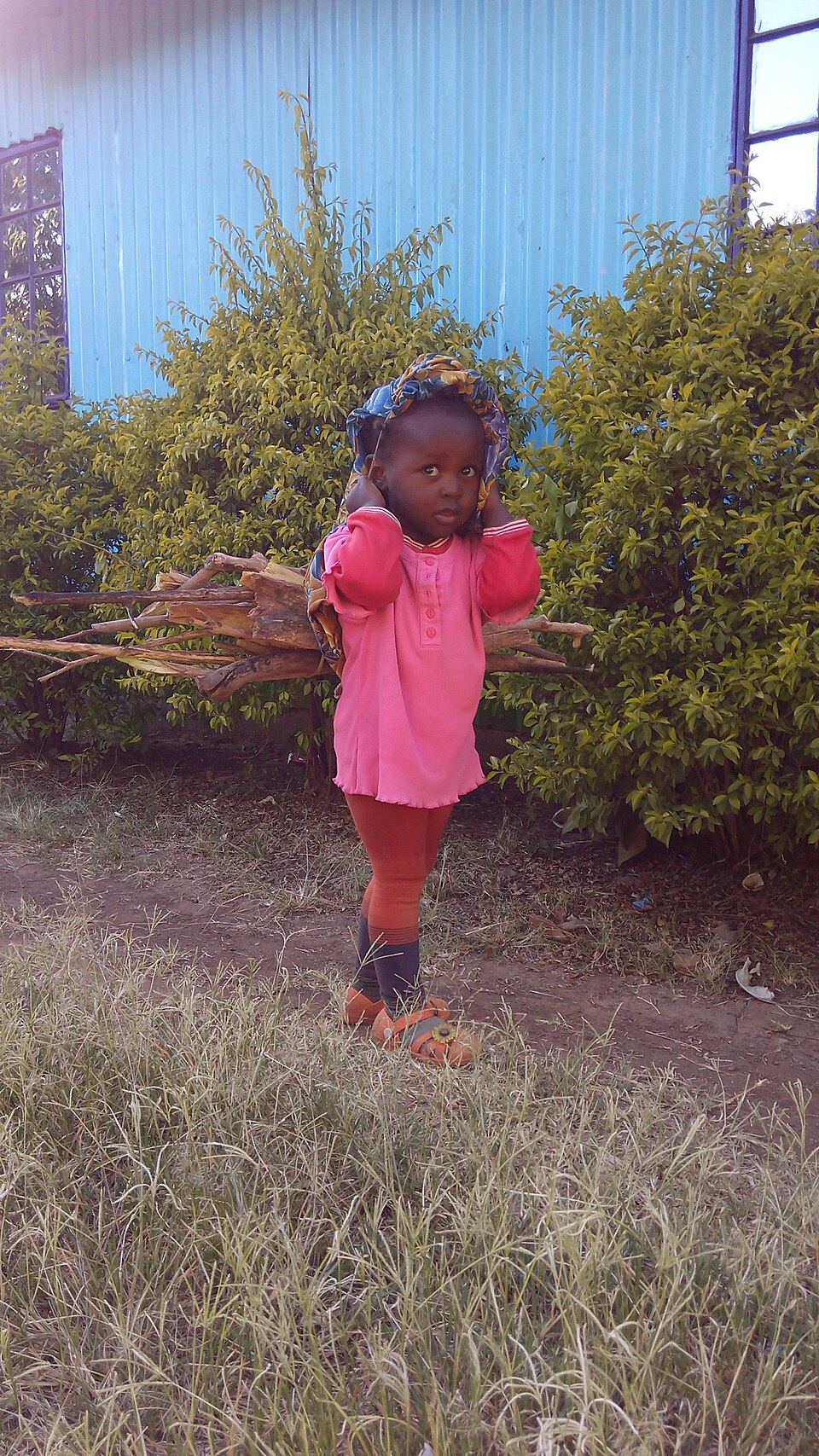
The chore was not strictly divided by sex, and daughters carried wood in a great many households, particularly where there were no sons or where the sons were in the field.
Not applicable.
Worth stating, because the picture of a boy with an armload is the standard image and it is incomplete. Household fuel supply fell to whoever was available, and in a house where the men were working the land, that meant the girls kept the kitchen running.
12. Then Fuel Arrived Without Being Carried
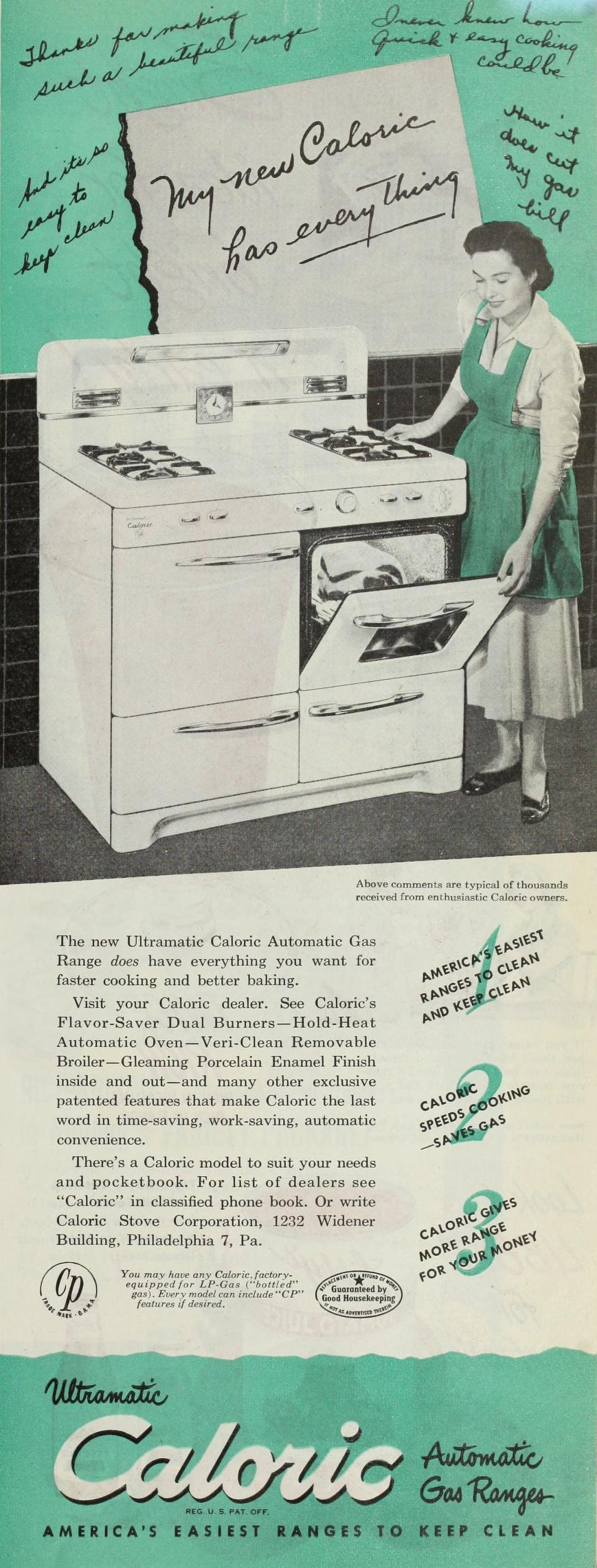
Bottled gas, natural gas, fuel oil and electricity were delivered by truck, pipe or wire, into a tank or straight to the appliance, with nobody handling anything.
Universal.
This is the change and it is more radical than it looks. Every fuel before these had to be physically moved by a person into the room where it was burned, and the entire category of household labour that consisted of carrying fuel disappeared inside about one generation.
13. Then the Ash Went With It
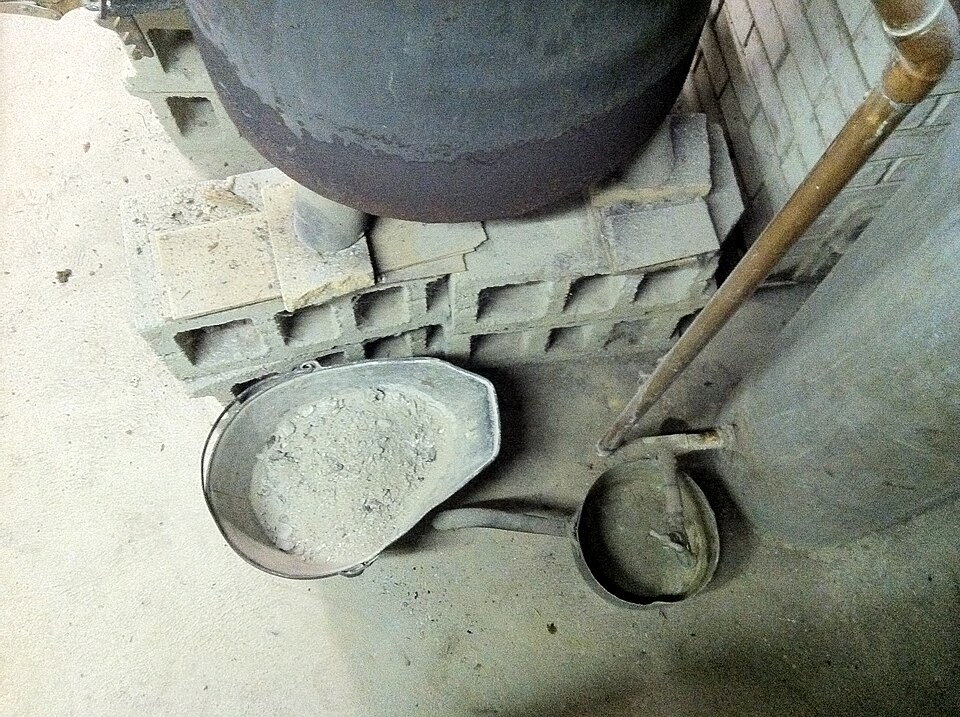
Burning wood produces ash that had to be shovelled out, carried away and disposed of, which was the matching chore at the other end.
Not applicable.
The ash is the half nobody mentions and it doubled the work. A stove is a two-way carrying problem – fuel in, ash out, both by hand, both daily – and the arrival of gas removed both halves simultaneously.
14. Then the Chore Had No Successor

In 1964 the woodbox survived in older American houses and on farms, while in most homes the first real job a child was given had simply ceased to exist.
Children are given chores with no consequences attached, because no household task now has any.
And that absence is the part worth sitting with, because something genuinely went with it. The woodbox job had every feature you would design into a first responsibility if you were trying to build one deliberately. It required no skill, so a small child could succeed at it. It had to be done several times a day, so it could not be forgotten about. It had a visible standard – the box was full or it was not – so there was no arguing about whether it had been done. And it had a real, immediate, public consequence for failure, because an empty box meant the fire went down, the cooking stopped and everybody in the house knew exactly whose job it had been. That is a remarkably well-built piece of moral instruction and nobody designed it. It simply fell out of the fact that a house burned wood and somebody had to carry it in. When the fuel started arriving through a pipe, the carrying stopped, the ash stopped, and the lesson stopped with them – and nothing replaced it, because there is no longer any household task where a child’s neglect makes the dinner late.
It Was the Best-Designed First Job Anybody Never Designed
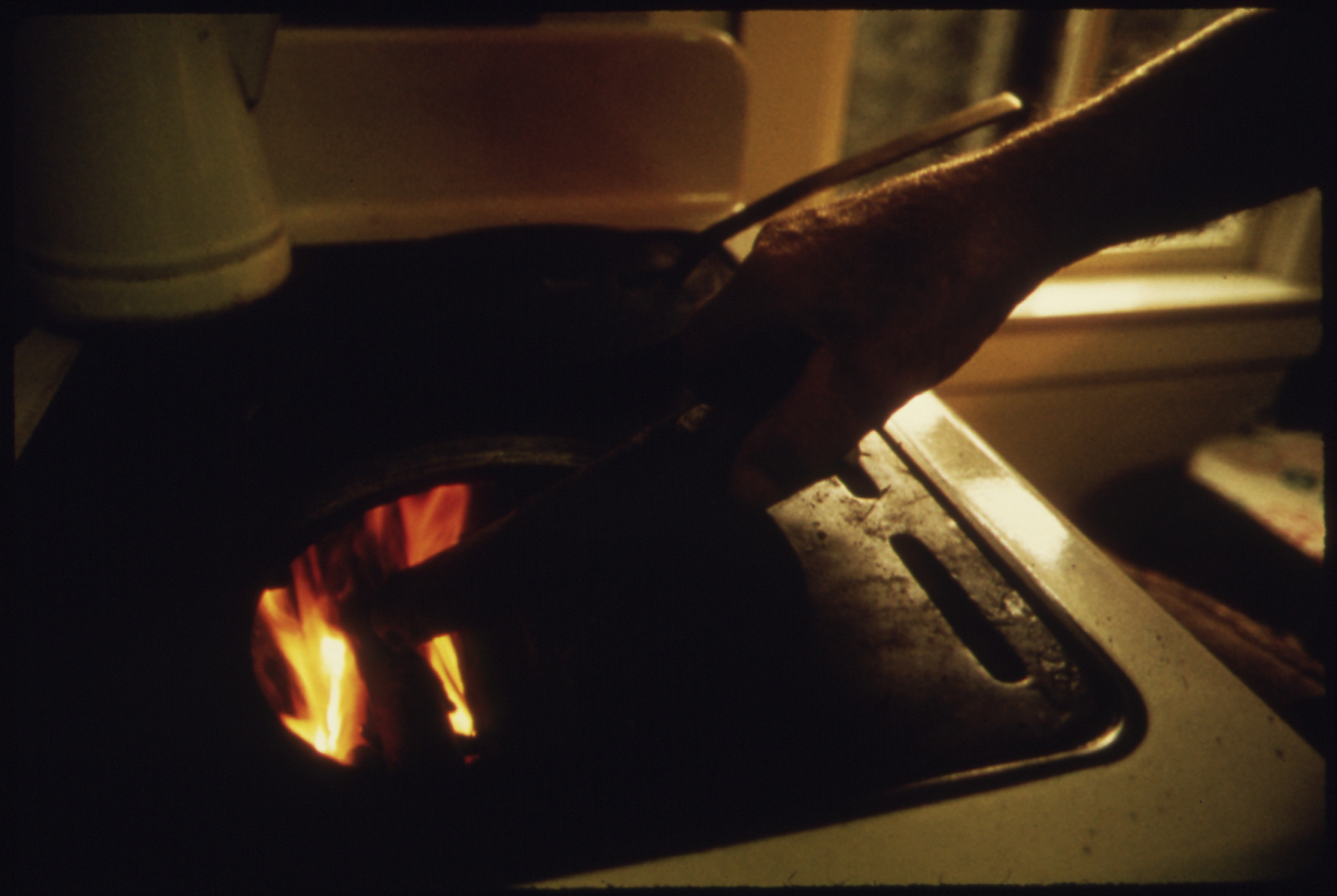
If you set out deliberately to build a first responsibility for a seven-year-old, you would end up with something very close to the woodbox.
Consider the features.
It required no skill whatsoever. Carrying an armload of wood from a shed to a box needs no judgement, no technique and no strength beyond what a small child has – which means a child could genuinely succeed at it rather than being given a token task and praised for it.
It had to be done several times a day, because the stove burned continuously and the box emptied continuously. That is the specific misery of the chore and everybody who had it says the same thing: there was no version of it in which you were finished. You could fill it to the top and come back to find it half empty.
It had a visible, unarguable standard. The box was full or it was not. Nobody had to assess whether the job had been done properly, which removes the entire category of dispute that attaches to most children’s chores.
And it had a real, immediate, public consequence. An empty box when the fire needed feeding meant the cooking stopped, the kitchen cooled and somebody had to go out in the weather – and everybody in the house knew exactly whose job it had been. That is far more effective than any amount of being told.
So the arrangement was a remarkably well-built piece of moral instruction, and nobody designed it. It simply fell out of the fact that a house burned wood and somebody had to bring it in.
The job had more to it than people remember, too.
Sizing mattered. A kitchen range takes short split pieces that fit its firebox, so stove wood is a different product from the wood in the pile – and a child had to bring back pieces that would actually go in.
Dryness mattered more. Wood is not fuel until it is dry, which is why every farm had a woodshed, a porch or a lean-to holding the split dry supply as close to the kitchen door as it could be put. The box at the end of that chain was drawing on a decision somebody had made a year earlier.
Kindling was a separate stock – small sticks, shavings, bark – and it was the one that got forgotten, because a box of good solid wood with no kindling is an unlightable fire.
The box itself was frequently proper furniture, built in or made as a bench with a hinged lid, because a fixture permanently beside a stove holding a dirty bulky material deserves designing.
And it was carried in the arms, against the chest, which is why everybody who did it has views about splinters and bark down the front of a coat.
One correction to the standard picture: the boy with an armload is the usual image and it is incomplete. The chore fell to whoever was available, and in households where the men were working the land, the daughters kept the kitchen running.
Then it ended, and it ended completely rather than gradually.
Bottled gas, natural gas, fuel oil and electricity arrive by truck, pipe or wire, into a tank or straight to the appliance, with nobody handling anything. Every fuel before them had to be physically moved by a person into the room where it burned, and that entire category of household labour disappeared inside roughly one generation.
The ash went at the same moment, which is the half nobody mentions. A stove is a two-way carrying problem – fuel in, ash out, both by hand, both daily – and gas removed both ends at once.
What has no successor is the lesson. There is no longer any household task where a child’s neglect makes the dinner late.
If you had this job, you remember that the box was never full enough and that running out was unforgivable.
And you remember the bark down the front of your coat.
Like our content? Follow us for more.