

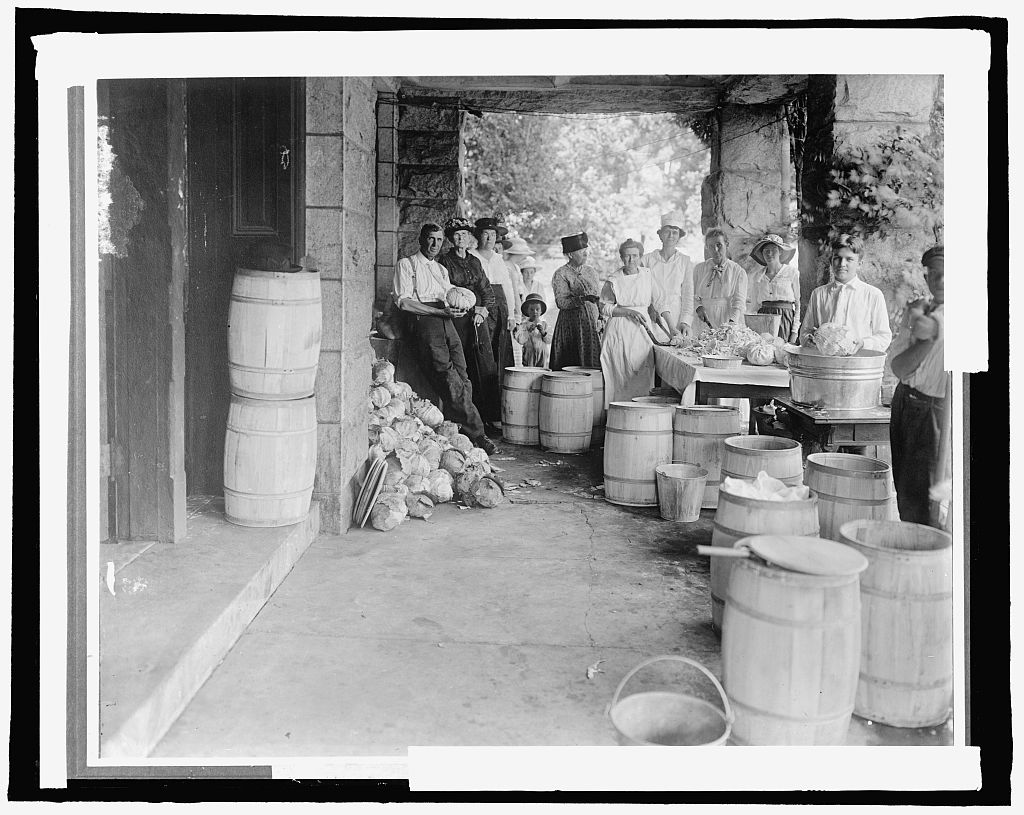
Sauerkraut is the one preservation method that works by encouraging decay instead of preventing it.
Canning, drying, salting and cooling all do the same thing – stop biological activity. A crock of kraut does the opposite. Salt is worked through shredded cabbage until the cabbage gives up enough of its own liquid to sit in brine made from itself, and then a deliberately encouraged population of microbes takes over and makes the environment hostile to everything else. Nobody adds water. The vegetable supplies it.
It happened in a heavy stoneware crock in a cellar, weighted down so nothing floated into the air, and it took weeks. And the smell was in the house the entire time. Here are sixteen things every household knew.
1. It Preserved Food by Encouraging Decay Rather Than Preventing It
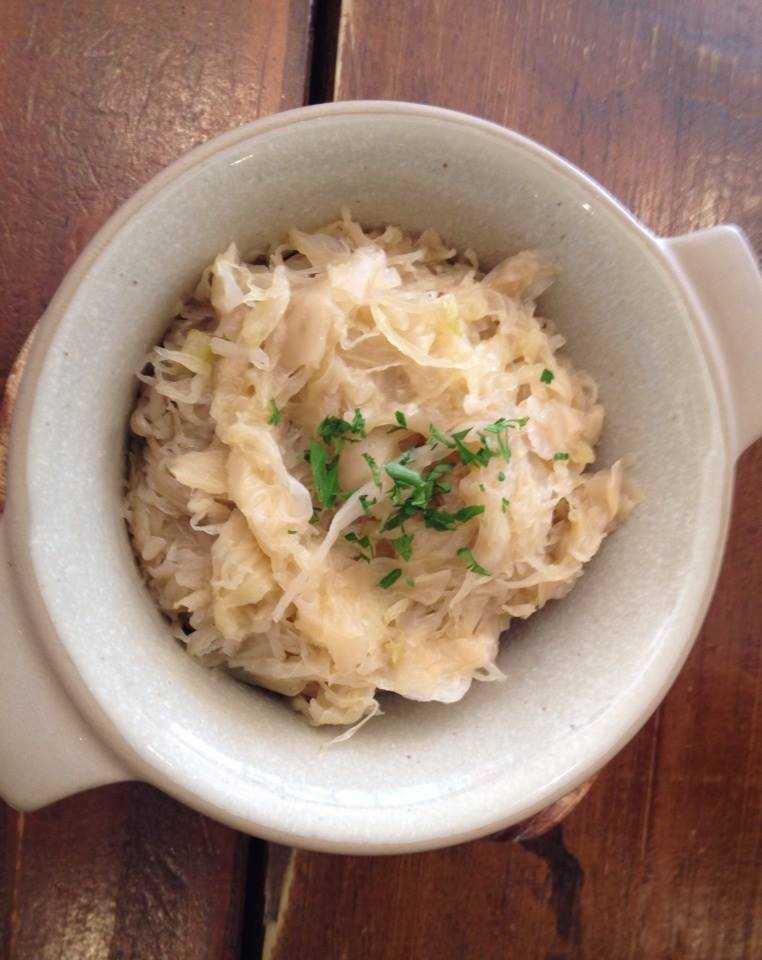
Sauerkraut keeps because a controlled population of microbes is deliberately allowed to take over the cabbage and make the environment hostile to everything else.
The same process, understood far better and mostly carried out industrially.
This is the idea that makes the crock worth understanding, because it is the opposite of every other preservation method a household used. Canning, drying, salting, smoking and cooling all work by stopping biological activity. This one works by starting the right biological activity and letting it win.
Like our content? Follow us for more.
2. The Crock Was a Serious Piece of Equipment
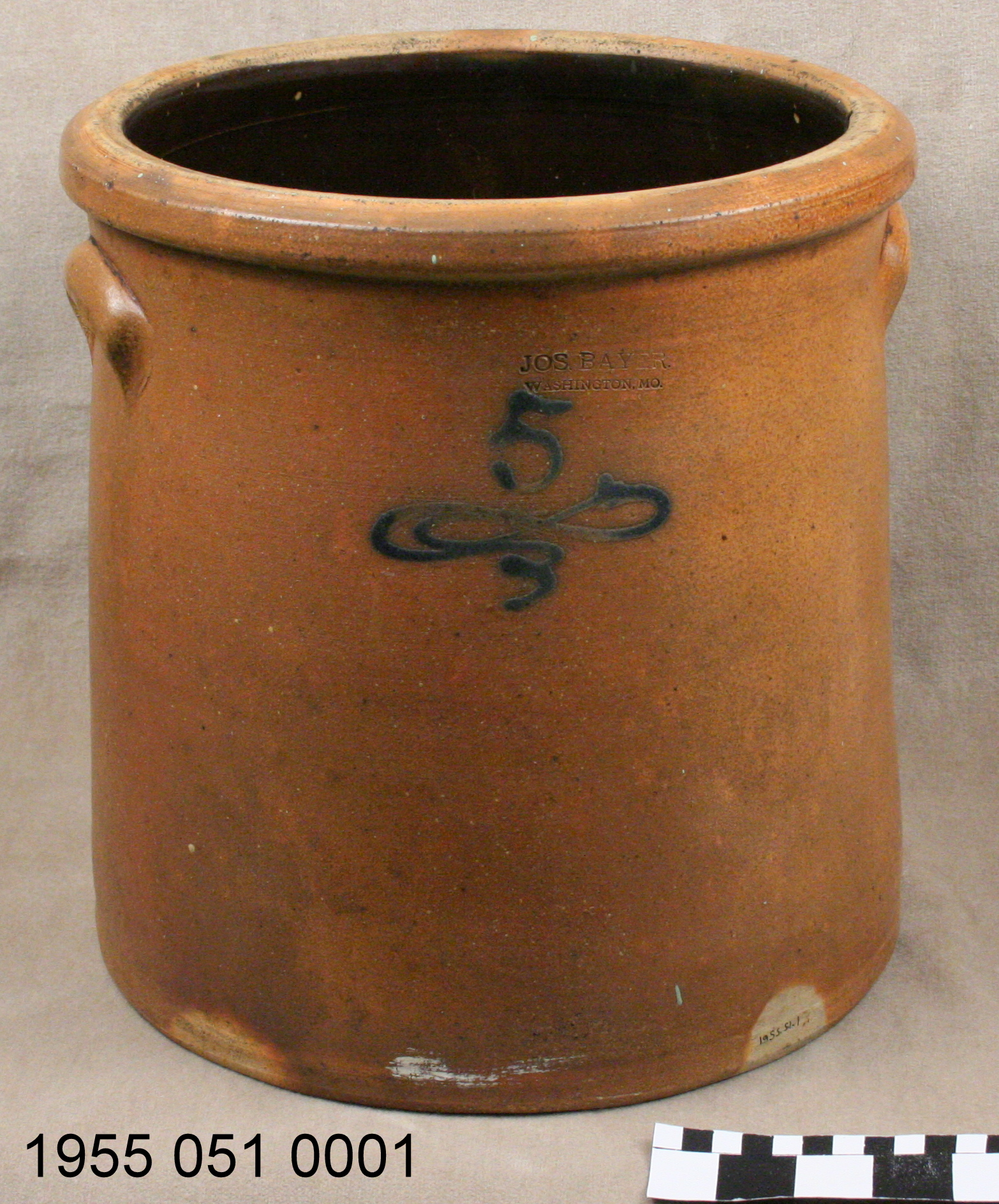
Fermentation happened in a heavy glazed stoneware crock, frequently very large, with a weighted cover to hold the cabbage down below the liquid.
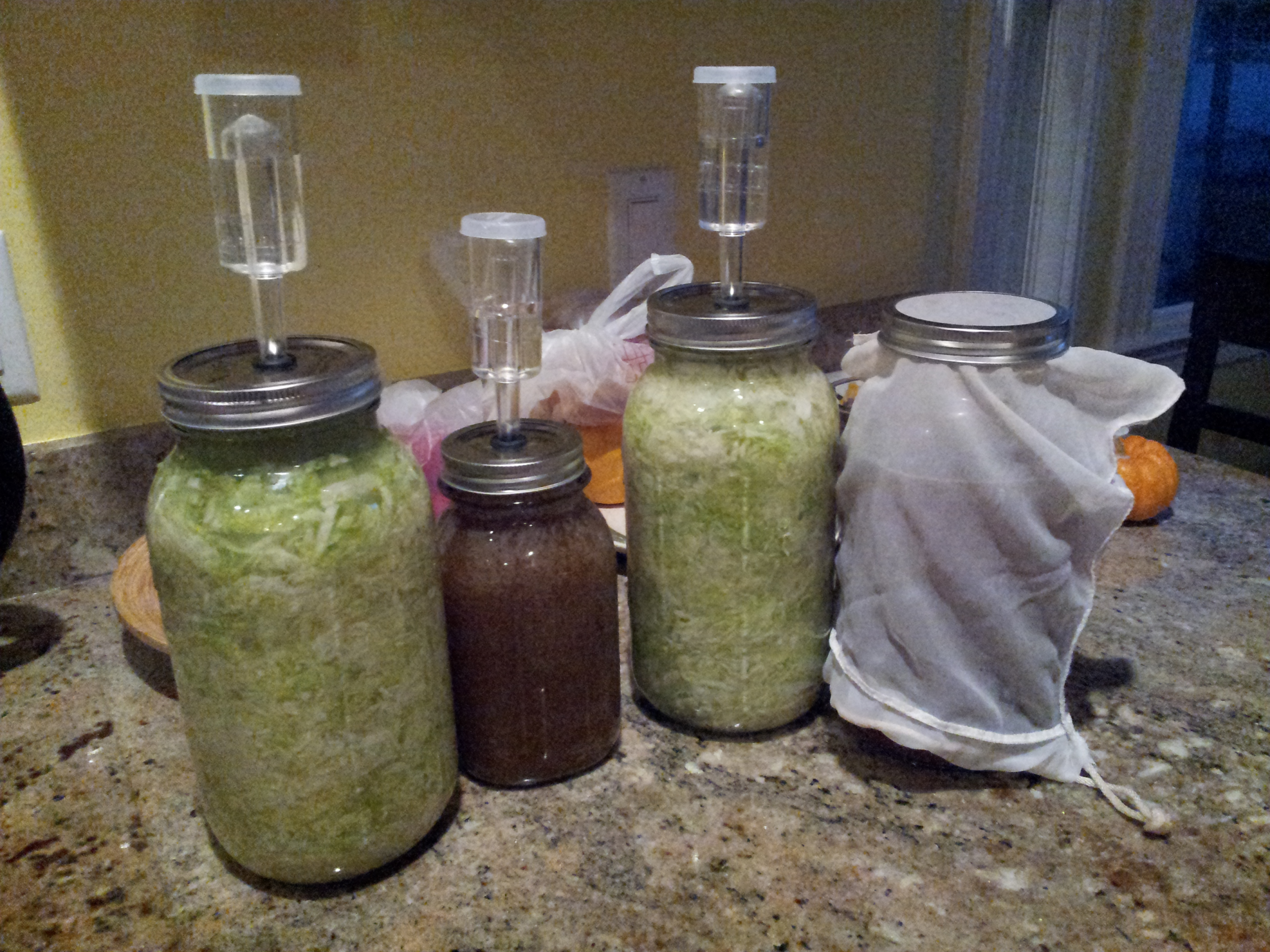
Glass jars with airlocks, plastic vessels, and food-grade containers of every description.
Stoneware was the right material and not merely the available one. It is non-reactive, it holds a stable temperature because of its mass, and it is opaque – and a vessel that will sit for weeks holding an acidic liquid needs all three of those properties.
3. Everything Had to Stay Under the Liquid
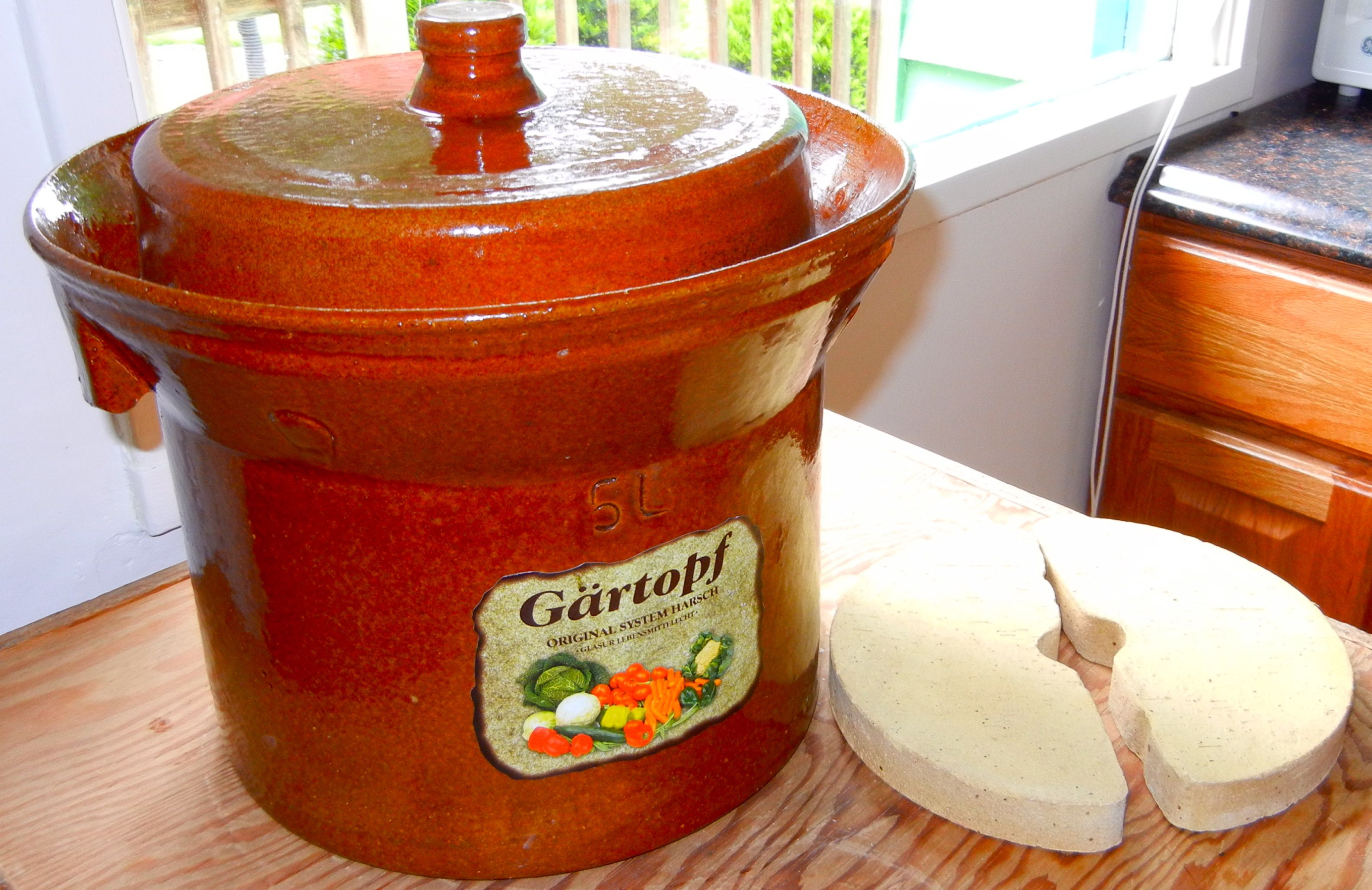
The cabbage was pressed down and held submerged by a plate, a scalded board or a stone, so that nothing was exposed to the air above the brine.
The same requirement, met by purpose-made weights and lids.
Submersion is the whole discipline of the process and it is where household batches failed. The microbes that do the useful work operate without air, and the ones that spoil a batch need it – so anything floating above the liquid is an invitation, and the weight on top is doing the real work.
4. Cabbage Was Grown for It Specifically

Households planted a late crop of hard dense cabbage chosen for keeping and for kraut, in quantity, with the fermentation already planned before the seed went in.
Cabbage is bought as needed and nobody plans a crop around a preservation method.
Planning backwards from the crock is the detail that shows how integrated this was. The variety, the planting date and the amount were all decided by how much kraut the household intended to eat between November and April, which is a long way from buying a cabbage because you fancy one.
5. Shredding Was the Hard Part
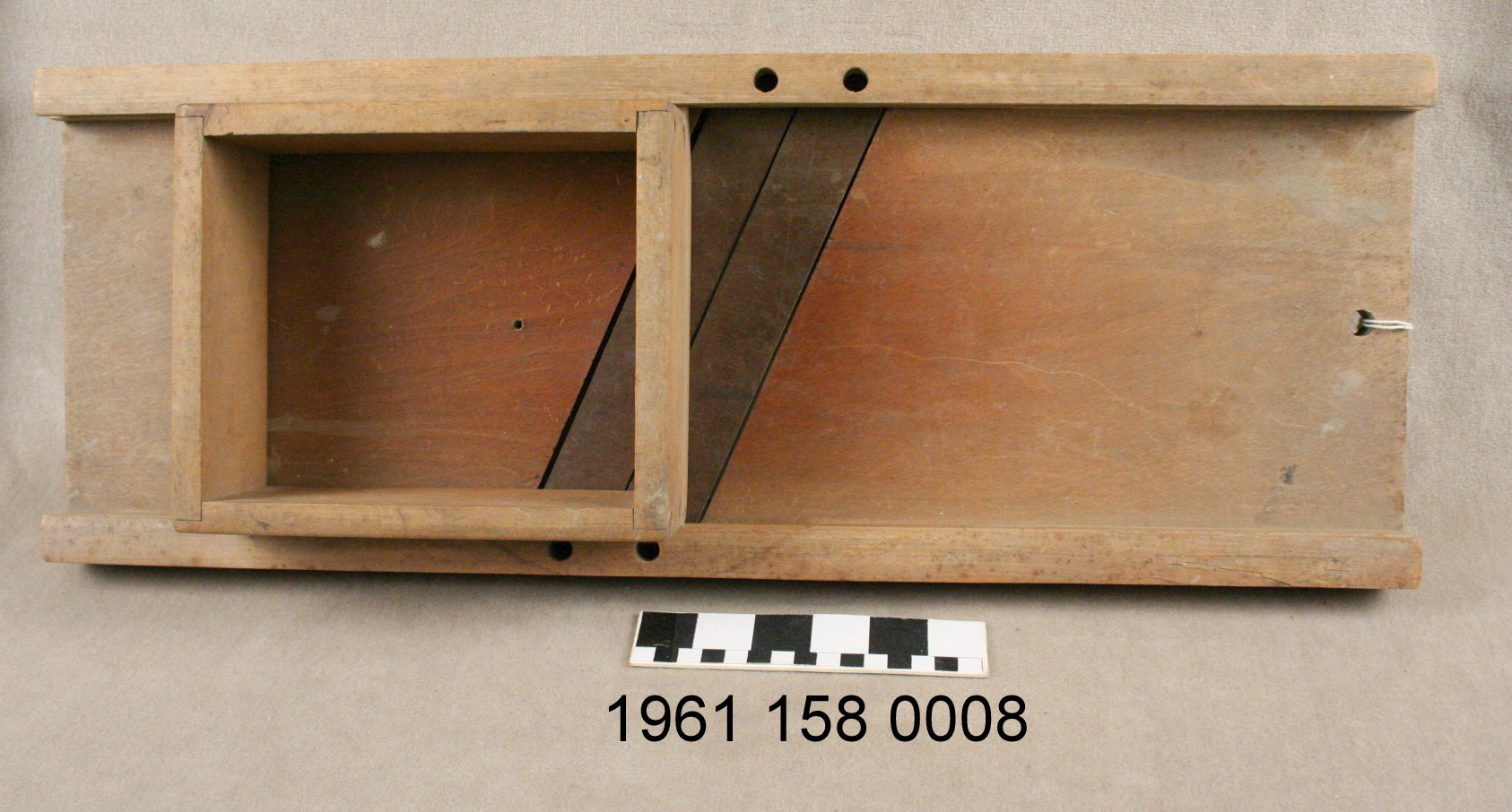
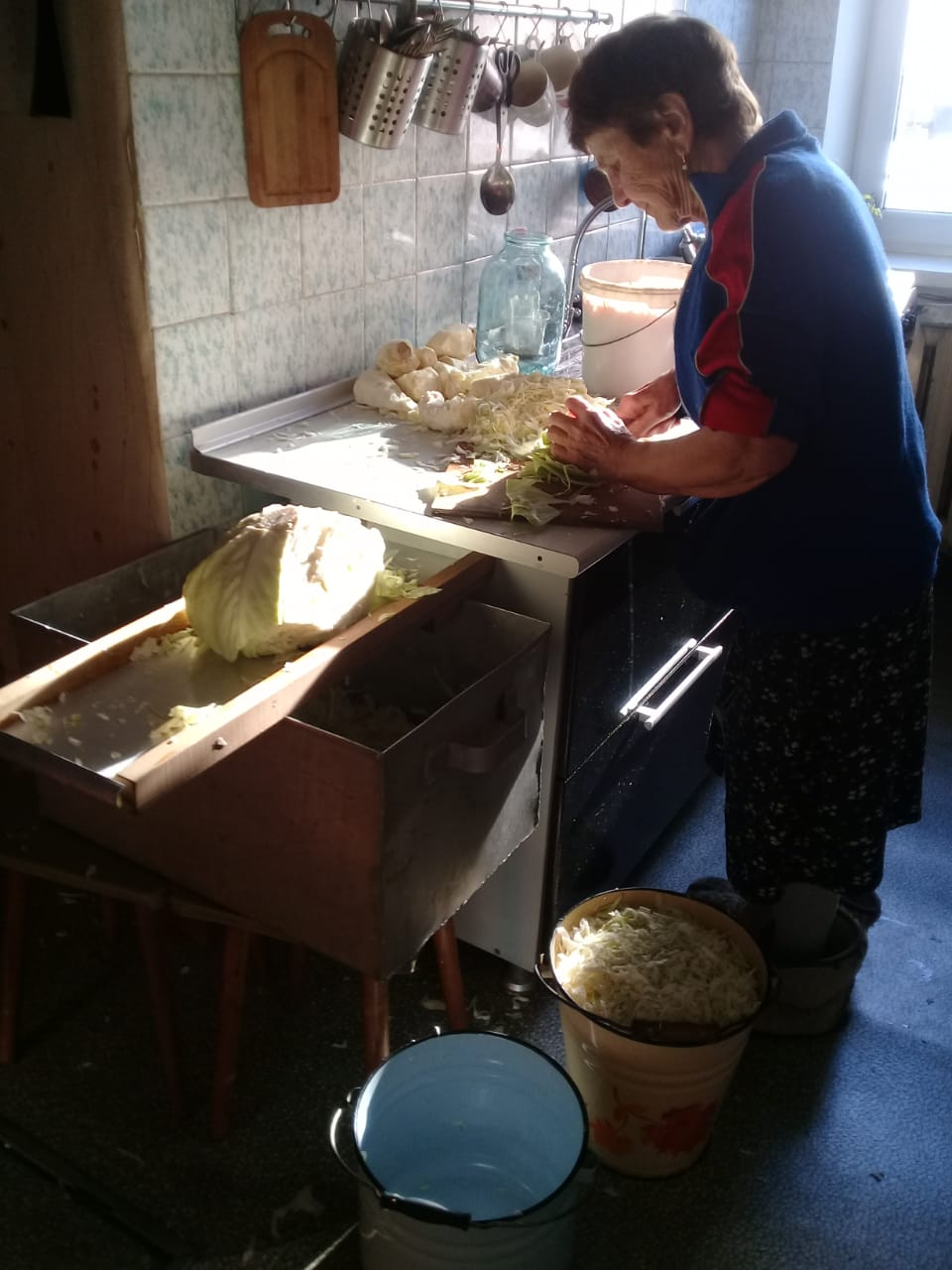
Cabbage was cut on a long wooden board fitted with angled blades, worked by sliding the head back and forth across it, which produced a consistent fine shred quickly.
Food processors, mandolines and pre-shredded bagged produce.
The slaw board is the one piece of this equipment that genuinely was dangerous, and it was in every kitchen that made kraut. Fixed exposed blades and a sliding motion toward them is a design with no margin for a lapse in attention, and everybody who used one has an opinion about that.
6. Salt Was the Only Other Ingredient
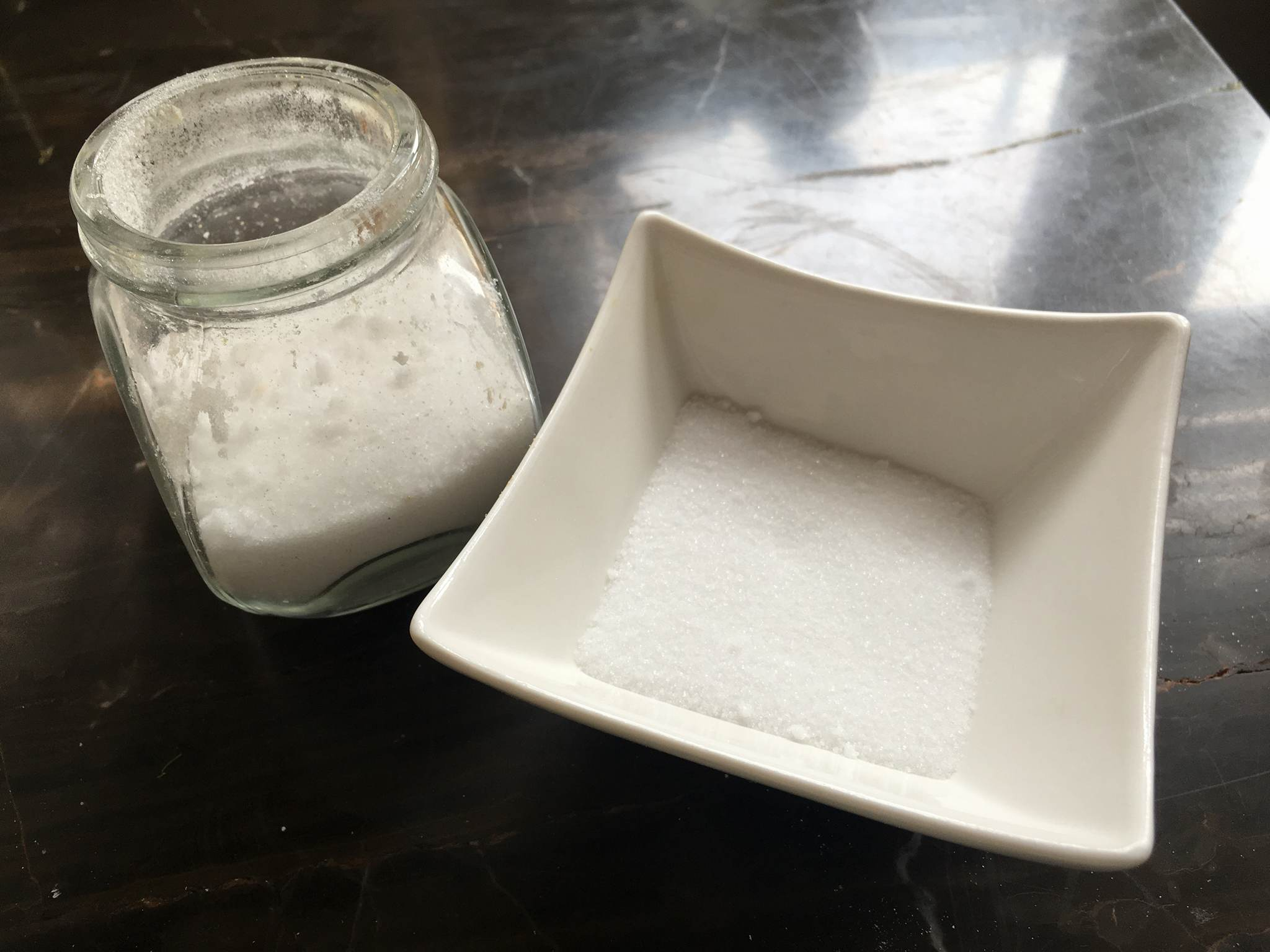
Salt was worked through the shredded cabbage, which drew the liquid out of it to form the brine the whole process then happens in.
Unchanged in principle, with far better guidance available.
The elegance here is that the vegetable supplies its own liquid. Nobody adds water – the salt pulls moisture out of the cabbage until the shred is sitting in brine made from itself, which is why the proportion matters and why this is one of the few household processes where getting a quantity wrong fails outright rather than merely badly.
7. It Lived in the Cellar and Took Weeks
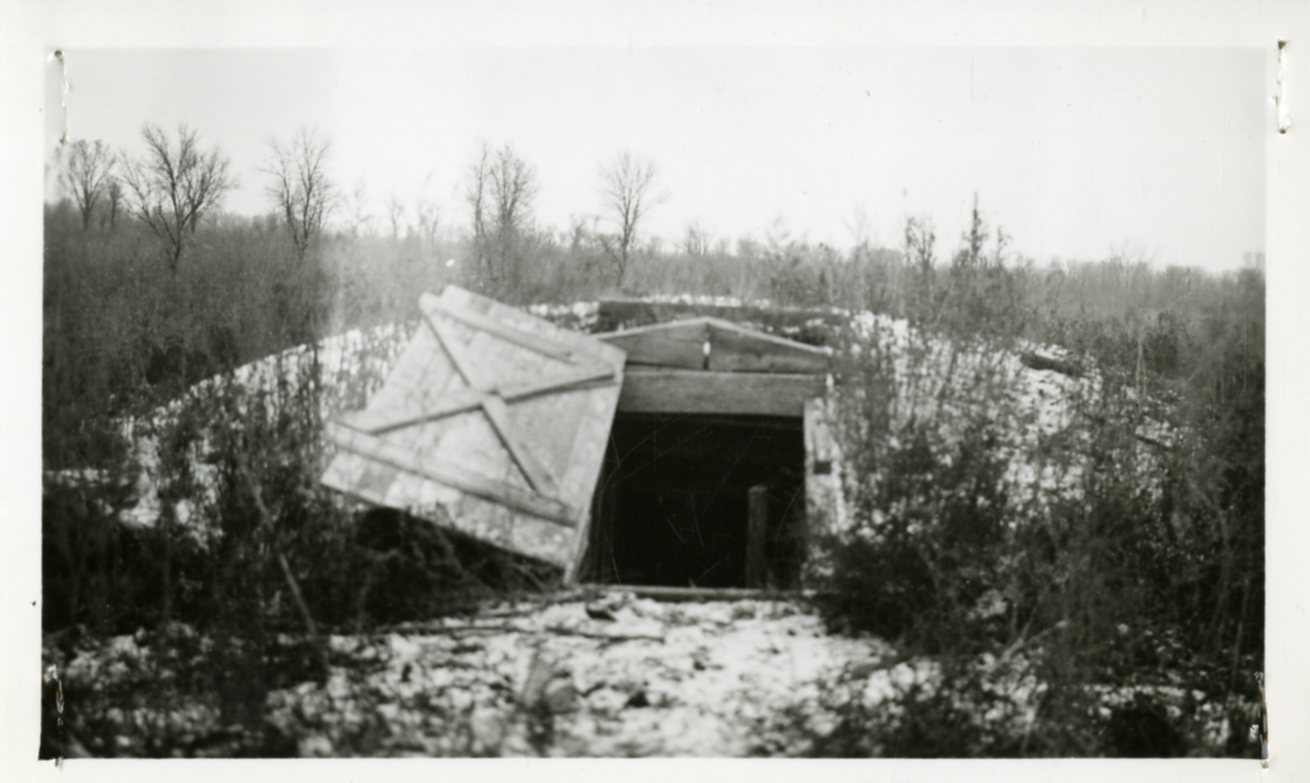
The crock was kept in a cool place and left for weeks, checked periodically, while the fermentation worked through its stages.
Days or weeks in a controlled environment, with the industrial version far faster.
Patience was structural rather than virtuous. The process runs at the speed the temperature allows, which means a cellar that was cool but not cold was the correct environment and nobody could hurry it – a household simply started early enough.
8. The Smell Was Unmistakable and Unavoidable
Active fermentation in quantity produces a powerful sour smell that filled a cellar and found its way upstairs.
Not applicable in most households.
It is the thing everybody who grew up with it mentions first, usually with a complicated expression. A working crock is not subtle, the smell is in the house for weeks, and it is one of those sensory memories that divides people absolutely into those who find it comforting and those who do not.
9. It Was the Winter Vegetable
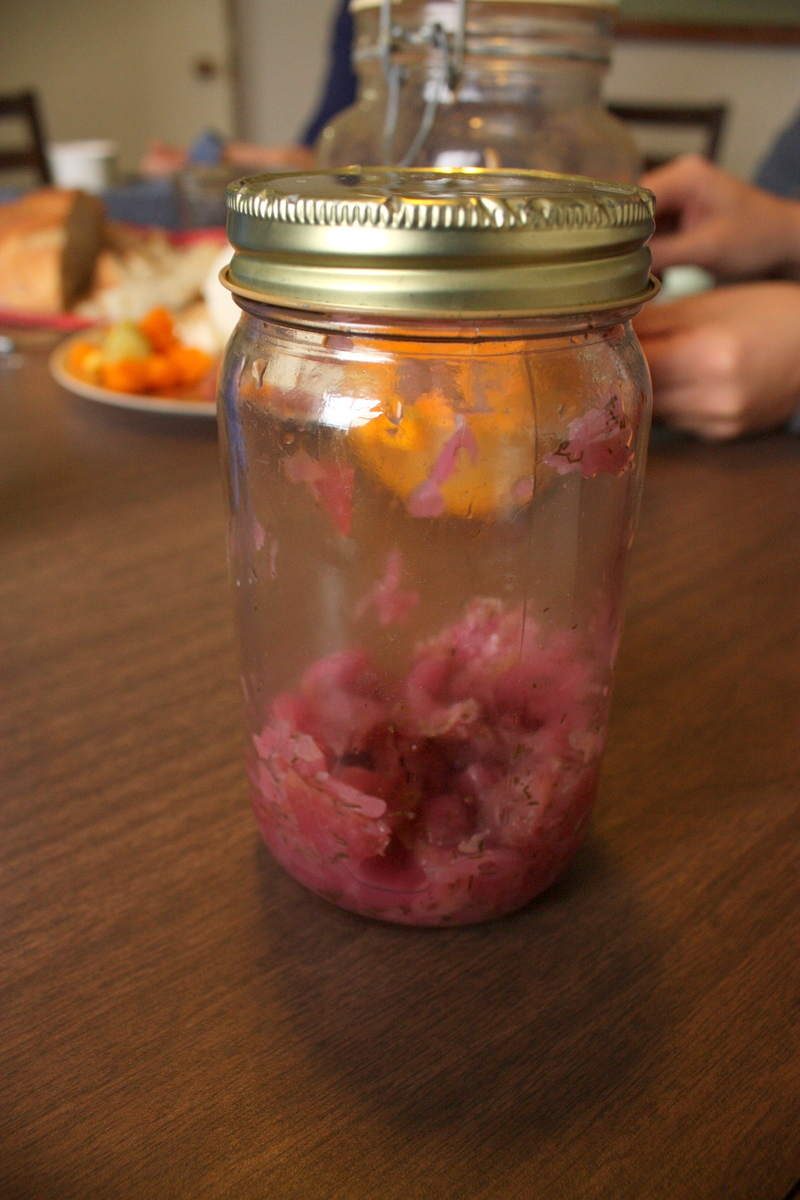
Kraut supplied something fresh-tasting and acidic through months when the only other options were stored roots, dried goods and whatever had been canned.
Fresh produce of every kind, from anywhere, all year.
The dietary role is the reason this mattered rather than a culinary preference. A winter diet of stored starches is monotonous and limited, and a barrel of something sharp, crisp and sour is a genuinely different kind of food – which is why kraut turns up as a staple in cold-climate cooking everywhere independently.
10. It Was Eaten Constantly, Not Occasionally

A household that made a crock of kraut ate kraut regularly all winter, as a side dish, in cooked dishes, and straight from the crock.
An occasional condiment, mostly bought by the jar.
Scale changes the character of a food completely. Kraut as something you put on a sandwich twice a year is a different object from kraut as a thing the family eats three times a week for five months, and the recipes that survive from that period assume the second one.
11. The Liquid Was Used Too

Kraut juice was drunk and used in cooking, and was regarded as worth keeping rather than as waste to be poured off.
Mostly discarded, though it has a modern following.
Nothing was wasted and the brine was understood to be part of the product rather than a by-product. Whether anybody enjoyed drinking it is a separate question, and testimony on that point from people who were made to is not uniformly positive.
12. Every Household’s Was Different
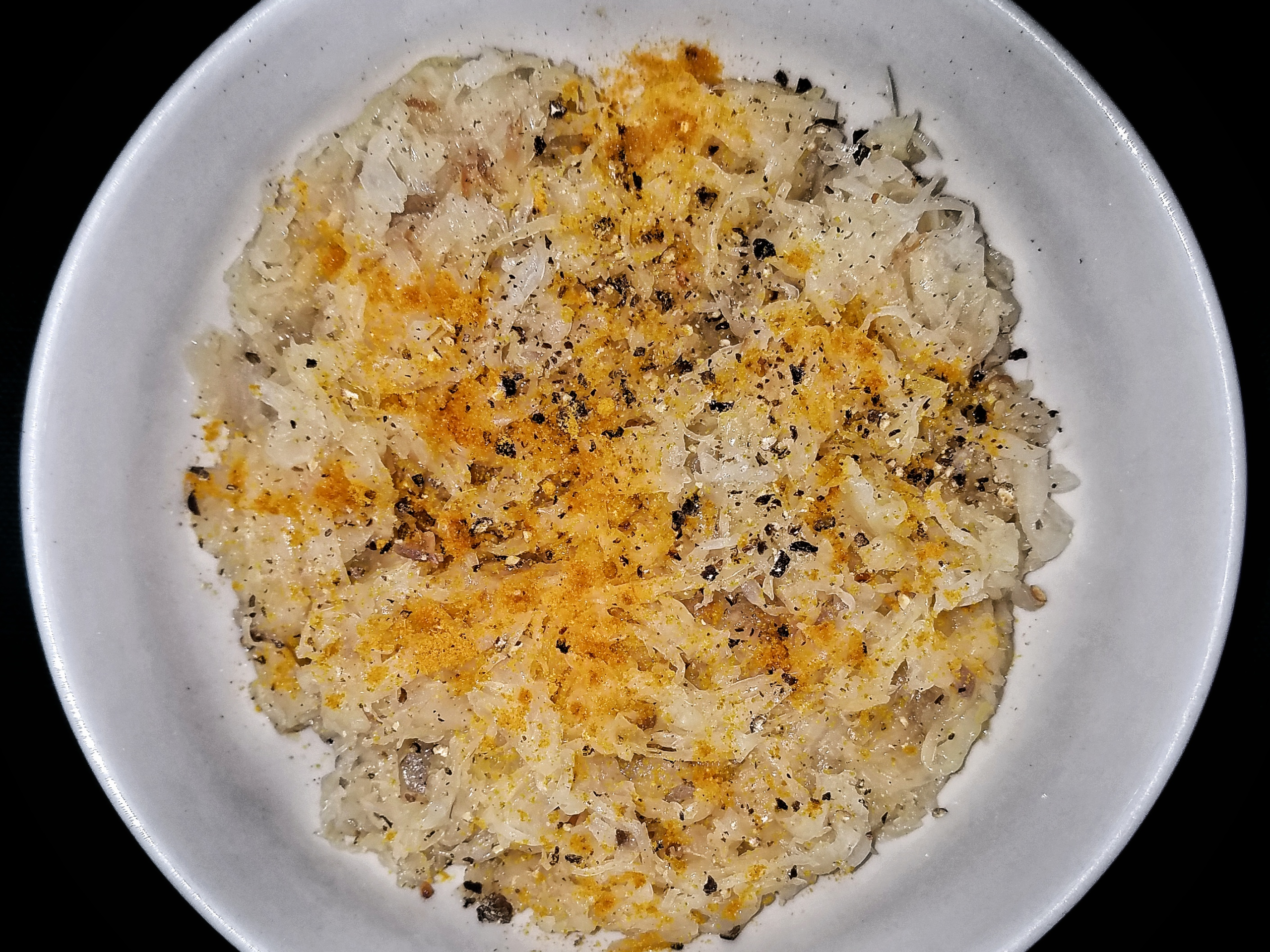
Results varied by the cabbage, the salt, the crock, the cellar temperature and the attention paid, so one family’s kraut was reliably distinguishable from another’s.
Industrial production is consistent by design.
Variation is inherent to a process driven by whatever microbes happen to be present, and it was a matter of local reputation. People had opinions about whose kraut was best and those opinions were based on real differences, not imagination.
13. Then Canning Offered Certainty Instead
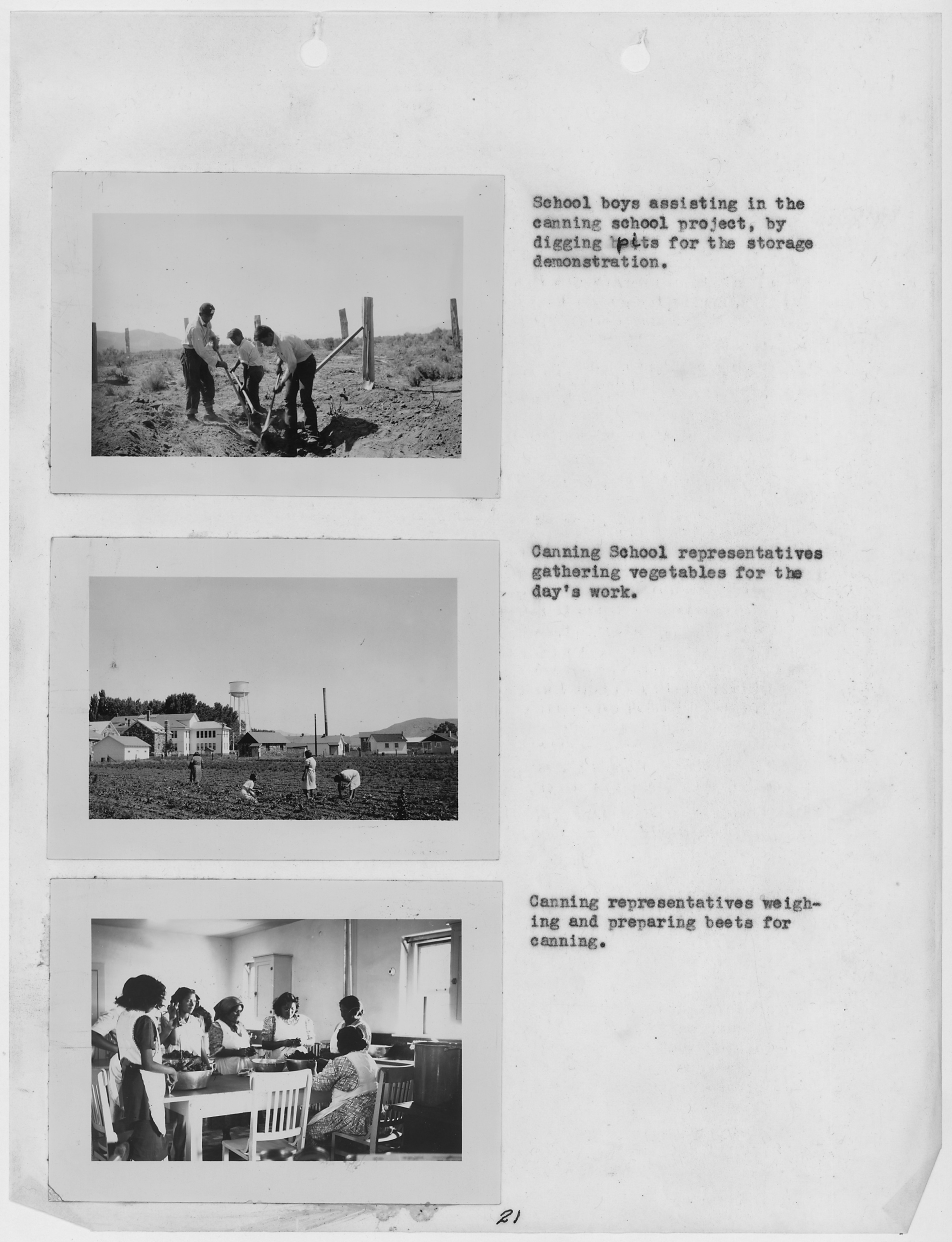
Home canning, and then commercially canned kraut, produced a shelf-stable product with no crock, no cellar, no weeks of waiting and no risk of losing a whole batch.
Dominant for most of the twentieth century.
Certainty beat quality for most households and it is not hard to see why. A fermentation that can fail after five weeks of waiting is a real gamble with a season’s cabbage, and a sealed jar that simply works removes the gamble – at the cost of the texture and the live character, which most people were happy to trade.
14. Then the Refrigerator Removed the Winter Problem

Mechanical refrigeration, and then year-round shipped fresh produce, meant a household no longer faced four months with no fresh vegetables.
Universal.
This is the decisive change and it has nothing to do with kraut’s merits. The crock existed to solve a specific seasonal gap in the diet, and once that gap closed permanently the whole preservation effort became optional – which is a different thing from becoming unwanted.
15. Then the Cellar Itself Disappeared
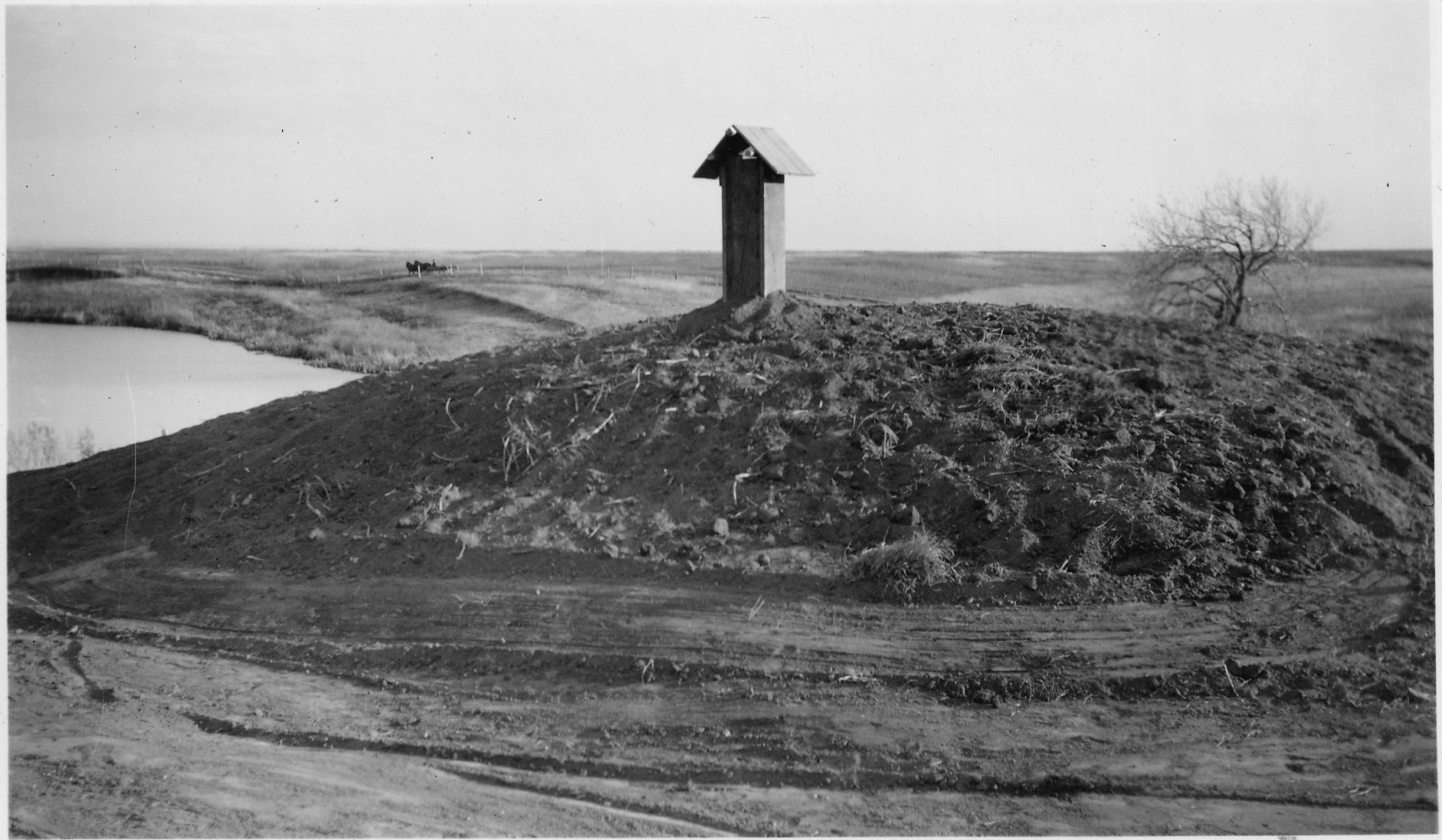
New houses were built with heated basements or none at all, and the cool, stable, unheated space the process requires stopped existing in American homes.
Standard. Very few houses now contain anywhere suitable.
Losing the room is an underrated cause and it applies to a great deal of household food production. A process needing a steady cool temperature for six weeks has nowhere to happen in a centrally heated house, and no amount of enthusiasm substitutes for a cellar.
16. Then Fermentation Came Back as a Hobby
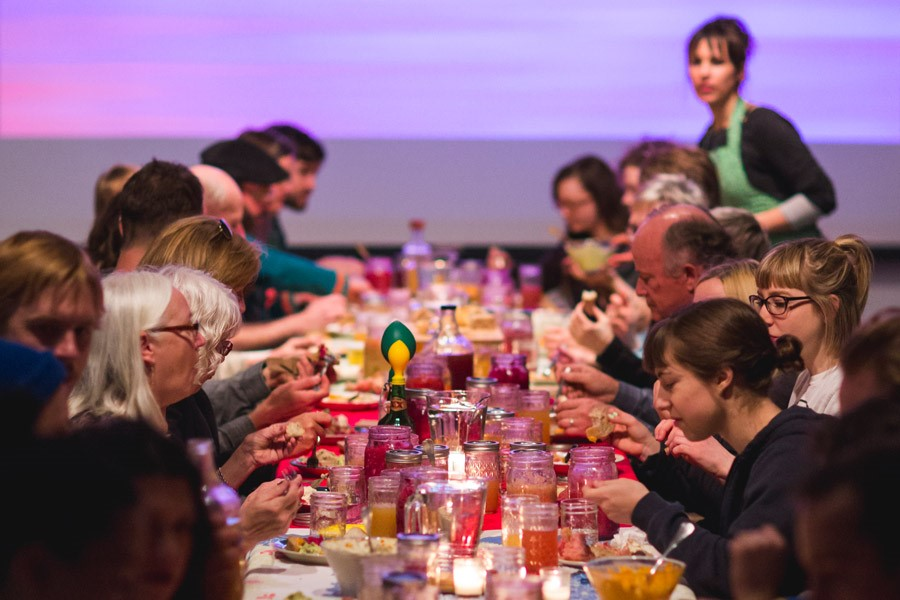
In 1964 the household crock was already becoming unusual, and kraut was mostly something bought in a can – while today fermentation is a deliberate interest pursued with far better equipment and information.
A small-batch enthusiast practice and a large industrial product, with almost nothing in between.
And the return is the part worth thinking about, because it inverted the reason entirely. The crock in a cellar existed because a household needed four months of vegetable in a climate that would not supply any, and it accepted a powerful smell, five weeks of waiting, a dangerous shredding board and the real possibility of losing the batch in order to get it. Nobody now ferments cabbage because they are short of vegetables in February. They do it because they want the flavour, or the texture, or the microbiology, or the satisfaction – which means the practice survived while its entire justification was replaced by a different one. That is unusual. Most of the things in these files simply stopped, because the problem they addressed went away and nothing took their place. This one lost its problem and found another reason to exist, which is why a crock on a kitchen counter in a modern house is not a revival of the thing in the cellar. It is a completely different activity that happens to use the same microbes.
It Lost Its Reason and Found Another One
Start with what makes this different from everything else in a cellar, because it is genuinely the odd one out.
Every other household preservation method works by shutting biology down. Canning kills what is present and seals out the rest. Drying removes the water that microbes need. Salting and smoking make an environment nothing much will live in. Cooling slows everything down.
A crock of sauerkraut does the reverse. It deliberately cultivates a population of microbes, lets them take over the cabbage completely, and relies on the conditions they create to exclude everything else. The process is not a controlled absence of decay. It is a controlled presence of it, running in your favour.
Which is why the discipline of it was all about keeping air out. The useful organisms work without air and the ones that ruin a batch need it, so everything had to stay below the surface of the brine – held down by a plate, a scalded board or a stone. The weight on top of the crock was doing the actual work.
The rest of the arrangement follows sensibly. Heavy glazed stoneware, because it is non-reactive, opaque and massive enough to hold a steady temperature while an acid liquid sits in it for weeks. A cool cellar, because the process runs at whatever rate the temperature allows and nobody can hurry it – so a household simply started early enough. And a late crop of hard dense cabbage, planted in quantity, with the fermentation already decided before the seed went in.
That backwards planning is the part that shows how integrated it was. The variety, the date and the amount were all set by how much kraut the family intended to eat between November and April.
Two things about it were genuinely unpleasant and should be said.
The slaw board was dangerous. A long wooden board with fixed angled blades, worked by sliding a cabbage head back and forth toward them, has no margin at all for a lapse in attention, and everybody who ever used one has a view about it.
And the smell was not subtle. Active fermentation in quantity fills a cellar and makes its way upstairs, and it is in the house for weeks. People who grew up with it mention it first, usually with a complicated expression.
What the household got in return was the winter vegetable. Four or five months when the alternatives were stored roots, dried goods and whatever had been canned, and a barrel of something sharp, crisp and sour is a genuinely different kind of food from a plate of stored starch. That is why kraut appears independently as a staple in cold-climate cooking all over the world, and why it was eaten three times a week for months rather than put on a sandwich twice a year.
Then three things removed the need for it.
Canning offered certainty. A fermentation that can fail after five weeks is a real gamble with a season’s cabbage, and a sealed jar simply works – at the cost of texture and live character, which most households were content to trade.
Refrigeration and then year-round shipped produce closed the seasonal gap permanently, which made the whole effort optional rather than unwanted.
And the cellar itself went. Houses were built with heated basements or none, and a process needing a steady cool temperature for six weeks has nowhere to happen in a centrally heated house.
Then the interesting part. It came back – but with its justification swapped out.
Nobody now ferments cabbage because they are short of vegetables in February. They do it for the flavour, the texture, the microbiology or the satisfaction of it. Which means the practice survived while the entire reason for its existence was replaced by a different reason.
That is unusual. Most vanished household practices simply stopped, because the problem went away and nothing replaced it. This one lost its problem and found another.
So a crock on a modern kitchen counter is not a revival of the thing in the cellar. It is a different activity that happens to use the same microbes.
If your grandparents made it, you remember the smell and you remember the weight on top.
And you probably have an opinion about whose was best.
Like our content? Follow us for more.
