

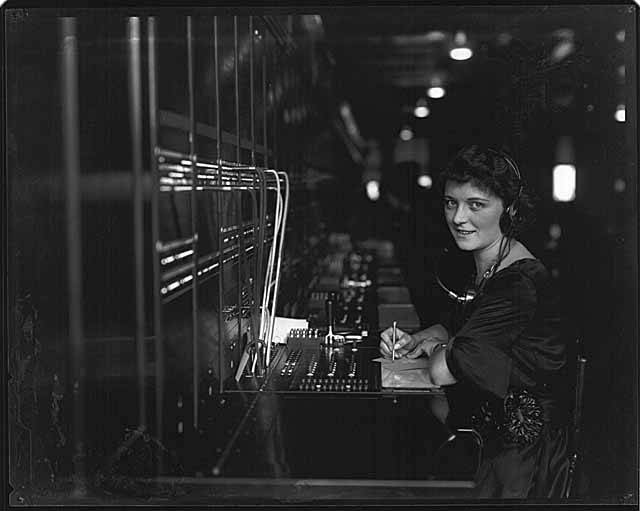
To make a telephone call, you lifted the receiver and a person answered – and then physically built your call by plugging a cord into a hole.
The switchboard was an upright panel with one jack for every line in town and a lamp beside each, and the operator’s job was to connect any hole to any other hole as fast as the lamps lit. In a small exchange she knew every subscriber by voice, which meant you could ask for a person rather than a number, and she could tell you they were not home because she had seen them go past.
She was also the emergency service, the message service, the directory and the town’s only way of reaching everybody at once. Here are sixteen things every town knew.
1. Every Call Went Through a Person
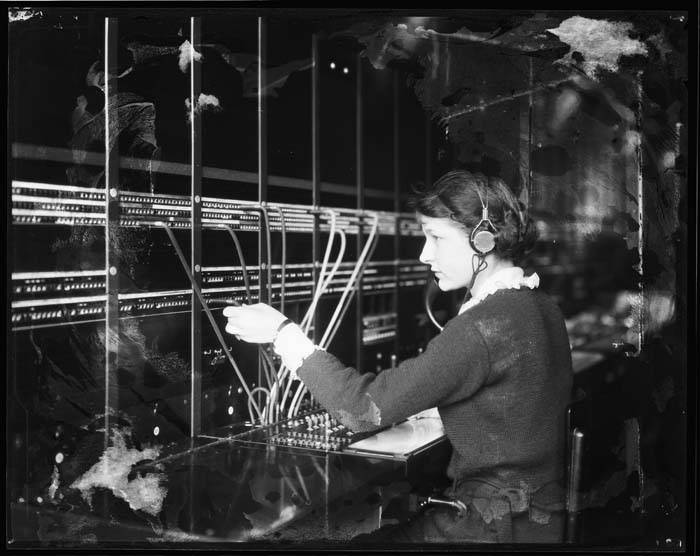
To make a telephone call you lifted the receiver and a human being answered, asked who you wanted, and physically connected your line to theirs by plugging a cord into a jack.
Automatic switching, then digital exchanges, with no person involved in any call.
The physicality is the part that does not translate. A call was not routed – it was built, by hand, by somebody sitting at a board with a pair of cords, and for the duration of your conversation two plugs were holding your circuit together.
Like our content? Follow us for more.
2. The Board Was a Wall of Holes and Lights
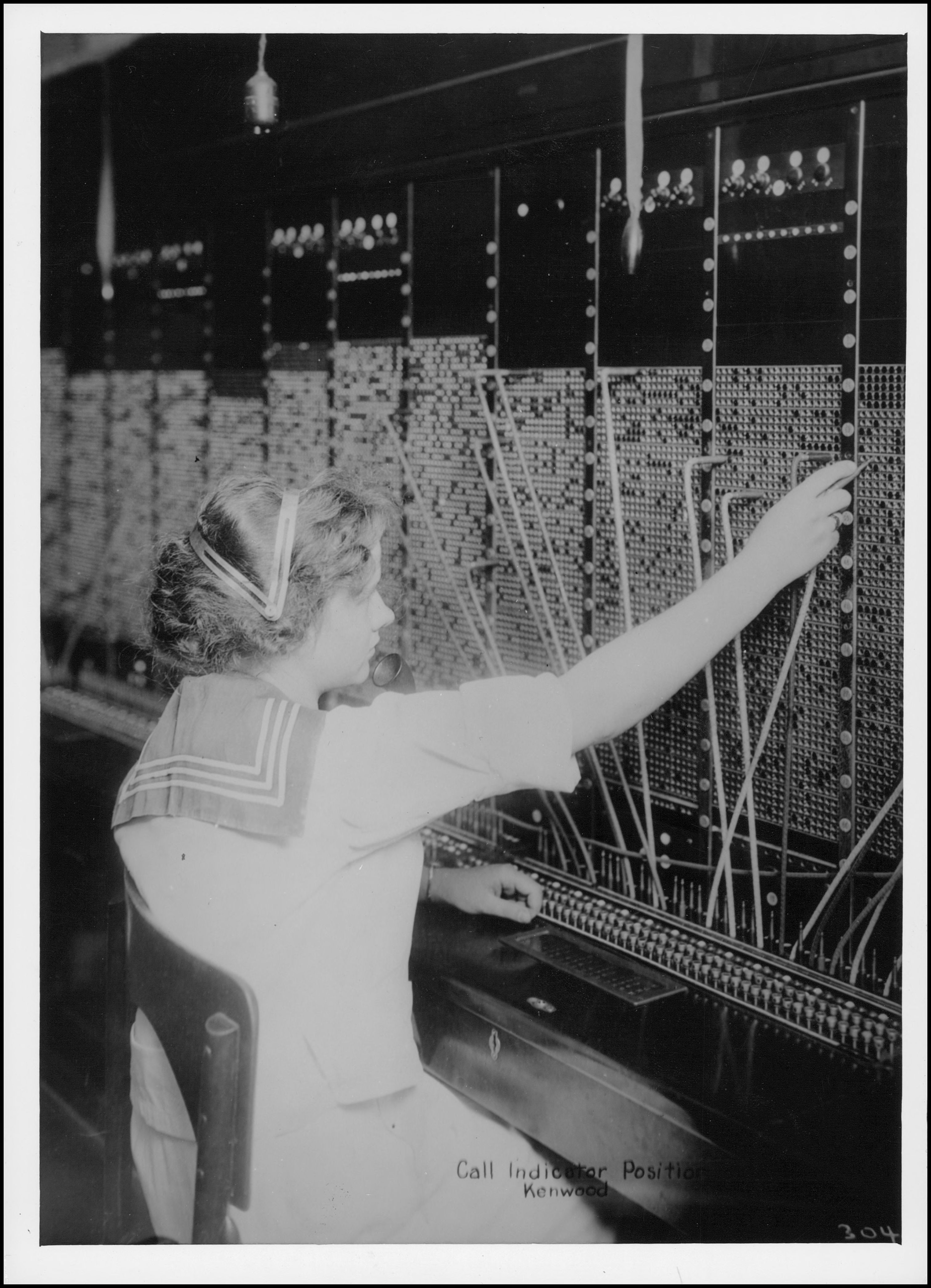
A switchboard was an upright panel of jacks, one for every line in the exchange, with a lamp beside each and a horizontal shelf of paired cords and keys in front of the operator.
Not applicable. Switching happens in equipment nobody sees.
The layout is a genuinely good piece of interface design. Every subscriber in town is a single hole in a known position, and the operator’s whole job is to connect any hole to any other hole as fast as the lamps light – which requires knowing the board the way a musician knows an instrument.
3. She Knew Who Everybody Was
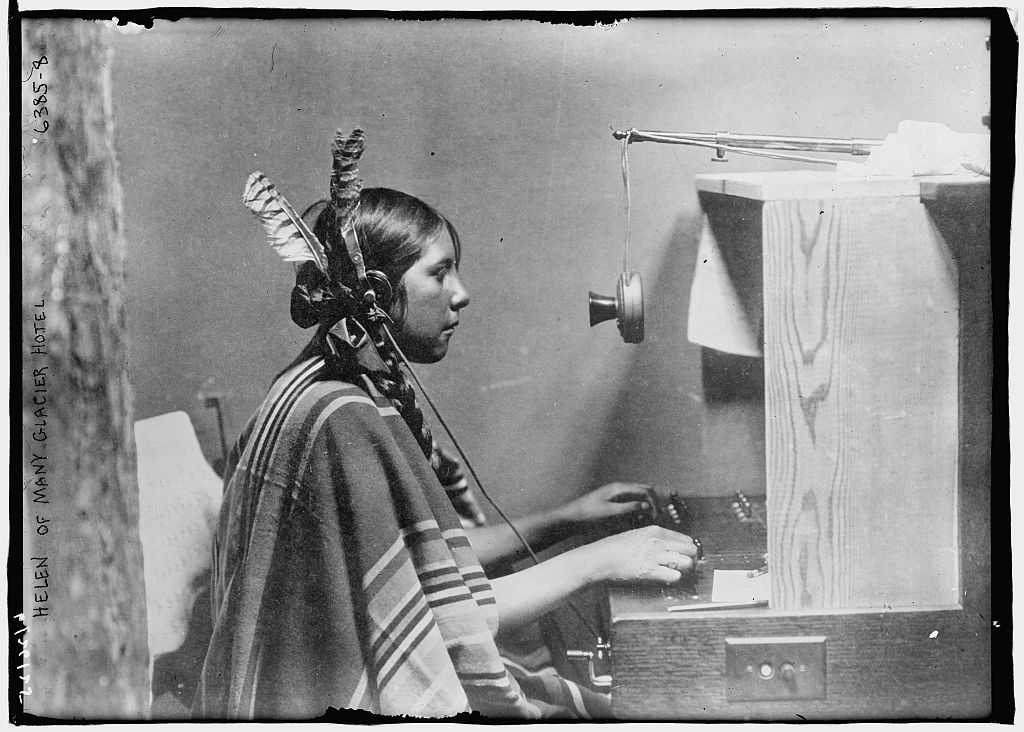
In a small exchange the operator knew every subscriber by voice, knew whose line was whose, and could connect a caller who asked for a person rather than a number.
Not applicable. The system has no knowledge of anybody.
Asking for a person by name is the thing people remember most, and it reveals how the system actually worked. The operator was not a switch but an index – a searchable directory with judgement attached, who could tell you that the person you wanted was not at home because she had seen them go past.
4. It Was One of the Few Good Jobs Open to Women
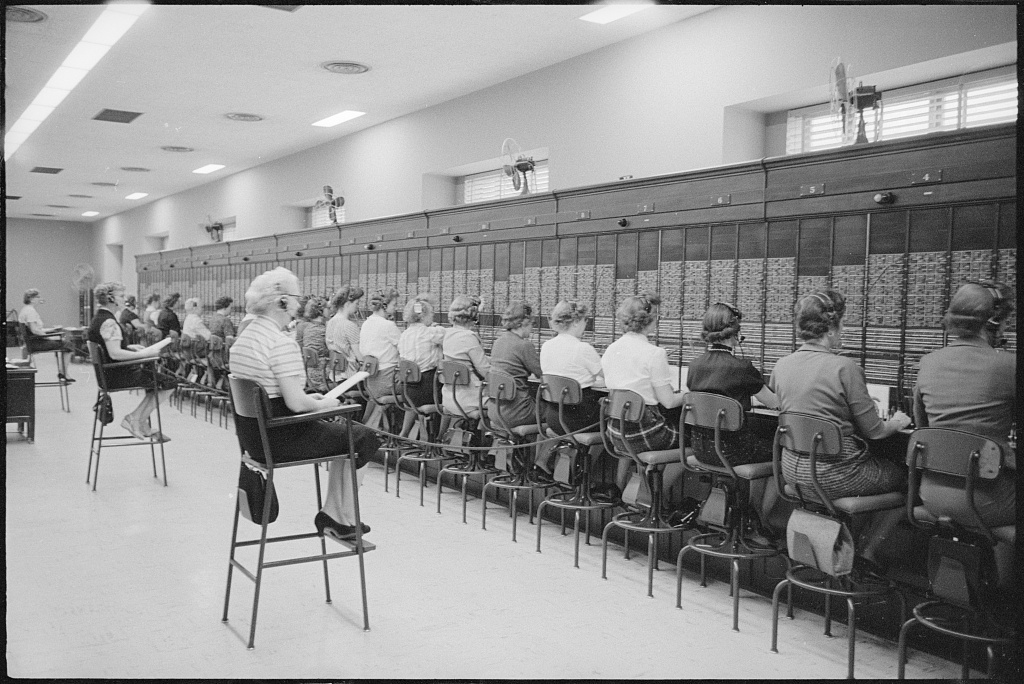
Operating was overwhelmingly women’s work, it was respectable, it paid regularly, it required no capital, and it was available in every town with an exchange.
Not applicable as an occupation.
This matters more than the technology. In an economy that offered young women very few paid options outside domestic service, teaching and shop work, the exchange was a genuine alternative – clean, indoor, skilled, and with a recognised career path to chief operator.
5. The Work Was Tightly Supervised and Scripted
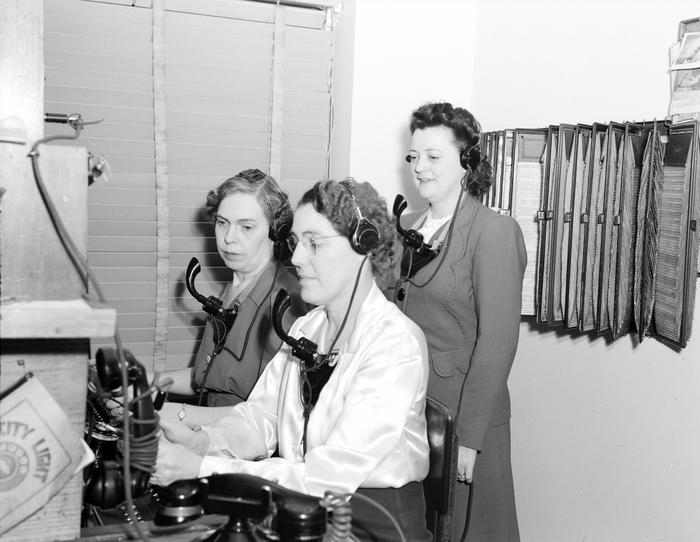
Operators were trained in exact forms of words, monitored, timed, and expected to maintain a specific manner regardless of what the caller said.
Not applicable in that form, though scripted and monitored telephone work obviously persists.
The discipline deserves honest treatment. This was pleasant-sounding work under close surveillance, with required phrasing, measured call-handling times and supervisors listening in – which is to say it was a respectable job that was also a demanding and closely controlled one.
6. Physically It Was Harder Than It Looks
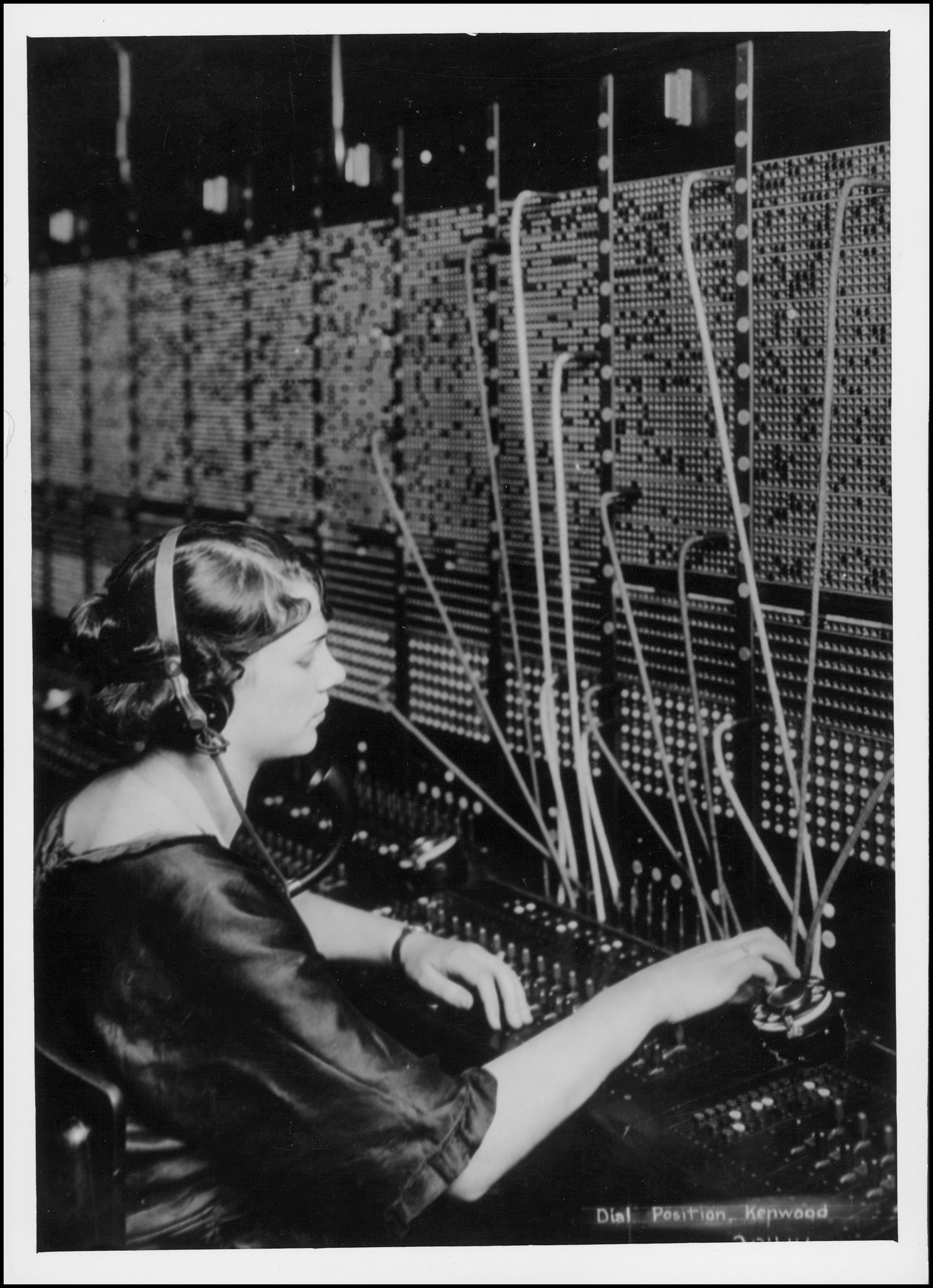
Operators worked at reach, moving cords constantly, wearing a headset, for long shifts, with traffic arriving in bursts they could not control.
Not applicable.
Sitting at a board is not light work. The arms are up and moving for hours, the attention cannot lapse because a lamp is always lighting somewhere, and a busy period means handling a queue of people who are all impatient at once.
7. The Operator Was the Emergency Service
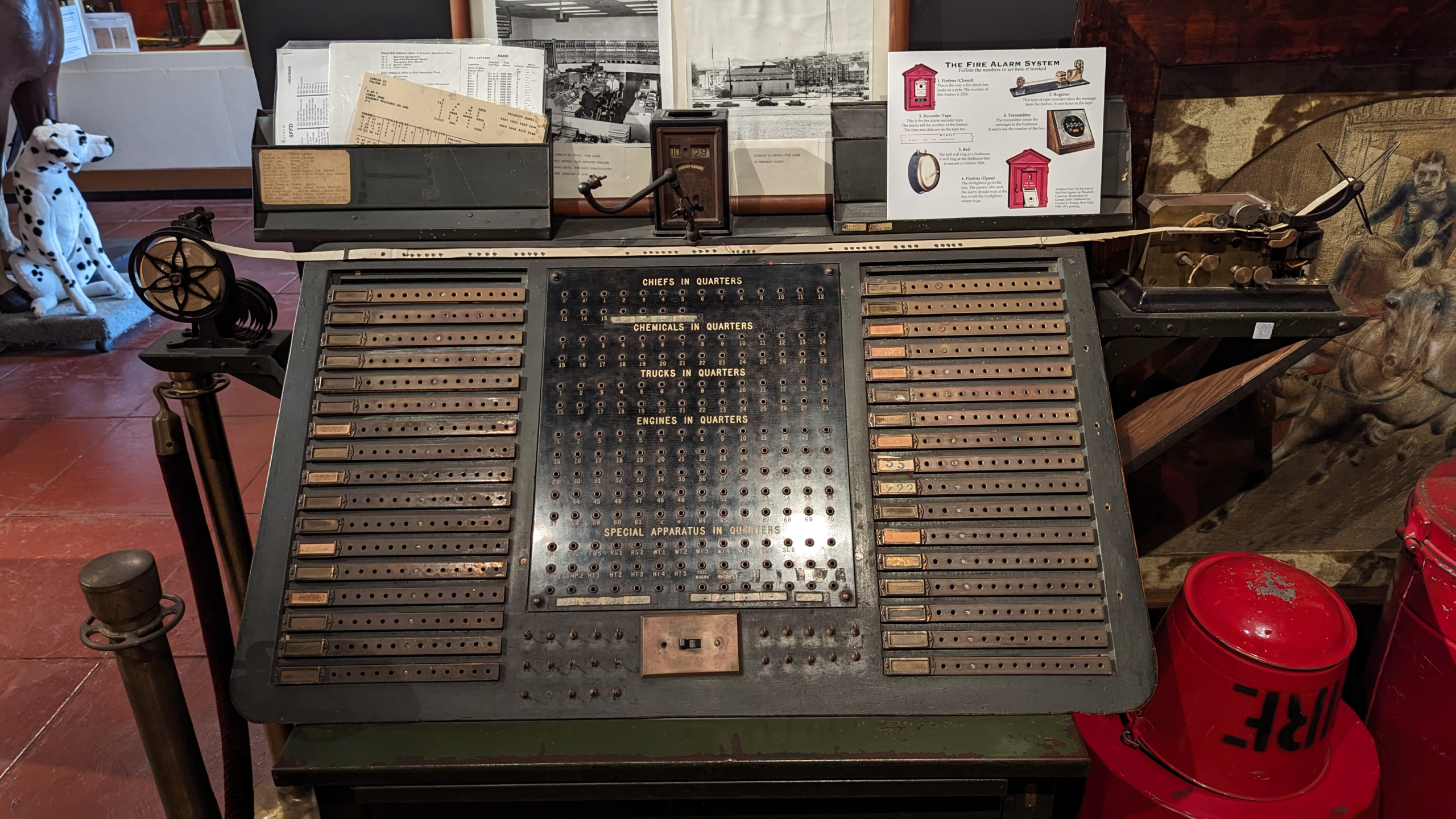
Before dedicated emergency numbers, a person in trouble lifted the receiver and told the operator – who then called the doctor, the fire company, the marshal or the neighbours, and frequently stayed on the line.
Dedicated emergency numbers and dispatch centres staffed by trained professionals.
This is the function that was genuinely load-bearing and it is why the operator’s local knowledge mattered so much. She knew who the doctor was, whether he was out, who lived nearest, and who had a truck – and in a town with no other coordination she was the coordination.
8. She Sounded the Alarm for the Whole Town
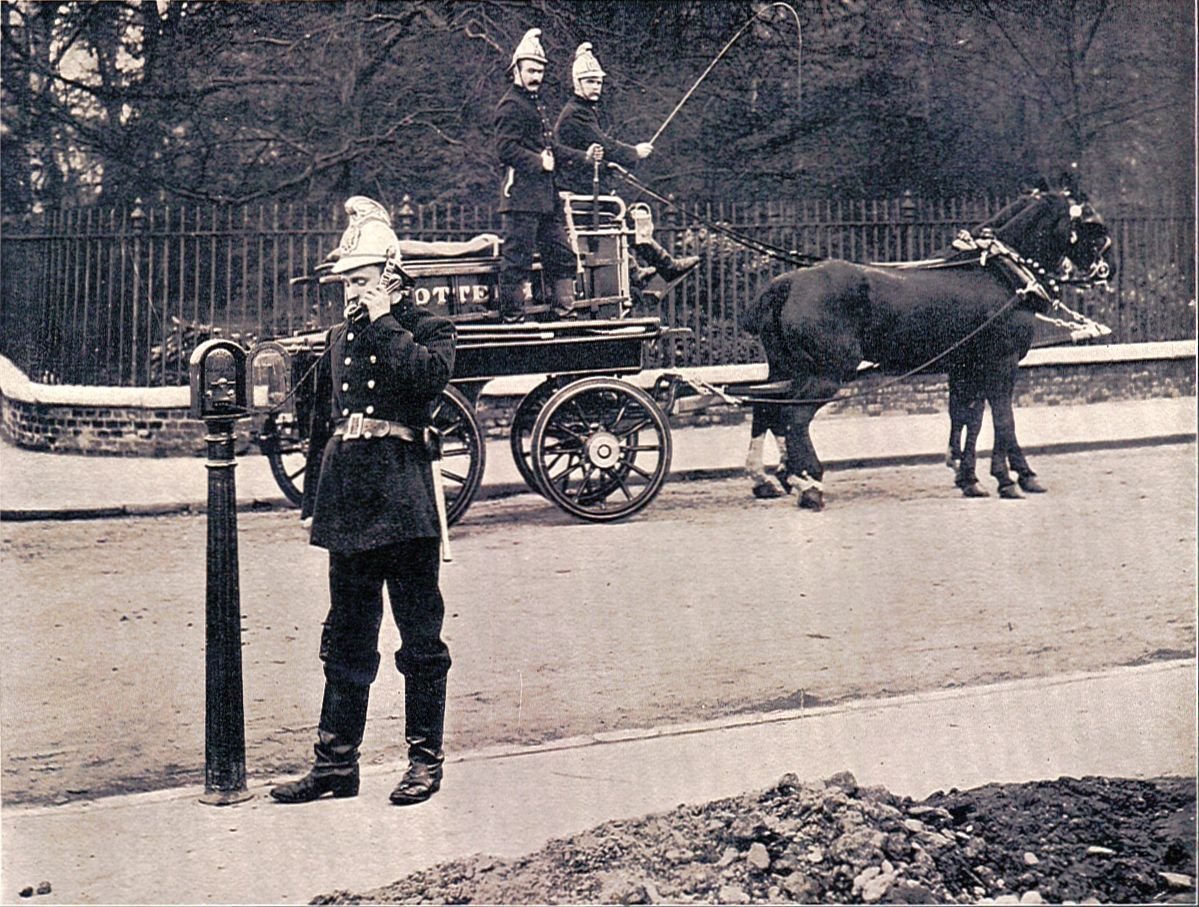
In many places the operator could ring multiple lines at once or in sequence to raise a fire alarm, summon a volunteer company, or warn of weather.
Sirens, pagers, broadcast alerts and mobile notifications.
One person with the ability to reach every household simultaneously is a public warning system, and it was built out of equipment installed for an entirely different purpose. Nobody designed the exchange to be an alarm network – it simply turned out to be the only thing in town that could reach everybody.
9. She Knew Everything, Which Was the Problem
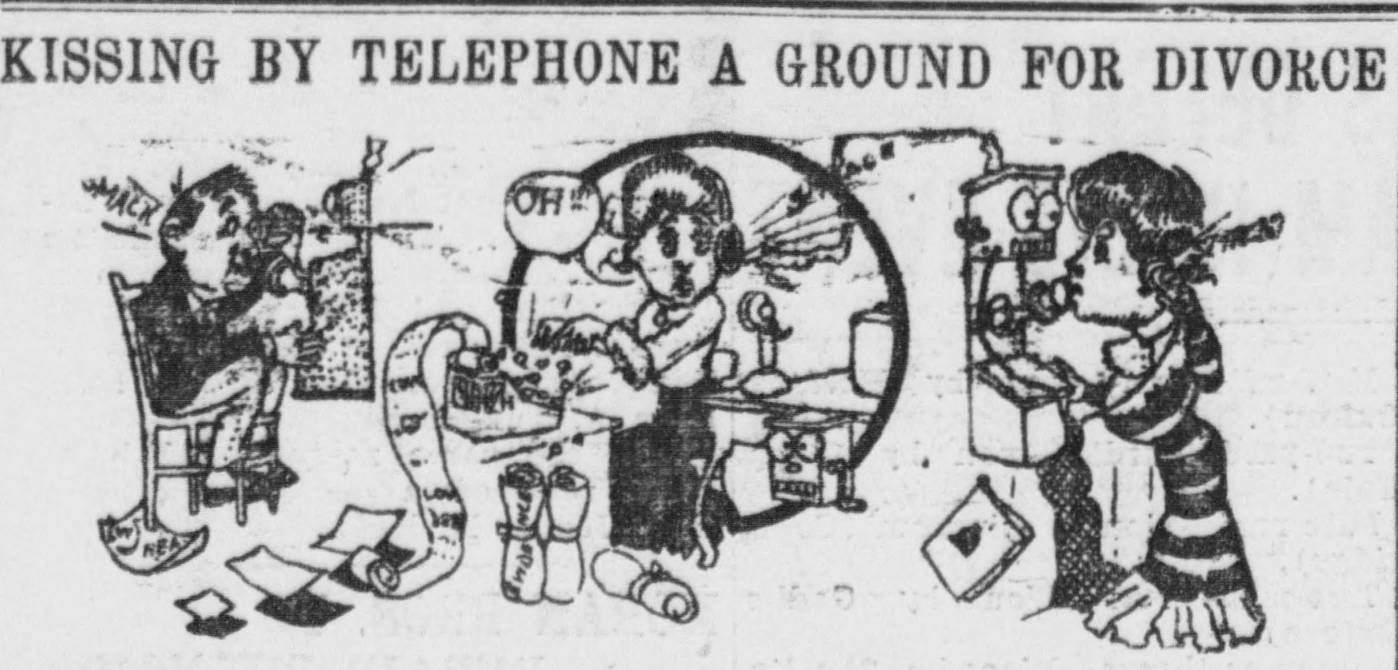
An operator connecting every call in a small town heard who called whom, at what hour, how often, and sometimes what was said.
Not applicable in that form.
The privacy question was real and was understood at the time. Companies imposed strict confidentiality rules and operators were dismissed for breaching them, which is evidence both that the rules were taken seriously and that the temptation was a genuine issue. A system where every conversation passes through a neighbour’s hands is a system with an obvious weakness.
10. Night Shift Was a Different Job
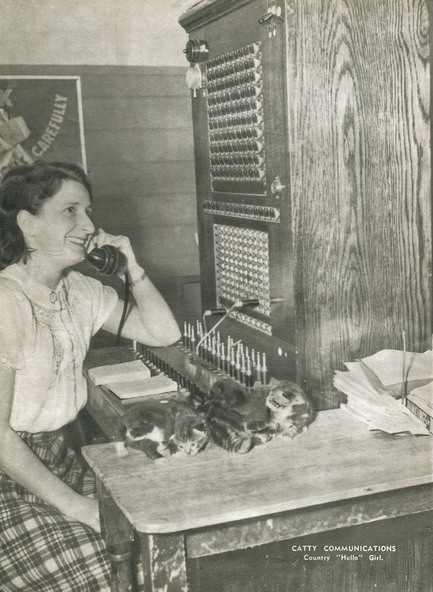
Overnight traffic was light, so one operator covered an entire exchange alone – sometimes sleeping beside the board, woken by a buzzer when a lamp lit.
Not applicable.
The lone night operator is a specific and slightly eerie figure: one person awake in a dark office, holding the only communications link a town had, with the ability to wake anybody in it. Several accounts of emergencies in small towns turn on what the night operator did.
11. The Exchange Was a Place in Town
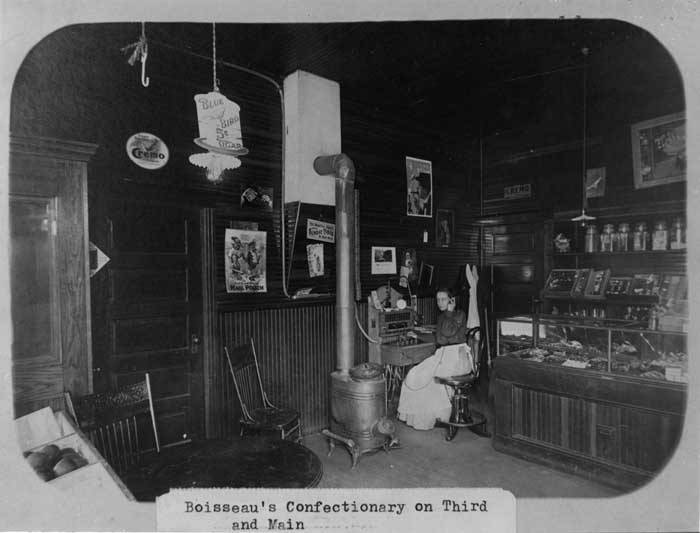
The switchboard sat in a specific building – above a store, in a front room, in a purpose-built office – and people knew where it was and who was on duty.
Not applicable. Switching equipment is in anonymous buildings nobody visits.
Locating the system somewhere visible had consequences. People called in at the office, left messages, asked for favours and knew the operators socially, which made the telephone a local institution with a face rather than a utility.
12. Then Automatic Switching Arrived
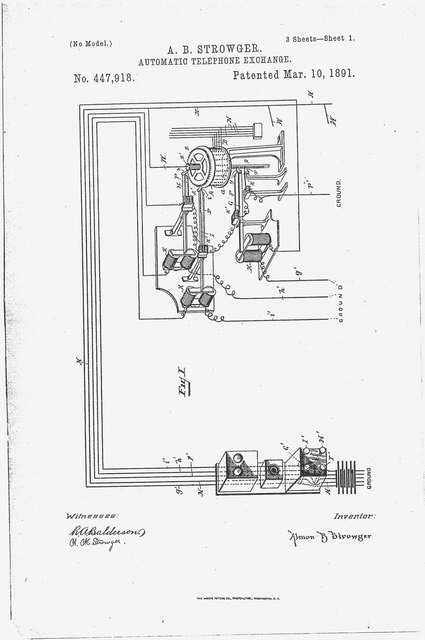
Dial telephones and automatic exchanges let a caller select a number directly, with mechanical switches doing what the operator’s cords had done.
The basis of everything since.
The technology was available long before it was universal, and the reason for the delay is instructive. Automatic equipment is expensive to install and an existing manual exchange with trained operators works perfectly well, so companies converted when growth or cost forced the issue rather than as soon as they could.
13. Then the Volume Made It Impossible Anyway
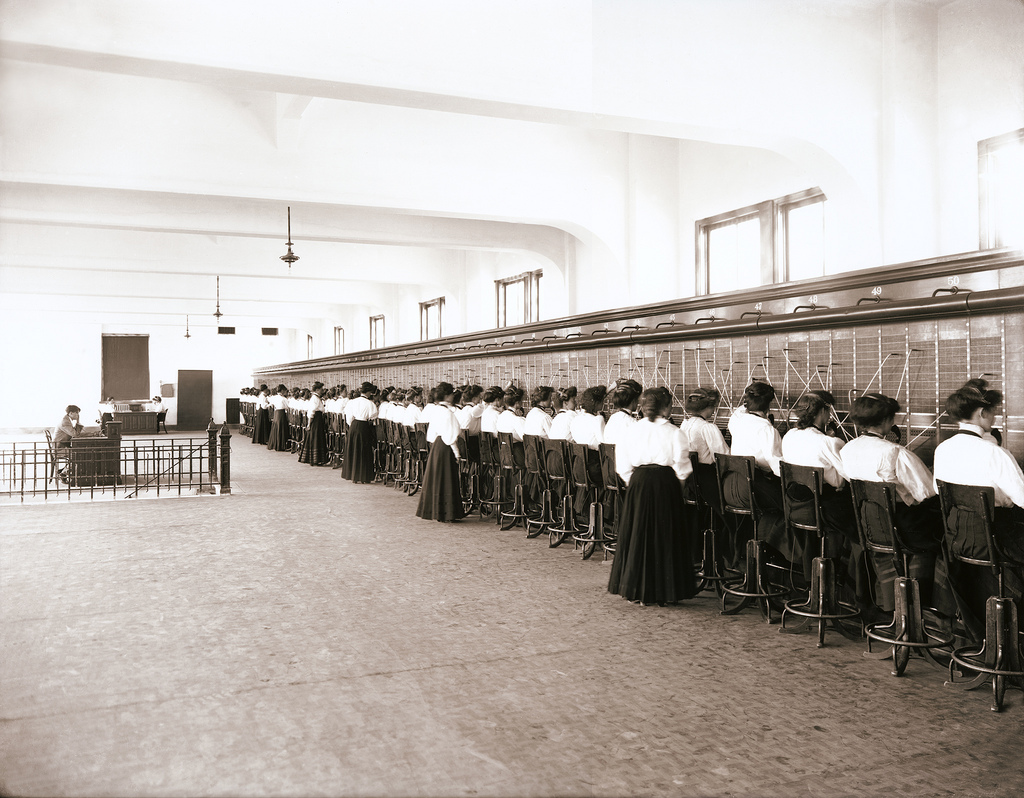
As telephone use grew, the number of operators required to handle calls manually became impractical, and the arithmetic settled the question.
Not applicable.
Scale is what truly ended manual switching. A system where every call needs a person does not scale, because doubling the calls doubles the staff – and at a certain volume there are not enough people in the building, or in the town, to do it.
14. Then Direct Dialling Removed the Rest
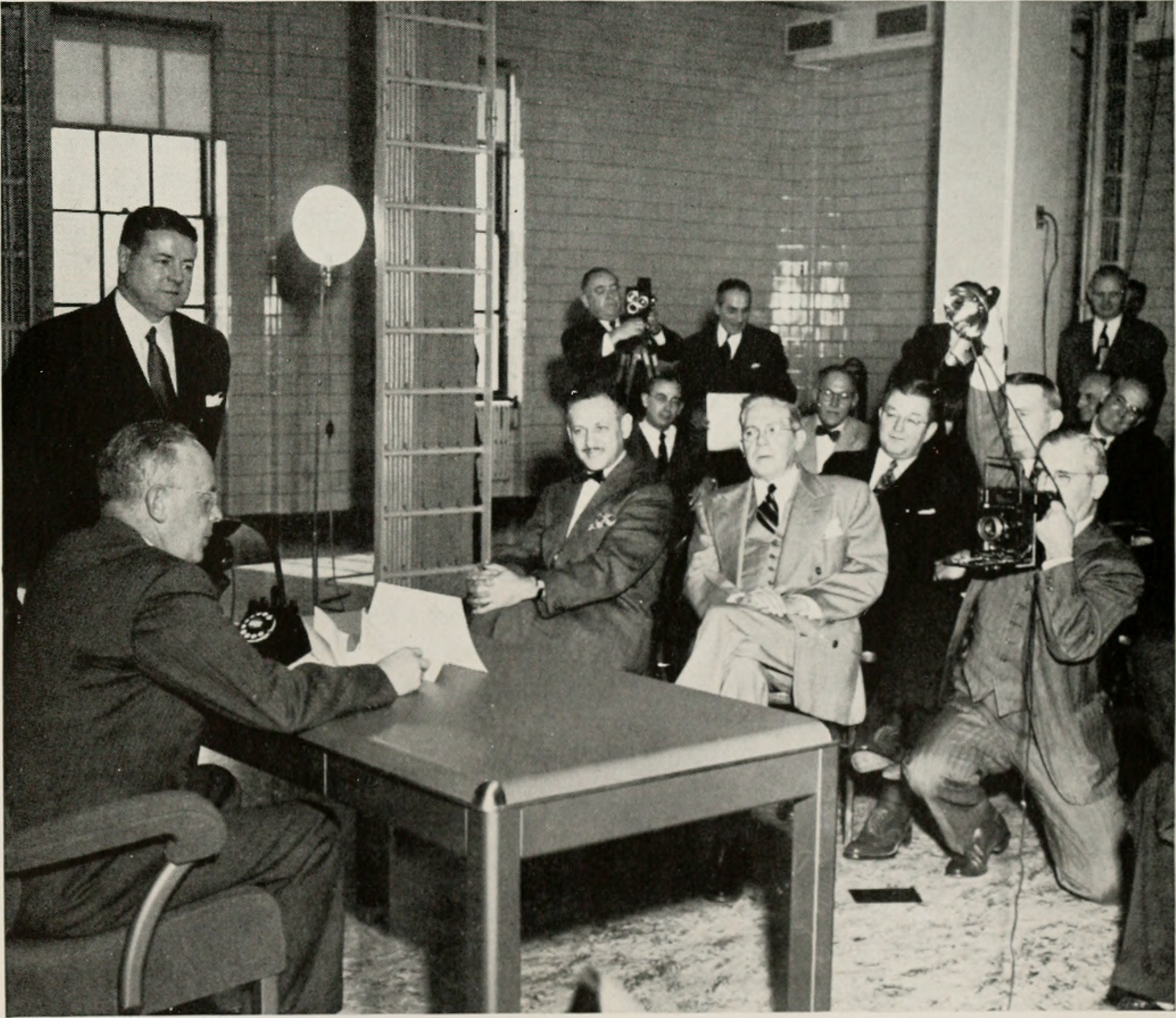
Long distance, which had required operators to set up calls through multiple exchanges, became something a caller could do unaided.
Universal.
Long distance was the last stronghold because it was complicated, and when that fell the occupation’s remaining ground went with it. What was left was information, assistance and emergency handling – all of which were eventually reorganised into separate services.
15. Then the Local Knowledge Went With Her
The automatic system connects numbers perfectly and knows nothing – who you are, where the doctor is, whether the person you want is at home, or that something is wrong.
Standard, with that knowledge now distributed across databases and devices.
This is the honest accounting of the trade. Automatic switching is faster, cheaper, private, available at any hour and vastly more scalable, and nobody should want to go back. What it cannot do is any of the things the operator did that were not switching.
16. Then a Whole Occupation Simply Ended

In 1964 manual exchanges still survived in small American communities and were closing steadily, with the last of them going over the following years.
Gone entirely, remembered mainly by the women who did the work.
And what deserves the final word is that this was a large occupation, held almost entirely by women, which disappeared completely – not shrank, not changed, ended. Tens of thousands of people did a skilled job that no longer exists in any form, and the thing they were replaced by was better at the task and incapable of everything else they had been doing. The operator was a switch, an index, a message service, a directory, an emergency dispatcher, a public alarm system and the person who knew whether your mother had gone out. The equipment that replaced her does the first of those flawlessly. Everything else had to be rebuilt separately over the following decades, by emergency services, by directory services, by answering machines and eventually by devices that hold a town’s worth of contact information in a pocket. Which means the automatic exchange did not replace the operator. It replaced one of her jobs, and the rest of them had to be invented again from scratch.
The Dial Replaced One of Her Jobs, Not All of Them
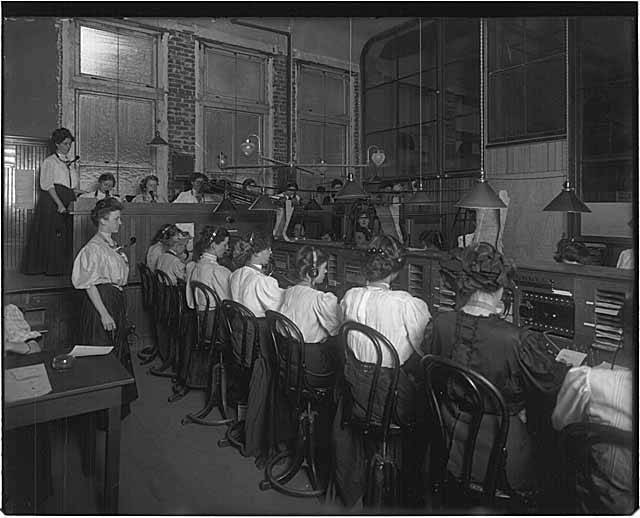
The standard account of this is that automatic switching replaced the telephone operator, and that is only a quarter true.
Count what she actually did.
She was a switch. A call was not routed but built by hand, with two plugs holding your circuit together for the duration of your conversation, on a board where every subscriber in town was a single hole in a known position.
She was an index. In a small exchange she knew every subscriber by voice and could connect somebody who asked for a person rather than a number – which makes her a searchable directory with judgement attached, able to tell a caller that the person they wanted had gone out because she had seen them go past.
She was the emergency service. Before dedicated emergency numbers, somebody in trouble lifted the receiver and told the operator, who then called the doctor, the fire company, the marshal or the neighbours and frequently stayed on the line. This is the genuinely load-bearing function, and it is why her local knowledge mattered: she knew who the doctor was, whether he was out, who lived nearest and who had a truck. In a town with no other coordination, she was the coordination.
She was the public alarm system. In many places she could ring multiple lines at once or in sequence to raise a fire alarm, summon a volunteer company or warn of weather – which means one person with the ability to reach every household simultaneously, built out of equipment installed for a completely different purpose.
And she was a message service, a point of contact, and a local institution with a face, because the exchange was a known place above a store or in a front room where people called in and left word.
Two things about the work deserve honest treatment rather than fondness.
It was one of the few good jobs open to women, which matters more than the technology – clean, indoor, skilled, respectable, requiring no capital, available in any town with an exchange, and carrying a recognised path to chief operator in an economy that otherwise offered young women domestic service, teaching or shop work.
And it was closely controlled. Operators were trained in exact forms of words, monitored, timed and expected to hold a particular manner whatever the caller said – pleasant-sounding work under surveillance, with supervisors listening in. It was also physically harder than it looks: arms up and moving for hours at a headset, attention that cannot lapse because a lamp is always lighting, and traffic arriving in bursts nobody controls.
The privacy problem was real and understood. A system in which every conversation passes through a neighbour’s hands has an obvious weakness, and companies imposed strict confidentiality rules and dismissed operators who broke them – which is evidence both that the rules were serious and that the temptation was genuine.
Then it ended, and scale is what ended it rather than invention. Automatic equipment existed long before it was universal, because installing it is expensive while a manual exchange with trained operators works perfectly well. What forced the issue was arithmetic: a system where every call needs a person does not scale, since doubling the calls doubles the staff, and at some volume there are not enough people in the building – or in the town.
Direct dialling then took long distance, which had been the last stronghold because it was complicated.
What the automatic exchange does, it does flawlessly, privately, instantly and at any hour, and nobody should want the manual system back. What it cannot do is any of the rest of it – and all of that had to be built again separately, by emergency dispatch centres, directory services, answering machines and eventually by devices holding a town’s worth of contacts in a pocket.
So the dial did not replace the operator. It replaced one of her jobs.
If your town had a manual exchange, somebody in your family knew the operator by name.
And she knew where everybody was.
Like our content? Follow us for more.
