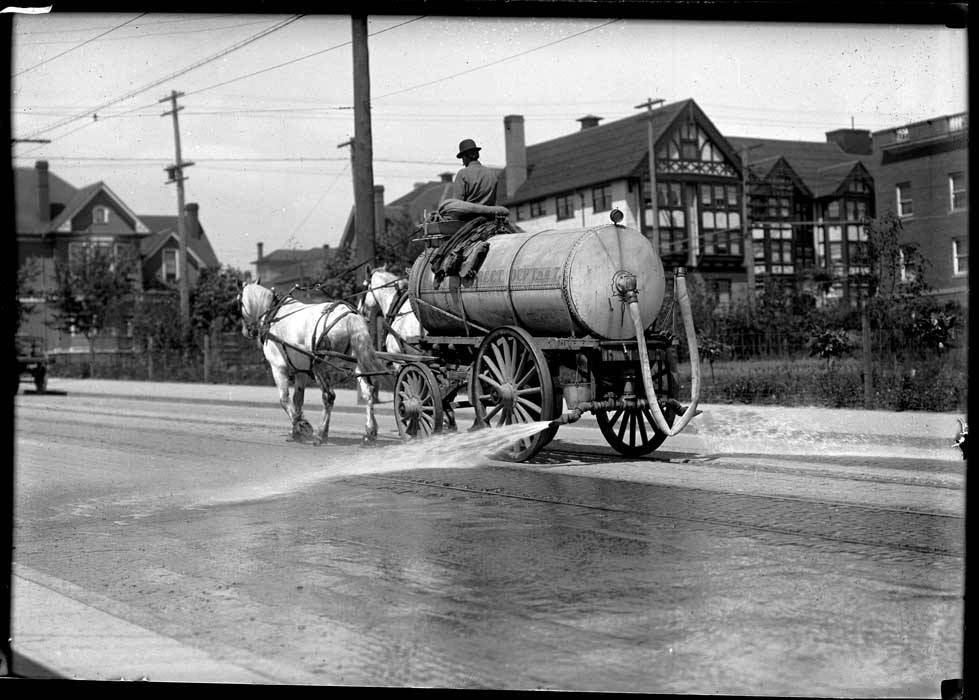
Towns used to pay somebody to water the streets, several times a day, all summer.
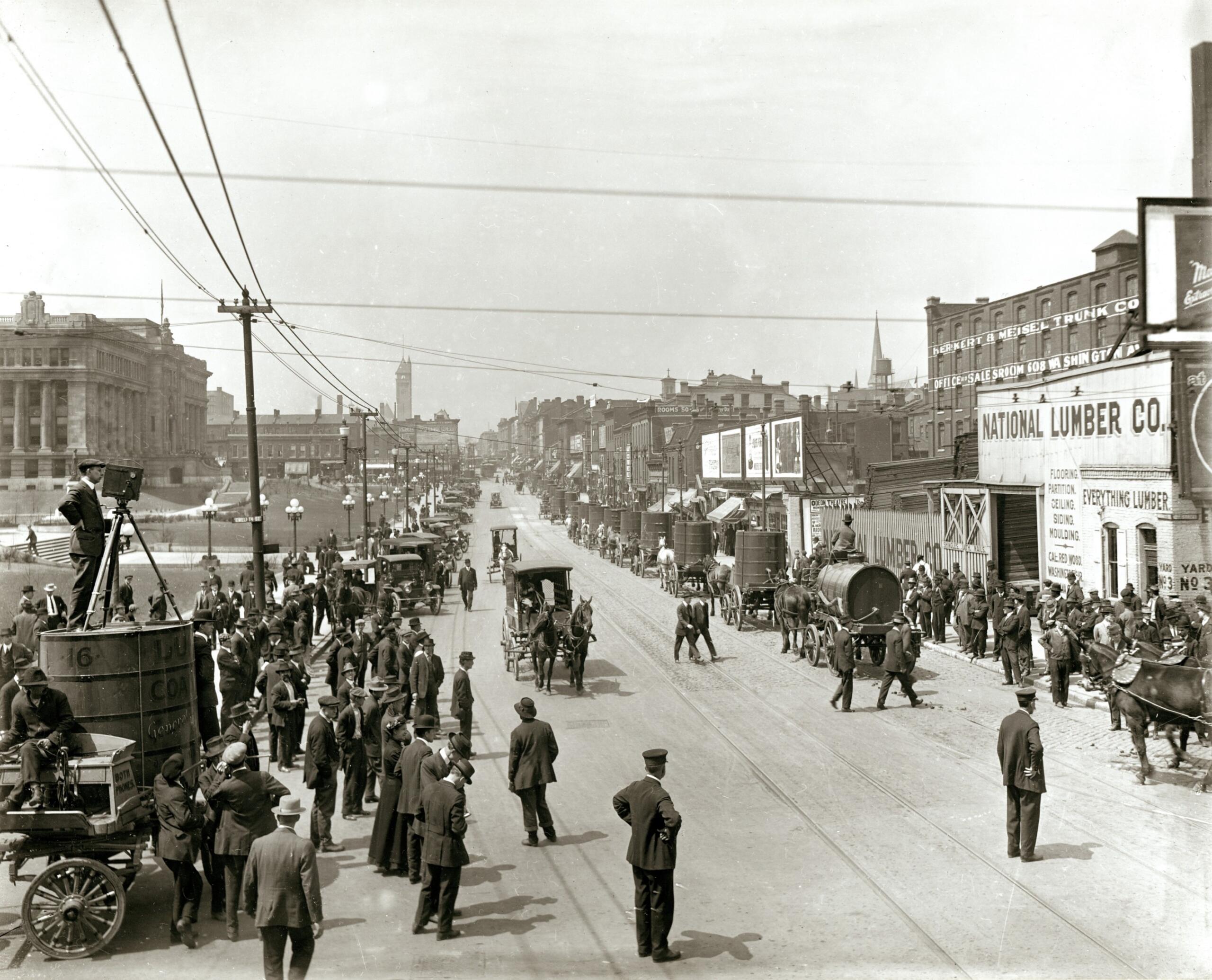
A horse-drawn tank wagon with a perforated spreader bar worked the business streets through the dry months, laying a film of water on the dirt surface to hold the dust down. It was a budgeted municipal service with a contract, a route and a schedule – and complaints when it was not done.
The reason is that an unpaved street worked by iron wheels and hooves gets ground into fine powder, and in dry weather that powder rises in clouds thick enough to obscure the far side of the street. It settled on the stock in every store, on sills and curtains and washing in every house, and in the lungs of everybody working there.
And the water evaporated within hours, so the wagon came round again. Here are fifteen things every American town knew.
1. A Town Paid Somebody to Water Its Streets
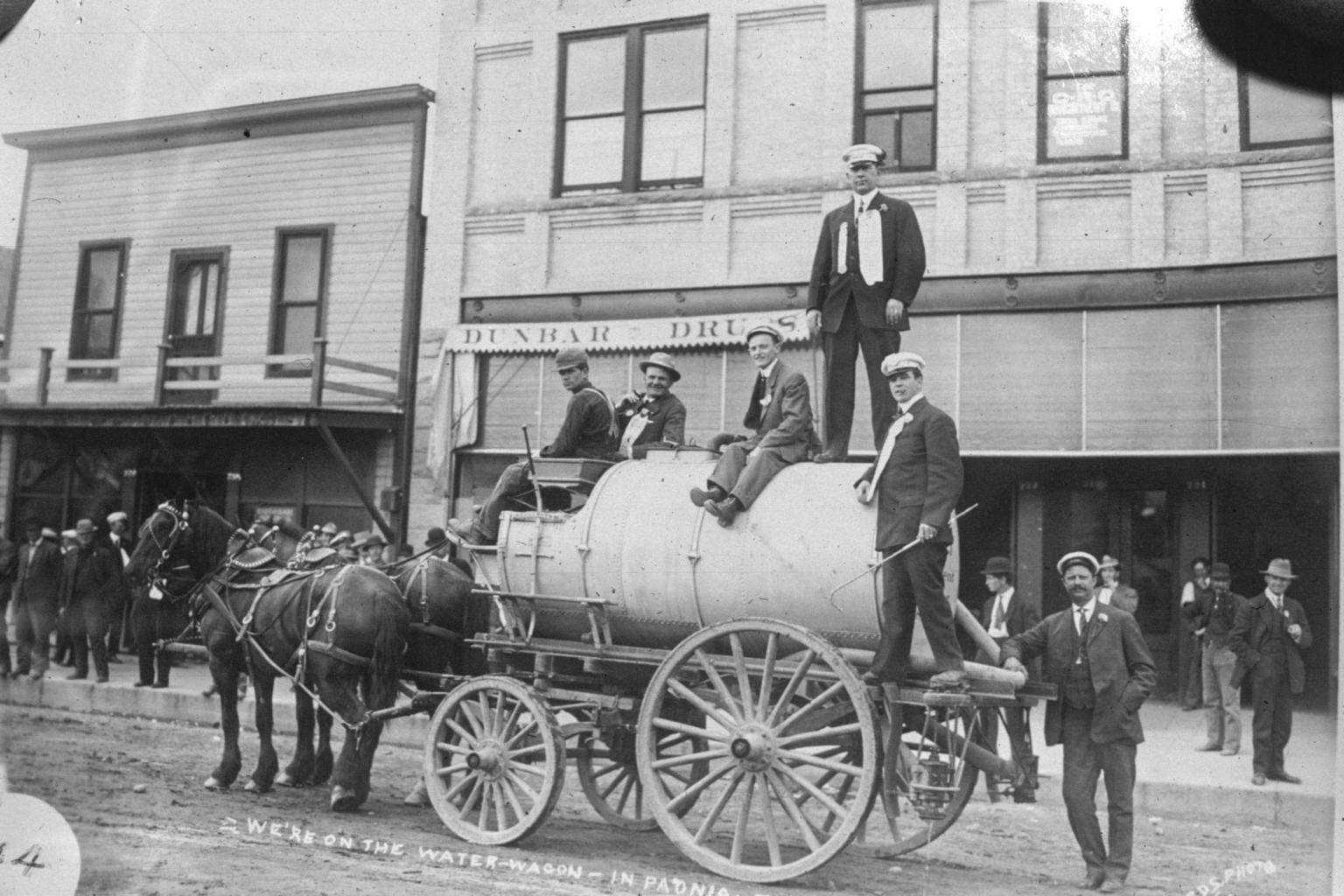
A horse-drawn tank wagon with a perforated bar across the back worked the business streets through the dry months, laying water on the dirt surface to hold the dust down.
Paved streets, which produce no dust at all and need nothing done to them.
Treating this as a municipal service rather than an oddity is the right starting point. Dust suppression was a budgeted item, with a contract, a route, a schedule and complaints when it was not done – exactly like snow clearance now, and for the same reason: an untreated street made the town unusable.
Like our content? Follow us for more.
2. The Dust Was a Serious Problem, Not a Nuisance
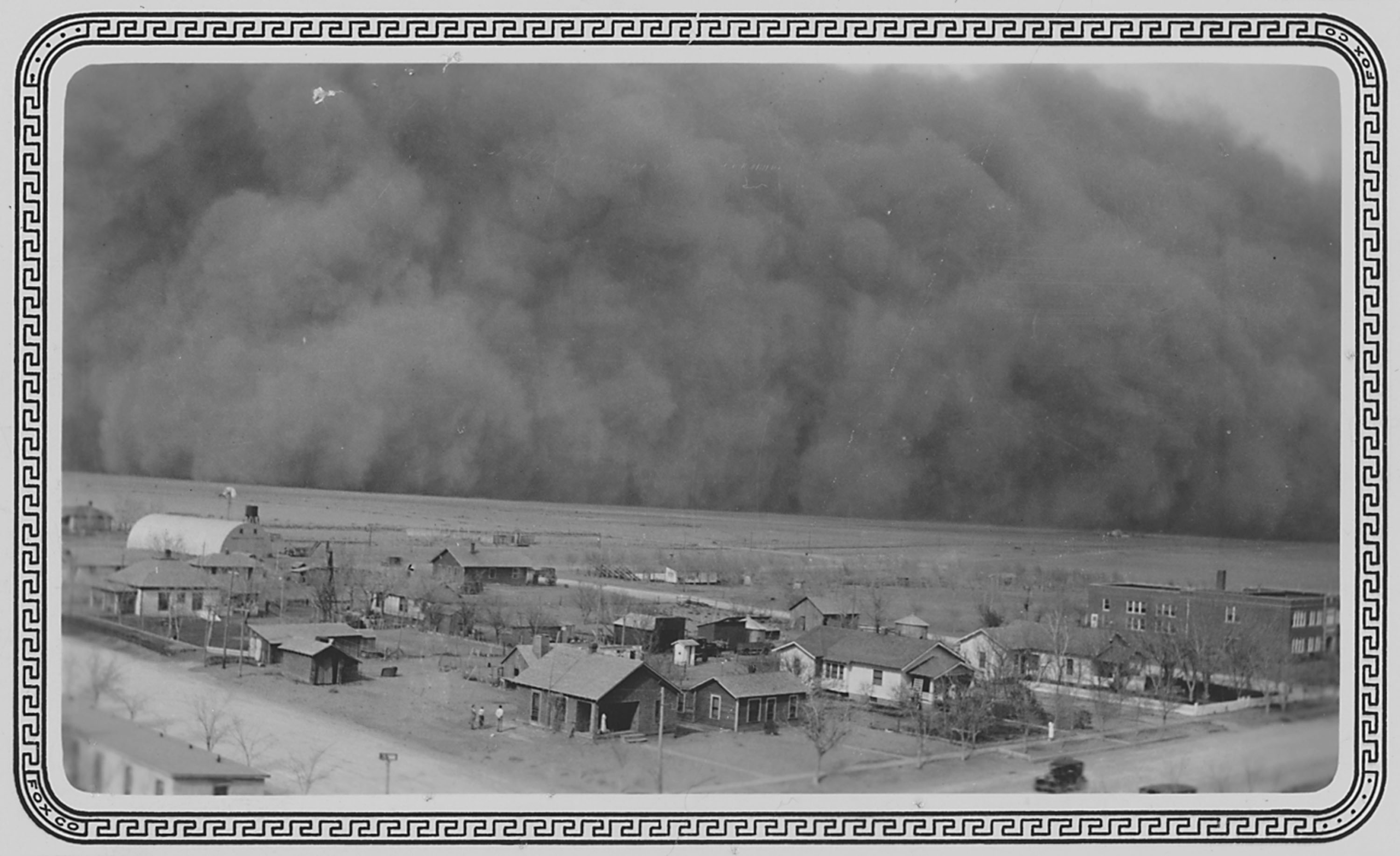
An unpaved street worked by iron wheels and hooves is ground into fine powder, and in dry weather that powder rises in clouds with every passing vehicle.
Not applicable.
The scale is what people underestimate. This is not a puff of dust behind a car – it is a continuous airborne load produced by traffic on a surface that has been pulverised, thick enough to obscure the far side of a street and to settle visibly on everything within minutes.
3. It Went Into Every Store
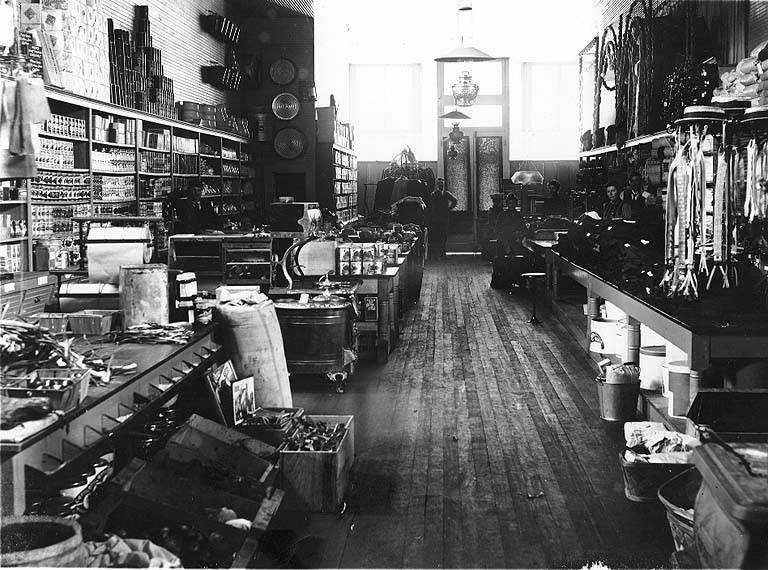
Open doorways and open windows meant street dust settled on stock, counters, fabric, groceries and display goods continuously through the dry season.
Not applicable.
The merchants were the constituency behind this service and the reason is straightforward commerce. Dust on cloth, on hats, on food and on anything with a surface is spoiled or discounted stock, which means a dusty street was a direct and daily cost to every business on it.
4. It Went Into Every House
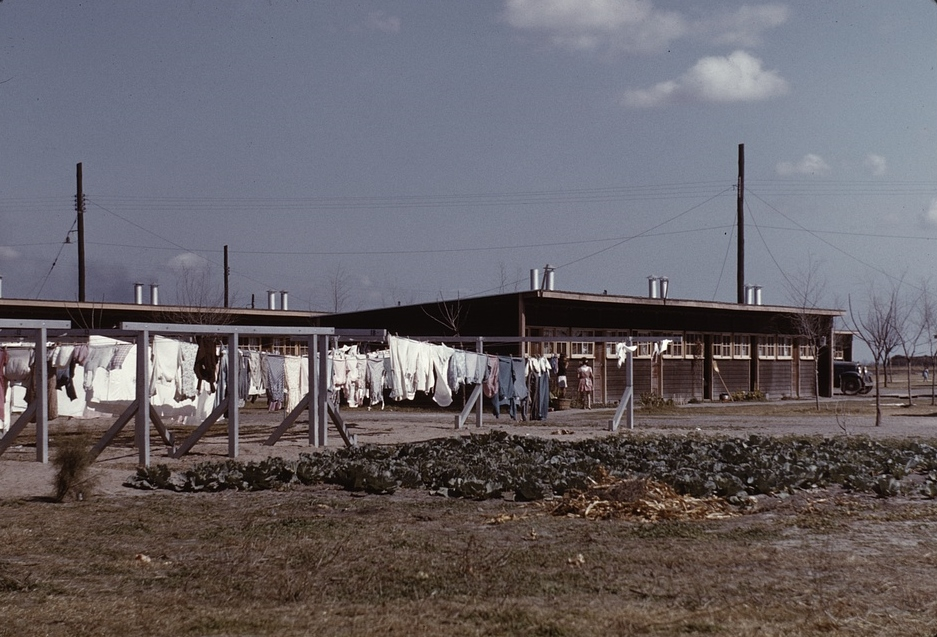
Houses facing a business street received the same load on sills, curtains, floors, furniture and washing hung outdoors.
Not applicable.
Which doubles the household labour at exactly the season when there is most of it. Dust that settles every day has to be swept, wiped and beaten every day, and washing hung out on a dry windy afternoon beside an unpaved street could come in dirtier than it went out.
5. And It Went Into People
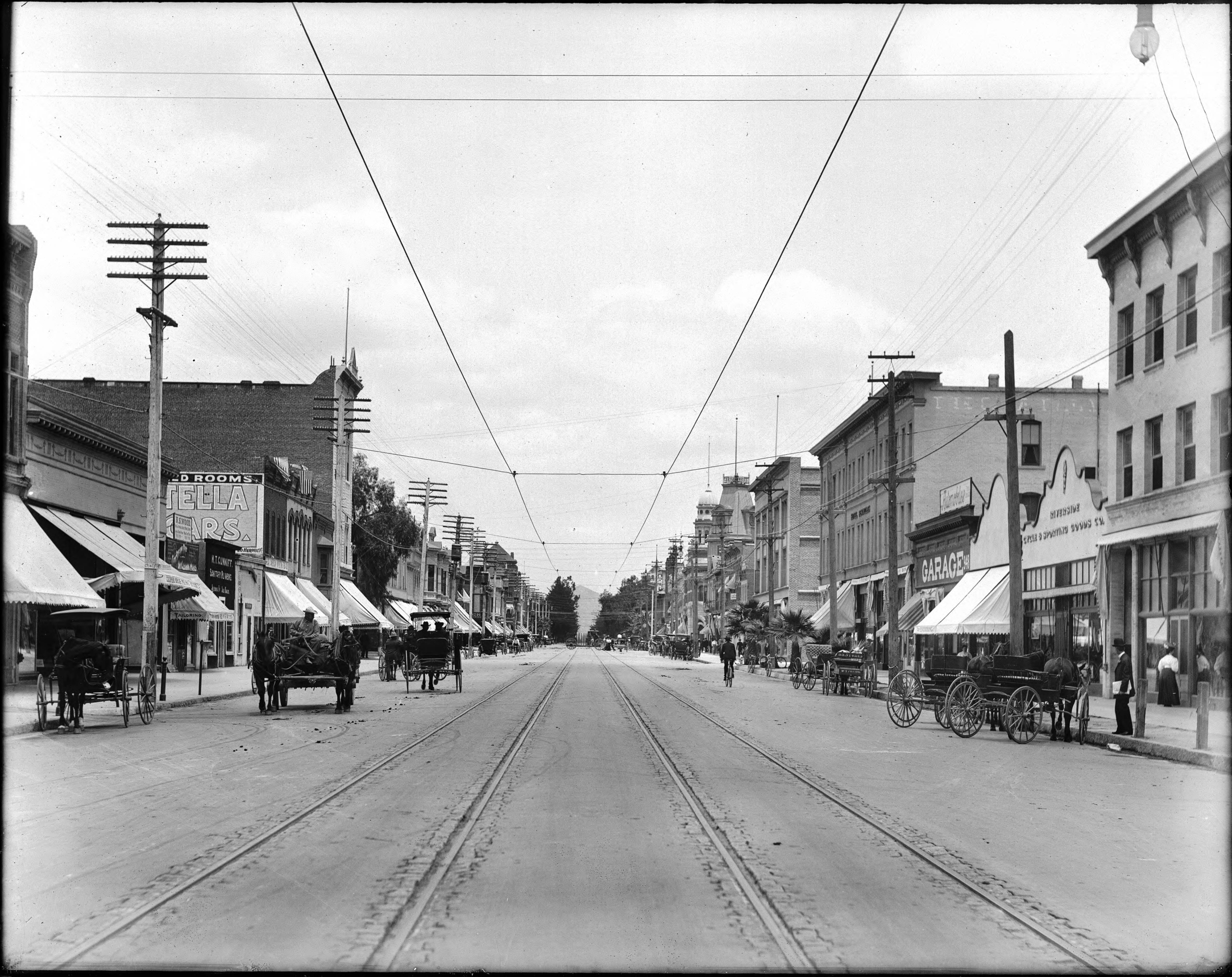
Fine dust raised continuously in a town centre was breathed by everybody in it, and the discomfort of that was universally remarked on.
Not applicable.
The health dimension was understood at the time in general terms, and it belongs in any honest account of why towns spent money on this. This file does not attempt the medical specifics, which require sources that can do them properly – but the complaint was not only about dirty curtains.
6. The Wagon Was a Purpose-Built Vehicle
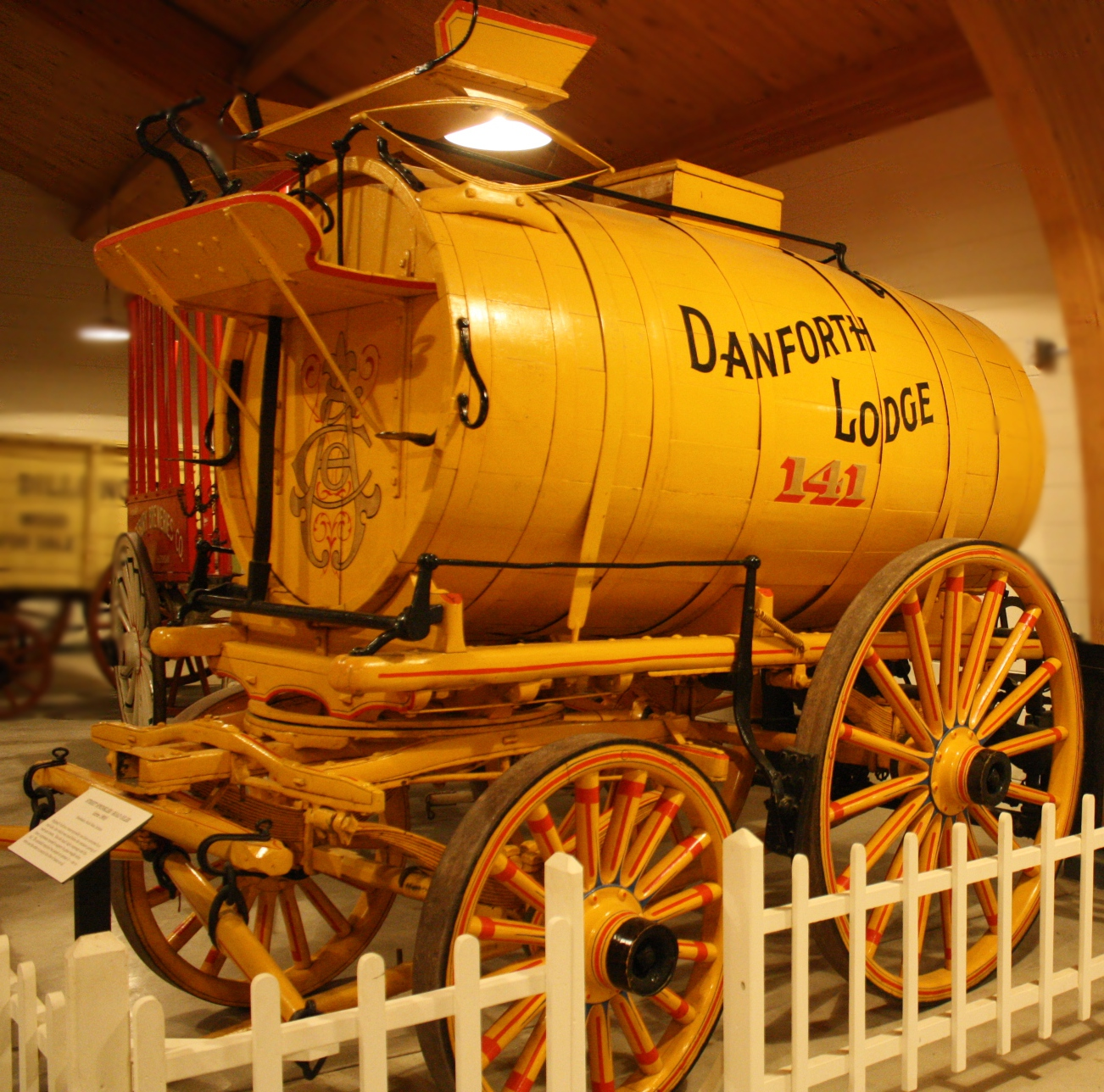
Sprinkling wagons were manufactured products: a cylindrical tank on a wagon frame, with a valve, a spreader bar and sometimes adjustable nozzles for width and rate.
Not applicable, though street sweepers and washers do related work in cities.
The engineering tells you this was a recognised trade with standards rather than somebody with a barrel. A tank wagon that lays an even film across a street width, at a controllable rate, without washing the surface away, is a designed machine – and it had to be refilled constantly, which is its central limitation.
7. Refilling Was the Whole Logistics Problem
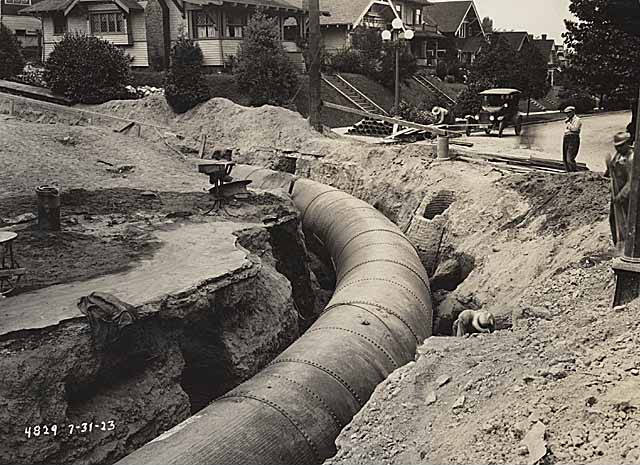
A tank empties quickly over a street width, so the wagon worked in a loop between its route and a hydrant, a standpipe, a well or a river.
Not applicable.
This is the constraint that shaped the service. The useful length of route is set by how far the wagon can get from water, which means dust suppression was available where the water was and progressively worse further out – and the arrival of a municipal water system with hydrants is what made the job practical at all.
8. Water Could Make It Worse
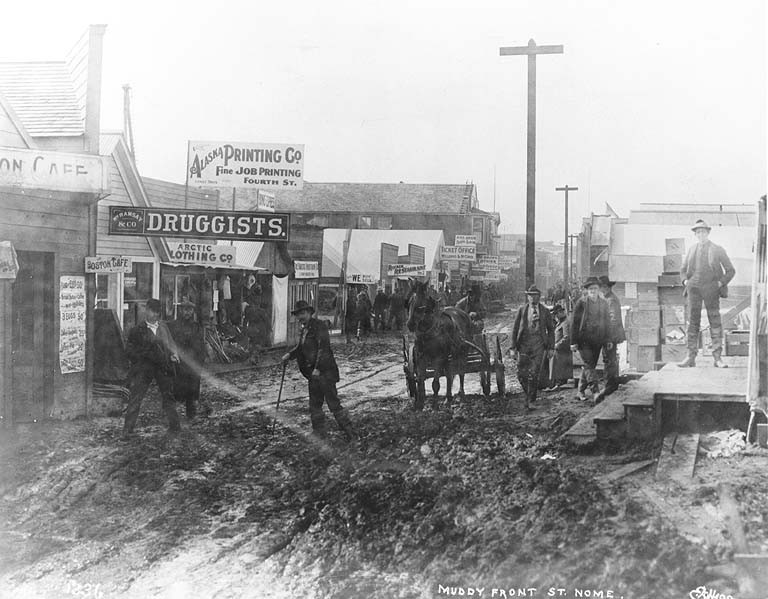
Too much water on a dirt street produces mud, ruts and a surface that dries into worse dust than before, so the rate and the timing mattered.
Not applicable.
Getting it wrong in either direction was the operator’s skill and it is why experience was worth paying for. A light even film binds the dust for hours; a heavy soaking churns into mud under traffic and then bakes out into powder – which means the job was judgement rather than simply emptying a tank.
9. It Had to Be Done Again Within Hours
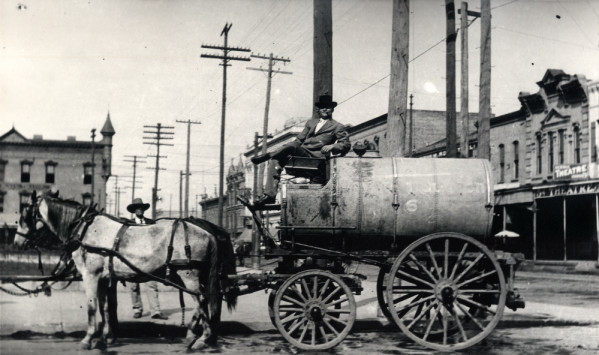
Water evaporates, so the effect of a pass lasted a few hours at most in hot weather, and the wagon came round repeatedly through the day.
Not applicable.
Impermanence is the fundamental weakness of the whole approach and everybody involved knew it. A treatment that has to be reapplied several times a day, by a vehicle that has to keep returning to water, is expensive per hour of benefit – which is exactly the arithmetic that eventually favoured doing something permanent to the surface.
10. Then Towns Started Oiling the Streets Instead
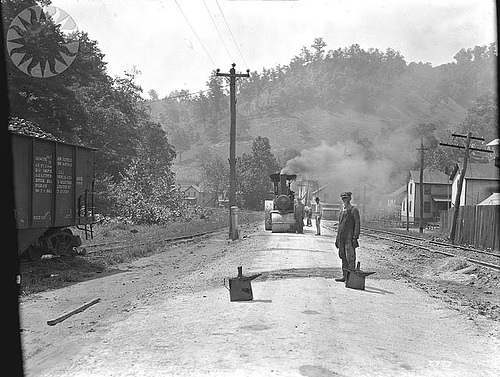
Heavier petroleum products were applied to dirt roads to bind the surface, which lasted far longer than water and suppressed dust for weeks rather than hours.
Not applicable in populated areas, and the practice is long discontinued.
Oiling is the intermediate step between sprinkling and paving and it was genuinely effective at the job. It also introduced a set of problems – tracked indoors, carried onto clothing, running off in rain – and the environmental and health consequences of the materials used were not understood at the time, which is a matter for current authoritative sources rather than for this file.
11. Then Paving Removed the Problem at Its Source
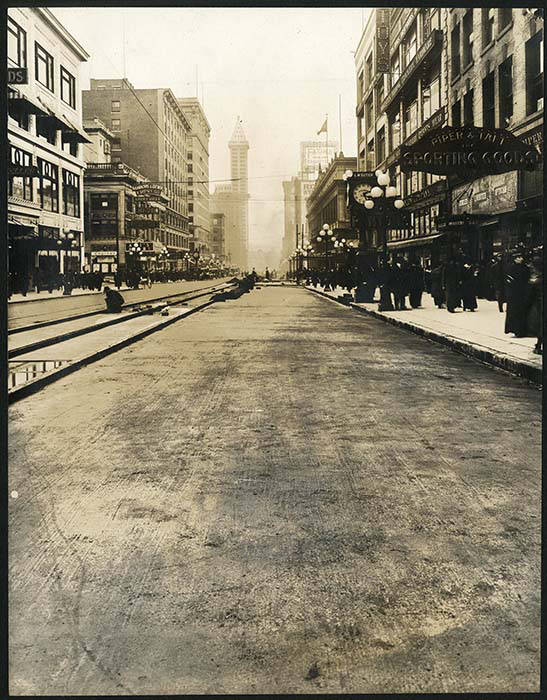
Macadam, brick, asphalt and concrete produce a bound surface that traffic cannot pulverise, so there is no dust to suppress.
Universal.
This is the decisive change and it is the only permanent one. Sprinkling and oiling both treat a surface that is still being ground into powder; paving stops the grinding. Once a street is paved, the sprinkling wagon, the oil truck and the whole budget line simply have nothing to do.
12. The Automobile Forced the Decision
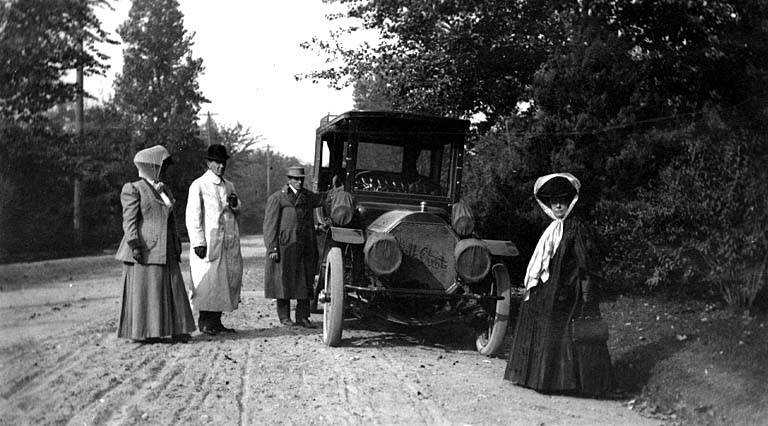
Cars at speed raise far more dust than wagons, and car owners complained loudly and organised politically for better road surfaces.
Standard, and the basis of modern road provision.
The pressure came from a new constituency rather than from the old complaints. Merchants and householders had objected to dust for decades without getting streets paved; a growing population of car owners, with money and organisation, got it done – which is a reminder that a problem gets solved when somebody with influence finds it intolerable.
13. Then the Fire Hydrant Took Over the Street Work
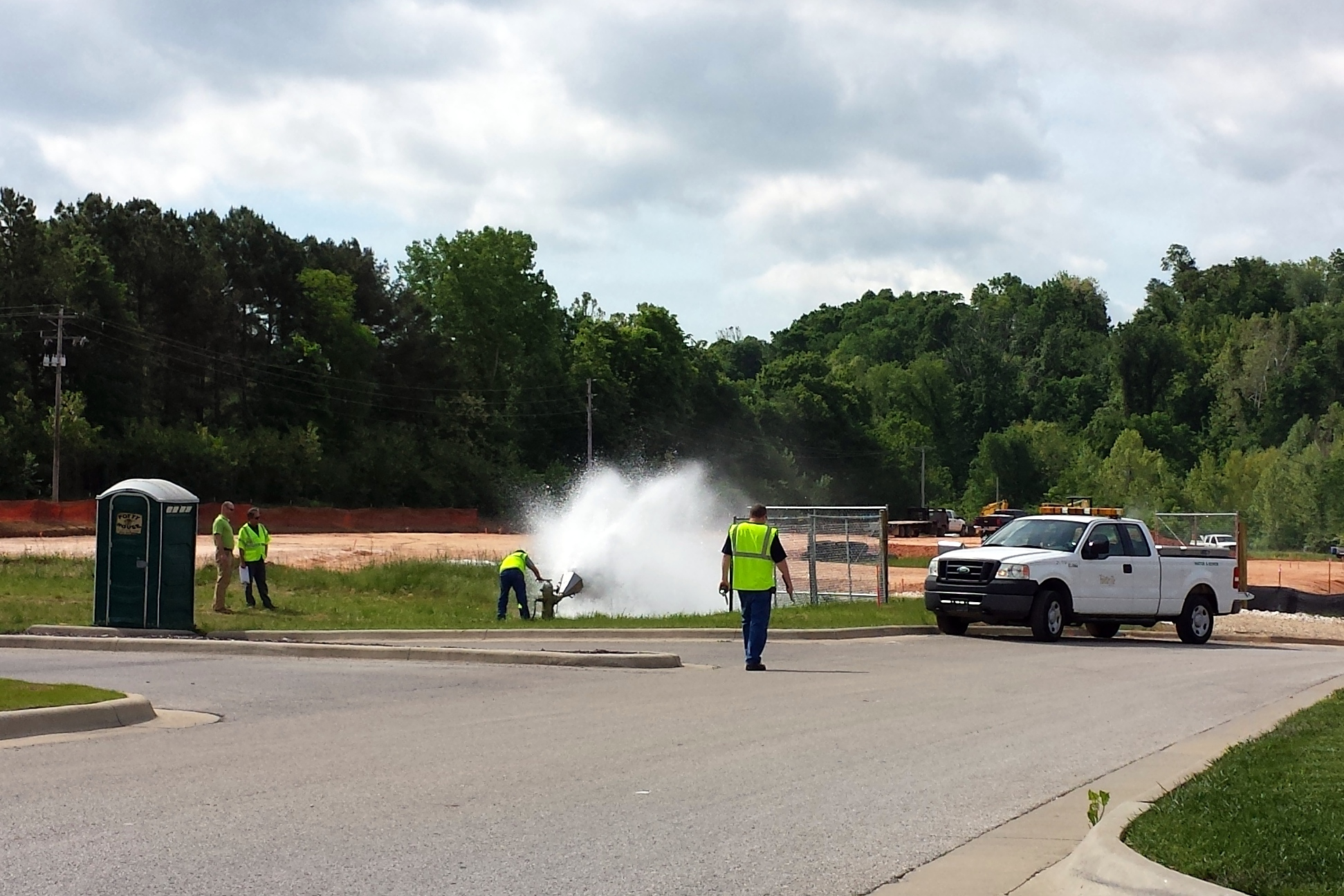
Where street washing continued in cities, it was done from hydrants with hoses or by purpose-built flushing trucks, on paved surfaces, for cleanliness rather than dust.
Standard in cities.
The surviving function is worth distinguishing from the original one. Washing a paved street removes what has been dropped on it; sprinkling a dirt street was holding the street itself in place. Same water, completely different job.
14. Then the Vehicle Found Other Work
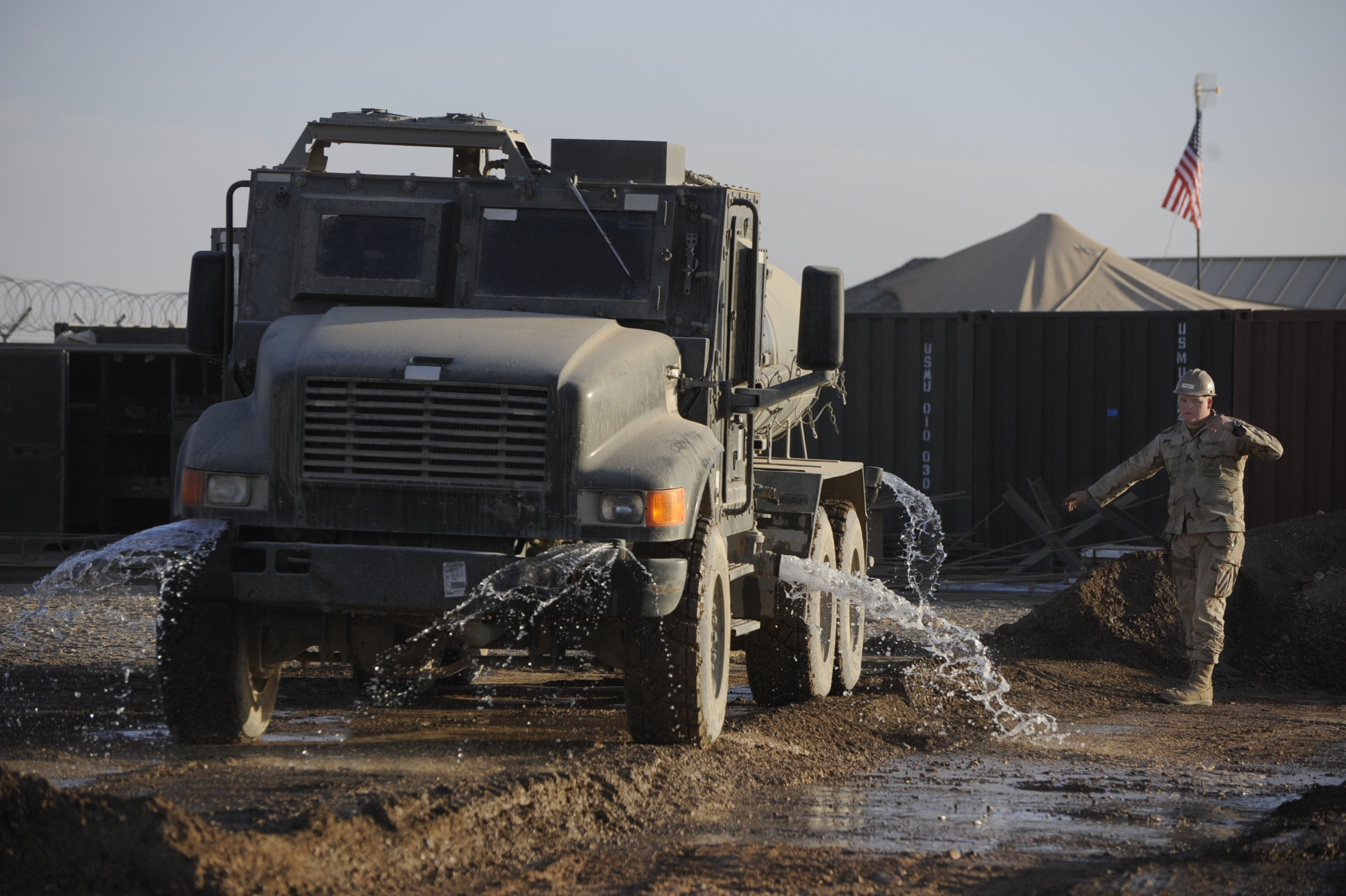
Tank wagons and their motorised successors were repurposed for construction dust control, for watering unpaved yards and roads, and in that form the job still exists.
Current practice on building sites and unpaved industrial surfaces.
Which is the neat footnote. The technique was never wrong – it is still the standard answer to dust on an unsurfaced road, used daily on construction sites everywhere. It simply stopped being needed in town centres, because town centres stopped having unsurfaced roads.
15. Then Nobody Remembered Streets Had Been Watered
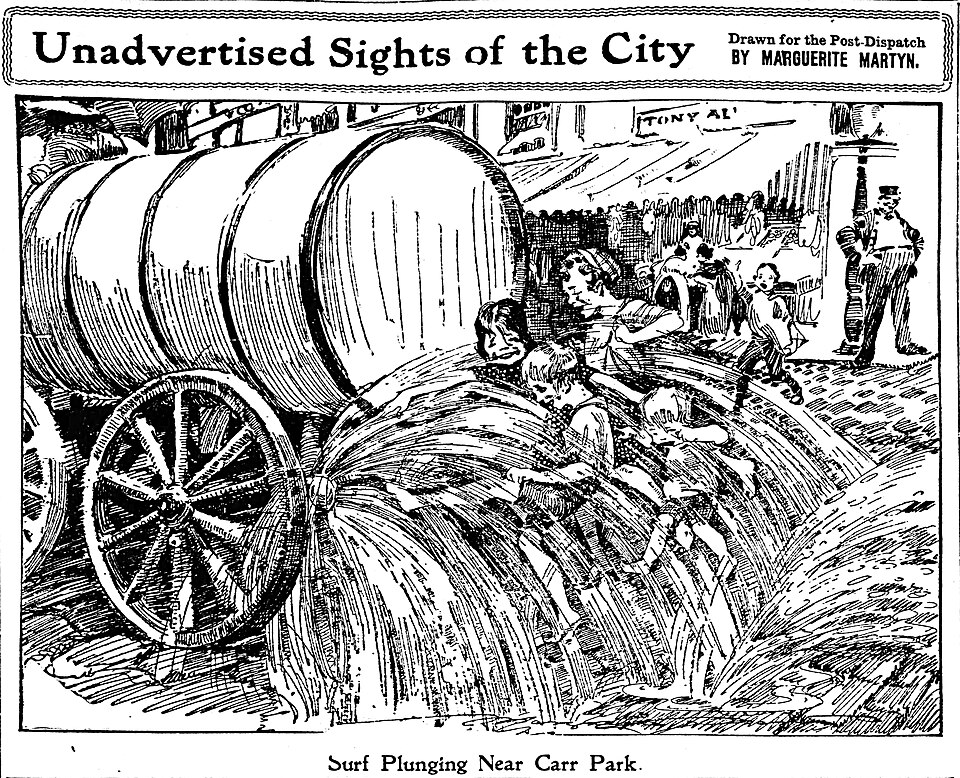
By 1964 the sprinkling wagon was two generations gone from American main streets, with paving universal and the dust problem forgotten entirely.
Not applicable. The entire service has no modern counterpart in a town.
And the thing worth keeping is what it reveals about an unpaved street. We think of paving as a convenience and a smoother ride, and for the people living beside one it was nothing of the kind. A dirt street in a dry summer was a dust factory operating continuously in the middle of a town, coating the stock in every store, the inside of every house, the washing on every line and the lungs of everybody who worked there – to the point that the town levied money, hired a contractor, bought a purpose-built machine and sent it round several times a day to hold the street down with water that evaporated within hours. That is a remarkable amount of effort to spend on a symptom, and it continued for decades because the cure was unaffordable. Paving was not an upgrade. It was the end of a daily battle that an entire town had been fighting with a tank on wheels.
An Entire Town Fighting a Daily Battle With a Tank on Wheels
The sprinkling wagon is one of those things that sounds whimsical until you work out what it was fighting.
An unpaved street carrying constant traffic is not a dirt road. It is a surface being actively pulverised – ground into fine powder by iron tyres and hooves, continuously, all summer. And that powder goes into the air with every vehicle that passes.
Then it lands. On the stock in every store with an open door, which for cloth, hats, groceries and anything with a surface means spoiled or discounted goods, daily, as a direct cost of doing business on that street. On the sills, curtains, floors and furniture of every house facing it, which doubles the household cleaning at the season when there is most of it, and makes washing hung on a dry windy afternoon come in dirtier than it went out. And into everybody breathing in the town centre, which was universally complained about and which this file leaves to proper sources for the medical detail.
So towns spent money on it, and the service was taken seriously.
The wagons were manufactured products – a cylindrical tank on a wagon frame with a valve, a spreader bar and sometimes adjustable nozzles – because laying an even film across a street width at a controllable rate, without washing the surface away, is a designed machine rather than a man with a barrel.
The operator’s skill was the rate. Too little and it does nothing; too much and the street churns into mud under traffic and then bakes out into worse dust than before. A light even film binds for a few hours.
And refilling set the shape of the whole service. A tank empties fast over a street width, so the wagon worked a loop between its route and a hydrant, standpipe, well or river – which means dust suppression reached as far as the water did and no further, and the arrival of a municipal water system with hydrants is what made the job practical at all.
The fundamental weakness was that water evaporates. A pass lasted a few hours in hot weather, so the wagon came round repeatedly, every day, all season – which is an expensive way to buy a few hours of relief and is exactly the arithmetic that eventually favoured doing something permanent.
The intermediate answer was oiling, applying heavier petroleum products to bind the surface for weeks rather than hours. It worked at the job and brought its own problems – tracked indoors, carried on clothing, washed off in rain – and the environmental and health consequences of the materials used were not understood at the time, which is a matter for current authoritative sources rather than for this file.
Paving is the only permanent answer, because it is the only one that stops the grinding. Sprinkling and oiling both treat a surface that is still being turned into powder; a bound surface produces no dust to suppress.
And the pressure that finally produced paving came from a new direction. Merchants and householders had complained for decades without result. Car owners – more numerous every year, raising far more dust at speed, with money and organisation behind them – got it done, which is a reminder that a problem gets solved when somebody with influence finds it intolerable.
What survives is the technique, in a different place. Watering an unsurfaced road to hold dust down is still standard on construction sites everywhere, daily, using the motorised descendant of exactly this wagon.
It simply stopped being needed in town centres, because town centres stopped having unsurfaced roads.
If your town has old photographs, look for the wagon with the tank and the bar across the back.
Somebody was paid to do that several times a day.
Like our content? Follow us for more.