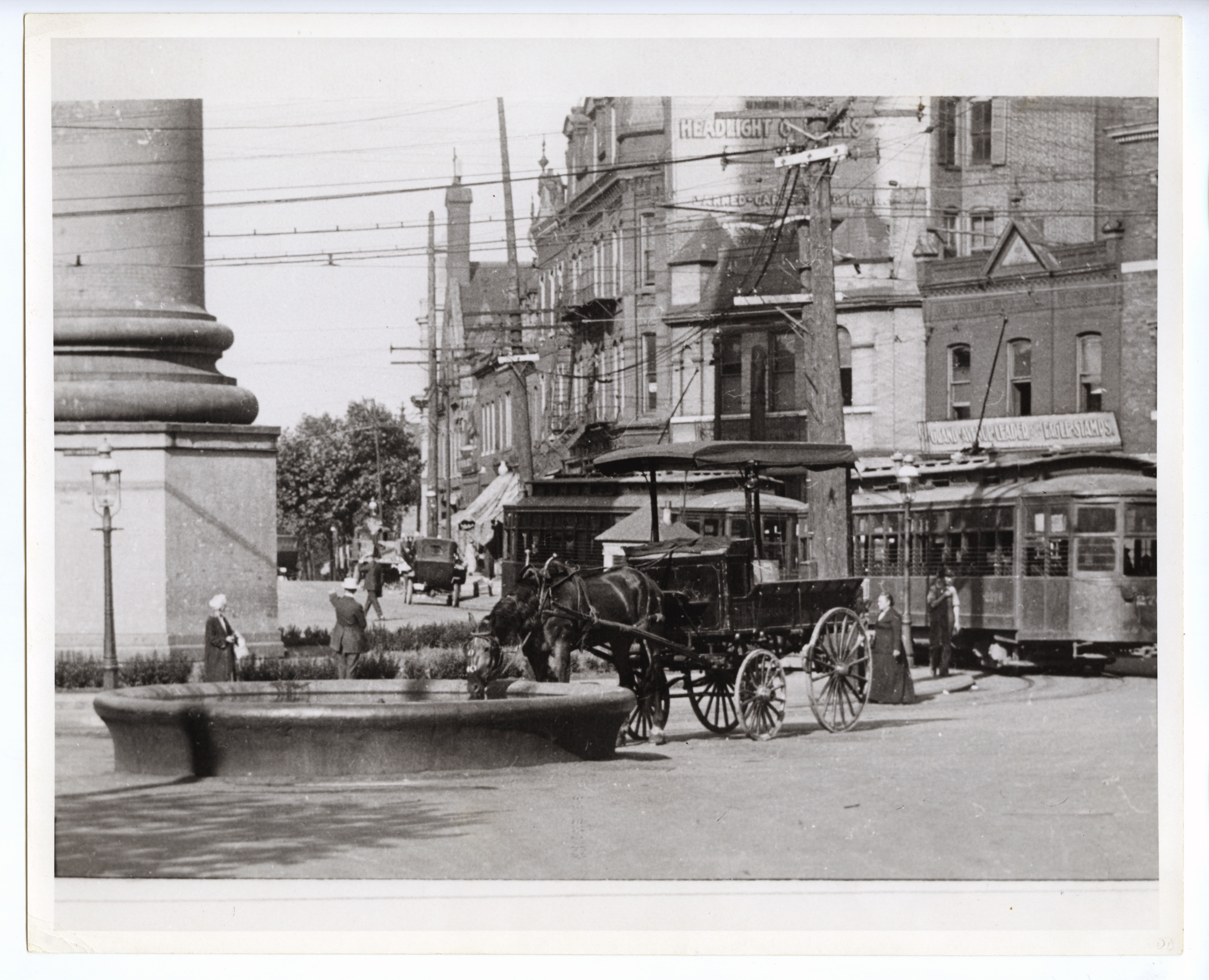
Before plumbing, an American town had one water supply and it stood in the street – a pump or a well in a square, a corner or a market place, used by everybody.
A stone or iron trough stood beside it for the animals, which was infrastructure rather than kindness: every vehicle in town was pulled by something that had to drink several times a day. Households without their own well carried every drop they used from that pump, in buckets, all day, which is why water was rationed by effort rather than by cost – and in larger towns men sold water door to door to those who could pay to avoid the carrying.
A single tin dipper hung at the pump on a chain, and everybody in town drank from it. Here are sixteen things every American town knew.
1. The Town Had One Water Supply and It Was in the Street
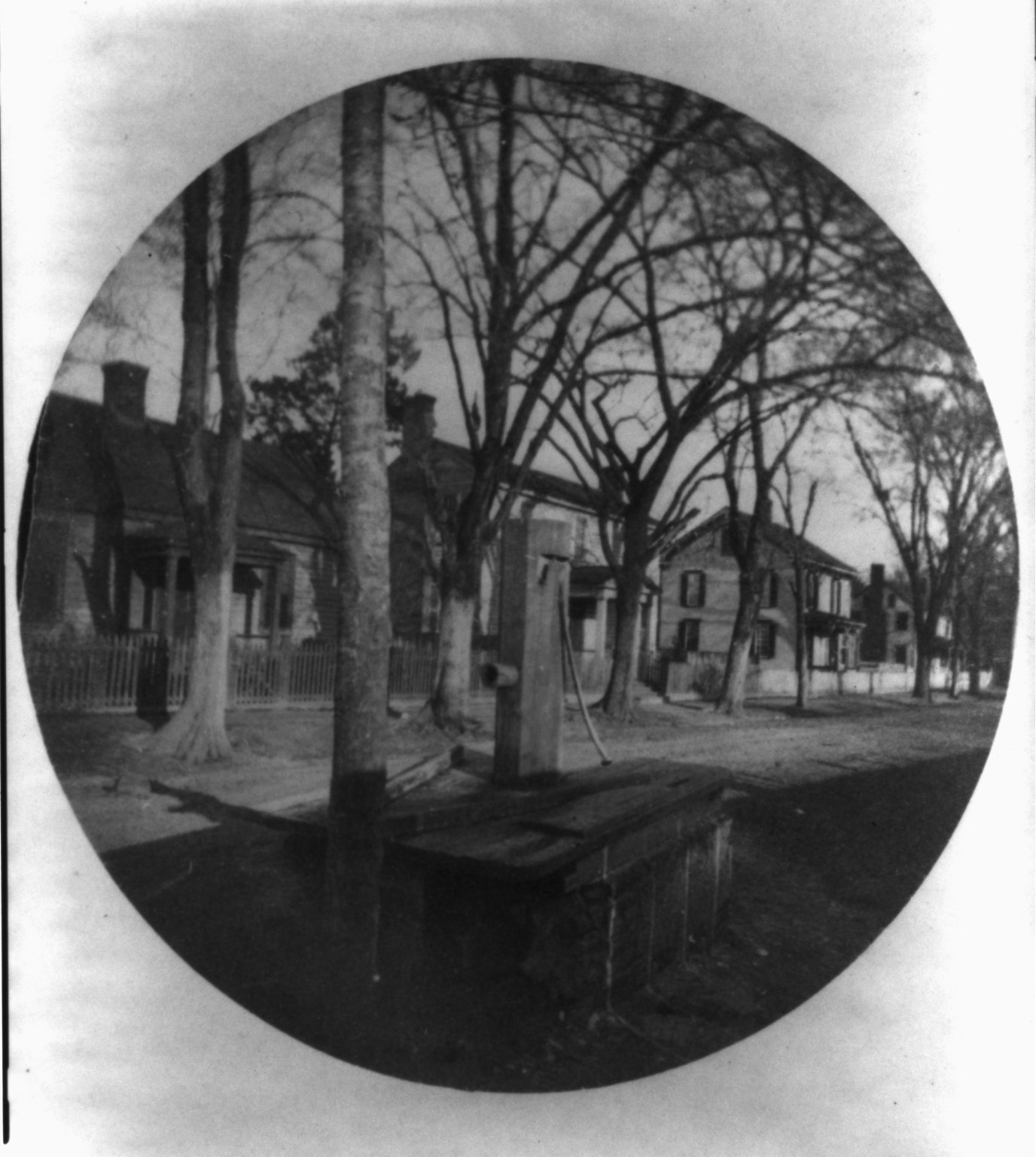
Before household plumbing, a town’s public water came from a pump or a well in a square, a street corner or a market place, used by anybody who needed water.
Piped water to every building, with public drinking fountains as an occasional extra.
Centralised water is the thing to grasp first, because it determined the geography of a town. People, animals and businesses all came to one point for something they could not do without, which makes that point the busiest place in the settlement by a wide margin.
Like our content? Follow us for more.
2. The Trough Was Beside It for the Animals
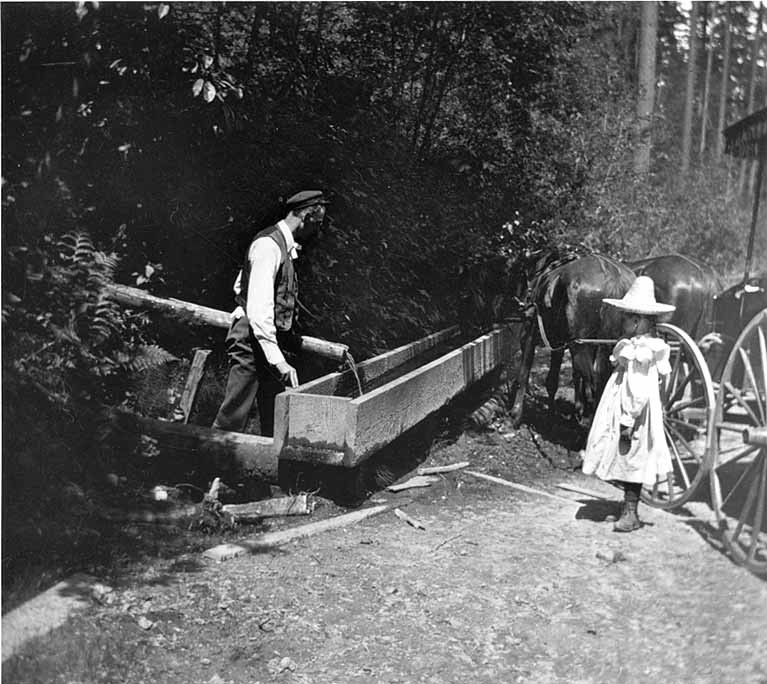
A stone or iron trough stood at the pump or nearby, kept filled, so that horses and oxen working in the town could drink.
Not applicable. Vehicles need nothing.
Animal water was not a kindness but infrastructure. Every vehicle in town was pulled by an animal that had to drink several times a day, which means a town without public watering could not function as a market or a transfer point – and a drover arriving with stock needed considerably more than a trough.
3. It Was the Place Everybody Met
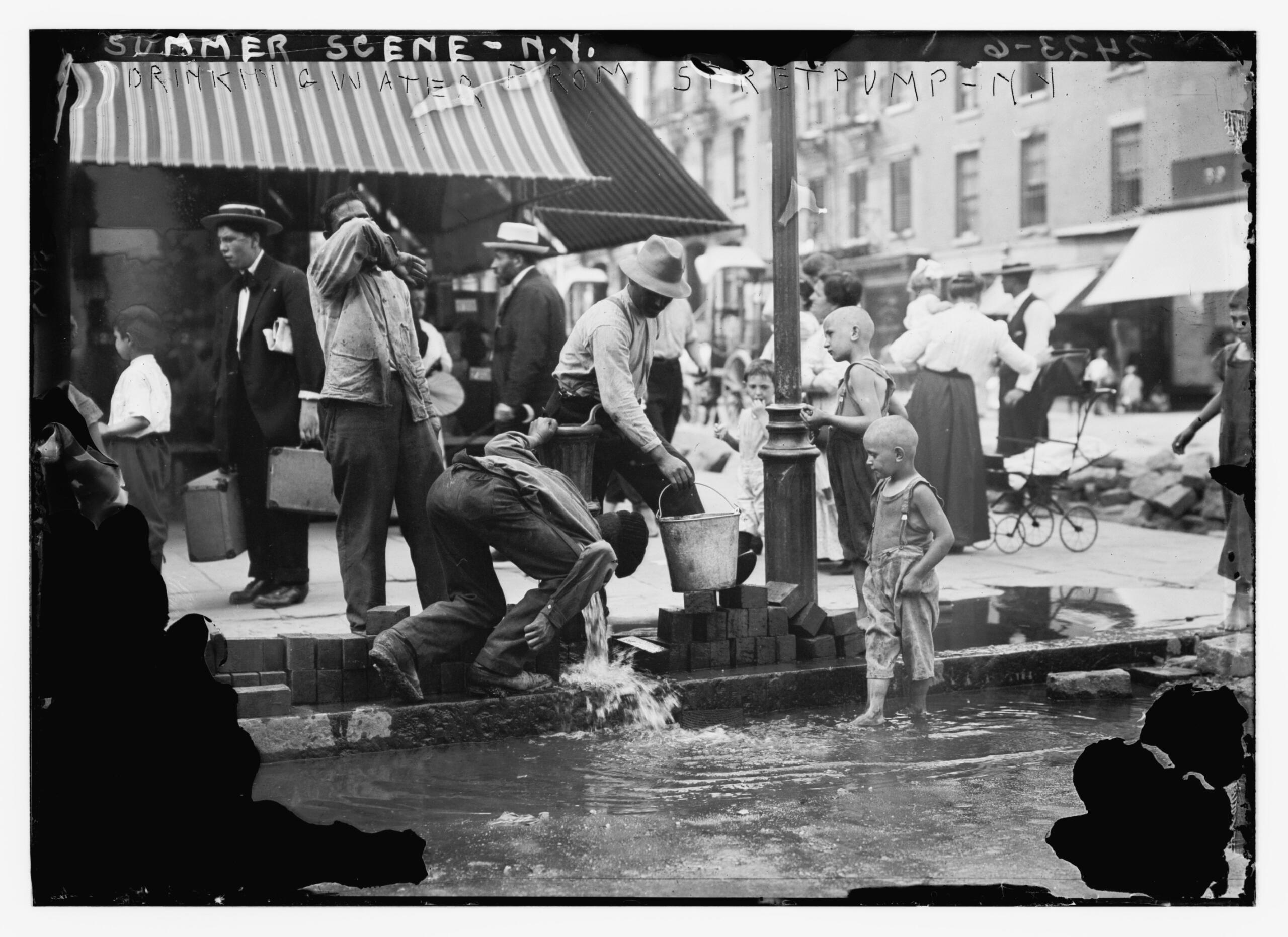
Because everybody came to it, the pump was where news was exchanged, arrangements were made, and people waited in company.
Not applicable.
A compulsory gathering point produces a particular kind of social life. Nobody chose to go to the pump, which means the people you met there were not selected – you encountered whoever in the town also needed water that morning, which is a form of unplanned contact that has no modern equivalent.
4. Carrying Was the Work
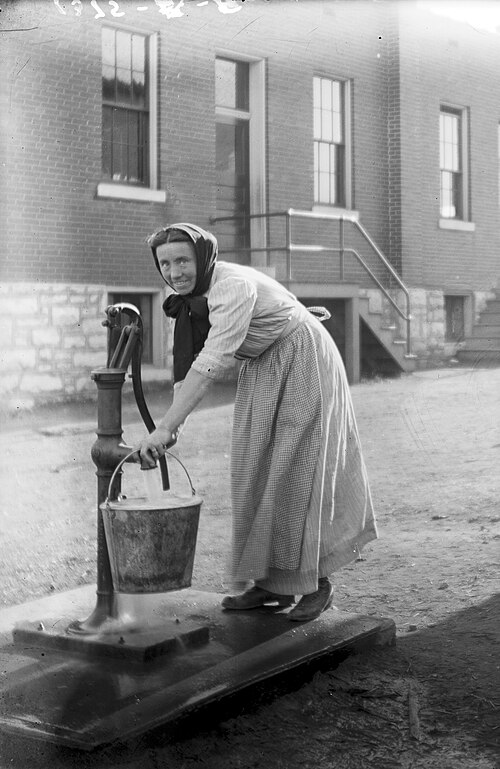
Water is heavy, and a household without its own well carried every drop it used from the public pump, in buckets, repeatedly, every day.
A tap.
The quantity is the thing that is hard to imagine. A household uses a great deal of water for cooking, washing, cleaning and drinking, and before plumbing somebody walked to a pump and back carrying buckets for all of it – which is why water was rationed by effort rather than by cost.
5. The Water Carrier Was a Trade
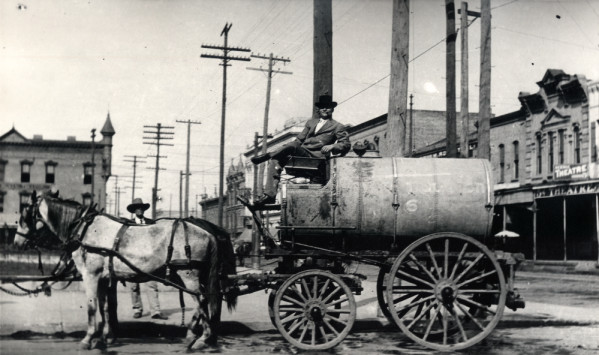
In larger towns, men with carts, barrels or yokes sold water door to door for those who could pay to avoid carrying it.
Not applicable.
Paying somebody to carry your water is the clearest possible evidence of how burdensome the task was. A service exists when a job is unpleasant enough that people will pay to avoid it, and water carrying supported a trade in towns across the world for exactly that reason.
6. The Dipper Was Shared by Everybody
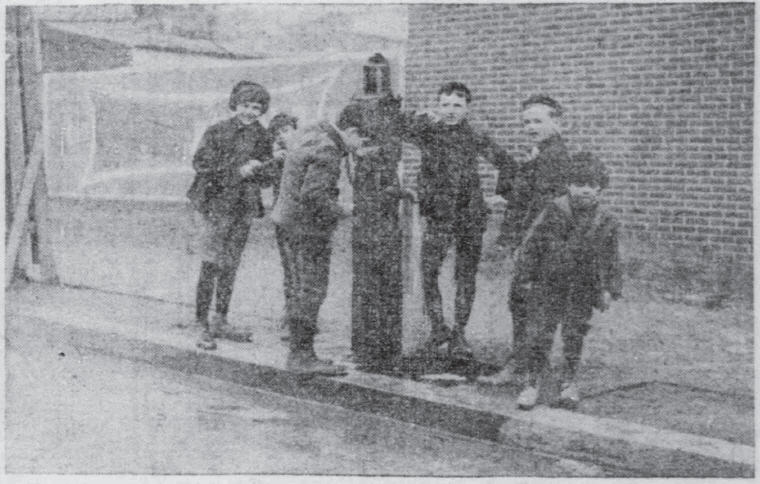
A tin cup or dipper hung at the pump on a chain for anybody to drink from, and the same vessel served every person who passed all day.
Not applicable, and the practice would be unthinkable now.
This is the detail that stops a modern reader, and it was entirely normal. One cup, used by everybody in the town in succession, hanging in the open – and the same arrangement existed at schools, at railway stations and in public buildings everywhere.
7. The Common Cup Was Eventually Banned
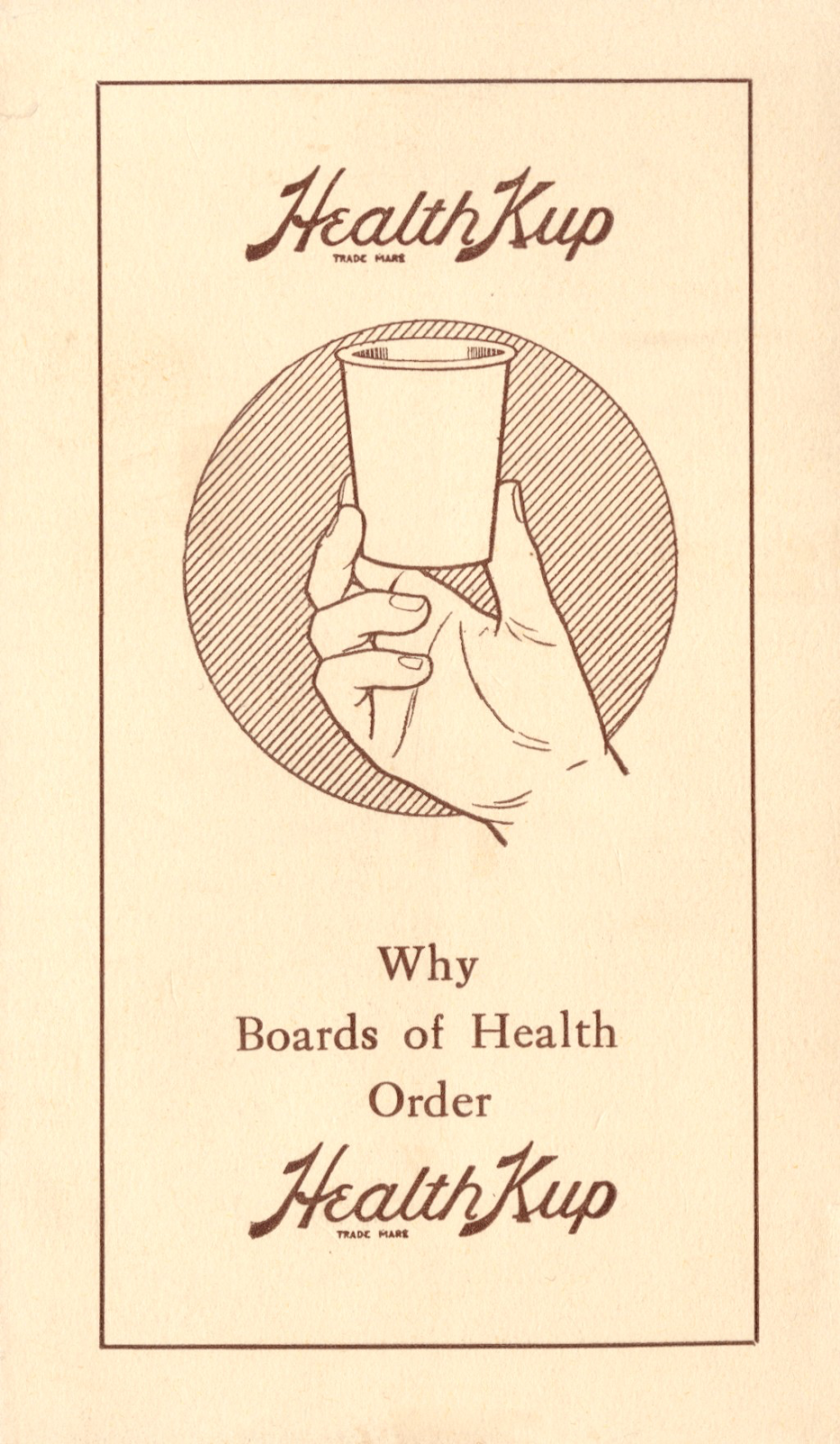
Public health campaigns against the shared drinking cup succeeded in getting it prohibited in public places, in schools and on trains.
Not applicable. Drinking fountains and disposable or personal containers.
The campaign is a good example of public health changing ordinary behaviour decisively. The argument was that a shared vessel transmits disease between everybody who uses it, which is correct, and the practice went from universal to prohibited inside a generation – and the drinking fountain is the direct replacement.
8. Water Quality Was a Serious Problem
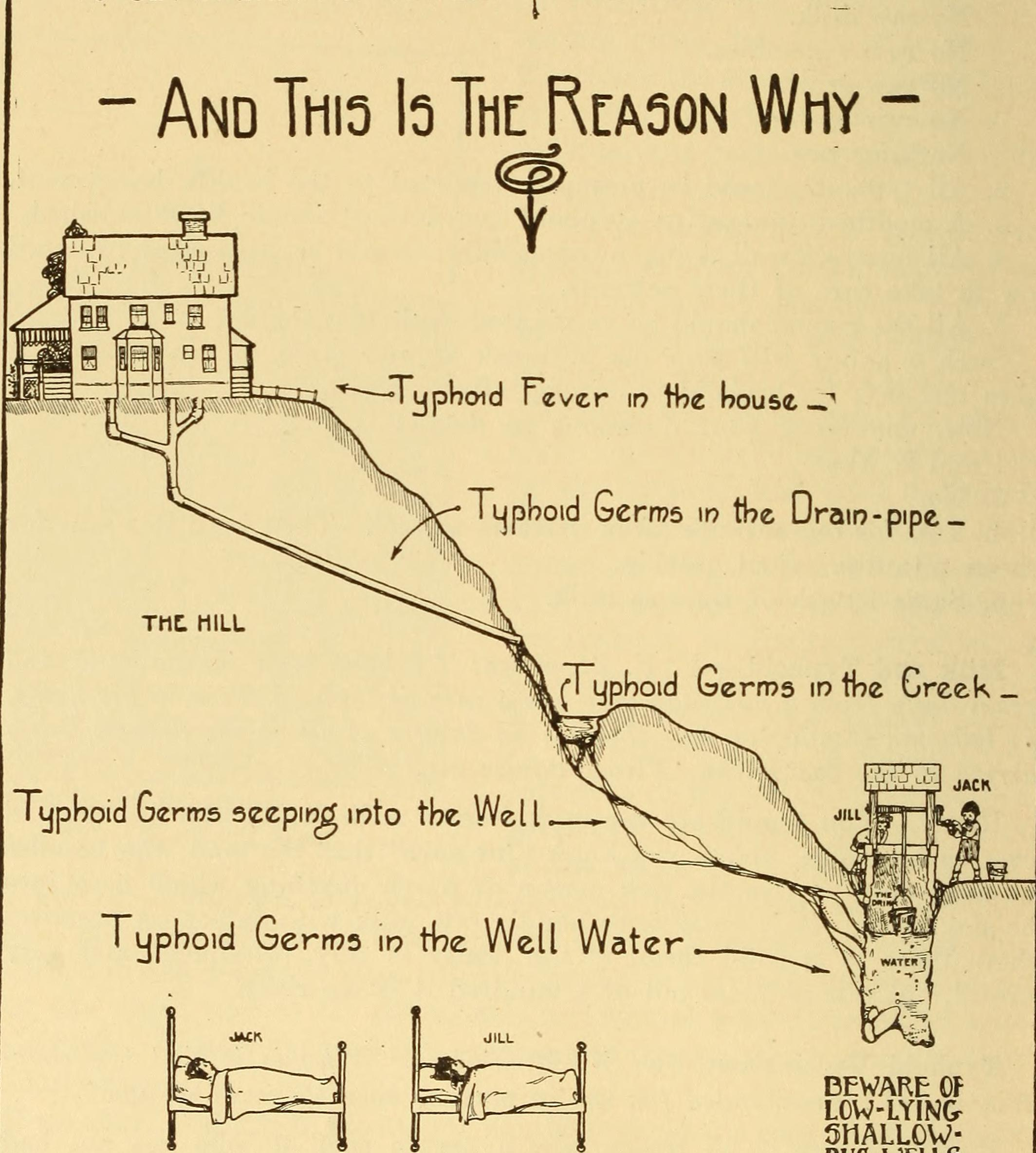
A town well in a settlement with privies, stables and no sewers can be contaminated by what is around it, and the connection between bad water and disease was not initially understood.
Treated, tested and regulated municipal supply.
This has to be stated plainly because it is the most consequential fact in the subject. Shallow wells in populated places were genuinely dangerous, and the history of nineteenth-century public health is substantially a history of working that out – which belongs to the sources that can treat it properly rather than to this file.
9. Fire Was the Other Reason the Pump Mattered
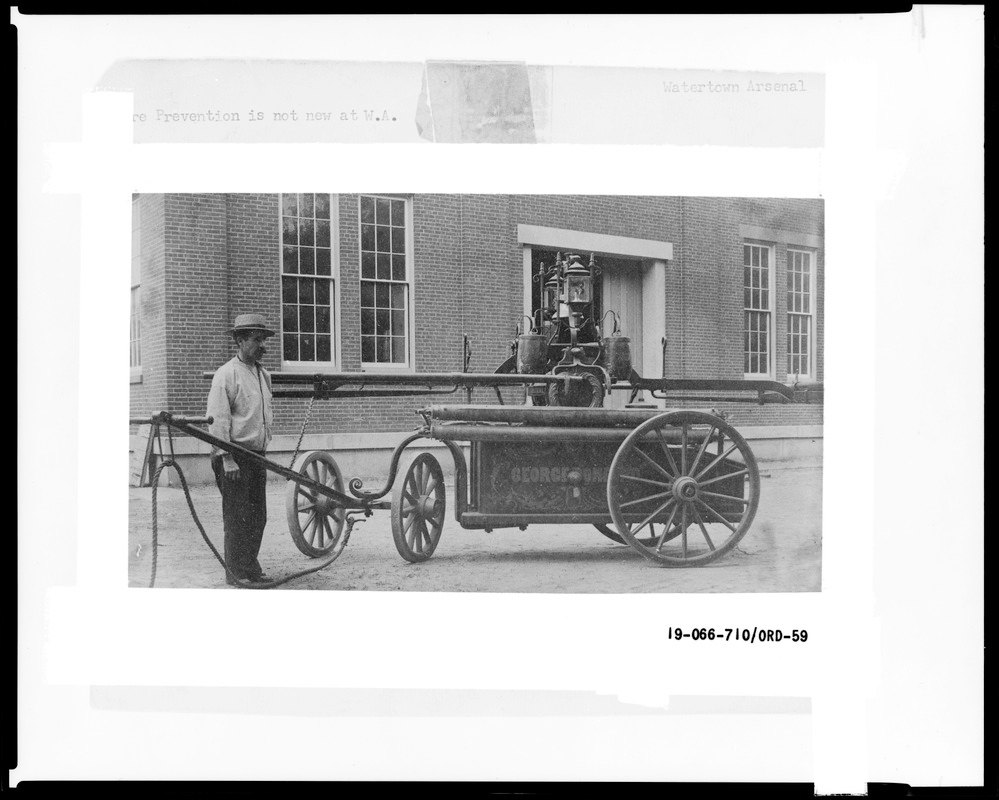
Public water was the town’s firefighting supply, with cisterns, reservoirs and pumps located so that a hand engine or a bucket line could reach them.
Hydrants on a pressurised main.
The firefighting role explains why these were placed where they were. A town’s water points had to be distributed so that no building was too far from one, which is the same logic that governs hydrant spacing now – and it is why the arrival of a pressurised water system transformed fire protection as much as it transformed washing.
10. The Pump Was a Piece of Civic Furniture
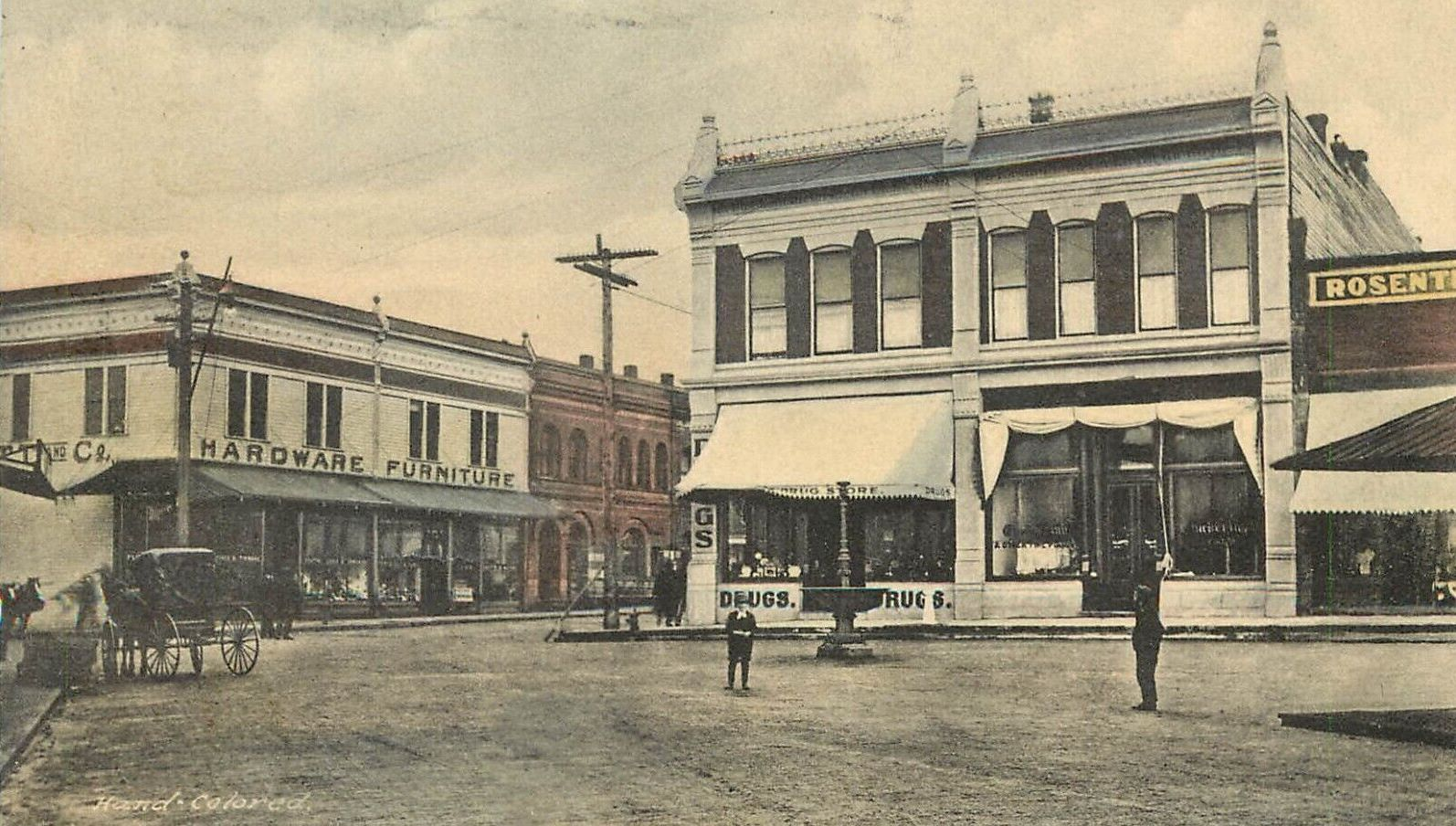
Public pumps and troughs were frequently substantial designed objects in stone or iron, sometimes decorated, inscribed or given as memorials.
Not applicable, though decorative drinking fountains survive from the period.
The design effort tells you what status the thing had. A town does not commission an ornamental iron structure for something trivial – it does it for the thing everybody uses, in the place everybody passes, which makes the pump the civic monument of a settlement that had no others.
11. Animal Welfare Societies Built Troughs Deliberately
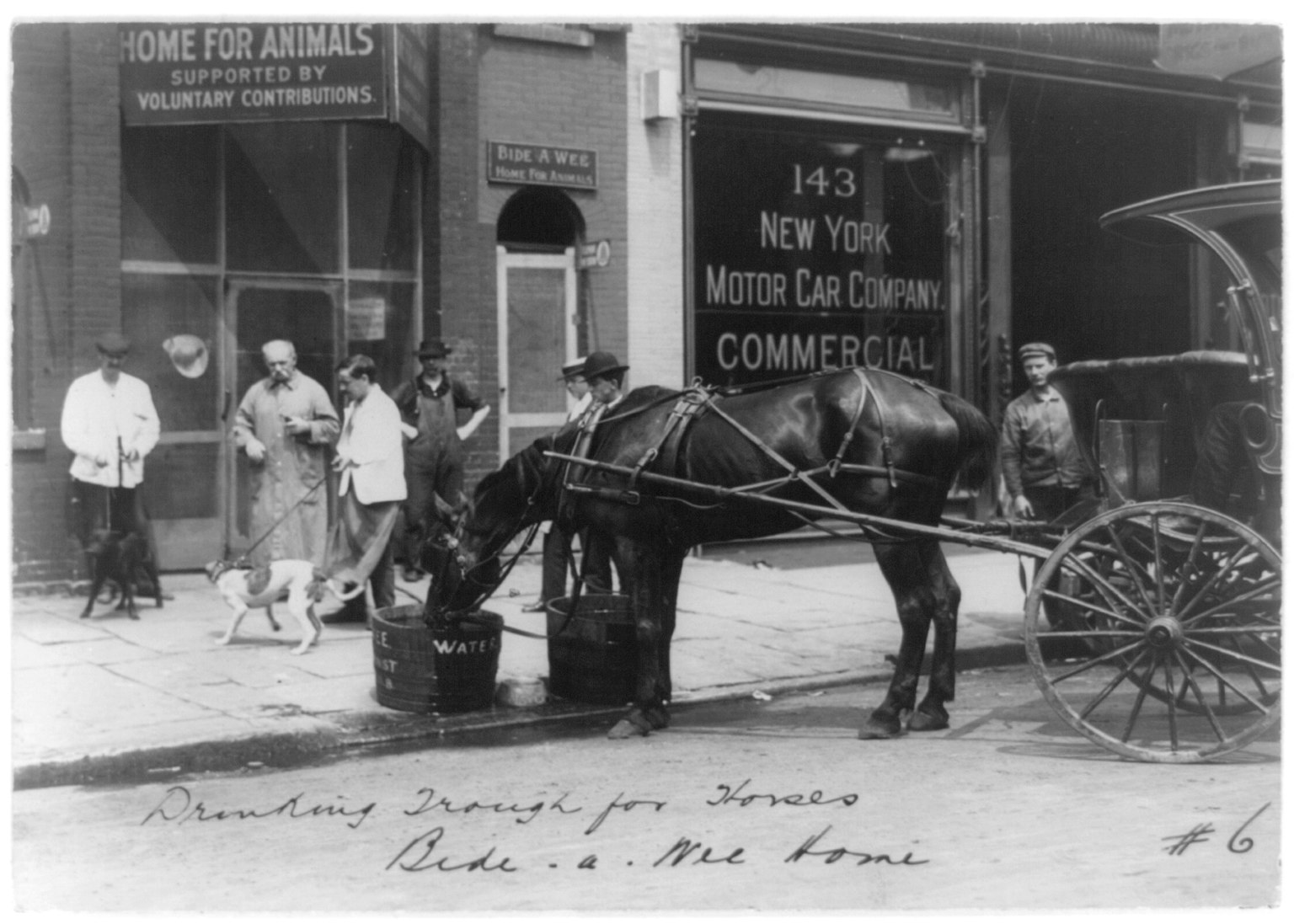
Organised campaigns funded and installed drinking troughs for working animals in towns, as a deliberate welfare intervention.
Not applicable.
The organised provision is worth knowing about because it shows the issue was recognised. Working animals in towns were visibly suffering for want of water, people formed organisations about it, and the result was a wave of installed troughs – a public welfare campaign conducted in street furniture.
12. Then Piped Water Reached the Buildings
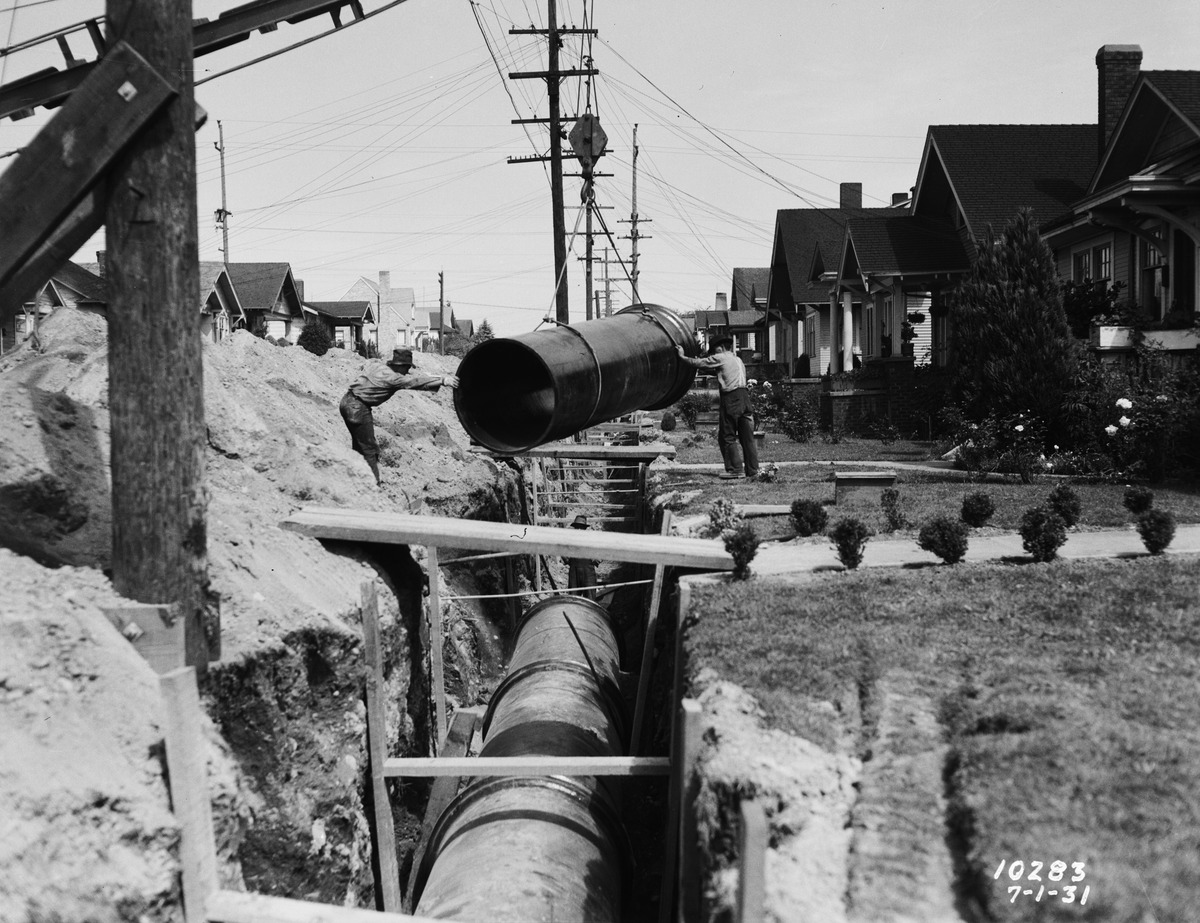
Municipal water systems with pressurised mains delivered water into premises, which removed the need to go anywhere for it.
Universal.
This is the decisive change and the scale of it is easy to underrate. A tap inside a building abolishes carrying, abolishes rationing by effort, abolishes queuing, abolishes the trade in carried water and abolishes the compulsory daily walk that assembled a town at one point.
13. Then the Automobile Emptied the Troughs
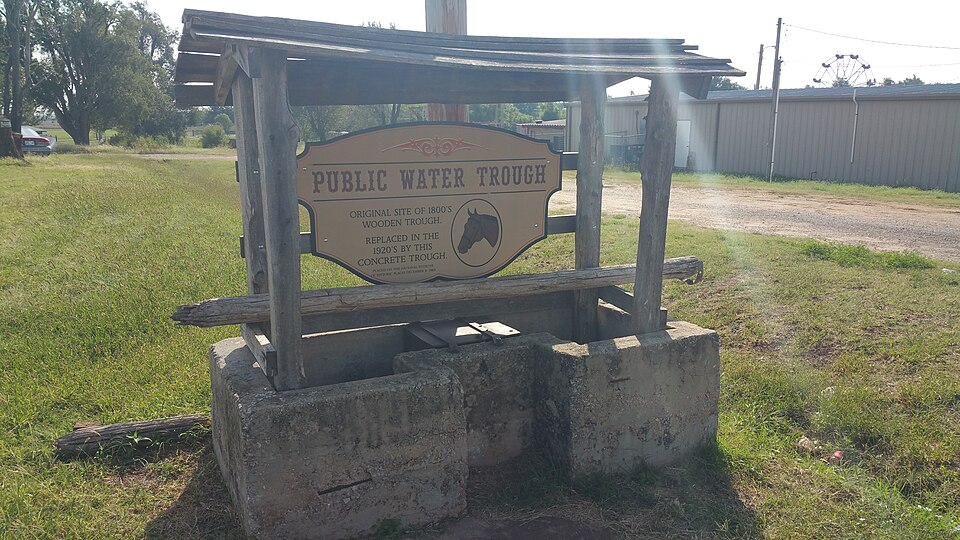
As horses left the streets, the troughs had nothing to serve, and they were removed, converted to planters or left dry.
Not applicable.
The trough went for a different reason from the pump, which is worth separating. The pump was replaced by something better; the trough simply lost its users – and the fate of a surviving trough is almost always to be filled with flowers, which is what happens to a vessel whose purpose has gone.
14. Then the Drinking Fountain Replaced the Cup
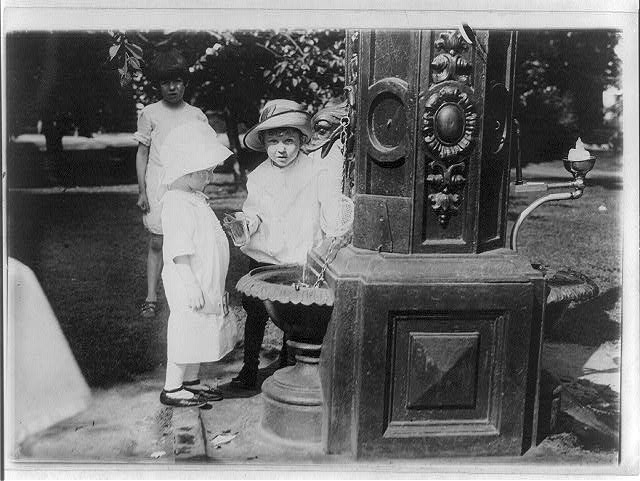
Public drinking water continued in the form of fountains delivering a stream nobody touches, which solved the shared-vessel problem without removing public provision.
Standard, though declining in many places.
The fountain is the surviving descendant and it is a good piece of design. It keeps the public function – anybody can drink without paying – while removing the thing that made the old arrangement unsafe, which is a rare case of a replacement that loses nothing.
15. Then the Square Lost Its Reason to Be Crowded
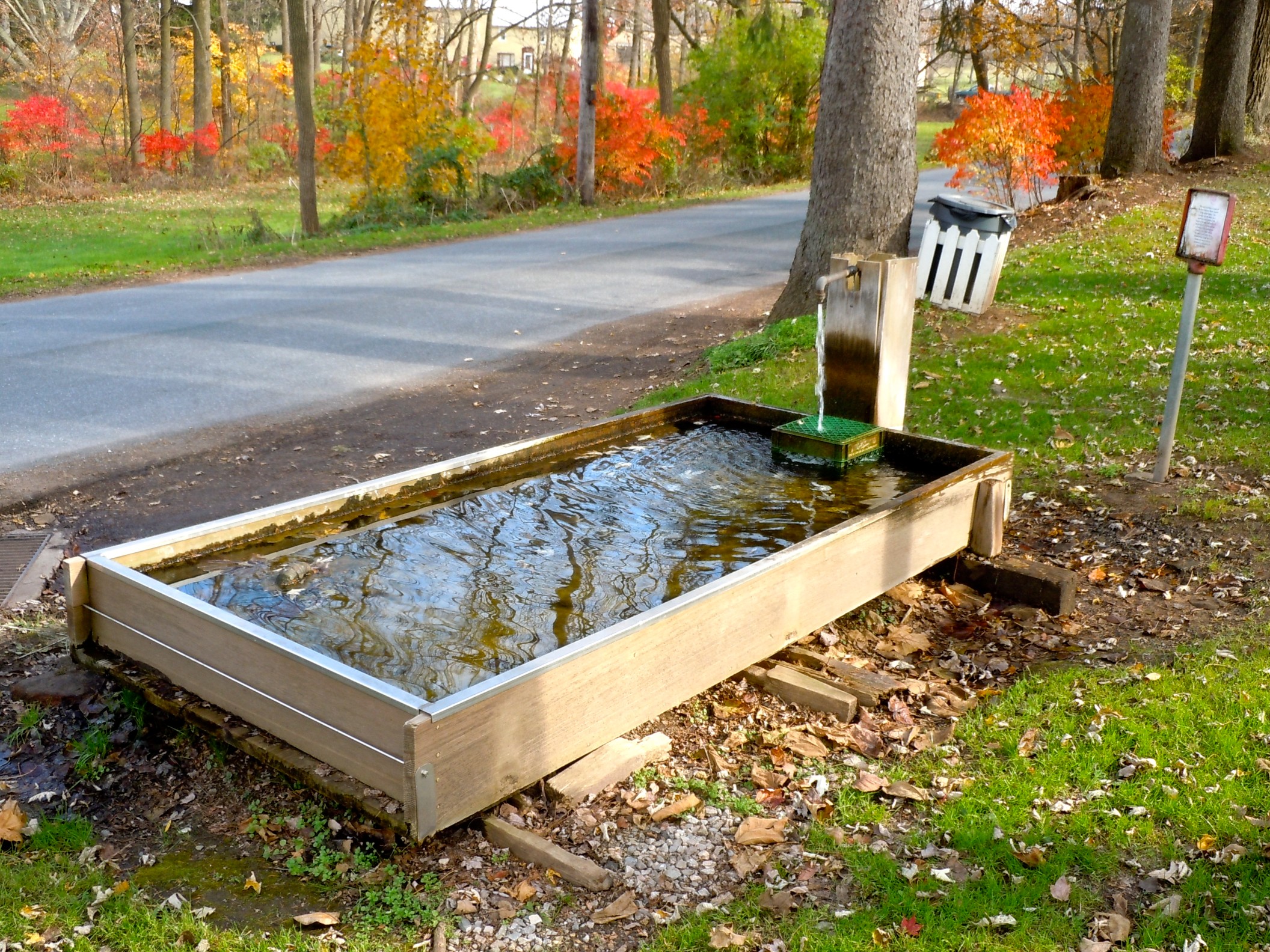
Once water came to every building, the place where everybody had been obliged to meet daily stopped being a place anybody had to go.
Standard. Town centres are reached deliberately rather than compulsorily.
And that is the loss nobody designed. The pump assembled a town every single day, not because anybody liked it but because water is not optional – and when the water moved indoors, the assembly stopped. Which means a great deal of ordinary unplanned contact between neighbours disappeared as a side effect of plumbing.
16. Then Only the Stone Was Left
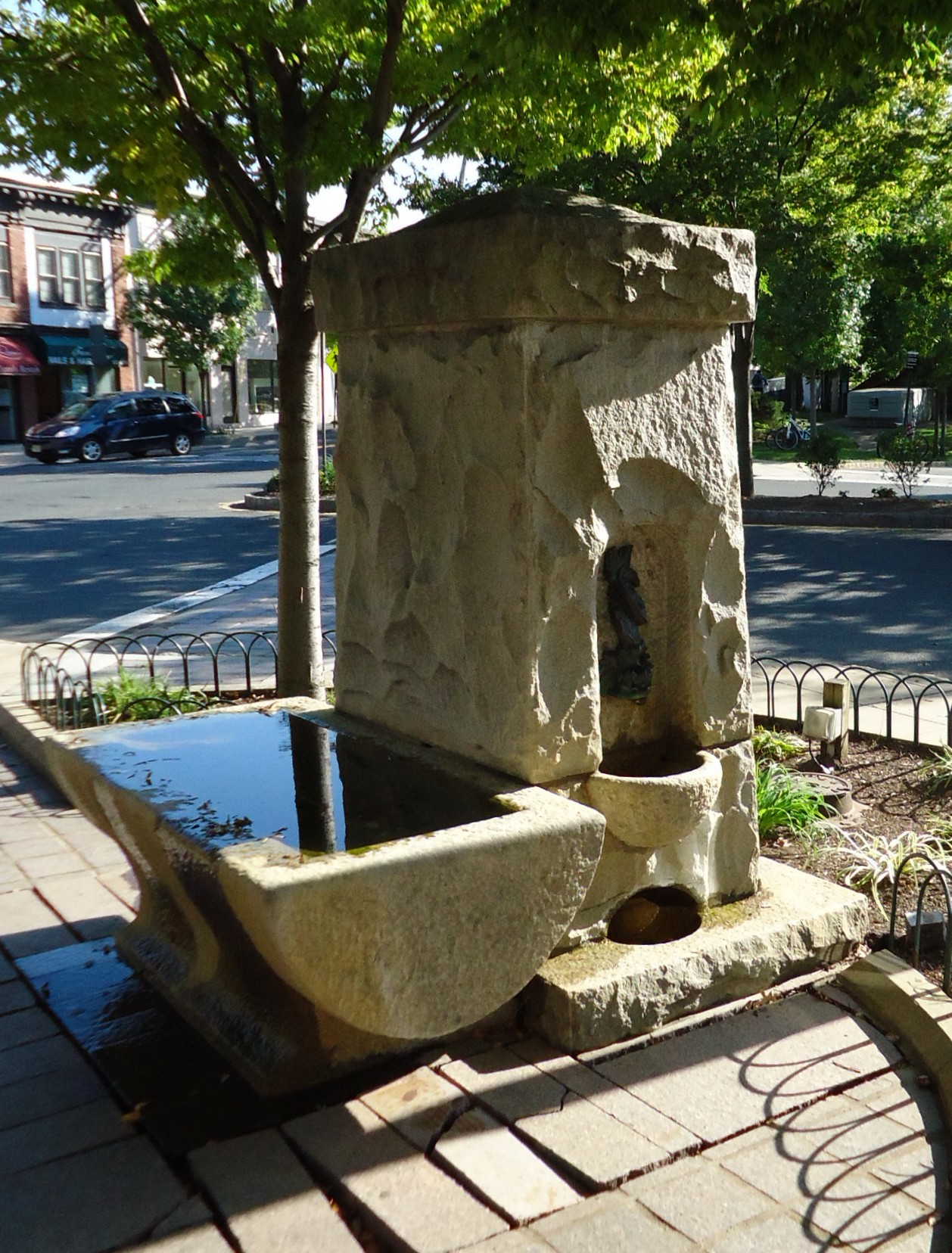
By 1964 the American town pump was long gone, with the occasional trough surviving as a planter and the occasional pump kept as an ornament.
Mains water everywhere, with the old fixtures either removed or repurposed as decoration.
And the thing worth taking from it is how much a single utility was holding up. One point in a town supplied the drinking water, the cooking water, the washing water, the animals that moved every vehicle, and the firefighting reserve – and because it did all that, it was also the news exchange, the meeting place and the only civic monument many settlements had. A shared tin cup hung on it for everybody, because nobody yet knew why that was a bad idea. Then a pressurised main arrived and did the water part better in every respect, and the rest of it quietly came apart. The firefighting went to hydrants, the public drinking went to fountains, the animals went away entirely, the carrying trade ended, and the daily compulsory gathering of a whole town in one place simply stopped happening. If there is a stone trough full of geraniums in your town square, that is the piece that is left – and it is the piece that mattered least.
One Utility Was Holding Up Far More Than Water
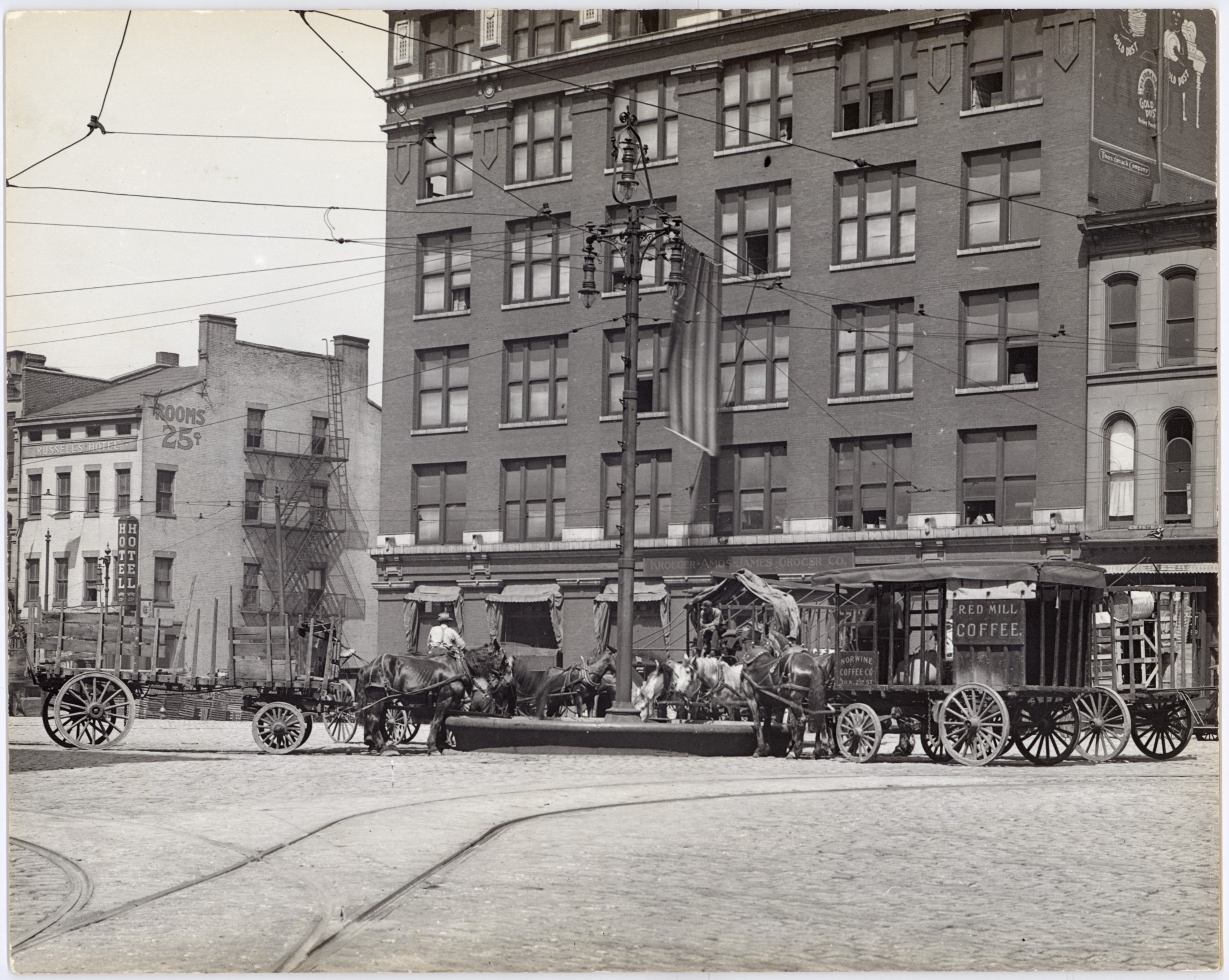
The town pump looks like a quaint detail and it was the load-bearing centre of a settlement.
Count what it was doing. It supplied the drinking water and the cooking water. It supplied the washing water, which is the largest household demand by volume. It supplied the animals that pulled every vehicle in town, which had to drink several times a day, so that a town without public watering could not function as a market or a transfer point. And it was the firefighting reserve, with cisterns, wells and pumps distributed so that a hand engine or a bucket line could reach one from anywhere – the same logic that governs hydrant spacing today.
Because it did all of that, it also did a great deal more without anybody intending it.
It was the meeting place. Everybody came, every day, which produces a particular kind of social life: nobody chose to go to the pump, so the people you met there were not selected. You encountered whoever else in the town needed water that morning, which is unplanned contact with no modern equivalent.
It was the news exchange, and the place arrangements got made.
And it was the civic monument. Public pumps and troughs were frequently substantial designed objects in stone or iron, decorated, inscribed or given as memorials – because a town does not commission ornamental ironwork for something trivial. It does it for the thing everybody uses in the place everybody passes.
Two things about it were genuinely bad.
The shared cup. A single tin dipper hung on a chain for anybody to drink from, serving every person who passed all day, and the same arrangement existed in schools, railway stations and public buildings everywhere. Public health campaigns eventually got it prohibited, correctly, on the grounds that a shared vessel transmits disease between everybody who uses it – and the practice went from universal to banned inside a generation.
And the water itself. A town well in a settlement with privies, stables and no sewers can be contaminated by what surrounds it, and the connection between bad water and disease was not initially understood. Shallow wells in populated places were genuinely dangerous, and the history of working that out belongs to sources that can treat it properly rather than to this file.
The troughs, incidentally, were frequently installed by organised welfare campaigns – people formed societies about the visible suffering of working animals short of water, and the result was a wave of public troughs, which is a welfare movement conducted in street furniture.
Then a pressurised main arrived and did the water part better in every respect.
A tap inside a building abolishes carrying, abolishes rationing by effort, abolishes queuing, and ends the trade in carried water. That is an enormous improvement and nobody would reverse it.
But everything else the pump had been holding up came apart separately. Firefighting moved to hydrants. Public drinking moved to the fountain, which is a genuinely good replacement because it keeps the function – anybody can drink without paying – while removing the shared vessel. The animals left with the automobile, so the troughs lost their users rather than being superseded, which is why a surviving one is almost always full of flowers.
And the daily compulsory assembly of a whole town in one place simply stopped happening.
That is the part nobody designed and nobody noticed. A great deal of ordinary unplanned contact between neighbours disappeared as a side effect of plumbing.
If there is a stone trough full of geraniums in your town, that is the piece that is left.
And it is the piece that mattered least.
Like our content? Follow us for more.